REVIEW · GOLD COAST
Gold Coast: SkyPoint Climb Experience
Book on GetYourGuide →Operated by Dreamworld · Bookable on GetYourGuide
Q1 at 270m above sea level sounds unreal, and SkyPoint makes it real. You’ll start with big Gold Coast views from the SkyPoint Observation Deck, then head into an outside climb on Australia’s tallest building.
I especially love the tight format: a 30-minute safety briefing, then a 1-hour guided climb with a small group. Another highlight I like is the payoff—official proof of reaching the top with a group photo, signature cap, and certificate.
One consideration: this is not a casual walk-around. If you have vertigo or you’re small enough or weight-limited, it won’t work for you.
In This Review
- Key things I’d pencil into your day
- SkyPoint on Q1: what this climb really feels like
- From elevator to outside view: the smart way they set you up
- The 30-minute safety briefing: why it’s part of the value
- Guided climb for about an hour: your plan should be simple
- What you’ll see at the top: use your eyes, not your phone
- The Q1 payoff: cap, certificate, and the official group photo
- Price and value: why $65 can make sense for 90 minutes
- Who should book SkyPoint Climb and who should skip it
- Practical tips so you’re not stuck in “rules mode”
- Your SkyPoint schedule: how the 90 minutes unfolds
- Is it worth it for your trip style?
- Should you book the SkyPoint Climb Experience?
- FAQ
- How long is the SkyPoint Climb Experience?
- Where do I meet for the climb?
- Is the climb guided?
- What is included in the price?
- Are cameras allowed during the experience?
- What should I wear and bring?
- Who can’t do the experience?
- Is the experience refundable if plans change?
Key things I’d pencil into your day
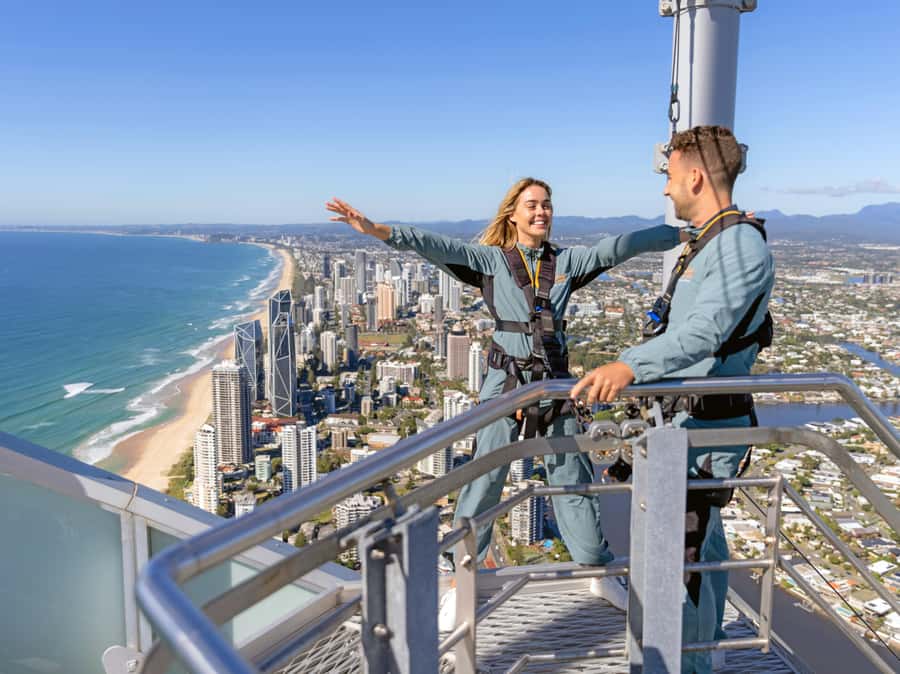
- One of Australia’s highest external building climbs on the outside of Q1
- 270m above sea level views from the SkyPoint Observation Deck
- Fast lift to Level 77 in about 38 seconds, then the real work starts
- Small group size (max 10), so the guide can coach you closely
- Guided climb in English with a live tour guide
- Proof of the climb: group photo, signature cap, and certificate
SkyPoint on Q1: what this climb really feels like
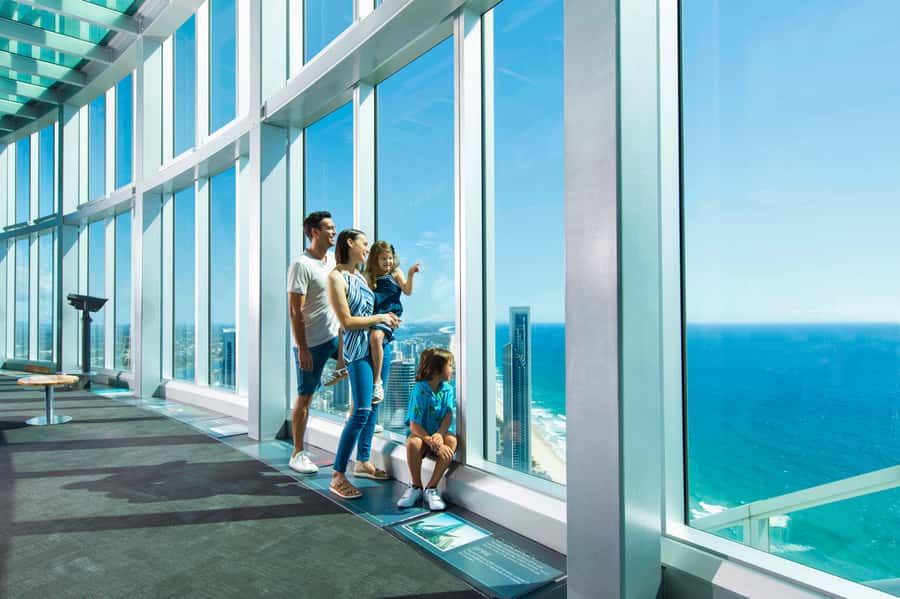
The SkyPoint Climb Experience is built around one simple idea: take the huge views of Surfers Paradise and turn them into a goal you earn. You’re on the outside of Q1 Resort Building, and the entire run is designed so you’re never just standing around waiting for something to happen.
You start from the SkyPoint world on top—panoramic viewing up high—then move into the climb part, where height stops being a background detail and becomes the main character. It’s that switch that makes the experience memorable. You’re not just looking at the Gold Coast. You’re working your way to a viewpoint that most people only ever see from the street.
The format also keeps expectations clear. You’re given time for safety, then time with a guide as you climb, then you get summit time to take in what you came for. If you like activities with a definite rhythm and a clear finish, this fits.
You can also read our reviews of more tours and experiences in Gold Coast.


From elevator to outside view: the smart way they set you up
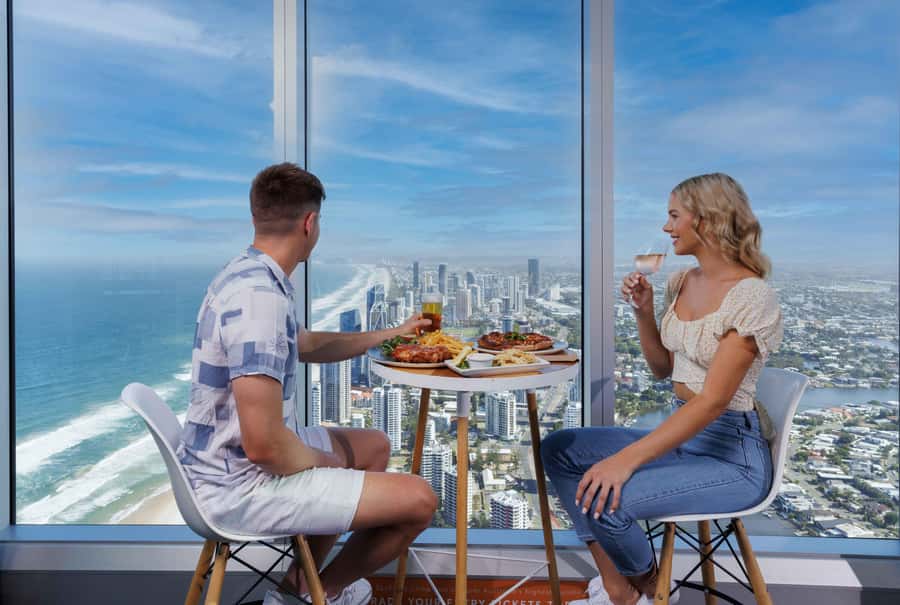
The experience begins at SkyPoint Climb Mission Control on the ground floor. From there, you’ll go up to the SkyPoint Observation Deck, which sits high above the city and gives you a sweeping view over Surfers Paradise and the coastline area.
One detail I think matters for nervous first-timers: you don’t have to wonder how you’ll get up there. The attraction uses one of Australia’s fastest elevators, reaching Level 77 in about 38 seconds before your ascent begins. That’s quick enough that you’re not stuck with long “what if” moments.
Once you’re on the deck, you get oriented with a safety briefing that lasts about 30 minutes. This is where the experience earns its confidence. Before anyone asks you to tackle the outside climb, you get the rules and guidance you need to move with less guesswork.
The 30-minute safety briefing: why it’s part of the value
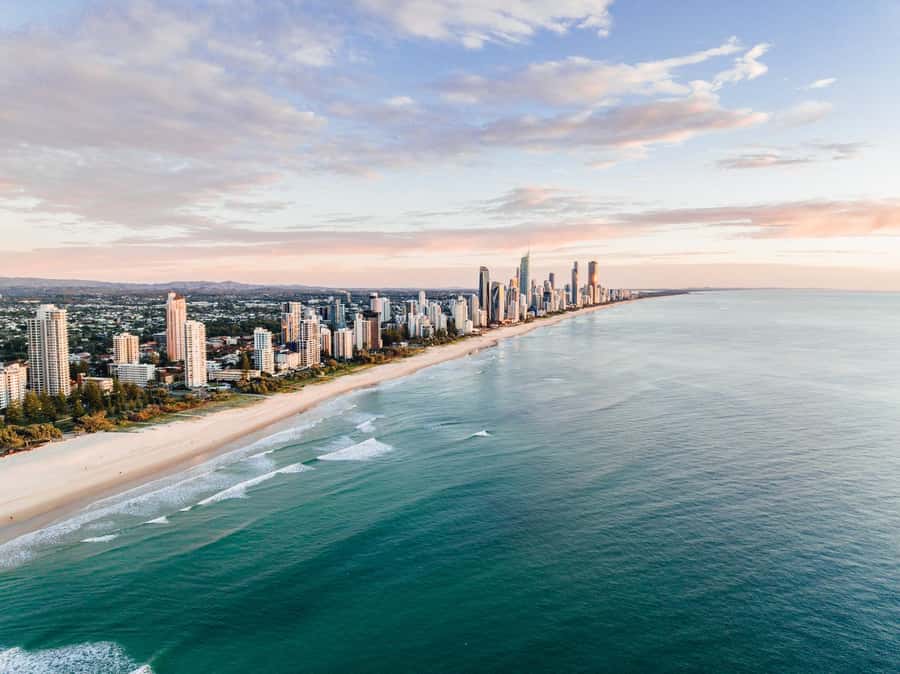
The safety briefing isn’t just legal padding. It’s part of the experience’s pacing, and it helps you avoid wasting mental energy. When you know what to expect—how to move, what to watch, and what’s off-limits—you’re more likely to stay calm when you’re suddenly very high.
You also have a live English guide during this stage and throughout the climb. In real life, that kind of coaching is what turns height anxiety from a panic story into a manageable checklist. One example from past experience: a guide named Jesse was specifically praised for staying calm and professional while helping someone who was scared of heights.
That matters because the climb is physical and mental at the same time. You’re not just looking at the horizon; you’re concentrating on your footing and the instructions in front of you. A steady guide voice can make a noticeable difference.
Guided climb for about an hour: your plan should be simple
After the briefing, the guided portion runs for about 1 hour. This is where the SkyPoint Climb shifts from “viewing” to “doing.”
A helpful way to think about it: treat this as a guided route with coaching, not a solo challenge. The small group format (limited to 10 participants) supports that. There’s enough attention to keep people aligned, and you’re not lost in a crowd.
You’ll climb up to the top area in under the overall 90-minute experience window, then have time to take in the views. That timing is important. It means you’re not only climbing the whole time. You get a moment to register where you ended up and why it’s special.
What you’ll see at the top: use your eyes, not your phone
The main reward is the panoramic view over the Gold Coast. SkyPoint’s vantage point is described as 270m above sea level, and you’ll get sweeping views from one high spot instead of bouncing between viewpoints.
What to look for depends on the time of day. You can do the climb in the morning or afternoon, and the light changes the feel of the city. Morning often makes everything look crisp. Afternoon can bring a warmer tone to the coastline and buildings.
One practical note: cameras aren’t allowed, and many personal items are restricted. That’s not ideal if you love documenting every second, but it does keep the focus on the experience. Since you can’t bring cameras, you should plan to rely on the official group photograph and the views themselves for your memories.



The Q1 payoff: cap, certificate, and the official group photo
When the climb ends, SkyPoint gives you a group photo, plus a signature climb cap and certificate. This is a small thing that adds up.
Why I think it’s worth it: a climb like this is one of those things you do once, and then you retell the story forever. Having a photo and certificate makes the memory tangible, especially if you came with friends or family and you all want proof you actually reached the top.
The experience also gives you that satisfying close-out moment after the intensity. Instead of everyone scattering, you get a shared recap: you did it, you’re finished, and you leave with something official in hand.
Price and value: why $65 can make sense for 90 minutes
At about $65 per person for a 90-minute activity, SkyPoint is not a budget filler. It’s an attraction-priced adrenaline experience.
Here’s how I’d judge value: you’re paying for a guided climb on a major landmark building, a strict safety setup, and a high-cost location (Q1). You also get more than a thrill—your package includes entry to the observation deck, a guided climb, and the photo/cap/certificate bundle.
If you compare it to solo outdoor activities or self-guided city sightseeing, the price looks high. If you compare it to other guided adventure attractions with gear, coaching, and an iconic setting, it becomes easier to justify. The key is your comfort level. If you’re nervous about heights but willing to try, the structured briefing and live guide are part of what you’re buying.
Who should book SkyPoint Climb and who should skip it
This climb is best for people who want something different from standard sightseeing, and who like a clear timeline. It’s also a strong fit if you appreciate a guided experience with a small group and a professional safety lead.
It’s not suitable for:
- Children under 12
- People with vertigo
- People under 4 ft 3 in (130 cm)
- People over 331 lbs (150 kg)
- People with recent surgeries
If any of those apply, don’t force it. The activity’s restrictions exist for safety and comfort.
If you’re generally okay with heights but get uneasy when you’re very high, the guided coaching can be exactly what you need. At least one past booking highlighted how a calm guide approach helped someone manage fear of heights during the climb.
Practical tips so you’re not stuck in “rules mode”
SkyPoint has a long list of items that are not allowed. Most importantly, plan around the big categories: no cameras, no cellphones, no selfie sticks, no tripods, and no drones. You also shouldn’t bring bags or backpacks.
So what should you do instead?
- Wear comfortable clothes you can move in.
- Choose closed-toe shoes with a secure fit.
- Leave personal electronics and “extra” items behind so you don’t waste time worrying about what you can carry.
Also, skip the accessories. Hats and jewelry aren’t allowed, and the rules include restrictions like no smoking and no food or drinks. It’s the kind of place where being prepared makes the experience smoother.
One more thing: if you’re someone who hates being rushed, aim to arrive with enough buffer time so you can focus on the briefing. Even though the climb itself is scheduled, you’ll have a better run if you’re not juggling your belongings at the last second.
Your SkyPoint schedule: how the 90 minutes unfolds
You’re looking at about 90 minutes total. Check availability for starting times, since you can do the climb either in the morning or afternoon.
A simple way to picture it:
- You start at SkyPoint Climb Mission Control on the ground floor.
- You head to the SkyPoint Observation Deck for a safety briefing lasting about 30 minutes.
- Then you move into the guided climb for about 1 hour.
- Finally, you return to SkyPoint when you’re done.
This matters because it keeps the mental load lower. You’re not spending half a day planning your own route. The experience has its own structure, and you just follow it.
Is it worth it for your trip style?
If your Gold Coast plan is mostly beaches, markets, and skyline photos, this adds a strong “earned” story. You’ll come away with both a viewpoint and a personal achievement.
If you hate heights or have vertigo, skip it. If you’re recovering from surgery, don’t push it either. The restrictions are clear for a reason, and you’ll enjoy the trip more if you choose something that fits your body and comfort.
If you’re the type who enjoys challenge activities that still feel guided and safe, SkyPoint hits a nice middle ground: intense enough to feel special, structured enough to stay manageable.
Should you book the SkyPoint Climb Experience?
Book SkyPoint Climb if you want an iconic Gold Coast challenge with a clear timeline, a live English guide, and real summit-time views. The package includes more than a climb: you get entry, coaching, and the official proof items (photo, cap, certificate).
Skip it if you’re dealing with vertigo, height panic you know you can’t manage, or any of the specific size/medical limits. Also, if you hate rules around phones and cameras, be ready for that trade-off and plan your memory accordingly.
For the right person, this is one of those experiences that turns Surfers Paradise from a place you visit into a place you remember.
FAQ
How long is the SkyPoint Climb Experience?
The experience runs for about 90 minutes.
Where do I meet for the climb?
You meet at SkyPoint Climb Mission Control on the ground floor.
Is the climb guided?
Yes. You get a safety briefing and a guided climb led by a live English tour guide.
What is included in the price?
Entry to the SkyPoint Observation Deck, a guided climb, a complimentary climb group photograph, a signature climb cap, and a certificate.
Are cameras allowed during the experience?
No. Cameras are not allowed.
What should I wear and bring?
Wear comfortable clothes and closed-toe shoes. Don’t bring prohibited items like cameras and phones, and plan for restrictions on bags and personal belongings.
Who can’t do the experience?
It’s not suitable for children under 12, people with vertigo, people under 130 cm, people over 150 kg, or people with recent surgeries.
Is the experience refundable if plans change?
It’s non-refundable.