REVIEW · GOLD COAST
Gold Coast: Tropical Fruit World Full Farm Tour
Book on GetYourGuide →Operated by Tropical fruit world · Bookable on GetYourGuide
Exotic fruit and wildlife share the same ticket. The tractor train tour rolls you around Tropical Fruit World’s 215-acre orchards, and you’ll get to sample fresh seasonal exotic fruit straight from the farm. One thing to keep in mind: rain can shorten the experience and the schedule may feel a bit compressed.
After the orchards, you shift gears to animals and nature. You’ll meet kangaroos and see donkeys and other farm animals, then hop on a boat for a cruise along Cudgen Creek where you might spot turtles, koalas, and ducks, plus hear how fruit farming and local waterways work together.
This is a solid 150-minute outing, but plan like a grown-up: there’s no hotel transfer, and food and drinks aren’t included, so bring water or plan to buy something nearby on your own.
In This Review
- Key Things I’d Prioritize on This Tour
- Entering the Tropical Fruit World tractor-train orbit
- What the orchard tour teaches you about fruit farming
- Fresh fruit tasting: what to expect and how to make it worthwhile
- Fauna park time with kangaroos, horses, and donkeys
- Cruise Cudgen Creek: turtles, koalas, ducks, and native ginger
- Guides and languages: how commentary works on the day
- Price and value for a 150-minute Gold Coast-area farm day
- Getting there without a hotel transfer: the big avocado clue
- Weather reality: why rain can change your day
- Who this tour is best for (and who might want a different plan)
- Should you book the Tropical Fruit World full farm tour?
- FAQ
- Where is the meeting point?
- How long is the tour?
- What’s included in the ticket price?
- Are food and drinks included?
- Do I need hotel transfer to get there?
- What wildlife and animals might I see?
- Is the tour offered in multiple languages?
Key Things I’d Prioritize on This Tour
- 215-acre orchard tractor train: a comfortable way to see lots of crops without doing heavy walking
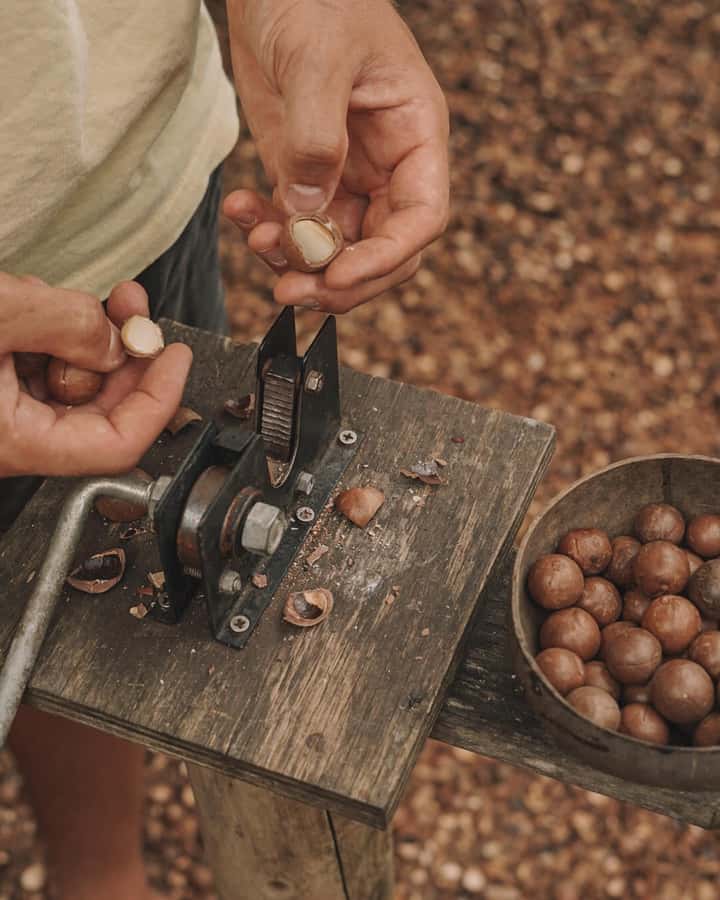
- Seasonal exotic fruit tasting: the best part is eating what’s freshly picked that day
- Fauna park animal time: kangaroos plus horses and donkeys for real farm-and-wildlife variety
- Cudgen Creek boat cruise: native flora like ginger that helps prevent erosion, plus wildlife sightings
- English live guide with Chinese audio: great if you want live commentary and extra language support
- Weather may cut the tour: build in flexibility on the day you book
Entering the Tropical Fruit World tractor-train orbit
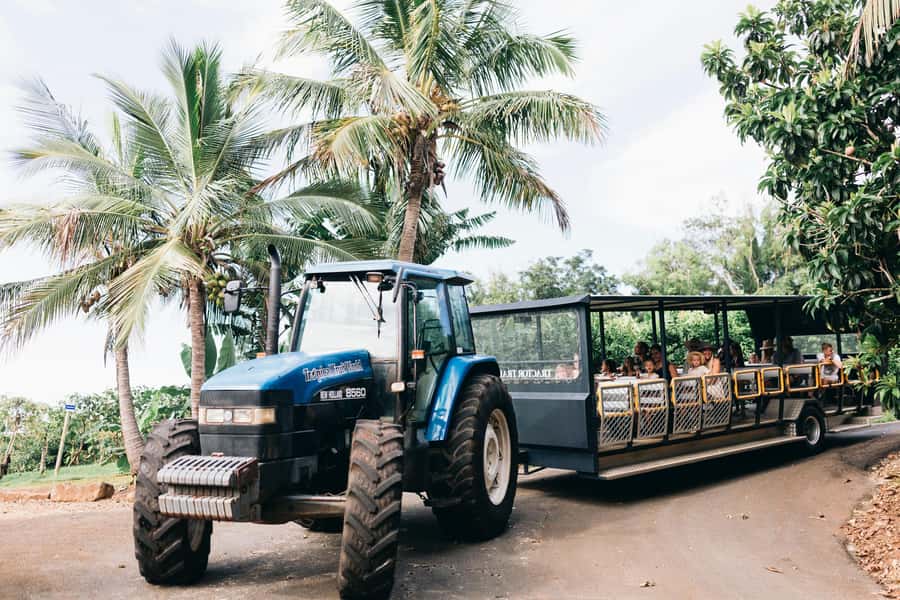
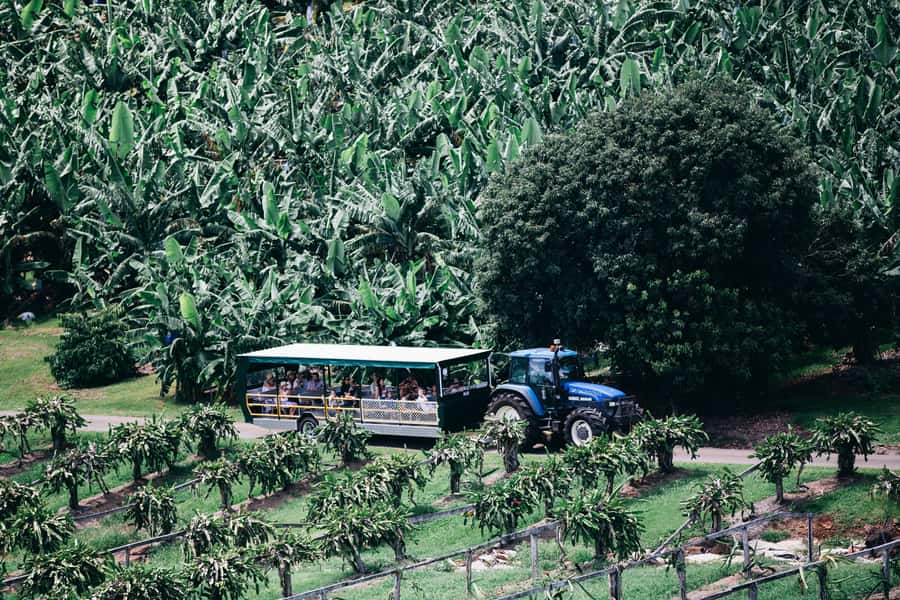
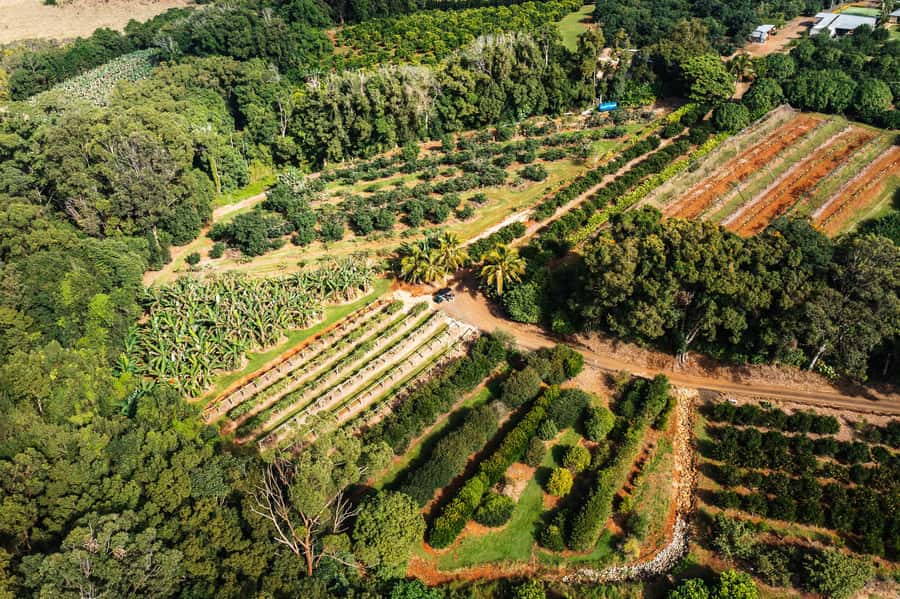
You start by arriving at the farm and checking in, then you’re guided onto a tractor train for the main orchard loop. The big appeal here is scale. Tropical Fruit World covers 215 acres, and the tractor train keeps you moving through the property so you can actually take it in, instead of spending the whole time looking for the next crop row.
I like this setup because it’s paced. You’re not just passively watching from a seat; you’re going slowly enough to listen, look closely at plantings, and ask questions when the guide explains what you’re seeing. If you’re traveling with kids, it also feels like an adventure ride, not a lecture.
One practical thing: the tour vehicles don’t allow wheelchairs, walking frames, prams, or strollers onboard. If you need mobility support, plan ahead before you show up, because the experience is built around being onboard the tour transport for the orchard and farm segments.
You can also read our reviews of more tours and experiences in Gold Coast.

What the orchard tour teaches you about fruit farming
As the tractor train moves around the property, your guide points out how fruit farming works on a working tropical farm. You’ll hear facts about how growers manage seasonal crops and why the local environment matters for the types of fruits that thrive there.
That matters, because this isn’t only about tasting. The learning piece is what turns it from a fun snack stop into a real farm visit. You can connect the dots between what you eat and how it’s grown: what’s in season, why certain plants are planted where they are, and how a farm uses native vegetation and water systems around the orchards.
If you’re the type who likes to understand the why behind the what, this portion delivers. It’s also where you’ll get context for later stops, like the creek cruise, because farming and local habitat aren’t separate topics here—they’re linked in the way the guide explains the farm’s setting.
Fresh fruit tasting: what to expect and how to make it worthwhile
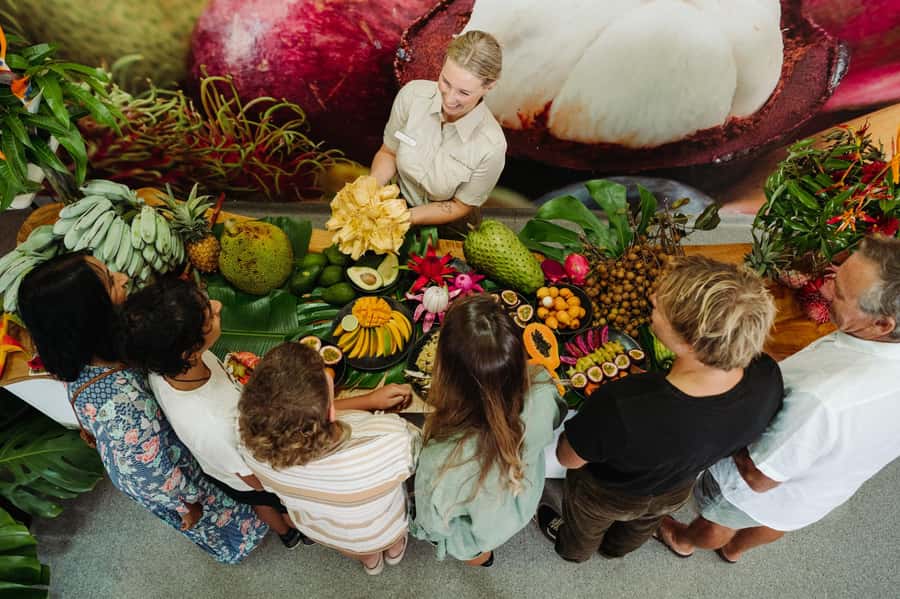
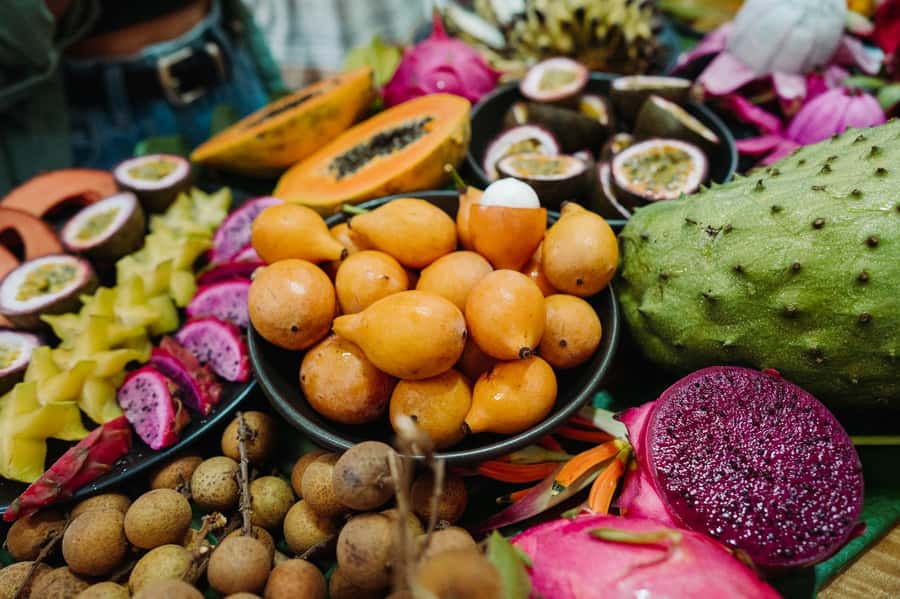
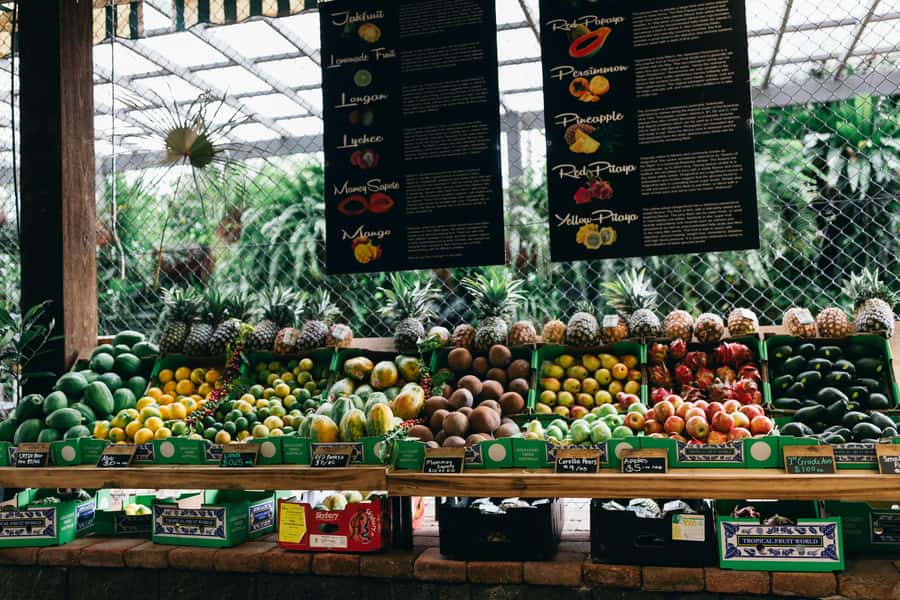
Fruit tasting is the headline, and it’s also the part you can control the most with your mindset. The tasting is based on freshly picked seasonal exotic fruit, which means you should expect variety, not just a single safe sample.
I recommend showing up ready to snack. Since the tour doesn’t include food or drinks, the fruit tasting becomes part of your actual day-planning. Bring water if you can, and pace yourself—tasting can be more filling than you think, especially if you end up trying multiple fruit pieces.
You don’t need a food background to enjoy this. If you’re the curious type, ask the guide what you’re eating and what makes it good that day. If you’re more cautious with taste, start mild—then go bolder once you know how sweet or tangy the fruit is.
A small caution: since the fruit is seasonal, you can’t expect specific items every time. That’s normal for a working farm, but it’s worth remembering if you’re traveling with a must-try list.
Fauna park time with kangaroos, horses, and donkeys
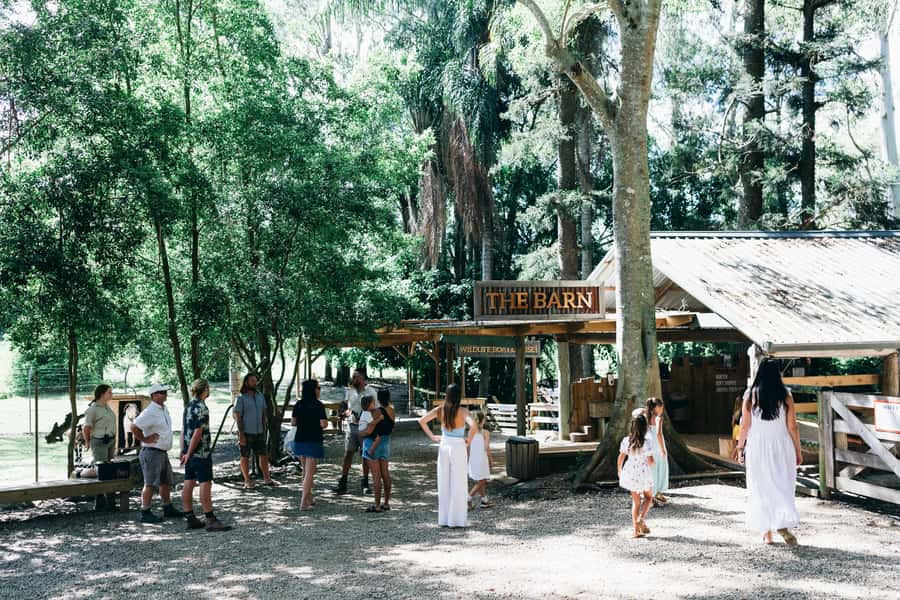
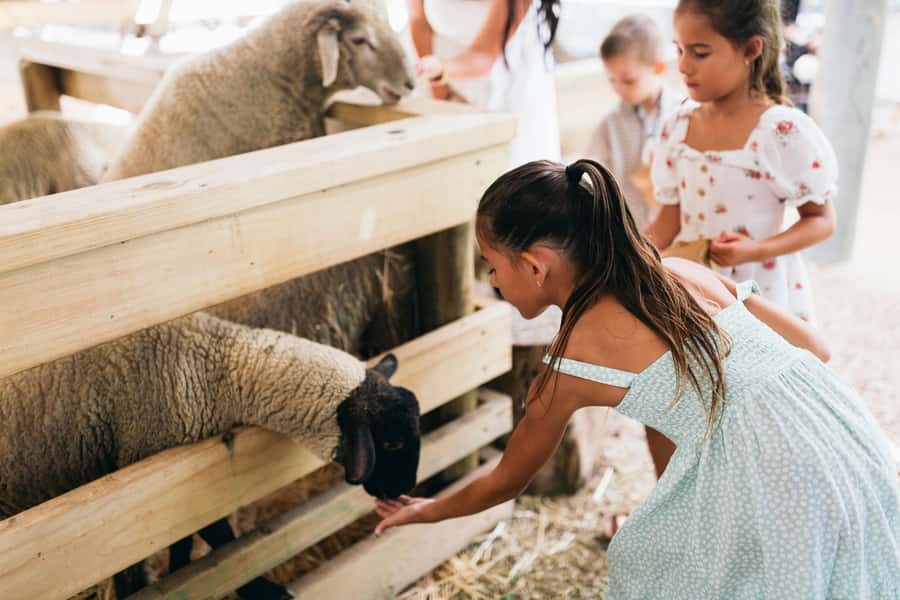
Next comes the animal section at the fauna park. You’ll meet kangaroos, then you’ll see donkeys and other farm animals, including horses. It’s a quick shift from orchard crops to the living side of the property, and it adds a nice contrast to the fruit-focused first half.
I like animal stops when they’re not just a photo opportunity. Here, you’re getting a guided visit, so you can learn what animals are doing in their space and how the farm environment supports them. It’s also a useful reminder that this is a working farm day, not a theme park with random acts of cuteness.
The kangaroo moment tends to grab attention fast, and it’s a great payoff after the tractor train ride. If you’ve got time-sensitive travelers in your group, this stop is also a good “energy reset” because it’s visually engaging and breaks up the day nicely before the boat cruise.
Cruise Cudgen Creek: turtles, koalas, ducks, and native ginger

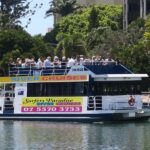
The boat cruise is where the tour turns into nature watching. You’ll ride through a bushland valley on the farm and cruise along Cudgen Creek, guided with details about native plants and wildlife.
This is the part that feels extra special because it ties the farm to the local environment. You’ll learn about native flora such as ginger, which helps prevent erosion along waterways. That’s practical information, and it’s exactly the kind of link that makes farm life more interesting than just rows of fruit.
Wildlife spotting is part of the fun here. The cruise includes the possibility of seeing koalas, turtles, and ducks along the way. Even if you don’t spot every animal, you’ll still come away with a clearer sense of how native vegetation supports habitat near the water.
Timing matters on boat rides. You’re getting a set cruise window inside a total 150-minute experience, so expect the day to feel like a sequence of “one good thing after another,” rather than a loose, wander-at-your-own-pace plan.



Guides and languages: how commentary works on the day
The live tour guide speaks English, and there’s also an audio guide included for Chinese. That’s helpful if you want to follow along closely without relying only on live narration, or if your group includes different language needs.
I’d treat the guide commentary as part of the value. The experience isn’t just transport plus a few stops—it’s an explanation of fruit farming and the area’s native wildlife. When you listen, the tasting and the wildlife parts make more sense.
If you want to get the most out of the orchard section, don’t be shy about asking a question about what’s growing or why certain plants are present. That’s the difference between enjoying a tour and leaving with something you can actually use when you visit other farms or gardens later.
Price and value for a 150-minute Gold Coast-area farm day
At $55 per person for about 150 minutes, this tour competes on value because you’re getting three main components in one ticket: a guided tractor train orchard tour, a fruit tasting, and a boat cruise. You’re not paying separately for transport, entry, and guided interpretation.
Also, the pricing makes sense if you’d otherwise spend money on multiple farm-style attractions. Here, you get an orchard, an animal fauna park, and a creek cruise grouped together with a single schedule.
What you should factor in: you’ll still want water and possibly a snack outside the included tastings. Since food and drinks aren’t included, your total day cost could be a little higher than the headline price if you get thirsty or hungry.
In terms of quality, the overall rating is very high at 4.9 based on eight reviews, which usually signals consistent experiences—at least when weather cooperates and people find the meeting point without stress.
Getting there without a hotel transfer: the big avocado clue
There’s no hotel transfer, so you’ll need to handle your own trip to the meeting point. The instructions are straightforward: look for the big avocado on the highway.
That detail is more important than it sounds. A common travel hiccup is arriving confused about where things are, especially if you’re coordinating from different parts of the Gold Coast area or juggling time changes. If you’re following a GPS route, double-check you’re actually aiming for the right spot, then give yourself a buffer.
I also suggest planning to arrive early for check-in, even though the day is short. When you’re on a fixed schedule with a tractor train and a boat cruise, being late can make the tour feel rushed—or in rain, it can reduce flexibility.
Weather reality: why rain can change your day
The experience can be affected by rain. On at least one occasion, the tour was cut short due to wet weather, though people still felt it was a lovely outing.
So here’s the practical advice: don’t plan it as your only outdoor activity in a bad-weather day. If you have a flexible schedule, pick the time slot where rain risk is lower, or be ready for a faster pace and fewer stops.
If weather hits, stay calm. The animals and the boat part may be more weather-dependent than the orchard storytelling, and a shortened tour can still deliver the main highlights—especially the fruit tasting and animal encounter portions.
Who this tour is best for (and who might want a different plan)
This fits best if you want:
- a short, guided farm experience without long hikes
- fresh fruit tasting tied to a working orchard
- a mix of animals plus local nature on a creek cruise
- a family-friendly activity that still teaches something
It’s also a good match for people who like structured sightseeing. At 150 minutes with guided components, you get variety without needing to plan details between stops.
Who might adjust expectations:
- If you need onboard accessibility support (wheelchairs, walking frames, prams, strollers), the tour vehicles don’t take those items, so you’ll need a different plan or advance clarification.
- If you want a very slow, self-guided plant walk, the schedule is tighter and you’re on a set sequence: tractor train, animal park, then boat cruise.
- If you’re expecting a full meal included, you’ll want to eat elsewhere because food and drinks aren’t part of the ticket.
Should you book the Tropical Fruit World full farm tour?
I’d book it if you want a genuinely enjoyable mix of orchard scenery, real farm tasting, animal time, and a creek cruise in about two and a half hours. The price is fair for what you get: a guided tractor train tour, fruit samples from a working tropical farm, animal encounters, and a boat segment along Cudgen Creek.
Skip or rethink if rain is likely and you can’t afford schedule changes, or if you rely on onboard mobility aids that the tour vehicles can’t accommodate. Also, if you need a full meal to be comfortable for the whole day, plan to eat and hydrate outside the included components.
If you’re traveling in the Gold Coast region and want something more grounded than a typical city outing, this is a strong choice—especially for food lovers and families who enjoy seeing animals and nature without long transit stress.
FAQ
Where is the meeting point?
You should look for the big avocado on the highway.
How long is the tour?
The experience runs about 150 minutes.
What’s included in the ticket price?
The ticket includes entry, a guided tractor train tour, and a boat cruise.
Are food and drinks included?
No. Food and drinks are not included.
Do I need hotel transfer to get there?
No hotel transfer is included, so you’ll need to arrange your own way to the meeting point.
What wildlife and animals might I see?
You can expect kangaroos, donkeys, horses, and farm animals at the fauna park. On the boat cruise, the tour notes possible sightings of koalas, turtles, and ducks.
Is the tour offered in multiple languages?
The live tour guide is in English, and a Chinese audio guide is included.