Laneway bars and history in one walk. I like how the tour squeezes Melbourne nightlife origins and real laneway scenes into a tight 3 hours. I also like that it’s built around specific places you’d miss on your own, from Fed Square to Meyers Place. One catch: you’ll walk on uneven surfaces and some bar stops may involve steps.
You don’t need to be a drink expert to enjoy it. The guide turns street corners into stories about alcohol, bar culture, and a few darker bits of local history, without making it feel like a lecture. The pacing is relaxed, but it’s still a walking tour—so comfortable shoes matter.
If you want alcoholic tastings included, plan ahead. Alcoholic beverages aren’t included, though the tour does bring you to a few venues where you can order drinks on your own.
In This Review
- Key highlights at a glance
- Why This 3-Hour Laneway Bar Tour Works for Melbourne Nights
- Setting Off at Federation Square: a Fast Start With Big Context
- Oliver Lane to Duckboard Place: Street Art as a Walking Guide
- ACDC Lane’s Street Art and Duckboard Place’s Food-Drink Links
- Ridgway Place: Mens’ Social Clubs, Barmaids, and the Weird Stuff That Explains It
- Meyers Place: Hidden Bars and the Rule Change That Shaped Nightlife
- Parliament of Victoria and Gold Rush Origins You Can Actually Use
- Chinatown Melbourne and Little Bourke Street: Secrets in Plain Sight
- What Happens at the Bars: Trivia, Photos, and No-Pressure Ordering
- Price and Value: When $46.61 Makes Sense (and When It Might Not)
- Guides Matter: Storytelling Energy You Can Feel
- Practical Tips Before You Go (So the 3 Hours Feel Easy)
- Should You Book Hidden Bars & Laneway Legends?
- FAQ
- FAQ
- How long is the Hidden Bars & Laneway Legends Tour?
- How much does the tour cost?
- Is alcohol included in the tour price?
- What is the minimum age to join?
- How many people are in each group?
- Where does the tour start and end?
Key highlights at a glance
- 3 hours of laneways, bar lore, and street art, with a small group (max 12)
- Nine-plus stops built around Melbourne locations tied to drinking culture
- A cheeky trivia quiz at the second bar, plus a chance to win
- Photos can be provided at no extra charge
- A mix of ground-level laneways and step-access venues
- Guides like Tess, Tom, and Bridgette/Brigette stand out for storytelling energy and city-history detail
Why This 3-Hour Laneway Bar Tour Works for Melbourne Nights
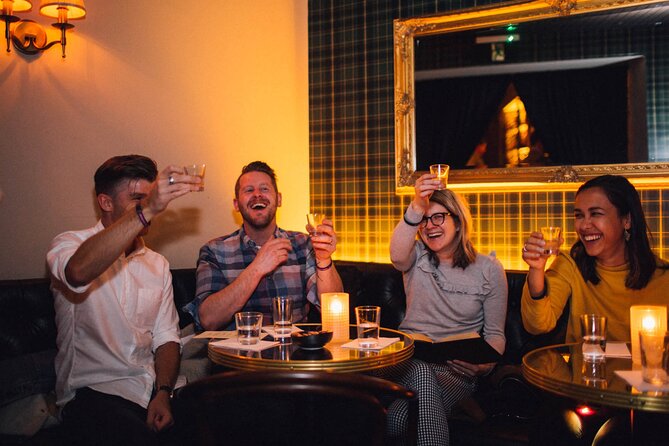
Melbourne has a special talent: it hides big ideas in small spaces. This tour is smart because it uses that talent on purpose. You start in a major landmark area, then move into lanes and passages where the city’s nightlife story actually lives—around corners, behind nondescript doors, and under layers of street art.
I especially like the structure. It’s short enough to fit into a busy day, but it’s packed with distinct locations instead of just repeating the same laneway view three times. You also get a mix of themes—alcohol’s role in the city’s formation, bar culture rules and changes, and odd little details that explain why Melbourne nightlife feels the way it does.
The other reason it works: it’s social without being forced. The group stays small, and the stops are brief, so you keep moving. If you enjoy talking with a guide as you walk, you’ll like the format.
You can also read our reviews of more nightlife experiences in Melbourne
Setting Off at Federation Square: a Fast Start With Big Context
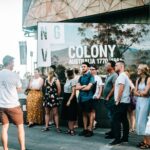
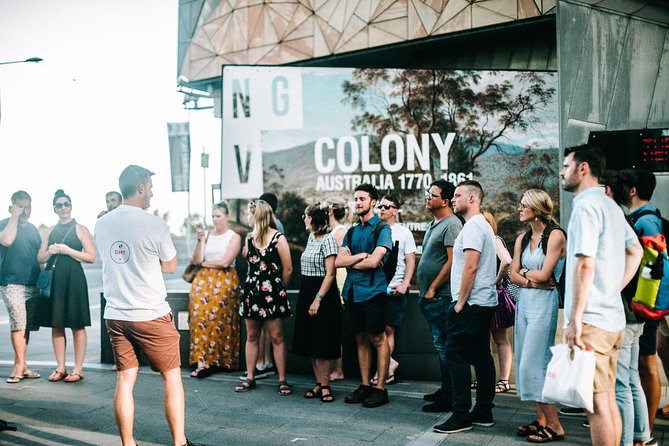
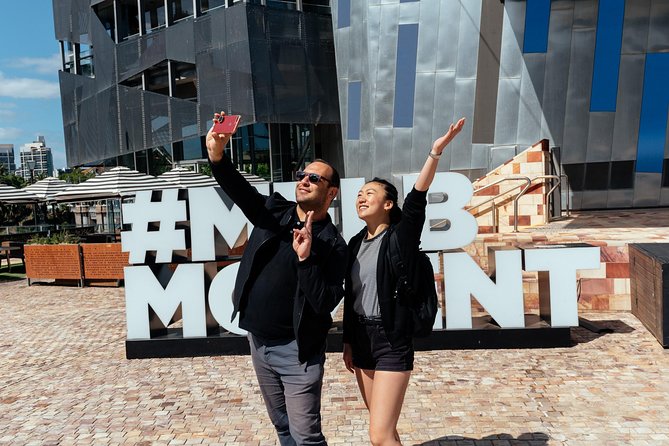
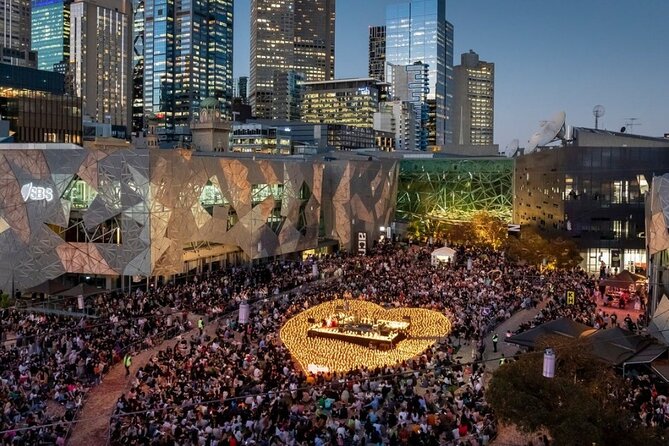
Your meeting point is at Fed Square (Swanston St & Flinders St). From the start, the tour doesn’t treat this as just a photo spot. You get a background to the role alcohol played in Melbourne’s foundation. It’s a useful way to frame the rest of the night, because you’ll soon be looking at laneways with a different set of questions.
Fed Square is also practical. It’s easy to orient yourself there, and it’s in a core transport area, so getting to the start is usually straightforward. The tour begins with you getting the theme, then you move quickly into the lanes.
If you’re the type who likes to know why a place matters before you wander it, this opening helps. It also sets expectations for the guide’s style: story-led, specific, and tied to real streets.
Oliver Lane to Duckboard Place: Street Art as a Walking Guide
The first laneway stop is Oliver Lane. This is where you get the “how Melbourne grew these laneways” angle. It’s not just a look-around stop. The guide uses the space to explain why these passages became part of daily life and later part of nightlife.
Next, the tour heads to ACDC Lane, one of the city’s most famous laneways. This is your street art hit—fast, colorful, and made for quick photos. Then you continue to Duckboard Place, where the tour keeps the street art theme but adds the history of Melbourne’s street art scene. You also get a run-down of eating and drinking locations tied to the areas you’re passing.
What I like here is the balance. You’re not stuck staring at murals for too long. The stops are short, so you get the main visuals, then the guide gives context. If you’ve ever done a walking tour where you’re told to admire something without understanding it, this avoids that.
A small consideration: laneways can be busy, and the tour group is moving. If you’re someone who likes slow wandering and lingering, plan for a slightly faster pace.
ACDC Lane’s Street Art and Duckboard Place’s Food-Drink Links
These two stops together feel like the tour’s “Melbourne present day” segment. ACDC Lane is the recognizable face of the laneway scene. Duckboard Place gives you the deeper local angle—how street art ties into the way people eat and drink around here.
I think this matters for value. By the time you’re heading toward the more secretive-sounding stops, you’re not only seeing the city’s style—you’re also getting practical hints for where to go next. Even if you don’t follow every suggestion, you’ll walk away with a better map of the area in your head.
And yes, you’ll see different kinds of street art energy. Some walls feel like playful signage. Others feel more like an evolving public gallery. Either way, it gives you a stronger sense of place than a generic nightlife strip would.
Ridgway Place: Mens’ Social Clubs, Barmaids, and the Weird Stuff That Explains It
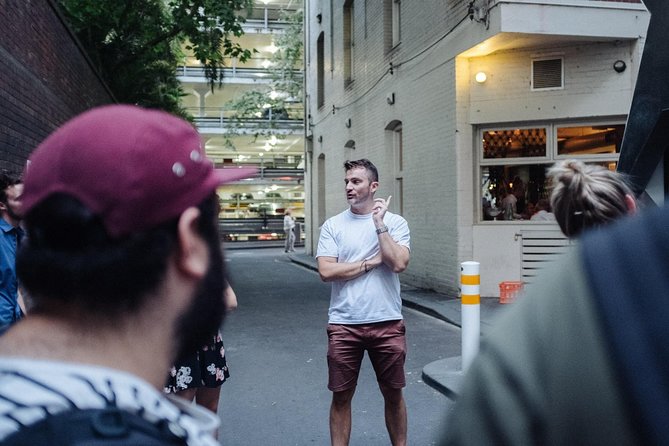
At Ridgway Place, the tour shifts tone. You move from street art and laneway origins into more eccentric local lore—one of Australia’s oldest men’s social clubs and the consulate of one of the world’s smallest countries. The guide also brings in the story of Melbourne’s booziest police commissioner and the strange persecution of barmaids.
This is the part I like most if you’re a history-on-the-street person. It’s not dry. It’s specific. It also shows how alcohol culture in Melbourne wasn’t just about drinks—it was wrapped up in social rules, power, and policing.
If you prefer light-and-funny, this stop still works because the stories are odd in a way that feels human, not academic. If you’d rather keep things strictly cheerful, you might want to mentally balance this section with the more playful laneway art stops that come before and after.
You can also read our reviews of more drinking tours in Melbourne




Meyers Place: Hidden Bars and the Rule Change That Shaped Nightlife
Next comes Meyers Place, described as the spiritual home of Melbourne’s laneway bar culture. This is where the tour talks about the rise of Melbourne’s bar scene starting with an important rule change in the 1980s. You also get pointed toward some of the city’s best hidden bars.
This stop is a big reason people enjoy the tour format. You’re no longer just learning about history in the abstract. You’re standing in the environment that helped create the modern laneway bar reputation.
You’ll also hear about how those hidden spaces work culturally—why they exist, and how people shaped the way they socialize in them. If you’re planning to keep exploring after the tour, this is a practical moment. You’ll leave with the sense that Melbourne’s best nights are often the ones you find through a door you didn’t even notice.
One practical consideration: some venues can require steps to access. The tour route is flat overall, but inside bar stops, you might meet stairs. If that’s an issue for you, wear shoes that make quick steps safer.
Parliament of Victoria and Gold Rush Origins You Can Actually Use
Then the tour heads to Parliament of Victoria. The guide connects Victoria’s founding to gold rush days and how those early findings influenced the state’s emergence.
This stop is short, but it gives you a wider lens. It’s a reminder that nightlife culture didn’t appear in a vacuum. People with money, networks, and new industries change a city. Melbourne grew fast, and the social habits followed.
If you’re the type who worries about whether a bar tour will be too focused on drinking, this section is a good counterbalance. It keeps the tour grounded in place—government, founding, and early economic drivers—before you return to the drinking-focused lanes.
Chinatown Melbourne and Little Bourke Street: Secrets in Plain Sight
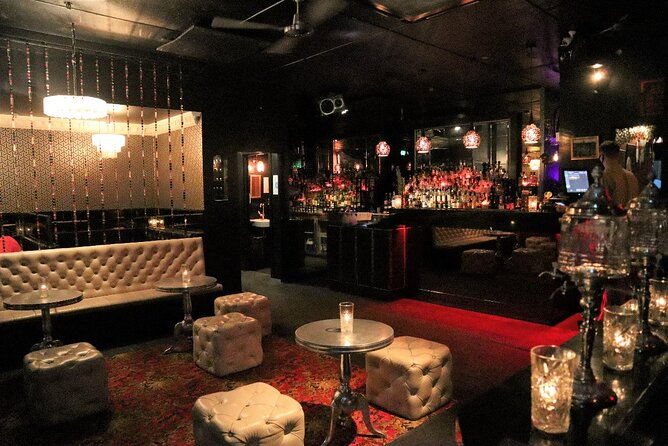
The tour continues to Chinatown Melbourne, described as the world’s second-oldest Chinatown. Here, the focus stays on bars—again, with a local angle. You’re not just walking through a tourist corridor. You’re being guided toward the bar side of the neighborhood.
After that, you reach Little Bourke Street, tied to old red light district history and lots of secrets. This is where the guide frames the area as layered—where nightlife tucked itself into the city’s back rooms long before people started using it as a theme.
I like that the last stretch keeps you mentally active. You’ll start noticing details you might otherwise miss: the street rhythm, the way lanes connect, and the small pockets where nightlife feels built into the geography.
Also, the tour ends around the east end of Bourke Street (around Reesby, Level 1/45 Bourke St). That drop-off is convenient because you’re still central afterward, so it’s easy to continue exploring or grab dinner nearby.
What Happens at the Bars: Trivia, Photos, and No-Pressure Ordering
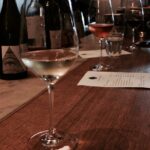
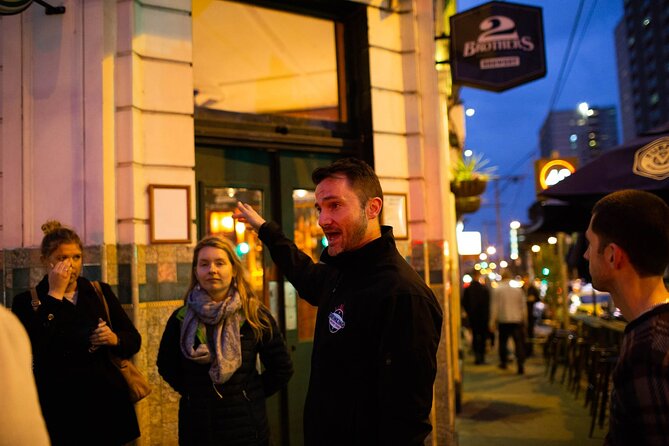
You’ll visit three laneway bars during the tour. The exact places can vary by tour, but the idea stays consistent: you get set locations tied to Melbourne’s laneway bar culture, plus short stops for stories.
There’s a cheeky trivia quiz at the second bar with a chance to win. This adds a small spark that helps the tour feel like an evening activity, not just a history walk.
Another helpful detail: photos of your tour can be provided at no extra charge. Even if you don’t take many pictures yourself, it’s good to know you’ll have something to look back on later.
Alcoholic beverages are not included. This is normal for tours like this, but it affects budgeting. You’ll likely want to plan either for one drink or for none, depending on what you enjoy. The value here is in the places and the stories, not in a built-in alcohol tab.
Price and Value: When $46.61 Makes Sense (and When It Might Not)
The price is $46.61 per person for about 3 hours, with a professional guide and a small group (maximum 12). For Melbourne, that’s a fair price range for a themed walking tour that includes three bar stops and city-specific storytelling.
The value equation looks like this:
- You pay for time + guidance + access to venues (not private entry, but guided stop points).
- You get brand-new context for neighborhoods that you’ll likely return to later.
- You also get a map of Melbourne’s best bars available free upon request, plus expert tips from the guide team.
If you like to explore with a plan and you enjoy nightlife history, this pricing usually feels right. If you’re purely searching for the cheapest way to sit in bars, it might not. Alcohol isn’t included, so your final cost depends on what you order.
Guides Matter: Storytelling Energy You Can Feel
A big part of why people rate this tour so highly is guide style. Names that show up in the guide mix include Tess, Tom, Bridgette/Brigette, Brigitte, Daniel, and Lenny.
What I take from that pattern is that the tour leans on lively storytelling, not just facts on a route. Guides are engaging and entertaining, and they’re good at connecting architecture, laneways, and bar culture back to why Melbourne behaves the way it does.
If you’ve ever had a walking tour where the guide sounded like they were reading a script, you’ll appreciate how this tour is designed. It’s story-led, and the stops are short enough that you don’t drift into boredom.
Practical Tips Before You Go (So the 3 Hours Feel Easy)
A few small planning points can make a big difference:
- Bring comfortable shoes. Laneways and uneven pavement are part of the experience.
- Expect casual dress. The tour notes casual dress, and that matches the bar setting.
- You need moderate physical fitness. The route is mostly flat, but steps at bar stops can happen.
- You need to be 18+. That matters for the bar culture focus.
- The tour allows service animals.
- It’s near public transportation, which helps since the meeting point is central and the tour ends near Bourke Street.
Also, since you’re visiting bars, decide in advance how you want to handle drinks. If you’re doing this as a social night out, you can keep it simple with one drink at a bar stop. If you’re driving or pacing yourself, you can treat it like a guided cultural tour and order what you feel comfortable with.
Should You Book Hidden Bars & Laneway Legends?
Book this tour if you want a smart shortcut to understanding Melbourne’s laneway and bar culture. It’s ideal for first-timers who want more than the main streets, and for returning visitors who think they already know the city but haven’t connected the dots between history and the way nightlife developed.
Skip it if you dislike walking tours, hate stairs, or need an alcohol-inclusive price. This one is built for people who enjoy stories in between the street art and the bar stops—and who are okay ordering drinks separately.
FAQ
FAQ
How long is the Hidden Bars & Laneway Legends Tour?
It lasts about 3 hours.
How much does the tour cost?
The tour price is $46.61 per person.
Is alcohol included in the tour price?
No. Alcoholic beverages are not included.
What is the minimum age to join?
The minimum age is 18.
How many people are in each group?
The tour has a maximum of 12 travelers.
Where does the tour start and end?
It starts at Fed Square on Swanston St & Flinders St, and it ends around the east end of Bourke Street, near Reesby Level 1/45 Bourke St.