REVIEW · HOBART
Hobart: Maria Island National Park – Nature & Wildlife Adventure
Book on Viator →Operated by Tours Tasmania · Bookable on Viator
Maria Island is tiny, and it feels huge. This full-day nature and wildlife adventure from Hobart mixes ferry-only island time with guided walks to places most people can’t reach (or enjoy) on their own. You’ll cover coastal geology like the Painted Cliffs, look for native animals, and also stop at the convict-era story at Darlington.
I love that the day is built around real access: you’re on foot on an island with no cars, and your guide helps you read both wildlife and scenery without messing with it. I also like the balance of “wow” nature and human history, from secluded bays and beaches to the Darlington World Heritage convict site. The guide names that show up in the feedback include Matt, Ian, Clinton, Heather, Nick, Trevor, and David—so you’re not just getting a route, you’re getting interpretation.
One thing to consider: the best timing for the Painted Cliffs can depend on conditions. There’s also no shopping once you’re there, and you’ll need good walking shoes plus a day pack for food, water, and swim gear.
Key highlights worth planning for
- Ferry ride first, wildlife scan during the crossing for whales and dolphins (seasonal)
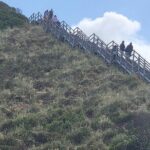
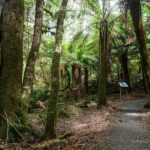
- Guided walking trails on a car-free island, with boardwalks and tracks to reduce impact
- Painted Cliffs and Hopground Beach area, often mostly gentle walking with time to explore
- Fossil Cliffs walks on easy-to-moderate routes, with almost 10 km covered across the main trails
- Darlington World Heritage convict history, not just animals and beaches
- Small groups up to 19, which makes wildlife watching feel calmer and more controlled
In This Review
- Maria Island by ferry: the rhythm of a 12-hour day from Hobart
- Triabunna timing: the quick stop that sets you up for the island
- Maria Island National Park: wildlife viewing with rules (and why that matters)
- Painted Cliffs and Hopground Beach: the walk most people remember
- Fossil Cliffs: easy-moderate history in rock form
- Darlington World Heritage convict site: the part that adds weight
- Bays, beaches, and swim time: your downtime on a car-free island
- What the tour includes (and where you’ll spend your own money)
- Logistics that actually matter: pack light, start early, and plan for water
- Who this tour fits best (and who might want a different plan)
- Should you book Maria Island Nature and Wildlife Adventure?
- FAQ
- What time does the tour start, and how long is it?
- Is food available on Maria Island?
- Can I bring luggage, or do I need to pack light?
- What wildlife can I expect to see?
- How strenuous are the walks?
- What’s the minimum age to join?
Maria Island by ferry: the rhythm of a 12-hour day from Hobart
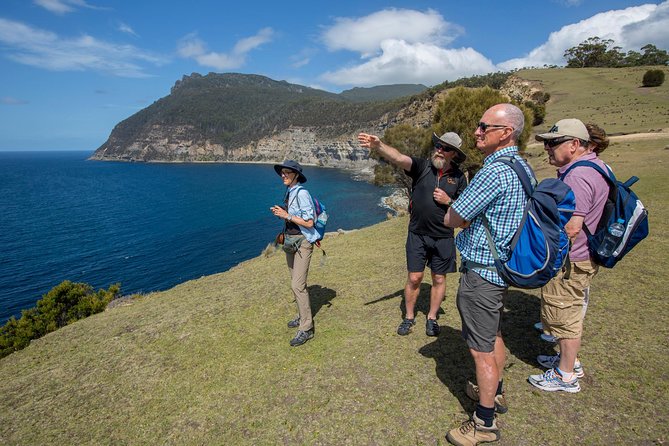
This tour runs for about 12 hours and starts early. The pickup is at 20 Davey St, Hobart, with a 6:45 am departure, and you need to be on time because they won’t wait if you’re late—missing the ferry means losing the day.
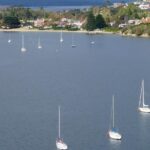
What makes it work is the tempo: a climate-controlled vehicle gets you to the port area, then you’re on a passenger ferry for roughly 30 minutes. That crossing is not just transport. It’s built for ocean watching, so bring your camera and keep your eyes up for whales and dolphins when they’re around (seasonal).
The group size stays small—maximum 19 travelers—so the day feels more like guided exploring than a shuffle through checkpoints. You’ll also get a mobile ticket, which cuts down on fuss.
Triabunna timing: the quick stop that sets you up for the island
One of your scheduled stops is Triabunna, which sits in the travel corridor to Maria Island. You get about 2 hours here, and this is where the practical parts happen: it’s often the chance to grab last-minute snacks and simple supplies before you commit to the island’s no-shop reality.
Because Maria Island doesn’t have shops, this is where you top up for the day. The tour notes also mention takeaway opportunities on the return trip back toward Hobart, but you shouldn’t bank on that. If you like a specific sandwich, drink, or snack, you’ll be happier bringing or buying what you can right when you have the chance.
A few more Hobart tours and experiences worth a look



Maria Island National Park: wildlife viewing with rules (and why that matters)
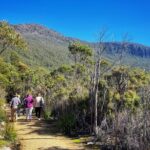
Once you’re on Maria Island, you start with guided walking. The core “national park” portion runs around 4 hours, and it’s where you’re most likely to see the animals people come for.
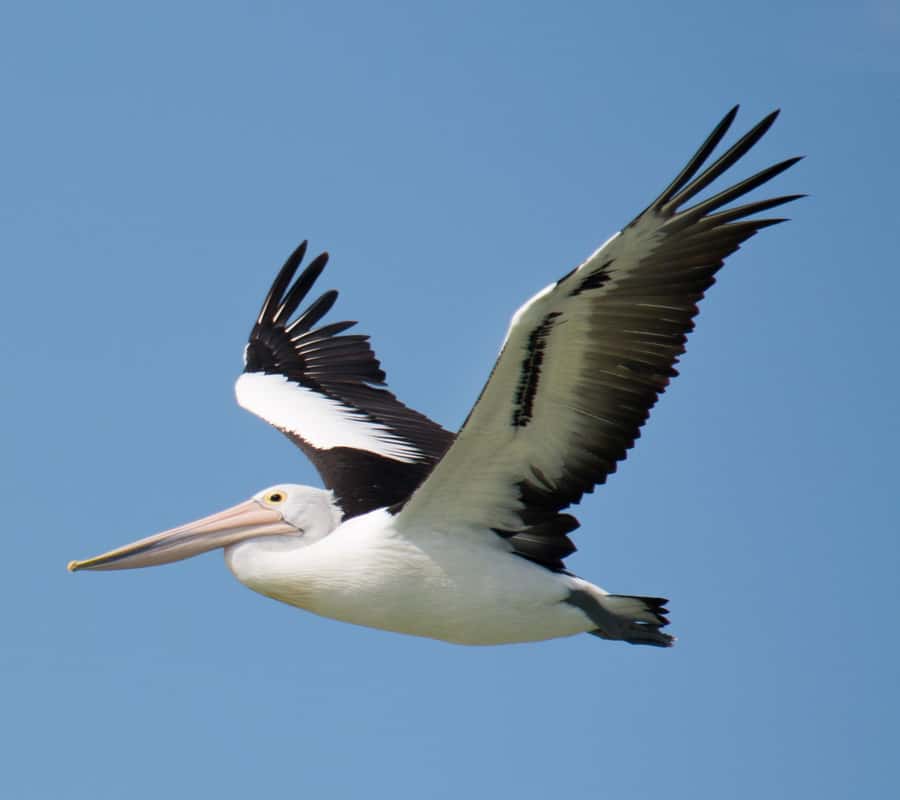
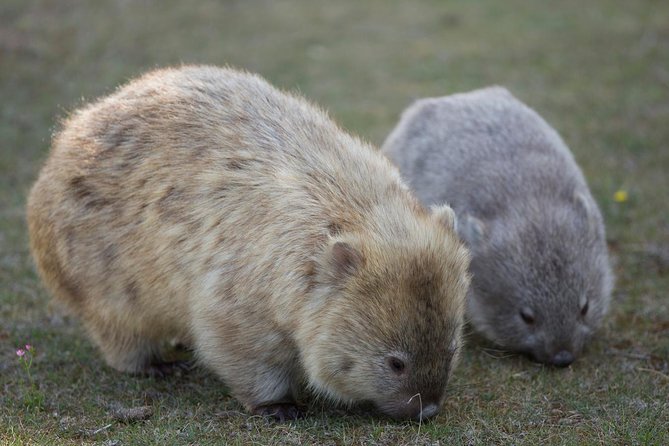
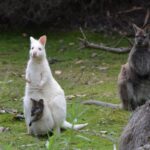
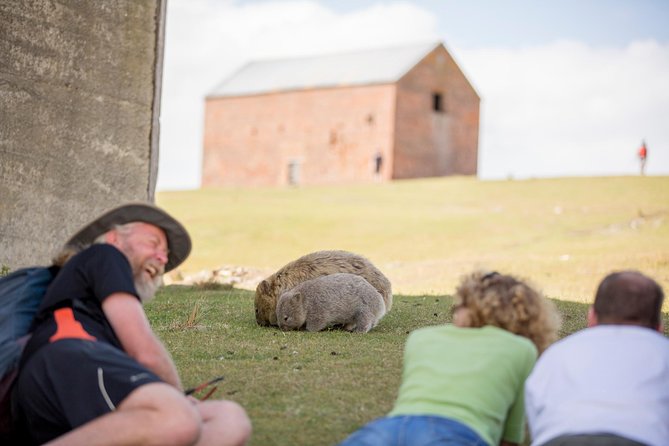
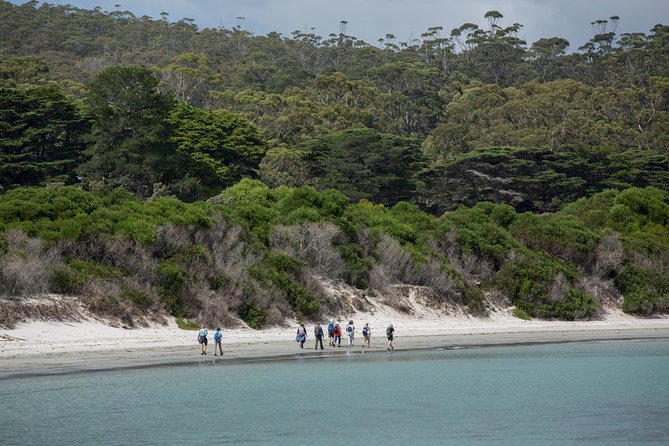
This is one of those places where wildlife watching depends on your expectations. Maria Island is good for native animals such as Tasmanian devils, plus wallabies, kangaroos, Cape Barren geese, wombats, and little penguins. Your guide also helps you scan for dolphins, seals, penguins, and migrating whales in the ocean (seasonal), not just by pointing, but by teaching you how to look and where to stand.
The tour specifically focuses on keeping wildlife disturbance minimal. That means you follow distance guidelines, view patiently, and stay on tracks and boardwalks. For you, that’s a big deal: you get better sightings, and you’re not the person who turns a great moment into a stressful one for the animals.
Fitness-wise, expect a leisurely pace on suitable walking trails, but it’s still an active day. Wear real walking shoes, not flexible fashion sneakers that hate gravel and damp boards.
Painted Cliffs and Hopground Beach: the walk most people remember
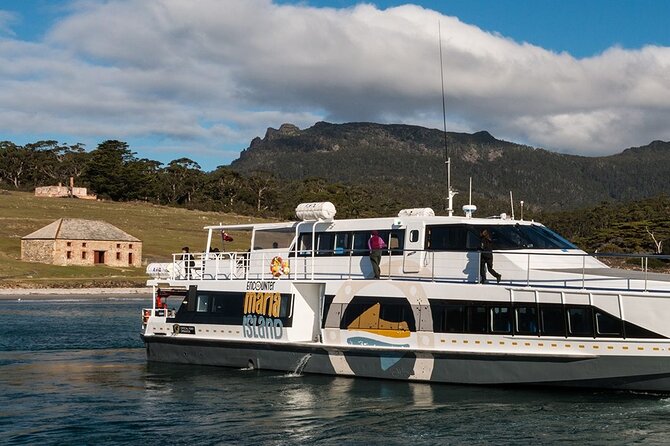
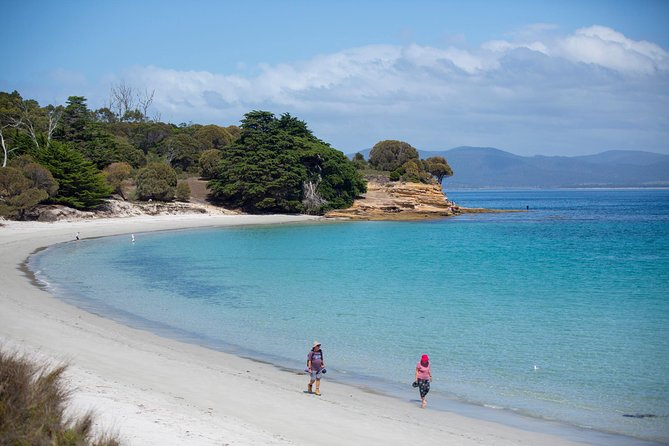
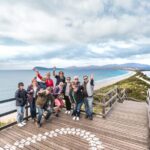
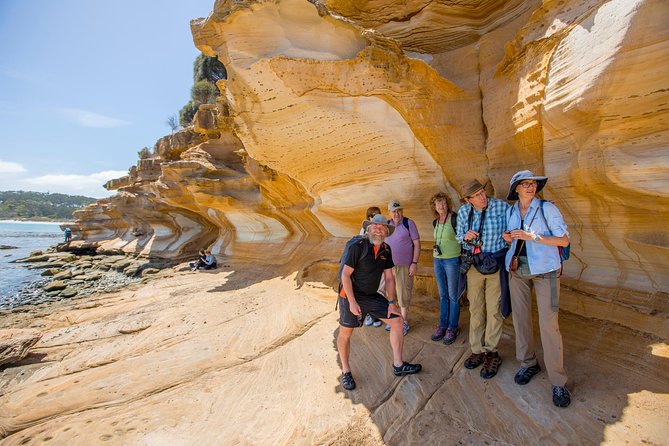
The Painted Cliffs portion is about an hour of walking, and it’s designed to feel manageable. The trail is described as gentle and mostly flat, leading you toward Hopground Beach where the Painted Cliffs are at the far end. You’re not just walking there; you get time to explore the cliffs area.
The reason this part gets so much attention is obvious once you’re there: geology at the coast makes colors and textures you can’t replicate in a photo. It’s also a place where you’ll likely slow down, because it’s the kind of scenery you want to take in from a few angles.
Here’s the main drawback to plan around. Access can depend on conditions, and the tour environment is tide-sensitive. One experience in the feedback mentioned that the Painted Cliffs weren’t accessible due to high tide, which is the kind of disappointment you want to avoid. If your priority is the Painted Cliffs at their best, keep that in mind on any day you book, and expect your guide to make the safest call.
Fossil Cliffs: easy-moderate history in rock form
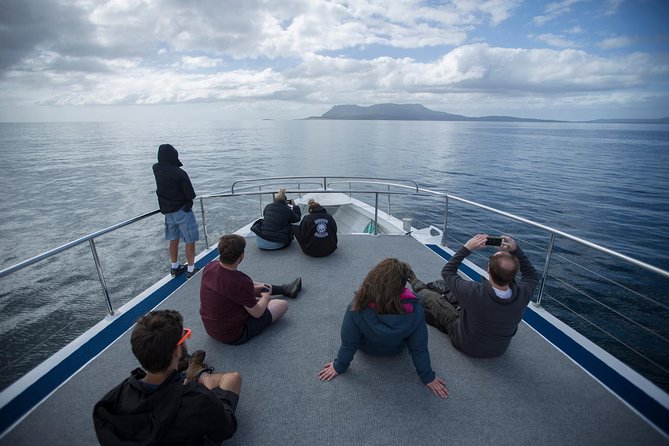
After the Painted Cliffs, you’ll shift into the Fossil Cliffs area for around 2 hours. This is described as easy to moderate walking, with two main walking trails covering a total distance of almost 10 kilometers for the day. That means you’ll move, but the routes are planned so you’re not stuck doing long, punishing hikes back-to-back.
This is where the “nature” side becomes science. Fossil cliffs aren’t just pretty coastal rocks—they’re a timeline you can walk through. The tour positions this as a way to see millions of years in the island’s formations, and your guide’s interpretation is the glue that turns rock scenery into meaning.
If you like your day trips with a little classroom energy (but outdoors), this stop tends to hit the mark. It’s also a good balance after the beach-and-cliff drama: you get visual variety and a different kind of curiosity.
Darlington World Heritage convict site: the part that adds weight
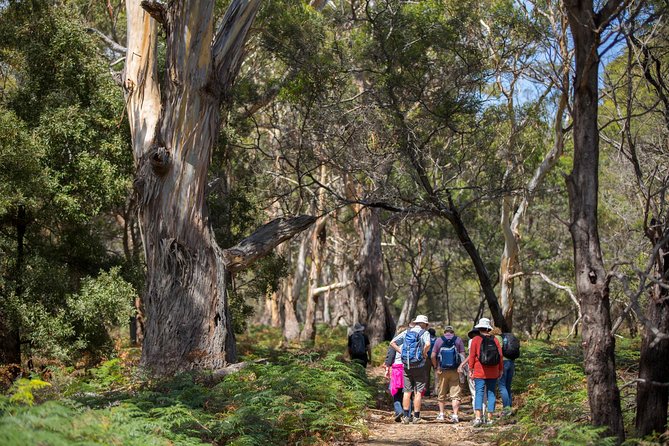
Maria Island is famous for convict history, and this tour makes sure you don’t treat it like a sidebar. You’ll walk around and discover the Darlington World Heritage convict site as part of the guided day.
This piece matters because it changes your “why am I here?” question from pure scenery to a fuller picture of the island’s past. You’re not just seeing where people once lived—you’re seeing the landscape through the lens of why it was used, how it changed, and what shaped the island into what it is now.
The best tours don’t just list facts. They connect the stories to the places you’re standing in, and the feedback strongly suggests the guides bring this alive—often with a teachable, enthusiastic style. Names like Ian and Clinton show up in the comments as history-forward guides, and that aligns with what you should hope for on this stop.


Bays, beaches, and swim time: your downtime on a car-free island
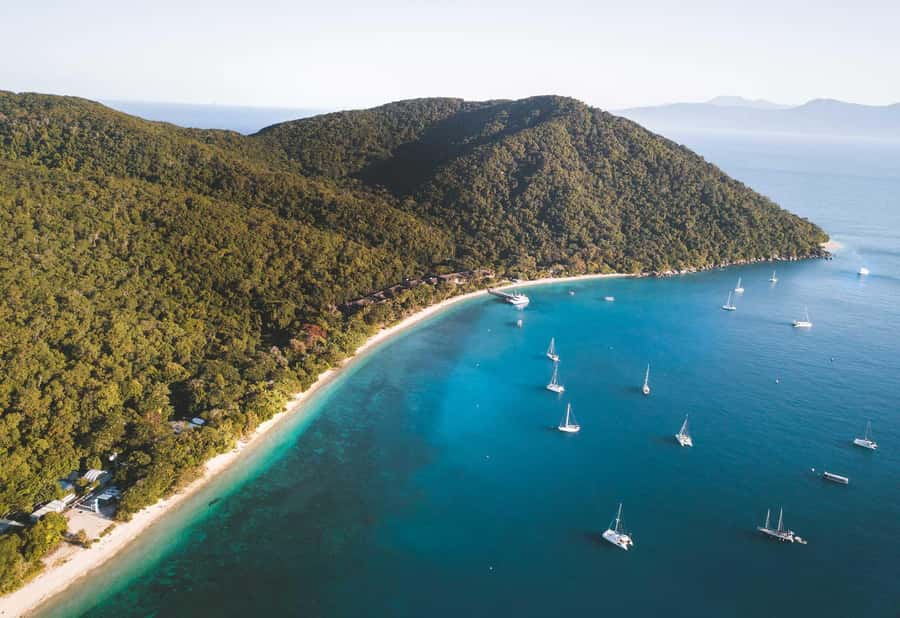
Between the walks, Maria Island gives you space to exhale. The day includes time to relax in secluded bays and beaches, where sheltered water can make swimming realistic (depending on conditions).
The tour explicitly asks you to bring swim gear, which tells you this isn’t just a “look from the shore” day. Still, don’t treat it like a guaranteed swim. Weather and water conditions can change fast, and Tasmania loves to remind everyone it can do all four seasons in one day—one feedback example noted strong winds and torrential rain alongside clear skies.
Pack for that reality. Bring all-weather clothing, and keep an extra layer where you can reach it quickly. When the weather shifts, you’ll be glad you planned.
What the tour includes (and where you’ll spend your own money)
At $154.21 per person, you’re paying for a day that includes the biggest cost drivers:
- return ferry crossing fee
- national park entrance fees
- professional guides and interpretive walks
- small groups (up to 19)
- pickup from limited hotel locations (where available)
What’s not included is also clear:
- food and drinks (bring lunch/snacks/water bottles)
- no luggage on board—plan for a day pack only
- no airport drop-offs
So is it good value? For me, the “value math” is simple: you’re getting ferry transport plus park access plus guided interpretation. You’d likely spend similar money on just transport if you went independently, then you’d still need to solve wildlife viewing, trail timing, and history context. The tour handles those parts.
Logistics that actually matter: pack light, start early, and plan for water
If you want this day to feel smooth, focus on three practical points.
1) Bring enough food and water. Maria Island has no shops and only limited drinking water is mentioned. The tour also notes a brief stop on the way for last-minute purchases like sandwiches and rolls, but that doesn’t replace packing a proper lunch for you.
2) Pack a day pack only. With no luggage on board, you’re limited to what you can carry comfortably for a full walk day. Bring a change of socks or a small towel if you plan to swim.
3) Be ready for early starts. You’re departing Hobart promptly, and late arrivals can mean the group leaves without you. Set an alarm, build buffer time, and don’t assume you can stroll in at 6:50.
Who this tour fits best (and who might want a different plan)
This is ideal for you if you:
- enjoy walking but want it at a moderate, manageable pace
- want guided wildlife viewing with a “stay respectful” approach
- like mixing nature and history, not choosing one
- want a single-day plan that covers multiple highlights without figuring everything out alone
You might choose a different option if you:
- hate uncertainty around tide-related access, especially for Painted Cliffs
- prefer car-based sightseeing with minimal walking
- don’t want to plan your own food, because there are no shops on Maria Island
Should you book Maria Island Nature and Wildlife Adventure?
I think you should book this tour if your top priorities are native wildlife sightings, guided interpretation, and walking trails that feel worth the early start. It’s also a strong pick if you want Maria Island’s convict story at Darlington without turning it into a self-guided puzzle.
But keep two caution flags in mind. First, conditions can affect access for key viewpoints like the Painted Cliffs. Second, the day is shop-free once you’re there, so pack like you’re planning for a full outdoor day, not a casual stroll.
If you show up early, bring the right gear, and follow your guide’s wildlife etiquette, this is the kind of Tasmanian day trip that leaves you talking about the animals and the cliffs long after you’re back in Hobart.
FAQ
What time does the tour start, and how long is it?
The tour starts at 6:45 am from the meeting point in Hobart, and it runs for about 12 hours (approx.).
Is food available on Maria Island?
No. There are no shops on Maria Island, so you’ll need to bring snacks and lunch. The tour includes a brief stop on the way for last-minute food purchases, and there may be a takeaway chance on the return trip.
Can I bring luggage, or do I need to pack light?
You should plan to bring a day pack only. The tour notes that there is no luggage on board, just what you can carry for the day.
What wildlife can I expect to see?
Maria Island is known for wildlife including Tasmanian devils, wombats, wallabies, kangaroos, Cape Barren geese, and little penguins. The ocean may also offer sightings like dolphins and seals, and migrating whales are seasonal.
How strenuous are the walks?
This is an active tour with walking at a leisurely pace on trails suited for moderate fitness. The routes for the day can total almost 10 kilometers across main trails in the Fossil Cliffs walking portion.
What’s the minimum age to join?
The minimum age to participate is 8 years.