REVIEW · HOBART
Hobart: Admission Ticket to Bonorong Wildlife Sanctuary
Book on GetYourGuide →Operated by Bonorong Wildlife Sanctuary · Bookable on GetYourGuide
Kangaroos roam, and you get to feed them. At Bonorong Wildlife Sanctuary near Hobart, you spend a day close to Tasmania’s rescued wildlife, including Tasmanian devils, while learning how local conservation work helps animals survive.
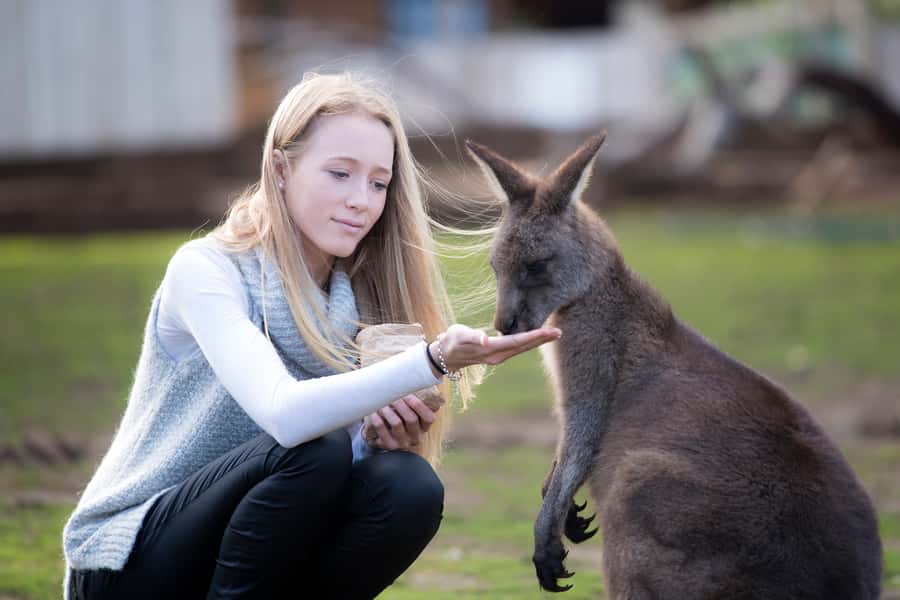
I especially love the free-roaming kangaroo feeding, with a provided bag of food you can use on-site. I also really like how the day is built around guided access to animals such as wombats and echidnas, plus the keepers explain what threatens each species and how they’re protected.
One possible drawback is comfort and planning: food and drink aren’t included, and on very hot, sunny days you may wish there were more places to cool down in shade.
In This Review
- Key things to know before you go
- Bonorong Wildlife Sanctuary: rehab plus real face time with wildlife
- Kangaroo feeding: the simple highlight that feels surprisingly special
- Tasmanian devils, wombats, and the other icons you’ll watch for
- Daily guided tours with on-site keepers: what you gain beyond sight
- The animal hospital moment: where compassion becomes real
- Getting great views and photos: plan for visibility and comfort
- Price and value: is $25 worth it?
- Practical logistics for your day in Tasmania
- Who should book Bonorong from Hobart?
- Should you book the Bonorong Wildlife Sanctuary ticket?
- FAQ
- How much is the Bonorong Wildlife Sanctuary admission ticket?
- What’s included with the $25 ticket?
- Is food and drink included?
- Do I need to arrange transportation to Bonorong?
- Is the ticket valid for more than one day?
- Are there rules about smoking, vaping, or bringing animals?
Key things to know before you go
- You get a bag of kangaroo food and can feed free-roaming kangaroos right in the sanctuary.
- Daily guided tours are included, so you’re not just wandering and guessing what you’re seeing.
- Tasmanian devils, wombats, and echidnas are common highlights, with close viewing time during tours.
- Conservation and rehab are part of the story, not an afterthought, including injured wildlife care and protection efforts.
- On-site car parking is included, which helps a lot if you’re self-driving.
- Some rules are strict (no smoking/vaping, and you can’t bring animals onto the property), so read up before you arrive.
Bonorong Wildlife Sanctuary: rehab plus real face time with wildlife
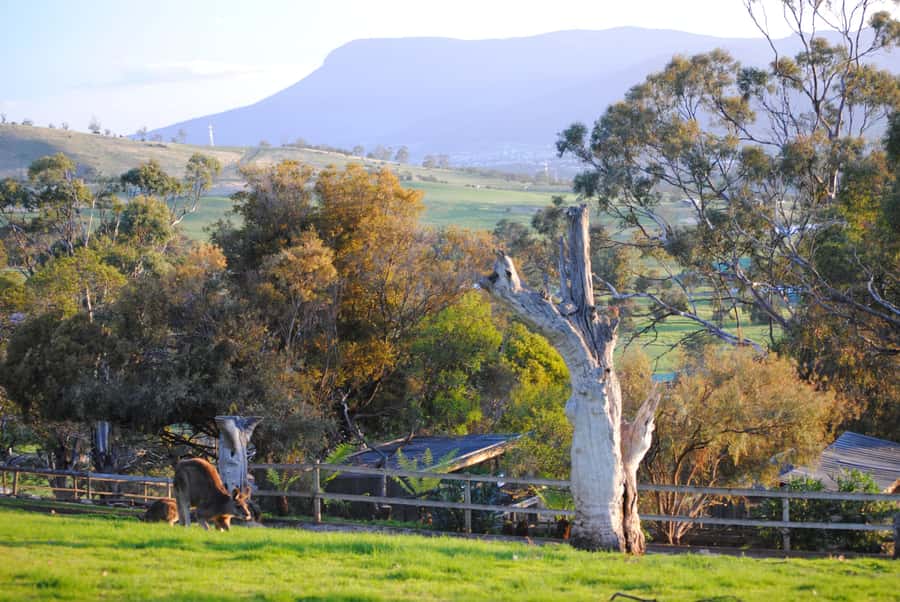
Bonorong is a wildlife sanctuary in Tasmania that focuses on rescue, rehabilitation, and long-term protection of unique Australian species. The tone is more “care and recovery” than “look-but-don’t-touch,” and that changes how you experience everything once you’re inside.
I like that the day is designed around learning while you’re there. Instead of treating animals like decorations, the staff connect what you see—devils, wombats, birds, and more—to why they need protection in the first place.
If you’re the type who wants your photos to come with context, this is a strong match. It’s also a good choice if you want a single, ticketed activity that feels worth the time, because it includes admission plus guided tours.
A few more Hobart tours and experiences worth a look


Kangaroo feeding: the simple highlight that feels surprisingly special
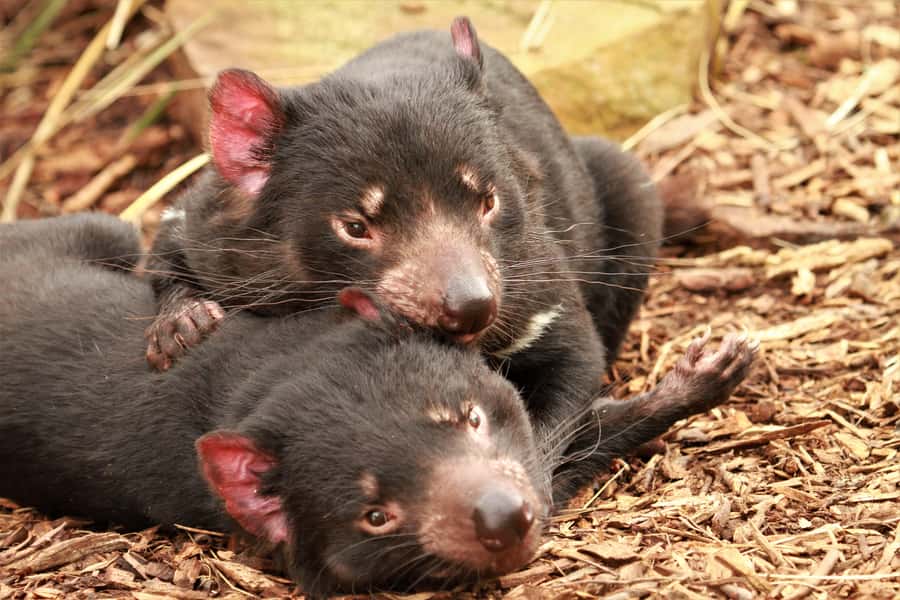
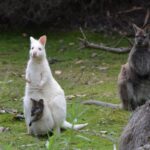
The most memorable moment for many people is feeding the free-roaming kangaroos using the food bag that’s included with your ticket. It’s not a gimmick wall behind glass. You’re in the sanctuary environment alongside the animals, and the staff help you make sense of what you’re seeing.
Practically, this is where timing matters. If you want great moments without feeling rushed, plan to spend enough time near the feeding areas rather than treating it like a quick stop. You’ll get more out of it if you slow down, watch their behavior, and let the keepers’ guidance sink in.
Also, don’t ignore the basic etiquette side of it. The sanctuary is clear that animals are protected and visitors need to follow rules, so expect the staff to set boundaries around how you approach, stand, and interact. It’s part of why the experience stays respectful.
Tasmanian devils, wombats, and the other icons you’ll watch for
Tasmanian devils are the big headline, and for good reason. Seeing them up close in a sanctuary setting hits differently than watching a screen, because you’re seeing the animal in the context of care and protection.
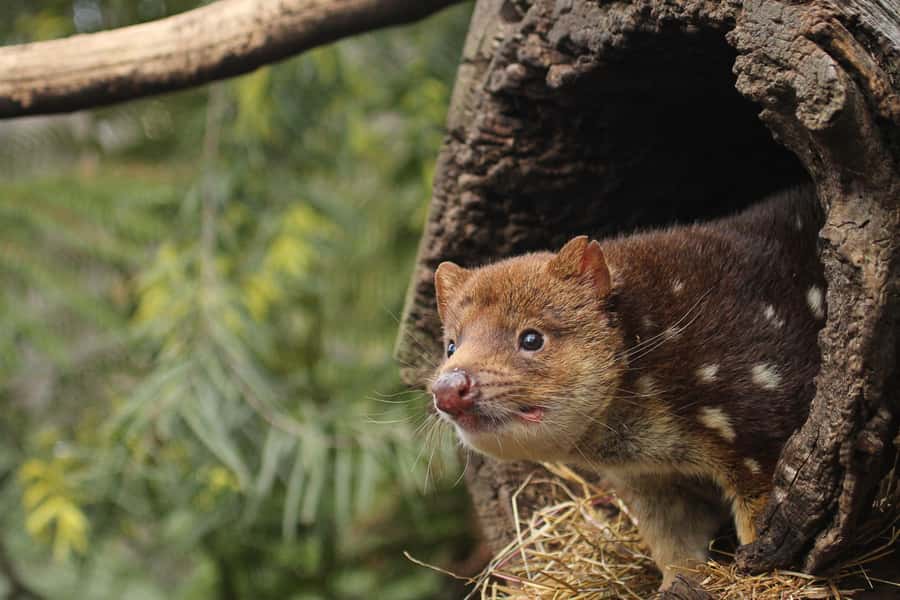
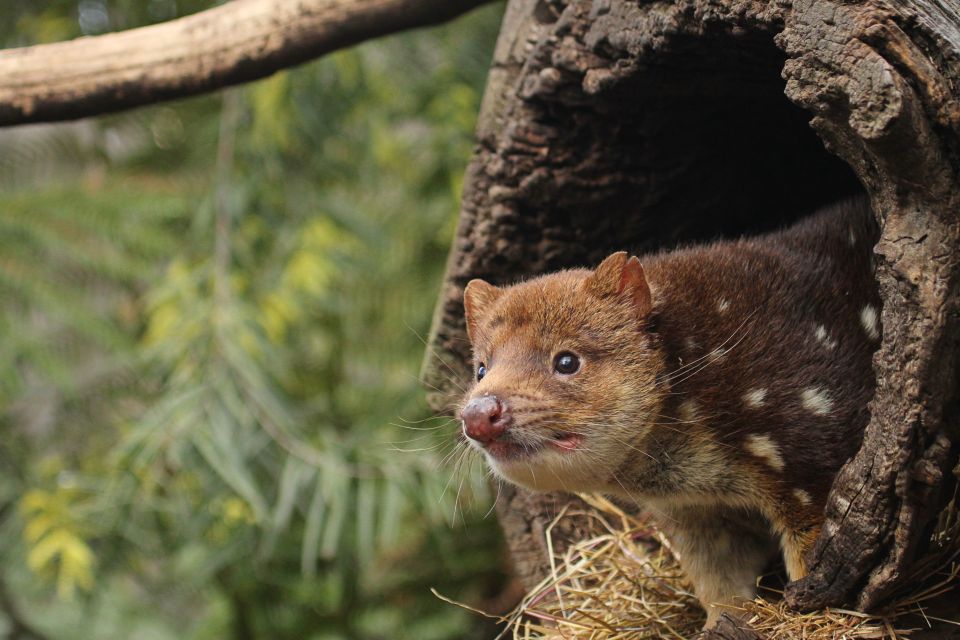
You can also expect to encounter other famous species during the day, especially on the guided portion. Wombats and echidnas come up often, and you may also see a broader range of animals such as sugar gliders or eastern quolls, plus birds like parrots and kookaburras depending on what’s on-site that day.
Here’s the value angle: the sanctuary isn’t just showing animals, it’s helping you understand them. During the tour, the keepers connect the dots between traits you notice (like behavior and activity patterns) and the threats that shape each animal’s survival chances.
If you’re visiting primarily for one species, plan to build your day around the tour times rather than hoping you’ll stumble into the right viewing spot. The guided route is designed to help you see more than you would on your own.
Daily guided tours with on-site keepers: what you gain beyond sight
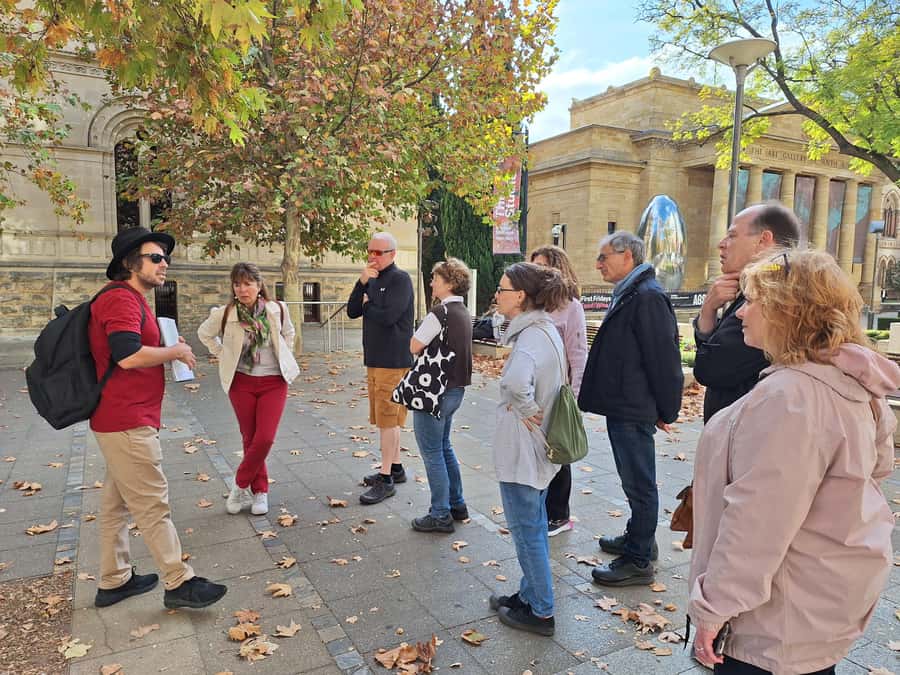
Because guided tours are included, you’re not left asking the classic question: what exactly am I looking at? The keepers explain species-specific info and also give the bigger picture—why these animals face risks and what the sanctuary is doing about it.
On many visits, the guided tour experience focuses on a small set of featured animals. One common structure people describe includes close attention to Tasmanian devils, echidnas, and wombats, with details about the specific individuals you’re viewing—like why they’re in care.
This matters, because it turns a visit from entertainment into learning you can carry home. You start to notice details differently: how an animal moves, how it reacts, and what the staff are watching for medically or behaviorally.
If you’re bringing kids, this guided element can be the difference between a good day and a truly memorable one. Some people even wish there were more child-focused animal materials on hand, which tells me the sanctuary already attracts families who want extra help translating wildlife into kid-friendly terms.
The animal hospital moment: where compassion becomes real
A powerful part of Bonorong is the way the sanctuary connects your visit to the rescue and recovery side of wildlife care. Some days, you can view the animal hospital activity—like staff examining and operating on injured animals—so you understand this place as active treatment, not just habitat and signage.
That shift can be emotional in the best way. You’re not just appreciating wildlife; you’re seeing why rehab is necessary and how serious wildlife care can be.
It’s also useful for context. When the staff explain what an animal can and cannot do in the wild, you begin to understand the sanctuary’s purpose more clearly. In many cases, animals in care are there because they’re too young or too injured to survive safely if released immediately.
If you’re sensitive to medical visuals, just know this part can be intense depending on what’s happening. Still, the overall vibe is focused and professional, and it reinforces the sanctuary’s mission.
A few more Hobart tours and experiences worth a look




Getting great views and photos: plan for visibility and comfort
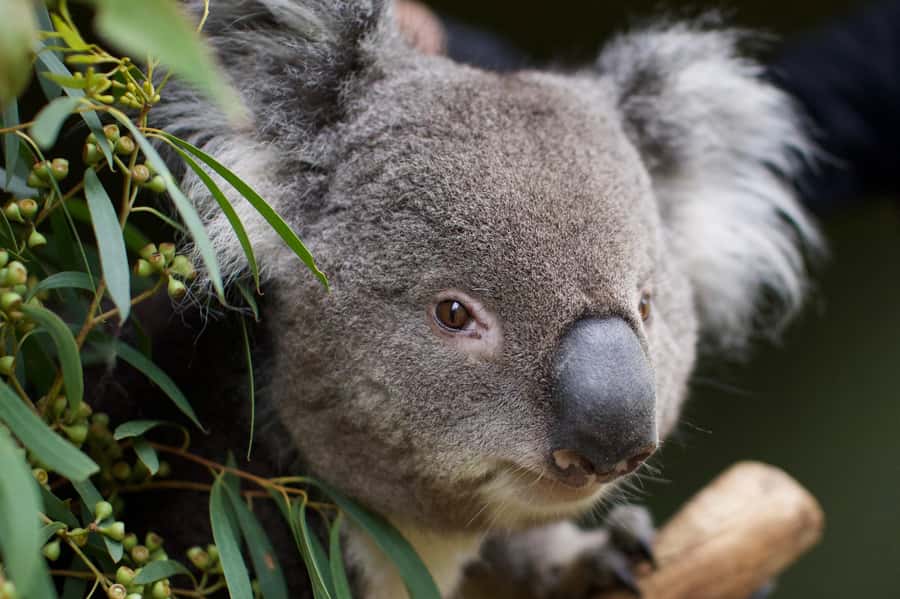
Bonorong is set up so you get good viewing access, including clear sights on birds and animals in their enclosures. If photography matters to you, you’ll likely have an easier time getting usable shots during the guided portion, when the keepers help point out where animals are most visible.
Comfort is the one practical thing to think about. One review detail that stuck with me: hot sunny weather can make shade feel limited. If the forecast looks bright and warm, bring sunscreen, a hat, and a refillable water bottle, then pace yourself between the tour stops and the feeding area.
You can also make photos better by slowing down around the moments you care about most. The devils and wombats may not be perfectly timed like a theme-park show, so giving yourself a little buffer helps you capture what’s happening naturally.
Price and value: is $25 worth it?
At $25 per person, this ticket is priced like an attraction, but it includes more than plain admission. You get admission, a bag of kangaroo food, daily access to guided tours, and on-site car parking—so you’re paying for both the animals and the interpretation.
That’s the value equation: the guide adds meaning, the food adds a hands-on memory, and the sanctuary adds conservation context. If you only wanted a casual animal walk with no education element, you might feel underwhelmed by the cost. But if you want a structured experience where your time is organized around what matters for wildlife care, it’s strong value.
Also, remember that food and drink aren’t included. So if you’re comparing against other day activities, factor in lunch on top of the ticket. You’ll likely still be happy if you plan ahead, bring snacks if you prefer, and keep your expectations aligned with what’s covered.
Practical logistics for your day in Tasmania
A few details can make or break a smooth visit.
First, the ticket is valid for 365 days, so you’re not locked into one specific date if your plans change. That gives you flexibility, especially if Hobart weather or your itinerary shifts.
Second, food and drink aren’t included, so plan for lunch and hydration. On-site concession options may exist for meals, but the ticket itself does not cover food, so don’t plan on being fully handled.
Third, transfers aren’t included. If you’re relying on local transport, you’ll want to arrange it separately. If you’re self-driving, the good news is that on-site car parking is included, which saves stress.
Finally, there are clear rules you should respect:
- No smoking or vaping within the sanctuary.
- You can’t bring animals onto the property without permission, including assistance animals.
- Don’t bring skateboards, rollerblades, bicycles, or sporting equipment that could be risky for animals or people.
These rules aren’t there to be annoying. They protect animal safety and help keep the environment calm for the residents.
Who should book Bonorong from Hobart?
I’d book Bonorong if you want one ticket that delivers both close animal time and a conservation message you can actually understand. It’s especially appealing for people who come to Tasmania specifically to see species they won’t find at home, like Tasmanian devils.
It also works well for families, because the feeding moment is fun and the guided explanations help kids connect the dots. If your group includes someone obsessed with a single species, plan your day around the tour focus so you don’t miss the best viewing moments.
If you’re looking for a quick stroll with zero structure, this might feel a bit more guided than you want. But if you’d rather get more meaning out of your time—and not waste it guessing—this is a solid pick.
Should you book the Bonorong Wildlife Sanctuary ticket?
Yes, I think it’s worth booking if you want a memorable Hobart-area wildlife day with real care behind it. The best reasons to say yes are simple: kangaroo feeding with the included food bag, and guided access that helps you understand why each animal is there.
Book it when you’re ready for a day that mixes up-close moments with conservation education. If you hate planning at all, just remember you’ll get more out of the day by timing your visit around the guided tours and bringing your own snacks or lunch since food and drink aren’t included.
If you’re sensitive to hot weather, start early or bring shade-friendly gear. And if you have any special questions about what you can bring (especially regarding animals), check those rules before you arrive so the day stays smooth.
FAQ
How much is the Bonorong Wildlife Sanctuary admission ticket?
The ticket price is $25 per person.
What’s included with the $25 ticket?
It includes admission, a bag of kangaroo food, access to daily guided tours, and on-site car parking.
Is food and drink included?
No. Food and drink aren’t included with the ticket.
Do I need to arrange transportation to Bonorong?
Yes. Transfers aren’t included.
Is the ticket valid for more than one day?
Yes. The ticket is valid for 365 days.
Are there rules about smoking, vaping, or bringing animals?
Smoking and vaping aren’t allowed in the sanctuary. Also, you can’t take or bring animals onto the property without permission, including assistance dogs.