REVIEW · HOBART
Hobart: Waterfalls, Wilderness & Wildlife – Active Day Tour
Book on Viator →Operated by Tours Tasmania · Bookable on Viator
Tasmania’s big views start fast.
This Hobart active day is a smart, long-format outing that strings together rainforests, waterfall walks, native wildlife, and a summit viewpoint in one go. You’ll get guided context along the way (with small-group energy), plus admission fees are built in so your day stays simple.
What I like most is the mix of easy-but-real walking and high-reward stops, from Mount Field’s tall-tree scenery to the waterfall circuit near Russell Falls. I also like the wildlife portion at Bonorong Wildlife Sanctuary, where your guide can point out what to look for and how Tasmanian wildlife behaves up close. If you’re lucky, you might have a guide like Hannah, Carl, Paris, or Ben—each one brings the day’s stops to life.
The main consideration is effort. Expect steps and uphill moments—one climb gets described as a tough stretch of roughly 400 steps—so bring good shoes and don’t plan on this feeling like a flat stroll.
In This Review
- Key Highlights at a Glance
- A Full Day Out of Hobart That Actually Stays Focused
- How the Morning Works: Mount Field National Park First
- Russell Falls: Tasmania’s Most Recognizable Waterfall Walk
- Horseshoe Falls: A Short Climb to a Big Reward
- The Tall Trees Walk and the Three Falls Circuit Stairs Check
- Bonorong Wildlife Sanctuary: Devils, Wombats, and Echidnas
- Mt Wellington (Kunanyi): The Summit Finish You’ll Feel
- Timing, Transport, and Group Size: What This Feels Like Day-of
- What’s Included (and What You’ll Need to Budget for)
- Price and Value: Is $132.69 a Good Deal?
- Who This Tour Suits Best (and Who Should Think Twice)
- Quick Booking Tips That Make the Day Easier
- Should You Book Hobart: Waterfalls, Wilderness & Wildlife?
- FAQ
- How long is the Hobart Waterfalls, Wilderness & Wildlife tour?
- Where does the tour start?
- What time does the tour start?
- How big are the groups?
- What attractions are included in the day?
- Is lunch included?
- Are admission fees included?
- What native wildlife does the tour focus on?
- Is the tour dependent on weather?
- Can I get a full refund if I cancel?
Key Highlights at a Glance
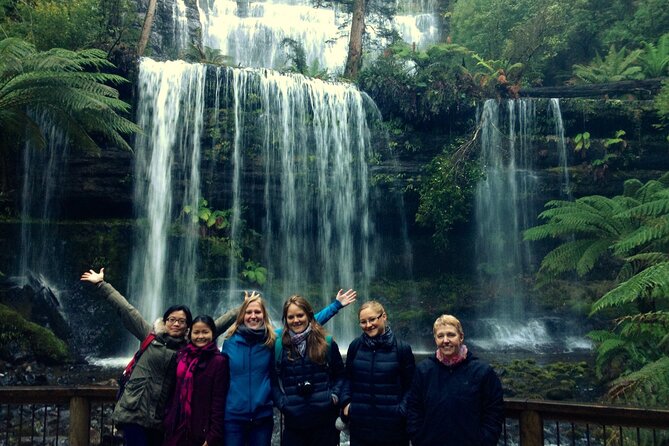
- Mount Field National Park: giant trees, rainforest atmosphere, and multiple terrain moods in one area
- Russell Falls + Horseshoe Falls: two waterfall stops that fit comfortably into a full day
- Tall Trees Walk: a chance to see the Swamp Gums (reported around 80 metres tall)
- Bonorong Wildlife Sanctuary: time focused on Tasmanian devils, wombats, and echidnas
- Kunanyi/Mt Wellington summit: a short top-of-the-world window with Southern Tasmania views
- Small group size (max 20) with admission fees included
A Full Day Out of Hobart That Actually Stays Focused
This tour is designed for people who want one packed day outside the city without turning it into a stressful marathon. You start early (7:30am) at 20 Davey St in Hobart, then you leave town and you keep moving through highlights with guided pacing. The group stays capped at 20, which makes it easier to hear your guide and keep the day flowing.
The itinerary has a practical rhythm: forests and waterfalls first, wildlife mid-day, and the big viewpoint finish on Mt Wellington. That order matters, because you’ll be walking while your energy is higher, and you’ll save the summit for after you’ve soaked in Tasmania’s natural highlights.
And yes, admission fees are included—national park entry and the wildlife park entry. That’s a real value point. When tours don’t include entry costs, you often pay “extra” for the very things you came to see.
A few more Hobart tours and experiences worth a look



How the Morning Works: Mount Field National Park First
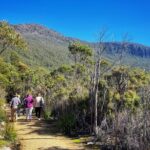
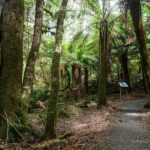
Mount Field National Park is where the day’s tone gets set. It’s one of Tasmania’s oldest national parks and sits about 1.5 hours from Hobart, so you transition quickly from city morning to outdoor immersion. You’ll walk among temperate rainforest, then you’ll get hints of moody alpine moorland and cascading water scenery as you explore.
Why this stop works: Mount Field isn’t just one photo spot. It’s a natural sampler. You see how the vegetation and feel shift, and your guide can add context so the scenery connects like a story instead of random stops.
One practical note: this is still an active day. Even if the walks aren’t marathon-level, you’re on your feet and the terrain can feel different than what you’re used to. If you’re prone to sore calves, it’s worth taking this morning seriously—proper socks and shoes matter here.
Russell Falls: Tasmania’s Most Recognizable Waterfall Walk
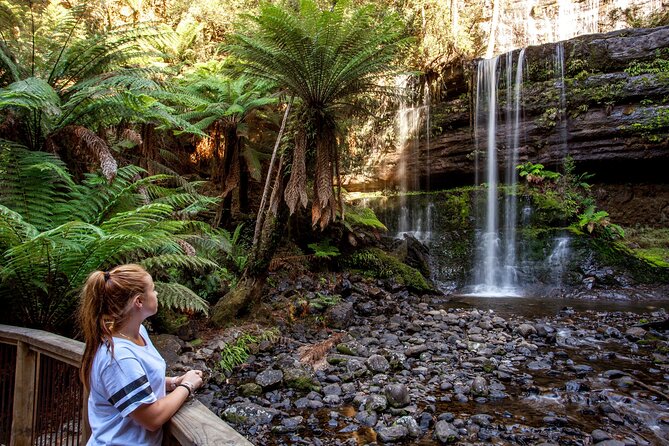
Russell Falls is the easy-to-love start to the waterfall sequence. You get a 45-minute stop with a walk that’s described as easy and enjoyable along a forest track. The falls are known for their 3-tiered drop, and it’s the kind of sight that rewards you even if you’re not a hardcore hiker.
This is also a good “warm-up” waterfall. If you came to Tasmania for dramatic nature, Russell Falls gives it to you quickly. And because the walk stays manageable, you’re not burning your energy before the next steps.
If you’re sensitive to slippery paths, keep an eye on the ground. Forest walks in Tasmania often mean damp surfaces. Nothing in the plan suggests extreme conditions, but you’ll still want traction.
Horseshoe Falls: A Short Climb to a Big Reward
Right beyond Russell Falls, you climb stairs to Horseshoe Falls. This stop is shorter on time (around 30 minutes), but it feels purposeful because the access involves steps and a short push upward.
Why I think it’s worth it: Horseshoe Falls sits in the forest, so you get that enclosed, intimate feeling—like the falls are part of the greenery instead of something distant. Some people even consider it more impressive than Russell Falls, and the whole point of this tour is giving you more than just the headline attraction.
Plan for stairs even if you normally skip them. A short climb can turn into the most memorable part of the day if you pace yourself.
The Tall Trees Walk and the Three Falls Circuit Stairs Check

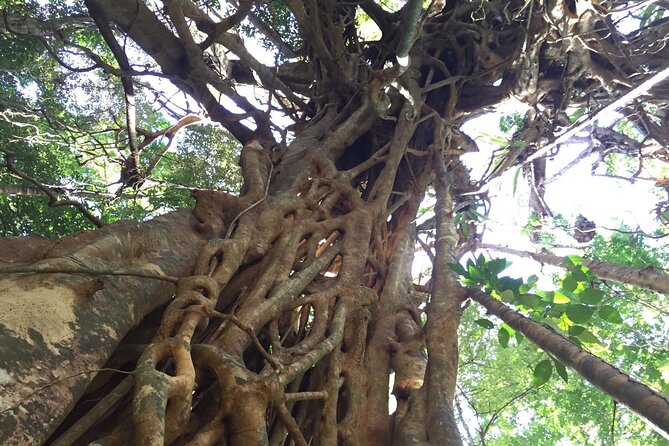
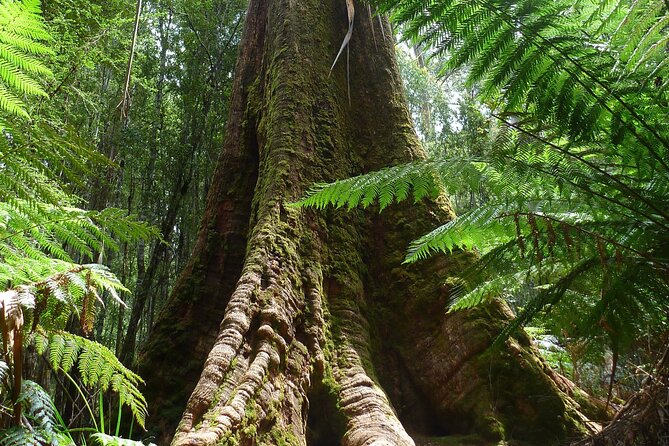
Next you continue along the Three Falls Circuit and enter the Tall Trees Track. You’ll spend about 1 hour here, high above with giant trees around you. The tour highlights the Swamp Gums, reported around 80 metres tall, and notes they’re the world’s tallest flowering plant.
This stop hits a different mood than the waterfalls. The air feels more like “walk in the canopy world,” not “stand and stare at water.” It’s also one of those places where a guide adds value because they can help you notice what you’re looking at: tree type, growth patterns, and the feel of temperate rainforest.
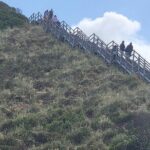
Here’s your consideration: this portion can be stair-heavy depending on your pace. One of the day’s caution signs from past guests is that the uphill climb can be tough (that rough 400-steps comment comes up for a reason). You don’t need to be a fitness athlete, but you do need to come prepared for a real walking day.
My practical advice: don’t try to “power through.” If you save your legs, you’ll enjoy the views more and you won’t reach the wildlife sanctuary feeling wiped out.



Bonorong Wildlife Sanctuary: Devils, Wombats, and Echidnas
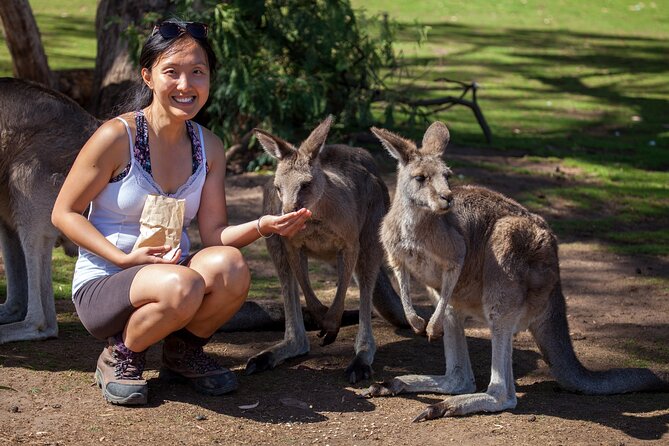
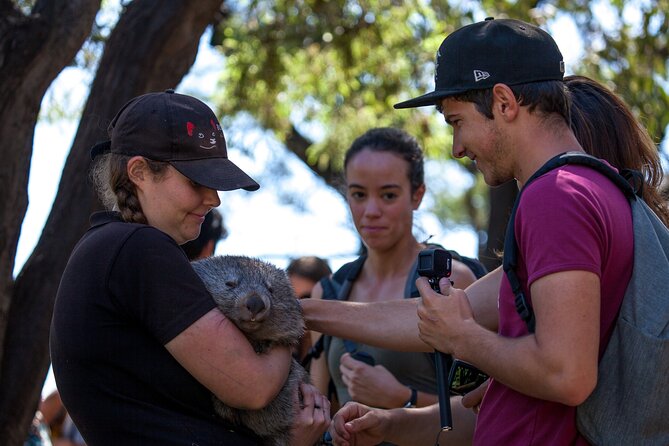
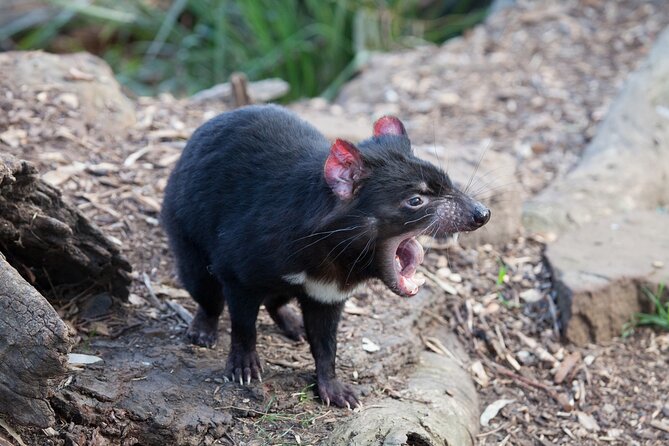
Bonorong Wildlife Sanctuary is the day’s animal-focused anchor. You get around 2.5 hours here, including an informative wildlife tour run by the sanctuary staff. The tour’s wildlife focus includes Tasmanian devils, wombats, and echidnas.
This stop is valuable because it’s not just “look at animals from far away.” The time is structured, so you have a better chance of connecting behavior to species, especially with staff guidance. It’s also a good moment to slow down from the hills and stairs.
One small reality check: wildlife can be shy on some days. That doesn’t mean you’ll miss everything, but it does mean you should go with patience. If you’re an animal person, this is still one of the better ways to spend the middle of the day in Tasmania because the setting is built for encounters like this.
If you’re the type who gets hangry during tours, pack a strategy. Lunch isn’t included, so you’ll want a plan for snacks (more on that below).
Mt Wellington (Kunanyi): The Summit Finish You’ll Feel
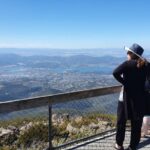
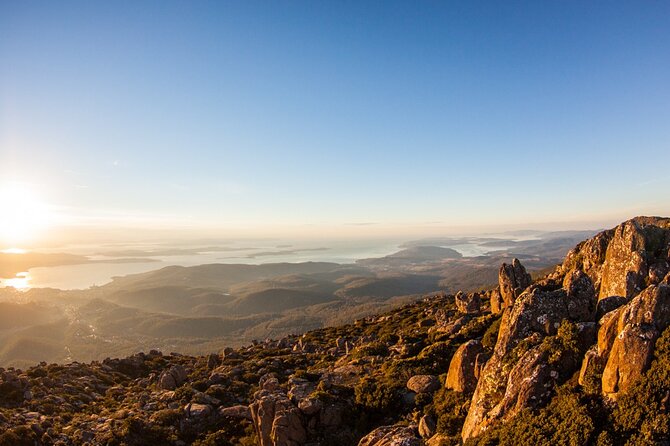
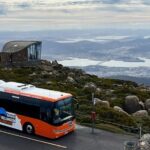
After Bonorong, the drive to Mt Wellington takes about 60 minutes. Then you get roughly 30 minutes at the summit of Kunanyi/Mt Wellington, which sits at 1271 metres above sea level, behind Hobart.
This is one of those classic finishing moves: the day builds from forest and falls, then you get a wide-open viewpoint that makes the whole region make sense. Even in a short summit window, the elevation does its job. You look out over Southern Tasmania and you understand why people keep coming back to this island.
Why it’s a smart end: if you put the summit earlier, you might arrive still damp from rainforest walks or still walking-heavy. By the time you reach Mt Wellington, your legs can recover a bit during transit, and the summit time feels like a reward instead of another workout.
Bring layers. Summit weather can change fast. You might not need a heavy winter coat, but you’ll want something more than you wore at sea level.
Timing, Transport, and Group Size: What This Feels Like Day-of
You’ll spend about 12 hours total (approx.), returning to the same meeting point at the end of the day. That length is the trade-off for seeing so many highlights. You’re paying in time as much as in money.
The good news is the tour keeps the day efficient. You’re not stuck doing long transfers without purpose. Stops have clear time blocks, and the tour format is built to help you hit each highlight without feeling like you’re constantly waiting.
The group cap of 20 helps a lot. Smaller groups mean fewer delays, and your guide can manage the flow on stairs and walk sections more effectively.
If you’re traveling with limited stamina, I’d still consider this tour—but adjust expectations. The walking isn’t described as extreme every moment, but stairs show up repeatedly. If you can handle short hikes and uphill segments, you’ll be fine.
What’s Included (and What You’ll Need to Budget for)
This is one of the more straightforward pricing setups because key admissions are included:
- National Park entrance fee
- Wildlife Park entrance fee
- Professional guides and interpretive walks
- Small, friendly groups
What’s not included is lunch. You’ll stop enroute in a regional town at a local bakery to purchase lunch/snacks to take along. That can actually be a win if you like choosing your own food. But it also means you should plan for the extra decision time and cost.
For many people, the smartest move is to bring a small snack anyway—something like a protein bar or nuts—so you’re not waiting until the bakery stop when hunger kicks in.
Price and Value: Is $132.69 a Good Deal?
At $132.69 per person, this tour competes with plenty of day trips in Australia. The question is value: does it include enough to justify a full-day spend?
Here’s why it likely works for many travelers:
- You’re paying for a full 12-hour guided day with multiple major attractions.
- Admission fees for the parks and wildlife stop are included, so you’re not adding surprise costs once you arrive.
- You also get guide-led interpretive walking, which usually takes a tour from “we drove around” to “I learned what I was seeing.”
What can reduce value for some people: if you already know the waterfalls you care about and you’d rather explore wildlife on your own, this may feel like a lot packed into one day. The tour is best for people who want the best-of Tasmania experience without spending the time building a plan.
My take: if you like structured days and you want a guided route that hits Mt Field, two waterfall highlights, Bonorong, and Mt Wellington, the price feels fair. If you prefer slow travel and you hate stairs, you might look at a lighter option.
Who This Tour Suits Best (and Who Should Think Twice)
This is a great fit if you:
- want a single day that covers waterfalls, wildlife, and summit views
- enjoy guided context and short walking stops
- like the idea of small groups and set timing
- can handle stair segments and uneven forest paths
This might be a tough fit if you:
- struggle with stairs or uphill climbs
- want a mostly flat, sit-and-enjoy type of day
- dislike being outside for most of the day
It’s also a solid start to your Hobart trip because it gives you a broader sense of what Tasmania feels like beyond the city. One more tip: if English is a challenge for you, the tour’s interpretive part depends on communication. You’ll still see plenty, but you’ll get more from it when you can follow the explanations.
Quick Booking Tips That Make the Day Easier
If you book this tour, a few choices will pay off fast:
- Wear shoes with grip. You’ll be on forest paths and stairs.
- Bring layers for Mt Wellington, even if the morning feels warm.
- Pack at least one snack for the gap between walking and the bakery stop.
- Pace yourself early. The stair effort later feels harder when your legs are already tired.
Should You Book Hobart: Waterfalls, Wilderness & Wildlife?
I’d recommend booking this tour if you want a high-value, guided best-of day that saves you planning time and includes admission fees. It’s especially appealing when you like waterfalls plus native wildlife plus a real viewpoint finish.
I would not choose it if your dream day is mostly level ground with minimal climbing. The stairs can be the day’s main test, and this itinerary is an “active day” by design.
If you can handle uphill walking and you want one organized day to see the region’s core natural sights, this tour is a very sensible way to spend your time around Hobart.
FAQ
How long is the Hobart Waterfalls, Wilderness & Wildlife tour?
It runs for about 12 hours (approx.), and it ends back at the meeting point.
Where does the tour start?
The start point is 20 Davey St, Hobart TAS 7000, Australia.
What time does the tour start?
The start time is 7:30am.
How big are the groups?
The tour has a maximum group size of 20 travelers.
What attractions are included in the day?
You’ll visit Mount Field National Park, Russell Falls, Horseshoe Falls, the Tall Trees Walk, Bonorong Wildlife Sanctuary, and the summit area of Kunanyi/Mt Wellington.
Is lunch included?
No. Lunch is not included, and you stop in a regional town at a local bakery to buy lunch/snacks to take along.
Are admission fees included?
Yes. National park entrance fees and the wildlife park entrance fee are included.
What native wildlife does the tour focus on?
At Bonorong Wildlife Sanctuary, the focus includes Tasmanian devils, wombats, and echidnas.
Is the tour dependent on weather?
Yes. The experience requires good weather. If it’s canceled due to poor weather, you’ll be offered a different date or a full refund.
Can I get a full refund if I cancel?
Yes. Cancellation is free up to 24 hours in advance for a full refund. If you cancel less than 24 hours before the start time, the amount paid is not refunded.