REVIEW · MELBOURNE
Icons of Melbourne Walking Tour
Book on GetYourGuide →Operated by Fit City Tours · Bookable on GetYourGuide
One dome. One laneway at a time. This tour is for people who want the real Melbourne story, not just postcard stops. You start at State Library Victoria, then move through arcades, churches, and street art spots that explain how the city grew into what it is now. The best part is how the guide connects places to the people and ideas behind them.
What I like most is the blend of big landmarks and small details. You get architectural highlights (that library dome is a showpiece) plus street-level creativity in the laneways. Second, I really appreciate the way the tour handles culture and food together, including a stop at a local café or hidden bar so you can follow Melbourne’s coffee reputation with context, not just hype.
One drawback to consider: you’re walking for 2 hours and there’s no storage for bags, so keep your load light. Also, the tour runs rain or shine, so come prepared for Melbourne weather swings.
In This Review
- Key things to know before you go
- Starting at State Library Victoria: where Melbourne’s story gets its first page
- What you’ll notice here
- The dome, the gold rush, and the city’s early ambitions
- A practical note
- Churches and community stories: St Francis’ Church isn’t just a stop
- Why this section works
- Laneways, arcades, and street art you’ll actually notice
- The kind of art you’ll encounter
- Food and weather reality check
- Coffee culture stop: the why behind Melbourne’s reputation
- What to order (without overthinking it)
- Collins Street to Swanston Street: where the city shows its contradictions
- Federation Square finish: a modern wrap-up with a sense of direction
- How to use the ending
- Price and logistics: what $68 buys you in a 2-hour window
- The guide factor: Rhonda’s style is built for attention spans
- Who should book this Icons of Melbourne walking tour
- Should you book it?
- FAQ
- How long is the Icons of Melbourne Walking Tour?
- Where do I meet the guide, and where does the tour end?
- How much does the tour cost?
- Is the tour wheelchair accessible?
- Do the tours run in bad weather?
- Is there storage for bags during the tour?
Key things to know before you go
- Small group up to 10 means you’re not lost in a crowd.
- State Library Victoria first sets the tone with stories, not just photos.
- Church stops come with community history, including St Francis’ Church.
- Laneway street art route helps you spot what most people rush past.
- Coffee-culture stop gives you the why behind Melbourne’s reputation.
- End at Federation Square ties the old city to the current creative vibe.
Starting at State Library Victoria: where Melbourne’s story gets its first page
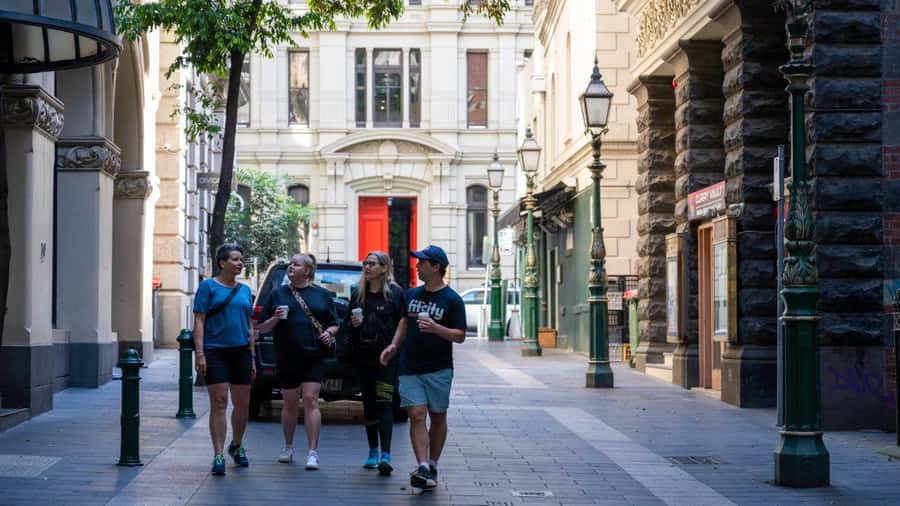
If you want to understand a city, start with its public rooms. That’s exactly why this walk begins at State Library Victoria. It’s a beautiful building that instantly feels important, even if you’ve only ever seen it from the outside. The dome and reading rooms give you a sense of order and ambition that fits Melbourne’s early growth.
This start matters because you don’t begin with a random landmark. You begin with the early momentum of the city: the founding years and the gold rush era when this settlement grew fast, attracted newcomers, and built the kind of civic confidence that still shows up in Melbourne architecture. The guide’s approach makes it easier to connect the dots later when you see other sites around the center.
You can also read our reviews of more walking tours in Melbourne
What you’ll notice here
The tour is paced so you’re not just standing and staring. You’re pointed toward what makes the library iconic—its grandeur on the outside and the calmer, more deliberate feel inside. Even if you’re not a book person, you’ll still get why it mattered as a public institution.
The dome, the gold rush, and the city’s early ambitions
The gold rush story isn’t just a date sheet. It’s why the city feels the way it does: fast growth, big plans, and a willingness to bring in talent from elsewhere. When your guide explains the library in that context, Melbourne’s later layers start to make sense.
This is one of the strengths of the tour: it doesn’t treat history like a separate topic. It uses history as the glue between neighborhoods, streets, and buildings. That becomes extra useful once you’re walking past places that could easily feel similar if you didn’t know the backstory.
A practical note
You’ll be on your feet, so you’ll be glad the group is small and the guide is animated. In a bigger tour, these kinds of explanations can feel slow. Here, the walking keeps you moving while the story anchors your attention.
Churches and community stories: St Francis’ Church isn’t just a stop
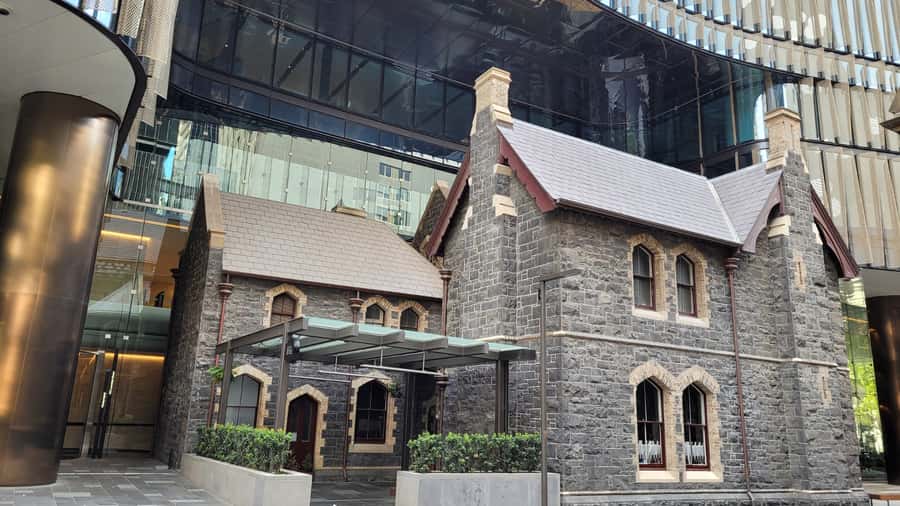
After the library, the route moves into a more grounded layer of Melbourne: the churches and the communities that formed around them. You’ll pass St Francis’ Church, known as the oldest Catholic church in Victoria, and hear why that matters in terms of migration, faith, and neighborhood identity.
A good city tour can list architecture. A better one explains why communities put their resources into certain buildings. That’s what you’re getting here. The guide weaves in how these places reflect the people who built them—communities with needs, hopes, and social support networks.




Why this section works
Churches can go one of two ways on a walking tour: either you hear a few facts and move on, or you get context. Here, the stories connect the physical buildings to the communities behind them. Even if you’re not religious, you’ll likely enjoy this part because it’s about human settlement and belonging.
Laneways, arcades, and street art you’ll actually notice
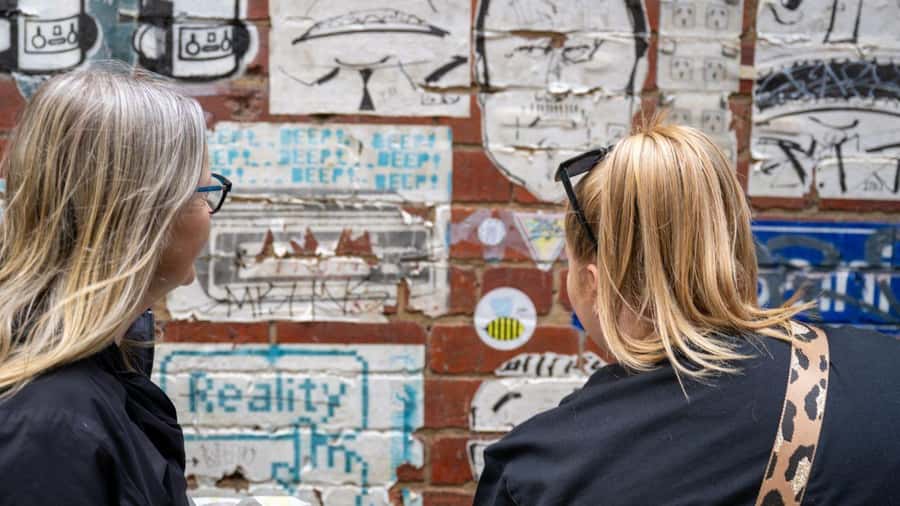
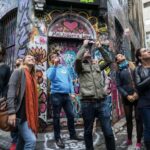
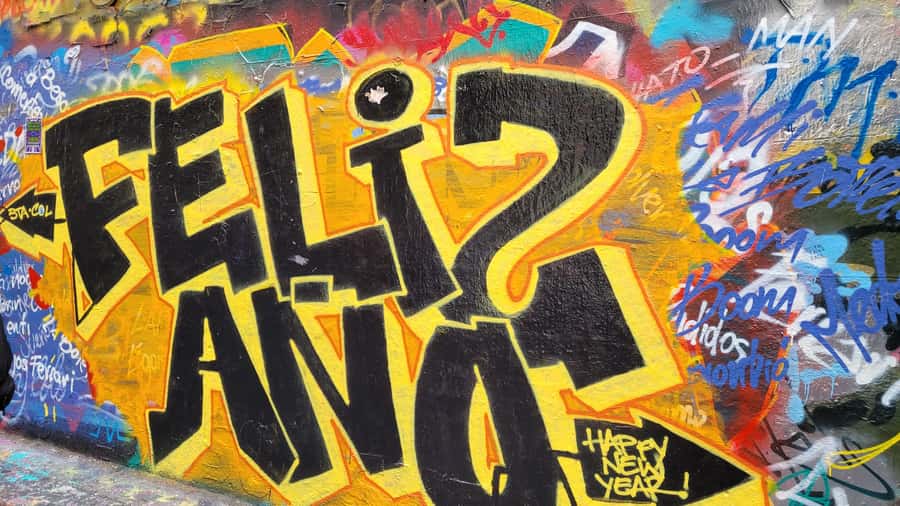
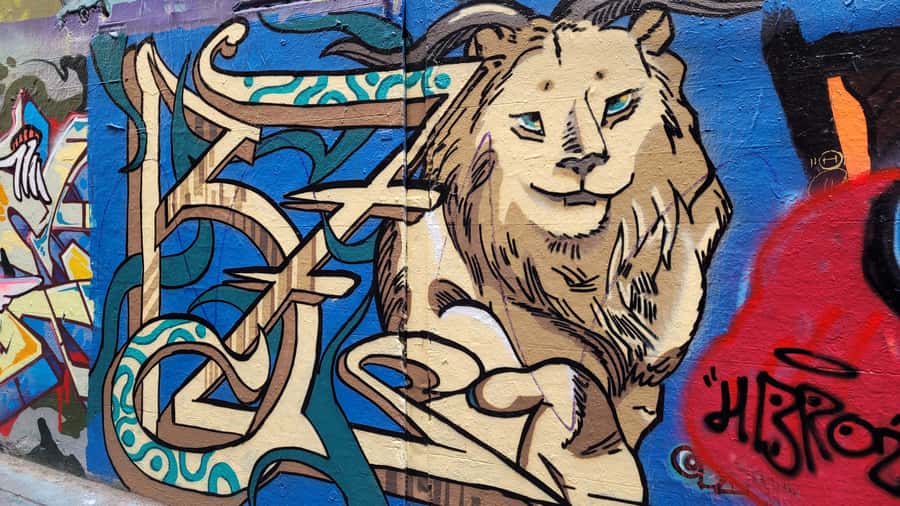
Melbourne’s laneways are where the city’s creativity gets loud. The tour takes you into areas like Hosier Lane and ACDC Lane, where street art isn’t just decoration—it’s part of public conversation. You’re not just walking through graffiti. You’re learning how the art functions as commentary and expression.
This is also where the small group size pays off. When you’re in a crowd, you see street art like wallpaper. With fewer people, you can slow down, look closely, and follow the guide’s pointing and explanations without losing the group.
The kind of art you’ll encounter
Expect to see bold pieces tucked away from main streets, along with the layered feeling of laneways: old brick, newer tags, and bits of street culture that change over time. The best way to enjoy it is to watch how you’re guided to notice details—symbols, styles, and how the art relates to the location.
Food and weather reality check
Laneways can be narrow and change quickly with the weather. If it’s raining, you’ll want your shoes ready. This tour runs rain or shine, so bring the kind of gear you’d use for a comfortable walk outdoors.
Coffee culture stop: the why behind Melbourne’s reputation
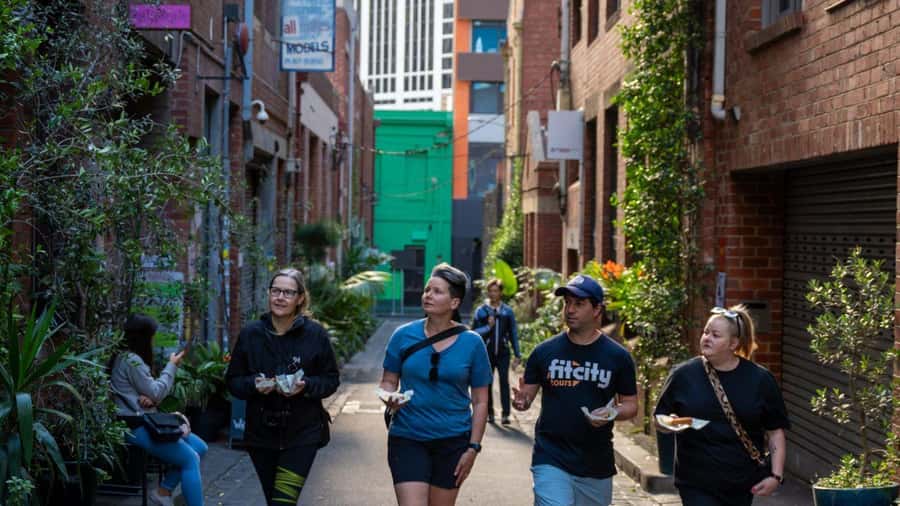
Melbourne’s coffee scene gets talked about everywhere, but this tour handles it differently: you don’t just hear that Melbourne is a coffee capital. You get a quick look at how café culture evolved, tied to post-war migration and later trends like third-wave roasting.
As part of the walk, you’ll stop at a local café or a more tucked-away bar for a break. The tour data doesn’t say you get a specific drink included, so plan on purchasing what you want. But the stop is still a smart move: you can reset, ask questions, and put stories to the taste of the city.
What to order (without overthinking it)
Since menus can vary, I’d keep it simple: pick something you like, then pay attention to what the guide recommends about the area for after the tour. The insider advice is one of the practical benefits here.
Collins Street to Swanston Street: where the city shows its contradictions
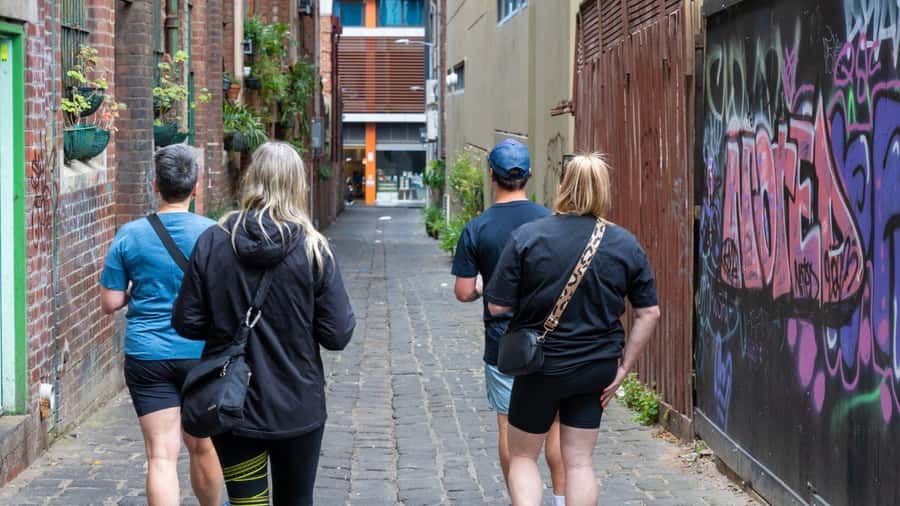
After the quieter storytelling stops, you’ll feel the city’s energy again as the route moves through major streets. Two names get highlighted: Collins Street’s Paris End and Swanston Street.
Collins Street is where you’ll notice the more formal side of Melbourne—grand facades, the feeling of wealth and intention, and a street rhythm that reads like old-world planning. Swanston Street, on the other hand, hits differently. It’s where music, protest, and pop culture overlap, which helps explain why Melbourne can feel both polished and rebellious on the same block.
This contrast is a big part of why the tour is worth doing in 2 hours. You’re not stuck in one mood.
Federation Square finish: a modern wrap-up with a sense of direction
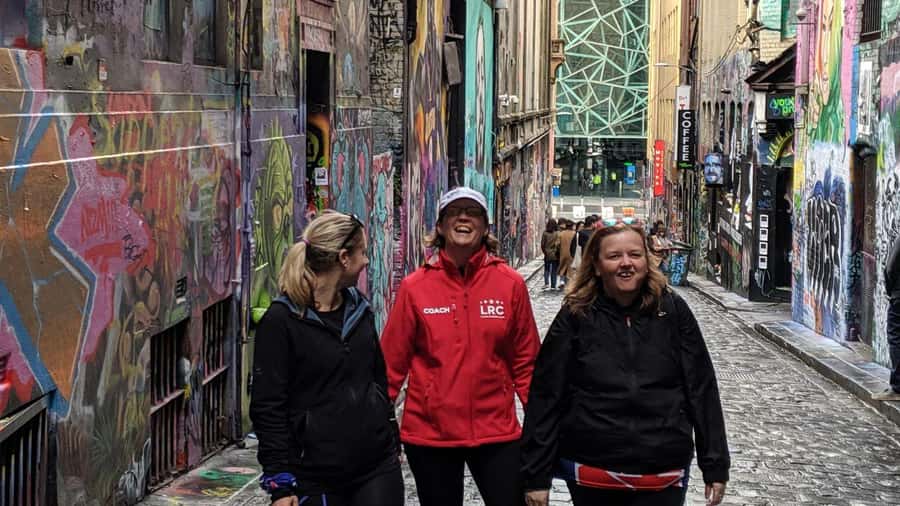
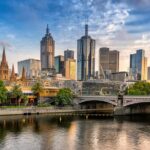
The walk concludes at Federation Square, at the corner of Swanston and Flinders Streets. It’s a good final stop because it feels like Melbourne “now”: public space, events, and a hub for culture.
Ending here also helps you stay practical. If you want to keep exploring after the tour, you’re dropped in the middle of a place with lots of options—perfect for turning the tour’s stories into your own walking plan.
How to use the ending
When the tour is finished, use the guide’s recommendations and decide what matches your energy:
- If you want more street art, you’ll know where to head next.
- If you want architecture, you’ll be more likely to spot details on your own.
- If you want food, you can follow the coffee and café logic the guide introduced.
Price and logistics: what $68 buys you in a 2-hour window
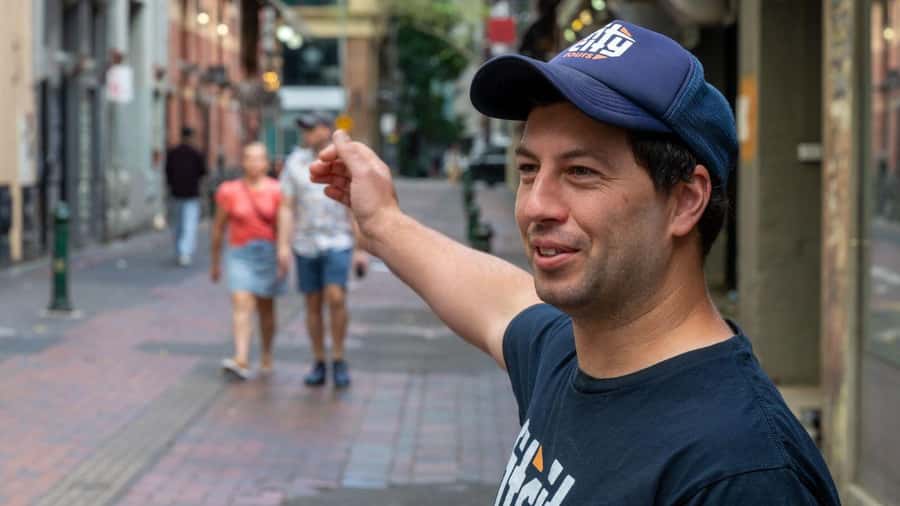
At $68 per person for a 2-hour walking tour, you’re paying for more than sightseeing. You’re paying for a guide who turns locations into stories, plus practical extras that make the tour easier to enjoy and extend afterward.
Here’s what you get that actually has value:
- A guide who provides insider tips for where to explore, eat, and drink next
- Photos taken during the tour, which is handy when you want pictures without constantly stopping for selfies
- A small group capped at 10 participants, which keeps the experience personal
The two big things that affect value for you are comfort and focus. If you like walking and you enjoy story-driven city context, this is a strong use of time. If you’re hoping for a car-free tour that still feels totally low effort, the 2-hour pace might be a little intense.
Also, there’s no storage for bags, so come with what you can comfortably carry.
The guide factor: Rhonda’s style is built for attention spans
The tour’s quality shows up in how people describe the guide’s presence. Rhonda is praised for being friendly and knowledgeable, but what really stands out is how the content stays at the right level. It’s not dry. It’s not overloaded. And it works across ages, including adults traveling with younger relatives.
That matters because a walking tour can fail in one of two ways: it can be too factual and boring, or too casual and vague. From what you’ll experience, this one lands in the middle—fun, clear, and packed with the kind of details you remember later when you’re exploring on your own.
Who should book this Icons of Melbourne walking tour
I think this is a great fit if:
- You want a guided path through central Melbourne so you don’t waste time guessing where to start.
- You care about both architecture and street culture.
- You’re into coffee and food, and you like hearing how a city reputation forms.
- You enjoy tours with enough stories to feel meaningful, but not so long that you lose the thread.
It may not be your best choice if you:
- Have trouble walking for 2 hours.
- Need bag storage (there isn’t any on this tour).
- Prefer a purely visual tour with minimal talking.
The good news is the tour is wheelchair accessible, so it’s designed to include more mobility needs than you might expect for a walking route.
Should you book it?
If you’re deciding between doing things on your own versus getting a guided push, I’d book this one. The value isn’t just the famous sites. It’s the way the tour connects State Library Victoria, churches, laneways street art, and Melbourne’s coffee culture into one coherent walk that ends in a lively central hub.
For first-time visitors, it’s a smart way to get your bearings fast. For locals, it’s a nice reset—especially if you’ve walked past the same streets but never learned how the layers fit together.
FAQ
How long is the Icons of Melbourne Walking Tour?
The tour lasts 2 hours.
Where do I meet the guide, and where does the tour end?
You start at State Library Victoria, near the steps on Swanston Street. The tour ends at Federation Square, at the corner of Swanston and Flinders Streets.
How much does the tour cost?
The price is $68 per person.
Is the tour wheelchair accessible?
Yes, the tour is listed as wheelchair accessible.
Do the tours run in bad weather?
Yes, the tour operates rain or shine.
Is there storage for bags during the tour?
No. There are no storage facilities for bags, so plan to travel light.
If you want, tell me when you’re visiting and whether you care more about architecture, street art, or food—and I’ll suggest how to plan the rest of your day around the Federation Square finish.