REVIEW · MELBOURNE
Ultimate Melbourne Walking Tour: History, Laneways & Culture
Book on GetYourGuide →Operated by Depot Adventures · Bookable on GetYourGuide
Three hours, and Melbourne feels personal. This small-group walk strings together laneways, street art, Victorian landmarks, and classic coffee culture so the city clicks fast. You’ll also finish with a pub drink and a taste of the skyline from Melbourne Skydeck.
I love that the stories don’t stay stuck in the past. The Gold Rush era links the fancy buildings you pass with why Melbourne grew so quickly, and guides like Hugo, Emily, Beau, and Ian bring those moments to life with jokes and real local detail. One thing to plan for: you’ll be on foot across stairs and uneven surfaces in laneways and arcades, so this may feel tough if you have limited mobility.
In This Review
- Key points at a glance
- Melbourne in 3 hours: why this walking route works
- Where you start on Spring Street (and what to watch for)
- Parliament, Old Treasury, and Collins Street: the Gold Rush engine
- Collins Street to the first photo stop: learning how Melbourne frames itself
- Hosier Lane street art: art as a living street language
- Federation Square to the MCG: big-city landmarks, explained simply
- Flinders Street Station and Degraves Street: from rail icon to coffee ritual
- Arcades and shopping streets: why Melbourne’s covered lanes matter
- Melbourne Skydeck: quick views without the whole day plan
- Chinatown, State Library, and the Yarra River: culture beyond the obvious
- Old Melbourne Gaol and the final pub: ending with community stories
- Price and value: is $91 fair for 3 hours?
- Who should book this tour (and who should skip it)
- Should you book Ultimate Melbourne Walking Tour?
- FAQ
- How long is the Ultimate Melbourne Walking Tour?
- How much does the tour cost?
- Where do I meet the guide?
- What is the maximum group size?
- What’s included in the price?
- Does the tour include any Skydeck entry?
- Is the tour guided in English?
- Does the tour run in bad weather?
- Is the tour wheelchair accessible?
- What is the cancellation window?
Key points at a glance

- Max 12 people means you get time for questions and small detours when interest pops up
- Hosier Lane street art comes with context, not just photo stops
- Degraves Street coffee is part of the tour (flat white, long black, or hot chocolate)
- A historic pub drink turns the last hour into social-history time
- Skydeck and arcades pack major sights into a simple CBD walking route
Melbourne in 3 hours: why this walking route works
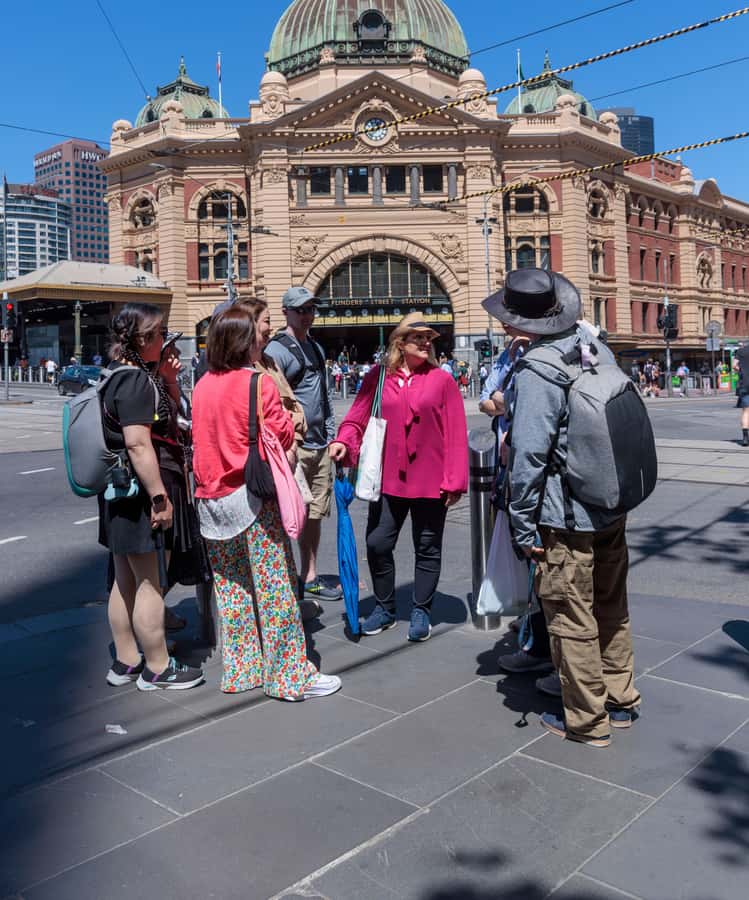
Melbourne can feel like a city with many personalities, so I like tours that give you a storyline. This one does that with a loop through the central business district, then out into the laneways and back toward landmark sights.
The big win is the mix. You’re not just ticking boxes like a checklist. You’re learning how Melbourne’s wealth, architecture, and creative culture all connect, while you taste the city the way locals do—coffee first, then a pub drink.
And because it’s capped at 12 guests, the guide can actually steer the conversation. You’re more likely to get a useful answer than a rehearsed fact.
You can also read our reviews of more walking tours in Melbourne
Where you start on Spring Street (and what to watch for)
You meet in the Spring Street area, but your exact handoff point is Gordon Reserve, a small park across from the Windsor Hotel. Look for your guide with a blue umbrella standing by the fountain.
Plan to arrive about 10 minutes early so you can start walking without the awkward pause. If you’re the type who likes to grab a quick photo before the group moves, you’ll have that chance at the beginning.
This start point matters because it puts you right in the historical-and-finance zone. You’re not spending the first half-hour commuting across town.
Parliament, Old Treasury, and Collins Street: the Gold Rush engine
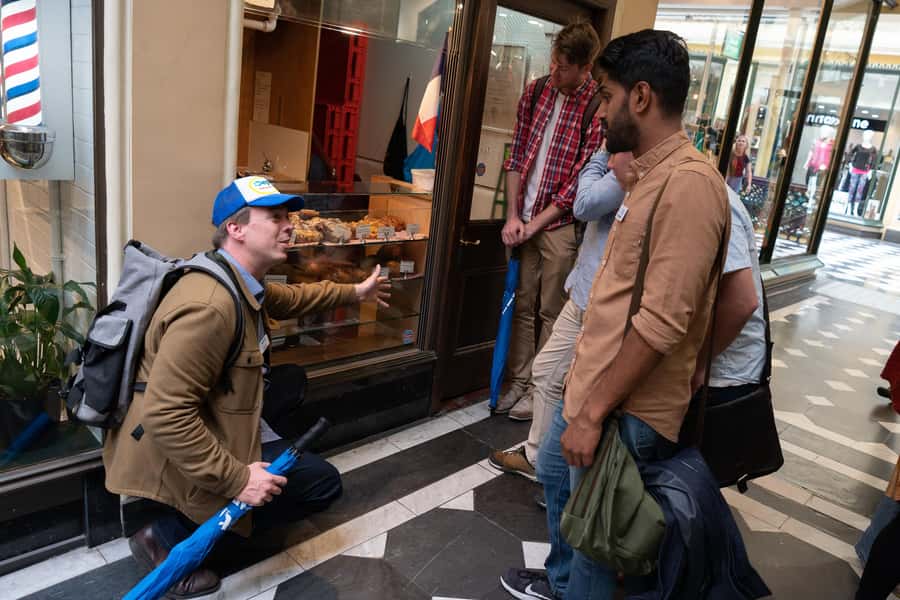
The tour opens with some of the city’s power buildings, and it does it in a way that helps you understand the scale of the Gold Rush. When Melbourne got rich fast, the architecture followed. So even quick stops at places like the Parliament of Victoria and the Old Treasury Building aren’t just sightseeing—they’re evidence of how money changed the city.
I like this part because it gives you a mental map. After these early landmarks, the rest of the walk makes more sense. You start noticing architectural details and street alignment more clearly, not just snapping pictures.
A practical note: these segments are short guided stops, not long museum-style visits. If you want deeper time inside major buildings, you’ll treat this as orientation and then come back later on your own.
Collins Street to the first photo stop: learning how Melbourne frames itself

You’ll pass through key CBD streets like Collins Street, with a brief guided moment and a photo stop. This is one of those “small things that really help later” moments.
Why? Because the guide points out sightlines—where the city opens up, what kind of streets lead into lanes, and how Melbourne’s center is built to shift from grand facades to tight side alleys. It’s a quick crash course in how to move like a local.
If you hate feeling rushed, this part helps. You’re still early enough in the tour to get your pacing right.
Hosier Lane street art: art as a living street language
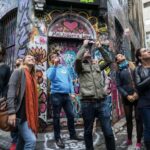
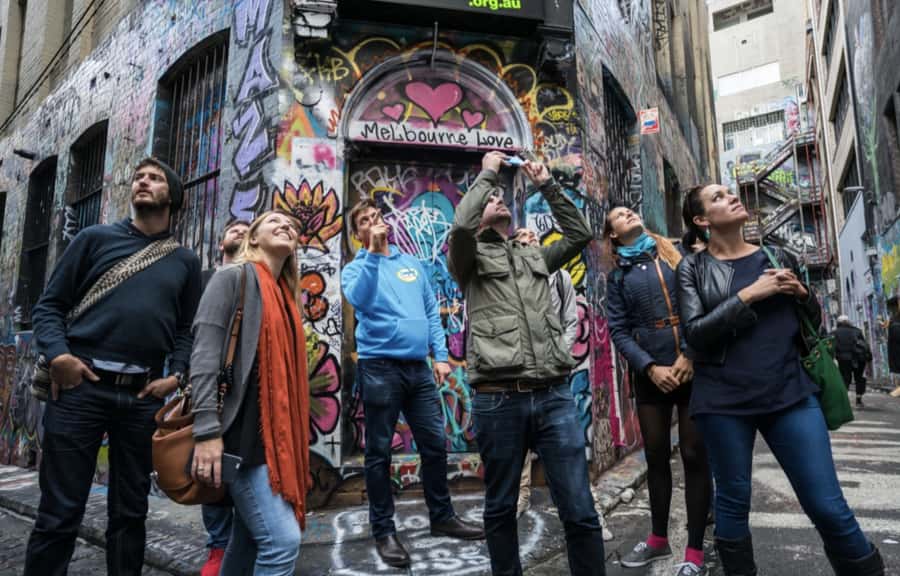
Hosier Lane is the name people know, but the tour’s value is in what you learn while you’re standing there. Street art here changes constantly, so the goal isn’t to memorize one mural. The goal is to understand the culture behind it—who makes it, why it shows up where it does, and how Melbourne treats street creativity as part of everyday life.
This section also teaches you something useful for the rest of your trip: how to look. You’ll start noticing layers—style, references, and the way different artists respond to the same lane over time.
A small drawback of street-art stops: they can be busy in some weather and times of day. If crowds bother you, move with the group and let the guide steer you toward the best angles.
You can also read our reviews of more historical tours in Melbourne


Federation Square to the MCG: big-city landmarks, explained simply
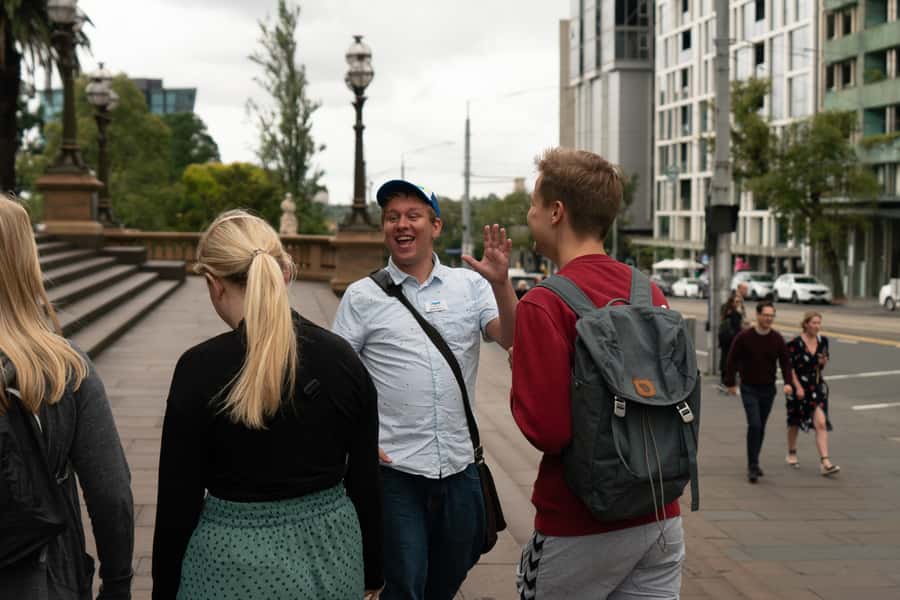
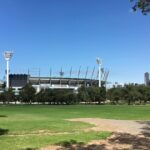
Federation Square gets a guided stop, and you also swing past the Melbourne Cricket Ground area. Even if you’re not a sports superfan, these landmarks help show how Melbourne positions itself in public life.
The guide’s storytelling connects what you see with what it represents—civic identity, public gathering spaces, and the city’s modern evolution. It’s a helpful contrast after the Gold Rush architecture you saw earlier.
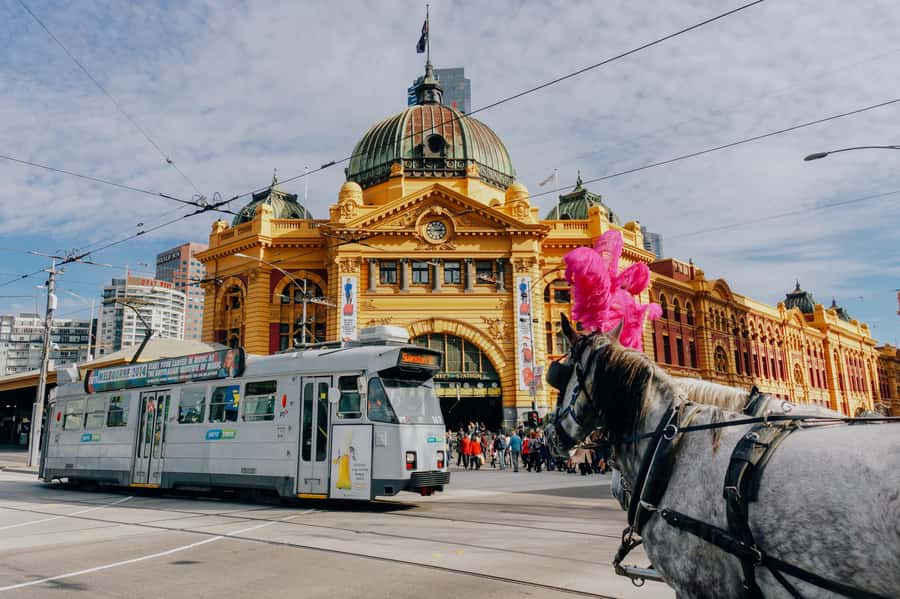
Then you head toward Flinders Street Station, one of the most recognizable symbols in Melbourne. The tour treats it as more than a photo backdrop, with context about why it matters in the city’s daily rhythm.
Flinders Street Station and Degraves Street: from rail icon to coffee ritual
Flinders Street Station gets a short guided moment, which is just enough to set the scene. You’ll appreciate it more if you arrive knowing one thing: Melbourne often builds big identity around movement—trains, lanes, people passing through.
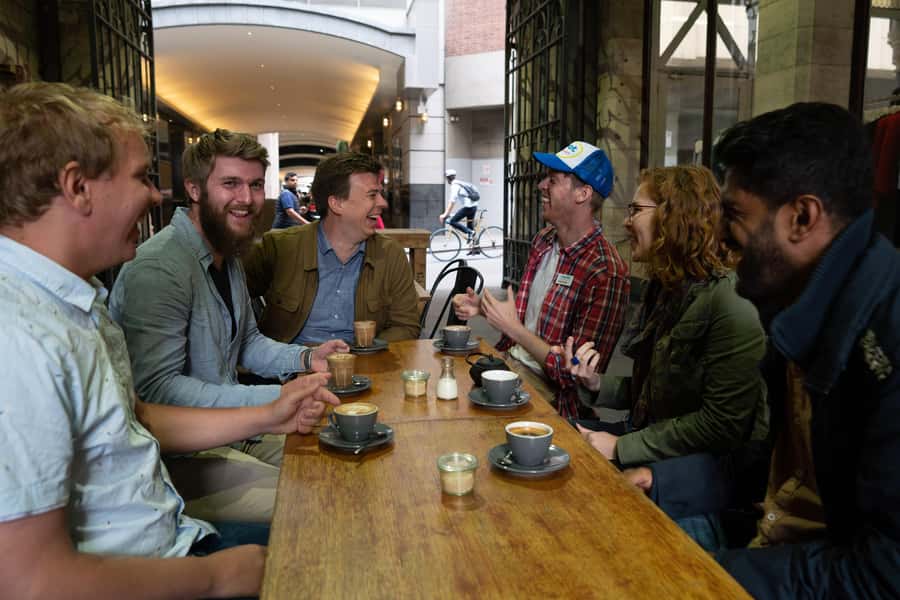
Then comes Degraves Street, and this is where Melbourne’s coffee culture takes center stage. You stop for your complimentary coffee, with options listed as flat white, long black, or hot chocolate.
This isn’t just a free caffeine break. The guide explains why Melbourne takes coffee seriously and how you can order with confidence. That matters because it changes how you’ll experience cafés after the tour—you’ll stop treating coffee like a random menu item and start treating it like a local craft.
Degraves Street itself is also a sensory moment. Even if you’ve seen café streets before, this one feels like a practiced routine: people, aromas, and a lane-style energy that matches the rest of the tour.
Arcades and shopping streets: why Melbourne’s covered lanes matter
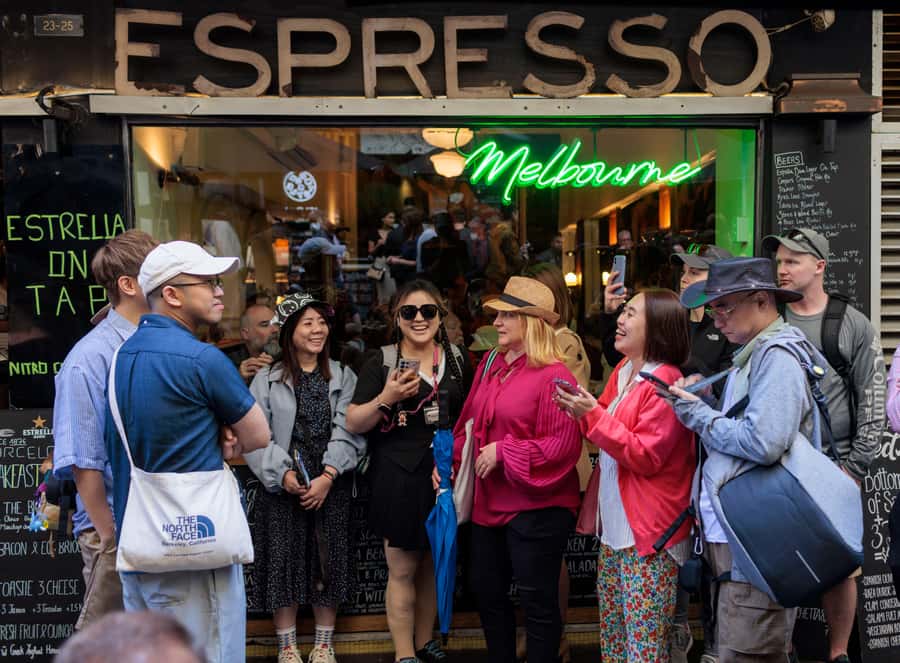
You’ll walk through Block Arcade and later hit Royal Arcade, plus a stretch along Bourke Street Mall. Arcades might sound like a minor detour until you notice what they do for the city.
They’re protection from weather, yes. But they’re also a historical idea of how people move and trade—narrow enough for intimacy, covered enough for comfort. Melbourne’s love of indoor-outdoor strolling shows up here.
I also like that this part keeps the pace steady. It gives your legs short transitions between open streets and laneways.
If you’re hoping for a shopping spree, you may feel slightly teased by how much you’ll want to wander. But even if you do zero shopping, the architecture and street rhythm are the point.
Melbourne Skydeck: quick views without the whole day plan
Melbourne Skydeck is included as part of the walk, with guided time for sightseeing. And yes, you skip the ticket line, which is a big deal when you’re doing a walking tour and don’t want to lose your momentum.
Skydeck works as a reset. After street art, cafés, and arcades, the city from above helps you see the pattern: the CBD core, the way lanes connect, and where the river sits relative to everything else.
Just remember: this is short. It’s not an all-day observation session. Think of it as a clean “orientation view” that makes the rest of your trip easier.
Chinatown, State Library, and the Yarra River: culture beyond the obvious
You pass through Chinatown with a guided stop, then swing by the State Library of Victoria. These aren’t random add-ons. They round out the city’s story by showing that Melbourne’s identity isn’t only built on colonial wealth and laneway creativity.
Chinatown adds texture. The State Library adds gravitas. Together, they help you see Melbourne as a place that supports learning and immigration-linked culture—not just fashion, sport, and cafés.
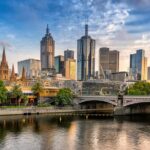
Then you move to the Yarra River for sightseeing. Even with limited time, the river is the natural visual anchor in Melbourne. It helps you understand how the CBD sits beside water and why the city feels like it has room to breathe, even when you’re in the thick of it.
Old Melbourne Gaol and the final pub: ending with community stories
You’ll visit Old Melbourne Gaol, with a short guided segment. This stop gives the tour emotional weight. It reminds you that the city’s growth was messy and human, not just shiny architecture.
Then the walk finishes at Captain Melville. This is where the tour shifts tone in a good way. You get your complimentary alcoholic beverage (house beer, wine, or cider) or a soft drink if you prefer, plus guide-led storytelling tied to social history and community spirit.
In my experience, ending with a group-friendly pub works better than ending at another landmark. Everyone has something to say. You’re also more likely to get practical recommendations from your guide because you’re in a relaxed setting.
The best part is that this isn’t a loud, forced celebration. It’s a conversation finish.
Price and value: is $91 fair for 3 hours?
At $91 per person for a 3-hour walking tour, value depends on what you usually do in Melbourne.
Here’s what you’re paying for in plain terms:
- A small-group format (max 12) that actually supports interaction
- A guided loop through major CBD landmarks plus laneway culture
- Coffee included: flat white, long black, or hot chocolate
- A drink included: beer/wine/cider or soft drink
- A Skydeck component with skip-the-ticket-line included
If you were to buy coffee, a drink, and pay for a guided intro to multiple landmarks plus Skydeck, the math tends to favor this tour. The key is that it’s not only “free stuff.” The guide’s job is to connect the dots—Gold Rush wealth to the buildings, street art to the city’s creative identity, and then culture to modern Melbourne life.
The main cost risk for some people is simply your walking tolerance. If you’re not comfortable with stairs and uneven laneways, you might feel the value but still end the tour tired. If that’s you, consider asking about your mobility needs before booking.
Who should book this tour (and who should skip it)
Book it if:
- You’re visiting for the first time and want a clear Melbourne storyline fast
- You care about coffee culture and want to order and choose with confidence
- You love street art and want context behind what you’re seeing at places like Hosier Lane
- You want practical ideas for restaurants, bars, and local attractions from a guide during the walk
You may want to skip or choose a different option if:
- You have trouble with stairs or uneven surfaces (the tour notes this directly)
- You’re very sensitive to weather changes, since the tour runs in all weather and asks you to dress appropriately
Also, if you prefer tours that stay strictly to museums or interiors, this walk’s outside-and-laneway mix may feel like more street time than you want.
Should you book Ultimate Melbourne Walking Tour?
Yes, if you want Melbourne to feel real in a short span. This tour gives you the big recognizable sights, but it spends real time where Melbourne has personality: laneways, street art, coffee culture, and neighborhood-coded streets.
The small group size, plus the fact that guides like Hugo, Emily, Beau, and Ian are repeatedly praised for pacing and storytelling, makes it a smart first-choice tour. Just be honest about your legs and comfort level on stairs and uneven ground.
If you’re ready to see Melbourne as a city of stories you can walk through, this one is a strong pick.
FAQ
How long is the Ultimate Melbourne Walking Tour?
It lasts 3 hours.
How much does the tour cost?
The price is $91 per person.
Where do I meet the guide?
You meet at Gordon Reserve, a small park across the street from the Windsor Hotel. Your guide will have a blue umbrella and stand next to the fountain.
What is the maximum group size?
The tour is a small group with a maximum of 12 travelers.
What’s included in the price?
You get a complimentary coffee (flat white, long black, or hot chocolate) and a complimentary alcoholic beverage (house beer, wine, or cider) or a soft drink. You also get commentary, a free Melbourne map, and guided recommendations.
Does the tour include any Skydeck entry?
Yes. The tour includes a guided visit to Melbourne Skydeck, and it notes that you skip the ticket line.
Is the tour guided in English?
Yes. It’s a live tour guide in English.
Does the tour run in bad weather?
Yes, it operates in all weather conditions. You should dress appropriately and bring an umbrella if rain is forecast.
Is the tour wheelchair accessible?
It says the tour is wheelchair accessible, but it also notes that it includes stairs and uneven surfaces in laneways and arcades and may not suit travelers with severe mobility issues.
What is the cancellation window?
You can cancel up to 24 hours in advance for a full refund.