REVIEW · MELBOURNE
Ultimate Melbourne Walking Tour: History, Laneways & Culture
Book on Viator →Operated by Depot Australia · Bookable on Viator
Melbourne changes fast when you walk it. This 3-hour intro blends colonial-era icons, famous street art laneways, and a smooth, parking-free way to see the core sights. I like the small-group feel (max 12), where you can ask questions and actually hear the guide, and I like how the route pairs big-name stops with lesser-known corners like Duckboard Place and AC/DC Lane.
The trade-off is simple: it’s a real walk. You’re on city footpaths for about three hours, so if you hate crowds or have mobility limits, you’ll want to plan your energy and keep a slower pace in mind.
In This Review
- Quick hits before you go
- Why this Melbourne walk works so well
- Start at Gordon Reserve, then build to the city’s best-known landmarks
- Stop 1: Gordon Reserve (opposite Hotel Windsor)
- Stop 2: Old Treasury Building (Gold Rush architecture)
- Stop 3: Collins Street (premium shopping and finance)
- Melbourne laneways: street art, hidden lanes, and the café culture stop
- Stop 4: Melbourne Laneways (Duckboard Place, AC/DC Lane, and sometimes Hosier Lane)
- A quick reality check
- Stop 8: Degraves Street (laneway cafés and a complimentary hot drink)
- Federation Square, MCG views, and the Flinders Street landmark moment
- Stop 5: Federation Square
- Stop 6: Melbourne Cricket Ground (MCG) view
- Stop 7: Flinders Street Station
- Arcades and shopping lanes: mosaics, mythical figures, and small surprises
- Stop 9: The Block Arcade
- The optional tower moment
- Stop 10: AC/DC Lane
- Stop 11: Little Collins Street
- Stop 12: Royal Arcade (Gog and Magog)
- Stop 13: Bourke Street Mall
- State Library to bluestone jail: history that shows up in real buildings
- Stop 14: State Library Victoria
- Stop 15: Yarra River
- Stop 16: Old Melbourne Gaol (1845–1929)
- Chinatown and the finish at Captain Melville
- Stop 17: Chinatown
- Stop 18: Captain Melville (complimentary drink)
- Guides and group size: why it feels different from a big-vehicle tour
- What to wear and plan for a smooth 3 hours
- Value check: is $92.52 really fair?
- Should you book this Ultimate Melbourne Walking Tour?
- FAQ
- How long is the Ultimate Melbourne Walking Tour?
- What is the meeting point and start time?
- Where does the tour end?
- How much does it cost?
- Is the tour in a small group?
- What’s included with the tour?
- Do I need to print anything for the tour?
- Which famous places are covered?
- Are children allowed?
- What is the cancellation policy?
Quick hits before you go

- Max 12 people: easier conversation and less rushing.
- Coffee plus a drink included: the Degraves Street café stop and the Captain Melville finish keep things fun.
- Street art route that can include Hosier Lane: you’ll get the laneway culture regardless.
- A guide who brings the city to life: names that often show up for this tour include Emily, Ian, Bo, and Hugo, with lots of stories and humor.
- A tight set of highlights in one loop: from Flinders Street Station to Old Melbourne Gaol to Chinatown.
Why this Melbourne walk works so well
If you only have a day (or half a day) in Melbourne, this kind of tour is a smart shortcut to confidence. You start at central East Melbourne and end near Franklin Street in the CBD, so you’re not zig-zagging across town. And because the stops are mostly outdoors and on foot, you get those “I can picture where everything is now” moments.
The big value here is the mix. Melbourne isn’t just one style—it’s architecture, sports culture, laneway cafés, street art, and history that shows up in bluestone and old gold-rush buildings. This tour stitches those pieces together into one logical circuit, so your next self-guided strolls feel easier.
Price-wise, $92.52 per person sounds like a decision. But you’re also getting (1) a professional local English-speaking guide, (2) a complimentary Melbourne coffee, and (3) a complimentary alcoholic beverage or soft drink. Add in free guided recommendations and a free map, and the tour stops being only “sightseeing.” It becomes a tool for planning the rest of your trip.
You can also read our reviews of more walking tours in Melbourne
Start at Gordon Reserve, then build to the city’s best-known landmarks
Stop 1: Gordon Reserve (opposite Hotel Windsor)
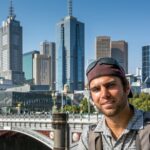
The walk kicks off at Gordon Reserve, right across from historic Hotel Windsor. This is a great starter spot because it gives you immediate context: you’ll look out at distant views of the seat of Victorian state government with impressive colonial architecture. It’s one of those “this city grew big for a reason” openings.
Practical note: this is an early photo moment, and it sets the tone. You’re not starting in a parking lot behind a tour bus. You’re starting with views and scale.
Stop 2: Old Treasury Building (Gold Rush architecture)
Next is the Old Treasury Building, tied to the Gold Rush era—the architecture is part of the story of how Melbourne became the world’s richest city. Even if you’ve only skimmed Australian history, you’ll feel the cause-and-effect here: wealth built stone and streets, and that shows up in the CBD today.
This stop also works as a palate cleanser before you move into the commercial intensity of Collins Street.
Stop 3: Collins Street (premium shopping and finance)
Collins Street is Melbourne’s “big money” address, and you’ll see historic buildings that help explain why the CBD looks the way it does. It’s short, but it’s useful. You get the feel of the city’s hierarchy in a couple of minutes, then you pivot to the more playful parts of Melbourne.
If you prefer quiet streets, don’t worry—you’re headed for laneways soon.
You can also read our reviews of more historical tours in Melbourne

Melbourne laneways: street art, hidden lanes, and the café culture stop
Stop 4: Melbourne Laneways (Duckboard Place, AC/DC Lane, and sometimes Hosier Lane)
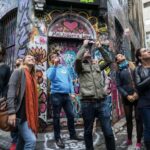
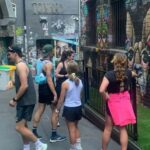
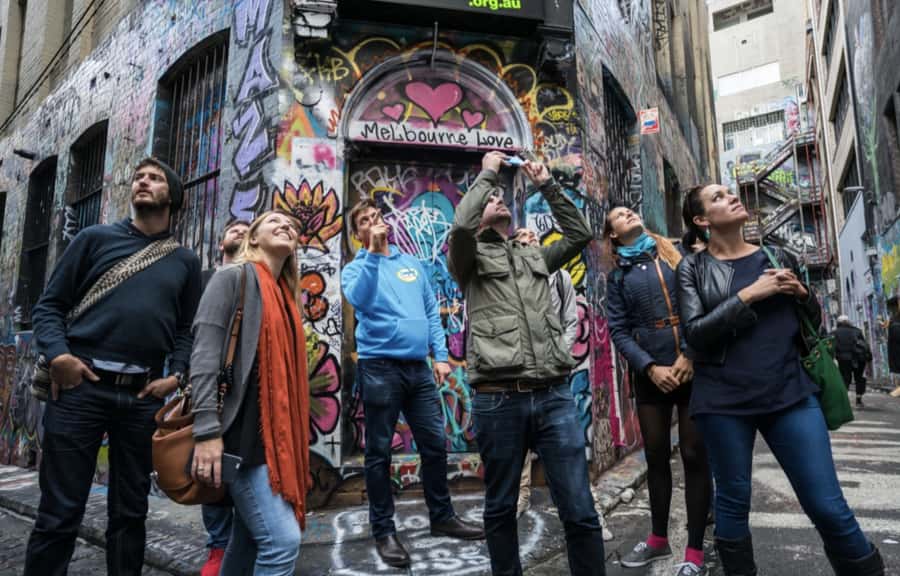
This is the heart of the “only in Melbourne” section. The tour focuses on street art—Duckboard Place and AC/DC Lane are named highlights, with graffiti and murals by local and international artists. And depending on the day, the route may also include Hosier Lane, Melbourne’s most famous street art destination.
Here’s what you should expect: the art isn’t one static “thing.” It changes, and that’s part of the charm. So even if you’ve seen photos online, you’ll still get something fresh in person.
A quick reality check
Street art stops can feel crowded during peak hours. The upside is that you’re there in a group with a guide, so you’ll have a route plan and context, not just a random wander.
Stop 8: Degraves Street (laneway cafés and a complimentary hot drink)
Degraves Street is where the tour leans into Melbourne’s café reputation. The vibe is European-style dining atmosphere and laneway coffee culture. You also get a complimentary hot drink at a renowned local café—flat white, long black, or hot chocolate.
This is a smart pacing tool in the middle of the walk. You get to sit, reset, and keep your legs happy before the next cluster of arcade-and-laneway sights.
A small tip: if you’re ordering, choose based on what your body actually wants. In Melbourne weather, a warm drink can be the difference between “fun walk” and “end-of-tour slog.”
Federation Square, MCG views, and the Flinders Street landmark moment
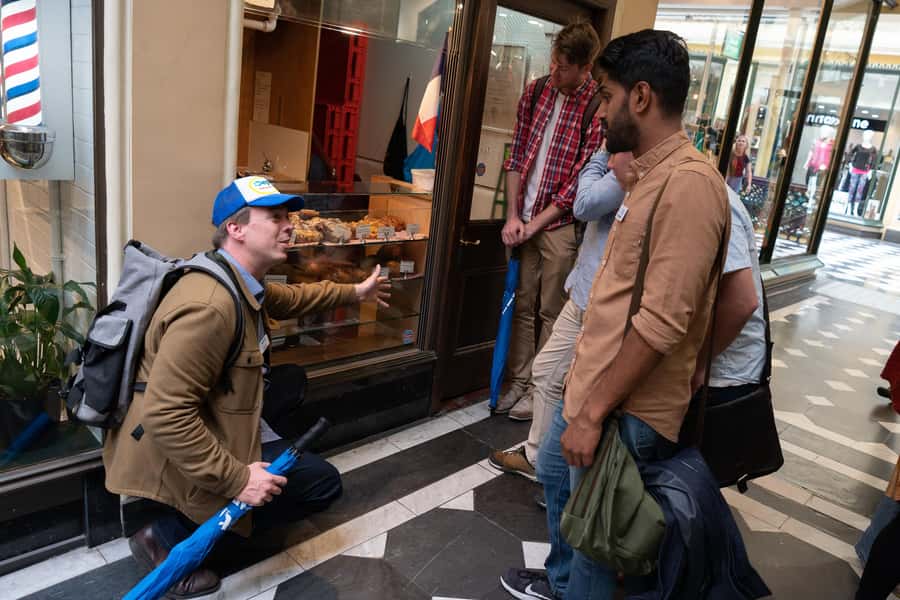
Stop 5: Federation Square
Federation Square is Melbourne’s main cultural square and a standout of modern architecture. It’s a useful “anchor stop” because it helps you map the city mentally. From here, the CBD starts making more sense: what’s nearby, what’s walkable, and how neighborhoods connect.
Stop 6: Melbourne Cricket Ground (MCG) view
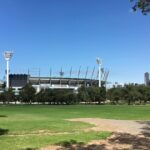
You won’t be going inside the stadium, but you’ll get distant views of the world’s largest cricket stadium and a discussion about Australian sport and the surrounding sporting precinct.
This stop is short but memorable because it expands the idea of Melbourne beyond cafés and street art. Sport isn’t just a pastime here—it’s part of identity.
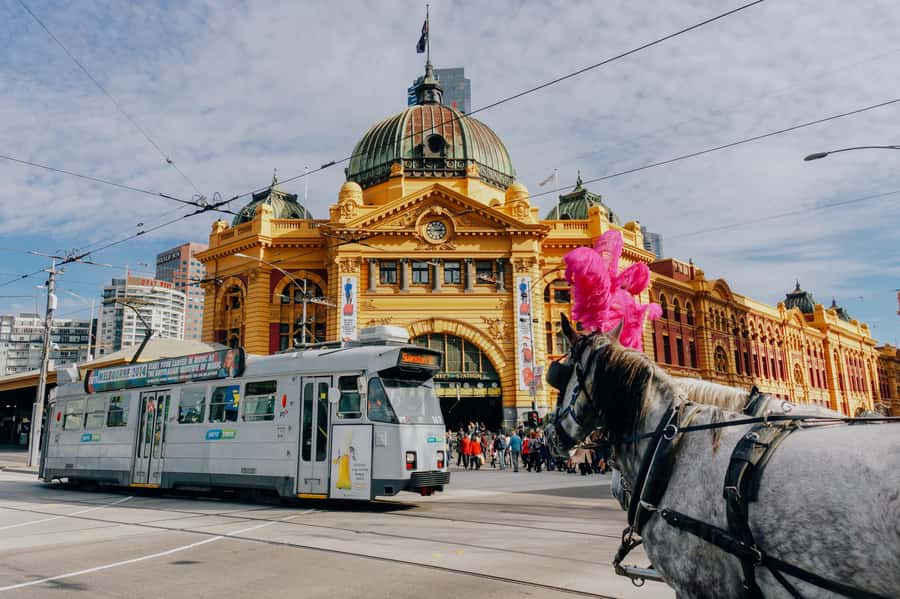
Stop 7: Flinders Street Station
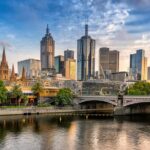
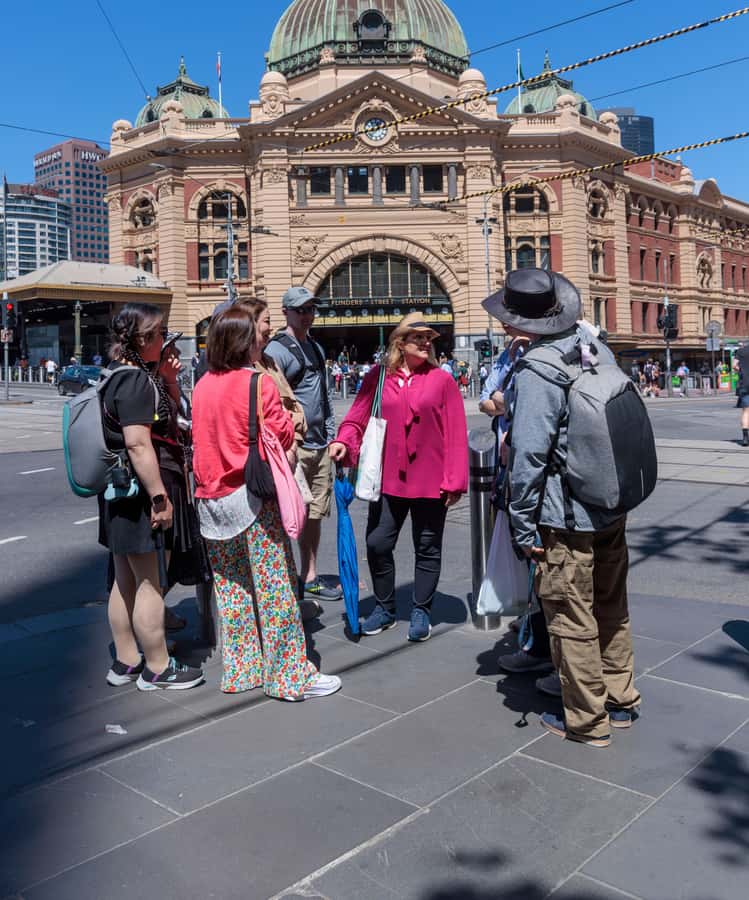
Flinders Street Station is Melbourne’s most recognizable landmark, and you’ll get time to take it in. Even if you’re not a train person, you’ll recognize the “postcard angle” energy immediately.
What makes this stop valuable is the way it ties the city together—station, CBD, and the walking loop you’re building.
Arcades and shopping lanes: mosaics, mythical figures, and small surprises

Stop 9: The Block Arcade
The Block Arcade brings you into a historic Victorian shopping arcade. Look down at the mosaic floors and up at the elegant architecture. It’s the kind of place where you can slow down without feeling lost, and it’s also an easy contrast to the street art sections.
The optional tower moment
The tour notes that Melbourne’s highest tower is hard to miss, and if you want to go to the top, you can ask and the team will arrange a special rate. The exact tower isn’t specified in the information, so don’t count on it being a booked stop—but do know the option exists.
If you love views, this is a nice add-on after the walking portion.
Stop 10: AC/DC Lane
Back into laneway mode for rock-and-roll murals. Even if you’ve already absorbed a lot of street art, this lane is a fun “second look,” because different sections have different styles and details.
Stop 11: Little Collins Street
Little Collins Street leans into hidden bars and boutique laneways. It’s less about one icon and more about the feeling: you’re moving through the CBD but slipping into smaller pockets with different moods.
Stop 12: Royal Arcade (Gog and Magog)
Royal Arcade is Australia’s oldest arcade and includes the famous Gog and Magog mythical figures. These kinds of details are exactly why I like guided walking tours: you hear the name and story behind things you’d otherwise treat like background.
Stop 13: Bourke Street Mall
Bourke Street Mall is the primary shopping precinct and pedestrian mall. It’s a straightforward CBD segment, and it helps you understand where the main foot traffic concentrates.
If you’re shopping, this is your “yes, this is where you go” moment. If you’re not shopping, keep walking and save your shopping energy for later.
State Library to bluestone jail: history that shows up in real buildings
Stop 14: State Library Victoria
State Library Victoria is a magnificent heritage building and the state’s premier research library. You’ll also hear Ned Kelly’s legendary story. This works especially well if you like history that feels local and specific.
Stop 15: Yarra River
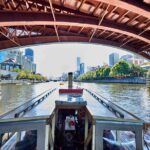
A walk along the riverbanks gives you a break from streets and buildings. Even a short river segment matters because it changes your breathing and view angle. It’s also a natural reset before the heavier historical stop that comes next.
Stop 16: Old Melbourne Gaol (1845–1929)
Old Melbourne Gaol is a bluestone prison that operated from 1845 to 1929. This is one of the most serious parts of the tour, and it anchors the city’s past in a tangible place.
What’s valuable here is the contrast. Melbourne isn’t only “cool cafés and art.” It has hard chapters, and this stop makes you feel that in architecture and atmosphere.
One consideration: if you don’t like darker history, keep your expectations steady. This is brief (about a few minutes on the tour route), but it’s still a prison site, so treat it with the weight it deserves.
Chinatown and the finish at Captain Melville
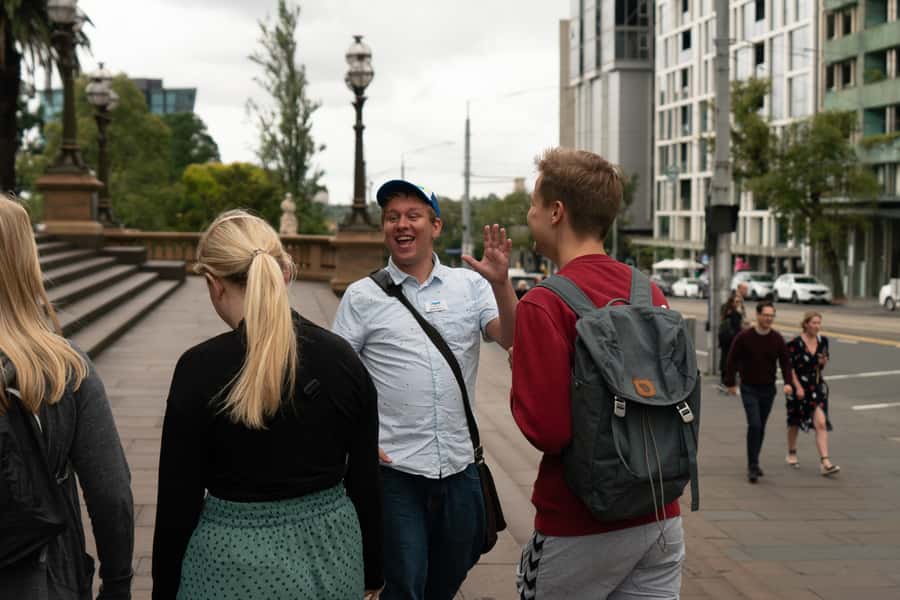
Stop 17: Chinatown
Chinatown is described as the world’s oldest continuously operating Chinatown, with authentic restaurants. Even without going deep into side streets, the guide’s framing helps you see it as more than a tourist stop.
If you want to eat after the tour, this is a good place to know you can come back—especially if you still want variety beyond the café stop earlier.
Stop 18: Captain Melville (complimentary drink)
The tour ends at Captain Melville, a historic pub, with a complimentary beer, wine, cider, or soft drink. There’s a reason this matters: it’s a natural “wrap” where you can slow down, ask last questions, and trade notes with the group.
This finish turns the tour from a lecture into an experience. Walking tours can feel too formal; ending with a drink keeps it human.
Guides and group size: why it feels different from a big-vehicle tour
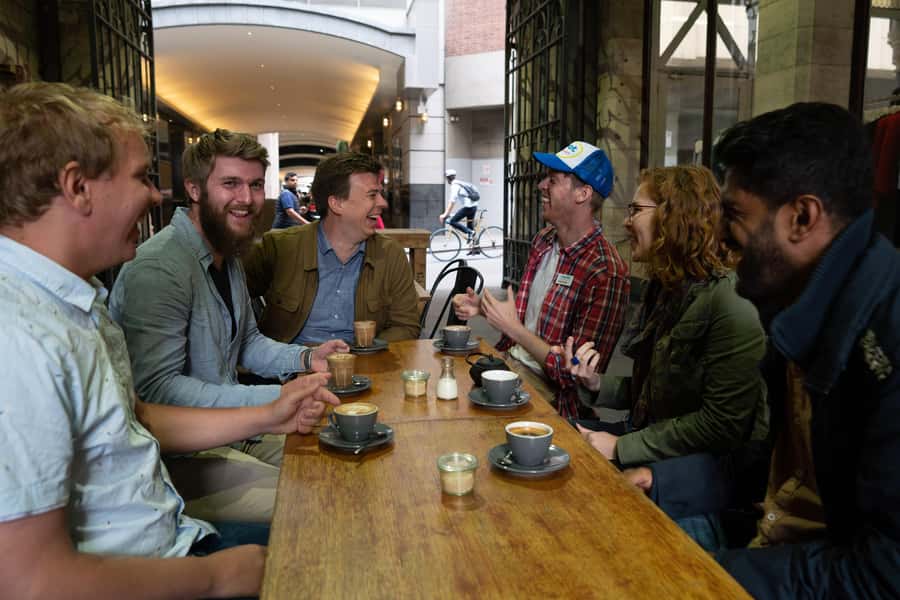
This experience caps at 12 travelers, which changes the feel fast. You’re not swallowed by a large crowd, and the guide has a better chance to keep everyone together. That also tends to mean more interaction—people get to ask questions, and the pacing stays reasonable.
You’ll often hear different guide names associated with this tour—Emily, Ian, Bo, Hugo, Mike, Beau, and Deneille show up in the guidance style—and there’s a consistent theme: humor mixed with stories, plus a pace that doesn’t feel like a march.
My advice: if you’re the type who loves asking, this tour fits. If you’d rather “walk and learn quietly,” it still works, because you can enjoy the stops at your own speed while staying with the group.
What to wear and plan for a smooth 3 hours
This is a walking tour through central Melbourne. You’ll move between neighborhoods on foot, with most stops outdoors.
- Wear comfortable shoes you trust on city sidewalks.
- Bring a light layer. Melbourne weather can flip without warning.
- If you drink coffee or alcohol, great—those are included—but plan for it like a normal day out, not like a binge situation.
Timing matters too. The tour is scheduled to start at 11:00 am, and it runs about 3 hours. That makes it a solid first-day option, when you still want the city’s layout in your head.
Value check: is $92.52 really fair?
Here’s how I’d judge the price:
You’re paying for more than “seeing things.” You’re paying for:
- a professional local guide,
- storytelling you wouldn’t get from a phone audio app,
- a free map and recommendations to extend your trip,
- two built-in refresh points (hot drink at Degraves Street and a drink at the end),
- and a small-group pace.
If you’d otherwise spend money on a guide plus coffee plus one or two entry add-ons, this starts to look efficient. If you already have an ultra-structured plan for Melbourne and you only want the iconic photos, you might prefer a self-guided walk. But for most visitors trying to get oriented, this is a strong “one ticket, many helpful stops” deal.
Should you book this Ultimate Melbourne Walking Tour?
Book it if:
- you want an easy start to Melbourne that covers icons and laneways in one loop,
- you like street art culture and want context, not just pictures,
- you’d enjoy guided recommendations for where to go next (and you don’t want to guess),
- you like small groups and a guide who keeps the mood friendly.
Skip it (or choose another format) if:
- you dislike walking and want mostly indoor stops,
- your schedule is tight enough that a 3-hour walking block is hard to fit,
- you’re only hunting for one “must-see” sight and nothing else.
For a first visit, I think this tour is one of the best ways to get your bearings fast. You finish with coffee in your body and a clearer mental map of Melbourne’s story—from gold-rush buildings to laneway art to a bluestone prison.
FAQ
How long is the Ultimate Melbourne Walking Tour?
It runs for about 3 hours.
What is the meeting point and start time?
The tour starts at 108 Spring St, East Melbourne VIC 3002, Australia, at 11:00 am.
Where does the tour end?
It ends at 34 Franklin St, Melbourne VIC 3000, Australia, at Captain Melville Bar.
How much does it cost?
It costs $92.52 per person.
Is the tour in a small group?
Yes. The group size is capped at a maximum of 12 travelers.
What’s included with the tour?
You get a complimentary Melbourne coffee (flat white, long black, or hot chocolate), plus a complimentary alcoholic beverage (house beer, wine, or cider) or soft drink. You also get a professional local English-speaking guide, a free map, and guided recommendations.
Do I need to print anything for the tour?
No. You can use a mobile ticket.
Which famous places are covered?
You’ll see stops such as Federation Square, Hosier Lane (depending on the day), Old Melbourne Gaol, and more, along with Flinders Street Station and popular laneways like Duckboard Place and AC/DC Lane.
Are children allowed?
Children must be accompanied by an adult.
What is the cancellation policy?
Free cancellation is available up to 24 hours in advance for a full refund. Cancel at least 24 hours before the experience start time.