REVIEW · KANGAROO ISLAND
Kangaroo Island: Dolphin, Seal, and Swimming Boat Tour
Book on GetYourGuide →Operated by Kangaroo Island Ocean Safari · Bookable on GetYourGuide
A wild-water snorkeling boat trip is not for show. It’s for getting up close to marine life off Kangaroo Island, with a crew that keeps things safe and fun. You’ll start in Penneshaw, get fitted for snorkel gear, and then hunt for seals and dolphins in real coastal habitat, with live commentary the whole way.
What I like most is how much the crew handles for you: wetsuit, mask, snorkel, and flippers fitting, plus a safety briefing that makes first-time ocean snorkelers feel less lost. I also love the focus on real encounters—seals can be curious and playful, and you may also see dolphins, sealions, and even whales from the boat.
One big consideration: this is wildlife-based, so swimming isn’t guaranteed and it depends on what the animals are doing that day. Also, the water is cold (about 14–15°C) and open-water, with conditions where you’ll be out of depth.
In This Review
- Key highlights worth clocking before you go
- Kangaroo Island in Two Hours: What This Boat Tour Really Delivers
- Penneshaw Check-In: Wetsuit Fitting, Safety Brief, and Cold-Water Prep
- Wild Seals and Snorkel Time: Why This Part Feels Playful
- Wild Dolphins: When You Might Swim, and When You’ll Watch Instead
- The Boat Ride Views and Marine Life Commentary You Actually Use
- Gear, Safety, and Comfort Details That Change the Experience
- Price and Value: Is $138 Worth It for This Kind of Adventure?
- Who This Tour Suits Best (and Who Should Skip It)
- Quick Practical Tips for Your Day on the Water
- Should You Book This Dolphin, Seal, and Snorkel Boat Tour?
- FAQ
- What does the tour include?
- How long is the Kangaroo Island dolphin, seal, and swimming boat tour?
- Where do I meet the guide?
- Will I definitely swim with dolphins?
- Is the wildlife encounter guaranteed?
- What should I bring?
- Can kids participate?
- What are the water conditions and safety limits?
Key highlights worth clocking before you go
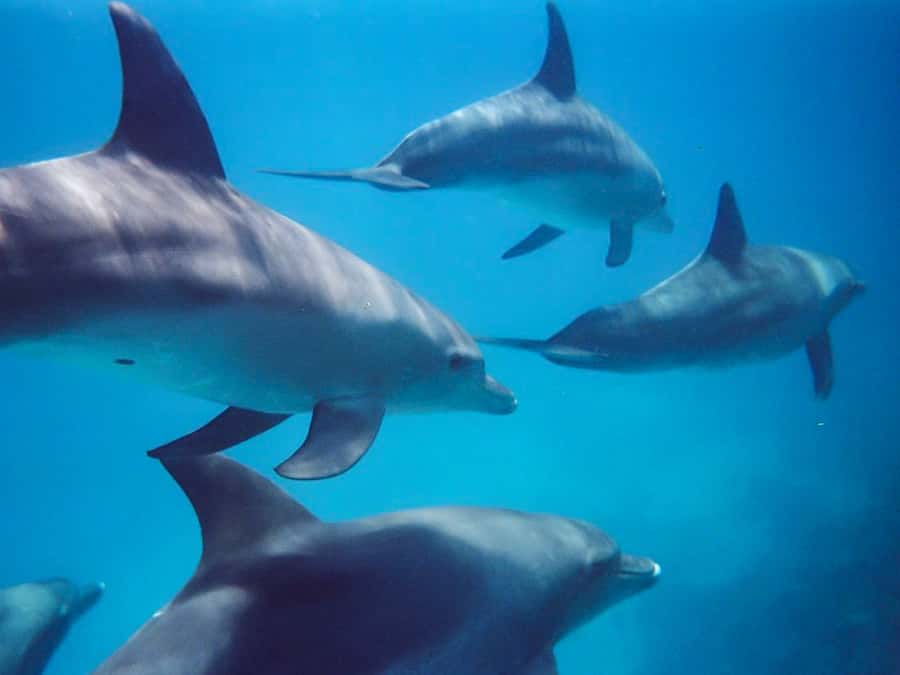
- Wild encounter format: You swim with seals or dolphins, depending on day conditions and animal behavior.
- Penneshaw check-in with fitted gear: wetsuit, mask, snorkel, flippers, life jacket, and a safety brief.
- Respect rules for baby dolphins: no swimming when neonates are present; you can observe from aboard.
- Cold, open-water snorkel reality: 14–15°C water and the swim zone is over your head.
- Small comfort win: hot-water shower on board for after.
- Guides named for a reason: crews including Michael, Bonnie, Elijah, and Jason get praised for patient instruction and marine-life explanations.
Kangaroo Island in Two Hours: What This Boat Tour Really Delivers
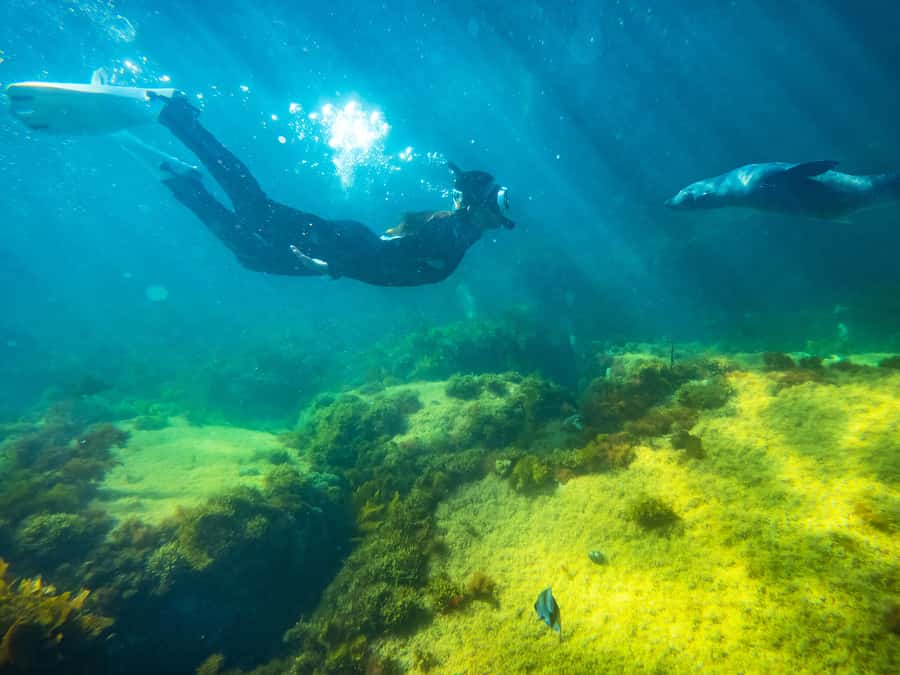
This is a tight, 2-hour ocean trip built around one goal: giving you a chance to snorkel in wild coastal waters off Kangaroo Island. You’re not signing up for a long cruise with distant animal sightings. You’re signing up for the possibility of getting in the water—plus the option to stay aboard if conditions steer you that way.
The best part is that the experience is designed to move with nature. Your guide searches for seals, then looks for dolphin pods, and the day’s plan shifts based on what the animals choose to do. Expect a mix of boat viewing and, when allowed, snorkeling in the coastal zone.
You’re also getting practical education. The live guide’s commentary is there to help you understand what you’re seeing—why seals hang around certain rocks and why dolphin pods show up where they do.
You can also read our reviews of more boat tours in Kangaroo Island
Penneshaw Check-In: Wetsuit Fitting, Safety Brief, and Cold-Water Prep
You meet your guide at the Kangaroo Island Information Stop in Penneshaw. Plan to arrive about 30 minutes early so you have time to get sorted before heading out.
Before anyone heads into the water, you’re fitted with the full snorkel setup: wetsuit, mask, snorkel, and flippers, plus a life jacket. That matters more than it sounds. Getting the mask and snorkel fit right helps you breathe easier, and a good fit helps you avoid panicking in cold water.
You also get a safety briefing and gear-ready instructions. The tour uses an electronic shark shield while guests are in the water, which is worth noting if you rely on electronics. They warn it may interfere with other electronic devices—so keep your phone/camera secured unless the crew tells you it’s fine to use.
And yes, cold is part of the deal. The water runs about 14–15°C, and it’s open water where you’ll be over your head. If you don’t feel comfortable in cold water or you’re unsure about basic swimming confidence, this is where you should slow down and ask the crew questions before you commit to getting in.
Wild Seals and Snorkel Time: Why This Part Feels Playful
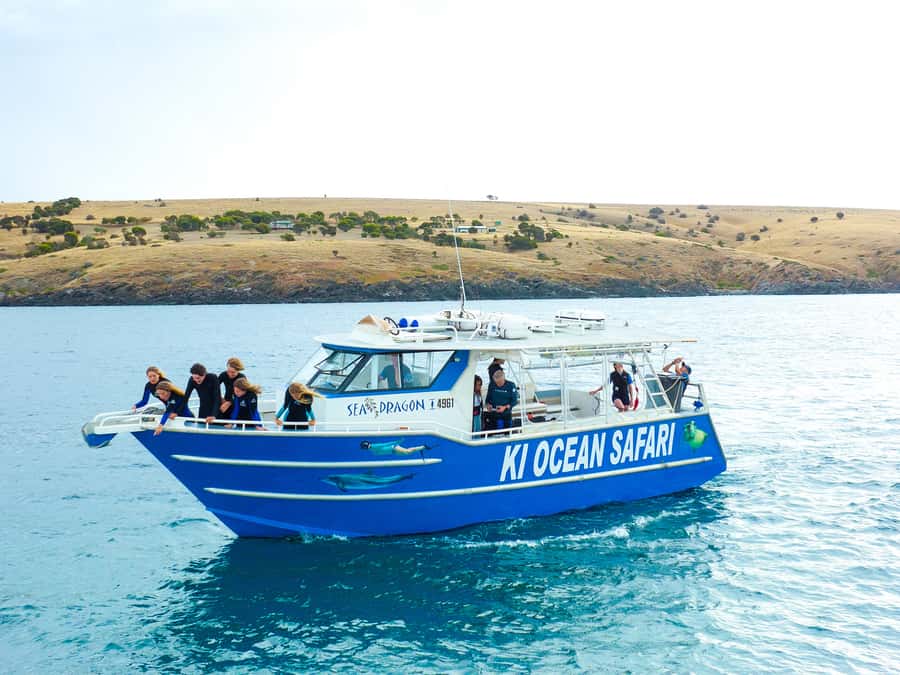
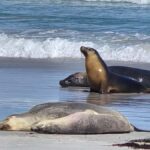
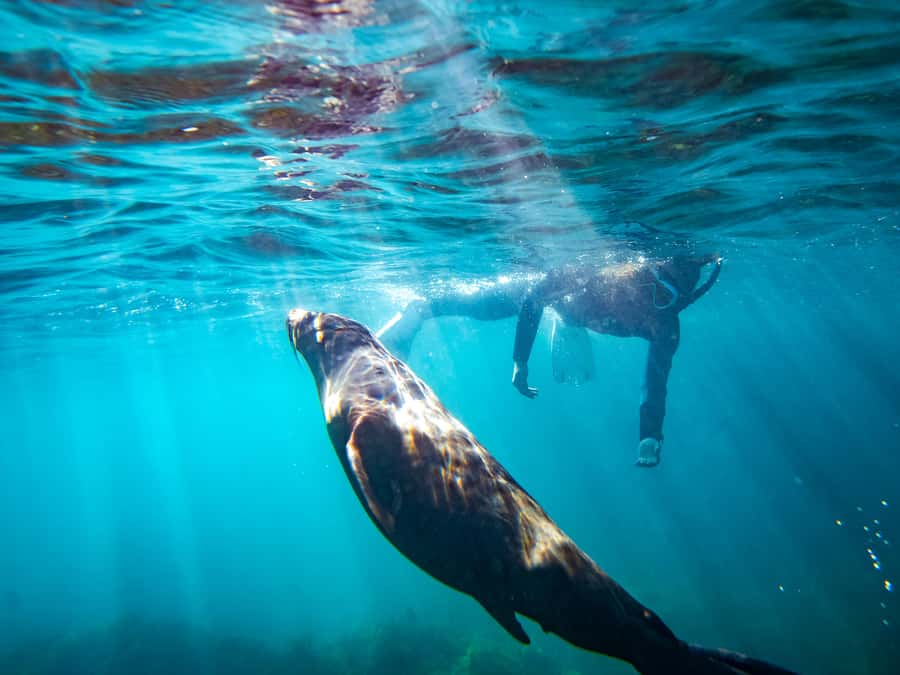
If the day turns toward seals, you’re in for a very interactive style of wildlife encounter. The tour focuses on spots where cheeky seals lounge on rocks and come into the water. That’s the kind of setting that makes snorkeling feel like you’re in their world instead of waiting from far away.
When you’re in the water, you’re there to observe and swim alongside them safely. Seals can be curious—sometimes playful—and that’s exactly what people highlight: getting close without forcing anything. You’re not chasing. You’re sharing space.
This is also where the guide’s ocean coaching helps, especially if you’re new to snorkelling. One of the recurring strengths mentioned is patient, no-judgment instruction—people who had never snorkelled before still felt they had the basics down enough to enjoy the session.
Season can also play into what you see. Seal numbers vary by season, peaking in winter and dropping from November to January. So if you’re visiting in mid-summer, you might find fewer seals out and about.
Wild Dolphins: When You Might Swim, and When You’ll Watch Instead
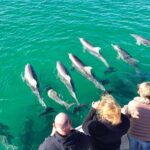
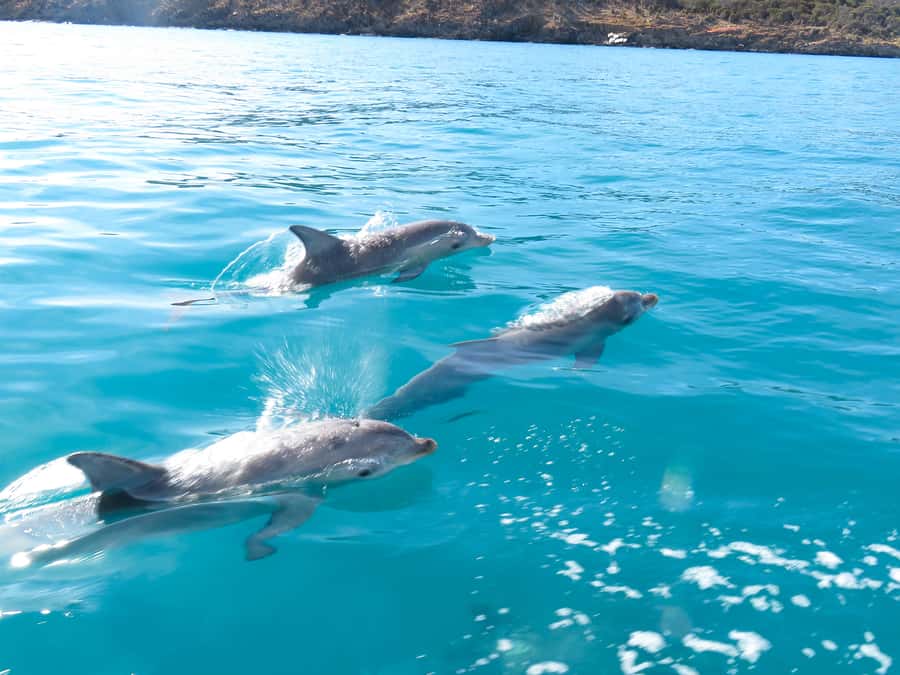
Dolphins are the headline animal, but the rules (and animal behavior) control the outcome. Your crew searches for dolphin pods that live in these coastal waters, and the plan is to swim alongside them if conditions are right.
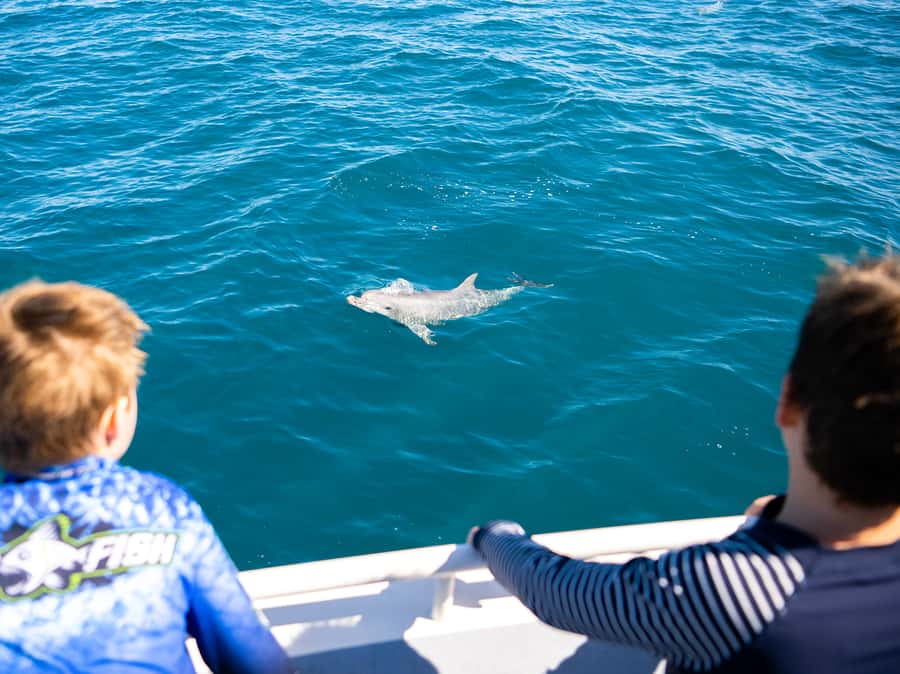
Here’s the key twist: this is wild animals, so you might swim with dolphins, but you also might not. If the dolphins have neonates (baby dolphins) with them, swimming won’t happen for safety reasons. In that case, you can observe the dolphins from aboard the vessel instead.
That decision can be disappointing in the moment, but it’s also part of why this tour works. It’s basically trading a bit of instant gratification for a safer, more respectful interaction with the animals. One of the strongest themes in the feedback is the crew giving respect to dolphins even when it means fewer swimmers in the water.
Sometimes dolphins are simply busy feeding and aren’t in the mood for an audience. When that happens, you might still see them close enough to feel the thrill without getting into the water alongside them. The tour tries, but it won’t force a swim that the wildlife conditions won’t support.
The Boat Ride Views and Marine Life Commentary You Actually Use
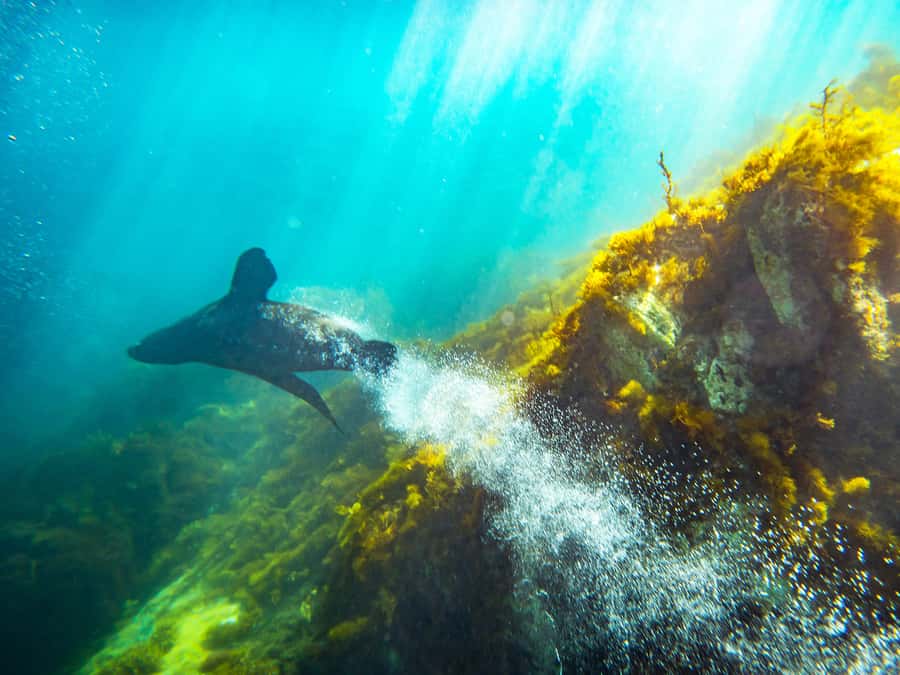
You don’t just ride from point A to point B. The boat part matters because it sets the search and keeps the wildlife sightings moving.
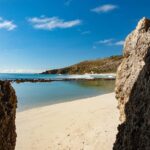
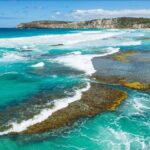
From aboard, you’ll get breathtaking views of the South Australian coast while your guide narrates what’s happening. That live commentary is practical: it helps you connect behavior to habitat, and it keeps you engaged even when the action takes a few minutes to line up.
It’s also the best place to see things that might not come close enough for swimming. The tour notes opportunities to spot wild dolphins, seals, sealions, and even whales from the boat. Even when swimming is only seals (or only dolphins), you’re still not stuck watching nothing.
If you prefer to stay dry part of the time, you’ll still get a full wildlife experience. You’ll be on the vessel during the search, watching as the guide positions the group when animal activity appears.
You can also read our reviews of more dolphin watching tours in Kangaroo Island
Gear, Safety, and Comfort Details That Change the Experience
This tour includes the snorkeling basics and a couple of comfort moves that you’ll feel grateful for later.
Included gear:
- Wetsuit
- Mask, snorkel, flippers
- Life jackets
- Hot water shower on board
That hot-water shower is a big deal on a cold-water swim day. It makes a difference between ending the tour feeling like you escaped the weather versus ending it chilled and irritated.
Comfort and safety notes to take seriously:
- No money refund if you get in the water for coastal snorkeling, seals swim, or dolphin swim. If you choose to swim, you should go in expecting that’s the paid activity.
- You need reasonable fitness to participate.
- The swim is open water, over your head, and cold—so basic water confidence matters.
There’s also a group-behavior element you should understand. When neonates are present, you won’t be swimming with dolphins, and you observe from the boat. You can think of it as a “nature rules” tour, not a human override tour.
And because the shark shield is used in the water, if you’re counting on a specific electronic device, plan ahead. They warn it may interfere with other electronics.
Price and Value: Is $138 Worth It for This Kind of Adventure?
At $138 per person for a 2-hour experience, you’re paying for three things: a guided wildlife search, full snorkel equipment, and a real chance at swimming in a controlled, safety-led way.
Is it expensive? For Australia budget travelers, it might feel like a splurge. But compare it to what you’d pay if you tried to assemble this on your own—gear, local expertise, a boat for access, and safety systems. The tour also includes the hot shower, which helps your day feel complete.
You also shouldn’t ignore the trade-off: wildlife encounters aren’t guaranteed, and swimming depends on conditions. That unpredictability can reduce value if you’re the type who needs a sure-thing itinerary.
Still, when the seals are active or a dolphin pod lines up with safe conditions, the experience is exactly the kind of high-impact memory you can’t replicate from shore. The strong rating and the consistent praise for close encounters, friendly crews, and solid instruction point to good value when conditions cooperate.
Who This Tour Suits Best (and Who Should Skip It)
This is best for people who want a hands-on wildlife encounter and are comfortable with cold, open-water snorkeling.
You’ll likely enjoy it if you:
- Want the possibility of swimming alongside wild seals or dolphins
- Like learning from a live guide as you go
- Can handle the cold water reality
- Prefer a structured experience rather than DIY searching
It’s not suitable for:
- Children under 9
- Pregnant women
- People with heart problems
There are also specific rules around dolphin swimming for kids. Children under 8 aren’t permitted to participate in the swim with dolphins, and children 7 or younger can’t join the swim. If you’re travelling as a family, read that carefully with your ages.
Quick Practical Tips for Your Day on the Water
These small prep steps can make the difference between a smooth swim and a miserable one.
Bring:
- A towel (they specifically ask for it)
Plan around rules:
- No pets
- No smoking
- No alcohol and drugs
Water expectations:
- Cold water (14–15°C)
- Over your head in open water
If you wear contact lenses or you’re sensitive to cold, consider how quickly you can tolerate a wetsuit and mask in that temperature. Also, keep electronics to a minimum unless you’ve cleared it with the crew because of the shark shield warning.
And if your priority is swimming with dolphins, understand you may end up observing from aboard if neonates are present. That decision is safety-driven, not a technical failure.
Should You Book This Dolphin, Seal, and Snorkel Boat Tour?
If you want a guided, gear-provided chance to swim in wild coastal water and you’re okay with the fact that nature sets the schedule, I think this is a strong book. The vibe described by the crew’s named references—Michael, Bonnie, Elijah, Jason—leans toward patient instruction and a fun, professional approach. Add the hot shower and real wildlife possibilities, and the $138 price starts to make sense.
If you need a guaranteed swim, or you’re uncomfortable with cold open-water conditions, you might prefer a lower-risk wildlife activity. This one is about the possibility of close encounters, with the understanding that wild animals can be unpredictable and that safety rules sometimes mean you stay dry.
FAQ
What does the tour include?
The tour includes the boat trip, a tour guide, snorkeling gear (wetsuit, mask, snorkel, flippers), life jackets, an opportunity to swim with seals or dolphins, and a hot water shower on board.
How long is the Kangaroo Island dolphin, seal, and swimming boat tour?
It lasts 2 hours.
Where do I meet the guide?
Meet your guide at the Kangaroo Island Information Stop in Penneshaw. Arrive 30 minutes before the activity starts.
Will I definitely swim with dolphins?
No. The tour is swim with dolphins or seals depending on what happens that day and what the wildlife chooses to do. The team will try to swim with both, but it may be dolphins only or seals only.
Is the wildlife encounter guaranteed?
No. Wildlife interactions are not guaranteed, even though the team will do their best to give you a great experience.
What should I bring?
Bring a towel.
Can kids participate?
Children under 9 are not permitted. Children under 8 are not permitted to participate in the swim with dolphins, and children 7 or younger cannot join the swim. All children must be accompanied by a parent or guardian at all times.
What are the water conditions and safety limits?
The water is cold (about 14–15 degrees), the tour takes place in open water, and the water will be over your head. Guests must have reasonable fitness, and it is not suitable for people with heart problems.