REVIEW · MELBOURNE
Melbourne: City Walking Tour with Local Guide
Book on GetYourGuide →Operated by Paul Daffey Tours · Bookable on GetYourGuide
Melbourne has a soundtrack; this walk follows it. With Paul Daffey Tours, you get a private city walk that stitches together lane culture, food stops, and landmarks at a pace that actually fits you. I like how the route leans hard into Melbourne’s laneway culture and street art, because that’s where the city’s personality shows up fast.
Two things I really like: you spend real time in the arcades and laneways that most people only pass through, and you get pulled into Melbourne’s coffee obsession with the included break (tea or coffee) and the local favorites along the way. One consideration: it’s 2 to 4 hours of walking in changeable weather, so your shoes and an umbrella matter.
If you want a day that feels more local than checklist-y, this is a strong pick.
In This Review
- Quick take: what stands out
- Why this private Melbourne walk feels different
- Getting around: walking plus free trams in the city
- Degraves Street, Centre Place, and the arcade glamour
- Hosier Lane street art and Aboriginal art pauses
- Bourke Street: trams, Parliament views, and independent bookshops
- Coffee and Pellegrini’s: Melbourne’s espresso story in plain talk
- Chinatown and Meyers Place: food streets with old roots
- Flinders Lane: from the rag trade to modern Australia
- State Library Victoria: domed reading rooms and big-city calm
- Queen Victoria Market: the food-lover’s finish
- Curtin House and skyline bars: a modern view of the city
- Price and value: is $70 per person worth it?
- Who should book this tour, and who might not love it?
- Should you book this Melbourne walking tour?
- FAQ
- How long is the Melbourne city walking tour?
- What does the $70 price include?
- Where do we meet the guide?
- Is the tour wheelchair accessible?
- Do we use trams during the tour?
- What should I bring, and what’s not allowed?
Quick take: what stands out
- Paul Daffey’s tailoring: he asks what you’re into and adjusts the focus and pace
- Laneways that changed: from forgotten back lanes to restaurants, galleries, and street art walls
- Coffee culture, up close: the tour route connects classics like Pellegrini’s to modern Melbourne tastes
- Iconic Melbourne texture: arcades, Chinatown, Hosier Lane, State Library, and Queen Victoria Market
- A city-without-driving rhythm: free trams within the city help you move with ease
Why this private Melbourne walk feels different
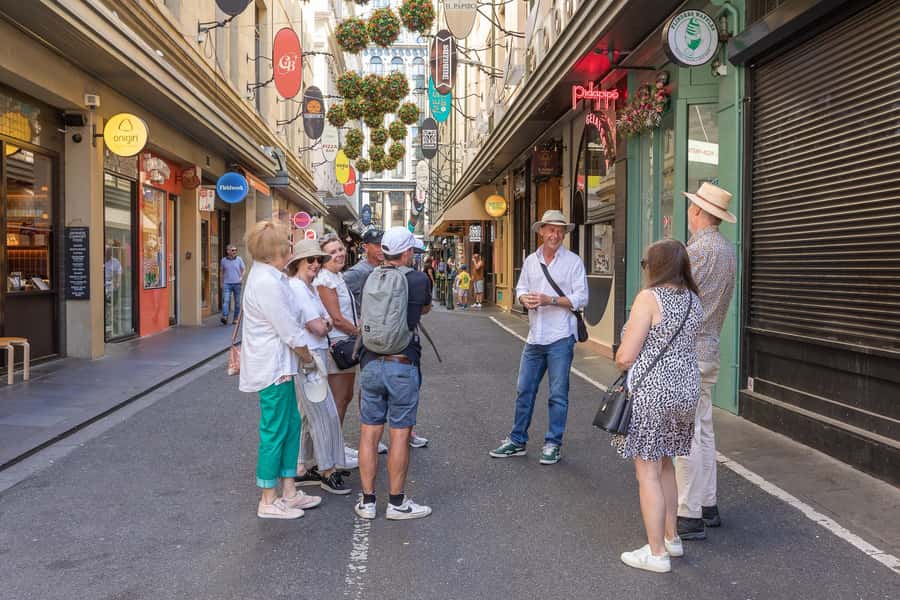
A big city can be overwhelming. Melbourne is no exception. What I like about this experience is that it’s built for orientation—without turning into a rigid, one-size-fits-all parade.
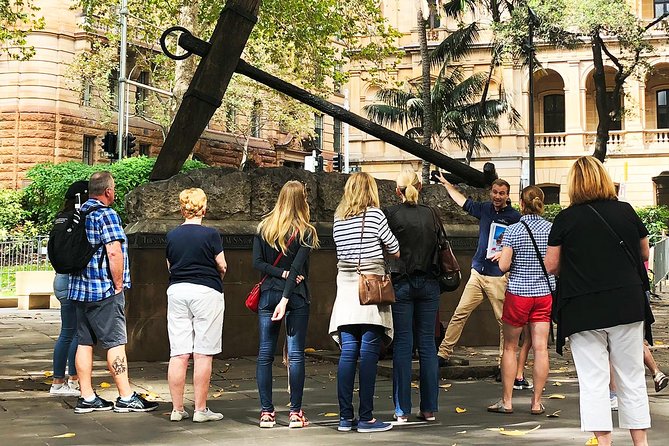
Paul Daffey runs the show as a private guide, and that matters. In plain terms, you don’t just follow a script; you help set the pace and direction. One good example: Paul tends to start by finding out what you care about, then leans into those interests as you go.
You also get a nice blend of Melbourne “faces.” You’ll hit the street-level details—laneway culture, food streets, small shops—and you’ll also get the big civic landmarks like State Library Victoria. That mix makes the city feel connected, not like a set of disconnected stops.
You can also read our reviews of more walking tours in Melbourne
Getting around: walking plus free trams in the city
This tour is mostly a walking route, but you’re not stuck on foot the entire time. Melbourne’s public transport is part of the charm here, and you’ll notice it from early on.
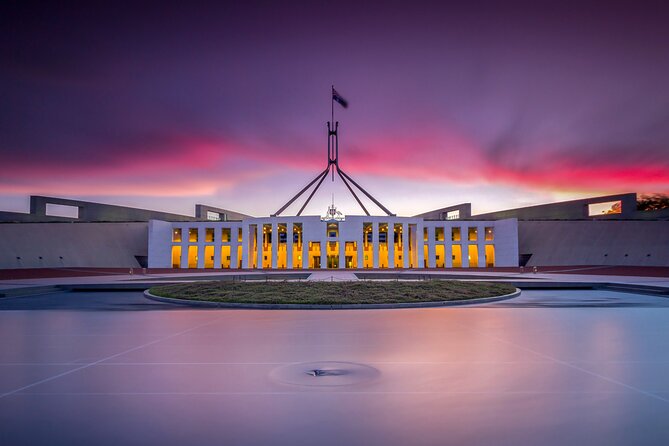
You’ll see how the tram network fits into the city grid, including a stop area near the top of Bourke Street, with Parliament House in sight. The key practical point: trams are free within the city. That means you can move quickly without worrying about ticket math for short hops.
What this does for your day: it keeps you from spending time in long transfers. You can use the walk time for the fun parts—laneways, arcades, coffee stops, and photo moments—rather than saving up energy just to get between neighborhoods.
Practical tip: wear comfortable shoes. This is a city-walk, not a sit-and-stare tour.
Degraves Street, Centre Place, and the arcade glamour
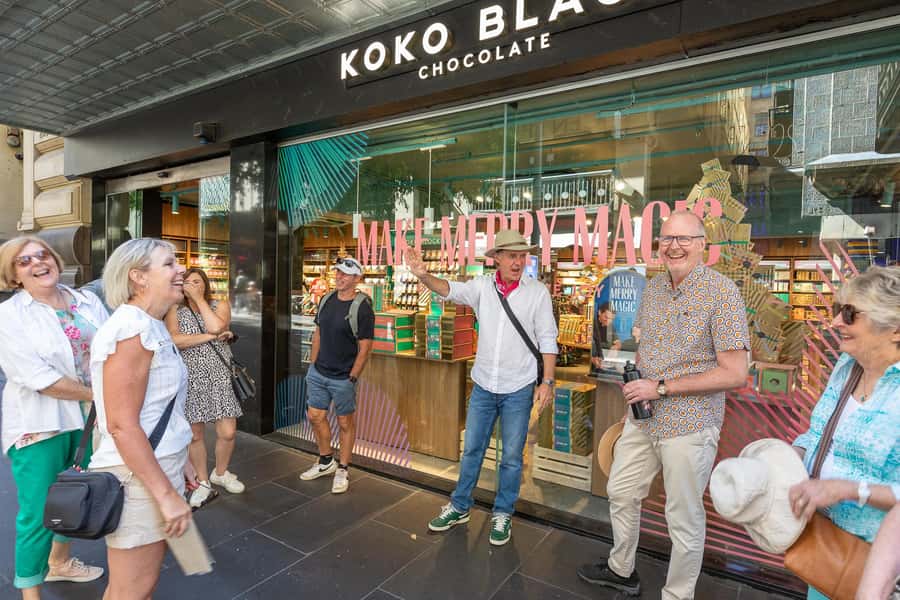
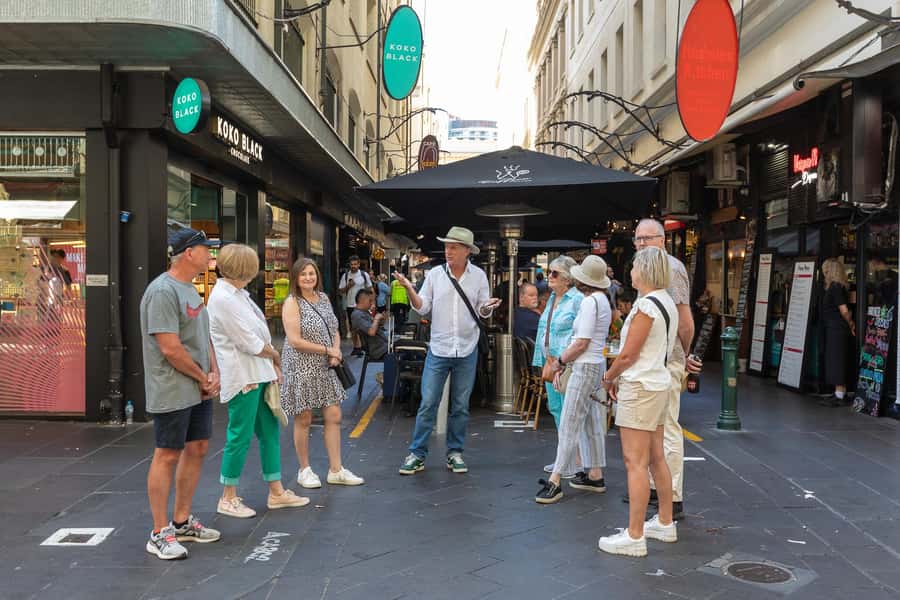
Your walk gets its energy from the spaces between major streets—places that feel like Melbourne discovered a shortcut. Degraves Street and Centre Place are the kind of lanes where the city’s attitude comes through: busy corners, coffee and food set-ups, and that “people watching is half the activity” vibe.
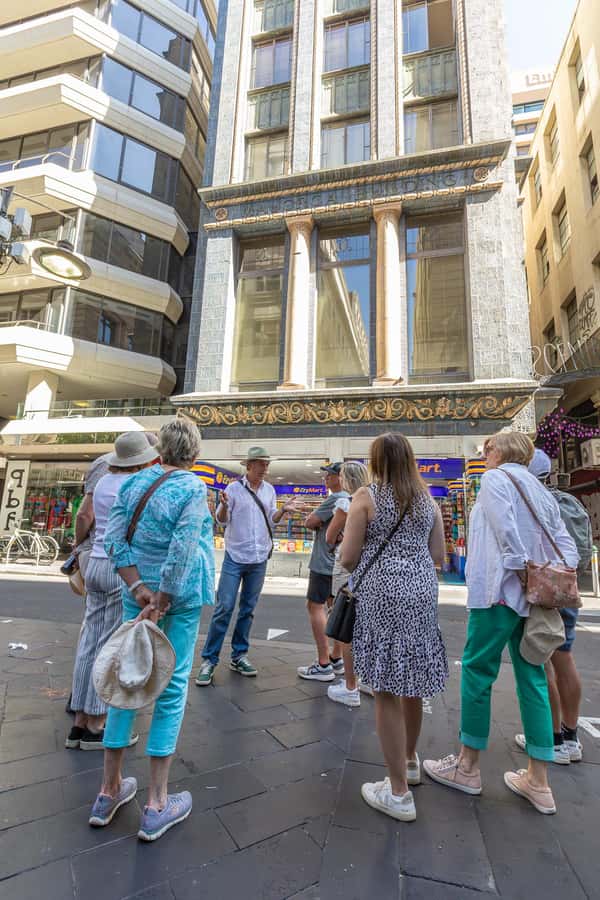
Then you move into the old-world showpieces: the Block Arcade and the Royal Arcade. These are nineteenth-century arcades, and the value here isn’t just that they’re pretty. It’s that they explain how Melbourne grew during the Gold Rush boom—when wealth poured into the city and architecture followed.
If you like when a guide ties a building to a real story, this portion works. You’re not just seeing decorative glass and stone. You’re watching how a city used luxury space to signal status and momentum.
Hosier Lane street art and Aboriginal art pauses
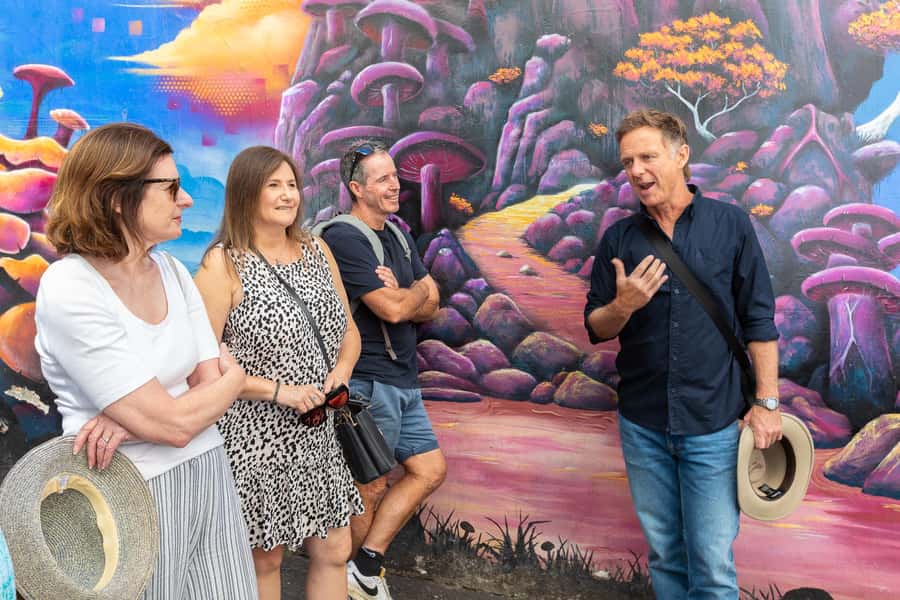
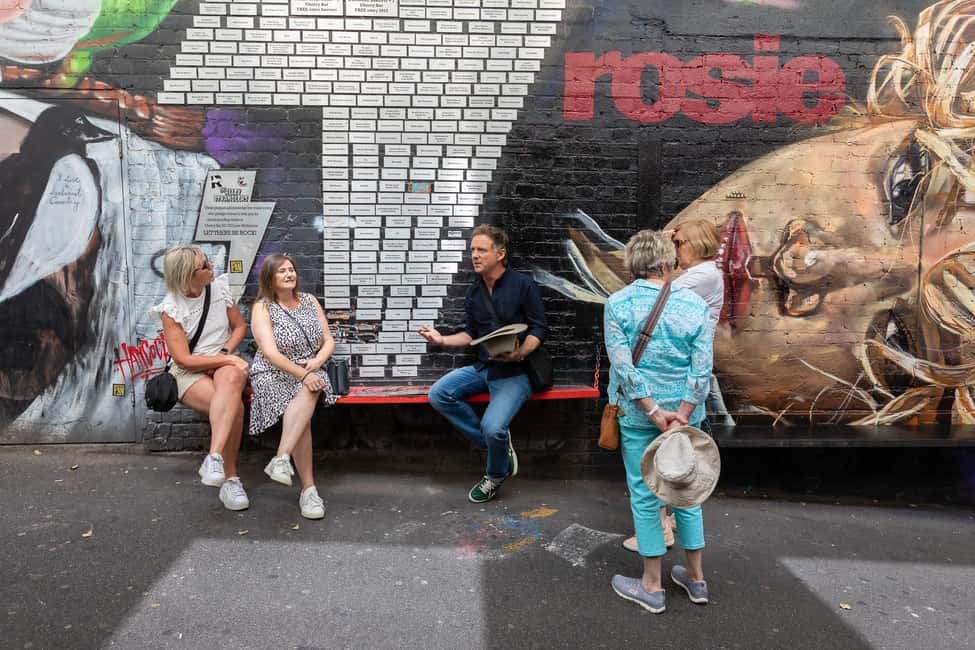
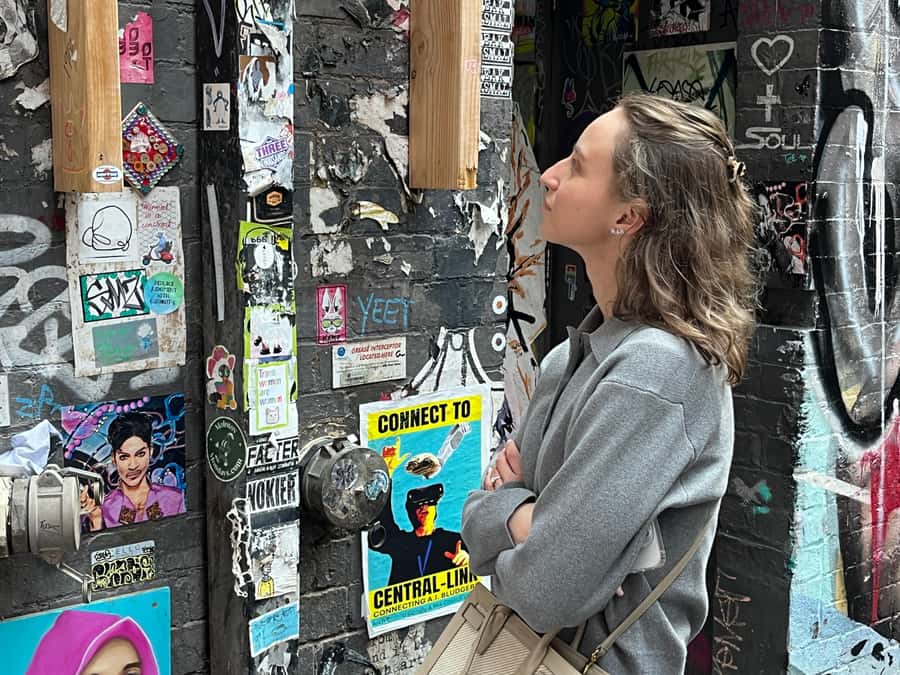
Melbourne’s street art is famous for a reason, and Hosier Lane is where you feel it in real time. The walls aren’t just decoration; they’re part of how the city communicates. You’ll see layered murals and styles, and the guide helps you connect that creativity to Melbourne’s broader culture.
A thoughtful moment comes a bit deeper into the cultural mix: you’ll stand with Aboriginal art works. This isn’t treated like a quick photo stop. It’s a quiet pause that adds context and weight to the rest of the street-level energy.
The best part of guided street art visits is that you don’t miss what’s going on. Without a guide, you might just look at the surface. With Paul, you’re nudged to notice what you’re seeing and why it matters.
Bourke Street: trams, Parliament views, and independent bookshops
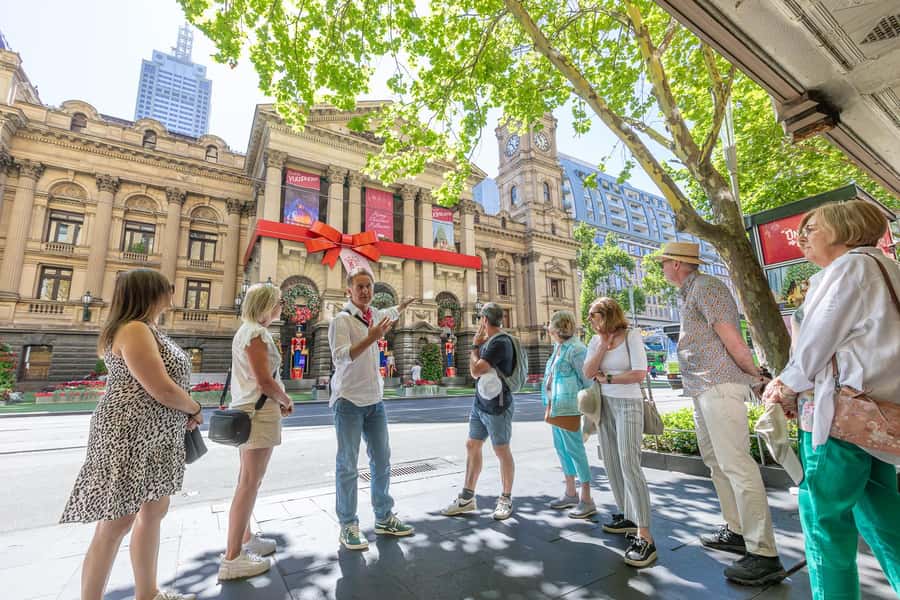
At the top of Bourke Street, you get a classic Melbourne alignment: trams, civic architecture, and a skyline line that makes the city feel immediate.
You’ll also have a chance to duck into an independent bookshop. This connects to Melbourne’s place in the world of literature, including its recognition as a World City of Literature (with Edinburgh as the other city in that comparison mentioned on the walk). It’s a small stop, but it’s exactly the kind of “this is why Melbourne is Melbourne” detail that makes a difference.
If you love places that trade in ideas—used books, strange little sections, or just the smell of paper—this is one of those stops you’ll appreciate even if you’re not a hardcore reader.
You can also read our reviews of more guided tours in Melbourne




Coffee and Pellegrini’s: Melbourne’s espresso story in plain talk
Melbourne doesn’t just like coffee; it built an identity around it. This tour makes that point by connecting coffee culture to earlier milestones in the city.
You’ll head toward Pellegrini’s, which is described as Melbourne’s original pasta house and an early player in the coffee story. The route includes the detail about Pellegrini’s importing the first espresso machine. That’s the kind of fact that makes your later coffee stop feel less trendy and more like a tradition with roots.
The tour also includes a cup of tea or coffee during a break halfway through. That’s more than a comfort stop. It’s also where the guide can adjust the rest of the walk based on how you’re doing and what you want more of.
Paul’s strength shows up here, too. From what I’ve seen in how he runs these experiences, he tends to steer you toward hidden coffee places and quirky stores, especially if that’s your priority. If you’re the kind of person who wants to taste local favorites instead of ordering the safest option, you’ll enjoy this part.
Chinatown and Meyers Place: food streets with old roots
After the coffee and arcade segment, the day shifts into neighborhoods that feel like you’ve stepped into a different page of the city’s story.
You’ll go through Chinatown, which is described as one of the oldest in the Western world. The practical value of this stop is choice: you’ll see everything from higher-end dining to dumpling houses. Even if you don’t eat at every stop, the walk helps you understand what kind of food scene you’re working with.
Then you move toward Meyers Place, tied to Melbourne’s bar history. The guide frames this area as the original site of the city’s thriving bar scene, and you’ll pick up on the atmosphere as you walk. There’s even a hint about that distinctive sound of glasses clinking—small detail, but it helps you picture what the area feels like beyond street signage.
There’s also flexibility here. Depending on interests, the tour can connect you to the Eurasian restaurants and cool bars on Crossley Street before continuing into Chinatown. If you’re a foodie, this kind of branching matters, because it saves you from doing all the same stops as everyone else.
Flinders Lane: from the rag trade to modern Australia
Flinders Lane helps bridge old industry to modern food and dining. You’ll hear about its earlier role as home to the “rag trade,” meaning the clothing and textile industry. That historical thread matters because it changes how you interpret the lane’s current identity.
Today, Flinders Lane is known for restaurants that describe themselves as modern Australian. On a guided walk, this isn’t just a label—it’s a way to connect how the city evolved: from manufacturing and trade into a culture of design, dining, and reinvention.
If you’re thinking about where to eat after the tour, this is a good section to pay attention to. Even a quick glance at what’s around you gives you a head start for your next meal.
State Library Victoria: domed reading rooms and big-city calm
When Melbourne needs a breath, it pulls you toward State Library Victoria. The highlight here is the sumptuous grandeur, especially the domed reading room.
Even if you’re not a museum person, a library stop can work because it’s both beautiful and functional. It’s a civic space, and that gives the walk balance. You’ve been moving through loud, textured streets; now you get a calmer architectural moment where the city shows its long-term ambitions.
This stop also makes it easier to slow down and absorb what you’ve already learned. A good guide helps you link earlier stories—Gold Rush growth, arcades, literature nods—into one coherent picture.
Queen Victoria Market: the food-lover’s finish
A market stop is where a walking tour can either feel rushed or feel useful. Here, Queen Victoria Market is part of the plan for about an hour, which gives you enough time to browse without feeling trapped.
The emphasis is on what you can do with your senses: eat, look, and take in the variety. If you’re shopping for snacks to bring back or you want ideas for dinner, this is a strong capstone. The market gives you a “what’s current” view of Melbourne, not just historical framing.
If your group is more into food tasting than museum vibes, you’ll probably love this timing. It’s late enough in the tour that you’re ready to snack, not late enough that it feels like an afterthought.
Curtin House and skyline bars: a modern view of the city
Not every Melbourne walk includes a sense of vertical city life, but the tour’s highlights do. You’ll visit Curtin House, described as like a Vibe House with seven floors. That’s your reminder that Melbourne isn’t stuck in its lanes and arcades—it keeps building new social spaces on top of old bones.
Then there’s the moment of the cool hum of a bar with a view over Australia’s premier skyline. I’m a fan of these viewpoint breaks because they change your perspective. One minute you’re thinking about street art textures and shopfronts; the next you’re seeing how the city sits in the bigger context.
Even if you just pause for a look, the payoff is real: it helps you remember Melbourne as a whole, not as a series of corridors.
Price and value: is $70 per person worth it?
$70 per person for a 2 to 4 hour private walking tour is not a bargain-price situation. But it can be good value—if you want exactly what a private guide unlocks.
Here’s the math that matters: you’re paying for a guide, a planned route that covers major Melbourne neighborhoods and landmarks, and included comfort (a tea or coffee break) plus the practical free trams within the city that help keep the day efficient.
The biggest value driver is tailoring. Paul Daffey tends to ask what you care about first, then adjusts the focus and pace. That’s why people describe the experience as personal and relaxed, and why it can work even for groups with mixed interests—someone wants art, someone wants coffee, someone wants architecture.
A practical way to decide: if you’ll actually use the guide for choosing where to stop, what to notice, and where to go after, $70 feels reasonable. If you prefer to wander independently with no guidance, you might feel the cost more strongly.
Who should book this tour, and who might not love it?
This is a strong fit if you:
- want a guided walk that mixes landmarks with street-level culture
- care about coffee and food streets, not just photos
- like when the guide adjusts to your interests rather than marching through a script
- enjoy street art, arcades, and city architecture with explanations
It might feel less ideal if you:
- have low walking tolerance for a 2 to 4 hour outing
- want a highly structured “see only the icons” route with minimal culture stops
- hate weather uncertainty, since Melbourne can change quickly
Should you book this Melbourne walking tour?
If you want Melbourne to feel understandable fast, I think this is worth booking. You’ll cover the lanes, the coffee culture, Chinatown, the market, and the library—plus a few modern stops that keep the city from feeling stuck in the past.
The clincher for me is Paul Daffey’s approach: he’s responsive, and he keeps the day feeling personal rather than generic. If that’s what you’re after in Melbourne, book it.
If you’re simply trying to kill a couple hours with no guidance, you can always self-wander. But for a city like Melbourne—where laneways and side streets matter—you’ll probably get more from a guide than from a map.
FAQ
How long is the Melbourne city walking tour?
The tour runs for 2 to 4 hours. Check starting times for the exact duration you’ll get.
What does the $70 price include?
The price includes the walking tour, a live English-speaking guide, a cup of tea or coffee during a break halfway through, and free trams within the city.
Where do we meet the guide?
You meet the guide in the foyer of your hotel, or at an arranged meeting point. Alternatives include the steps at Flinders Street Station, the steps of the General Post Office in Bourke Street, or the steps of State Library Victoria in Swanston Street.
Is the tour wheelchair accessible?
Yes. Wheelchair access is available throughout the tour.
Do we use trams during the tour?
You may use trams as part of getting around the city, and the tour notes that trams are free within the city.
What should I bring, and what’s not allowed?
Bring comfortable shoes and comfortable clothes, and be ready for changeable weather by packing an umbrella or spray jacket. Smoking is not allowed.