REVIEW · MELBOURNE
Melbourne: SEA LIFE Aquarium Entrance Ticket
Book on GetYourGuide →Operated by SEA LIFE Melbourne · Bookable on GetYourGuide
Sea life in Melbourne CBD is a win. I love the penguin moments and the big, unforgettable crocodile encounter, and I also like how the Oceanarium feeding lets you watch the action from above. One thing to plan for: it can get crowded, especially around school holidays, so some viewing spots can feel tight.
This is a one-day, self-guided ticket that works for first-timers, marine-life fans, and kids who want hands-on fun. The aquarium sits right on the Yarra River by Flinders Street and King Street, so you can pair it with a walk through the CBD the same day instead of feeling stuck indoors all day.
In This Review
- Key things that make this aquarium ticket worth it
- Where to find SEA LIFE Melbourne (and how to get your bearings fast)
- The one-day plan: your self-guided route through 12 zones
- Bay of Rays: sting rays up close without the safari feeling
- Pinjarra the crocodile and the elephant shark moment
- Antarctic penguins, a seahorse paternity ward, and Ocean Invaders jellyfish
- The Oceanarium feeding and why the 2.2-million-liter scale matters
- Shows, touch pools, and the 4D cinema add-on effect
- Café stops, crowds, and practical tips for a smoother visit
- Price and value: is $28 per person a fair deal?
- Should you book the SEA LIFE Melbourne entrance ticket?
- FAQ
- Where is SEA LIFE Melbourne Aquarium located?
- What does the entrance ticket include?
- How long is the ticket valid for?
- Do I need to pick an entry timeslot?
- How many animals and exhibits are there?
- What are some of the top animal experiences included?
- Is free cancellation available?
- Can I reserve now and pay later?
- Is there a limit on when I can use the ticket?
Key things that make this aquarium ticket worth it

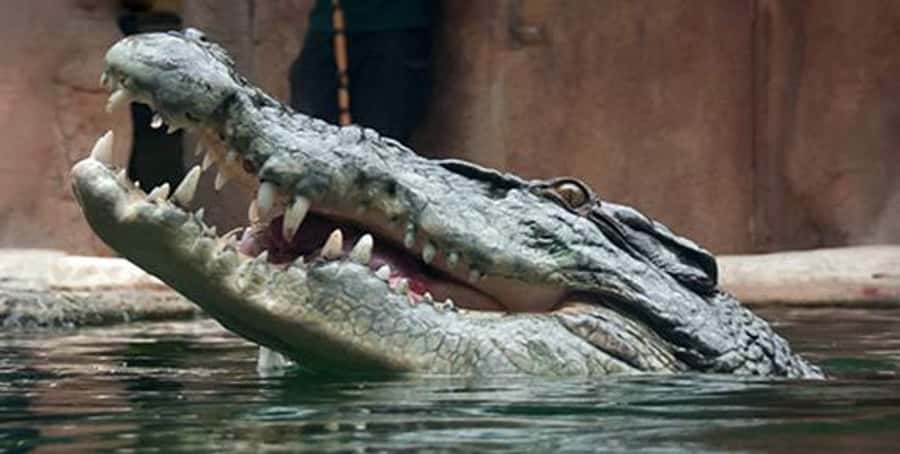
- Pinjarra the saltwater crocodile: a proper face-to-face moment with one of the biggest draws in the building
- The Bay of Rays: sting rays up close, with a good chance for that wow photo
- World’s only elephant shark display: a rare species-focused stop that feels special even if you’ve done other aquariums
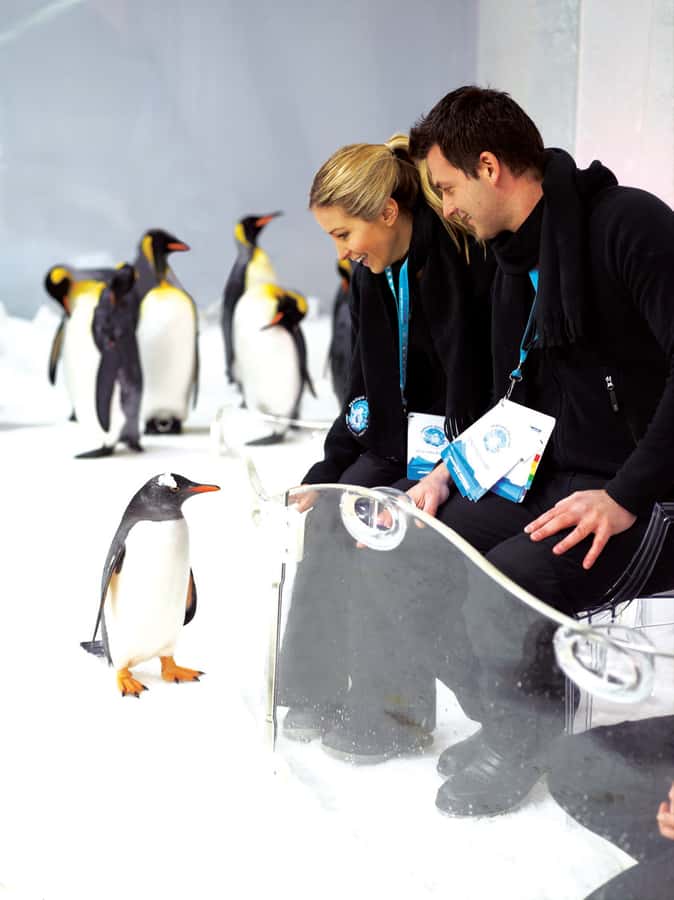
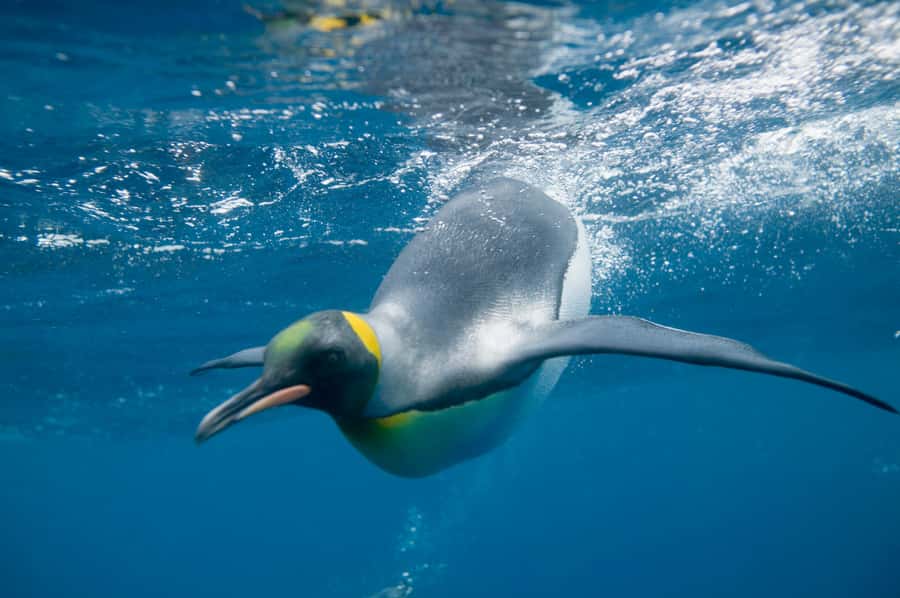
- Antarctic penguins (King and Gentoo): the icy exhibit is one of the most entertaining parts of the route
- A seahorse paternity ward walk-through: different from the usual “look at fish” setup
- Oceanarium feeding from the top: interactive, loud-in-a-fun-way, and easy to time with daily shows
Where to find SEA LIFE Melbourne (and how to get your bearings fast)
SEA LIFE Melbourne Aquarium is in a very convenient spot: on the corner of Flinders Street and King Street, right along the Yarra River, opposite Crown Entertainment Complex. That location matters. It means you’re not carving out a half-day just to get there—you’re already in the part of Melbourne that’s built for strolling.
If you’re coming by car, a smart move is to consider parking around Crown and then walking across the bridge to the aquarium. Reviews also point out the walk is straightforward, which helps when you’re doing this with kids in tow or when it’s raining and you don’t want to wander.
Once you arrive, plan to spend time just getting oriented. The layout is generally praised for being easy to navigate, but a few people note that sections can be confusing without paying close attention to where you are in the flow.
A few more Melbourne tours and experiences worth a look


The one-day plan: your self-guided route through 12 zones
You’re looking at 12 zones and 10,000+ animals across the aquarium. That’s the big value of this ticket. You’re not paying for one exhibit or one show—you’re getting a whole route of encounters, feeds, and animal presentations.
In practice, I recommend setting expectations like this:
- If you’re mainly chasing the headline animals (penguins, crocodile, rays), you can likely do it in about 2–3 hours.
- If you actually stop at the information, watch feedings, and linger at touch experiences, plan closer to 3–4 hours.
A useful tip from real visits: don’t try to “complete everything” in one straight line like it’s a race. If you start with your top three priorities, you’ll still feel like you did the best parts even if crowds slow you down.
Also note this: some areas can be closed on certain days. That doesn’t sound like the norm, but it does happen. The practical way to handle it is to focus on the core exhibits that are usually running.
Bay of Rays: sting rays up close without the safari feeling
The Bay of Rays is one of the most specific, satisfying stops for first-timers. It’s exactly what you want from an aquarium ray tank: a clear chance to see sting rays close enough that they don’t just look like dots behind glass.
What makes this part work for most people is pacing. Rays are slow movers, so you can take your time. You’ll have more moments of real viewing than you’d get in a tank where fish zip around too fast to track.
The only drawback is crowding. When the aquarium gets busy, people form clusters along the viewing areas, and kids can block sightlines. If you want the best view, aim to visit this area earlier in your time slot, or be ready to take a second pass if you arrive when it’s crowded.
Pinjarra the crocodile and the elephant shark moment

Two exhibits tend to create the biggest “stop in your tracks” reactions.
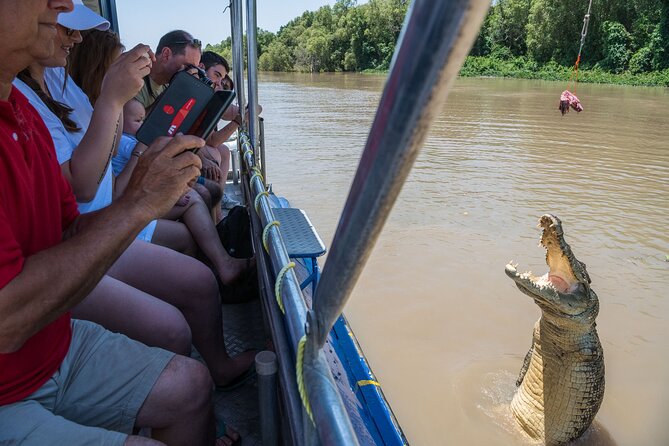
First: Pinjarra, the saltwater crocodile. It’s one of the signature encounters in the building, and visitors highlight it as a must-see. A helpful practical note: sometimes visibility depends on conditions or routine around the animal. One review mentions the crocodile wasn’t visible at the moment they went in, but staff showed photos from their phones so the visitor could still get a picture of Pinjarra. If you don’t see the crocodile right away, ask staff for the current situation.
Second: elephant sharks. SEA LIFE Melbourne has the world’s only display of elephant sharks, which instantly makes this feel more than a standard aquarium stop. Even if you’re not a hardcore shark person, the uniqueness of the display gives you a reason to slow down and read the signage.
If you’re visiting without kids, this is also where the experience holds up. You still get a couple of genuine “only here” moments that feel worth the ticket price.
Antarctic penguins, a seahorse paternity ward, and Ocean Invaders jellyfish
This aquarium leans hard into variety, and three exhibits are the standouts in the storyline.
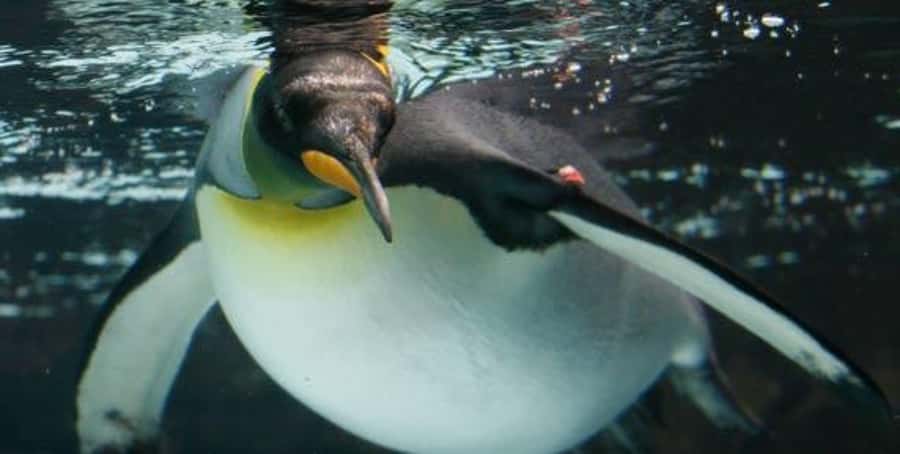
Antarctic penguins (King and Gentoo)
You end up sitting among King and Gentoo penguins on the ice in the Antarctic exhibit. Penguins are already entertaining, but what people appreciate is the way the exhibit makes you feel close without requiring risky behavior. Many visitors point out that the penguin area is the best part at the end—so don’t be surprised if you end up spending longer here than you planned.
Seahorse paternity ward
A seahorse paternity ward is a more unusual concept than most aquariums offer. The point isn’t just the seahorses—it’s the learning angle. Even if you’re only skimming the info, it adds meaning to what you’re seeing and makes seahorses feel less like a random tank stop.
Ocean Invaders (jellyfish)
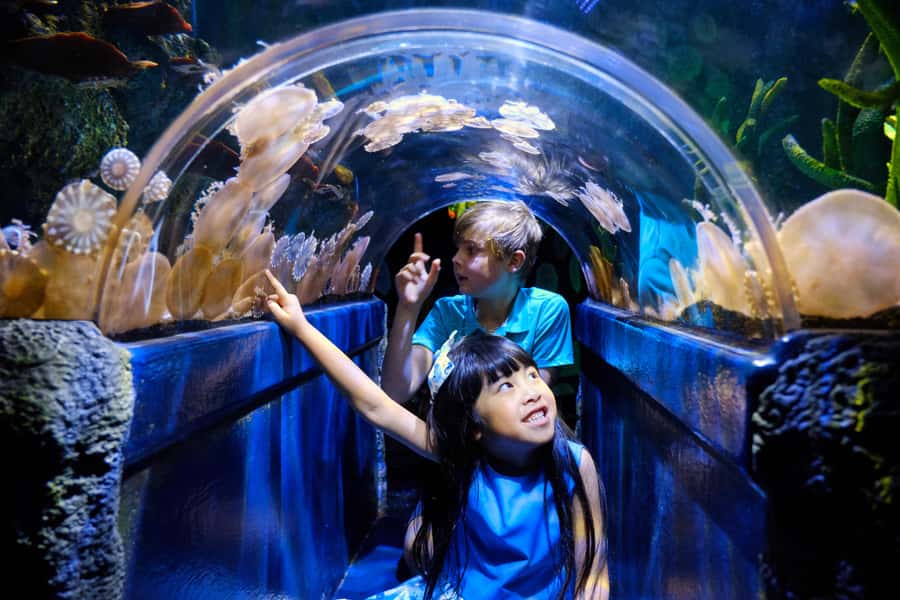
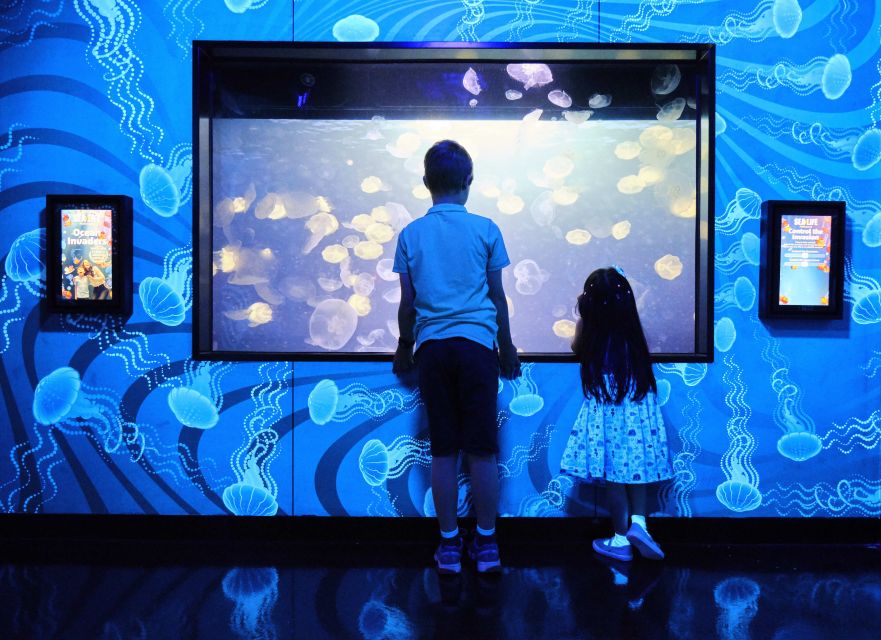
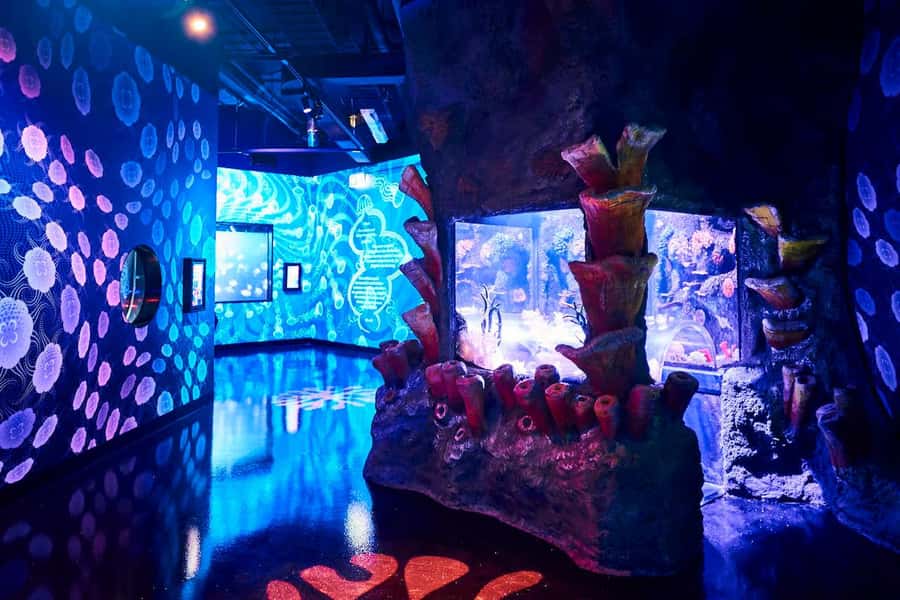
There’s also a newer exhibit called Ocean Invaders, built around jellyfish. If you’re into strange, delicate marine life, this is the kind of section that turns the whole aquarium from “fish viewing” into “worldbuilding.”
One practical point: if you want to reduce waiting and crowd pressure, try not to schedule your time so that you hit all three of these peak zones back-to-back. The penguin area is often where crowds concentrate, and the rest of the route can feel less stressful if you spread the big draws out.
A few more Melbourne tours and experiences worth a look
The Oceanarium feeding and why the 2.2-million-liter scale matters
The Oceanarium is where SEA LIFE Melbourne really shows off its scale. It’s listed at 2.2 million liters, and the feeding experience is built to make that size feel real.
You can feed the fish from the top of the Oceanarium. That’s a key part of the interactive appeal. Instead of just watching from a distance, you’re part of the moment, and the setup makes the feeding feel like a shared event.
The big reason this is good for your value is that it gives you a “live” highlight. Aquariums can sometimes blend together into a long walk of tanks. Feedings and scheduled presentations break the rhythm and make it easier to remember what you actually did.
Also plan around daily animal presentations and shark and ray feedings. The exact times aren’t listed here, so I’d suggest checking the schedule inside the aquarium when you arrive and building your route around the feedings you care about.
Shows, touch pools, and the 4D cinema add-on effect
Even if you’re mostly there for the animals, the extras matter because they give you different ways to engage.
SEA LIFE Melbourne includes:
- Daily animal presentations
- Shark and ray feedings
- A 4D cinema show
- Hands-on touch pools
- Kids activities designed to keep younger visitors interested
The touch pools and hands-on areas tend to be where kids get genuinely excited, but adults usually enjoy them too because they slow you down. Instead of rushing through exhibits, you get a “station” that demands attention and gives you a break from constant walking.
One small caution: some visitors have reported that a couple of visual touch screens didn’t work. That shouldn’t ruin your visit, but it’s smart to not rely on screens for every piece of information. Use the signage and staff talks as your baseline.
Café stops, crowds, and practical tips for a smoother visit
You’ll likely need a break. Reviews mention a café with hot chips and generally positive pricing. That’s useful because it keeps the visit from turning into a stressful “find food and lose the day” scramble.
That said, one review notes the refreshments area had a bit of a messy first impression—dirty tables and the kind of floor mess that happens when families snack fast. It’s not something you can control, but you can plan around it by:
- bringing wipes,
- choosing seating away from the heaviest snack flow, and
- timing your food stop between major exhibits so you’re not stuck while crowds peak.
Crowds are the other real-world factor. If you go on a day when lots of families are visiting (including school holidays), expect more noise and more difficulty finding clear sightlines, especially in areas where kids gather.
Also watch for stroller/pram “traffic jams.” One review calls out that kids with small vehicles can obstruct the view in certain areas. That’s why I recommend picking viewing time slots strategically: go early for the big photo moments, and come back later when you can see more clearly.
Price and value: is $28 per person a fair deal?
At about $28 per person, this ticket is priced like a mainstream major-attraction aquarium. The question is whether you get enough to justify that.
Here’s why it can feel like good value:
- You’re getting access to 10,000+ animals across 12 zones.
- You get interactive moments like penguin seating and feeding fish from the Oceanarium top.
- You also get built-in programming: daily presentations, feedings, 4D cinema, and touch pools.
In other words, you’re not just paying for a walk-through. You’re paying for a full experience day.
The only time it may feel less worthwhile is if you’re going without kids and expecting a short, quiet adult-only visit. One review even suggests that kids can finish faster than expected, which can make it feel expensive relative to time spent. If that’s you, anchor the day around the strongest exhibits: Pinjarra, elephant sharks, and the penguin ice area.
As a final value note, tickets are valid for 1 year from purchase date, which gives you flexibility if plans change. That reduces risk compared with attractions that only work on a single rigid day.
Should you book the SEA LIFE Melbourne entrance ticket?
Book it if you want a straightforward, high-hit-rate aquarium day in the CBD—especially if your group includes kids, or if you care about seeing distinctive animals like elephant sharks and Pinjarra. The combination of penguin time, ray viewing, and interactive feeding gives you multiple moments that aren’t just “look at fish.”
Skip it or adjust expectations if you’re the type who hates crowds and you’re visiting during peak school holiday periods. In that case, go at the start of your time slot (or pick a quieter weekday if you can), and focus your energy on the top exhibits so you’re not stuck feeling irritated about view-blocking.
If you want an aquarium that feels designed for families but still has real stand-out science moments, this ticket is a solid choice.
FAQ
Where is SEA LIFE Melbourne Aquarium located?
SEA LIFE Melbourne Aquarium is at the corner of Flinders Street and King Street, on the banks of the Yarra River, opposite the Crown Entertainment Complex.
What does the entrance ticket include?
Your ticket includes entrance to SEA LIFE Melbourne Aquarium.
How long is the ticket valid for?
This is a valid 1-day ticket. You’ll check availability to see starting times.
Do I need to pick an entry timeslot?
Yes. After booking, customers are required to select a specific timeslot for entry on the supplier’s own website.
How many animals and exhibits are there?
SEA LIFE Melbourne Aquarium has over 10,000 animals on display across 12 different zones.
What are some of the top animal experiences included?
Highlights include Bay of Rays (sting rays up close), meeting Pinjarra the saltwater crocodile, the world’s only display of elephant sharks, a seahorse paternity ward, sitting among King and Gentoo penguins, and feeding fish from the top of the 2.2 million liter Oceanarium.
Is free cancellation available?
Yes. You can cancel up to 24 hours in advance for a full refund.
Can I reserve now and pay later?
Yes. The option is Reserve now & pay later, meaning you can book and pay nothing today.
Is there a limit on when I can use the ticket?
Tickets are valid for 1 year from the purchase date.