REVIEW · MOOLOOLABA
Mooloolaba: Whale Watching Cruise
Book on GetYourGuide →Operated by Adventure Rafting · Bookable on GetYourGuide
Whales, fast boat, and underwater whale songs. This Mooloolaba cruise is built for maximum whale time, with hydrophone listening and HD underwater cameras that help you catch behavior you’d miss from the surface. Onboard, the skipper and host bring the story to life with humpback-focused commentary, and names like Jack, Nina, Izzy, Georgia, and Rod show up in the kind of service people rave about.
The only real catch is that wildlife timing is wildlife timing. In the off or early season you might get fewer sightings, and the high-speed run can be a bit rough if conditions are choppy, so it helps to know what you’re signing up for.
In This Review
- Key highlights that make this tour worth your time
- Mooloolaba Wharf start: get oriented fast and save time
- Speedy boat ride: the good, the bumpy, and who should plan for that
- Whale songs through the hydrophone: hearing the moment you’re watching
- HD underwater cameras: turning brief sightings into real understanding
- What the skipper does: finding whales and maximizing your 2 hours
- If you see whales: what the show usually looks like
- When you don’t get perfect whale action: planning around reality
- Extra wildlife bonuses: dolphins and turtles can show up
- Price and value: why $63 can feel fair for 2 hours on the water
- What to bring (and how to dress for the water)
- Who this whale watching cruise is best for
- Should you book this Mooloolaba whale watching cruise?
- FAQ
- Where does the whale watching cruise depart from?
- How early should I arrive?
- How long is the cruise?
- How much does it cost?
- What’s included in the tour?
- Is food or drink included?
- Are there toilets onboard?
- What should I bring?
- Who is the tour not suitable for?
Key highlights that make this tour worth your time
- Hydrophone whale songs: you can actually listen to the vocal action as you watch for whale behavior
- HD underwater cameras: see the underwater side of the whales, not just the occasional breach
- Fast transfers to whale areas: less waiting around at sea, more minutes where the action is
- Onboard humpback education: commentary explains what you’re seeing, including tail and fin displays
- Toilet onboard: a small comfort that matters on a 2-hour outing
Mooloolaba Wharf start: get oriented fast and save time
This tour runs out of The Wharf Mooloolaba at 123 Parkyn Parade. If you’re driving, there’s free 4-hour parking at The Wharf, but parking is limited, so I’d treat it like a “get there early” situation rather than a “park whenever” situation.
When you arrive, aim to be there 30 minutes before departure. The vessel departs from the jetty on the river side of the Wharf complex, tucked behind the restaurant Rice Boi. There’s a directory at the main entrance, which helps you find the right jetty without stress.
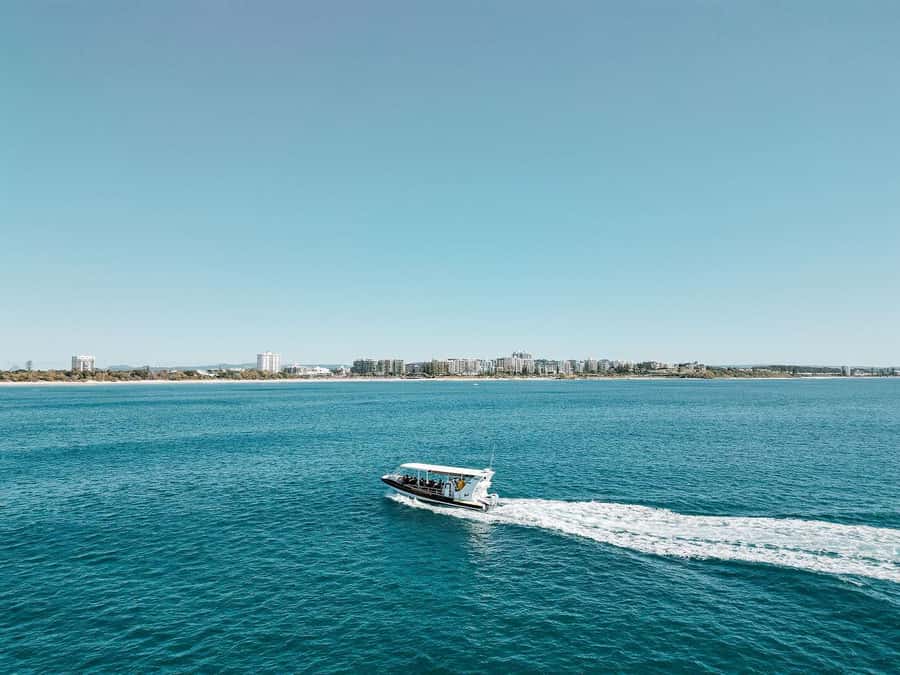
What I like about starting from here is that you’re right in the action zone. You don’t need a long transfer from some out-of-the-way marina. You get panoramic coastal views on the way out, then you’re ready to focus on whales instead of logistics.
You can also read our reviews of more boat tours in Mooloolaba


Speedy boat ride: the good, the bumpy, and who should plan for that
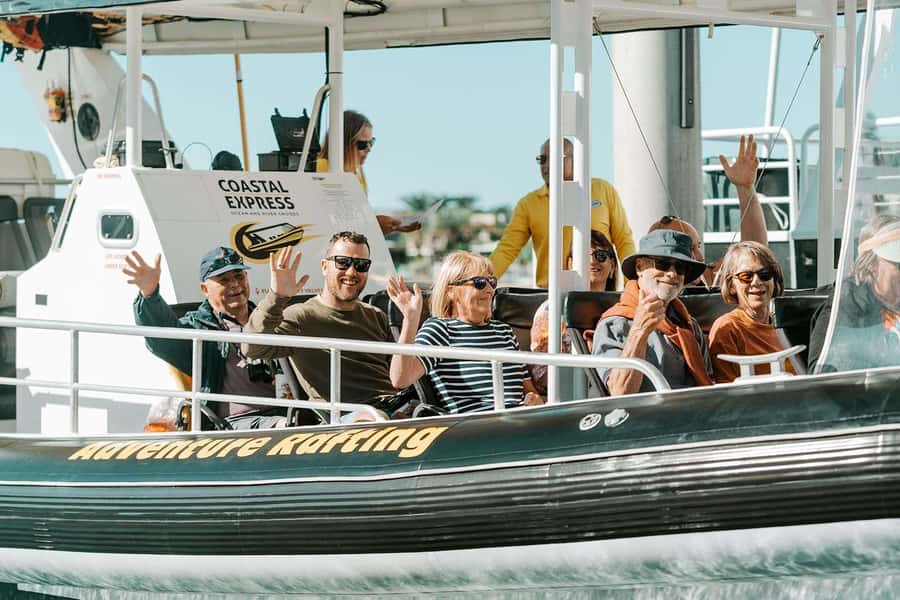
You ride a fast boat designed to cut travel time. The idea is simple: whales move, and your window to see them is limited. A speedy run means more of your 2 hours are spent near the habitat, with chances to watch whales both above and below the water.
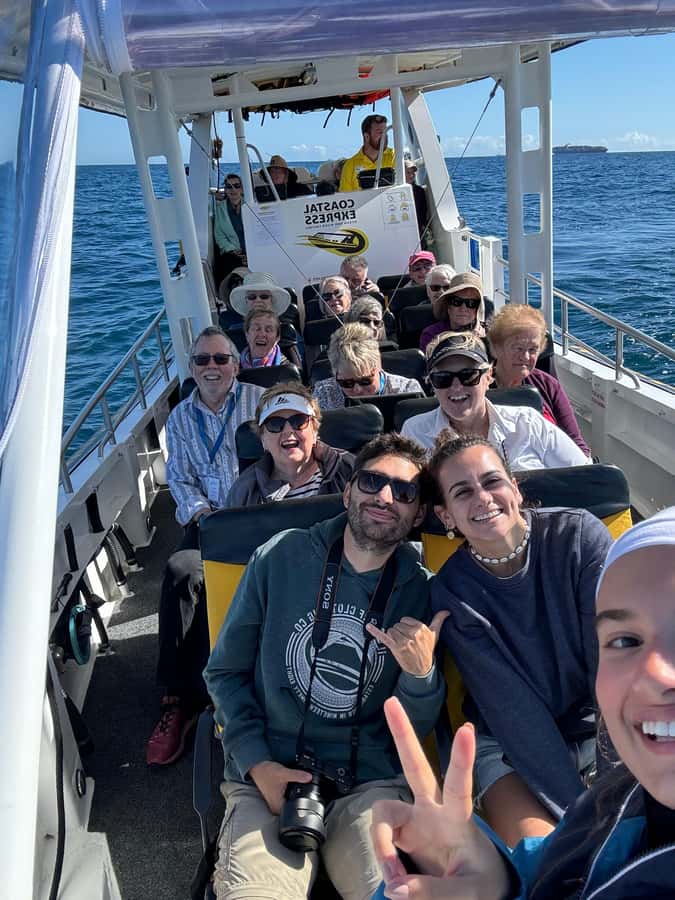
Seats are described as comfortable with a high back, which is nice when you’re out on the water for the full duration. More than one review also calls out the fun factor of the ride—especially the excitement of reaching the whale area quickly.
Now the fair warning: a fast craft on coastal water can feel more intense when there’s swell. One review notes a bit of rise and fall, and that’s also why the tour isn’t a fit for everyone. It is not suitable for people with back problems, pregnant women, mobility impairments, wheelchair users, or children under 5. If you know you’re sensitive to choppy water, take that seriously before you book.
Whale songs through the hydrophone: hearing the moment you’re watching
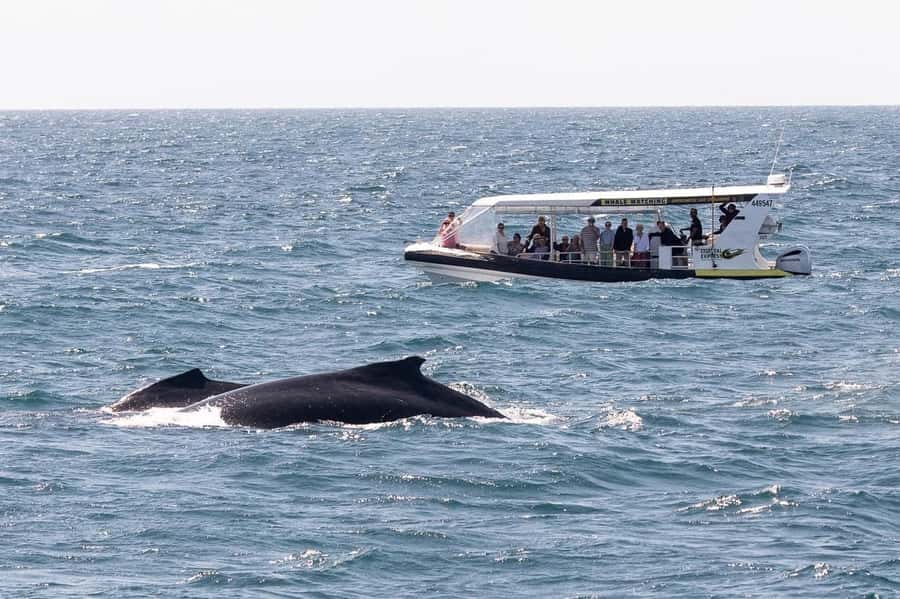
The standout tech feature here is the underwater hydrophone. As you head out and the skipper gets you into the right zone, you can listen for whale vocalizations while you scan for movement at the surface.
This is a big deal because whale watching isn’t only visual. Songs and calls travel through water, and the hydrophone helps you catch that “invisible” side of whale behavior. Even if the whales are just doing tail or fin action rather than frequent breaches, you might still feel like the tour is happening around you.
Onboard commentary connects the dots. The skipper/host explain what you’re seeing—things like breaching behavior, tail slaps, spy hops, and peduncle throws show up in the description of what you might witness. When the guide points out what to look for, the hydrophone becomes more than a gimmick. You start predicting what will happen next and why.
HD underwater cameras: turning brief sightings into real understanding
The tour also uses HD underwater high-definition cameras. That matters because with whales, the best action often happens right under the surface. From a standard viewing boat, you might only catch the top part of the story. Here, the camera feed gives you a clearer view of what’s happening beneath the waves.
You’re not just watching for a breach and hoping it happens close to the boat. You’re tracking behavior: movement patterns, moments when whales rise or shift position, and the rhythm of how they interact with the water.
The reviews underline the value of being close enough for active viewing. One person specifically praised the closeness to the water and said the raft-style setup can mean better viewing compared with larger boats, even if it can feel a little rougher by nature. Translation: you’re more likely to see whales do the full range of gestures, not just the occasional splash.
And those camera moments are great for photos and video too, since you can line up the action when the whales decide to put on a show.
What the skipper does: finding whales and maximizing your 2 hours
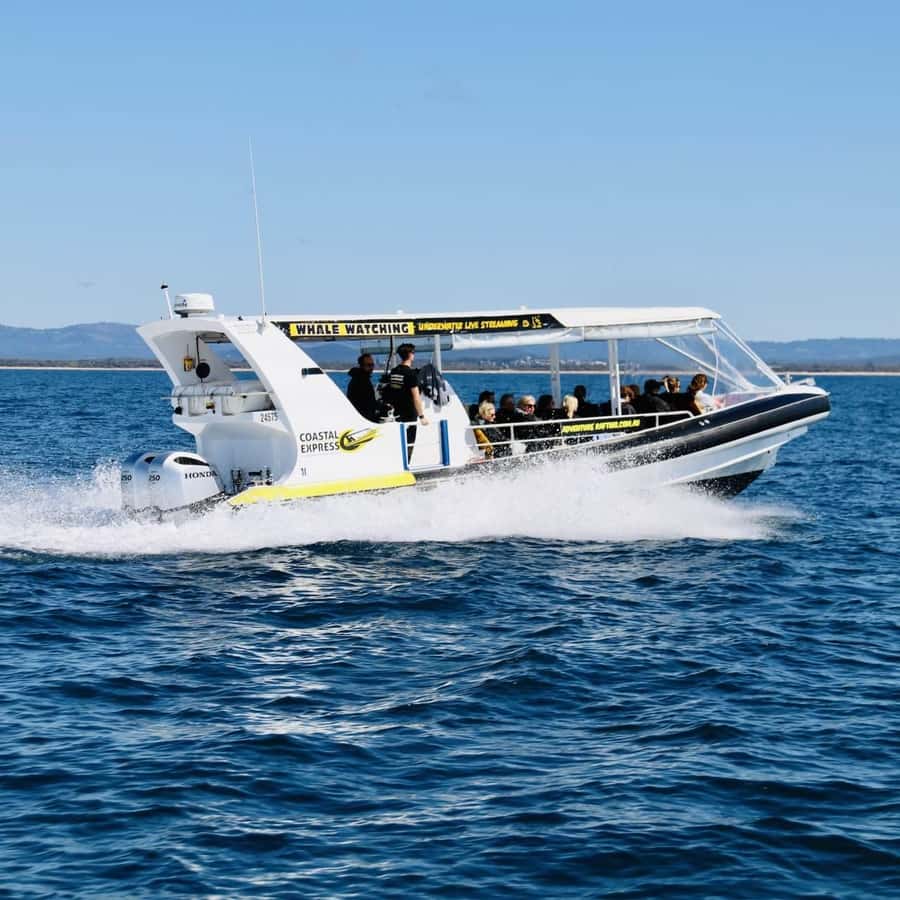
This is a whale watching trip that treats time as the main resource. The tour runs long enough to feel like you’ve made progress—2 hours—but it also depends on how quickly the skipper can get you to active areas.
That speed is part of why so many reviews mention the excitement of reaching the whale zone quickly, including comments about seeing whales and moving between pods fast. Some days whales are close and interactive; other days they’re more spread out. Either way, the tour’s format is built to reduce downtime.
Skippers and hosts like Jack are repeatedly mentioned for seamanship and the ability to maneuver the boat so everyone gets viewing angles. Izzy, Nina, and Georgia show up in reviews as well, with people describing the crew as upbeat, welcoming, and strong at explaining what was happening in real time.
The takeaway for you: don’t expect control over where whales surface. But you can expect the operator to work hard on your behalf—using speed and navigation to put you where the action is most likely.




If you see whales: what the show usually looks like
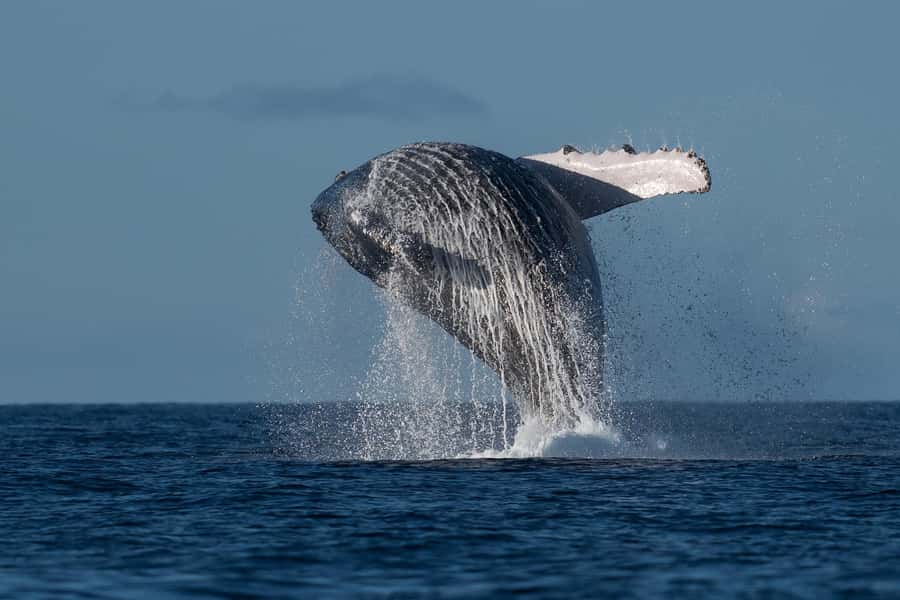
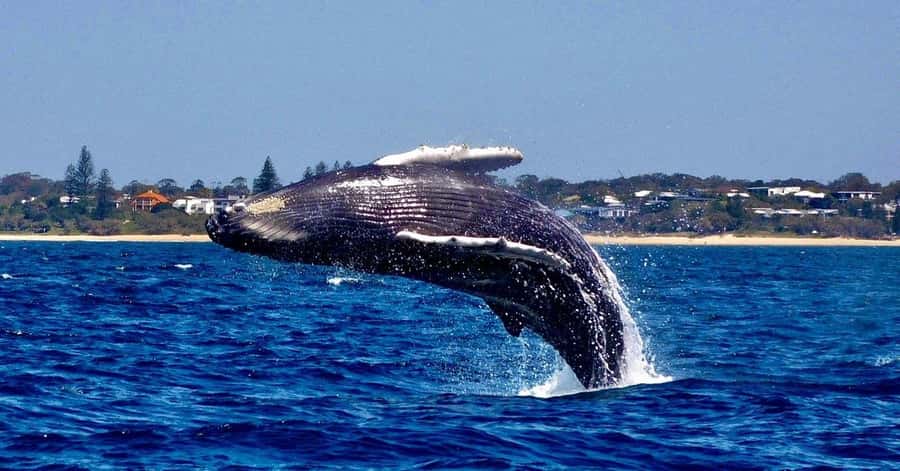
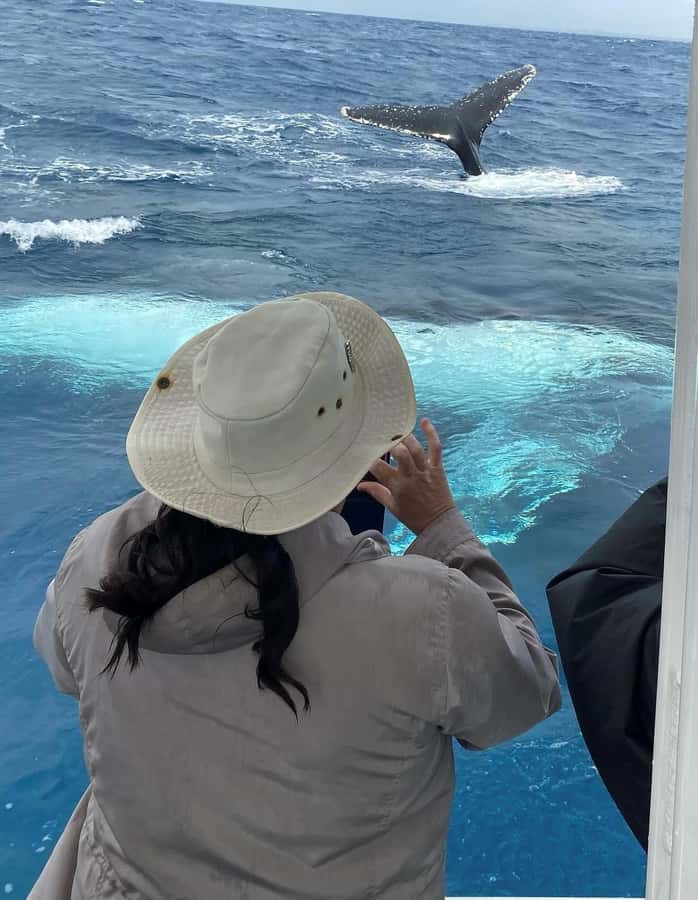
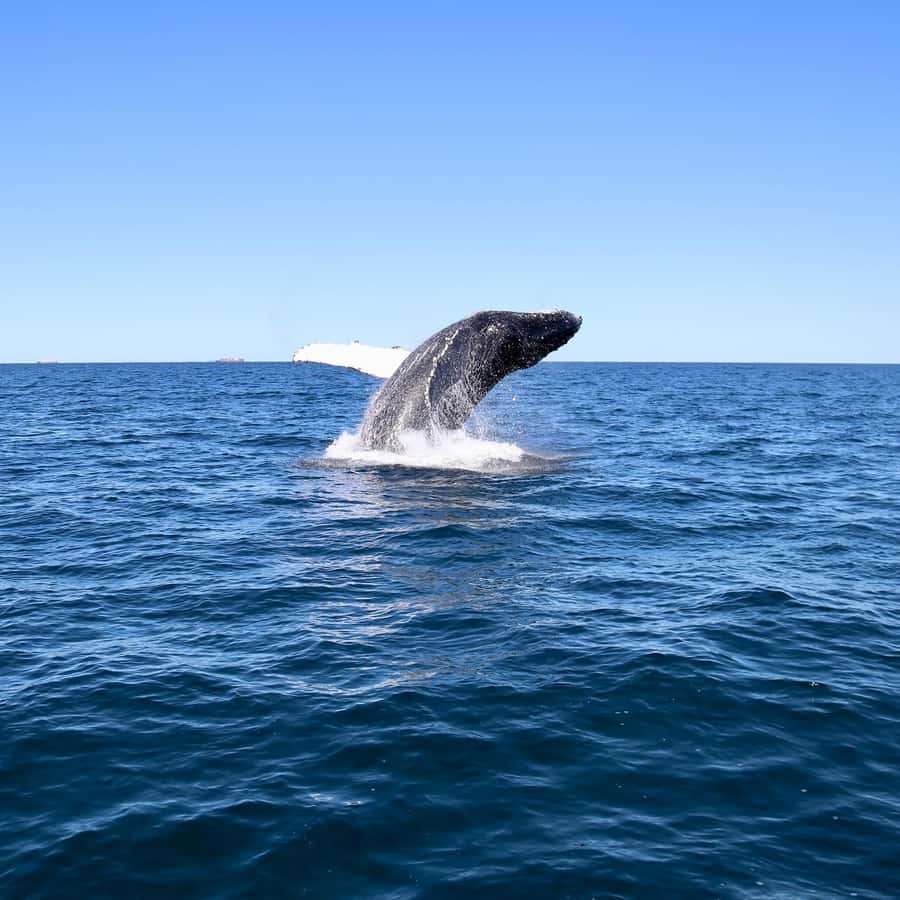
The tour description lays out the kinds of whale behaviors you might spot: whales breaching, slapping the water with big tail movements, and showing off with spy hops and peduncle throws.
From a viewer’s perspective, this “menu” of behavior is useful. Breaching is dramatic, but it’s not the only sign of activity. Tail slaps and fin motion can happen more quietly and still mean the whales are engaged in feeding, social behavior, or movement between areas.
One review mentions whales coming so close that the experience felt unreal. Another describes seeing lots of tail and fin action, and even a calf breaching. That’s the kind of day whale lovers dream about: not just one quick glimpse, but repeated moments of contact and activity.
And if the whales are active underwater, the hydrophone and underwater cameras can make the day feel full even when surface action is brief. You might still walk away feeling like you understood what you were seeing.
When you don’t get perfect whale action: planning around reality
Even with a great crew, whales aren’t obligated to perform on schedule. One review notes the season was early and whales weren’t seen, yet the tour still felt enjoyable due to information about whales, turtles, and the local area, plus fun time on the water.
Another review says whales didn’t breach, but there was still a lot of tail action and dolphins. So the lesson isn’t to panic if you don’t see the biggest moment. It’s to treat this as wildlife viewing with variable outcomes.
If you’re booking because you want the most dramatic possible spectacle, this format still gives you the best odds: fast travel, close viewing, underwater audio, and HD underwater cameras. But the guarantee is never the point with whales. Your best strategy is to show up ready to enjoy the whole water experience, not only one type of behavior.
Extra wildlife bonuses: dolphins and turtles can show up
This cruise is whale focused, with humpback education built in. Still, you might get surprise extras.
One review mentions seeing whales plus turtles and dolphins. Another describes dolphins circling the boat during the experience. Even if those animals aren’t the main star, they can add real energy to the outing, especially when the whales are moving between areas.
Just keep expectations flexible. Your probability of bonuses goes up when the skipper finds active zones quickly, and the tour’s speed helps you reach those areas when sightings happen.
Price and value: why $63 can feel fair for 2 hours on the water
At $63 per person for a 2-hour cruise, the key value question is what you’re paying for besides the boat ride. Here, you’re paying for:
- Fast navigation that boosts your time near whales
- A hydrophone experience, so you can listen for whale calls
- HD underwater cameras, which give you a second layer of viewing
- Skipper/host commentary, including humpback whale education
- A practical comfort item: a toilet onboard
What you don’t get is also part of the value picture: food and drink aren’t included. Plan to bring water (and you’ll want sunscreen and a hat). If you show up hungry, the day can feel longer than it needs to. If you plan ahead, the cruise stays focused and fun.
For many people, the best part is that this tour doesn’t ask you to “wait and hope.” It tries to find whales efficiently and adds tools—sound and underwater viewing—that help you enjoy the day even if whale surface time varies.
What to bring (and how to dress for the water)
For this outing, pack like you’re heading out for sun plus spray. The recommended list is straightforward:
- Sunglasses
- Hat
- Sunscreen
- Water
- Comfortable clothes
- Weather-appropriate clothing
If it’s warm, dress for sun. If it’s breezy, add a layer. Even in good weather, you’ll be on open water, and conditions can shift fast.
Also consider your comfort for the ride. The tour isn’t suitable for wheelchair users or people with significant mobility issues, and it’s not designed for guests who need special seating support. So choose this if you can sit comfortably for the full 2 hours.
Who this whale watching cruise is best for
This is a strong choice if you want:
- A short, efficient whale viewing trip rather than a long day
- A higher chance of active viewing thanks to speed
- A more complete whale experience using audio (hydrophone) and underwater cameras
- A crew that explains what you’re seeing, with people citing excellent hosting from guides like Jack, Nina, Izzy, Georgia, and Rod
It may not be the best fit if:
- You need accessibility support (not suitable for wheelchair users and people with mobility impairments)
- You have back problems or are pregnant
- You’re traveling with young kids under 5
- You’re extremely prone to sea sickness and conditions might be choppy
Should you book this Mooloolaba whale watching cruise?
If your top priority is maximizing whale time in a tight schedule, I’d book this. The combination of fast transport, hydrophone whale songs, and HD underwater cameras gives you more chances to connect with whale behavior than a simple sit-and-scan setup.
I’d also book if you like learning while you watch. The onboard humpback education and guide commentary turn random sightings into something you can actually interpret.
The only reason to pause is if your personal situation makes boat conditions hard for you, or if you’re traveling at a time when whale presence is uncertain for that season. In those cases, you may still enjoy the water time and education, but you should expect the wildlife outcome to be variable.
If you want whales in Mooloolaba and you want it done efficiently, this one is a solid pick.
FAQ
Where does the whale watching cruise depart from?
Tours depart from The Wharf Mooloolaba, located at 123 Parkyn Parade, Mooloolaba (QLD 4557).
How early should I arrive?
Please arrive 30 minutes prior to departure.
How long is the cruise?
The duration is 2 hours.
How much does it cost?
The price is $63 per person.
What’s included in the tour?
Included are the 2-hour whale watching tour, a toilet onboard, a local skipper and host, and commentary plus humpback whale education.
Is food or drink included?
No. Food and drink are not included.
Are there toilets onboard?
Yes, there is a toilet onboard.
What should I bring?
Bring sunglasses, a hat, sunscreen, water, and comfortable clothes with weather-appropriate clothing.
Who is the tour not suitable for?
It is not suitable for children under 5 years, pregnant women, people with back problems, people with mobility impairments, and wheelchair users.