REVIEW · MOOLOOLABA
Sunshine Coast: SEA LIFE Sunshine Coast Entry Ticket
Book on GetYourGuide →Operated by SEA LIFE Sunshine Coast · Bookable on GetYourGuide
An aquarium with serious conservation. I love how SEA LIFE Sunshine Coast in Mooloolaba gives you close encounters with seahorses and the Coastal Wreck Zone, while you also learn how Sunshine Coast wildlife is protected. One thing to keep in mind: the venue feels compact, and peak times can get crowded, especially around areas where strollers (prams) want extra space.
In about 90 minutes to 2 hours, you’ll move through multiple themed zones, including marine mammals and shark viewing, plus hands-on moments like touching sea stars and anemones. I also like that it’s not just a look-and-leave aquarium; it links what you see to local conservation projects, from reef animals to freshwater billabongs.
You’ll be starting from Mooloolaba, roughly an hour from Brisbane, and it’s easiest to enjoy when you plan your route instead of drifting. If you go late, remember last admission is 16:00 daily, so you’ll want to arrive with enough time to see the highlights without rushing.
In This Review
- Key highlights you’ll remember
- SEA LIFE Sunshine Coast in Mooloolaba: what you’re really buying
- Timing it right: last admission at 16:00 and crowd reality
- Marine mammals and the main attractions: seals, otters, and sharks
- Seahorse Sanctuary and the Tidal Touchpool: hands-on learning
- Pacific Reef and the Coastal Wreck Zone: reef fish plus reef structure
- Jellyfish Kingdom and the creepy-cool favorites: ancient history meets moray eels
- Queensland billabongs in freshwater: sawfish, barramundi, and pacu
- Conservation lessons you’ll take home (without turning it into a lecture)
- Price and value: is $28 per person a fair deal?
- Tips to make your visit smoother (and more fun)
- Who this is best for on the Sunshine Coast
- Should you book SEA LIFE Sunshine Coast entry?
- FAQ
- How long does the SEA LIFE Sunshine Coast entry ticket take?
- Where is SEA LIFE Sunshine Coast located?
- What’s included with the ticket?
- Is food included?
- Do I need transportation to get there?
- What animals will I see?
- Can I touch animals?
- Is there a last admission time?
- Can I cancel for a refund?
- Is there a reserve now and pay later option?
Key highlights you’ll remember
- Seahorse Sanctuary: slow, graceful viewing that changes the pace from big tanks to close-up behavior.
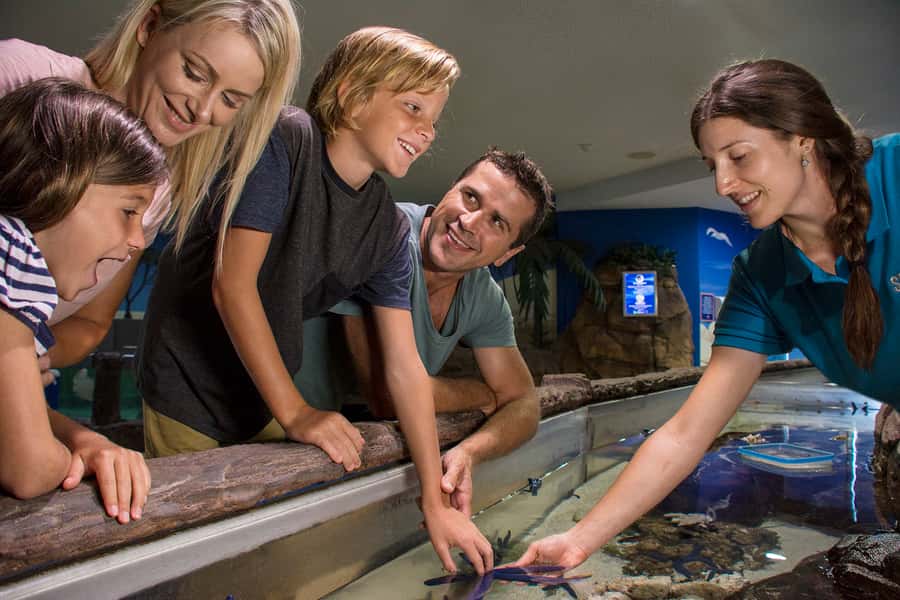
- Tidal Touchpool: a rare chance to touch sea stars and anemones plus learn what needs careful handling.
- Coastal Wreck Zone: a newer reef-style display focused on the critters living around coastal structure.
- Jellyfish Kingdom: see jellyfish with context about their very old evolutionary history.
- Freshwater billabongs: sawfish, barramundi, and pacu show that Queensland wildlife isn’t only saltwater.
SEA LIFE Sunshine Coast in Mooloolaba: what you’re really buying
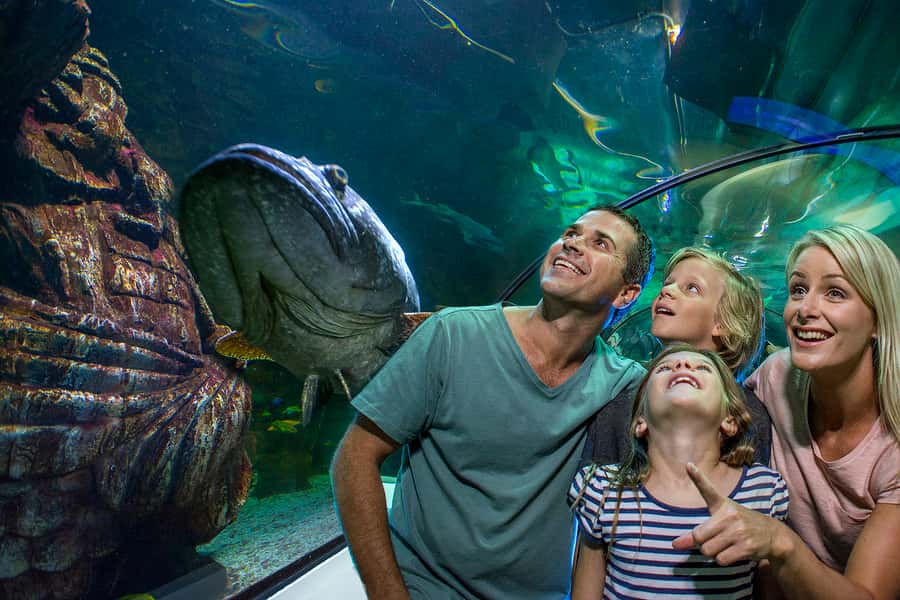
This ticket is straightforward: you’re paying for entry to SEA LIFE Sunshine Coast Aquarium and access to the aquarium’s main exhibition areas. At around $28 per person for a visit that typically runs 90 minutes to 2 hours, it’s designed for a hit of marine-life time without committing your whole day.
What makes it feel worth it (for the right traveler) is the mix of experiences. You get big-animal viewing—seals, otters, and even sharks are part of what you can expect—and you also get smaller, more tactile interactions like the Tidal Touchpool. Add the variety of themed zones (reef, wreck, jellyfish, and freshwater billabongs), and you’re not stuck in a single “wall of fish” moment for your entire visit.
The best value comes when you treat it like a route with stops, not a wandering loop. If you’re the kind of person who wants to read every sign, you’ll stretch your visit toward the upper end. If you want the highlights quickly and cleanly, 90 minutes can work.
You can also read our reviews of more tours and experiences in Mooloolaba.


Timing it right: last admission at 16:00 and crowd reality
SEA LIFE Sunshine Coast has last admission at 16:00 daily, which matters more than you might think. Arrive late and you’ll end up skipping sections you actually wanted to see, or spending your time moving through bottlenecks.
Also, the venue can feel overcrowded at busier moments, and you’ll notice it most in the most popular viewing areas. This isn’t a reason to avoid the aquarium—it just means you should plan smarter:
- Go earlier in your day if you can.
- If you’re traveling with a pram, expect limited turning space at busy exhibits and consider moving in shorter bursts between zones.
- If there’s a specific animal moment you care about most, decide that first so you don’t lose time.
I think that’s the key to enjoying any aquarium: don’t let the crowd dictate your plan. Use your ticket time as a tool.
Marine mammals and the main attractions: seals, otters, and sharks
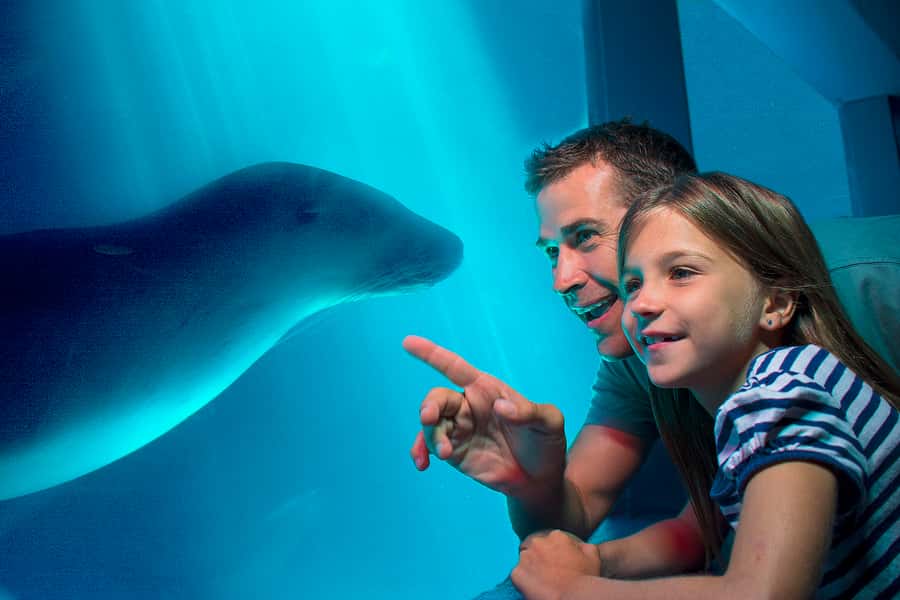
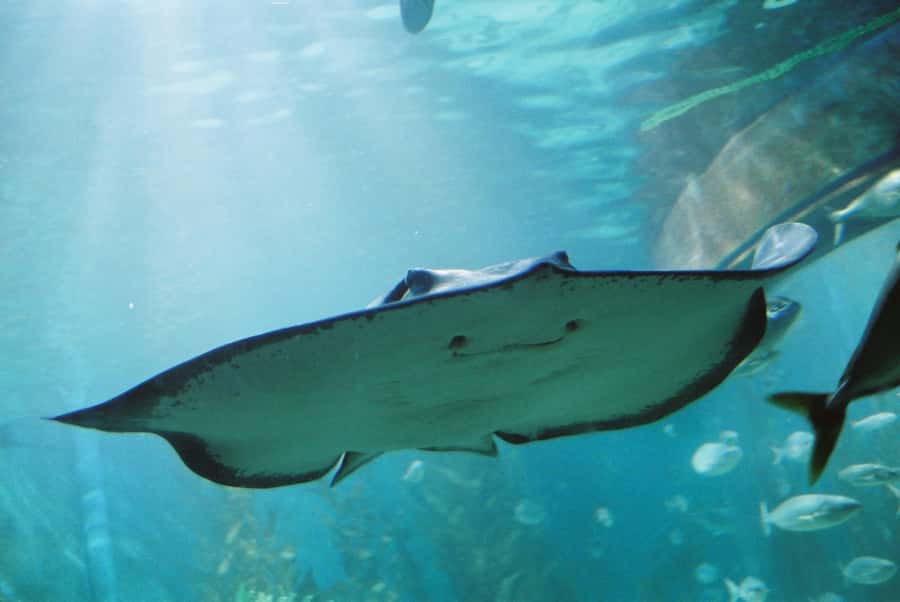
One of the strongest reasons to come is the chance to see marine mammals and bigger predators in one place. You can expect face-to-face style viewing with seals and otters, and sharks are included in the animal mix. That combination tends to satisfy both kids and adults because it hits different “animal interests” without you needing to pick just one exhibit.
If you like watching animals in motion, the larger-view areas give you that steady payoff. And if you’re hoping for the kind of moment where you stop and stare for a full minute, these are usually the zones that do it.
A practical note: the big viewing areas often become the crowd magnets. If you want breathing room, move quickly at first arrival, then return later for a second look once the initial flow shifts.
Seahorse Sanctuary and the Tidal Touchpool: hands-on learning
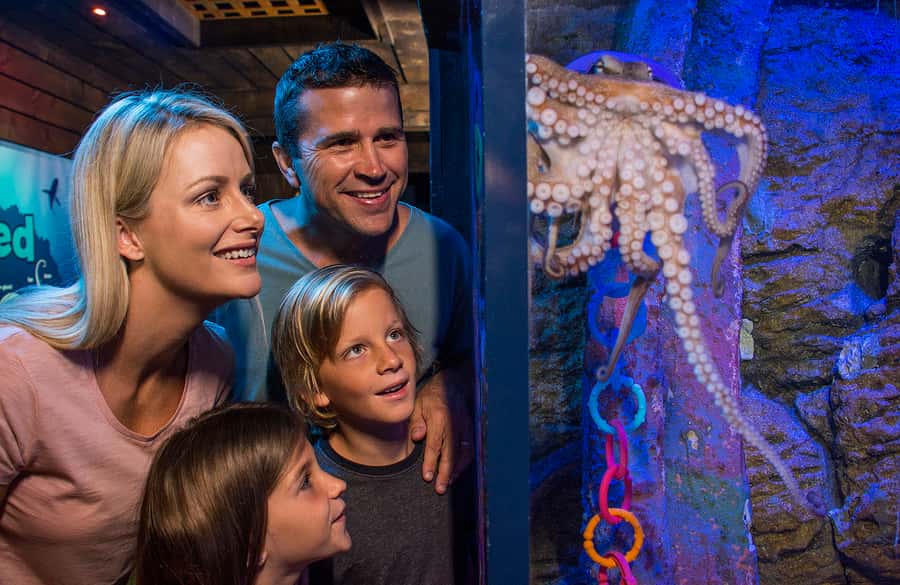
The Seahorse Sanctuary is a standout because it changes the vibe. Instead of rushing past large tanks, you get to slow down and focus on delicate movement—seahorses are famously not in a hurry, and the sanctuary format makes that feel intentional.
Then there’s the Tidal Touchpool, which is your hands-on moment. Here, you can touch sea stars and sea anemones, and you’ll also find sea cucumbers in the mix. It’s not just novelty. The point is to help you understand that these animals live in fragile systems. When you can make physical contact, you naturally pay more attention to how carefully they need to be treated—and what happens to reefs when ecosystems are stressed.
If you’re visiting with kids, this is often the part that turns a “yes, we went to an aquarium” day into a “we did an actual experience” day. If you’re visiting as an adult, it still works because it grounds the conservation messaging in something you can feel.
Pacific Reef and the Coastal Wreck Zone: reef fish plus reef structure
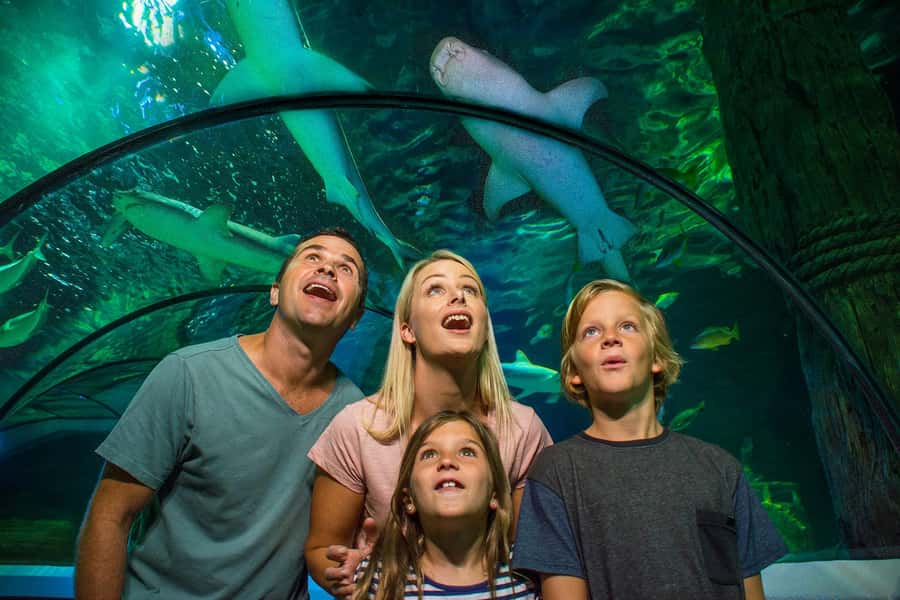
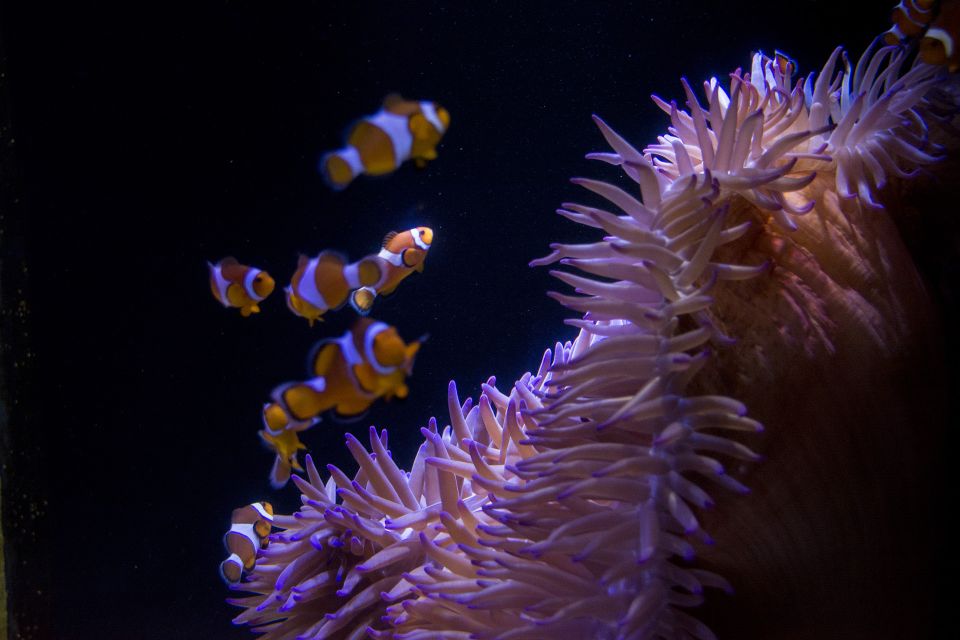
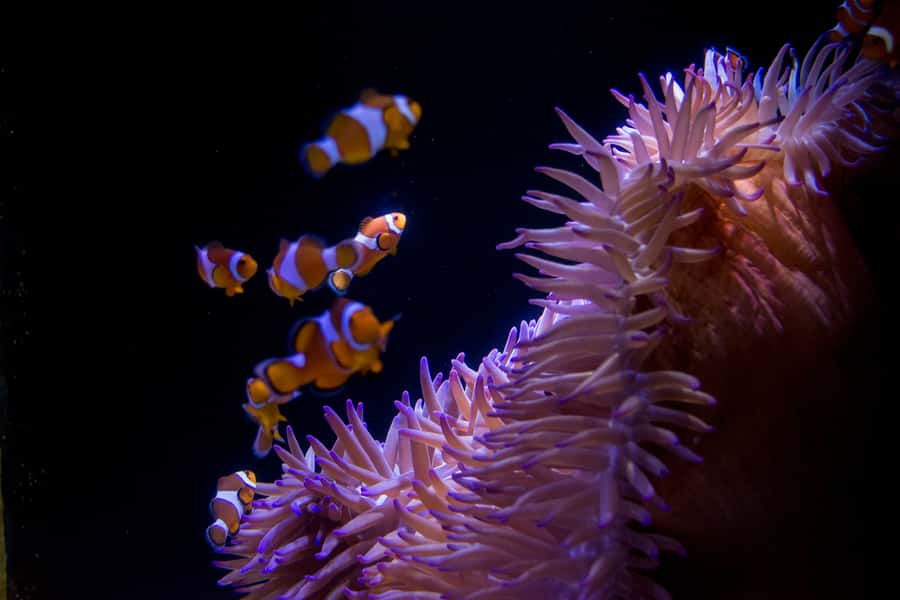
You’ll spend time in the Pacific Reef area, where the tank themes focus on reef-life characters like clown fish and sea anemones. This is a good stop if you want color and variety in one walking block. The way these zones are organized helps you build a mental picture of how reef animals coexist—coral gardens and host species aren’t just decorations; they’re the habitat.
Then comes the newer Coastal Wreck Zone, designed around reef critters that live near coastal structure. This is a clever theme because “wrecks” can sound scary or destructive, but the exhibit framing (critters that inhabit reefs) nudges you toward a more hopeful reality: marine life adapts, and habitat can form around man-made or broken structures.
I like this pairing because it gives you two angles:
- the reef proper (Pacific Reef)
- the reef-like habitat forming around coastal wreck structure (Coastal Wreck Zone)
If you only had time for one reef-themed area, I’d pick based on your mood—classic reef viewing for calm color, or the wreck zone if you like the idea of learning how ecosystems use structure.



Jellyfish Kingdom and the creepy-cool favorites: ancient history meets moray eels
The Jellyfish Kingdom is where you can learn that jellyfish aren’t just seasonal ocean decoration. You’ll see jellyfish presented with context about their ancestors being in the world for more than 650 million years. That fact does something surprisingly helpful: it turns a common aquarium animal into a bigger story about long-evolving survival.
Also keep an eye out for moray eels. They can look fierce, even when they’re simply doing their eel thing. Seeing them in a dedicated exhibit makes you appreciate how different reef predators have different styles—some are fast and obvious, others are more about stealth and shape.
These zones are a great break from the busier parts of the aquarium because they often encourage longer pauses. If you’re traveling with someone who likes weird animals, this is where you’ll win them over.
Queensland billabongs in freshwater: sawfish, barramundi, and pacu
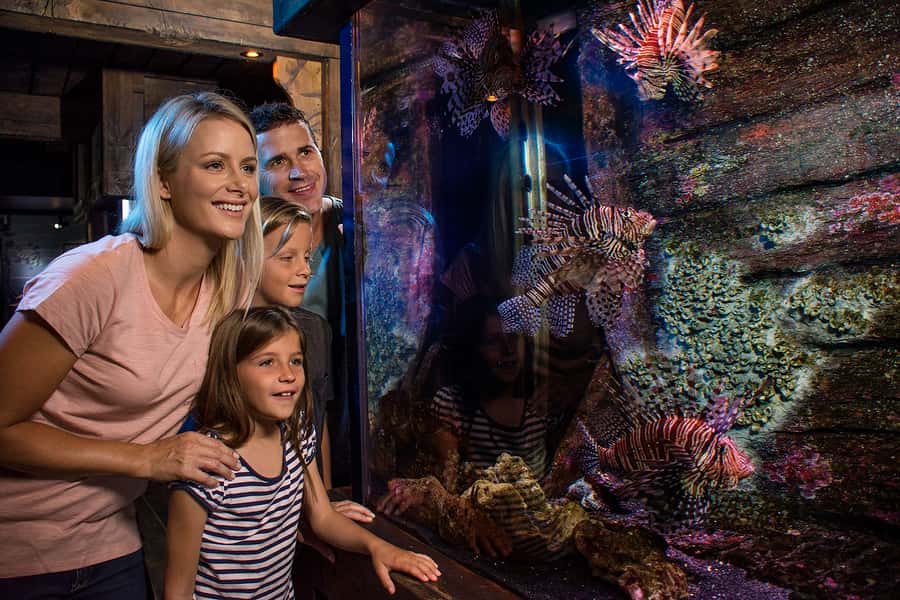
A lot of people assume an aquarium equals saltwater. SEA LIFE Sunshine Coast mixes it up with freshwater wildlife themes tied to Queensland billabongs. Expect animals like freshwater sawfish, barramundi, and pacu.
The pacu gets a special callout because it’s described as a cousin of the piranha. That kind of comparison makes it easier to remember what you’re seeing, and it’s a fun learning bridge for anyone who grew up hearing about piranhas.
This is also where the conservation angle becomes more grounded. Different habitats need different protection, and freshwater systems can be just as sensitive as coral reefs. Seeing freshwater wildlife in the same visit as reef animals helps you leave with a broader mental map of what “local marine life” includes.
Conservation lessons you’ll take home (without turning it into a lecture)
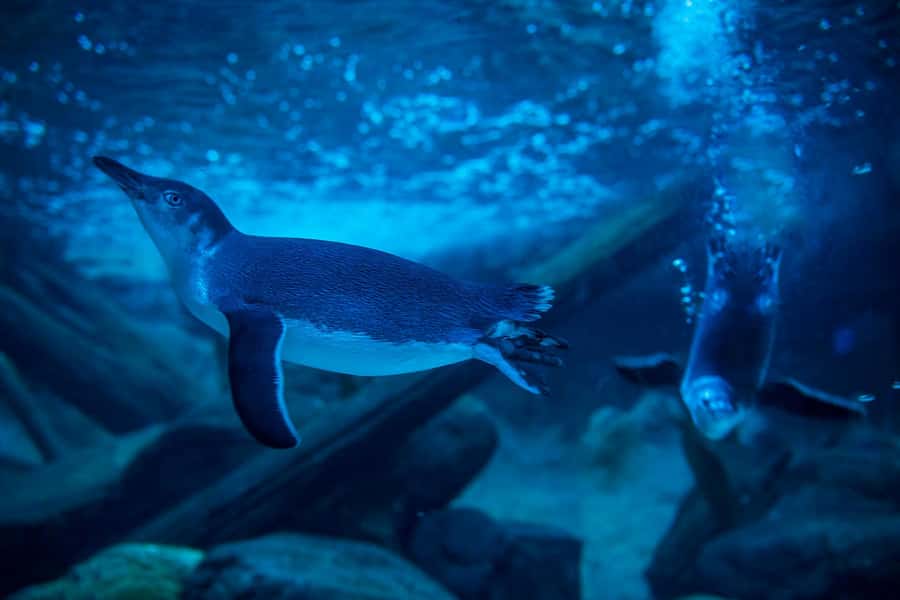
The aquarium doesn’t just label animals—it links what you see to why it matters. You’ll learn about projects to help protect the local environment, and you’ll hear about measures being taken to protect fragile ecosystems.
What’s valuable here is the balance. You’re not being bombarded with science homework. Instead, the exhibits guide you toward cause and effect:
- animals depend on their habitats
- habitats are vulnerable
- conservation work helps keep ecosystems functioning
I also like that the conservation messaging fits the building blocks of the aquarium itself. When you spend time in a touchpool, you naturally connect the care needed for animals to the need for habitat protection. When you see reef-themed areas and then freshwater billabongs right after, it reinforces the idea that conservation isn’t one-size-fits-all.
Price and value: is $28 per person a fair deal?
Let’s talk straight value. At about $28 per person, you’re buying a structured walkthrough of multiple themed exhibits over roughly 90 minutes to 2 hours. For that price to feel like a win, you need to care about marine life enough to stick around for more than the first couple tanks.
Here’s when I think it’s a good deal:
- You want variety in one visit (marine mammals, reef, jellyfish, and freshwater billabongs).
- You like hands-on moments like the touchpool.
- You need a plan that works well even on a partial travel day.
Here’s when it might feel like less value:
- You’re expecting a huge sprawling aquarium experience where you can wander for hours without overlap.
- You’re very sensitive to crowding and want lots of personal space at all times.
One more real-world detail: the venue can feel like it’s on the smaller side, and it may feel like it needs a refresh in places. That doesn’t ruin the experience, but it does shape what kind of expectations you should set.
Tips to make your visit smoother (and more fun)
I recommend you go in with a simple strategy. Decide your “must-see” zone first, then let the rest follow.
If you want the best shot at enjoying every highlight:
- Start with the exhibits that are most likely to get busy.
- Save the touch experiences for when you have a clear window to focus.
- Give yourself permission to pause in the slower zones like the Seahorse Sanctuary—that’s where the aquarium gets more calming.
And if you’re traveling with family: plan the day so you don’t rush the animals. Kids usually do better when there’s a rhythm—watch, touch (if allowed and available), then move.
Who this is best for on the Sunshine Coast
SEA LIFE Sunshine Coast works best for people who want a mix of entertainment and learning, without needing specialist knowledge. It’s especially good if you’re traveling with kids, because the combination of marine mammals and hands-on sea life tends to land well.
It also suits adult animal lovers who like themed exhibits and enjoy learning facts while they watch. If you enjoy “wow” moments, focus on the jellyfish zone, the eel display, and the reef/wreck areas.
If you’re someone who strongly prefers quiet spaces and tons of room, you’ll want to time your visit carefully and maybe adjust expectations about crowd space.
Should you book SEA LIFE Sunshine Coast entry?
I’d book it if you’re on the Sunshine Coast and you want one solid, family-friendly attraction that packs in many types of marine (and freshwater) animals in about 2 hours. The Coastal Wreck Zone, the Seahorse Sanctuary, and the Tidal Touchpool are the kinds of elements that make a normal aquarium visit feel more like a real experience.
I’d think twice if you hate crowds or you’re expecting a large-scale, spread-out venue. In that case, timing becomes everything, and you may want to treat it as a quick, highlight-focused stop rather than a long meander.
If you match the vibe—animal curiosity, hands-on curiosity, and a realistic sense of time—you’ll likely leave happy and a little more protective of the water back home.
FAQ
How long does the SEA LIFE Sunshine Coast entry ticket take?
Plan for about 90 minutes to 2 hours, depending on the time you spend in each zone.
Where is SEA LIFE Sunshine Coast located?
It’s in Mooloolaba on the Sunshine Coast in Queensland, Australia.
What’s included with the ticket?
Your ticket includes entrance to SEA LIFE Sunshine Coast Aquarium.
Is food included?
No, food and drinks are not included.
Do I need transportation to get there?
Transportation is not included, so you’ll need to arrange getting to Mooloolaba on your own.
What animals will I see?
You can expect marine animals including seals, otters, and sharks, plus seahorses, jellyfish, moray eels, and freshwater wildlife like sawfish, barramundi, and pacu. You’ll also see reef animals such as clown fish and sea anemones.
Can I touch animals?
You can touch sea stars and sea anemones in the Tidal Touchpool area.
Is there a last admission time?
Yes. Last admission is at 16:00 daily.
Can I cancel for a refund?
You can cancel up to 24 hours in advance for a full refund.
Is there a reserve now and pay later option?
Yes. You can reserve now and pay later to keep your plans flexible.