REVIEW · LONGREACH
Nogo Station Experience
Book on Viator →Operated by Outback Pioneers · Bookable on Viator
A wool shed, wildlife safari, and pioneer smoko in one morning. The Nogo Station Experience puts Longreach’s sheep-station world and Captain Starlight’s bush-camp story on the same route, with an early start that feels like you’ve stepped into the outback for real. I especially loved the shearing shed learning moment, plus the open-air feel of the open-top double-decker safari for eagle and animal spotting; the only real catch is that part of the day can feel a bit lighter if it’s not actively shearing when you go.
This is also one of those tours where the guides’ humor matters. You’ll get the working-station angle (sheep, cattle, horses) and the local history angle (Longreach heritage sites and Captain Starlight’s old stockyards) without it turning into a lecture. For $118.35 per person and a duration of about 3–4 hours, it’s a solid value if you want hands-on station life, not just a quick bus ride.
In This Review
- Quick hits
- A 7:45 am start that actually pays off in Longreach
- Longreach heritage first: you get the place before the animals
- The shearing shed and Merino wool: the working station part
- Open-top double-decker outback safari: spotting wildlife the smart way
- Captain Starlight’s stockyards and bush camp smoko
- Price and value: does $118.35 make sense?
- Planning your morning: timing, what to wear, and how to get the most
- Who this suits best (and who might want a different day)
- Should you book the Nogo Station Experience?
- FAQ
- Where is the Nogo Station Experience located?
- How long does the tour take?
- What’s the price per person?
- Is pickup offered?
- What wildlife can I expect to see?
- What happens at the shearing shed?
- Is there lunch included?
- Are there options for dietary requirements?
- How large are the groups?
- What’s the weather rule and cancellation plan?
Quick hits
- Longreach heritage tour guided by the Kinnon family host, with town stories as you travel
- Historic shearing shed + Merino focus, including sheepdog mustering when in action
- Open-top double-decker outback safari for wedge-tailed eagles and outback wildlife
- Captain Starlight bush camp recreation tied to the region’s pioneer past
- Billy-can lunch and billy tea served under gum trees (plan for flies on some days)
A 7:45 am start that actually pays off in Longreach
Longreach mornings move fast, and this tour uses that to your advantage. You start at 7:45 am and finish around 3–4 hours later, which means you still have the rest of the day to explore other parts of town or continue west.
I like that the schedule is built for energy, not waiting. You’re out before the heat really ramps up, and the wildlife-spotting window can feel better in that morning light.
Also, the group size is capped at 40 travelers. That’s small enough for your guide to keep the story flowing, but big enough that you’re not stuck in a tiny, awkward bubble.
You can also read our reviews of more tours and experiences in Longreach.
Longreach heritage first: you get the place before the animals
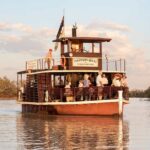
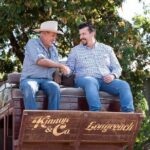
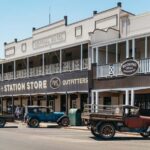
The day begins with a guided tour of Longreach’s heritage sites, led by a host from the Kinnon family. This matters because the station story makes more sense when you’ve already heard how the region grew—who shaped it, what jobs existed, and why wool and land mattered so much here.
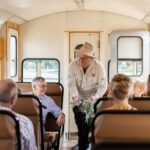
On top of that, you’ll get a tour-capable driver who knows the area well. In some cases you’ll be guided by people like Duncan (bus driver and host) and Jeremy (guide/host), who bring a steady stream of local detail and humor so the ride doesn’t turn into background noise.
Think of this first segment as setup. By the time you reach the working station elements, you’ll understand the terms and roles without needing to Google anything mid-tour.
The shearing shed and Merino wool: the working station part
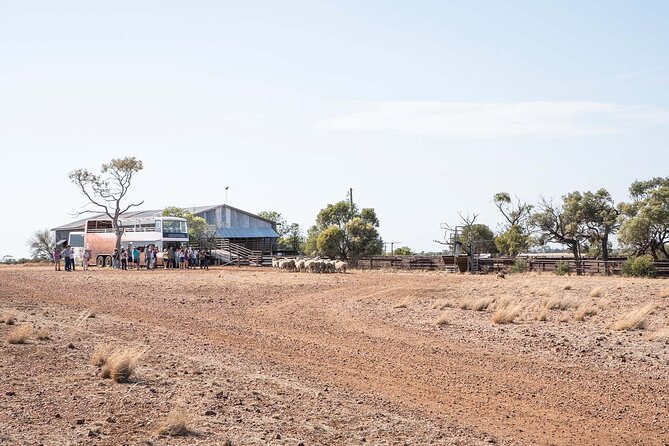
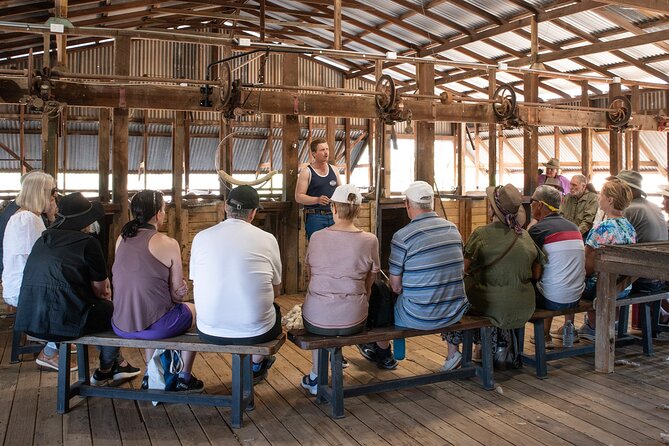
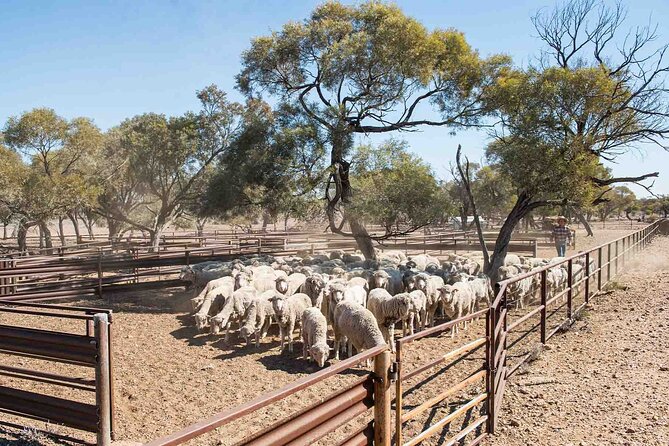
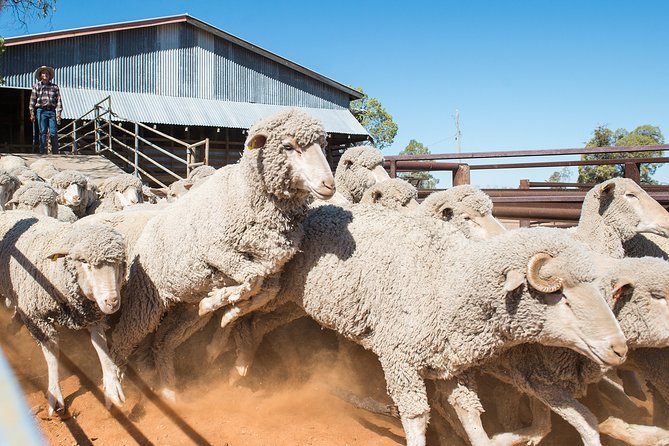
This is the heart of the experience. You step into Nogo Station’s historic shearing sheds, where the focus stays on what makes sheep stations work day to day—especially wool production.
If shearing is underway that day, you’ll likely see a live operation and it really changes the feel. One guest experience described being fortunate to catch the shearing team in action, and that’s a big part of why this stop scores so high. Even if you don’t see active shearing, the explanation of the station routine and the role of Merino wool is the core learning moment.
One detail I’d watch for: sheepdog work. A skilled dog mustering the flock is more than a spectacle—it shows how daily station life depends on trained animals and tight teamwork. It’s also a good reminder that this is not “farm photos for tourists.” It’s labor, repeated and refined.
Possible drawback: if it’s not shearing at the time of your visit, the shed stop can feel more like historical context than a live operation. You’re still getting the story, but your best-case day includes the action.
Open-top double-decker outback safari: spotting wildlife the smart way
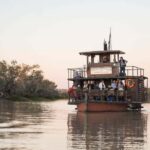
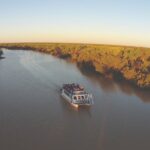
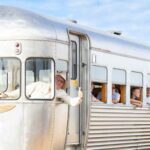
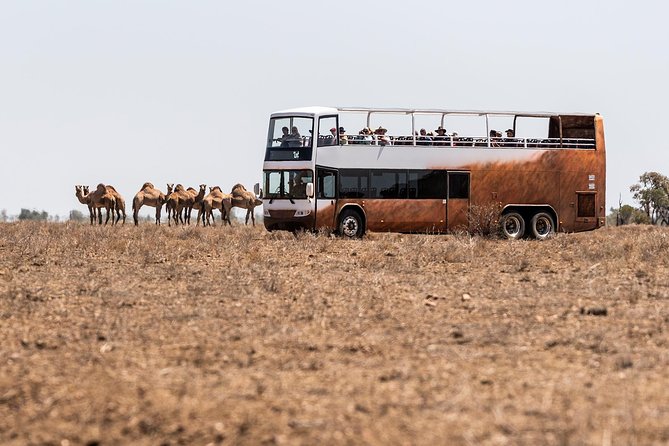
After the shed, you head out on an open-top double-decker safari across the outback plains. This is where the tour turns scenic and playful, while still anchored in station life.
The key promise here is wildlife spotting—particularly wedge-tailed eagles and animals tied to the outback landscape. You may see kangaroos, desert camels, and wild donkeys, and you get that wide-angle view that closed vehicles simply can’t provide.
Practical tip: stay present and look up as much as you look ahead. Eagles are the kind of bird that can appear overhead before you realize you’re searching in the wrong direction. The open top makes it easier to track movement, especially when your driver calls out sightings.
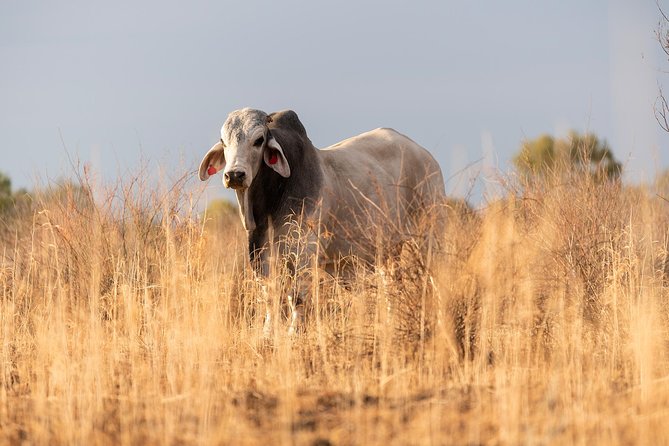
You’ll also pass by farming and stock elements, including cattle breeds you may notice from the route. That keeps the safari from feeling like a generic “spot animals from a bus” outing.
Captain Starlight’s stockyards and bush camp smoko
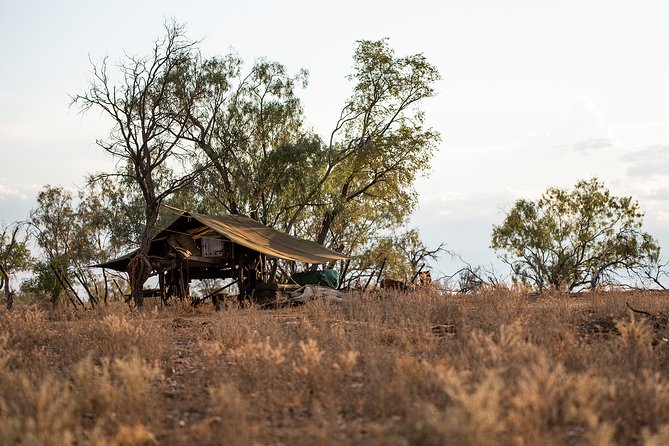
Next comes the pioneer-style part, and it’s a memorable tonal shift. You visit a recreation of Captain Starlight’s camp, tied to the region’s early characters and the old routines of station living.
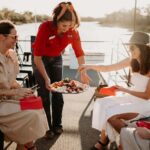
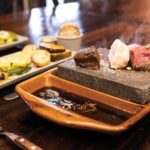
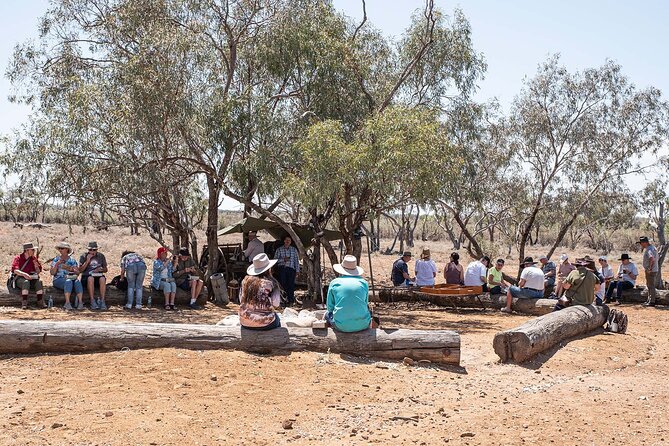
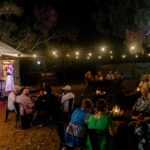
The setting is also part of the experience. Your stop includes a traditional Billy-can lunch and billy tea under the shade of gum trees. It’s the kind of meal that feels simple, but the format makes it more fun and more authentic than grabbing lunch after the fact.
Expect it to be relaxed and social. You’re not rushing between photo points; you’re sitting with the story and letting the outback air do its job.
One realistic consideration: flies can show up, especially around food. If you’re sensitive, bring a hat and consider light coverage for your face and arms. The shade is great, but the insects can be part of the station atmosphere.
Price and value: does $118.35 make sense?
At $118.35 per person, this isn’t a bargain-basement activity. Still, it’s priced like a hands-on, multi-part experience—and it earns that label.
Here’s what you’re actually paying for:
- A guided Longreach heritage segment with a local family host
- A shearing sheds experience with Merino wool education and sheepdog action when in season
- An open-top double-decker safari across the plains
- A Billy-can lunch and billy tea at Captain Starlight’s recreated camp
When a tour includes transportation, a specialized station stop, and food baked into the morning, the per-hour math starts looking fair. Add in the small-ish group size (max 40) and the strong guide quality that comes through in day-to-day storytelling, and the value becomes clearer.
The main reason to second-guess the price is if you mainly want wildlife thrills and don’t care much about station history. If that’s you, this could feel like more “learning stops” than “pure safari.” If you like understanding how people worked with the land, it clicks.
Planning your morning: timing, what to wear, and how to get the most
This tour runs in the morning and lasts about 3–4 hours, starting at 7:45 am. That timing is a gift if you want better light for spotting wildlife and a calmer day overall.
Wear for the weather you’ll actually face. The experience is weather-dependent, so on a hot or buggy day, light layers and a hat help. On cooler mornings, you’ll be glad you brought something warm enough for the early start.
Also, bring a practical mindset for meals outdoors. The lunch is part of the experience, but it’s served outside and you may deal with insects at the gum trees. Plan to keep your snack and plate routine simple and quick.
Finally, if you have dietary needs, you should request it in your booking notes. The tour explicitly asks you to list dietaries ahead of time.
Who this suits best (and who might want a different day)
This is for you if you want:
- A working station view of outback life, not just a wildlife drive
- A clear focus on sheep, Merino wool, and station operations
- Stories tied to real characters and local place names like Captain Starlight
- A morning that mixes education with a genuine outback feel
It’s also ideal for people who like guides who tell stories well. Multiple highlights point to hosts like Jeremy bringing humor and strong communication, and drivers like Duncan adding local knowledge during the ride.
If you’re traveling with someone who gets bored by history stops, you’ll still have the open-air safari and lots of animal chances—but the shed and camp segments are a big part of the experience, so it helps to have at least some curiosity about station life.
Should you book the Nogo Station Experience?
I’d book it if you’re looking for a well-paced outback morning where you learn how sheep stations run and then get rewarded with wide views, eagle-watching chances, and a pioneer-style meal. The combination of historic shearing sheds, an open-top safari, and Captain Starlight’s camp is a rare mix in one outing.
I’d hesitate only if you’re mainly after wildlife and you don’t care about station history, or if you’re visiting during a period when you worry there won’t be active shearing. In that case, you’ll still get the storytelling and the Merino shed context, but your best day includes the live station action.
Bottom line: if you want Longreach to feel alive—wool, wildlife, and pioneer culture in one morning—this is a strong pick.
FAQ
Where is the Nogo Station Experience located?
It’s based in Longreach, Australia, and the tour starts at 7:45 am.
How long does the tour take?
The tour runs for about 3 to 4 hours.
What’s the price per person?
The price is $118.35 per person.
Is pickup offered?
Yes, pickup is offered.
What wildlife can I expect to see?
The experience highlights include chances to see desert camels, wild donkeys, kangaroos, and wedge-tailed eagles.
What happens at the shearing shed?
You’ll visit Nogo Station’s historic shearing sheds and learn about the Merino wool industry, with sheepdog activity described as part of the shed experience.
Is there lunch included?
Yes. You get a traditional pioneer-style Billy-can lunch and billy tea under the gum trees at Captain Starlight’s camp.
Are there options for dietary requirements?
If you have dietaries, you can list them in the notes when booking.
How large are the groups?
The tour has a maximum of 40 travelers.
What’s the weather rule and cancellation plan?
The tour requires good weather. If it’s canceled due to poor weather, you’ll be offered a different date or a full refund. You can also cancel for a full refund up to 24 hours before the experience starts.