REVIEW · YULARA
Kata Tjuta: Valley of the Winds Circuit Hike
Book on GetYourGuide →Operated by SEIT · Bookable on GetYourGuide
You come for the scenery, then you stay for the story. This Valley of the Winds circuit at Kata Tjuta pairs up-close red-rock formations with a guide-led explanation of natural and cultural history, and you also get morning tea to reset your brain before the walk. One heads-up: it is a proper, challenging hike and it’s not a fit if you have mobility issues or a low fitness level.
The pacing is built around getting you from the resorts out to Kata Tjuta, then into a several-hour circuit on foot with a focus on what you’re seeing. You’ll also hear European history threads that many people miss when they only think about the famous sites.
Before you book, check your shoe situation and your water plan. You’ll be out in the sun for hours, and the tour isn’t set up for wheelchair access or for people with certain medical constraints.
In This Review
- Key things I’d plan around
- Kata Tjuta’s Valley of the Winds: what makes this circuit special
- The 5-hour format: transfers, van time, and the real hiking window
- Getting the “why” behind the rock: your guide’s natural history lessons
- The hike itself: red-rock domes up close, plus a sacred men’s area component
- European history, explained in the landscape
- Morning tea and light refreshments: a real pause before you’re done
- What to bring: the basics that keep you comfortable
- How hard is it, really: who this hike fits and who should skip it
- Price and value: is $176 worth it?
- Should you book the Kata Tjuta Valley of the Winds circuit hike?
- FAQ
- How long is the Kata Tjuta Valley of the Winds circuit hike?
- Is the hike at Kata Tjuta guided?
- What is included in the price?
- What is not included?
- How long is the hiking portion?
- Do I get hotel pickup and drop-off?
- What should I bring?
- Is this tour suitable for children?
- Is the tour wheelchair accessible?
- Are there any restrictions like smoking?
Key things I’d plan around
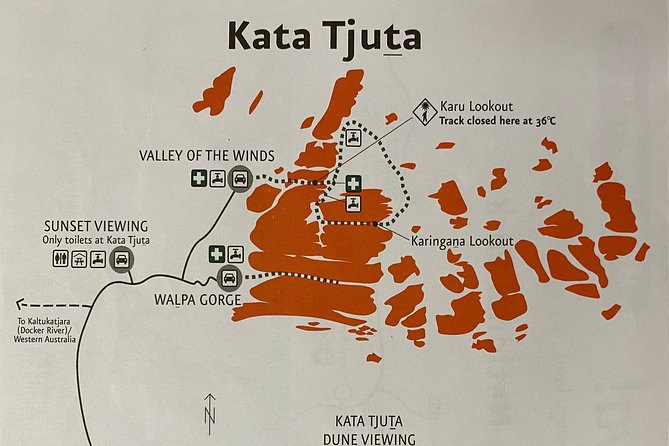
- A 5-hour outing with hotel transfers, then a focused stretch of hiking time on foot
- Red-rock, up-close geology as the main event, not a quick photo stop
- Small-group feel with time for questions and personalized attention
- Cultural context included, including a sacred men’s area element and European history
- Morning tea and light refreshments served during the experience
- Flora and fauna spotting guided by what your guide wants you to notice
Kata Tjuta’s Valley of the Winds: what makes this circuit special
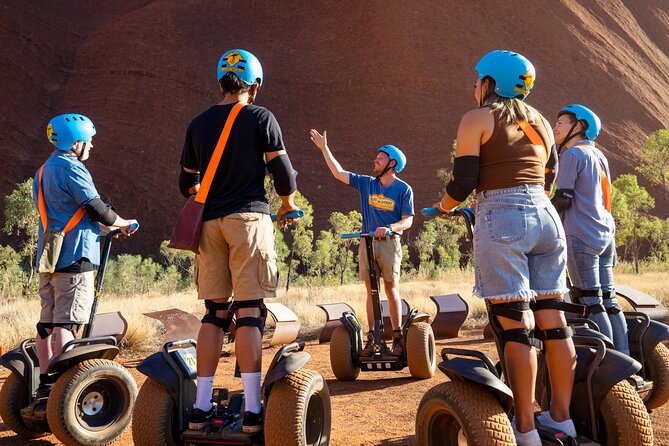
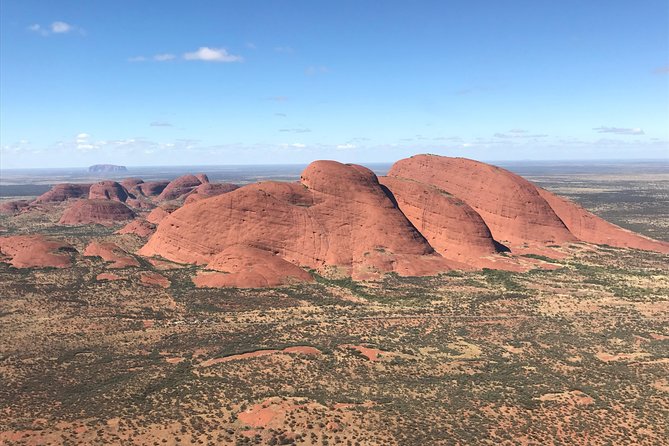
Kata Tjuta’s domes look like they’ve been carved by time and heat. The Valley of the Winds circuit is the way to see that in motion, with the landscape filling your peripheral vision from multiple angles rather than staying “over there in the distance.”
What I like most is how the hike is treated like a lesson you can walk through. You’re not just staring at rock. Your guide points out what’s going on in the natural world around you, and you get cultural context along the way. It makes the red rock feel less like wallpaper and more like a place with meaning.
I also appreciate the practical realism: you’re given morning tea and light refreshments. In the Australian outback, that kind of pause matters. It’s not a luxury add-on, it’s part of keeping you functional for the rest of the walk.
The one consideration is physical. This is described as a challenging walk between giant geological formations, and it’s specifically not suitable for mobility impairments or low fitness levels. If you’re unsure, treat the hike as a workout first and a sightseeing stop second.
You can also read our reviews of more hiking tours in Yulara
The 5-hour format: transfers, van time, and the real hiking window
This tour runs about 330 minutes total, so roughly five-and-a-half hours in real time, door-to-door. Expect a van transfer component before you start hiking, and then time at Kata Tjuta for the walk itself.
Here’s how the schedule feels in practice:
- You get picked up from one of several locations around the Uluru area, then ride out by van.
- At Kata Tjuta, you’re guided through the hike for about three hours.
- After that, you return to your pickup zone for drop-off.
Why this matters: if you’re the type who hates being “stuck” in transport, you’ll want to mentally budget that van time. On the other hand, if you’d rather not deal with logistics, the included transfers to and from your hotel are a real convenience. You show up, lace up, and go.
Also note: start times vary based on availability. If you’re trying to line up your day with Uluru sunsets or other hikes, leave some breathing room so you’re not sprinting across the outback on pure optimism.
Getting the “why” behind the rock: your guide’s natural history lessons
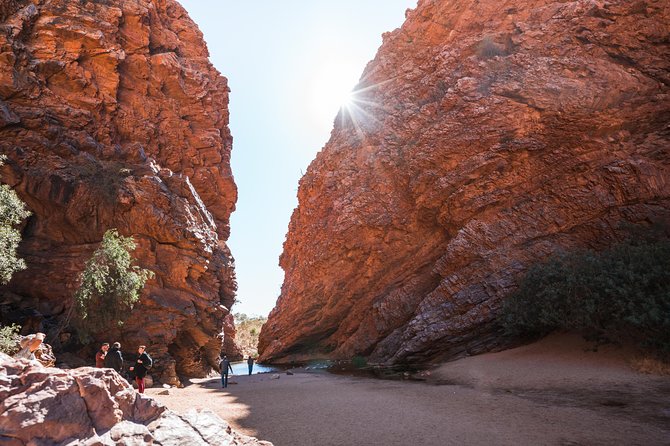
A guided hike only works if the guide makes what you’re seeing click. This one is built for that. You’ll learn the natural and cultural history of Kata Tjuta during the walk, with your guide pointing out details you might otherwise miss.
From what you can expect on the ground, your guide will focus on:
- The geological story of Kata Tjuta’s domes and the way the landscape shapes the hike
- How to read the plants in the area, including what to look for and why it’s there
- A diverse range of flora and fauna, with guidance on what’s worth spotting
Names you might hear from guides in this program include Jackie and Ali, both noted for strong guiding and for answering questions. You should plan to ask things. This is the kind of tour where questions make the scenery make more sense.
One more practical benefit: when the group is small, you get more chances to pause without the schedule collapsing. That’s especially useful on uneven terrain where your eyes keep going back and forth between footing and view.
The hike itself: red-rock domes up close, plus a sacred men’s area component
This circuit is all about being physically close to those famous red formations. Expect a walk between giant geological structures that frames the domes like walls, not like distant scenery.
A few things to know, since “Valley of the Winds” sounds poetic but the walk is still a walk:
- You’ll be outside for hours, on paths that require comfortable footwear.
- The route is described as challenging, so plan to pace yourself rather than treat it like a speed run.
You’ll also be taken through what’s described as a sacred men’s area. That matters. The tour isn’t only about rocks and photos. It’s also about respecting the cultural setting, and understanding that this place has significance beyond tourism.
How to make this part of the experience land:
- Slow down on the spots your guide highlights, even if you’re tempted to keep moving for better photos.
- Listen for both the natural explanations and the cultural ones. The best moments happen when the landscape and the meaning are tied together.
European history, explained in the landscape
Many people visit Australia’s Red Centre with their mental map stuck on Indigenous culture, which is huge and rightfully central. This hike adds a second layer: European history of the region, woven into what you’re seeing.
That’s valuable because it gives you a bigger timeline for the place. You start to notice how different periods of history overlap in the same terrain. It also helps you connect what you see on the ground to what people later tried to understand, measure, or interpret in the region.
Keep expectations realistic: this isn’t a museum lecture that turns the day into classroom time. It’s still a walk. The history is likely delivered in manageable pieces so you stay with the landscape instead of zoning out.




Morning tea and light refreshments: a real pause before you’re done
This tour includes morning tea and light refreshments. In a hot, dry environment, breaks like this are not just nice. They help prevent the classic outback mistake: “I feel fine” turning into “Why am I crashing?”
If you want to get the most out of the rest of the hike:
- Drink some water at the break, even if you don’t feel thirsty yet.
- Eat lightly, not heavy. You want energy, not a food coma.
- Use the stop to re-check sunscreen and your hat situation.
It also changes the tone of the morning. Instead of walking for three hours straight with no break, you get a built-in moment to slow down, take in the red rock again, and then continue with better focus.
What to bring: the basics that keep you comfortable
The tour is clear about what to bring, and I agree with the logic. Wear comfortable shoes you trust on uneven ground, and bring enough water to stay steady.
Pack:
- Comfortable walking shoes
- Sun hat
- Sunscreen
- Water
One more tip I’d add based on how these hikes usually go in the Red Centre: keep your items easy to grab. The last thing you want is to fumble for sunscreen after you’ve already started sweating through your day.
Not allowed: smoking. (That one is common on organized tours, and it’s a good rule in sensitive, dry environments.)
How hard is it, really: who this hike fits and who should skip it
This is not a casual stroll. It’s listed as not suitable for people with mobility impairments or a low fitness level, and it’s also not wheelchair accessible.
The “not suitable” group is spelled out clearly:
- Children under 5 years
- People with back problems
- People with mobility impairments
- People with respiratory issues
- People with pre-existing medical conditions
- People with low level of fitness
Here’s the practical way to decide:
- If you can handle a challenging walk for a sustained period on your own, you’ll likely enjoy this.
- If you’re unsure you can stay comfortable on uneven terrain, this is the moment to choose a gentler option. Sun exposure plus exertion is a combo you don’t want to fight.
If you do go, plan to pace yourself. The goal is to enjoy the place, not conquer it. A guided hike should make you see more, not force you into survival mode.
Price and value: is $176 worth it?
At $176 per person, you’re paying for more than just hiking. You’re getting:
- A live English guide
- Transfers to and from your hotel
- The guiding portion of the experience at Kata Tjuta
- Morning tea and light refreshments
- A small-group style format (with the bonus of personalized attention)
You’re also not paying for the Uluru Kata Tjuta National Park entry ticket, which you’ll need separately.
So is $176 fair? For a guided, small-group hike with hotel transfers and included refreshments, yes, it lines up with what organized experiences cost in this area. The value is highest if you want the cultural/natural context and you don’t want to manage transport on your own.
It’s lower value if you’re the type who hates group schedules or you’re mostly there for quick photos. In that case, you might feel the time cost more sharply.
Should you book the Kata Tjuta Valley of the Winds circuit hike?
Book it if you want a guided hike that treats Kata Tjuta as more than a photo backdrop. The mix of red-rock proximity, a challenging circuit, and real explanations about natural history, plants, and cultural context is the recipe here. If guides like Jackie or Ali are assigned on your day, you should feel good about the quality of the experience.
Skip it if any of these are true:
- You’re not confident you can manage a challenging walk for about three hours
- You need wheelchair-friendly access (this isn’t set up for that)
- You have respiratory issues, significant back problems, or other medical constraints listed as not suitable
If you’re fit enough and you want meaning with your views, this is a strong way to spend half a day in Australia’s Red Centre.
FAQ
How long is the Kata Tjuta Valley of the Winds circuit hike?
The tour duration is about 330 minutes, or roughly five and a half hours including transfers.
Is the hike at Kata Tjuta guided?
Yes. It’s a live guided tour with an expert guide, and the tour is conducted in English.
What is included in the price?
The tour includes morning tea and light refreshments, an expert guide, transfers to and from your hotel, and optional language audio if you request it.
What is not included?
You need to arrange the Uluru Kata Tjuta National Park entry ticket separately.
How long is the hiking portion?
The hiking time at Kata Tjuta is listed as about 3 hours.
Do I get hotel pickup and drop-off?
Yes. There are multiple pickup and drop-off options at hotels and lodges in the Ayers Rock Resort area.
What should I bring?
Bring comfortable shoes, a sun hat, sunscreen, and water.
Is this tour suitable for children?
It is not suitable for children under 5 years.
Is the tour wheelchair accessible?
No. It is not wheelchair accessible and is not suitable for people with mobility impairments.
Are there any restrictions like smoking?
Smoking is not allowed during the tour.