REVIEW · MELBOURNE
Old Stories of Melbourne’s Chinatown
Book on Viator →Operated by Melbourne Historical Crime Tours · Bookable on Viator
Melbourne’s Chinatown hides case files in plain sight. This Old Stories of Melbourne’s Chinatown walk turns the lane-and-shop feel of today into a crime timeline from the c.1850s through the 1950s, using a tour booklet packed with character images and original-looking police police-drawn maps. I like how the guide’s work is grounded in old records, not guesses.
You’ll hear about opium raids, illegal gambling, speakeasies, blackmail, gang conflict, and even police corruption. One thing to consider: the theme is crime-focused, and you may want to plan on something light afterward since snacks are not included.
In This Review
- Key points I’d circle before you book
- Melbourne Chinatown’s hidden angle: crime, not just culture
- The 2-hour walk: from 199 Russell St to 106 Little Bourke St
- Your free booklet: police maps, character photos, and seized evidence
- Opium raids and illegal gambling: how the police shaped Chinatown’s reputation
- Speakeasies, raids, and the everyday drama behind the headlines
- Blackmail, gang war, and police corruption: the messy power behind enforcement
- Price check: is $35.86 a fair deal for 2 hours?
- Who this tour suits best (and who might want a different one)
- Should you book Old Stories of Melbourne’s Chinatown?
- FAQ
- How long is the Old Stories of Melbourne’s Chinatown tour?
- Where does the tour start and end?
- What is included in the price?
- Is a mobile ticket provided?
- What time does the tour run?
- How big is the group?
- What is the cancellation policy?
- Are service animals allowed?
Key points I’d circle before you book
- A police-evidence style tour from the 1850s to the 1950s, centered on Chinatown
- Free tour booklet with photos, police-drawn crime maps, and evidence-style items
- Stories of opium, gambling, raids, blackmail, gang war, riots, and corruption
- A small group size (max 25) for a more conversational feel
- Two hours of walking that starts at 199 Russell St and ends at 106 Little Bourke St
- Mobile ticket plus a nearby public transport stop, so getting there is usually painless
Melbourne Chinatown’s hidden angle: crime, not just culture
Old Stories of Melbourne’s Chinatown isn’t a standard “how people lived” tour. It’s a neighborhood story told through trouble: raids, gambling crackdowns, blackmail, and the shadowy side of authority. The time span matters, too. You’re looking at the evolution of Chinatown from the c.1850s through the 1950s, not just one era.
That long arc also helps you read what’s still on the street. Melbourne’s Chinatown is the longest continuous Chinese settlement in the Western world, and a high percentage of the older buildings still exist. So when the guide talks about what police were chasing, you can connect it to the physical setting around you. You’re not just hearing theories; you’re getting a reason to notice doors, alleys, and historic storefront frontages as part of a much messier past.
I like tours that make you look twice at familiar streets. This one does that by turning everyday architecture into clues.
You can also read our reviews of more tours and experiences in Melbourne.


The 2-hour walk: from 199 Russell St to 106 Little Bourke St
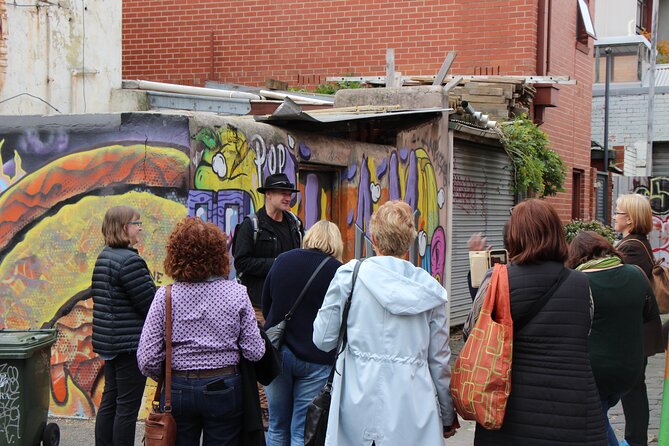
The tour runs about 2 hours. It starts at 199 Russell St, Melbourne VIC 3000 at 2:00 pm, and it ends at 106 Little Bourke St, Melbourne VIC 3000. That matters because it shapes how you plan the rest of your afternoon. You’ll be finishing right in the Chinatown core, close to more places to eat and wander on your own.
Logistically, this is designed to be easy to slot into a sightseeing day. You get a mobile ticket, you’ll be near public transportation, and the group max is 25, so you’re not stuck behind a wall of people. Service animals are allowed, and the tour states that most travelers can participate, so it’s built for a broad range of visitors.
Practical tip: since snacks aren’t included, I’d treat this like an “active street time” plan. If you snack before you go, you’ll enjoy the story more and you won’t be thinking about food mid-way.
Your free booklet: police maps, character photos, and seized evidence
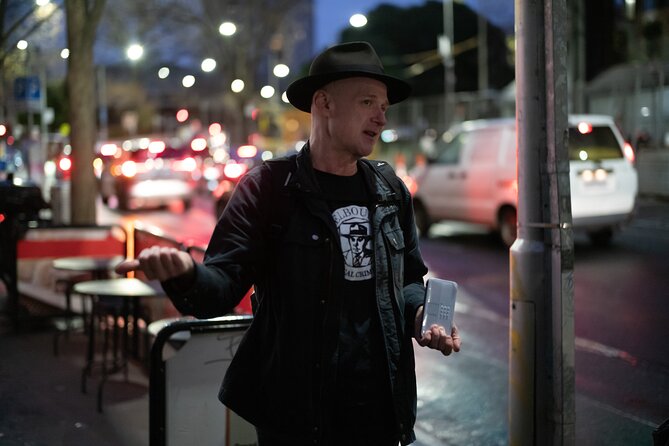
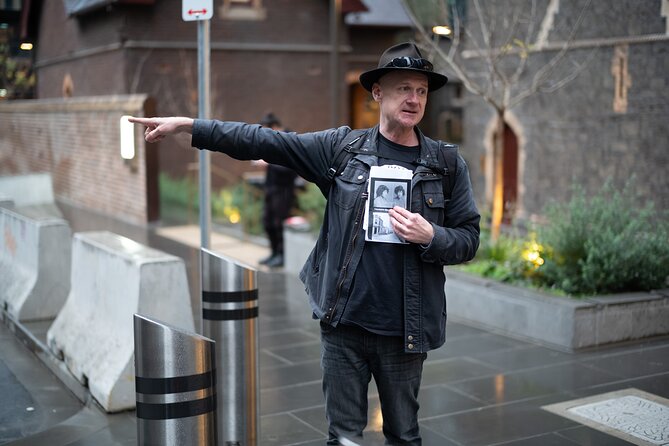
One of the best parts of this experience is the free tour booklet. You don’t just get a handout with basic text. The booklet includes photos of the characters discussed, original police-drawn crime maps, and images tied to confiscated gambling paraphernalia and other evidence from 100+ years ago.
Why that’s valuable: it gives you something to anchor the stories. When you hear a name, a case, or a pattern of raids, the booklet helps you keep it straight. The police-drawn maps also do more than look official. They help you picture how law enforcement viewed the area, and that point of view can change how you read the streets in front of you.
I also like that the booklet is tangible memory. After the 2 hours, you’re not left with only an impression. You can flip back through the pages later, especially if you keep thinking about certain parts of the story when you’re exploring the neighborhood on your own.
Opium raids and illegal gambling: how the police shaped Chinatown’s reputation
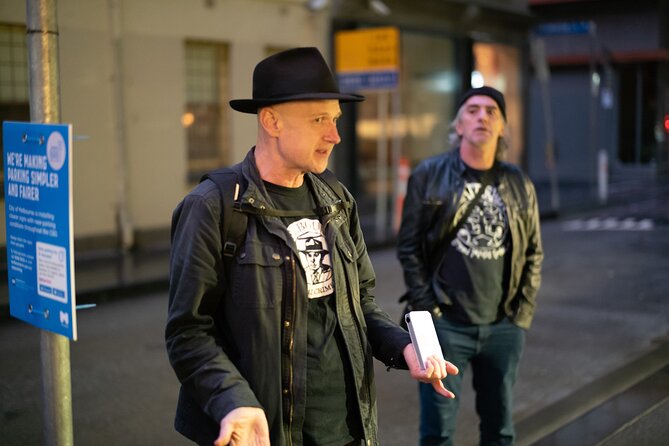
This tour leans hard into the conflict between business and the law. You’ll hear about police raids for opium and illegal gambling, plus the underground side of nightlife like speakeasies. The stories aren’t just one-off drama either. They reflect recurring enforcement pressure and a place where illegal activity wasn’t something hidden in another city. It was happening close to where people worked, socialized, and did daily business.
You’ll probably notice a pattern in how the guide tells it: enforcement isn’t portrayed as clean and simple. Instead, it comes across as a series of operations with motives, risks, and consequences. That’s where the police-style material in the booklet becomes useful. When you see crime maps and evidence items alongside the narration, the stories feel more grounded than rumor.
If you enjoy crime-scene logic—how authorities responded, how networks formed, how crackdowns played out—this tour fits that mood well. If you prefer your travel history free of lawbreaking detail, you might find the subject matter a bit intense.
Speakeasies, raids, and the everyday drama behind the headlines
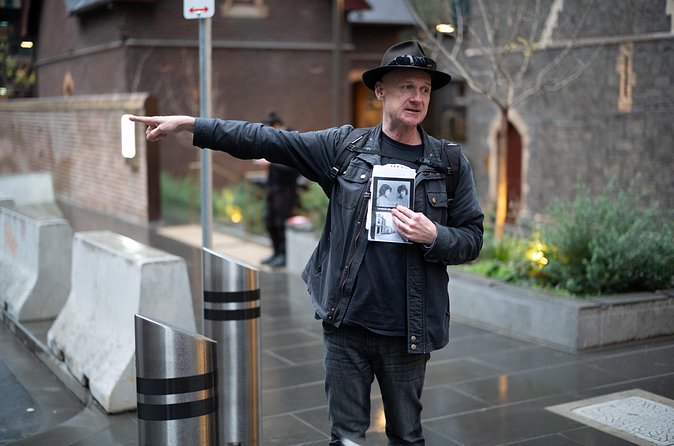
The underground world described here includes gambling and speakeasies, which are the kind of topics that can sound like generic old myths if told casually. This tour gives them structure by tying them to specific characters and case evidence through the booklet. You’re not only hearing what happened. You’re getting a sense of who was involved and how police connected the dots.
This is where the guide’s preparation really shows up in the experience format. The tour information says the guide has been researching Melbourne’s Chinatown through original police files for over 15 years. In practice, that kind of preparation usually means fewer vague claims and more precise storytelling. And one small clue from the experience descriptions: the tone is said to be very descriptive, with details that paint a clear picture of the early days in the area.
For you, that translates to a tour that feels like a walking case study. You’ll likely keep thinking about the difference between what the street looks like today and what it represented back then.



Blackmail, gang war, and police corruption: the messy power behind enforcement
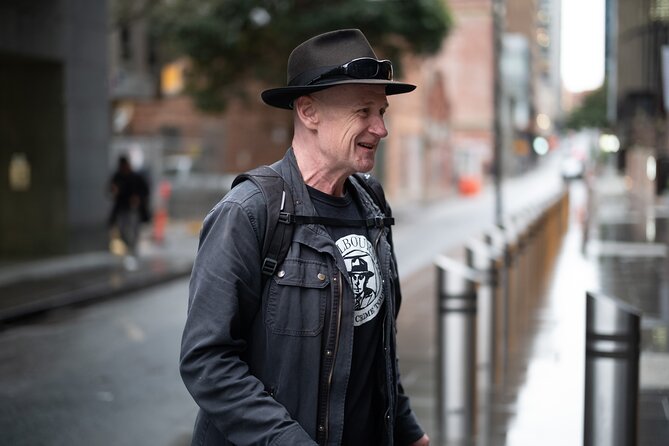
As the tour moves forward, it doesn’t stay in the “police versus criminals” lane. You’ll hear stories of blackmail, gang war, riots, and police corruption. That’s not a random add-on. It’s part of what makes the Chinatown story feel real.
Here’s the travel value: history gets more interesting when you understand that institutions can bend, not just people. Police corruption changes the stakes of every raid and every case. Blackmail and gang conflict add pressure on relationships and influence. Riots suggest that enforcement and community tension weren’t always resolved quietly.
I like tours that don’t sanitize. This one, based on the way the topics are presented, is willing to show that the law wasn’t always the calm, unbiased force you might wish it were. It also makes you think about how people survived inside an unstable system.
If you’re expecting light humor throughout, this isn’t built like that. It’s built to explain the pressure points that shaped the neighborhood.
Price check: is $35.86 a fair deal for 2 hours?
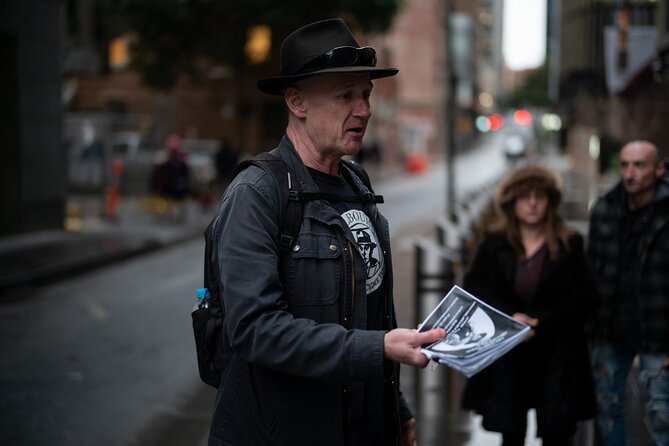
The price is $35.86 per person. For a 2-hour walking tour, the biggest question is value: what do you actually get for the money?
You get three main things, all included:
- A professional guide
- A free tour booklet with photos, police-drawn crime maps, and evidence-style material
- An admission ticket to the experience
So you’re not just paying for narration. You’re paying for a guide with a long research track, plus a collectible reference booklet you can use after the tour ends. In other words, the cost isn’t only buying time—it’s buying interpretation and supporting materials.
One more value factor: the group is limited to 25 travelers, which can make a difference in how well you can follow the story and see what the guide is pointing to. And the tour mentions that confirmation is received at booking time, with mobile tickets, so it’s easier to manage than experiences that require extra paperwork.
Planning note: it’s listed as commonly booked about 40 days in advance on average. If you’re traveling in a busy season or on a specific date, I’d rather lock it in early than gamble.
Who this tour suits best (and who might want a different one)
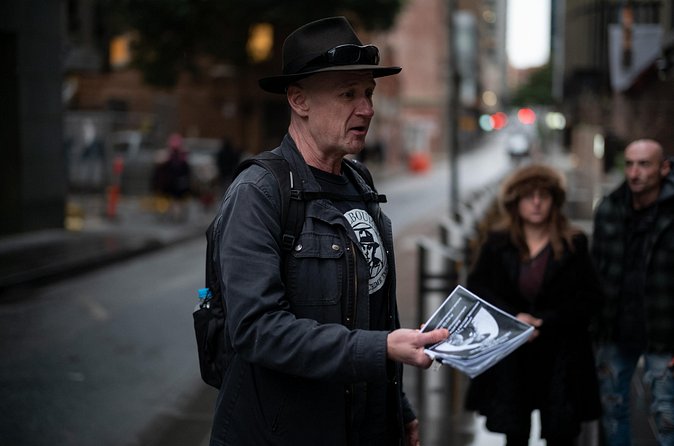
This experience is a great fit if you like:
- Neighborhood history that focuses on real events and real conflict
- Crime stories that use maps, names, and evidence-style visuals to stay specific
- A guide who treats the topic with seriousness, supported by long-term research
- Walking tours where the setting becomes part of the story
It’s less ideal if you want:
- A mostly light cultural stroll with low-stakes storytelling
- Time for snacks during the tour, since snacks aren’t included
- A tour that avoids crime and corruption themes
For first-time visitors to Melbourne, this can be a memorable way to understand why Chinatown feels the way it does today. For people who already know the typical “sights,” it offers a sharper, more unusual angle.
Should you book Old Stories of Melbourne’s Chinatown?
I’d book it if you’re curious about how Chinatown evolved under pressure—policing, crackdowns, and the underground economy that grew alongside daily life. The mix of police-drawn crime maps, seized evidence imagery, and character photos in a free booklet is a strong value combo. It turns the 2 hours into something you can revisit, not just something you hear once and forget.
I’d skip it or choose another style of tour if crime details and corruption stories aren’t your comfort zone. Also, if you’re hungry and the timing is tight, fix that in advance since snacks aren’t part of the deal.
If you want a Chinatown tour that reads like a case file—with enough story to make you look at buildings differently—this one fits the bill.
FAQ
How long is the Old Stories of Melbourne’s Chinatown tour?
The tour lasts about 2 hours.
Where does the tour start and end?
It starts at 199 Russell St, Melbourne VIC 3000 and ends at 106 Little Bourke St, Melbourne VIC 3000.
What is included in the price?
The experience includes admission and a professional guide, plus a free tour booklet with photos of characters discussed, police-drawn crime maps, and other evidence-style materials.
Is a mobile ticket provided?
Yes. The tour uses a mobile ticket.
What time does the tour run?
The start time is listed as 2:00 pm.
How big is the group?
The tour has a maximum of 25 travelers.
What is the cancellation policy?
Free cancellation is available up to 24 hours before the experience’s start time for a full refund. If you cancel less than 24 hours before, the amount paid is not refunded.
Are service animals allowed?
Yes, service animals are allowed.