REVIEW · PORT ARTHUR
Port Arthur: Cape Raoul Wilderness Cruise
Book on GetYourGuide →Operated by Pennicott Wilderness Journeys · Bookable on GetYourGuide
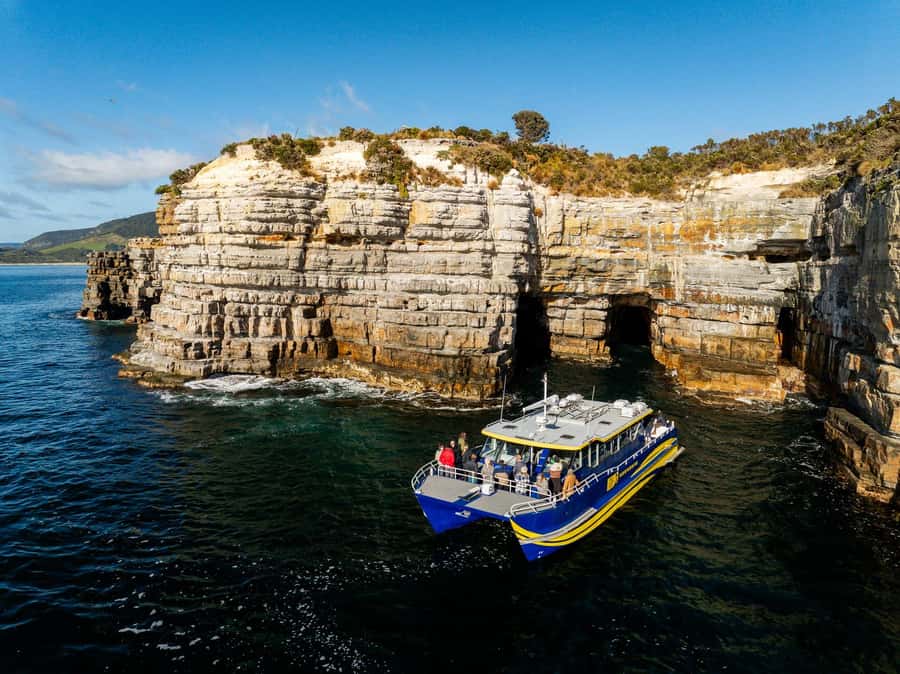
Tasmania’s coast hits hard on this cruise. In 90 minutes from the Port Arthur Jetty, you go past sea caves, cliffs, arches, and white-sand coves while your guide points out the geology and wildlife. It’s one of the easier ways to see the rugged Tasman Peninsula without getting your shoes muddy.
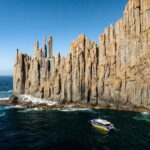
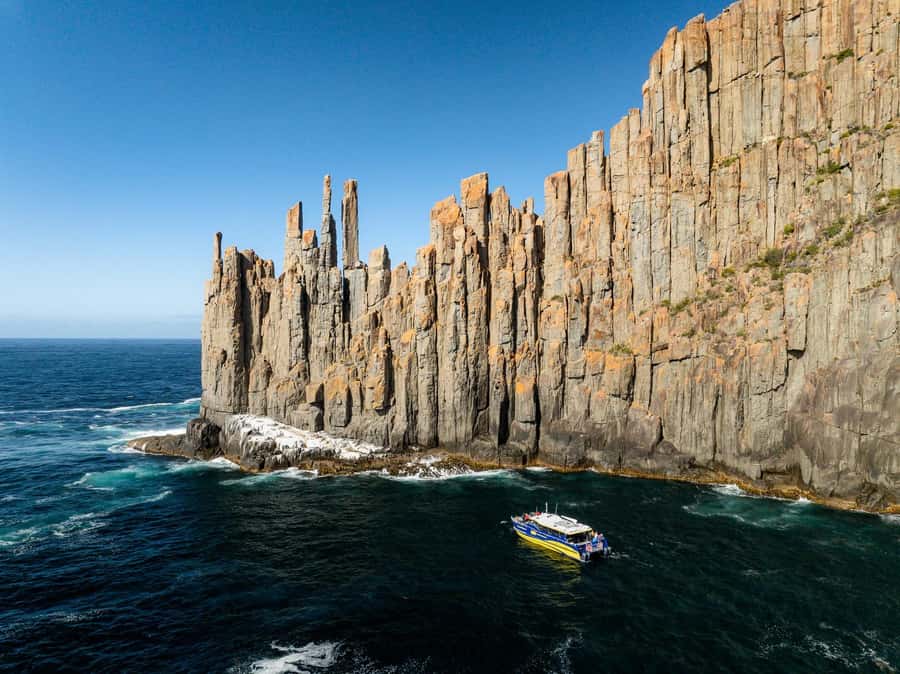
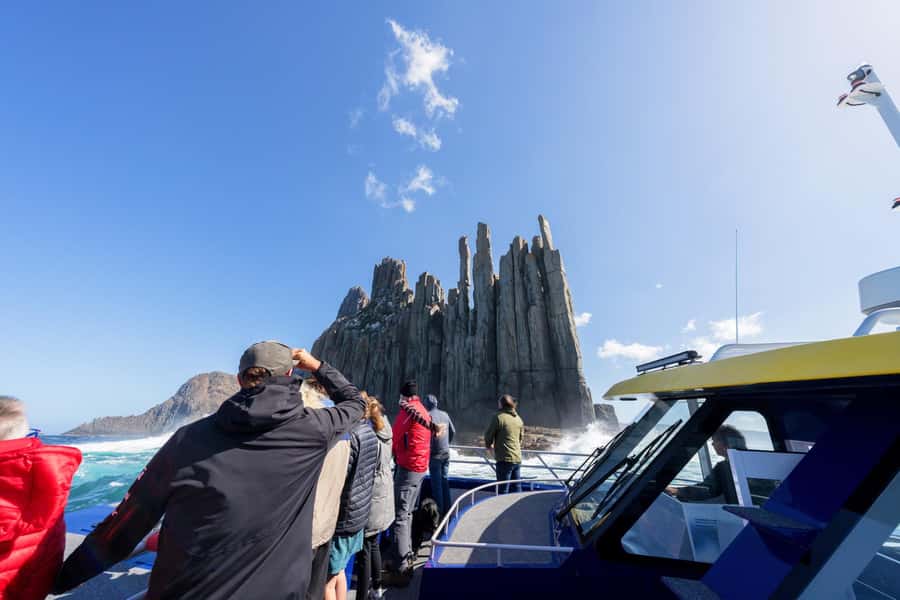
What I like most is the sheer drama of Cape Raoul’s columnar dolerite cliffs—170-million-year-old rock rising about 250 meters from the water. I also really like the wildlife focus: it’s not just a “nice view,” you’re actively scanning for seals, birds, and even dolphins in the bow wave.
One consideration: this is open water. If the wind and swell rise, expect choppier conditions, and the ride can feel more “wilderness” than “easy sightseeing,” so planning for motion sickness matters.
In This Review
- Quick reasons to go
- Port Arthur Jetty to Cape Raoul: how the 90 minutes really plays out
- Cape Raoul’s columnar dolerite cliffs: what to look for when you’re staring at 250 meters
- Passing Point Puer and Isle of the Dead: the history is quieter from the water
- Safety Cove and Crescent Bay: white sand, tall dunes, and the sea-breeze breaks
- Wildlife game plan: fur seals, birds overhead, and the bow-wave bonus
- Weather, seasickness, and comfort: small prep that saves the day
- Price and value at $92: what you’re really paying for
- Who should book this cruise, and who might want a different plan
- FAQ
- Where does the cruise depart from?
- Do I need to enter Port Arthur to take the cruise?
- How long is the Cape Raoul Wilderness Cruise?
- Is food and drinks included?
- What wildlife might I see?
- Is the tour wheelchair accessible?
- Should you book this Cape Raoul Wilderness Cruise?
Quick reasons to go
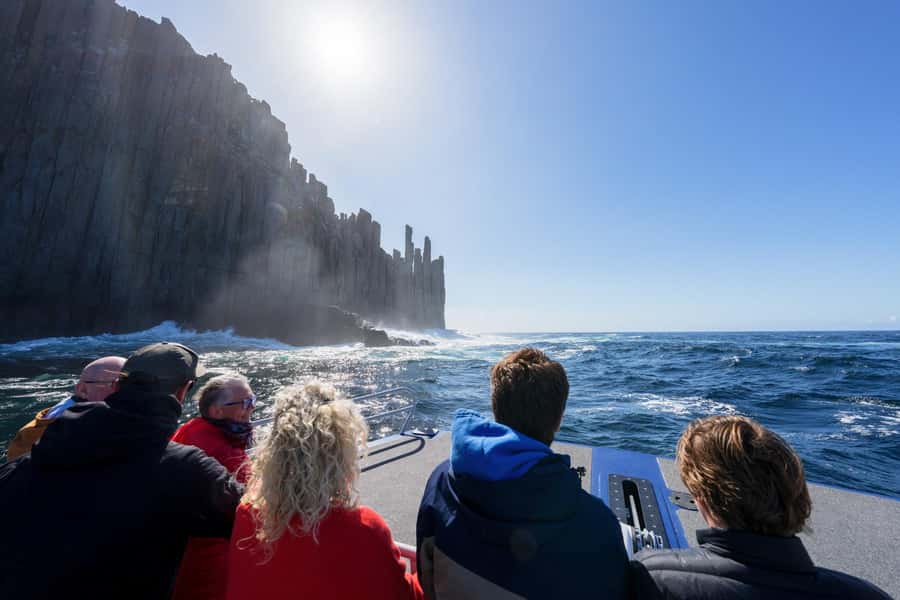
- Cape Raoul columnar cliffs you can look up at from right on the water
- Sea caves, arches, and rugged headlands you can’t reach on foot
- Wildlife scanning built into the trip (fur seals, seabirds, possible dolphins and whales)
- Pass-by history from the sea at Point Puer and Isle of the Dead
- White sands and big dunes at Safety Cove and Crescent Bay
- Local-style guiding with clear explanations and humor
Port Arthur Jetty to Cape Raoul: how the 90 minutes really plays out
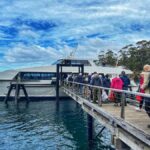
This cruise is timed so you get a full hit of the Tasman Peninsula without committing to a half-day or longer. You depart from the Port Arthur Jetty inside Port Arthur Historic Site, which is a big practical detail: you’ll need entry for the activity, not just a quick walk in.
The feel on board is relaxed. You’re not hiking a track; you’re moving along the coast, so the “work” is mostly done by the boat. Your guide’s job is to help you notice things as they slide past: rock formations, places where wildlife likes to rest, and where the coastline opens up for panoramic views.
Because the cruise is only 90 minutes, it’s a strong option if you’re mixing Port Arthur sights with nature. It also works well for families or anyone who wants the dramatic coast experience without stairs, climbs, and long travel between viewpoints.
You can also read our reviews of more boat tours in Port Arthur
Cape Raoul’s columnar dolerite cliffs: what to look for when you’re staring at 250 meters
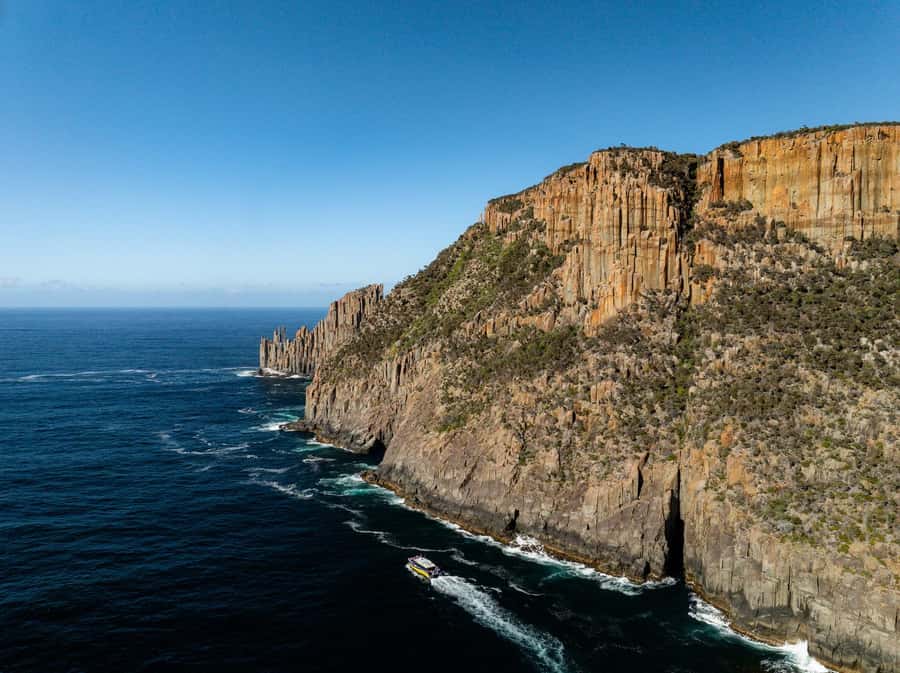
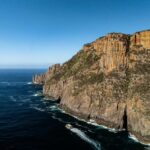
The star is Cape Raoul, where the sea laps at towering cliffs made of columnar dolerite. You’ll hear (and see) the age of the geology—about 170 million years—but the real “wow” is scale. The columns rise roughly 250 meters from the ocean’s edge, which is why the best move is to look up more than out.
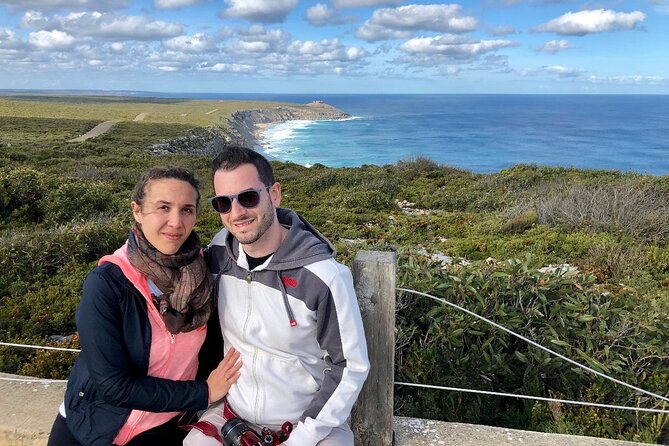
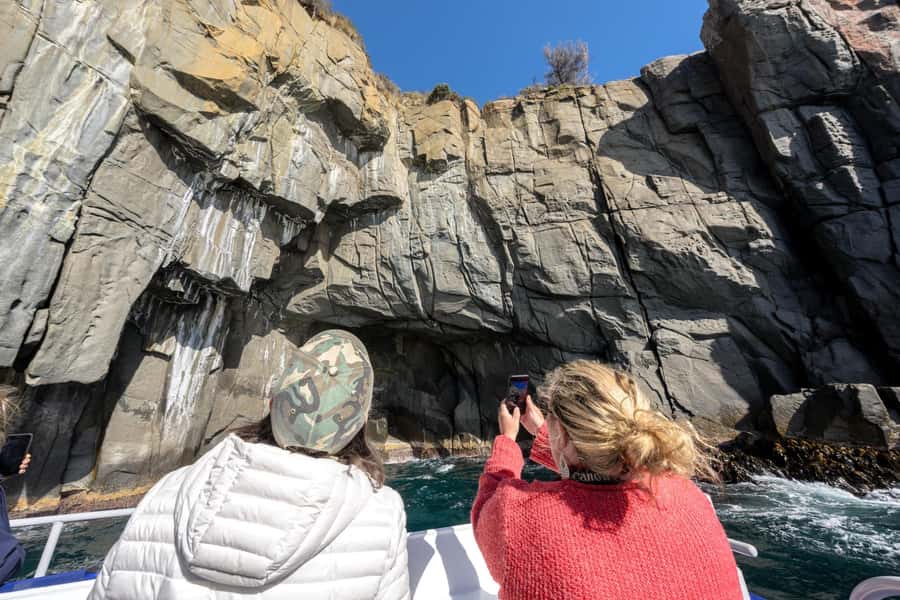
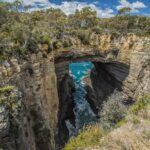
As you cruise near the cape, you’ll get the kind of angles that make caves, arches, and cliff faces feel three-dimensional. The coastline here is rugged, not staged. That’s the point: the boat gives you access to views that would be extremely hard—or impossible—to match from shore.
One of the best ways to enjoy Cape Raoul is to use a simple rhythm:
- glance outward for overall shapes
- then look for vertical lines in the rock (that’s the dolerite columns doing their thing)
- finally scan the base of the cliffs for resting wildlife
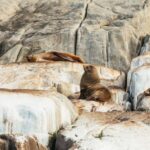
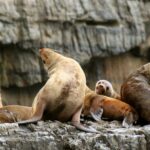
And yes, that includes the cheeky Australian fur seals often lounging where you least expect them—at the waterline, on rock ledges, acting like they own the place.
Passing Point Puer and Isle of the Dead: the history is quieter from the water
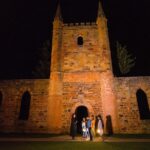
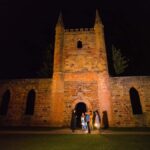
You’ll cruise past two key historical sites: Point Puer and Isle of the Dead. From the water, these places feel less like a museum stop and more like a timeline running alongside the coast.
This matters because Port Arthur can be intense if you do it all on land. The cruise offers a different pacing: you keep the historical connection, but it’s filtered through the sound of waves and the movement of the coastline. You’re still learning, but it doesn’t feel like you’re standing still for information overload.
If you like seeing how people and places relate to geography, you’ll probably enjoy this part. Point Puer and Isle of the Dead don’t sit in isolation; they’re tied to the coast you’re actively traveling along. That makes it easier to remember locations and “place” them in your head after the cruise.
Safety Cove and Crescent Bay: white sand, tall dunes, and the sea-breeze breaks
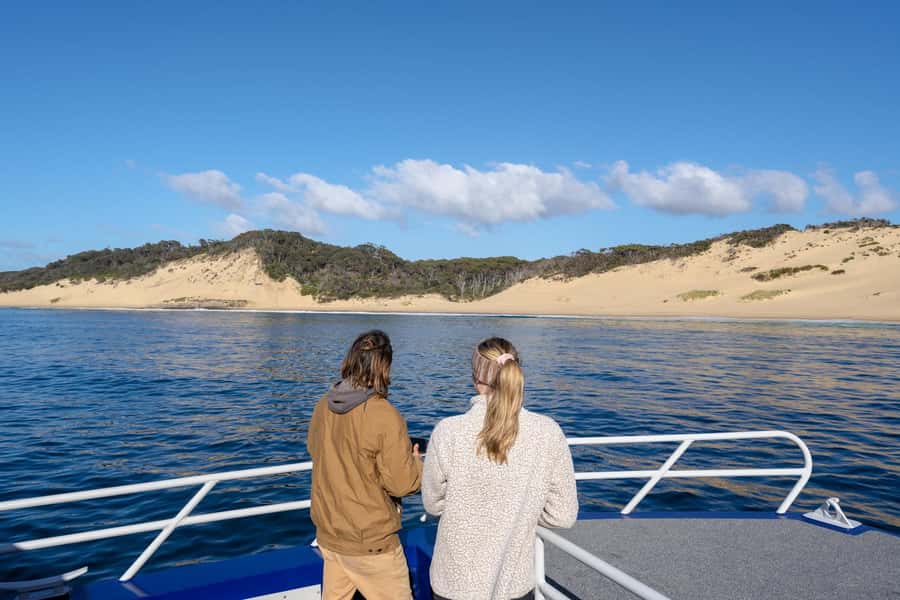
Not all of the coastline is cliff and cave. You’ll also pass Safety Cove—known for white sand—and Crescent Bay, with tall dunes rising against a rocky shoreline.
These stretches do two things for your trip. First, they give your eyes a break from vertical cliffs. Second, they create excellent contrast: bright sand and moving dunes against darker rock and deep water. Even if wildlife activity is low at a given moment, the scenery still delivers.
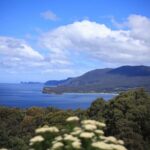
You’ll also get broad views across to Cape Pillar and Tasman Island. Those sightlines are great for photos, but they also help you “read” the peninsula. Once you can map Cape Pillar and Tasman Island in your mind, the rest of the coastline makes more sense.
If the weather is clear, this is typically when the light looks best for photos. If it’s rougher, this section can still be stunning—just expect more spray, more wind on your face, and less time spent perfecting camera settings.
Wildlife game plan: fur seals, birds overhead, and the bow-wave bonus
The cruise is built around spotting wildlife, and the most reliable sightings tend to be the ones that are visible where the boat passes close to shore.
Australian fur seals are a highlight—often resting at the base of the cliffs near Cape Raoul. The easiest way to find them is to remember they’re frequently low and near the waterline. Instead of scanning only the horizon, check the rocks just below eye level.
Birds matter too. Keep an eye skyward for seabirds like albatrosses and white-bellied sea eagles. When birds are circling, it often gives you extra clues about where marine life is nearby, and it adds motion to the sky as the coastline slides past.
And then there’s the fun possibility: dolphins. These are especially exciting because they may play in the boat’s bow wave. It’s the kind of moment that turns the cruise from “scenic ride” into “wildlife event.”
Whales are another hopeful sight. During southern migration, whales may cruise the southeastern coastline. You’re not guaranteed a whale sighting, but your best chance is staying alert when the guide signals a watch moment.
Practical note: for wildlife spotting, patience beats sprinting for photos. I’d rather watch for 20 seconds than take 20 shaky images. If you see something, you’ll have enough time to shoot once you’re sure it’s real.
Weather, seasickness, and comfort: small prep that saves the day
Even when you’re traveling in calm season, the Tasman Peninsula can be exposed. That means weather changes fast and water can get choppy, so your kit matters.
Bring:
- Warm clothing (layers help)
- a hat
- sunscreen
- comfortable clothes
- a camera
Also plan for motion. If you’re prone to seasickness, it’s recommended to have medication on hand. That advice isn’t there for drama—it’s there because the cruise stays out on the water long enough that rougher conditions can feel uncomfortable if you’re not prepared.
The good news is that crew handling seems to make a difference. On at least one rough-weather day, the operator adjusted plans after checking conditions, with options like switching destination or rebooking for another day. That tells me they’re watching the sea, not forcing a timetable.
And don’t forget the basics: arrive about 15 minutes early and dress for shifting conditions, not just the forecast when you leave home.
Price and value at $92: what you’re really paying for
At $92 per person for 90 minutes, you’re paying for three things at once:
1) access to coastline views you can’t get from land easily,
2) a local guide who helps you interpret what you’re seeing, and
3) a wildlife-focused route where the boat positioning gives you a better shot at seals and birds.
It’s also not a “surprise cost” situation in the sense that what’s included is clear: the cruise itself, a local guide, and the chance to see wildlife plus views of cliffs, caves, arches, and beaches.
Food and drinks are not included, so factor that into your budget if you’re planning meals around the cruise. Also note there’s no hotel pickup, which is actually a good thing if you’re already based near Port Arthur—it keeps things straightforward. But if your accommodation is far away, you’ll want to plan transport so you don’t feel rushed at the jetty.
Value-wise, this is the kind of activity that works when you want big scenery per hour. If you’d rather spend time hiking or driving to lookouts, this may feel like you’re paying to be driven. But if you want maximum coast access with minimum effort, the price makes sense.
Who should book this cruise, and who might want a different plan
This cruise is a good match if you:
- want dramatic coastal geology without doing a long hike
- like animals and want a cruise route built for wildlife spotting
- are pairing Port Arthur with nature in the same day
- want something that’s long enough to matter but short enough to stay flexible (90 minutes)
It’s also a solid pick for mixed groups, because the experience is visual and guide-led. Even if someone in your group isn’t obsessed with seabirds, the cliffs and seals still land.
Who might hesitate? If you know you get severely seasick and can’t take steps to manage it, this open-water experience might be stressful. Also, if you want a “sit and snack” tour, remember food and drinks aren’t included—you’ll need to plan what you eat before or after.
FAQ
Where does the cruise depart from?
The cruise departs from the Port Arthur Jetty, located within the Port Arthur Historic Site.
Do I need to enter Port Arthur to take the cruise?
Yes. Entry is required for the Port Arthur Historic Site to participate in this activity.
How long is the Cape Raoul Wilderness Cruise?
The cruise runs for 90 minutes.
Is food and drinks included?
No. Food and drinks are not included.
What wildlife might I see?
You can keep an eye out for dolphins, migrating whales, Australian fur seals, albatrosses, white-bellied sea eagles, and other seabirds.
Is the tour wheelchair accessible?
Yes, the cruise is wheelchair accessible.
Should you book this Cape Raoul Wilderness Cruise?
If you want the Tasman Peninsula’s most dramatic coast in a short, guided window, I’d book it. Cape Raoul’s columnar cliffs plus the chance to see fur seals and seabirds make it feel like more than a sightseeing cruise. Just pack for wind and possible swell, and don’t forget Port Arthur entry is part of the deal.