REVIEW · PORT ARTHUR
From Port Arthur: Tasman Island Wilderness Cruise
Book on GetYourGuide →Operated by Pennicott Wilderness Journeys · Bookable on GetYourGuide
A boat ride under Cape Pillar’s cliffs is pure Southern Ocean drama. This 3-hour cruise runs along the coast between Port Arthur and Eaglehawk Neck, where the scenery is rugged, the wildlife is close, and the route changes with the ocean.
What I love most is how fast you get that real Tasman Peninsula feel: open-water viewing from tiered seats, then sharp turns to get you lined up for caves, archways and the cliff face. The second big win is wildlife time. You’re not just watching in the distance. You’re often in the zone for seals hauled out on rock, seabirds massing on the wind, and the sort of sightings that make people quietly start pointing.
One drawback to plan for: this is a cold, wet, bouncy trip. Even with waterproof gear, you’ll get spray, and the commentary can be harder to hear depending on where you sit.
In This Review
- Key things that make this cruise worth your time
- Sailing Under Cape Pillar’s Sea Cliffs
- The 3-hour route: cliffs, caves, blowholes, and waterfalls
- Cape Pillar and the coastline you can feel
- Sea caves, archways, and the drama of blowholes
- Wildlife viewing: seals, seabirds, dolphins, and whales
- What the boat setup means for your comfort (and your view)
- Dress like it’s winter, because the wind will remind you
- Spray management and seat choice
- Captains and deck crew: why safety and animal encounters work together
- Price and value: is $127 for 3 hours a fair deal?
- When the ocean cooperates (and when it forces a plan change)
- Who this cruise is best for (and who should reconsider)
- Should you book the Port Arthur to Tasman Island wilderness cruise?
- FAQ
- How long is the Tasman Island Wilderness Cruise?
- Where do I meet for the cruise?
- What wildlife might I see on this trip?
- Are there any minimum age requirements?
- What should I bring?
- Do cruises run daily?
Key things that make this cruise worth your time
- Cape Pillar sea cliffs give you the biggest vertical backdrop you’ll see on the Tasman Peninsula
- Caves, archways, waterfalls and blowholes turn geology into something you can feel from the water
- Wildlife density is the point: hundreds of seals, thousands of seabirds, plus dolphins and migrating whales
- Covered open-air tiered seating helps you see without constantly craning your neck
- Crew focus on encounters: captains and deck staff actively respond when wildlife appears (with examples like Tim and Damo chasing whales)
- Bring serious layers because the wind on the water can feel icy even in warmer months
Sailing Under Cape Pillar’s Sea Cliffs
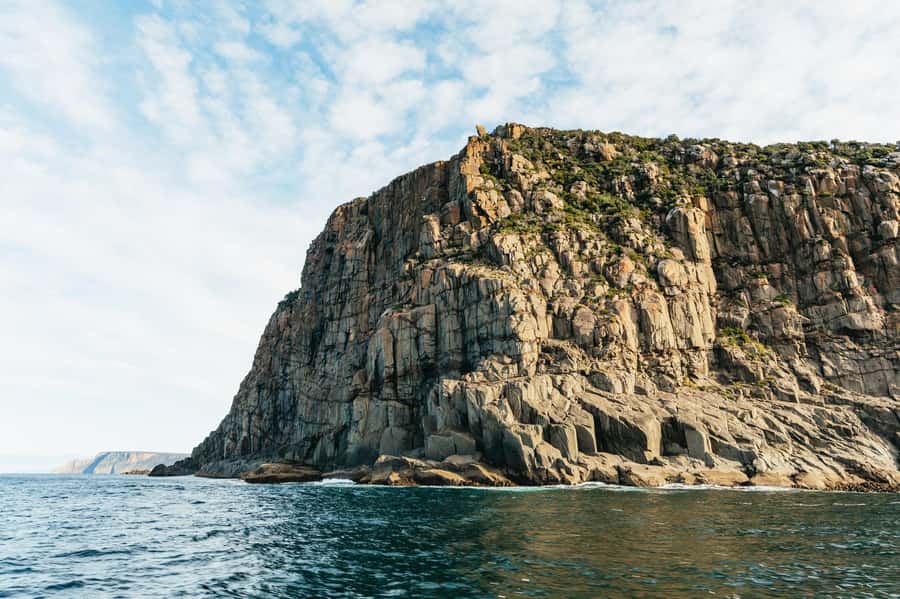
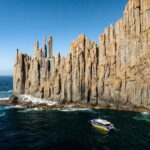
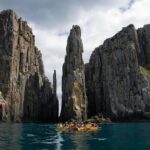
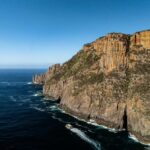
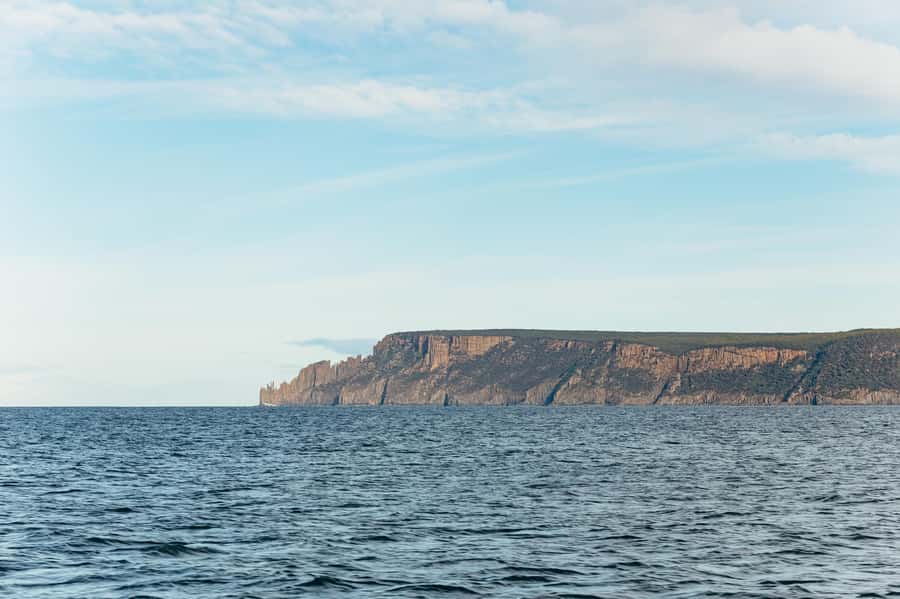
This cruise is built around one of Tasmania’s strongest “wow” visuals: Cape Pillar, with the highest sea cliffs in the Southern Hemisphere. Standing at most viewpoints gives you distance. From the water, the scale hits different. You’re traveling beneath that vertical rock, watching waves work their way through cracks and ledges, and seeing why this coast is famous for caves and blowing spray.
I also like that the experience is practical. You’re not stuck for hours on one spot. You move along the Tasman National Park coastline, and the boat positions you where the scenery and wildlife are actually happening that day. It’s the kind of tour where you can tell the captain is watching the water, not just following a checklist.
And yes, the cliffs aren’t the only event. The cruise is timed for animal viewing as well. That combo matters: geology gives you the big frames, wildlife gives you the living action.
You can also read our reviews of more boat tours in Port Arthur
The 3-hour route: cliffs, caves, blowholes, and waterfalls
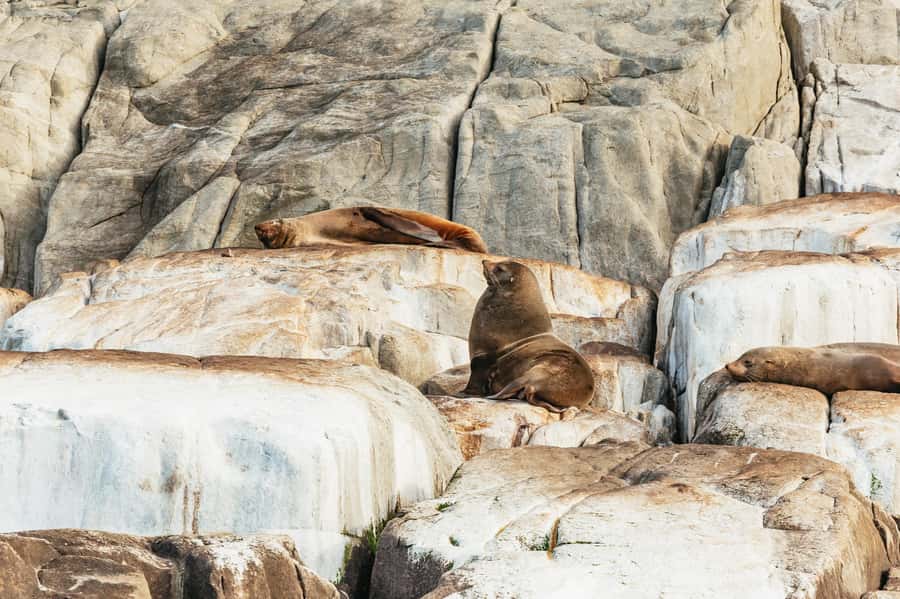
The exact mix of stops depends on sea conditions, but the main ingredients are consistent: a cruise along the spectacular stretch between Port Arthur and Eaglehawk Neck, including the Cape Pillar area, plus time for rock formations and deep-sea caves. You’ll also look out for features that Tasmania does better than most places, like archways and blowholes that can kick up bursts of spray when the swell pushes in.
Here’s what you should mentally “expect” in each category, so you’re not guessing on the day.
Cape Pillar and the coastline you can feel
Cape Pillar is the anchor. From the water, you get a close look at sheer cliff lines and narrow channels where waves funnel. The water isn’t calm on purpose; it’s doing its natural job, and you’re watching it from a front-row seat.
A helpful detail: the boat is small enough that you feel the movement. That’s part of the charm, but it means you should treat this like a wind-and-spray outing, not a “sit back and coast” cruise.
Sea caves, archways, and the drama of blowholes
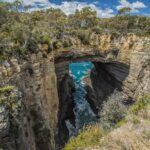
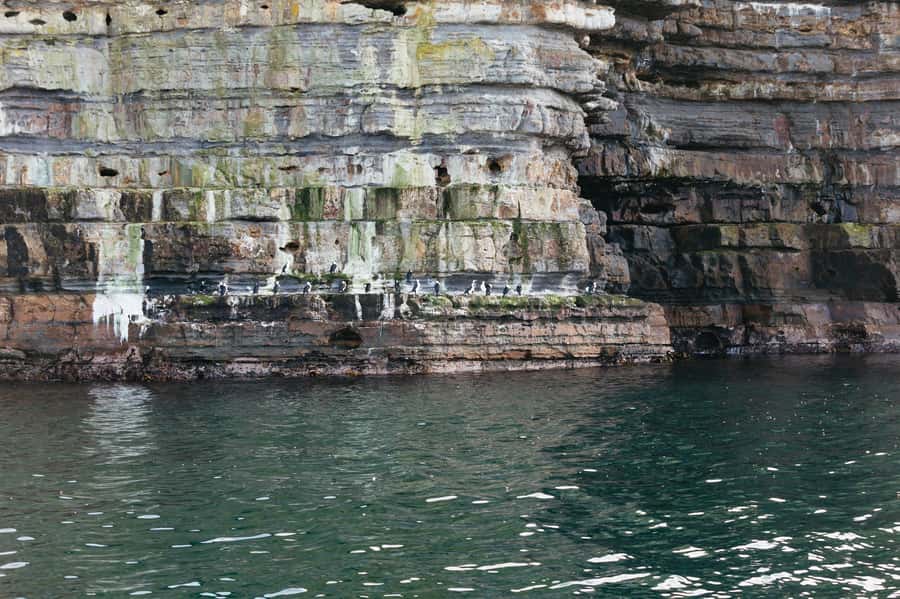
The tour includes time going into deep sea caves and near sea features like archways and waterfalls. When you see these from water level, they look more sculpted and less “random.” You’ll notice how the rock fractures, how openings align with wave action, and how spray can explode out of places that look quiet from land.
This section of the cruise is also where you’ll appreciate the boat’s maneuvering. Captains are actively positioning for the best angles while keeping everyone safe.
Wildlife viewing: seals, seabirds, dolphins, and whales
Wildlife is the second big pillar. The cruise highlights wildlife like:
- hundreds of seals
- thousands of seabirds
- dolphins that may surf the bow wave
- migrating whales when conditions line up
In practice, “wildlife time” can feel spontaneous and exciting, which is why the crew’s role matters. On one day, Tim and Damo guided the boat toward whales when they looked likely to appear. On others, the emphasis is seals lounging and seabirds feeding close to the cliffs. Even when the ocean is less cooperative, you’re still moving through habitat.
If you’re a bird person, don’t just glance up. Gannets, albatross, sea eagles, cormorants and peregrine falcons can all be part of the day’s mix. The best sightings usually happen when you let the crew’s narration point out what you’re seeing, then you keep your eyes scanning the wind.
If you’re lucky, dolphins show up around the boat. If you’re not lucky today, that’s still not a “miss,” because the seal colonies and seabird activity can still be outstanding.
What the boat setup means for your comfort (and your view)
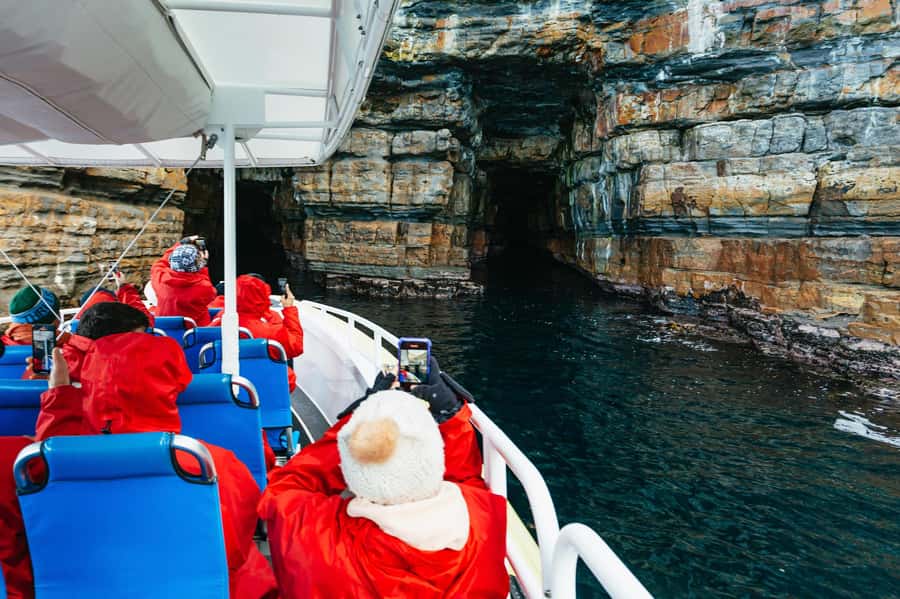
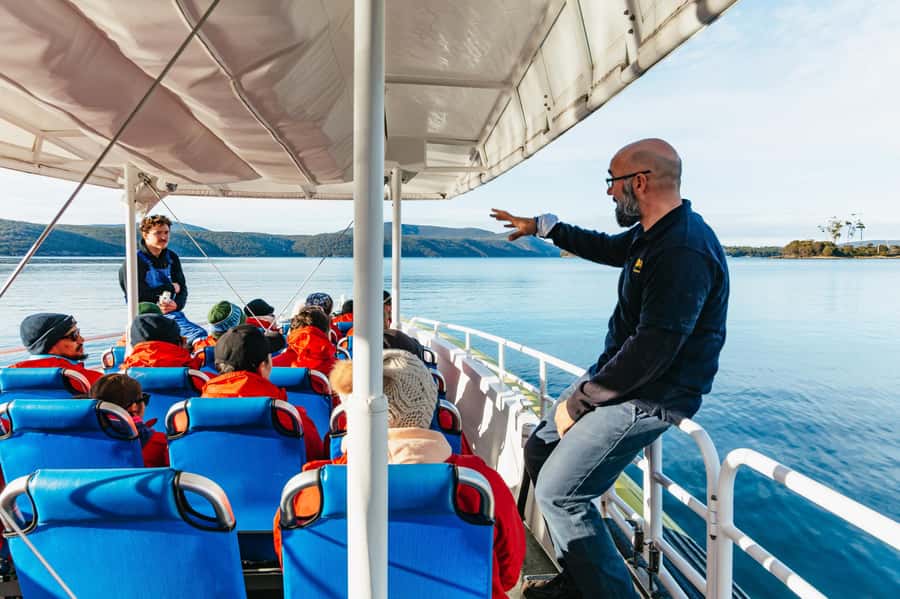
One of the smartest choices this operator makes for passenger experience is covered open-air tiered seating. That matters because it keeps your sightline clear. You’re not stuck behind someone’s shoulders, and you still get the real outdoors feel.
Still, this is not a warm cabin cruise.
Dress like it’s winter, because the wind will remind you
The cold is a recurring theme. You’ll be on moving water with wind chill, and in many months the air can feel icy fast. The tour strongly encourages you to bring:
- warm clothing and thermal layers
- gloves
- a beanie or warm hat
- comfortable shoes
You’ll likely also use the rain-protection gear provided. Riders mention full-body hooded raincoats that help with off spray, plus waterproof windproof layers. That’s huge, because the boat can kick water up, especially on faster sections or when you’re near rocks.
My practical rule: dress in layers that you can peel down if you get warm, but that you can’t regret putting on. If you run cold easily, assume you’ll want everything.
Spray management and seat choice
You can get soaked even with gear. Sit where you feel you’ll get the right balance of view and comfort. One review noted that hearing commentary up the front can be hard, and that microphone use would help. That tells you something useful: if you want the narration, consider seating that gives you easier audio.
Also, this boat can feel like a bit of a ride at times. If you’re prone to motion sickness, it’s smart to plan ahead. One rider said they took sea-sickness medication and sat toward the back.
Captains and deck crew: why safety and animal encounters work together
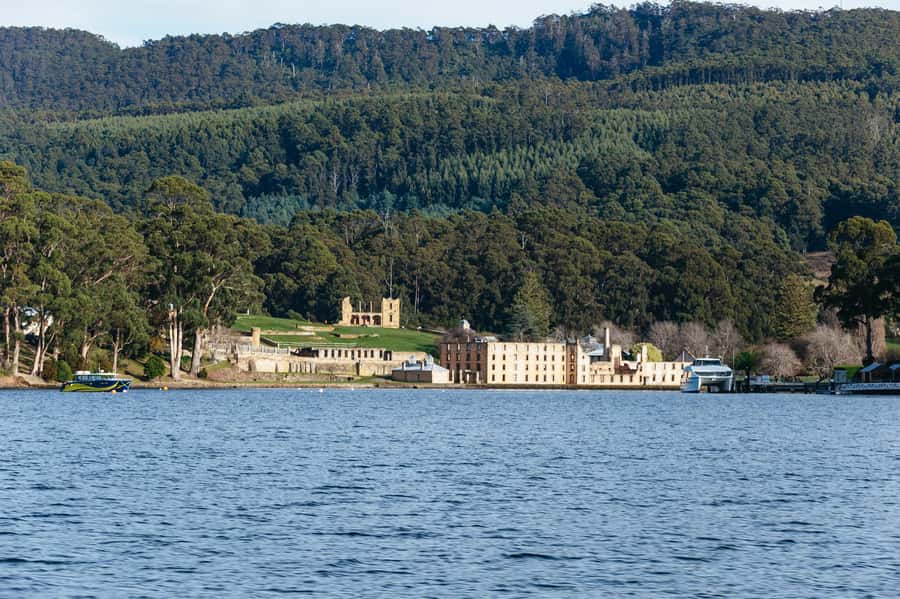
Pennicott Wilderness Journeys runs this operation, and the experience is heavily shaped by the crew. Across guides and captains mentioned in the feedback, a pattern shows up: they don’t just operate the boat. They actively check on people and look for animal activity.
You’ll hear commentary while you travel, and multiple guides are described as engaging and hands-on. Names you might hear include Tim and Damo, Andrew and Tom, Hamish, Jo, Kane, and Daina. While each guide has their own style, the common thread is effort: answering questions, tracking wildlife, and making sure passengers are okay in changing conditions.
Safety matters here, too. Riders describe feeling safe even when the water is rougher. That combination is what you want on an ocean cruise: confidence from professionals plus the kind of driving that gets you close without taking reckless risks.
If you care about wildlife photography or just want the best “see it for real” moments, the crew’s responsiveness is a real part of the value.
Price and value: is $127 for 3 hours a fair deal?
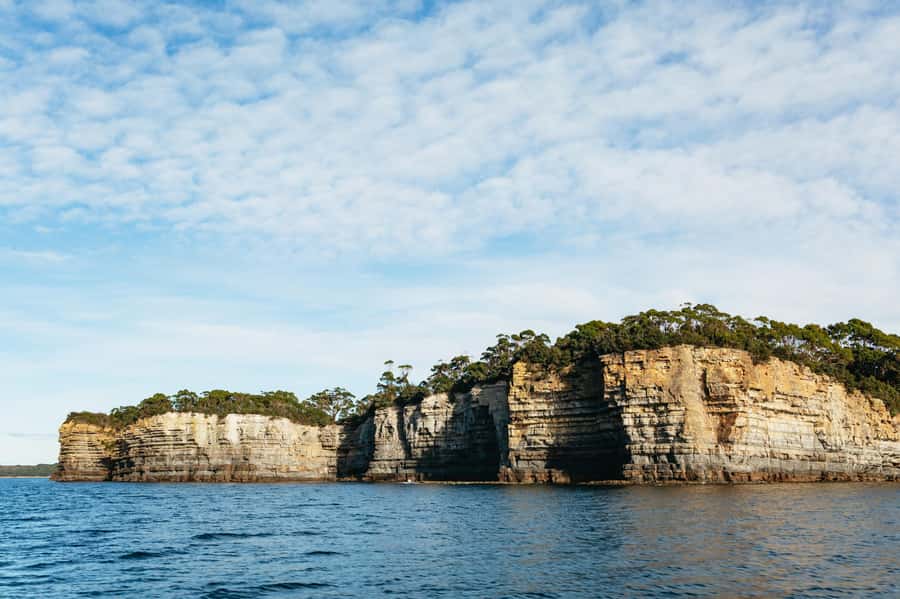
$127 for a 3-hour wilderness cruise isn’t budget travel. But it can be good value if you compare it to what else you can do in the Port Arthur / Tasman Peninsula area that gives you:
- Cape Pillar views from water level
- cave and archway access by boat
- a realistic chance at dolphins and migrating whales
- dense seal and seabird activity in their natural setting
This isn’t a zoo tour, and it isn’t a long sightseeing bus day. You’re paying for real ocean conditions plus a vessel that can move you through this stretch quickly.
Also, the boat is described as small craft and close to the water, which tends to feel more personal than bigger ferry-style options. If you’ve already done a few “lookouts from land” stops, this is a strong change of pace.
A final value point: weather affects where the boat can go, but the cruise still aims to produce strong encounters within those limits. People rate it extremely highly (a 4.9 rating with 704 bookings), and the high scoring is usually tied to two things: the boat handling and the wildlife results you get that day.
When the ocean cooperates (and when it forces a plan change)
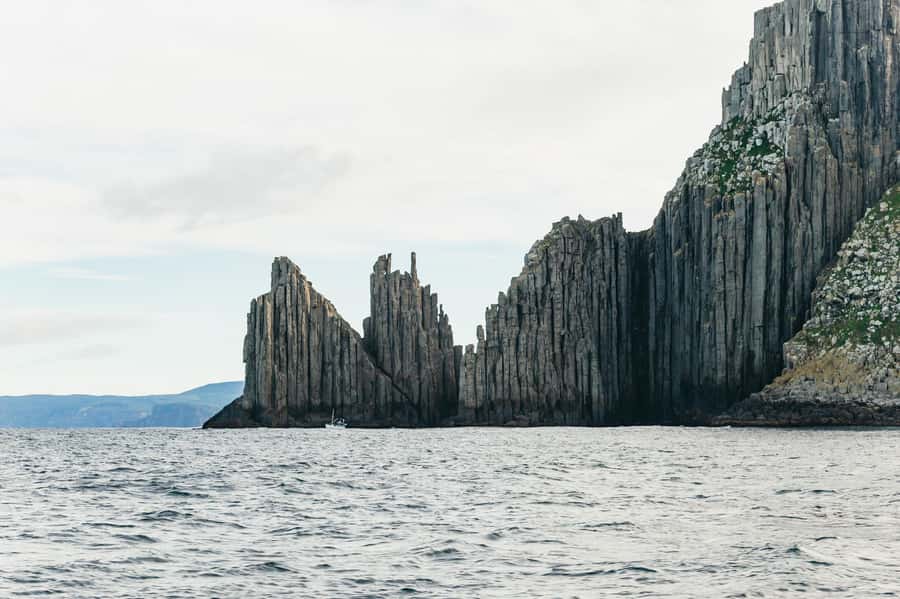
One thing you can’t control is the sea state. Another thing you can control is your expectations. This tour often works best when conditions let the boat get into the right water and position near cliffs and features.
That said, flexibility is part of the experience. Some departures may be rerouted or adjusted for better protection depending on winds and swell. One rider mentioned leaving from Pirates Bay because it was more sheltered from westerly winds on the Port Arthur side, with the bonus of covering more coastline. Even if you don’t get the same exact route, the principle stays the same: the crew makes calls based on conditions.
So here’s how to think about it:
- If seas are favorable, you’ll likely get smoother access to features and better wildlife positioning.
- If conditions are rough, you still get the core elements, but the ride might feel more intense.
Either way, it’s the kind of activity where good prep beats luck. Layer up, pack gloves, and give yourself permission to enjoy the ride, not just the photos.
Who this cruise is best for (and who should reconsider)
This works best for you if:
- you want a short, high-impact activity near Port Arthur
- wildlife viewing is a priority (seals, seabirds, dolphins, whales)
- you’re comfortable with wind, spray, and a moving boat
It may be less ideal if:
- you’re looking for a gentle, warm experience
- you dislike cold and motion
- you expect a quiet, long museum-style lecture (the ocean will always have its own soundtrack)
And it’s especially good for anyone who likes nature that feels real and immediate. You’re not waiting for a viewing platform. You’re out there where the animals are feeding and resting, and where rock formations are shaped by constant wave action.
Should you book the Port Arthur to Tasman Island wilderness cruise?
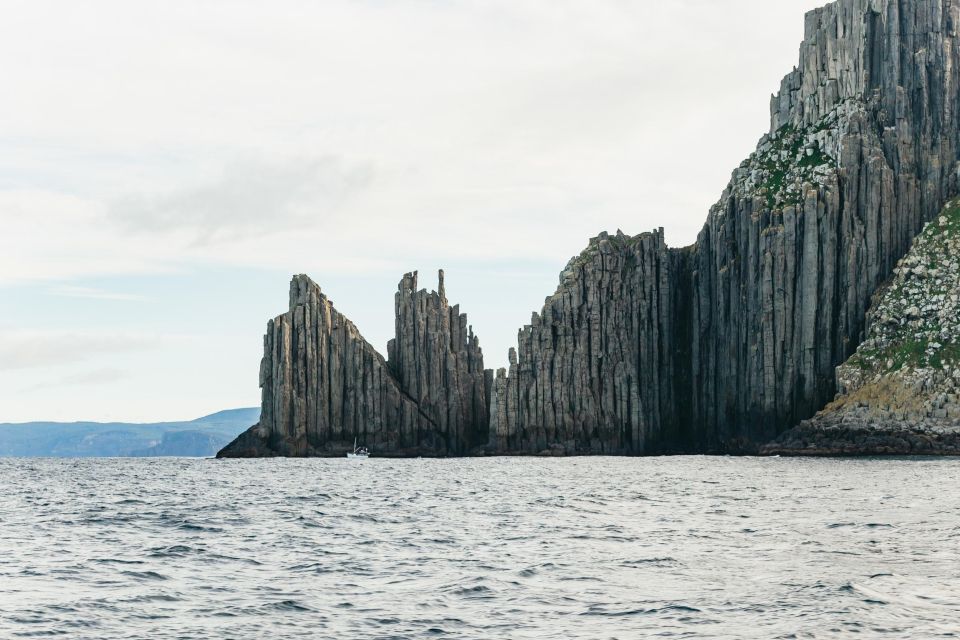
I’d book it if you want the most memorable “Tasman Peninsula” experience you can fit into a single afternoon, with real chances at wildlife and that Cape Pillar cliff wall view from the water. The price makes sense when you factor in what you’re getting: a 3-hour wilderness cruise in Tasman National Park terrain, not just a quick scenic trip.
Do it with two clear preparations:
1) Pack serious warmth and gloves. This isn’t a light jacket day.
2) Accept that the ride can be bouncy and wet, but that’s also why it feels alive.
If you’re on the fence, the tipping point for me is the mix of geology plus wildlife. Few tours combine caves and blowholes with close-up seal colonies and seabirds in the thousands.
FAQ
How long is the Tasman Island Wilderness Cruise?
The cruise duration is 3 hours.
Where do I meet for the cruise?
You meet at the Tasman Island Cruises office.
What wildlife might I see on this trip?
You might see hundreds of seals, thousands of seabirds, dolphins, and migrating whales. Feeding activity from birds like gannets and albatross is also possible.
Are there any minimum age requirements?
No minimum age is stated for this tour.
What should I bring?
Bring comfortable shoes, warm clothing, gloves, and thermal clothing. The air on the water can get cold, and spray is possible.
Do cruises run daily?
Yes, cruises depart daily.