REVIEW · RAINBOW BEACH
Rainbow Beach: 4WD Beach Drive Adventure and Surf Lesson
Book on GetYourGuide →Operated by Epic Ocean Adventures Rainbow Beach · Bookable on GetYourGuide
The road to surfing starts with 4WD tracks. This experience drives you through the Great Sandy National Park to Double Island Point, where you get to ride long, beginner-friendly waves that make learning feel way less random.
I especially like two things: the 4WD beach drive feels like you are actually getting somewhere special, not just being dropped at a generic spot; and the surf lesson focuses on surf conditions that are forgiving for first-timers. One thing to consider up front: it is a surf-focused, active 3 hours, and lunch is not included, so plan snacks or eat before/after.
In This Review
- Key points to know before you go
- Entering the right surf zone at Double Island Point
- The 4WD Great Sandy National Park drive is half the story
- Your surf lesson: gear, board choice, and water depth
- Why the longest-wave setup helps you catch more rides
- Small-group coaching: more time with the instructor
- Marine Park nature moments and wildlife you might spot
- What the 3 hours feels like (and where time can go)
- Price and value: is $91 a good deal?
- What to bring (and what to leave at home)
- Who this Rainbow Beach surf lesson is best for
- Should you book this tour?
- FAQ
- Where is the meeting point?
- How long is the experience?
- How much does it cost?
- What’s included in the price?
- Is lunch included?
- What should I bring?
- Can I join if I cannot swim?
- What is the minimum age?
- Is there a weight limit?
- What isn’t allowed during the tour?
- What language are the instructors?
Key points to know before you go
- 4WD beach access through Great Sandy National Park gets you to Double Island Point, away from the usual crowds
- Long waves built for beginners help you catch more rides on day one
- Small-group coaching means more hands-on time in the water
- Marine Park nature moments can add wildlife-spotting to your lesson
- All gear provided includes soft boards plus a wetsuit or wet shirt
- Waist-deep learning water keeps the first steps manageable and safe
Entering the right surf zone at Double Island Point
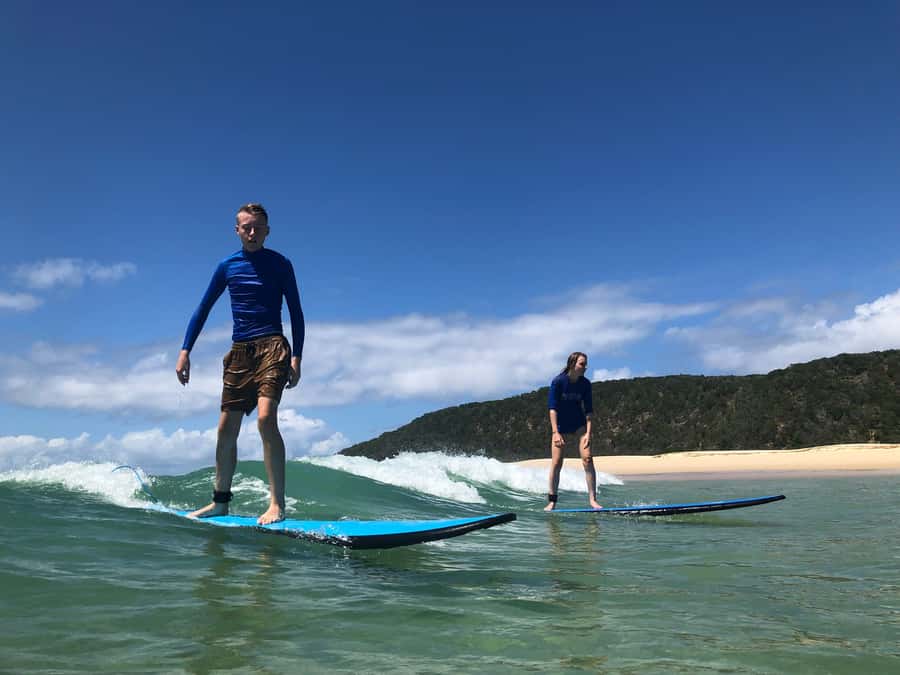
If you are learning to surf, where you drop into the water matters. Double Island Point is chosen because the waves can give you longer rides than you might get elsewhere—good news when your goal is standing up, not just paddling hard. The experience is built around that promise: Surf Australia’s longest waves, perfect for beginners who want time on the board.
In plain terms, long waves mean more chances to practice the same skills. You get repeated attempts at timing, balance, and that moment you decide whether you are going left or right on the wave. The calmer part is that you are not starting from a chaotic, high-stakes situation.
And if you already surf (or you have taken lessons before), there is room to progress. The lesson includes guidance that ranges from basic riding to things like learning how to ride the nose on a longboard and more technical shortboard training.
A few more Rainbow Beach tours and experiences worth a look

The 4WD Great Sandy National Park drive is half the story
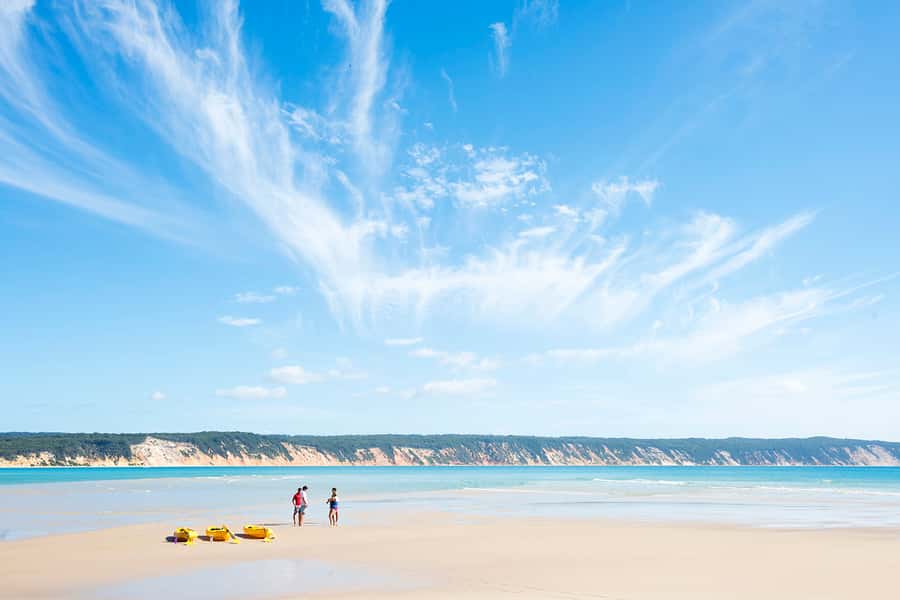
The fun starts before your feet hit sand for surf duty. You depart Rainbow Beach and take a 4WD Great Beach Drive through the Great Sandy National Park—this is the kind of access you cannot copy with a normal car. It changes the vibe. The drive gives you that sense of a private route and a real destination.
It is also practical. In many coastal spots, the lesson begins where everyone else starts. Here, getting there by 4WD is part of why the surf experience can feel less crowded. One review mentions an informative ride along the coast with Alex, which matches the idea that the transport is not just driving time—it is part of the day’s context.
What to expect from a 4WD ride: you will feel the vehicle moving over beach terrain, so hold on and dress for getting a bit sandy. If you hate dirt in your shoes, do not bring your fanciest ones.
Your surf lesson: gear, board choice, and water depth
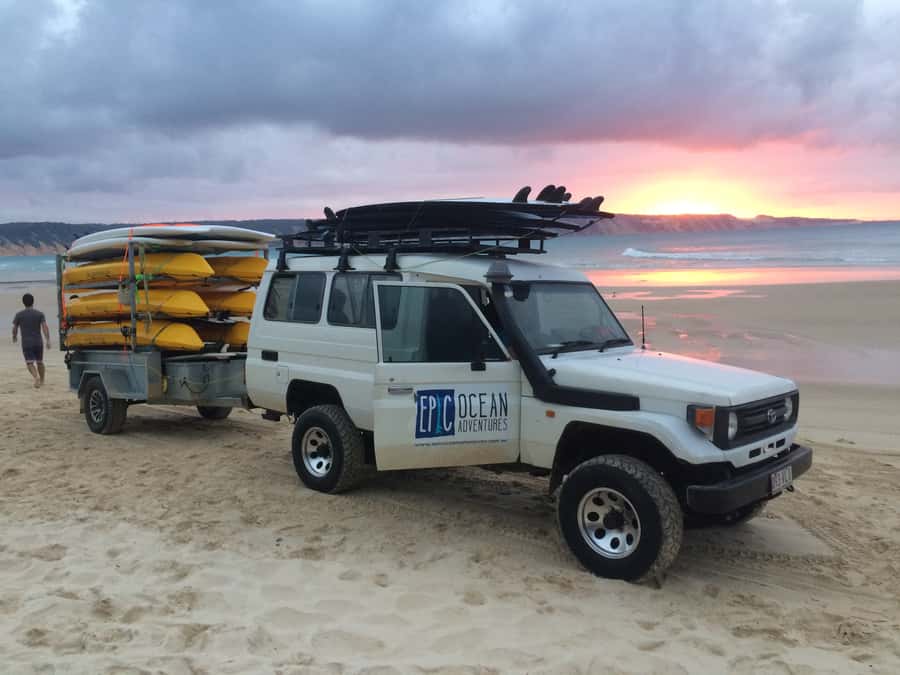
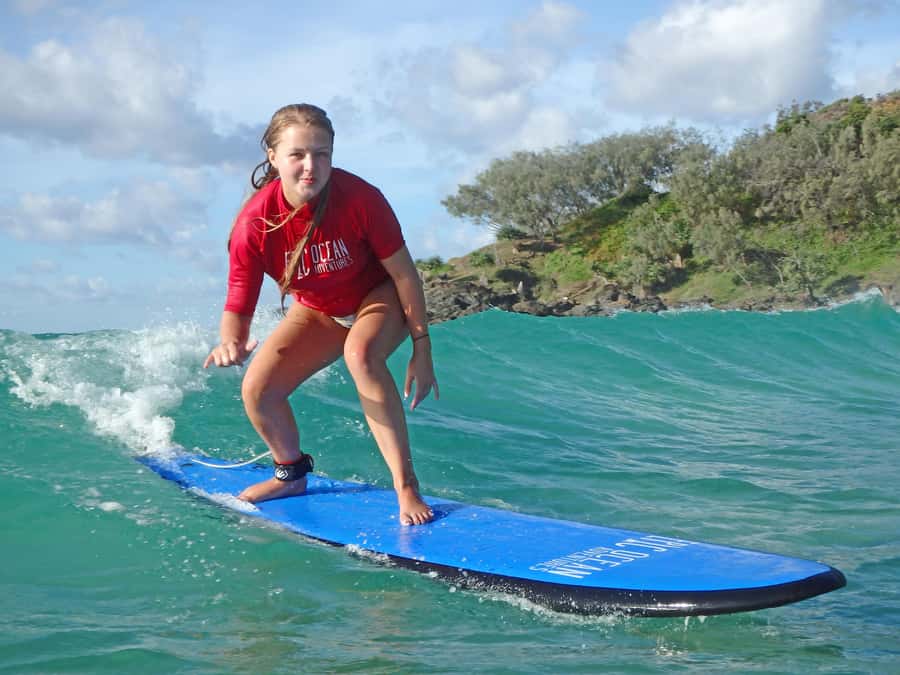
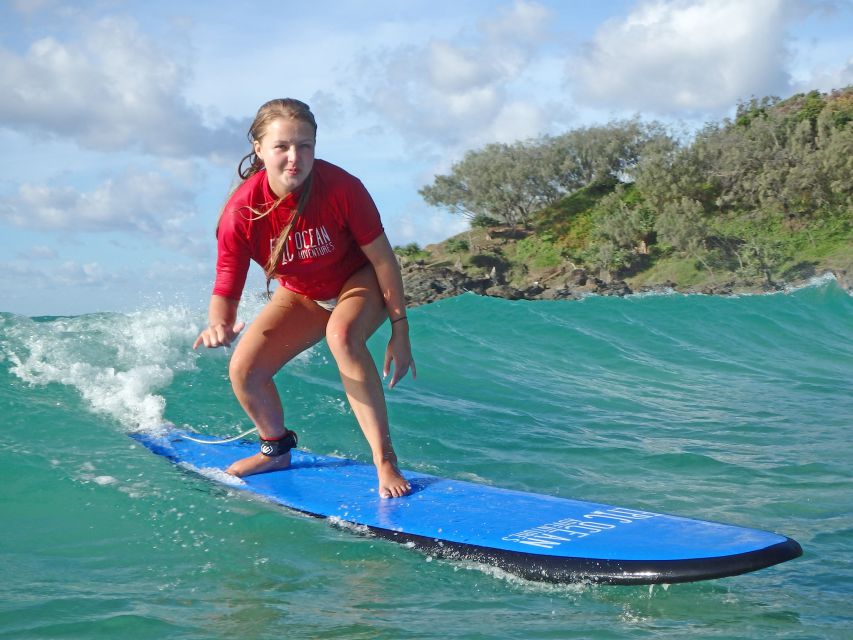
Once you arrive, you shift gears from scenery to skills. The lesson takes place in waist-deep water, which is ideal for beginners. It helps you learn fundamentals without feeling like you are trying to start in deep ocean with limited control.
You get equipment and the right gear for the water:
- specialized soft boards
- a wet shirt or wetsuit, depending on conditions
Soft boards are a big deal for first-timers. They reduce the sting of wiping out and they forgive small balance mistakes while you figure out how to pop up. Combine that with the waist-deep setting, and you are far more likely to spend your time learning than recovering.
Also, you learn in a structured way. The approach is friendly and step-by-step. You will cover the basics if you have never surfed before, then move onward as you build comfort. The lesson is designed so you are not stuck repeating one drill all session.
Why the longest-wave setup helps you catch more rides
Here is the honest truth about learning to surf: catching waves is everything. If you catch fewer waves, you learn slower. This is why the focus on Australia’s long waves matters.
The experience is built around the idea that you could be riding for hundreds of meters even on your first lesson, depending on conditions and your progress. That sounds like a brag until you remember what it changes for a beginner:
- more time standing and balancing
- more practice with turning and trimming
- fewer long stretches of paddling with nothing to do
Even if you do not ride for hundreds of meters on your first wave, the setup still gives you more ride opportunities than a lesson where waves are short or inconsistent.
Small-group coaching: more time with the instructor
The biggest difference between a good surf lesson and a frustrating one is how much time you get from the instructor. This is done in small groups, and the highlight is more 1-on-1 instructor time. That means you are not getting rushed through corrections or left guessing why you fell the last three times.
You may meet instructors like Liam and Keshan (Quichan)—and multiple reviews praised their positive, outgoing coaching style. Another review mentioned Alex delivering strong information during the coastal ride, and that kind of communication matters when you are learning wave timing, board handling, and safety rules.
For you, the practical value is this: you get faster feedback. You will understand what to try on the next wave, not what went wrong after the session is over.
Marine Park nature moments and wildlife you might spot
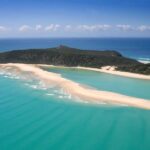
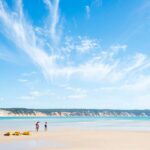
One of the quiet wins here is the nature angle. The surf lesson is described as part of a Marine Park experience, meaning you are not only there to learn surfing—you might also learn about the coastal environment and see wildlife.
Realistic expectation: wildlife sightings are never guaranteed. But the supplied experiences point to a real chance. One person saw dolphins, and another described dolphins along with other marine life like turtles and stingrays during a paired kayaking plan while surfing was happening.
Even without a dolphin sighting, the environment itself is part of the value. You are learning to surf in a real protected-area setting, which makes the day feel more meaningful than a checklist activity.
What the 3 hours feels like (and where time can go)
This tour runs about 3 hours, which is a short but solid chunk of time for a first surf lesson. Here is how it typically flows in your head:
1) You meet at the start point and head out for the 4WD beach drive into the park.
2) You arrive, gear up, and get taught how to handle the board and wave entry.
3) You spend the main time in the water practicing and getting corrections.
4) You head back, wrapping the day with a sense you actually accomplished something.
Because the session is focused, you should treat it like a mini training camp, not a leisurely hangout. You will likely be active the whole time. If you want downtime, plan it before or after.
And again: no lunch is included. You do not want to be hungry, salty, and exhausted while trying to focus on board control. Eat beforehand or bring something to snack on outside the tour time.
Price and value: is $91 a good deal?
At $91 per person for a 3-hour experience, you are paying for four things: transport via 4WD in a national park, surf-specific instruction, equipment (soft boards and wetsuit/wet shirt), and national park entry fees.
A lot of cheaper surf lessons can look similar on paper, but they often skip the hard parts: the gear, the instruction quality, and sometimes the access. Here, the 4WD drive into Great Sandy National Park is a major value driver. It is not just extra fun; it is part of what gets you to the best learning spot and helps keep the experience away from heavier crowds.
You also pay for the coaching style: small groups and more 1-on-1 time. That is where learning accelerates. If you are a beginner, that coaching time is usually more valuable than fancy extras.
So, is it worth it? If your goal is to learn to surf in a way that maximizes chances to stand up and ride, the $91 price feels fair—especially because you get the gear and park access without paying for them separately.
What to bring (and what to leave at home)
Keep your packing simple. You are mostly concerned with staying comfortable in the water.
Bring:
- Swimwear
- Towel
Then think about what you will need after getting changed. The data does not list changing facilities, so assume you will want your towel to do real work. Also, wear something you can rinse off easily later.
Leave behind:
- alcohol and drugs
- littering (obvious, but worth stating)
- alcoholic drinks in the vehicle
If you are thinking of this as a party day, it is not that. This is a surf lesson plus national park adventure.
Who this Rainbow Beach surf lesson is best for
This tour is not suitable for everyone. The rules are clear:
- Children under 7 are not suitable
- Non-swimmers are not suitable
- People over 220 lbs (100 kg) are not suitable
Who it suits best:
- First-timers who want a beginner-focused plan with long-wave conditions
- People who learn faster with more coaching time in the water
- Families or groups where one person surfs while others do other activities nearby (one review mentioned parents doing kayaking while the surfer had the session)
If you are a strong swimmer and you have at least some comfort in the ocean, you are in the right category. The waist-deep water helps, but you still need to feel safe handling ocean conditions.
Should you book this tour?
Book it if you want an efficient, high-focus day: 4WD access into Great Sandy National Park, surf coaching in waist-deep water, and wave conditions designed to help you catch more rides. The small-group format and extra instructor time are the kind of details that matter when you are learning a skill.
Skip it (or look at alternatives) if you:
- need a slow-paced day with breaks and a lunch included
- are a non-swimmer
- are going with very young kids
- have concerns about the active nature of a wet, hands-on lesson
If you like the idea of surfing in a less crowded environment with a real national-park drive to get there, this is one of the more sensible ways to spend a few hours in Rainbow Beach.
FAQ
Where is the meeting point?
The meeting point is the bus stop on Kirchner Ave, Rainbow Beach Qld 4581.
How long is the experience?
The duration is 3 hours.
How much does it cost?
The price is $91 per person.
What’s included in the price?
Included are the 4WD Great Beach Drive experience, use of surfing equipment (specialized soft boards and a wet shirt/wetsuit), surfing instruction, and national park entry fees.
Is lunch included?
No, lunch is not included.
What should I bring?
Bring swimwear and a towel.
Can I join if I cannot swim?
No. Non-swimmers are not suitable for this experience.
What is the minimum age?
Children under 7 years are not suitable.
Is there a weight limit?
Yes. It’s not suitable for people over 220 lbs (100 kg).
What isn’t allowed during the tour?
Alcohol and drugs are not allowed, and you cannot litter. Alcoholic drinks are also not allowed in the vehicle.
What language are the instructors?
The instructor is English.