REVIEW · RAINBOW BEACH
Rainbow Beach: Kayaking with Dolphins and Beach 4WD Tour
Book on GetYourGuide →Operated by Epic Ocean Adventures Rainbow Beach · Bookable on GetYourGuide
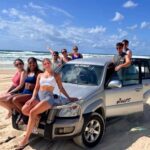
Four-wheel drive on sand is a rush. I like how this tour starts with a Great Sandy National Park 4WD beach drive and then brings you to Double Island Point for big coastal views. It’s a smart pairing: land excitement first, then quieter time on the water.
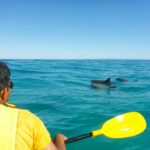
Next comes the part most people sign up for: guided kayaking around the headland. I love that it’s set up for real wildlife watching, especially bottlenose dolphins feeding on schools of fish, plus chances at other marine life.
One thing to weigh before you book is the physical and sea-factor. Kayaking here can be genuinely challenging, and if the water is wavy or you’re prone to motion sickness, it may not feel great.
In This Review
- Key things to know before you go
- The 4WD-to-kayak flow that keeps the tour moving
- Great Sandy National Park beach drive: the fun part before the paddling
- Double Island Point: where the coast looks different from every angle
- Guided sea kayaking around the headland: effort you’ll actually feel
- Wildlife viewing: dolphins are a target, but nature keeps control
- What’s included, and what you’ll need to sort yourself
- Price and value: why $98 can make sense here
- How to get ready: your packing checklist for ocean time
- Meeting point and timing: Kirchner St, and tides call the shots
- Who should book this and who should skip it
- Your call: should you book Rainbow Beach kayaking with dolphins?
- FAQ
- FAQ
- How long is the Rainbow Beach kayaking with dolphins tour?
- How much does the tour cost?
- What’s the meeting point?
- What’s included in the price?
- Is lunch included?
- What should I bring?
- Are there any age limits for children?
- Is the tour suitable for non-swimmers?
- Can the start time change?
- What wildlife can I hope to see?
Key things to know before you go
- Great Sandy National Park 4WD beach drive sets the tone right away and gives you coastal scenery from the vehicle
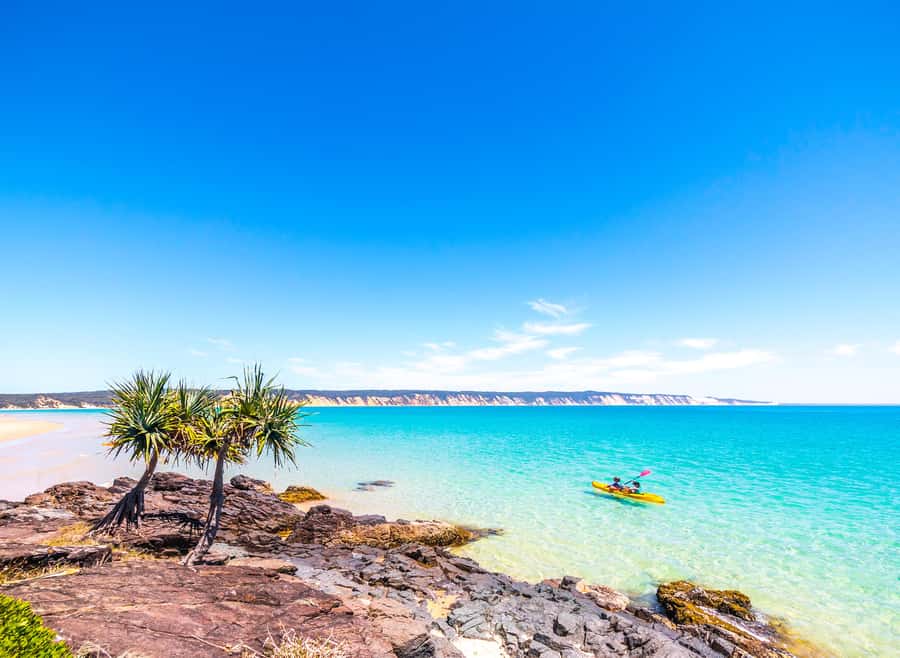
- Kayaking around Double Island Point means you’re not just paddling in open water
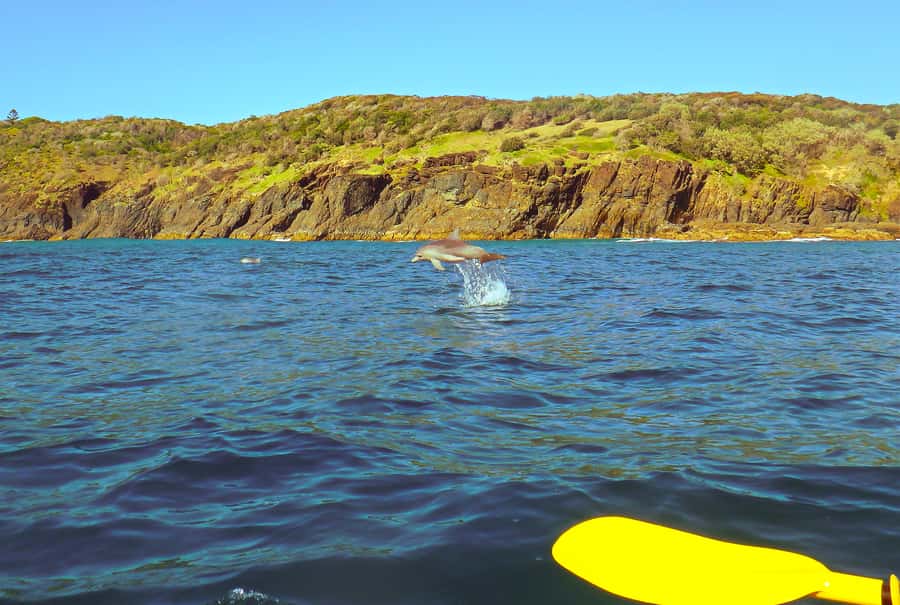
- Dolphin feeding activity is a main target, not a random hope
- Seasonal whale chances for humpback whales run June to November
- Your ride depends on tide and conditions (departure times vary daily due to changing tides)
- Physical effort matters because it’s sea kayaking, not a slow river glide
The 4WD-to-kayak flow that keeps the tour moving
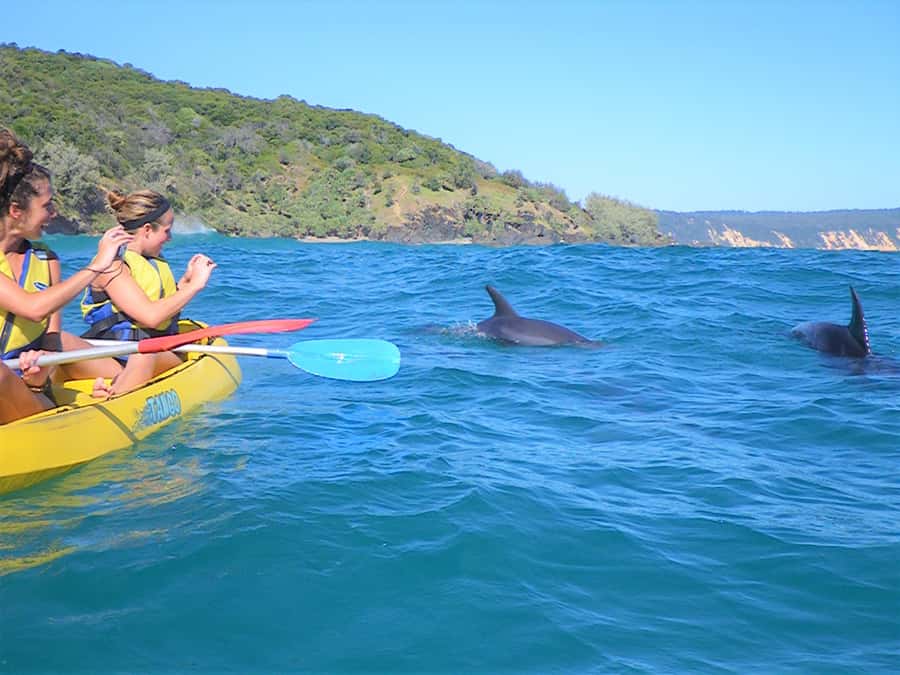
This is a 3-hour experience, so it’s designed to feel efficient rather than stretched out. The day begins with the 4WD beach drive into Great Sandy National Park, then you shift into kayaking around Double Island Point after you take in the views.
For you, that timing matters because the “best bits” are water-related. Dolphins, turtles, rays, and other animals are part of the whole idea of being out there when conditions allow. In practice, that means your guide works around the day’s tides, and your schedule can shift slightly with them.
If you’re hoping for a long, leisurely pace with lots of photo stops on foot, this isn’t that kind of tour. It’s more like: arrive, move, and make the water time count.
You can also read our reviews of more dolphin watching tours in Rainbow Beach
Great Sandy National Park beach drive: the fun part before the paddling
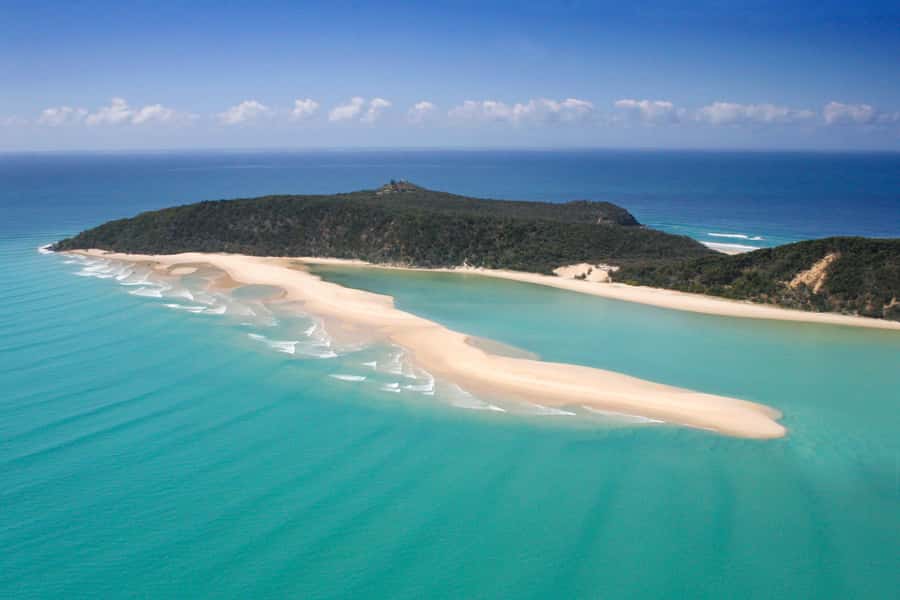
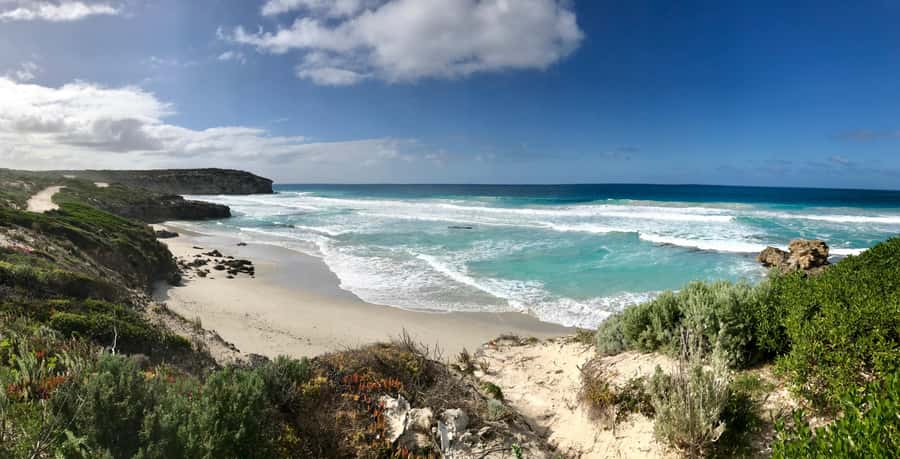
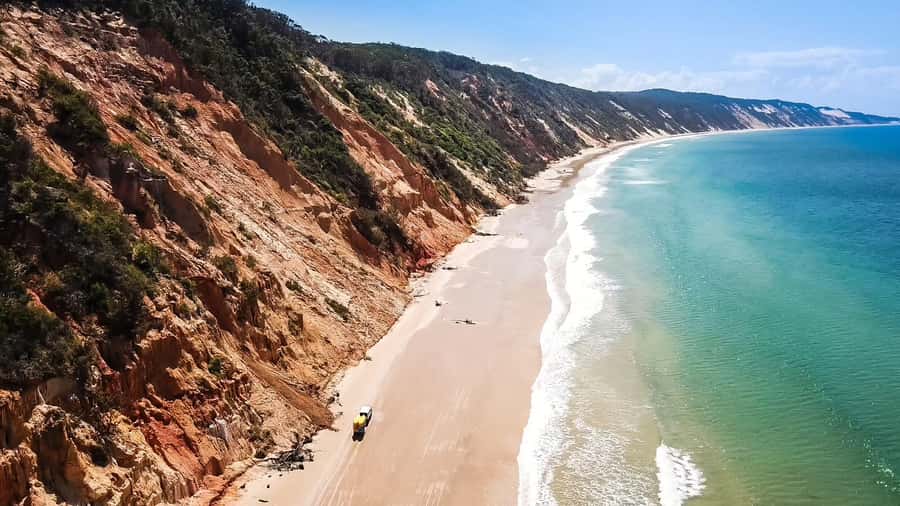
The tour starts by rolling along beach and national park areas in a 4WD, heading toward the spectacular Double Island Point. Even before anyone points out wildlife, this segment has value because it shows you the scale of the coastline and the beauty of the area from a vehicle viewpoint.
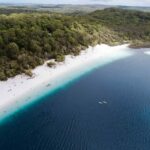
You’ll also get that classic Rainbow Beach context: views toward Fraser Island and the colored sands you can see in the region. It’s not just scenery for scenery’s sake. Seeing where you are relative to islands and headlands helps you understand why the water around Double Island Point attracts marine life.
A practical consideration: one of the reviews notes the driving portion can be bumpy and off-road due to tide timing. If you’re sensitive to vehicle motion or generally prone to travel sickness, plan accordingly. Also, pack for comfort because you’re going from vehicle ride to sea kayaking soon after.
Double Island Point: where the coast looks different from every angle
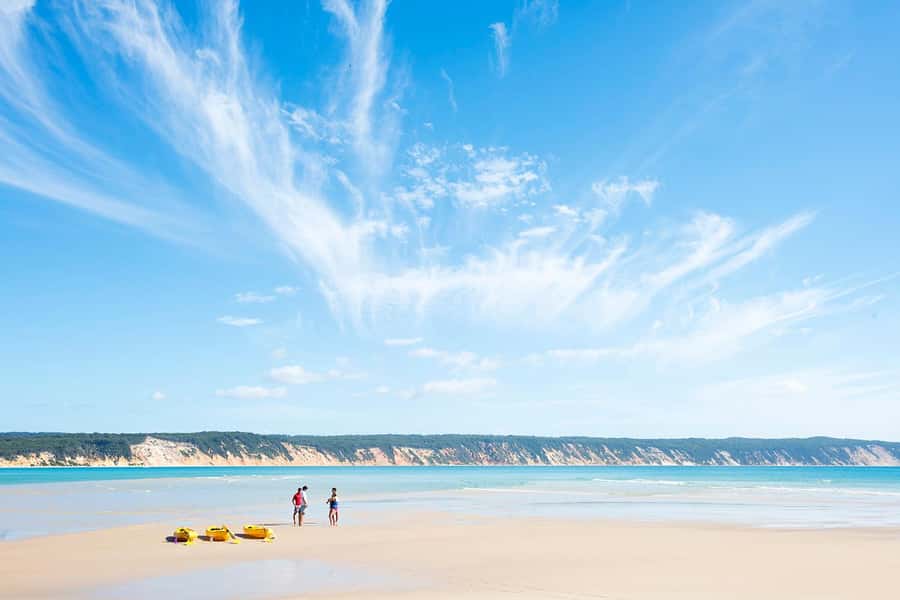
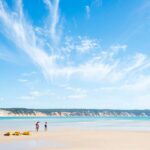
Double Island Point is the anchor for the whole trip. You’ll be there to take in the scenery, including the headland and the lighthouse area. While this is mainly a viewing and orientation stop, it also helps you mentally switch gears from driving mode to paddling mode.
What I like about this stop is the “three perspectives” feel:
- land perspective from the 4WD
- sea perspective from the headland lookout area
- water perspective once you’re kayaking around the point
That last one is the big selling point. Being on the water changes how you judge distance and shape of the coastline, and it makes it easier to spot animal activity where currents and feeding zones bring fish close to the surface.
Also, remember that conditions can affect sighting quality. On calmer days, you’ll likely feel more confident setting up your kayak and keeping your focus. If the sea is running a bit, the views are still there, but your energy may go to staying comfortable.
Guided sea kayaking around the headland: effort you’ll actually feel
This is not a “sit and float” kayak tour. It’s a guided kayaking trip around Double Island Point, so you’ll be doing real paddling in an ocean setting. Even if you’ve kayaked before, sea conditions are different from lakes or rivers: wind, chop, and swell can change how the kayak sits and how much you need to work to keep direction.
From what I’ve learned, the group experience can vary based on sea state and the day’s conditions. A review calls out that there can be plenty of paddling and not much time for swimming, which tells me the tour pace is guided by safety and control rather than open-ended playtime.
Who should be most comfortable here?
- People who can swim and don’t panic in open water
- People who don’t mind active paddling for the duration
- People who can tolerate some ocean movement
Who should reconsider?
- Non-swimmers (this tour is not suitable for them)
- Anyone prone to seasickness
- People who know they struggle with physical effort
And if you’re an older adult or you’re returning to active sports after time off, it’s worth thinking of this as an “ocean fitness test,” not a gentle sightseeing paddle. One review specifically mentions the activity felt physically challenging and suggests they should advertise fitness level more clearly. Treat that as a helpful warning.
Wildlife viewing: dolphins are a target, but nature keeps control
The wildlife list is one reason people love this trip. You’re encouraged to watch for:
- bottlenose dolphins feeding on schools of fish
- humpback whales (June to November)
- turtles
- manta rays
- stingrays
- soldier crabs in huge numbers
- migrating sea birds
And you might also see other marine life depending on what’s moving through the area that day.
The key detail for your expectations: you’re going to be in the zone where sightings are possible, but wildlife isn’t guaranteed. One review had a dolphin show, another didn’t see dolphins or wildlife due to conditions, and another had whales, dolphins, and turtles. That spread tells you the ocean is still the ocean.
So how do you improve your odds?
- Pay attention to the guide’s cues quickly. A good briefing helps you interpret what you’re seeing.
- Stay alert rather than locked on one spot. Feeding activity can shift.
- Be comfortable enough to keep paddling. If you’re conserving energy because you feel shaky, your scanning will suffer.
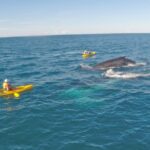
If you get the “right” conditions, dolphins can be the most exciting moment. That feeding behavior is exactly the kind of natural spectacle that makes a headland kayak route worth it. When it happens, it feels less like spotting and more like watching a living system do its thing.
Also, if you’re traveling in whale season (June to November), you should go in with that in mind. It’s not a promise, but it’s an important seasonal advantage baked into the area’s marine activity.
A few more Rainbow Beach tours and experiences worth a look
What’s included, and what you’ll need to sort yourself
This tour is priced at $98 per person for about 3 hours. The inclusions are a strong part of the value:
- the 4WD beach experience
- kayak tour
- equipment
- national park entry fee
You don’t have to pay extra on-site for the core activities, which matters because ocean gear and guided instruction can add up quickly elsewhere.
What’s not included is lunch, so plan snacks. The “bring snacks” note isn’t just polite advice. With a short 3-hour window, you don’t want to be hungry and distracted, especially if you’re working your body paddling.
Price and value: why $98 can make sense here
$98 sounds like a lot until you break down what you’re actually buying. You’re getting:
- entry into a national park area as part of the experience
- a 4WD drive component (not just a pickup and departure)
- guided sea kayaking plus equipment
- an English-speaking guide
If you priced those pieces separately, you’d likely pay more. The tour is built around a full “experience chain,” not just the kayak. The beach drive is part of the story because it brings you to Double Island Point and sets you up to see more once you’re on the water.
That said, you should judge it on your comfort level with sea conditions and fitness. If sea kayaking is not your thing, the value drops fast. It’s like buying a ticket to a hike: it’s not overpriced if you can handle it. It’s overpriced if you can’t.
How to get ready: your packing checklist for ocean time
Bring:
- swimwear
- a change of clothes
- a towel
- snacks
- sunscreen
- water
This list is practical for one reason: you’re going from ocean kayaking to getting dry and comfortable again, likely while still in the park area. The change of clothes and towel are what prevent the whole trip from turning into an uncomfortable wind-chill moment after paddling.
Also, pack sunscreen even if it clouds over. Open ocean sun can still be intense. And bring water because the kayak work is physical and the session is long enough that you don’t want to rely on your memory to hydrate.
Meeting point and timing: Kirchner St, and tides call the shots
You meet your guide at the Kirchner St Bus Stop, located opposite The Deck @ Sea Salt. That’s an easy reference point, especially if you’re already walking around Rainbow Beach.
Departure times vary daily due to changing tides. For you, this means you should treat the exact start time as something to check close to booking. Don’t plan a tight connection immediately after, because the whole flow depends on tide timing.
Who should book this and who should skip it
This tour fits best if you want:
- a mix of 4WD beach scenery plus sea kayaking
- a guided wildlife-focused outing
- a shorter 3-hour adventure rather than a full-day charter
- a real chance at dolphins, with whale-season odds in June to November
It may not be the best match if you:
- can’t swim (non-swimmers are not suitable)
- are prone to seasickness
- are under 4 years old (not suitable)
- weigh over 220 lbs (100 kg)
For kids, children aged 4–7 may be permitted if it’s deemed suitable, but a child/infant safety seat will be required. That’s a big detail for families, because it changes how ready your child needs to be for an active water experience.
And for older adults or anyone returning to paddling, I’d take the fitness note seriously. This isn’t just “going for a look.” It’s paddling in ocean conditions.
Your call: should you book Rainbow Beach kayaking with dolphins?
I think you should book if you match the activity’s mindset: you’re comfortable with active sea kayaking, you can swim, and you’re interested in marine wildlife viewing from a headland route. The combination of 4WD access to the Great Sandy National Park plus kayaking around Double Island Point is exactly the kind of Australian coastline experience that feels more “place-specific” than a generic water tour.
I wouldn’t book if you want guaranteed dolphin sightings or if you already know you struggle with ocean chop, motion sickness, or physical exertion. Wildlife and sea conditions are part of the deal, and the tour can feel tough when water is rough.
If you’re on the fence, focus on this: the tour is short, the effort is real, and the reward is the chance to see dolphins feeding and other marine life in a very specific part of the coast.
FAQ
FAQ
How long is the Rainbow Beach kayaking with dolphins tour?
It runs for about 3 hours.
How much does the tour cost?
The price is $98 per person.
What’s the meeting point?
Meet at the Kirchner St Bus Stop, opposite The Deck @ Sea Salt.
What’s included in the price?
The tour includes the beach 4WD experience, kayak tour, equipment, and the national park entry fee.
Is lunch included?
No. Lunch is not included.
What should I bring?
Bring swimwear, a change of clothes, a towel, snacks, sunscreen, and water.
Are there any age limits for children?
Children under 4 years aren’t suitable. Children aged 4–7 may be permitted if deemed suitable, and a child/infant safety seat will be required.
Is the tour suitable for non-swimmers?
No, it is not suitable for non-swimmers.
Can the start time change?
Yes. Departure times vary daily due to changing tides.
What wildlife can I hope to see?
You may see bottlenose dolphins, humpback whales (June to November), turtles, manta rays, stingrays, soldier crabs in large numbers, and migrating sea birds.