REVIEW · OUTBACK QUEENSLAND
Roma: Landscape and Legacy Day Tour Including Lunch
Book on Viator →Operated by Boobook Explore · Bookable on Viator
Outback days in Queensland can be surprisingly personal. This Roma half-day into full-day experience mixes cattle-sale energy with quiet wildlife time at Mount Abundance. You get a guide’s lens on how people, animals, and farmland share the same space.
I especially like two things: the small group size (up to 14) keeps the day relaxed, and the picnic up at Mt Abundance is built around real viewing opportunities for birds and mammals. The guide also ties the scenery to where early explorers like Mitchell and Leichhardt left their marks, so the country feels connected, not random.
One thing to consider: it’s a moderate day outdoors, so bring hat and water and be ready for some walking between stops. If you’re sensitive to heat or sun, plan to take breaks and move at a steady pace.
In This Review
- Key highlights worth showing up for
- From the Sale Yards to the Outback Afternoon: What the Day Feels Like
- Roma Cattle Saleyards: The Region’s Workday Starts Here
- Roma Town and the Ecological Story You Can Actually Picture
- Mount Abundance Picnic: Wildlife Time, Bottle Trees, and Eagle-Watching
- Massey Downs Homestead Gardens: A Calmer Contrast After Open Country
- Eco-Guide Style: How the Stories Land Without Overdoing It
- The Group Size, Pickup, and Timing That Make It Work
- What You’ll Spend and Why It’s Reasonable for This Day
- Who This Tour Suits Best (and Who Might Prefer Another Plan)
- Small Details That Really Help You Enjoy the Day
- Should You Book This Roma Outback Day Tour?
- FAQ
- What time does the tour start?
- Where is the meeting point?
- How long is the tour?
- Is pickup offered?
- How big is the group?
- What should I bring?
- What’s included for food?
- Can I cancel for a full refund?
Key highlights worth showing up for
- Roma Sale Yards auction atmosphere: see how the region trades and why it matters
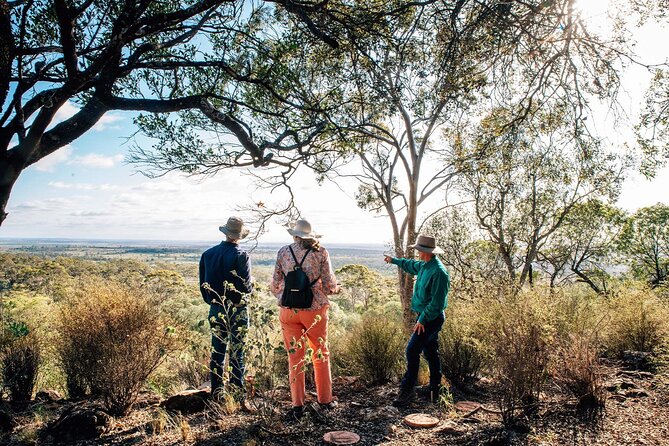
- Mount Abundance picnic: a great lunch setting with wildlife viewing potential
- Wildlife spotting chances: keep an eye out for emus, wallabies, kangaroos, and eagles
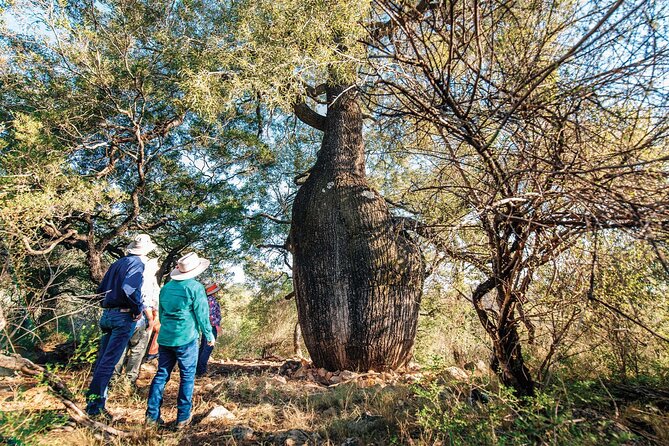
- Bottle trees in their natural habitat: a distinctive outback feature you can actually find on-site
- Massey Downs Homestead gardens: a calmer contrast after the yards and open grasslands
- Eco-guide stories: learn how ecology and farming connect in the same paddocks
From the Sale Yards to the Outback Afternoon: What the Day Feels Like
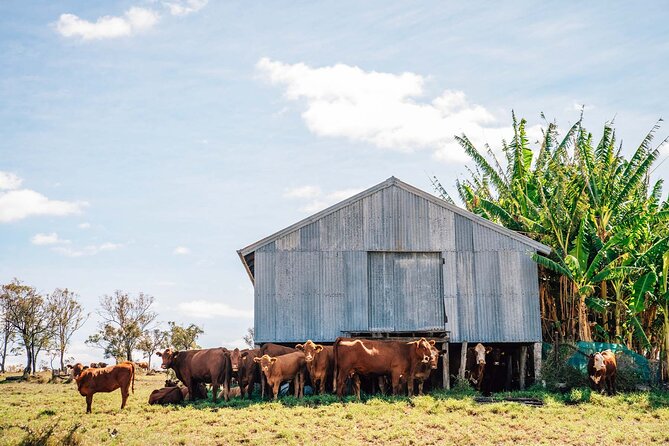
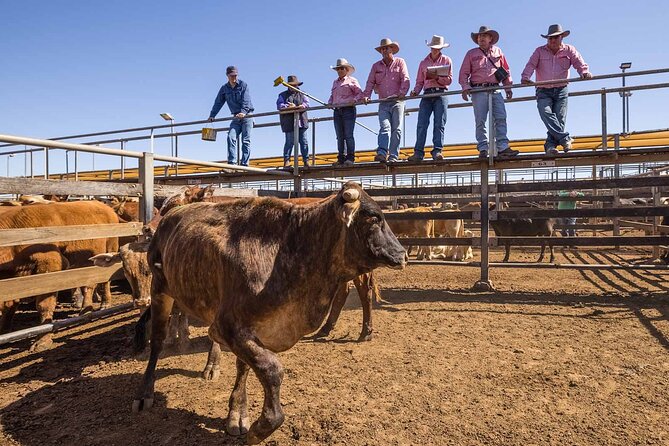
This tour starts where Roma’s outback life is loudest: the Roma Cattle Saleyards. It’s not a museum stop. It’s the real deal—buyers and sellers come together, and the auction ring is the heart of the action. Even if you’re not a cattle person, you’ll get a clear sense of how work and land shape the town.
Then the pace shifts. You move from trading energy into open country and quieter nature spots. That rhythm is what makes the day satisfying: you’re not just ticking boxes. You’re watching different “modes” of the same region—agriculture first, then ecology, then back to heritage in garden form.
This is also the kind of tour where the guide matters. The eco-guide approach is designed to help you read the country as you go, with practical explanations of plants, birds, and animal habits—plus the human side, like why particular places show up in early explorer stories.
You can also read our reviews of more tours and experiences in Outback Queensland.
Roma Cattle Saleyards: The Region’s Workday Starts Here
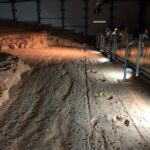
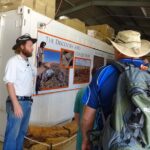
The first stop is the Roma Sale Yards, with about 1 hour 30 minutes on the clock. You’re there long enough to catch the flow of activity and see how the auction ring operates as a meeting point between people and livestock.
Here’s what I think is most valuable about starting at the saleyards: it gives you context fast. If you walk into the rest of the day without this, you can accidentally treat the scenery like a postcard. With the yards early on, you understand that this is working farmland—managed land that supports agriculture and wildlife in the same broader environment.
A practical note: this part can involve standing around and looking toward activity areas. Wear shoes that feel secure for uneven ground and stay sun-smart. This is one of those spots where a hat and water don’t feel like extras—they feel like your best “keep going” gear.
Roma Town and the Ecological Story You Can Actually Picture
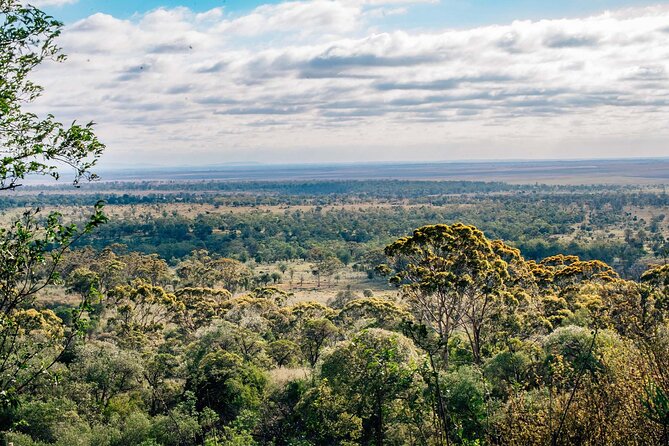
After the saleyards, you get an overview of Roma and the surrounding region, framed through natural attributes and ecology. This isn’t a lecture style session where you lose the plot. It’s presented to help you see how the landscape supports farming and how animals use the same grasslands and woodlands.
A helpful aspect of this part of the day is that it sets up what comes next. The tour is built around prime agricultural land and links it to early exploration routes—especially around Mount Abundance, connected to figures like Mitchell and Leichhardt. When you later arrive at the picnic viewpoint, the place doesn’t feel random. It feels like a named point in a bigger story.
You’ll also get a sense that ecology here isn’t separate from human activity. It’s part of the ongoing relationship between people and nature—how animals move through grasslands, how birds feed, and how the land’s distinct features show up in real habitats.
Mount Abundance Picnic: Wildlife Time, Bottle Trees, and Eagle-Watching
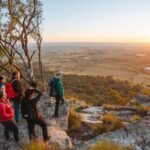
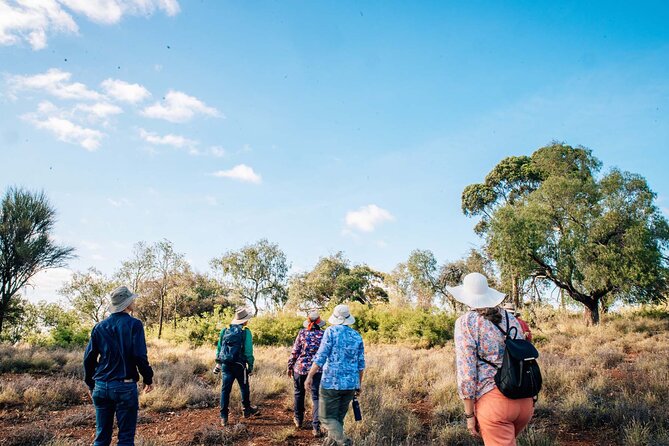
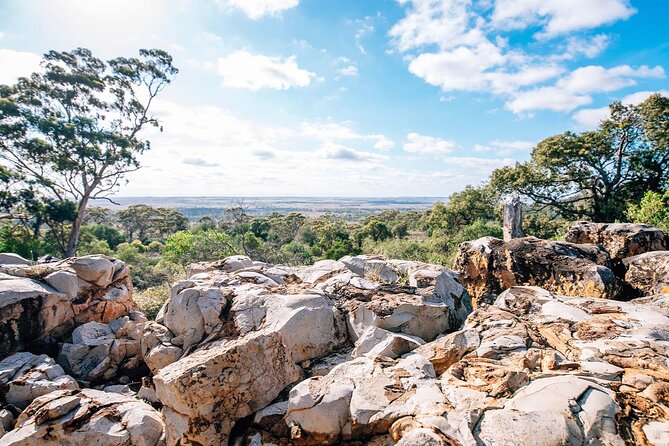
This is the emotional high point of the day for most people—and it’s easy to see why. The tour builds in a picnic lunch at Mount Abundance, with time in the surrounding areas where wildlife is often spotted.
What makes this stop special is the mix of big open views and specific targets:
- You might see wedge-tailed eagles soaring overhead.
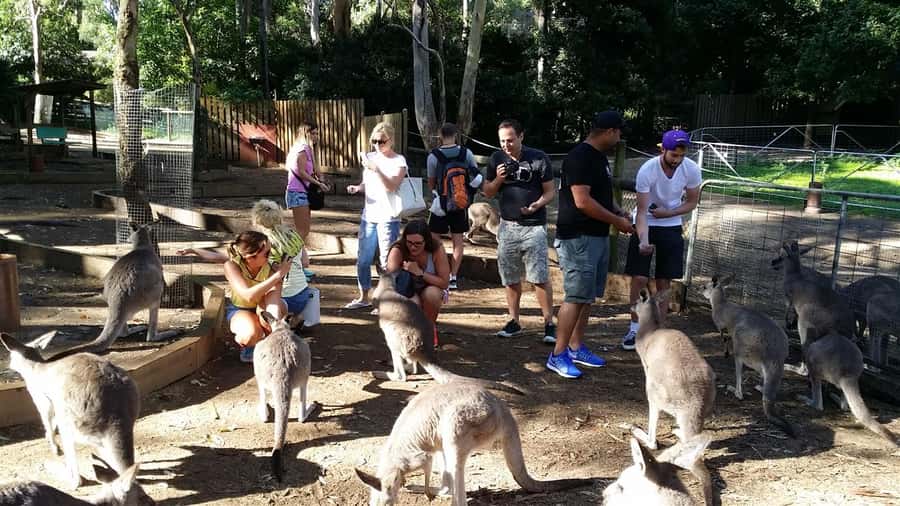
- You may spot emus, black-striped wallabies, and grey kangaroos across nearby grasslands and woodlands.
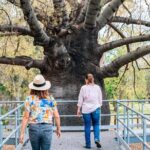
- The area includes bottle trees growing in their natural habitat.
The eagles part is the sort of outback moment that feels instantly real. Birds of prey often give you that “the sky has its own routine” feeling. And when you’re watching from a lunch spot rather than a long bus ride later, your chances feel more relaxed and natural.
There’s also a strong value angle here. Picnic lunches on tours can sometimes feel like a token. In this case, the lunch location is the point. You’re not eating and then hoping wildlife shows up somewhere else. You’re eating while you’re in the zone where wildlife activity is possible.
One consideration: binoculars aren’t mentioned in your tour info, so don’t count on extras. Instead, bring patience and a phone camera you can steady. If you’ve got a good zoom, even better. If not, watching with your eyes still works—especially for eagles and larger animals.
Massey Downs Homestead Gardens: A Calmer Contrast After Open Country
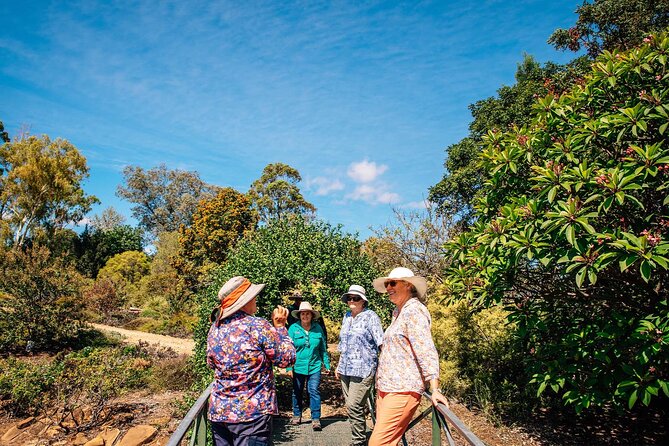
Once you’ve had your wildlife and views moment, you move into a different mood with Massey Downs Homestead gardens. This stop is a change of pace from wide-open spotting and cattle-yard energy.
I like garden stops on rural tours because they slow everything down. They give you time to observe smaller details that you’d miss when you’re rushing between lookouts. Even with only a limited window, homestead gardens help you understand how people historically created reliable growing spaces in outback conditions—without pretending that the area is only “wild.”
It’s also a nice counterbalance for families or anyone who wants both nature and heritage in the same day. If you’re traveling with mixed interests, gardens are often the peace treaty.
Eco-Guide Style: How the Stories Land Without Overdoing It
The tour is guided by an eco-guide, and that shapes the whole experience. The best part of eco-guiding is when it links facts to what you can actually see right now: bird behavior when you’re looking up, animal movement when you’re scanning the grasslands, and plant features when you’re noticing the bottle trees.
From the way guides describe these places, you also get a sense that Roma’s country isn’t just scenery. It’s an ecosystem with living patterns, and it’s also productive land. That combination is what makes the day feel practical rather than abstract.
I also like that the guide isn’t just reciting information. The experience is designed around interpretation—so you know what to watch for, and you understand why those features show up where they do. That’s what turns a stop into a memory you can repeat.
The Group Size, Pickup, and Timing That Make It Work
This is a small group tour with a maximum of 14 travelers, which is a sweet spot for a day like this. You’re not stuck in a massive crowd competing for attention. At the same time, you still have enough people for the day to feel social.
It runs about 6 to 7 hours, starting at 9:00 am. Pickup is offered, and the day ends back at the meeting point. The meeting point is listed as 15 Quintin St, Roma QLD 4455. If you’re driving yourself, this is straightforward—show up early, check in, and get ready for a long, well-paced day.
Here’s the reality check: it’s not just drive-through sightseeing. The day includes a saleyards stop, a town/ecology section, and an outdoor picnic viewpoint with wildlife spotting opportunities, plus time at a homestead gardens location. That means you’ll likely spend several hours on your feet at least off and on. The tour notes moderate physical fitness. You don’t need to be an athlete, but you do need comfortable shoes and a mindset for movement.
What You’ll Spend and Why It’s Reasonable for This Day
The price is $182.90 per person. At first glance, it can look steep—until you break down what you’re paying for. You’re not just buying transport between a couple of viewpoints. You’re paying for:
- a guided, story-led day built around multiple distinct locations
- time at the saleyards (with admission listed as free)
- a picnic lunch at Mount Abundance
- eco-guiding that helps you spot and understand wildlife and outback plants
Also, this is scheduled for a maximum of 14 travelers, which often means more personalized guiding but higher per-person costs than big-bus tours. If you value being able to ask questions and keep up with explanations without shouting over a crowd, the price starts to make sense.
In short: you’re paying for a structured outback day where the main stops are chosen for viewing and learning—not for distance or generic scenery.
Who This Tour Suits Best (and Who Might Prefer Another Plan)
This tour is ideal if you want a blend of:
- outback agriculture context (via the saleyards)
- wildlife spotting at a specific viewpoint (Mount Abundance)
- a guided explanation that connects ecology, plants, and animals to human history and land use
- a mid-day meal that’s tied to the best part of the day
It’s also a strong pick for families, as long as everyone is comfortable with a full morning-to-afternoon schedule and outdoor time. The tour’s design works well when different ages have different interests, because you’ve got active human-world stops and then calmer nature and garden breaks.
If you’re someone who only wants major “big-ticket” sights (and not smaller rural places), you might find the day more “quietly interesting” than showy. The payoff is in understanding the place rather than collecting icons.
Small Details That Really Help You Enjoy the Day
A few practical tips from the tour info that I’d treat as non-negotiable:
- Bring a hat. You’ll be outside.
- Bring bottled water. Don’t count on shops or stores during stops.
- Plan for moderate movement between viewpoints and stops.
- Wear shoes you trust for uneven outdoor ground.
Also, if you’re the sort of person who likes photo ops, set expectations for how you shoot wildlife. You’re spotting animals you might see briefly, and eagles can be quick to spot and quick to move. Best results usually come from short bursts of careful looking rather than frantic filming.
Should You Book This Roma Outback Day Tour?
If you want a guided day where you learn how Roma’s outback land actually works—and you’d like your lunch to happen in the middle of a wildlife-viewing moment—then this is an easy yes.
I’d book it if you care about:
- agriculture and ecology sharing the same space
- small group comfort (max 14)
- a guide-led day tied to specific outback highlights like Mount Abundance, bottle trees, and Massey Downs Homestead gardens
- the chance to see species like emus, wallabies, grey kangaroos, and wedge-tailed eagles
I’d think twice if you’re after a fast, minimal-walking “hit the highlights” route with zero time outdoors. This day is made for people who are okay being outside, scanning, and letting nature show up at its own pace.
FAQ
What time does the tour start?
The tour starts at 9:00 am.
Where is the meeting point?
The meeting point is 15 Quintin St, Roma QLD 4455, Australia.
How long is the tour?
It runs approximately 6 to 7 hours.
Is pickup offered?
Yes, pickup is offered.
How big is the group?
The tour has a maximum of 14 travelers.
What should I bring?
Bring a hat and bottled water.
What’s included for food?
There is a picnic lunch at Mount Abundance.
Can I cancel for a full refund?
Yes. You can cancel up to 24 hours in advance of the experience start time for a full refund.
If you want, tell me your travel dates and whether you’re driving yourself or relying on pickup, and I’ll help you sanity-check the schedule for a smooth day in Roma.