REVIEW · OUTBACK QUEENSLAND
Roma Revelation Tour Experience
Book on Viator →Operated by Boobook Explore · Bookable on Viator
Roma makes more sense after coffee and cattle. This 3-hour morning tour in Queensland pulls together Roma’s key sights and the stories behind agricultural heritage and the natural outback around town. It’s a simple way to get your bearings fast, without needing to do the homework first.
I especially like the focus on the cattle sale yards—it’s the kind of place you drive past unless you’re shown what to look for. I also like that the tour includes food breaks, with morning tea and a gourmet-style lunch built into the outing.
One possible drawback: the experience depends on good weather, so you’ll want flexibility if conditions don’t cooperate.
In This Review
- Key highlights to look for
- A 3-hour Roma morning that gets you oriented quickly
- Meeting at 15 Quintin St and starting at 9:00am
- The morning flow: saleyards, sculptures, bottle tree, and a Big RIG moment
- Stop-by-stop: what each one is likely to feel like
- Why the cattle sale yards stop is worth your attention
- The guide matters: getting the story from Meryl Eddi
- Morning tea and a gourmet-style lunch: food that adds real value
- Price and value for $60.97 per person
- Who should book this Roma Revelation Tour?
- Weather and practical notes that can affect your day
- Should you book the Roma Revelation Tour?
- FAQ
- How long is the Roma Revelation Tour?
- Where is the meeting point?
- What time does the tour start?
- How much does it cost per person?
- Is a mobile ticket used?
- Is there free cancellation?
Key highlights to look for
- A guided intro by Meryl Eddi that turns local landmarks into real stories
- Roma Sale Yards stop, with a proper look at how cattle trade works in the region
- Public artworks and town sculptures that help you understand Roma’s character beyond the road signs
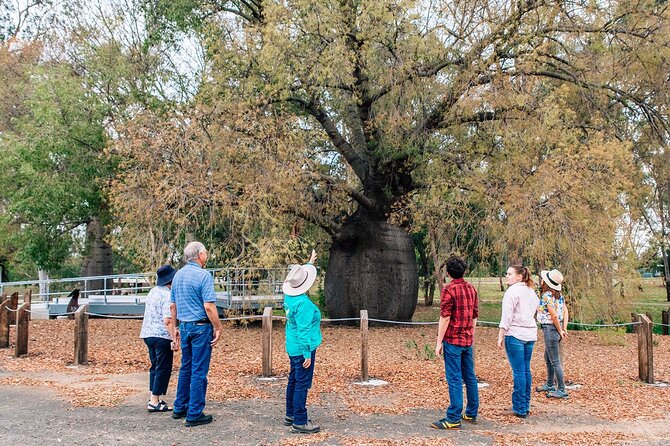
- The biggest bottle tree as a memorable natural landmark (and a great photo moment)
- Morning tea at a picnic-style spot plus a superb lunch included in the day’s flow
A 3-hour Roma morning that gets you oriented quickly
If you’re short on time in Roma, this kind of tour is a win. You’ll spend about 3 hours seeing the main sights and learning how the town’s agricultural roots connect to what you notice today—places, sculptures, and outback icons that otherwise blur together.
What makes it work is the way the story is organized around everyday outback life, not just names and dates. You start with the places that shaped the town—especially the stock industry—and then you move outward to the visual landmarks that give Roma its personality.
And yes, you’re also doing a lot of “touring” without it feeling like busy sightseeing. It’s more like a guided walk-through of how Roma grew, with stops that actually make sense in the context of an outback community.
You can also read our reviews of more tours and experiences in Outback Queensland.
Meeting at 15 Quintin St and starting at 9:00am
Your day starts at 9:00am at 15 Quintin St, at the Boobook Explore Office. That early start is helpful. It gives you daylight for the outback stops and still keeps the whole outing compact.
A practical note: this is a mobile ticket experience, so you can keep things simple on your phone. Confirmation comes at booking time, which helps you settle in and not worry about last-minute details.
If you don’t love rushed mornings, plan to arrive a touch early. Outback tours move at a calm pace, but meeting points still need a little buffer—especially if you’re wrangling bags, hats, or a camera tripod.
The morning flow: saleyards, sculptures, bottle tree, and a Big RIG moment
This tour is built around a set of memorable stops, each one doing a job. Some places explain Roma’s working life. Others explain the town’s pride and whimsy—how a community marks itself in public space.
Here’s the feel of what you’ll experience:
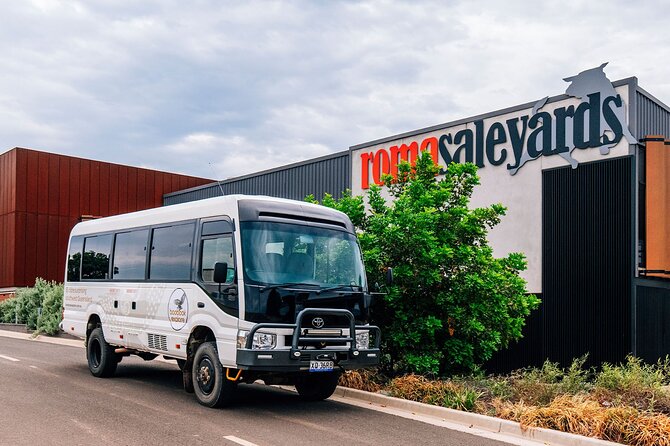
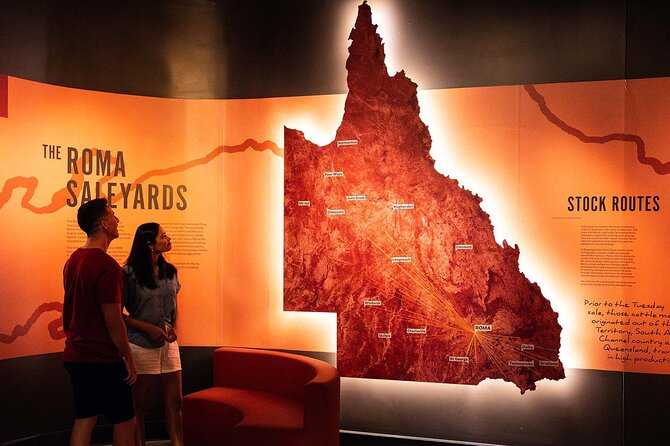
- You’ll visit the Roma Sale Yards, which is the big anchor stop.
- You’ll also see town sculptures and other roadside-style landmarks.
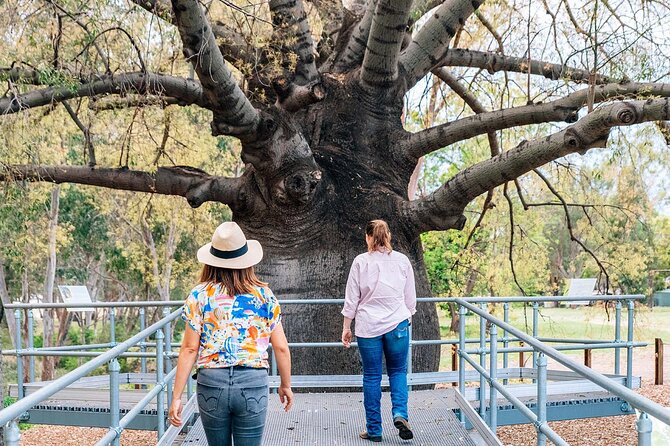
- A standout natural feature is the biggest bottle tree.
- There’s at least one more signature sight, described as a Big RIG feature, that adds a modern touch to the traditional farm-and-trade focus.
The best part is that these stops aren’t random. They connect. You go from the working heart of the region (cattle trade) to the way Roma expresses itself (public art and iconic natural landmarks).
Stop-by-stop: what each one is likely to feel like
Roma Sale Yards (the big highlight)
This is the stop most worth showing up for. The saleyards help you understand the rhythms of the region—how cattle business shapes a town’s identity, staffing, infrastructure, and seasonal schedule. If you’ve never been around a cattle-sale environment, the guide’s explanations matter, because the layout and terminology can be confusing without context.
Sculptures and town landmarks
These stops are where you see Roma as a place people live in, not just a place to pass through. When public artworks are pointed out with a story, they stop being decoration and start acting like local memory—small markers of how the community sees itself.
The biggest bottle tree
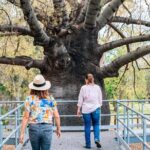
A bottle tree is one of those outback things that sounds odd until you’re standing next to it. It’s visual, memorable, and easy to understand in seconds—shape, scale, and the sheer outback audacity of it. It also gives you a break from purely industrial or business-focused stops.
A Big RIG feature
The “Big RIG” mention suggests a standout roadside-style icon. Even without extra detail, it’s the kind of stop that gives you a fun photo and a quick story tie-in to the broader theme: outback life made visible.
If you like tours that keep moving but don’t rush, this one’s built for you.
Why the cattle sale yards stop is worth your attention
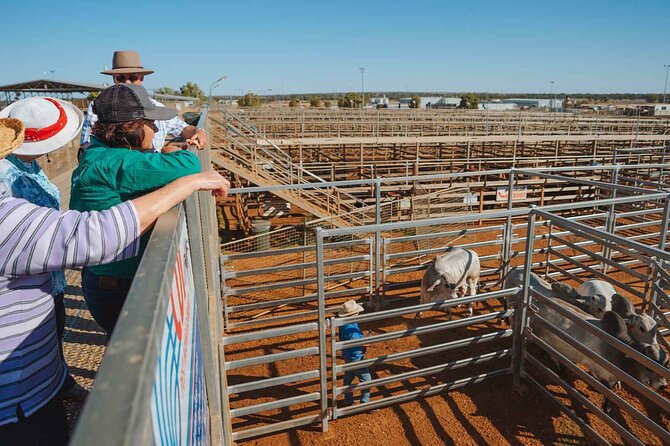
The saleyards are where the tour earns its value. Even if you’re not a farming or livestock person, it’s a strong way to learn how the outback economy works on a human scale.
Here’s what you’ll likely take away:
- How the cattle trade creates a local hub effect: people, services, transport, and schedules all revolve around it.
- Why a town like Roma grows in the way it does, with practical buildings and community infrastructure shaped by stock movements.
- How “agricultural heritage” isn’t just a museum theme—it’s still part of the town’s logic.
In the reviews, the saleyards are repeatedly called out as a highlight, which matches what I’d expect from a good guide-led introduction: it’s interactive in a way that ruins a lot of “drive-by” sightseeing.
Also, if you’re the type who likes to understand how a place functions, not only how it looks, this stop does that job.
The guide matters: getting the story from Meryl Eddi
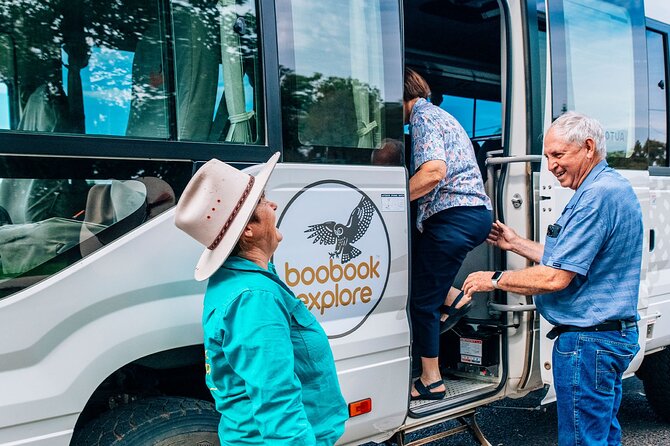
A big reason this tour lands well is the guide. Meryl Eddi is named in multiple accounts as the person escorting the day, and the feedback centers on friendliness and strong local knowledge.
That combination is more important than it sounds. In a short half-day-style outing, you don’t have time to research everything afterward. A guide helps you make sense of what you’re seeing while you’re still at the location—so the bottle tree is more than a photo and the saleyards are more than an interesting building.
If you’re curious and ask questions, a guide like this tends to make the tour feel personal. If you’re quieter, you’ll still benefit because the explanations guide your attention in the right places.
Morning tea and a gourmet-style lunch: food that adds real value
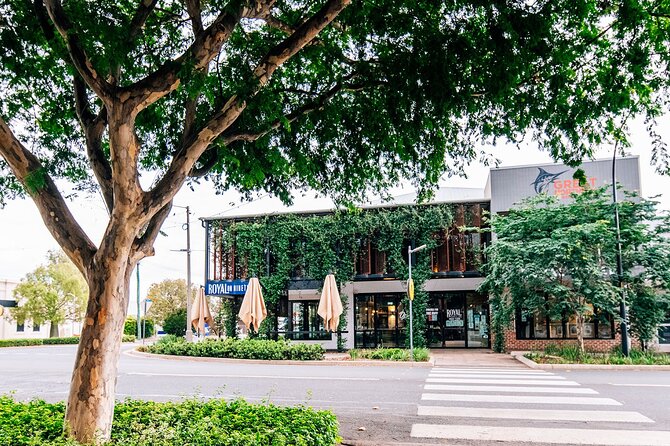
Many tours add a snack. This one builds in proper breaks, and the food is part of what makes it feel like good value.
You can expect morning tea at a gorgeous picnic spot, and a superb gourmet lunch later in the outing. That matters because it turns the tour into a complete morning plan. Instead of treating sightseeing as something you fit between meals, you get a flow: see → learn → eat → see.
For $60.97, food inclusion is part of the math. Even if you’re not a “big eater,” you’re paying for time, guidance, transport, and the meals that would otherwise cost you locally. In outback towns, that can add up faster than people expect.
A practical tip: plan to wear comfy clothes and something that handles sun. You’ll want to enjoy the picnic-style pause without thinking about logistics.
Price and value for $60.97 per person
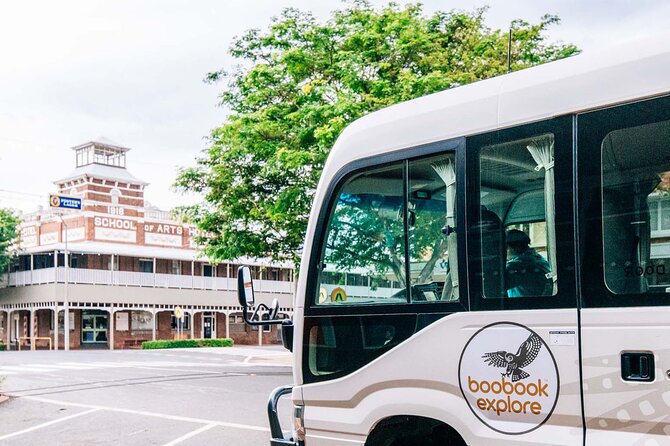
At $60.97 per person for about 3 hours, you’re not buying a long-day bus tour. You’re buying an efficient guided circuit that focuses on key Roma landmarks and the agricultural story behind them.
Here’s where the value shows up:
- Guided interpretation at multiple stops (not just a lecture from the road)
- A visit to the Roma Sale Yards, which is harder to understand on your own
- Stops that are memorable because of scale and context, like the biggest bottle tree
- Included morning tea and gourmet-style lunch, which cuts down on separate meal planning
If your goal is to get local context quickly, the price makes sense. If your goal is slow travel and lots of free time to roam at your own pace, you may find the half-day format a little structured.
Who should book this Roma Revelation Tour?
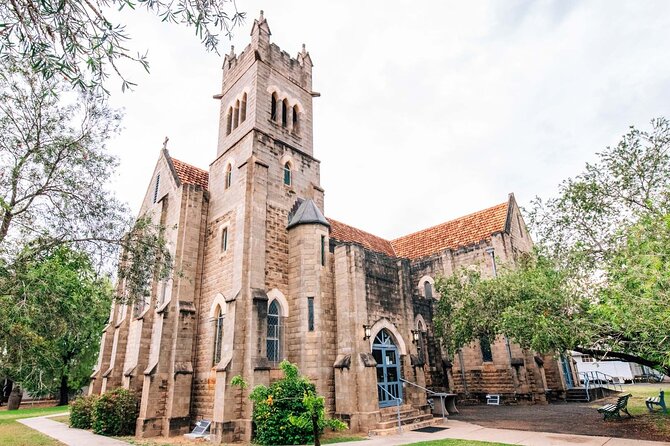
This tour fits best if you:
- Want a first-time introduction to Roma without doing a lot of planning
- Like learning how places work—especially the link between outback farming life and town development
- Enjoy a guided group format where someone else handles timing and stop sequencing
- Appreciate included food breaks rather than hunting for cafes between sights
It may be less ideal if you:
- Prefer long, independent exploration with minimal structure
- Need mobility accommodations that aren’t clearly described beyond “most travelers can participate”
- Travel in a season where weather uncertainty is high and you hate changing plans
Weather and practical notes that can affect your day
This experience requires good weather. That means if conditions are poor, the tour may be rescheduled, or you’ll be offered a different date or a full refund. It’s not a detail to ignore—outback weather can be fickle, and tours like this are usually set up so stops depend on comfortable outdoor conditions.
Good news: the tour is designed so most travelers can participate, and service animals are allowed. If you need a service animal for support, you can feel confident booking this particular experience.
You’ll also be handling a mobile ticket and confirmed booking details, so you’re not juggling paper receipts on the morning.
One more practical thought: bring a hat, sunscreen, and water. Even with a guided schedule and food included, outback sun is still outback sun.
Should you book the Roma Revelation Tour?
I’d book it if you’re in Roma for a short stay and you want the fastest path to understanding the town’s outback character. The repeated emphasis on the cattle sale yards, the presence of a friendly guide like Meryl Eddi, and the included morning tea plus gourmet lunch point to a tour that’s built for real value—not just sightseeing checkboxes.
Skip it only if you have plenty of time to explore independently, or if you know you won’t tolerate weather-related changes.
If you’re on the fence, here’s a smart way to decide: ask yourself whether you’d rather spend your limited Roma time learning from a guide at iconic stops—or driving around hunting for context on your own. If you pick the guided option, this one’s a solid choice.
FAQ
How long is the Roma Revelation Tour?
The tour lasts about 3 hours.
Where is the meeting point?
You meet at 15 Quintin St, at the Boobook Explore Office.
What time does the tour start?
The start time is 9:00am.
How much does it cost per person?
The price is $60.97 per person.
Is a mobile ticket used?
Yes, this experience uses a mobile ticket.
Is there free cancellation?
Yes. You can cancel for a full refund up to 24 hours before the experience starts.