REVIEW · ROTTNEST ISLAND
Rottnest Island Grand Tour Including Lunch and Historical Train Ride
Book on Viator →Operated by Australian Pinnacle Tours · Bookable on Viator
Rottnest turns a single half-day into a whole lot of island memories. You get WWII guns and tunnels at Oliver Hill, then a bus loop that hits the coast, salt lakes, and major viewpoints where you can spot quokkas and other native wildlife. My only heads-up is that the train-and-tunnel parts involve steps, so it’s not a great pick if stairs are a real problem.
This tour is also strong on storytelling. The live commentary (often with guides such as Kevin, Robbo, or Jason, plus local Oliver Hill guides like Sara and Garry) makes the island feel like more than scenery. You’ll finish with a light boxed lunch while you’re still in sightseeing mode, not stuck looking for food afterward.
One possible drawback: timing and details can be slightly chaotic on busy days—like train issues or lunch being different than expected—so I’d plan to be flexible. Also, drinks are not included, and there were mentions of signage and meeting confusion, so read your meeting spot carefully before you go.
In This Review
- Key things to plan for (before you board)
- Rottnest in One Half Day: how the bus-and-train loop works
- Historical train start: getting your bearings fast
- Oliver Hill Battery: the WWII guns and tunnels stop you’ll remember
- Kingstown Barracks and the island’s human layer: what the guide brings to life
- Salt lakes and the quokka hunt: where wildlife time actually fits
- Henrietta Rocks shipwreck viewpoint and the best coastal photo rhythm
- Jeannies Lookout, the lighthouse, and why the timing matters
- Lunch on the move: what to expect from the boxed meal
- Price and logistics: is $78.18 actually good value?
- Who should book this tour, and who should skip it
- Should you book the Rottnest Island Grand Tour with Lunch and Historical Train?
- FAQ
- How long is the Rottnest Island Grand Tour?
- What time does the tour start?
- Where do I meet for the tour?
- Does the price include my ferry to Rottnest Island?
- What’s included in the tour price?
- Are drinks included with lunch?
- Is there a group size limit?
- Is this tour suitable for people with mobility issues?
- What happens if the tour can’t run due to weather?
Key things to plan for (before you board)
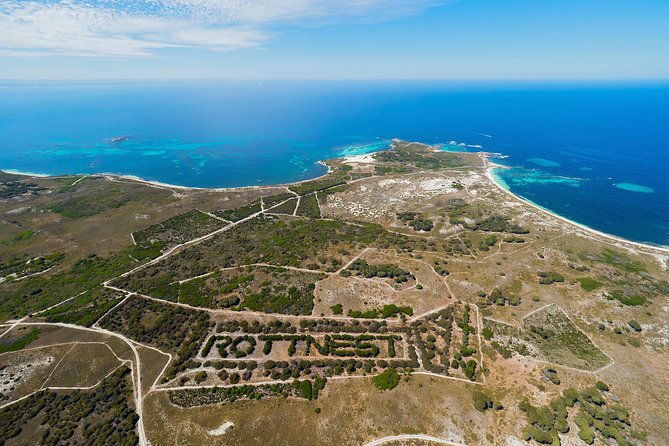
- Historical train + air-conditioned bus: a two-mode way to see Rottnest without pedaling hills.
- Oliver Hill WWII battery visit: guns and tunnels with a guided tour, plus strong photo views from up high.
- Quokka spotting is real (but not guaranteed everywhere): you’re in the right habitat, especially around the main village later on.
- Major coastline stops are short: expect photo time at viewpoints like Mabel Cove, then back onto the bus.
- Steps are part of the deal: the train and tunnel section includes narrow stairs, so mobility matters.
- Lunch is light and basic: good for keeping you moving, but not a full meal plan with drinks.
Rottnest in One Half Day: how the bus-and-train loop works
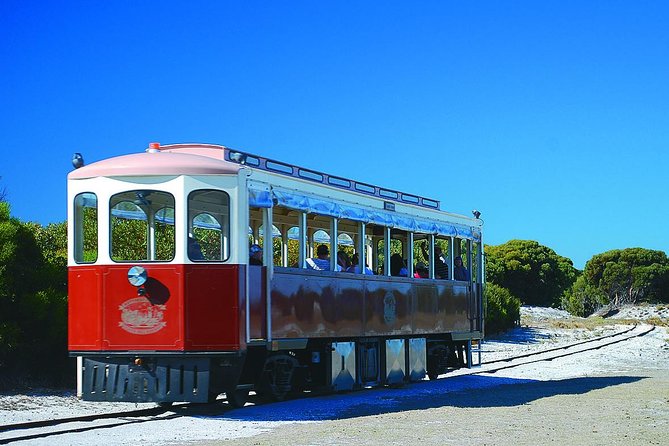
This is a 4-hour, half-day grand tour built for people who want the highlights without cycling the entire island. You start on Rottnest at the Rottnest Island Train Station at 11:30 am, then you combine a historical train segment with an air-conditioned coach ride.
The key idea is that the island’s best-known sites are spread out, and some areas are hilly. The bus does the heavy lifting. You get repeated stops for photos and wildlife scanning, rather than one long drive with no breaks. And because the group is capped at 34 people, it generally feels managed—like you’re not trapped in a massive herd.
If you’re the type who wants to see everything but hates wasting time, this tour has a nice rhythm: climb and explore at the major historical site, then coast along the island’s viewpoints and coastal scenery with guide-led context.
You can also read our reviews of more tours and experiences in Rottnest Island.
Historical train start: getting your bearings fast
The first big moment is the historical train ride. Even if you’re not a rail fan, it’s useful here: it sets the tone, gets you up toward where the island’s viewpoints start, and makes the rest of the day easier to place in your head.
During the train segment, you also get live commentary from the driver. That matters because Rottnest is full of “why is that there?” details—military structures, maritime references, and island features you’d otherwise ignore while taking photos. The train is also one of those built-in “memory moments,” because it feels different from the usual bus tour.
Important reality check: there are steps for the train and tunnel portion, and the tour is not recommended for anyone with difficulty descending narrow stairs. If you’re unsure, think about how you handle stairs on a vacation day, not at home. This is the one part of the day that can change your comfort level quickly.
Oliver Hill Battery: the WWII guns and tunnels stop you’ll remember
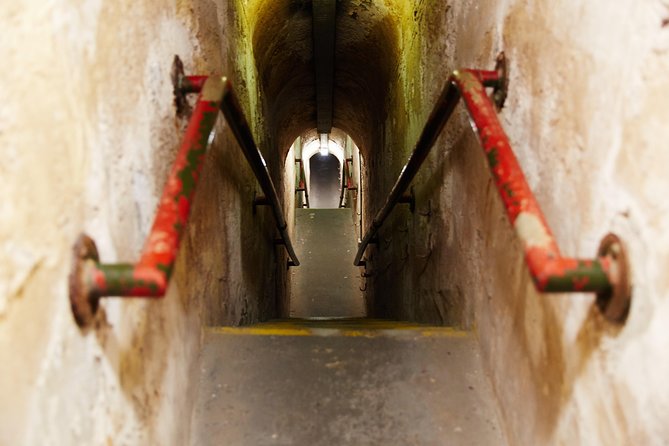
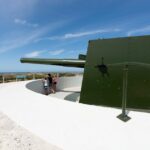
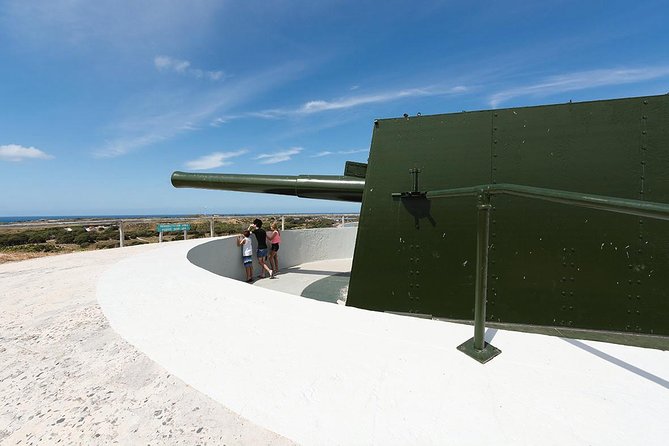
Oliver Hill is the heart of this tour, and it’s where you’ll get the most “on the ground” history. You travel up to Oliver Hill and then take part in a guided tour around the historic attraction connected to the defense of Western Australia during World War II.
This is not just a quick look from a viewpoint. You’re meant to walk through and understand the space, including WWII gun and tunnel areas. For me, that’s where the island’s character shifts—from postcard beaches to something more serious and real. The tunnels and fortification spaces help you understand why Rottnest mattered, not just how it looks.
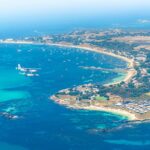
Photo-wise, you’ll be grateful you’re high up. You’ll get views that make you understand why people keep returning. The island’s coastline curves and the colors shift as you move your angle—so even with short stops, you end up with multiple worthwhile shots.
One practical tip: wear shoes you trust. This is a guided walking area with stairs. And if you’re the kind of person who likes time for extra photos, tell yourself you’re going to do it here—because later stops tend to be more “hit the view, snap, move on.”
Guides matter too. Several names came up in the tour experience—Kevin leading commentary and Sara or Garry helping at Oliver Hill—so you’re likely to get a human, story-driven explanation rather than a scripted recitation.
Kingstown Barracks and the island’s human layer: what the guide brings to life
Beyond Oliver Hill, the tour covers Kingstown Barracks and includes context about Rottnest’s Aboriginal Noongar heritage. This is the part that helps the island feel like a living place with many layers, not only a military relic and a wildlife postcard.
Kingstown Barracks gives you a sense of how the island functioned as more than a scenic escape. Even if you’re not deep into military history, the Barracks stop helps connect the dots between defense infrastructure and daily life on the island.
The Aboriginal Noongar information is woven into the day via live commentary, so you’re not left with a museum packet and no story. The tour format matters here: hearing it while you look around the terrain makes it easier to remember.
If you care about interpretation, this is a good tour choice. It doesn’t just say what you’re seeing. It gives you enough context to appreciate why it’s here and what it meant.
Salt lakes and the quokka hunt: where wildlife time actually fits
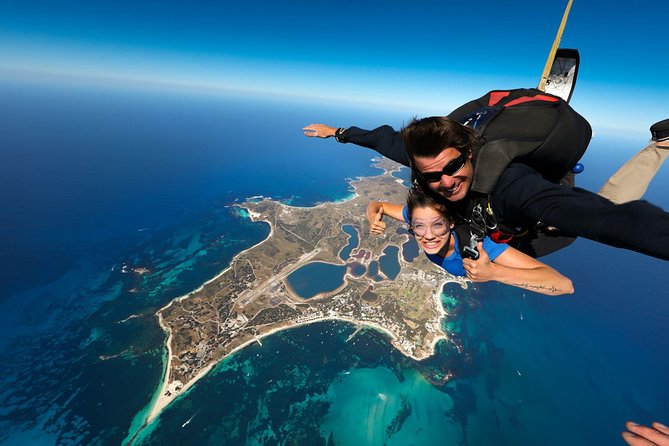
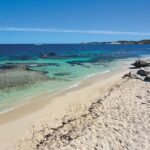
Rottnest has distinct habitats, and this tour tries to cover them without making the day feel like a checklist marathon. You’ll get stops and commentary for pristine beaches, woodlands, and salt lakes.
The salt lakes are a big part of the island’s ecology. You may hear about multiple lakes, including Lake Baghdad, Lake Vincent, Herschel Lake, Garden Lake, Government House Lake, and Serpentine Lake. Even if you don’t become a salt-lake expert by the end of your tour, it’s valuable to understand the island’s shape and water systems—because that’s what influences vegetation and the wildlife patterns you’ll notice.
Now, quokkas. This is why many people book in the first place. The tour includes guidance for spotting them along with other native wildlife. Here’s the honest planning logic: quokkas are easiest when you’re in the right areas and when the island is active. One pattern that came through is that sightings can be better later around the main village. If you don’t get your perfect quokka close-up immediately, don’t panic. You’re set up to search, not guaranteed a single dramatic encounter on every stop.
Also, plan to act like a wildlife photographer, not a bulldozer. Stay calm, keep distance, and let the guide’s route do the work. You’re more likely to get the shot you want without stressing animals or slowing the group.
Henrietta Rocks shipwreck viewpoint and the best coastal photo rhythm
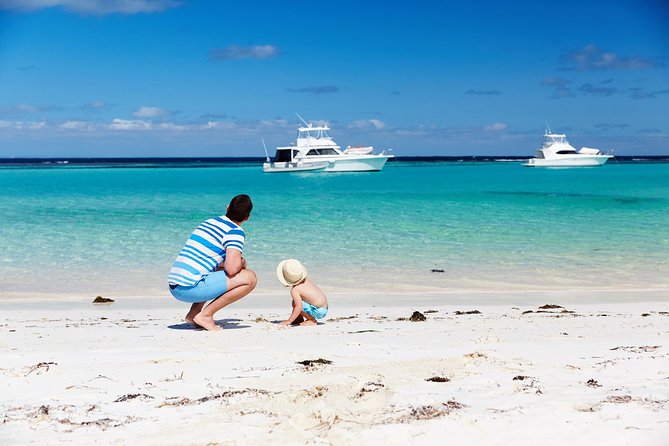
Rottnest’s maritime story shows up with a stop connected to Henrietta Rocks, including the shipwreck location area. This is where the island feels like it has a past at sea, not just on land.
The tour also works in several signature lookout moments—think Cathedral Rocks and Cape Vlamingh—where you’re meant to take in the coastline from angles that are hard to replicate on your own unless you plan your day carefully.
Here’s the practical part: many of these photo stops are short. That can be good or annoying depending on your style. If you love quick view-to-view sightseeing, it’s perfect. If you prefer long hangs at a single beach, you might wish there were more extended time. Still, the tour’s best value is that it compresses many “must-see” areas into one manageable half day.
One viewpoint stop that stands out on the route is Mabel Cove for the cliffs and the famous Crocodile Rock formation. Expect about 15 minutes here. That’s enough time for photos and a quick look if you’re organized—less time if you’re stuck waiting for everyone else to finish their selfies.
Jeannies Lookout, the lighthouse, and why the timing matters

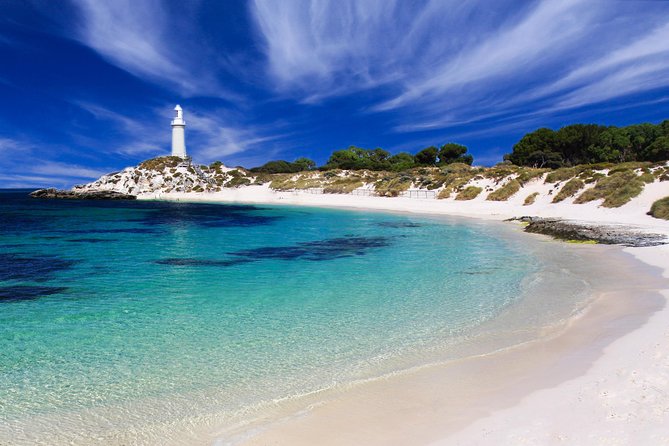
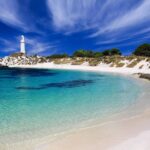
The route includes ocean-view stops like Jeannies Lookout, plus you’ll pass by a working lighthouse built in 1896. The lighthouse has a stated range of 26 nautical miles, which is the kind of detail your guide will toss in while you’re looking out over the water.
Why timing matters: if the day is windy or the light is harsh, you’ll feel it more on open headlands. This tour generally moves you between covered coach travel and short outdoor moments, so you don’t lose too much time waiting out weather.
Jeannies Lookout and the lighthouse pass are also good spots to notice the island’s reef edges and how the coastline shapes the water. If you’re the type who likes to understand what you’re looking at, ask your guide to connect the dots between the viewpoint and the maritime/military context. That’s where the live commentary adds real value, not just background noise.
Lunch on the move: what to expect from the boxed meal
Lunch is included as a light box lunch. The information you’ll see mentions a sandwich plus bottled water, and in practice the lunch has been described as a chicken wrap with a cookie and water.
Either way, it’s designed to keep you fed without turning lunch into a long break. That’s a plus if you’re trying to finish the tour at the scheduled end point while still getting your money’s worth.
Two practical notes:
- Drinks are not included beyond what’s in the lunch, so if you want more water, bring your own.
- If weather forces everyone to eat quickly or on the bus, it won’t feel like a relaxed picnic. The tour is built for sightseeing first, meals second.
If you’re picky about food, think of this lunch as “support fuel.” It’s there so you don’t spend the middle of your day hunting a café.
Price and logistics: is $78.18 actually good value?
At $78.18 per person, this tour isn’t the cheapest way to see Rottnest—but it’s also not priced like a private guide and charter. The value comes from the combination of things most self-planners would otherwise stitch together:
- a historical train ride
- a guided Oliver Hill WWII guns and tunnels segment with admission included
- multiple coordinated stops across the island, with live commentary
- an included light lunch
- air-conditioned bus transport
If you were doing it on your own, you’d likely pay separately for entry to major attractions, plus you’d spend time figuring out routing and ferry timing. This tour reduces that “decision tax.”
That said, the tradeoff is control. Stop times are relatively tight. You’re also dealing with the fact that ferry transport is not included, so your day still depends on your ferry schedule. Some people felt the timing didn’t line up perfectly with their ferry arrivals during busy periods, so plan for a little flexibility.
Also remember: the train and tunnel portion includes steps, so you’re paying for historical access, not just rolling past everything on a bus.
Who should book this tour, and who should skip it
This tour is a great fit if you:
- want the highlights in one half day and don’t want to bike all day
- like guided interpretation of military and cultural context
- want a realistic chance at quokka sightings with help from the route and timing
- prefer an air-conditioned bus on warm days
Skip it or consider a different plan if you:
- struggle with staircases and narrow stairs
- want long beach time and slow wandering without clock pressure
- need lots of food and drinks included beyond a light lunch
If you’re a solo traveler, it still works well. If you’re traveling with family, this is a good option if everyone can handle the stairs and the group pacing.
Should you book the Rottnest Island Grand Tour with Lunch and Historical Train?
I’d book it if you want a structured, guided way to see Rottnest without turning your day into a logistics puzzle. The Oliver Hill WWII tunnels and guns are the kind of stop that gives the tour weight. Add in live commentary, coastal viewpoints, and a realistic quokka-spotting plan, and you get a half-day that feels efficient and genuinely memorable.
I wouldn’t book it if mobility is an issue or if you want long, slow beach time. In that case, you’re probably happier renting bikes or doing a self-guided route with more control over your pace.
Bottom line: this is a strong value half-day pick for first-time Rottnest visitors and anyone who wants history + scenery + wildlife in one package.
FAQ
How long is the Rottnest Island Grand Tour?
It runs for about 4 hours (approx.).
What time does the tour start?
The start time is 11:30 am.
Where do I meet for the tour?
Meet at the Rottnest Island Train Station at Brand Way, Rottnest Island WA 6161.
Does the price include my ferry to Rottnest Island?
No. Ferry transport is not included. You need to book your ferry separately with your preferred operator.
What’s included in the tour price?
The tour includes live commentary, an air-conditioned vehicle, a train ride, lunch, and the WWII guns and tunnel tour.
Are drinks included with lunch?
Only what comes with the lunch is included. Drinks are not included beyond that.
Is there a group size limit?
Yes. The tour has a maximum of 34 travelers.
Is this tour suitable for people with mobility issues?
It is not recommended for anyone who has difficulty descending narrow stairs, because there are steps for the train and tunnel portion.
What happens if the tour can’t run due to weather?
If the tour is canceled due to poor weather, you’ll be offered a different date or a full refund.