REVIEW · ROTTNEST ISLAND
Rottnest Island: Tandem Skydive
Book on GetYourGuide →Operated by Skydive Geronimo · Bookable on GetYourGuide
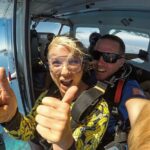
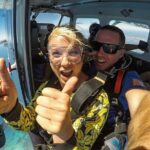
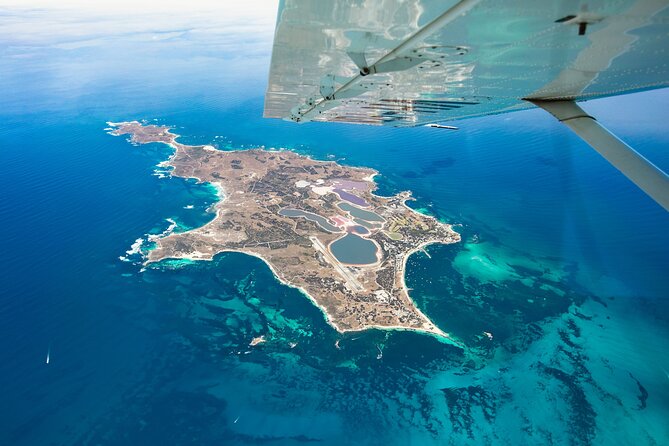
Sky meets sea over Rottnest Island. I love the small-group feel (limited to 3) and the fact you land on the beach, not in some far-off field. The big drawback to plan around is weather: your jump is weather dependent, so you may need to be flexible with timing and travel to the island.
Your experience starts at the Rottnest Island Terminal Building at Rottnest Airfield (about a 15-minute walk from the jetty). After paperwork and a safety briefing, you go up to your chosen altitude for a tandem jump, then you get a parachute ride before landing right beside family and friends, with the option to buy an edited HD photo and video set on the day.
In This Review
- Key things that make this Rottnest skydive worth it
- Rottnest Island from above: why this view hits differently
- Price of around $270: what you get, and what you should budget extra for
- Getting to Rottnest: the logistics that can make or break your day
- Before you jump: what happens at the terminal building
- 10,000 ft versus 15,000 ft: choosing the rush level
- The jump timeline: what you’ll actually feel from plane to sand
- Instructors and small-group attention: why calm coaching matters
- The optional HD video and photo package (and when it’s worth it)
- Who this skydive fits best (and who should skip it)
- What to bring (and the common mistakes to avoid)
- Should you book the Rottnest Island tandem skydive?
- FAQ
- How long does the tandem skydive experience take?
- Do I get to choose how high I jump?
- How long is the freefall?
- Where do I meet for the skydive?
- Is ferry transport included in the price?
- Is the video and photo package included?
- Is this suitable for kids or teens?
- What should I wear?
- Are there weight or medical limits?
Key things that make this Rottnest skydive worth it
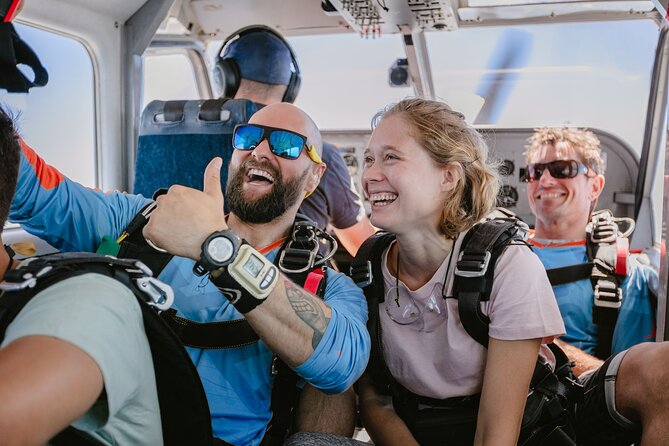
- Two altitude options that change your experience: 10,000 ft or 15,000 ft affects how long you freefall.
- Short, intense freefall: expect 30 to 66 seconds of freefall at around 200 km/h.
- A proper parachute ride: parachute deployed at about 5,000 feet, followed by roughly a 5-minute glide.
- Small group attention: up to 3 participants means less waiting and more focused coaching.
- Beach landing for real celebration: you touch down right on the sand where people are watching.
Rottnest Island from above: why this view hits differently
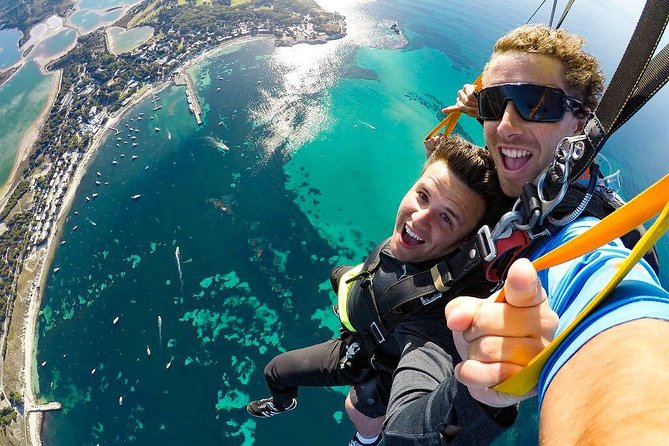
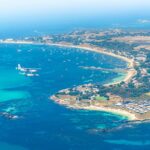
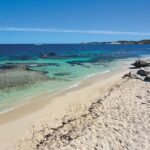
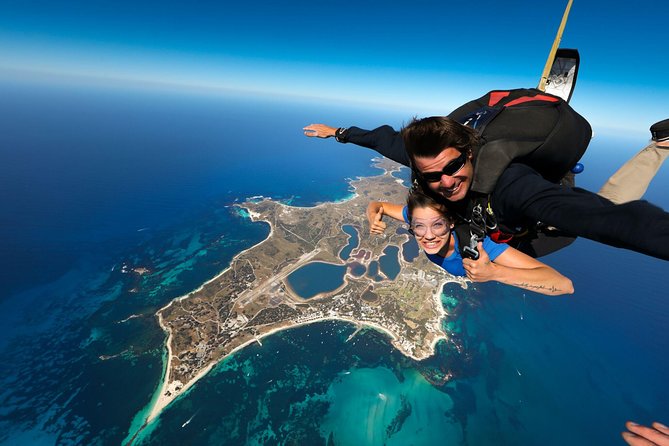
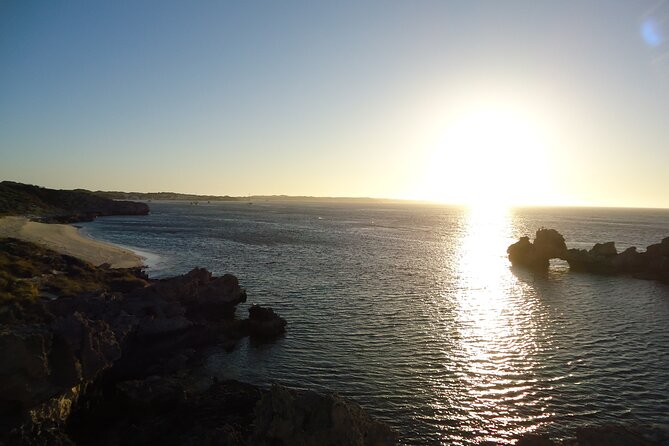
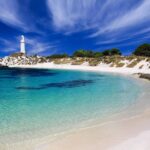
Rottnest Island is famous for its coastline, and from the air you get the kind of sweeping view you just cannot fake with photos. In a short window, you go from a normal airport feeling to open ocean and shoreline patterns, then the island shrinks under you as you fall.
What I like most is how the timing is built for first-timers. You do not spend an hour in a lesson before anything happens. You get harnessed, briefed, and then you are in the aircraft headed for your altitude choice. From there, the whole experience moves in a clean sequence: climb, jump, freefall, parachute ride, beach landing.
Also, the parachute ride matters. Many people think they are just paying for the freefall. Here, you also get a calmer chunk at the end (about 5 minutes) where you can look around and actually take in what you just jumped over.
You can also read our reviews of more tours and experiences in Rottnest Island.
Price of around $270: what you get, and what you should budget extra for
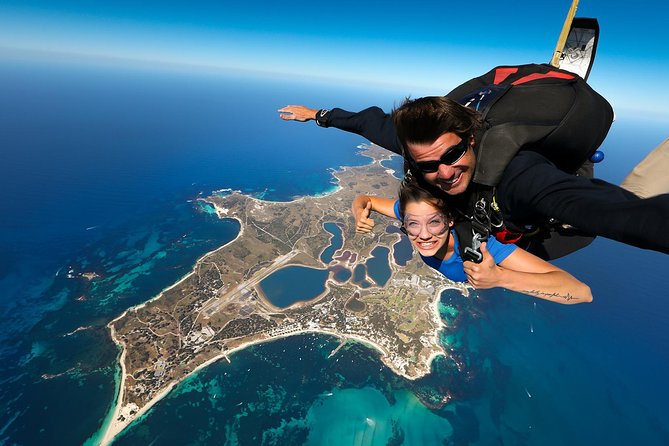
At about $270 per person, this is not a cheap thrill. But it is also not just a ticket for a slot in a plane. You are paying for the tandem gear, instructor-led jump, the aircraft climb to altitude, the parachute sequence, and a beach landing.
A couple of points help you judge the value:
- You control the intensity. Choosing 10,000 ft or 15,000 ft changes your freefall time from about 30 seconds up to 66 seconds.
- It is tandem. That means you are not managing anything technical yourself, and the whole experience is designed around the instructor handling the jump and deployment.
- You are booking for a very specific place. Rottnest Airfield is tied to Rottnest Island itself, so the money goes toward getting you that exact aerial coastline view.
Two things that can raise your total cost:
- Video and photos are optional and purchased on the day (a professionally edited HD package).
- Transport to and from Rottnest Island is not included. You need to handle ferry or other travel arrangements yourself.
Getting to Rottnest: the logistics that can make or break your day
You are responsible for getting yourself to Rottnest Island. The skydive operator’s meeting point is the Rottnest Island Terminal Building at Rottnest Airfield, and it is about a 15-minute walk from the jetty.
That walk sounds minor until you are carrying everything you need, wearing closed-toe shoes, and trying to avoid stress before the jump. I recommend you arrive with a little buffer so you can settle in, fill out paperwork without rushing, and get harnessed comfortably.
One more practical detail: the jump is weather dependent, and the activity notes you should phone about 1 hour prior to your Rottnest Island travel departure to confirm weather suitability. That matters because your skydiving time is scheduled after booking, and weather can affect whether you can go ahead.
Before you jump: what happens at the terminal building
Your day starts with a warm welcome at the Rottnest Island Terminal Building. You will do paperwork first, then get harnessed up and go through a safety briefing with your instructor.
This is not just formalities. The safety briefing is where you get the real answers for first-timers: how to position yourself, what the instructor will tell you during the jump, and what to expect in the moment right after exit. Many people are nervous on the way up, and the best part of this setup is that the instructors are trained to keep you calm and clear-headed.
You then head out to the plane. The run-up is part of the experience: you see how organized everything is, you meet your instructor properly, and you get that last chance to ask questions before you go.
10,000 ft versus 15,000 ft: choosing the rush level
You can pick your altitude: 10,000 ft or 15,000 ft. That choice directly controls your freefall time.
Here is the simple way to think about it:
- 10,000 ft: freefall for about 30 seconds
- 15,000 ft: freefall for up to 66 seconds
Both options come with a tandem jump where you are moving at about 200 km/h during freefall. The difference is whether you get a shorter shock of speed or a longer, more continuous thrill where the island detail keeps coming and coming beneath you.
If you are anxious, the lower altitude can feel more comfortable because the freefall window is shorter. If you want the biggest payoff, go higher and plan to enjoy the fact that you have more time to look and react.
In either case, the parachute deployment is described as happening at about 5,000 feet, which means your instructor manages the timing and you get the shift from speed to a slower, controlled glide.
The jump timeline: what you’ll actually feel from plane to sand
Once you hit your chosen altitude, the experience has a fast, memorable rhythm.
1) Climb and positioning in the aircraft
You get time to take in the scenery as the plane rises. For many people, this is when nerves show up. It also tends to be the moment when instructors help you settle. In past jumps, instructors such as Nick, Darcy, and Heath have been singled out for being friendly, reassuring, and focused on making first-time skydiving feel manageable.
2) Exit and freefall
You freefall for 30 to 66 seconds at around 200 km/h. This is the part everyone imagines, but the reality is more about sensation than fear once you are committed. The instructor stays right with you, and you get coached through the moment rather than thrown into it alone.
3) Parachute deployment at 5,000 feet
At about 5,000 feet, the parachute is deployed. That moment is a clear change: speed drops, your view steadies, and you get a calmer window to look around.
4) About a 5-minute parachute ride
The ride lasts roughly 5 minutes. You can take in Rottnest Island’s shapes, coastline angles, and the way the ocean looks from that height once the pace slows down.
5) Beach landing
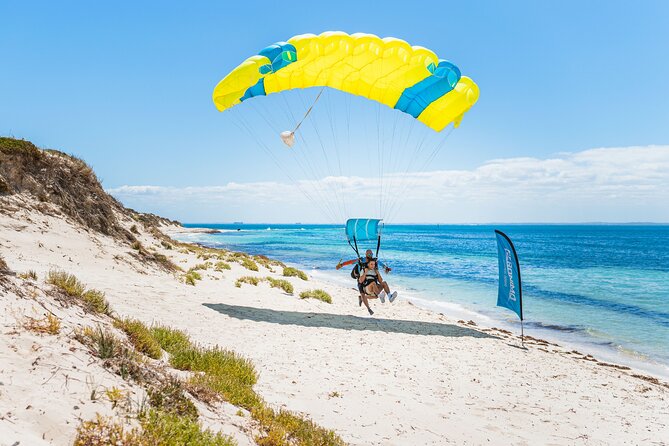
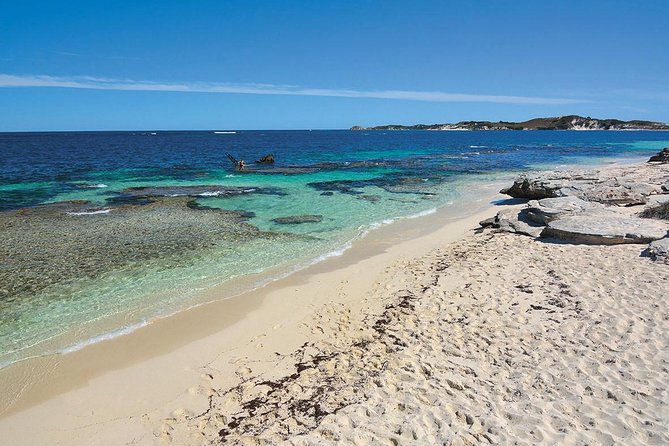
You land on the beach, and that is where the experience turns into a celebration. You are not hidden away in a landing zone. People can watch, and you can reunite with family and friends right at the sand.
Instructors and small-group attention: why calm coaching matters
Skydiving is technical in the background, but in the moment it is mostly emotional. That is why the instructor approach matters as much as the scenery.
From the experience records and staff stories, the operator has a reputation for reducing first-time fear. People call out instructors for staying calm, explaining things clearly, and making photo moments happen naturally during the jump setup and freefall.
I also like the small-group setup: limited to 3 participants. In practical terms, that means you are less likely to feel like a number. You also get more predictable attention before the jump, which helps if you are second-guessing yourself.
The optional HD video and photo package (and when it’s worth it)
You can purchase a professionally edited HD video and photos package on the day. It is not included in the base price.
Should you buy it? If you want a record that looks good and does not rely on someone on shore trying to film through chaos, it is often worth considering. Several people specifically mention that the video and photo package was worth it, and some point out that their instructor helped capture nice photos.
If money is tight, you might skip it and just focus on being present. But if you want the jump to have a souvenir you can actually share, plan for that extra cost.
Who this skydive fits best (and who should skip it)
This activity is designed for adults and older teens, with clear restrictions.
It is not suitable for children under 16, and 16–17 year-olds must be accompanied by an adult or legal guardian. It also is not for people with heart problems or with pre-existing medical conditions, based on the provided notes.
Weight is another key rule. The eligibility assessment is done on the day by a chief safety instructor, and passengers weighing more than 95 kg are handled case-by-case. The notes also mention people over 200 lbs (91 kg) and over 209 lbs (95 kg), so you should check your exact weight and be prepared for an assessment on the day.
If you are generally healthy, this is a great match for:
- first-time thrill seekers who want tandem support
- people who want a real adventure that is still structured and safe
- anyone who likes the idea of a clear altitude choice rather than a one-size-fits-all jump
What to bring (and the common mistakes to avoid)
Keep it simple. Bring comfortable clothes and closed-toe shoes.
Two “do not” items matter because they affect whether you can jump:
- No sandals or flip-flops
- Do not show up in footwear that slips or lacks support
Also, expect an on-the-day eligibility check. Your height, weight, and health are reviewed by the chief safety instructor, so if you have concerns, be ready for that conversation.
Should you book the Rottnest Island tandem skydive?
If you want one memorable experience that is scenic, structured, and guided by calm instruction, I think this is an easy yes. The altitude choice, the clear freefall window (up to 66 seconds), and the beach landing give you a complete arc, not just a quick thrill.
Book it if:
- you are excited by a short, intense adrenaline moment plus a slower parachute glide
- you want a small-group experience with focused coaching
- you can handle the weather reality and your travel plans can flex
Skip it if:
- you do not meet the age or medical restrictions
- you need a guaranteed fixed schedule regardless of weather
- you are not willing to manage transport to Rottnest Island on your own
If you do book, plan your day with breathing room for paperwork, harnessing, and the walk from the jetty. And if you are nervous, treat that as normal. The whole setup here is built for first-timers who want to do something brave without feeling out of control.
FAQ
How long does the tandem skydive experience take?
The total duration is listed as 150 minutes, though your actual skydiving moments take place within that larger time window.
Do I get to choose how high I jump?
Yes. You can jump from either 10,000 ft or 15,000 ft, based on availability and confirmed timing after booking.
How long is the freefall?
Freefall time is listed as 30 to 66 seconds, depending on your chosen altitude.
Where do I meet for the skydive?
Meet at the Rottnest Island Terminal Building, Rottnest Airfield, Rottnest Island. It is described as a 15-minute walk from the jetty.
Is ferry transport included in the price?
No. Transport to and from Rottnest Island is not included, and the booking does not include ferry tickets. You make your own way to the island.
Is the video and photo package included?
No. Video and photos are not included, but you can buy a professionally edited HD package on the day.
Is this suitable for kids or teens?
It is not suitable for children under 16. Children aged 16–17 must be accompanied by an adult or legal guardian.
What should I wear?
Wear comfortable clothes and closed-toe shoes. Sandals or flip-flops are not allowed.
Are there weight or medical limits?
Your eligibility is assessed on the day. The notes state passengers weighing more than 95 kg are taken on a case-by-case basis, and it is not suitable for people with heart problems or pre-existing medical conditions.