REVIEW · BLUE MOUNTAINS
Small-Group Weekend Rock Climbing Adventure from Katoomba
Book on Viator →Operated by Australian School Of Mountaineering · Bookable on Viator
Rock climbing starts with a safe belay. This 2-day weekend course in Katoomba turns beginners into confident outdoor climbers with abseiling and real rock technique.
I like two things most. First, the small-group size (max 15) keeps the attention on you when you’re learning ropes and knots. Second, the instruction comes from nationally and internationally certified climbing instructors, with safety and technique taught end-to-end.
One consideration: you need to plan your own Katoomba day, because there’s no hotel pickup and the start time is a sharp 8:45am at 166 Katoomba St.
In This Review
- Key highlights you’ll feel during the weekend
- Katoomba’s Cliffs Are a Perfect Place to Learn Outdoor Climbing
- How the 2 Days Work: Safety Skills First, Climbing Confidence Second
- Day One at a Glance: Belaying, Knots, Footholds, and First Abseiling
- Day Two at a Glance: More Climbing, More Variety, Better Body Memory
- What Small-Group Size (Up to 15) Really Does for Beginners
- Instructors, Safety, and the Why Behind Each Skill
- Equipment Is Included for a Reason (And It’s Good Value)
- Price: $394.48 for Two Days of Rock, Instruction, and Gear
- Fitness, Age, and Who This Course Fits Best
- Getting There: Meet at 166 Katoomba St (8:45am Start)
- What to Bring and How to Prepare (So You Don’t Waste Time)
- Weather and Route Choices: Why Your Weekend Might Shift
- Should You Book This Beginner Rock Climbing Weekend?
- FAQ
- What is the duration of the Small-Group Weekend Rock Climbing Adventure from Katoomba?
- What time does the course start?
- Where do I meet for the course?
- Is accommodation included in the price?
- Is equipment provided?
- What food is included?
- What’s the group size?
- Who is this course for (experience level and fitness)?
- What is the minimum age?
- What happens if the weather is poor?
- Is free cancellation available?
Key highlights you’ll feel during the weekend
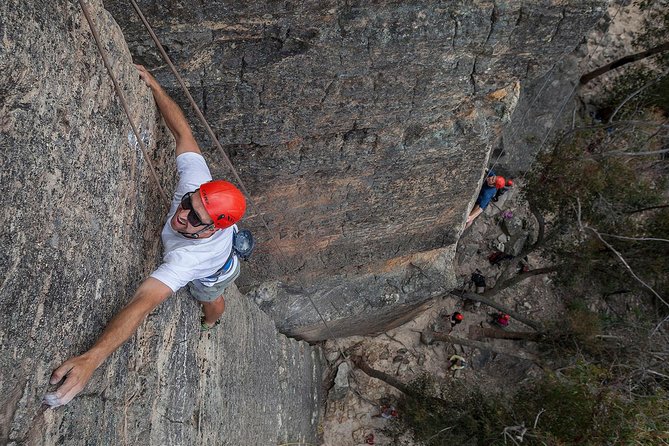
- Safety skills you’ll actually use: belay anchors, correct belay technique, rope handling, and knot tying
- Beginner-friendly climbs on real rock: graduated climbs with your instructor close by
- Abseiling fundamentals, modern style: practice safe movement, then controlled descents
- Equipment included, no guesswork: ropes, helmets, harnesses, technical hardware, and climbing shoes
- Day two shifts to doing the fun stuff: varied short climbs meant to build comfort fast
- Lunch and a bush picnic vibe: lunch is supplied both days, plus time to reset between sessions
Katoomba’s Cliffs Are a Perfect Place to Learn Outdoor Climbing

If you’ve only done indoor climbing, the Blue Mountains feel different in a good way. Rock here brings height, exposure, and real rope systems, so you learn faster because everything matters once you’re on the wall.
This weekend is built for little or no outdoor climbing experience, so you’re not expected to show up “already knowing it all.” The goal is simple: you leave with solid fundamentals and the ability to climb with experienced leaders on short, moderately graded routes.
And yes, you’ll spend plenty of time on rock. The pace is practical: safety first, then skill, then climbs.
You can also read our reviews of more tours and experiences in Blue Mountains.
- Blue Mountains Small-Group Tour from Sydney with Scenic World,Sydney Zoo & Ferry
★ 5.0 · 3,709 reviews
How the 2 Days Work: Safety Skills First, Climbing Confidence Second
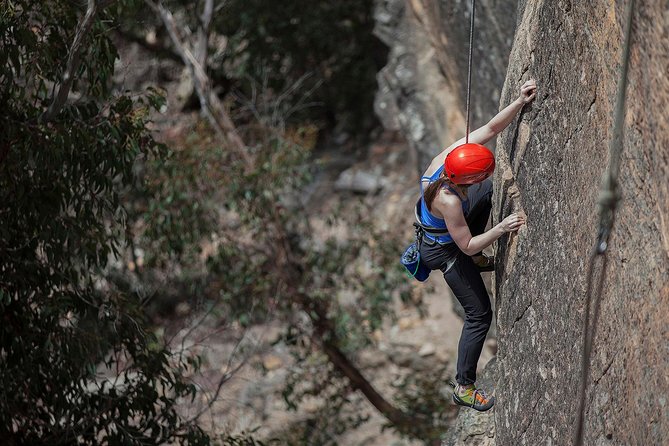
Your weekend runs for about two days, with a start each day from Katoomba. You meet at 166 Katoomba St, Katoomba at 8:45am, then head out with your group to begin learning and practicing.
The structure matters because it mirrors how climbing education should work. You don’t just get told what to do—you practice it, get corrected, then apply it immediately to climbing.
By the second day, the instruction shifts toward the joy part: more varied climbs, more chances to try different movement problems, and more time building confidence with guidance.
Day One at a Glance: Belaying, Knots, Footholds, and First Abseiling
Day one starts with fundamentals focused on safety awareness and belaying skills. After you roll out from the Paddy Pallin Adventure Center area, the day blends instruction and practice so you’re not stuck in a classroom.
Here’s what you work on in a structured way:
- Safe movement on rock (so you’re stable before you reach for anything)
- Using climbing equipment correctly (harnesses, helmets, and gear handling)
- Efficient use of holds (where to place hands and how to move without panicking)
- Rope handling (so you understand what the rope is doing, not just that it exists)
- Tying knots (taught as part of a system, not a single trick)
- Belay anchors and correct belay technique (the heart of staying safe on rope)
- Foot and handhold technique (how to think about positioning, not just strength)
- Abseiling fundamentals (controlled descent practice)
- Other core climbing techniques your instructor will add based on the group
The biggest value of this day is that it turns fear into procedure. When you know what you’re checking—your rope management, your anchors, your partner’s readiness—you climb with less mental load.
Also, you learn to select and use modern equipment for abseiling and rock climbing. That matters because “old habits” don’t always translate well outdoors.
Day Two at a Glance: More Climbing, More Variety, Better Body Memory
Day two is devoted to climbing itself. You still have your instructor with you, but the focus is on doing a lot of climbing and learning by repetition.
The aim is to take you on as many varied climbs as possible. That variation is smart for beginners: different routes teach you how to read holds, manage weight shifts, and stay calm when the sequence changes.
If you’re coming from a gym background, you’ll notice a few differences in how you move. Outdoor climbing rewards smooth technique and good placement; it also demands that you keep your rope and safety habits solid while you think about the route.
By the end of the weekend, the course sets you up to climb with experienced leaders on short moderately graded climbs. In other words, you’re not expected to become a leader after two days—but you should be able to participate confidently on real rock.
What Small-Group Size (Up to 15) Really Does for Beginners

A max of 15 travelers sounds like a nice number, and in practice it means you get quicker attention. When you’re learning belay technique, small corrections are everything—one hand position or one rope check can change how the whole system works.
You also tend to get comfortable faster as a group. That matters because climbing education is partly mental. When you feel supported, you take the climb instead of holding back.
If you’re the type who worries you’ll be slowing everyone down, this setup helps. The weekend is explicitly designed for beginners and indoor climbers stepping outside, so the pace stays realistic.

Instructors, Safety, and the Why Behind Each Skill
This course is guided by certified climbing instructors, including leaders with national and international credentials. More than that, the way the weekend is structured shows you the logic: safety skills are taught first, then practiced immediately on real rock.
You’ll learn the chain of safety steps you need before you trust the rope system. Belaying isn’t just about holding something—it’s about correct technique, anchor setup, and rope handling you can repeat the same way every time.
In past ASM experiences, instructors like Liam and Pedro have been praised for patience and matching route choice to the group’s grade. Other courses led by Scott, and instruction teams involving Zuza and Lewis, are also known for safety-first focus and making beginners feel capable on real cliffs.
You might not get the exact guide name you’re hoping for, but the pattern is clear: the teaching style prioritizes safety, then technique, then confidence.
Equipment Is Included for a Reason (And It’s Good Value)
You don’t need to bring gear for this one. The price includes all technical equipment and supply and use of key items like ropes, helmets, harnesses, technical hardware, and climbing shoes.
That’s not just convenience—it’s value. Rope systems and harnesses aren’t places to guess. With professional gear and instruction tied together, you learn with equipment that matches the training.
The included lunch each day also matters when you’re planning a weekend. Climbing makes you hungry, and you don’t want to hunt for food between practice sessions.
National Park fees and GST are also included, which makes the total easier to budget for.
Price: $394.48 for Two Days of Rock, Instruction, and Gear

At $394.48 per person, the headline price can look high until you break down what’s included. You’re paying for:
- Professional guiding and instruction
- All technical equipment and setup
- Lunch both days
- National Park fees and GST
What isn’t included is equally important. Accommodation isn’t part of the fee, and there’s no hotel pickup or drop-off. Drinks are not included unless specified.
So the value math depends on your plans. If you’re already staying in Katoomba and can handle getting to the meeting point, this weekend can be a straightforward way to buy real outdoor learning. If you’re starting from far outside Katoomba or need a full accommodation package, you’ll want to budget those extras too.
Fitness, Age, and Who This Course Fits Best
You should have a moderate physical fitness level. That doesn’t mean you need to be an athlete—it means you should be comfortable doing active movement, carrying yourself on climbs, and spending long stretches outdoors.
Minimum age is 14, and children must be accompanied by an adult. If you’re planning a family trip with a teen who already climbs indoors, this course can be a natural next step because it’s designed to transfer indoor technique to outdoor reality.
This weekend is especially well-suited for:
- First-time outdoor climbers
- Indoor gym climbers who want real rock exposure
- People who want to learn abseiling and rope basics in a structured way
- Anyone who likes guided practice and wants the safety side handled correctly
Getting There: Meet at 166 Katoomba St (8:45am Start)
Your start and return both link back to the meeting point at 166 Katoomba St, Katoomba. The start time is 8:45am, so plan to arrive early enough to check in and get settled.
Because there’s no hotel pickup, you’ll want to stay somewhere you can reach Katoomba St reliably. If you’re driving, you’ll likely be thinking about parking—so give yourself buffer time for the morning scramble.
The activity ends back at the meeting point on the second day as well, which keeps the weekend simpler. You’re not juggling drop-offs around town.
What to Bring and How to Prepare (So You Don’t Waste Time)
The course supplies the big gear, so your preparation is about being ready to move and think safely.
A smart approach is to show up with:
- Comfortable outdoor clothes you can climb in
- Weather-ready layers (the Blue Mountains can change the mood fast)
- A clear head for safety instruction and repeated rope checks
Also, if you have dietary requirements, you should inform the team on your booking form. Lunch is included each day, and special needs are something they ask you to flag in advance.
Finally, come in with realistic expectations. This is training plus guided climbs, not a “jump on a summit” adventure. If you lean into the learning—knots, belaying, abseiling basics—you’ll get far more out of every climb.
Weather and Route Choices: Why Your Weekend Might Shift
This experience requires good weather. If conditions aren’t right, the operator will cancel and offer a different date or a full refund.
Even in good weather, route choice can vary with your group’s grade and comfort. That’s part of how beginner climbing stays safe and fun—your instructor can adjust climbs so you’re challenged without being overwhelmed.
The best part is that the weekend uses graduated climbs, meaning you’re not thrown straight into hard moves. You build from safe movement and rope basics into actual climbing problems you can understand and improve.
Should You Book This Beginner Rock Climbing Weekend?
Book it if you want a guided, safety-led way to step onto real rock in the Blue Mountains. You get a true beginner path: belaying technique, knot tying, rope handling, abseiling fundamentals, then two days of guided climbing with equipment and lunch included.
Skip it or think twice if you’re not ready for a structured early start and an active outdoor weekend. You’ll also need to handle accommodation yourself, and the course depends on good weather.
If you’re on the fence, ask yourself a simple question: do you want to learn the rope and safety systems the correct way, with certified instruction and gear provided? If yes, this Katoomba weekend is a solid, practical move—and it’s one of the easiest ways to turn indoor climbing skills into something you can actually use outdoors.
FAQ
What is the duration of the Small-Group Weekend Rock Climbing Adventure from Katoomba?
It runs for 2 days (approx.).
What time does the course start?
Start time is 8:45am.
Where do I meet for the course?
The meeting point is 166 Katoomba St, Katoomba NSW 2780, Australia.
Is accommodation included in the price?
No. Accommodation is not included.
Is equipment provided?
Yes. The fee includes supply and use of all equipment, including ropes, helmets, harnesses, technical hardware, and climbing shoes.
What food is included?
Lunch is included each day. You should inform the booking team of any special dietary requirements.
What’s the group size?
The maximum group size is 15 travelers.
Who is this course for (experience level and fitness)?
It’s designed for participants with little or no previous outdoor climbing experience and for people with a moderate physical fitness level.
What is the minimum age?
The minimum age is 14 years, and children must be accompanied by an adult.
What happens if the weather is poor?
This experience requires good weather. If canceled due to poor weather, you’ll be offered a different date or a full refund.
Is free cancellation available?
Yes. You can cancel up to 24 hours in advance for a full refund.