REVIEW · SYDNEY
Sydney: Eugene Onegin at Sydney Opera House
Book on GetYourGuide →Operated by Opera Australia · Bookable on GetYourGuide
A love story told through memory. Eugene Onegin at the Sydney Opera House leans hard into reminiscence and regret, so the romance lands with more weight than a typical courtship tale. You get sumptuous Tchaikovsky in one of the world’s most photographed venues.
Flashbacks become part of the plot, not just staging gimmicks.
I love how Kasper Holten’s production makes you watch younger versions of Tatyana and Onegin make choices that later come back to haunt them. I also love the way the casting supports that emotional punch: Lauren Fagan returns after Suor Angelica in Il Trittico, with Andrei Bondarenko as Onegin and Nicholas Jones as Lensky.
That mix of storytelling and vocal force is a winning combo.
One key consideration: the doors are closed at show time, and the production includes replica firearms and gunshots, so plan to arrive early and be ready for sudden sound moments.
In This Review
- Key highlights
- Why Eugene Onegin Feels Right at Sydney Opera House
- The Story, Straight and Simple: Tatyana’s Hope Meets Onegin’s Limits
- Kasper Holten’s Flashback Staging: When Memory Becomes the Drama
- Cast and Conductor: The Voices Behind the Regret
- Language, Surtitles, and How to Follow Along Without Straining
- Arriving at Circular Quay and Getting Into Joan Sutherland Theatre
- Replica Firearms and Gunshots: The One Sensory Thing to Know
- Ticket Value: What $98 Buys You (and What It Does Not)
- Who Should Book This Eugene Onegin Night
- Should You Book This Eugene Onegin in Sydney?
- FAQ
- What is the location for this experience?
- What is the price and duration?
- What language is the opera performed in?
- Is there an interval?
- Does the production include any sound or prop effects I should know about?
- Are photos or filming allowed during the performance?
- Is there a dress code?
- What should I bring with me?
- How do I get there from Circular Quay?
Key highlights
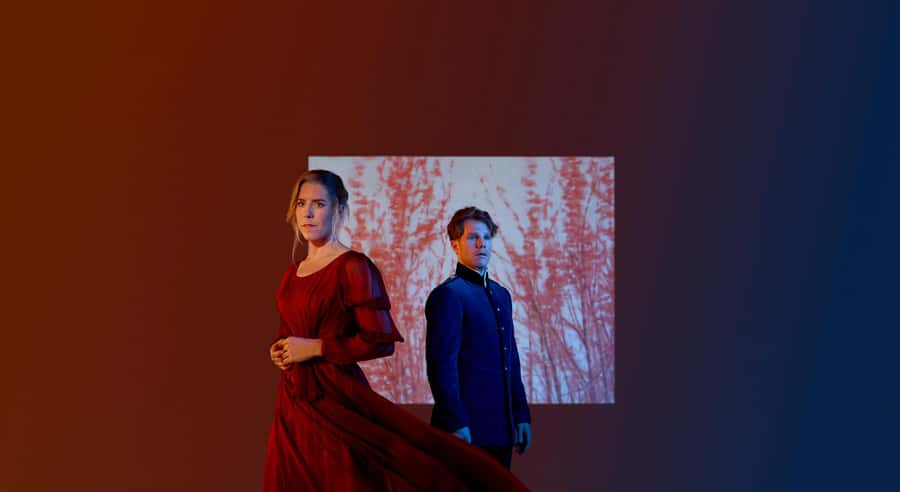
- Flashback storytelling that turns memory into the main event
- Tchaikovsky’s Romantic score driving regret, not just plot
- Lauren Fagan, Andrei Bondarenko, and Nicholas Jones in major roles
- Anna Skryleva conducting an Opera Australia debut for this work
- Replica firearms and gunshots used in the performance
Why Eugene Onegin Feels Right at Sydney Opera House
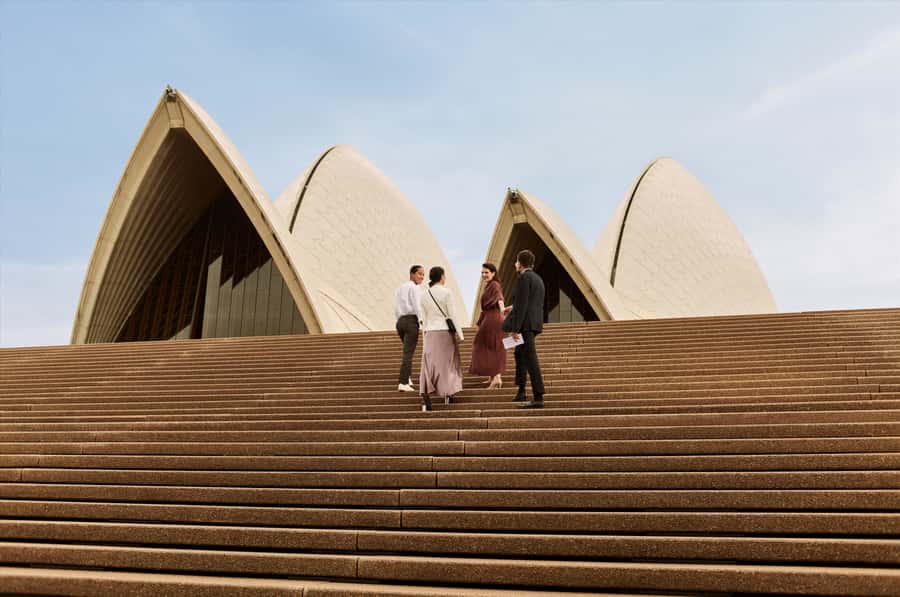
If you only do one big cultural ticket while in Sydney, the Opera House is the move. Eugene Onegin is exactly the type of opera that benefits from a space built for drama: the scale, the acoustics, and the sense of occasion when you walk into the theatre. Even if you are not an opera superfan, the venue alone makes the night feel like a Sydney milestone.
What makes this production especially compelling is the way it uses time. The story is not just sung in the present; it is organized around recollection. Tatyana and Onegin revisit their past through flashbacks, watching their younger selves and decisions that set tragedy in motion. You are not only hearing music about regret. You are watching it get reconstructed.
This matters for you because it changes your role as the audience. Instead of simply following characters, you start tracking cause and effect. When memories pile up on stage, the emotional impact is the point. You leave thinking about what you might do differently if you could revisit one decision.
One more practical note: this is performed in Russian with English surtitles, so you get the original vocal language with a safety net for understanding.
You can also read our reviews of more tours and experiences in Sydney.



The Story, Straight and Simple: Tatyana’s Hope Meets Onegin’s Limits
Tatyana is a dreamer, caught in romantic stories and waiting for something that feels meaningful. When Eugene Onegin enters her world, she begins to feel like her love story might finally start. Then Onegin rejects her passion, setting a chain reaction in motion.
The opera’s core theme is the distance between what could be and what might have been. I like how Eugene Onegin refuses to treat the romance like a neat fairy tale. It plays out like real life: feelings exist, timing matters, and the wrong response can echo for years.
Lensky’s role brings another human layer to the tragedy, because this is not just a two-person emotional drama. Choices made in youth create consequences later, and the production leans into that cause-and-effect structure. You will likely find yourself re-evaluating Onegin as you learn how those earlier moments shape the end.
And the music helps. Tchaikovsky’s writing is described as sumptuous, but here’s the value for you: it does not just sound beautiful. It feels like it carries history inside it. That is why reminiscence and regret land so hard.
Kasper Holten’s Flashback Staging: When Memory Becomes the Drama
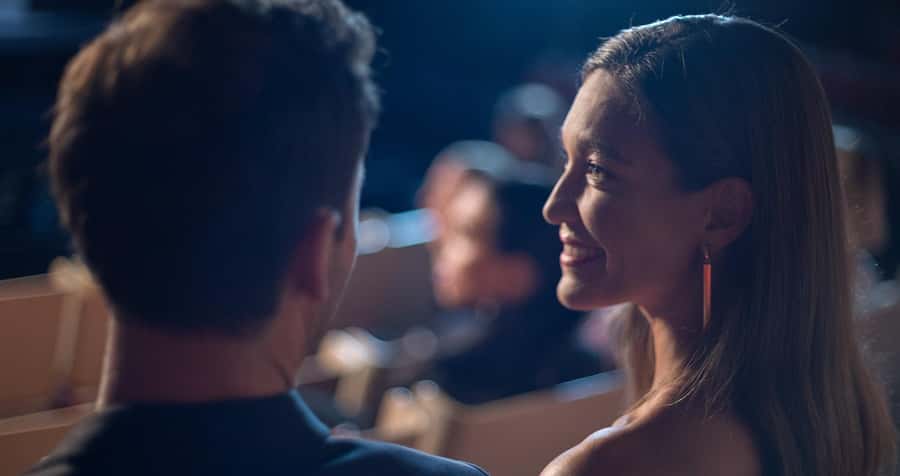
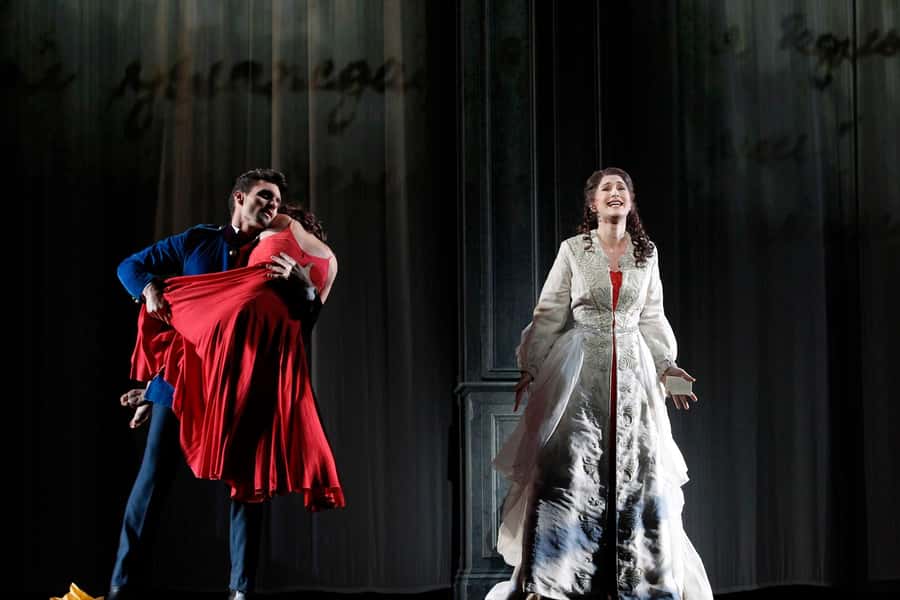
Kasper Holten’s production approach is the real engine of the evening. The big idea is straightforward: instead of treating the past as background, the show brings the past onto the stage through flashback. Tatyana and Onegin effectively look back and watch their younger choices unfold.
Why you should care: flashbacks can feel confusing in theatre if the staging is messy. Here, the intention is emotional clarity. The memories pile up in a way that is devastating, not chaotic. As each reminiscence clicks into place, the story gets more painful, because you understand what the characters cannot undo.
You also feel a shift in energy across the evening. At first, the emotional tone comes from romantic expectation. Then it turns into something heavier as the timeline moves and the consequences become unavoidable. That is when Tchaikovsky’s score really earns its reputation. The music becomes a vehicle for regret rather than only for melody.
This production detail is also why it suits first-time opera-goers. You are not required to know opera conventions to follow the emotional logic. The staging is doing a lot of the storytelling work for you.
Cast and Conductor: The Voices Behind the Regret
Casting matters in opera, because one role can make or break the emotional credibility. This production has a standout lead return and strong international support.
Lauren Fagan returns to the stage after her unforgettable performance as Suor Angelica in Il Trittico. She is the kind of performer who can carry both vulnerability and intensity, which fits Tatyana’s arc: dreamy hope, hurt, and later reflections that are hard to shake.
Andrei Bondarenko takes on Onegin, the character who turns away when Tatyana’s feelings are on the table. You need a singer who can make rejection feel complicated rather than cold. Onegin is not just mean. He is emotionally out of sync with the moment.
Nicholas Jones plays Lensky, adding another layer to the tragedy. For you, that helps because it prevents the show from feeling like a two-person echo chamber. Lensky creates pressure and emotional stakes that widen the story.
On the podium, Anna Skryleva makes an exciting Opera Australia debut conducting this work. The point here is not just star power. It is musical shape. The Romantic score needs careful pacing to keep it from turning into one long emotional blur. A conductor who knows the emotional curve keeps the story readable and the sound balanced.
Language, Surtitles, and How to Follow Along Without Straining
This production is sung in Russian with English surtitles. If you have never done that before, it is not hard, but it does require a simple habit: let your eyes move between the stage and the surtitles without trying to read every word like a book.
I recommend you treat surtitles like signposts. The vocal performance is still the main experience. You will catch the big shifts in meaning through phrasing and tone, then confirm the details with the surtitles.
This matters because Eugene Onegin is built on nuance. Tatyana’s hope, Onegin’s rejection, and the later regret are emotional changes more than plot twists. When you follow the story smoothly, the tragedy hits faster.
Also, plan for one moment of extra realism: the production includes replica firearms and gunshots. Even though they are theatrical, they can be sudden. If you are sensitive to loud sound, seat choice might not fix everything, but arriving early will help you settle instead of rushing.
- Blue Mountains Small-Group Tour from Sydney with Scenic World,Sydney Zoo & Ferry
★ 5.0 · 3,709 reviews

Arriving at Circular Quay and Getting Into Joan Sutherland Theatre
Most transport routes converge at Circular Quay, and from there it is about a 10-minute walk to the Sydney Opera House. That is convenient because you can arrive by ferry, train, or bus and then just follow the waterfront flow.
Taxis can drop you off at the roundabout at the end of Macquarie Street, and you can also hail from the taxi stand at the end of Macquarie Street after performances. I like this for nights when you do not want to fight the crowd for transit right at the end.
Your meeting point is Joan Sutherland Theatre, Level 1. Plan to use that as your target, not a vague destination like “the Opera House.” The inside layout can be a bit of a maze when you are figuring it out in the dark.
Two more logistics details that affect your comfort:
- If you bring items larger than A4 size (21cm x 30cm), they must be cloaked, and the cloakroom is free.
- Ushers close the doors at show time and may not allow latecomers in until there is an appropriate pause.
For a performance with flashbacks and emotional build, arriving late is the fast lane to missing key context. So I would rather see you early than stressed.
Replica Firearms and Gunshots: The One Sensory Thing to Know
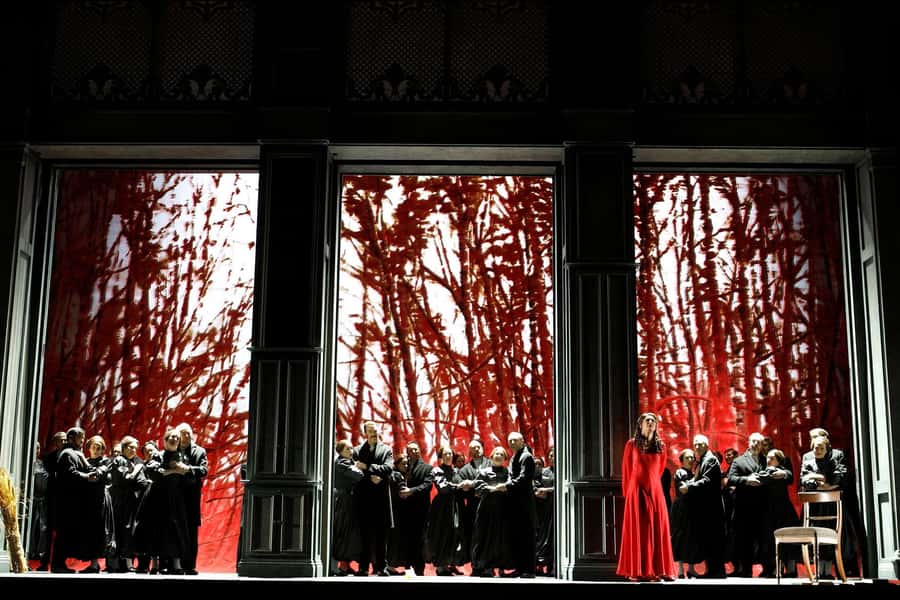
This show uses replica firearms and includes gunshots. That is not a general theatre guideline. It is a specific content note, so take it seriously.
If you are traveling with kids, this is the sort of theatre moment that should be considered carefully. If you are an adult who is sensitive to sudden loud sounds, you might want to mentally prepare for brief bursts that will cut through the music and action.
The good news: knowing ahead of time reduces the chance of being startled. And because the production is focused on reminiscence, the gunshot moments also function as storytelling punctuation rather than random effects.
Ticket Value: What $98 Buys You (and What It Does Not)
Price is $98 per person for a duration of 170 minutes (about 2 hours and 50 minutes including one interval). For Sydney, that is a realistic entry point to a major Opera Australia production in a world-famous venue.
Here’s the value logic I use:
- You are paying for a full production, not a short excerpt.
- You are paying for performance conditions that come from the Opera House environment.
- You are getting a conductor and cast tied to a prominent staging approach.
What you should not expect: food and drinks are not included. If you want a meal beforehand, plan it. If you rely on refreshments inside, you’ll need to purchase them separately.
One more practical thing: the info provided lists Included as Ticket to Sunset Boulevard. Since this experience is for Eugene Onegin, double-check your confirmation so the title on your ticket matches the performance you’re attending. That tiny step can prevent a very big disappointment.
Who Should Book This Eugene Onegin Night
This is a strong pick if you want a classic opera performed with modern theatrical clarity. The flashback structure makes it easier to follow, and the bilingual experience (Russian with English surtitles) helps you stay engaged.
Book it if:
- You want a Sydney Opera House experience that feels tied to story, not just the building.
- You like Romantic music and emotional theatre with cause-and-effect drama.
- You enjoy productions where staging supports the meaning, especially memory-driven stories.
Skip it if:
- You strongly prefer opera in English only.
- You know you get stressed by loud sound effects, since the production includes replica firearms and gunshots.
- You dislike theatre timing rules and hate being told you can’t enter right away after doors close.
Should You Book This Eugene Onegin in Sydney?
Yes, I think it’s a worthwhile booking for the right kind of evening: thoughtful, dramatic, and tied to one of the best settings in the city. The combination of Tchaikovsky’s celebrated score, Holten’s flashback concept, and a cast that includes Lauren Fagan as Tatyana makes the evening more than a standard opera night.
Before you commit, do two quick checks: confirm your ticket is for Eugene Onegin, and plan to arrive early so you are seated well before show time. If you can do that, you’ll be free to focus on what this production is really doing—turning reminiscence into tragedy you can feel.
FAQ
What is the location for this experience?
It takes place at the Sydney Opera House, at Joan Sutherland Theatre on Level 1.
What is the price and duration?
The price is $98 per person, and the duration is about 170 minutes (approximately 2 hours and 50 minutes including one interval).
What language is the opera performed in?
The opera is performed in Russian with English surtitles.
Is there an interval?
Yes. The running time includes one interval.
Does the production include any sound or prop effects I should know about?
Yes. This production features replica firearms and gunshots.
Are photos or filming allowed during the performance?
No. Photography, sound recording, or any kind of filming is not permitted during the performance. You can take photos before and after, and at the interval.
Is there a dress code?
There is no mandatory dress code. An extra layer of clothing is recommended for comfort.
What should I bring with me?
Bring a passport or ID card.
How do I get there from Circular Quay?
Circular Quay is about a 10-minute walk from the Sydney Opera House. Ferries, and many buses and trains, stop at Circular Quay.

More Tour Reviews in Sydney
- Blue Mountains Small-Group Tour from Sydney with Scenic World,Sydney Zoo & Ferry
★ 5.0 · 3,709 reviews