REVIEW · HOBART
Tasmania: Wilderness and Wildlife Guided 6-Day Tour
Book on GetYourGuide →Operated by Under Down Under Tours · Bookable on GetYourGuide
Tasmania hits fast, and stays with you. This small-group, guided 6-day loop is built around easy-to-moderate walking and wildlife moments that feel real, not staged. You get big-name places like Cradle Mountain and Freycinet, plus slower stops like Queenstown and town murals.
I especially like the way you can pick a walk level each day. That flexibility showed up in guides like Phil, Keygan, Tim, Brendon, Garreth, and Hayden, who consistently managed different energy levels without making anyone feel left behind. The other big win for me is the wildlife focus: devils, wombats, wallabies, quolls, and even penguins at the coast.
One thing to consider: this is an active program. Expect short walks almost every day and some rougher trail sections, and long drive days mean you’ll feel the bus comfort more than usual.
In This Review
- Key highlights you’ll actually care about
- Why this 6-day Tasmania loop makes sense for first-timers
- Hobart to Strahan: Mount Field waterfalls and the deep-lake stop
- Strahan’s wild west coast: dunes, rainforest walking, and fresh ocean air
- Cradle Mountain: Dove Lake circuits, Marion’s Lookout, and wombat checks
- Launceston to Bicheno: Cataract Gorge wallabies and Bay of Fires white sands
- Freycinet National Park and Hobart: Wineglass Bay options plus the Hazards view
- Bonorong devils, Richmond colonial streets, and kunanyi in Wellington Park
- What the guided walks really feel like day to day
- Accommodation style: motels vs hostels, and why it matters
- Price and value: what $831 gets you, and what costs extra
- Who this tour is best for (and who should skip it)
- Should you book it?
- FAQ
- FAQ
- How long is the Tasmania Wilderness and Wildlife tour?
- Is food included in the tour price?
- What’s included for the parks and wildlife?
- Is the Gordon River cruise included?
- How do pickups and drop-offs work in Hobart?
- What kind of accommodation will I get?
- What walking level should I expect?
- Can I skip some guided walks?
- How much luggage can I bring?
- Who isn’t suitable for this tour?
Key highlights you’ll actually care about
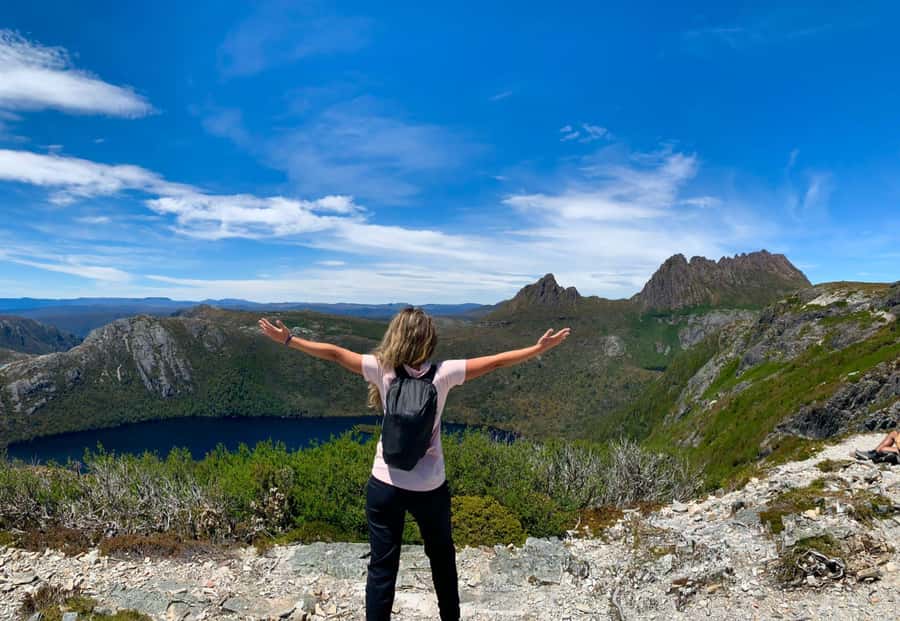
- Walk-level choices daily: Dove Lake vs. Marion’s Lookout at Cradle Mountain, plus easier beach walks on the coast.
- Wildlife-forward stops: Bonorong for devils and quolls, Ronny Creek for wombat checks, and penguins possible near Bicheno.
- Two coast styles in one trip: East Coast white sand at Freycinet and the Bay of Fires, then West Coast wild and atmospheric rainforest.
- World Heritage alpine scenery: Cradle Mountain National Park with glacial-carved terrain and multiple viewpoints.
- Small-group feel with local storytelling: Guides often share local food tips and history, not just facts on paper.
- Comfortable base towns, not camping: You sleep in hostel or motel options, with easy access to morning starts.
Why this 6-day Tasmania loop makes sense for first-timers
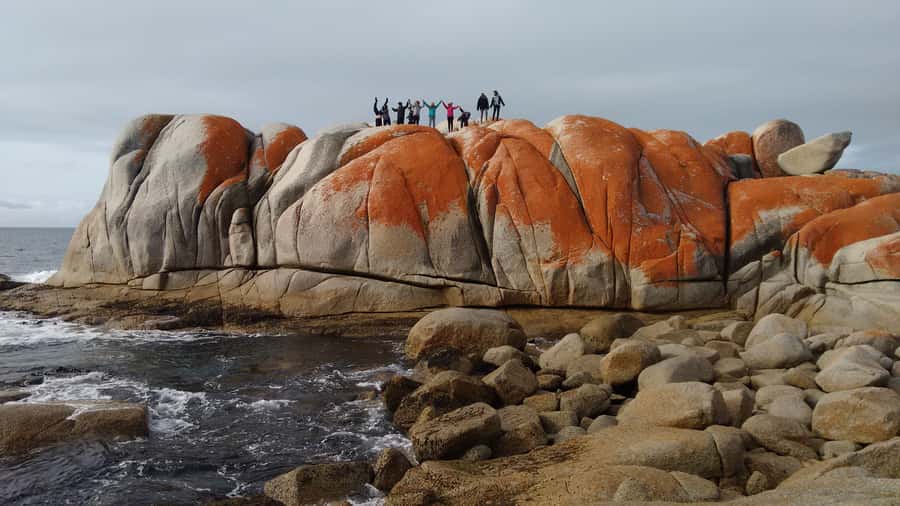
Tasmania is big. Driving it yourself can turn into hours of “where are we going next?” instead of “look at that coastline.” This tour stitches together the island’s stand-out regions into one logical rhythm, so you spend more time outside and less time planning.
What I like is the balance: you get dramatic nature days, but you also hit towns with personality. Strahan, Launceston, Sheffield, Richmond, and Hobart give your eyes a break from the trail—then you’re back into the wild again.
You can also read our reviews of more guided tours in Hobart
Hobart to Strahan: Mount Field waterfalls and the deep-lake stop
You start in Hobart and head west toward the Wild West side of Tasmania. The first nature payoff is Russell Falls at Mount Field National Park: an easy, short walk that many people can handle without turning the day into a slog.
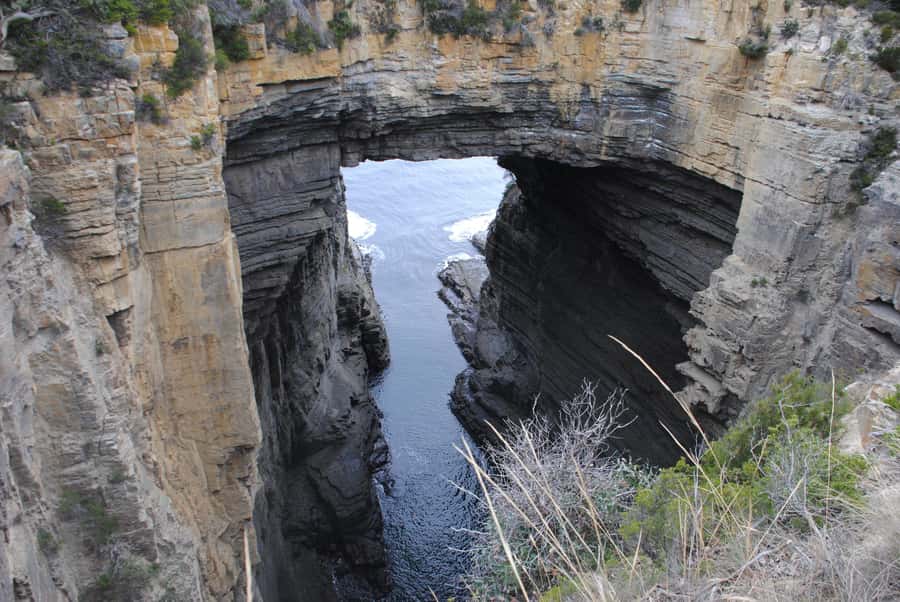
From there, the route moves into the quieter, more “proper wilderness” feeling. You’ll see Lake St Clair, which is Australia’s deepest freshwater lake, and that alone makes the region feel different from the coastal parks. You also drive through Franklin-Gordon National Park, where the rainforest-and-mountain scenery sets a moody tone early in the trip.
Then comes the human scale. You’ll pass through Queenstown, an old mining town, before arriving at the harbourside village of Strahan for the night. That sequence matters: it gives you a mix of geology, history, and a place to reset before the next wild day.
Practical note: if you’re prone to travel-day stiffness, bring a jacket even in warmer months. Tasmania weather can flip fast, and that first long drive is when you’ll notice what you packed.
Strahan’s wild west coast: dunes, rainforest walking, and fresh ocean air
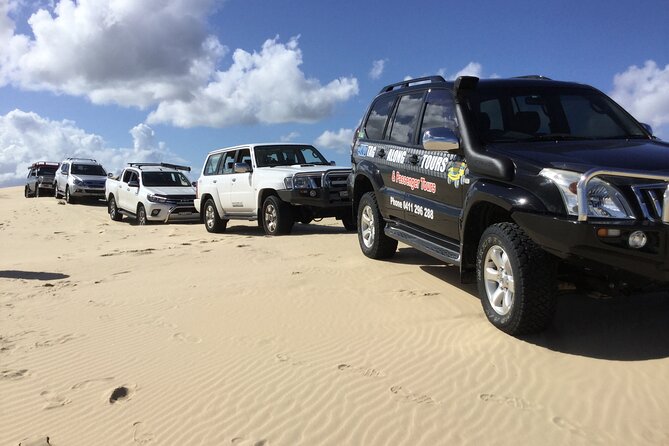
Day two is all about the West Coast vibe—less crowded, more raw. You’ll visit the Henty Sand Dunes, which are big enough to feel like you’ve stepped into another world. Even if you don’t do a long hike, the sheer size and texture of the sand landscape is the kind of sight you remember later.
Next is a guided nature walk in ancient rainforest. This is where the walking part becomes more than exercise. You’re moving slowly enough to notice tree forms, mossy shade, and the way the air changes under the canopy.
You’ll also have an optional add-on that some people choose: a Gordon River cruise is available at your own expense. If you’re already working on limited time or budget, you can skip it and still get plenty from the land-based stops—especially the dunes and rainforest walk.
Later, you end the day at Ocean Beach, where the air is famously fresh and the scale of the coast makes the day feel complete. After that, Strahan is a smart overnight base: you can sleep near the harbour without having to chase the next town before dinner.
Cradle Mountain: Dove Lake circuits, Marion’s Lookout, and wombat checks
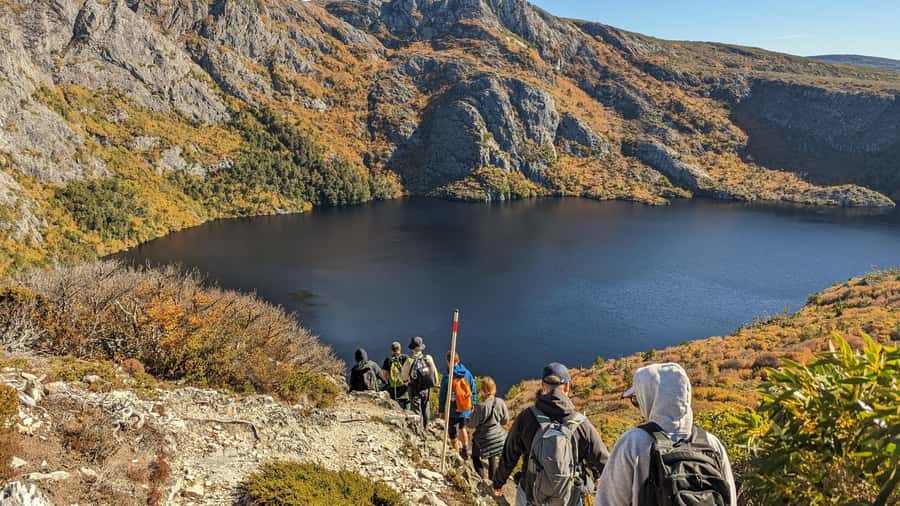
This is the day that most people picture when they think of Tasmania. Cradle Mountain National Park sits in World Heritage territory, and it looks like the island’s alpine heart. The best part for you is that you’re not forced onto one trail.
You can choose a walk that fits your fitness. The Dove Lake circuit is one of the classic short hikes in Australia—about 2–3 hours and roughly 6 km, with some hill sections, rough surfaces, and steps. If you’d rather do something more intense, there’s the scenic climb to Marion’s Lookout, which is tougher but rewards you with big, high-angle views.
There’s also a wildlife moment built into the walking. If you time it right, wombats are often seen at Ronny Creek, and your guide can point you toward the signs to look for. This isn’t guaranteed, but it’s one of those “pay attention and you might spot them” opportunities that makes the hike more fun.
The day doesn’t end in the highlands. You’ll leave the mountains and stop in Sheffield, known for its Town of Murals. Then you continue to Launceston for the night, so you get a change of pace before heading to the coast again.
Launceston to Bicheno: Cataract Gorge wallabies and Bay of Fires white sands
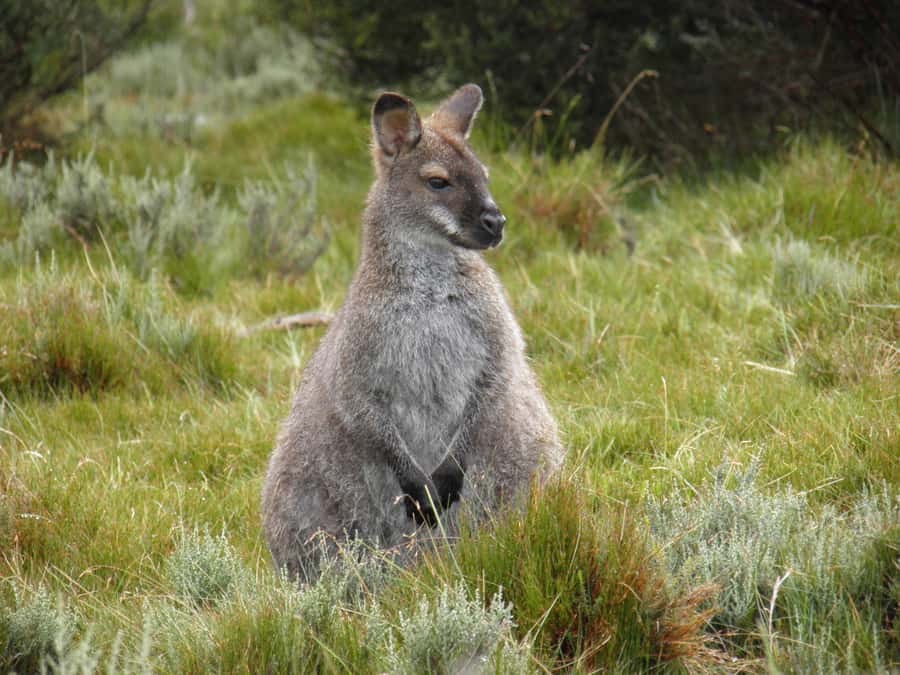
Launceston is a good mid-trip reset because it’s not just a transit stop. You’ll visit Cataract Gorge, where your chances of seeing local wallabies are part of the plan. It’s a nice reminder that Tasmania wildlife isn’t only up in the alpine regions.
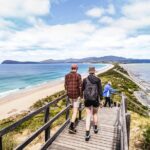
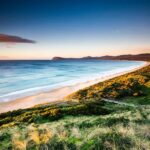
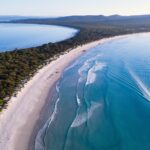
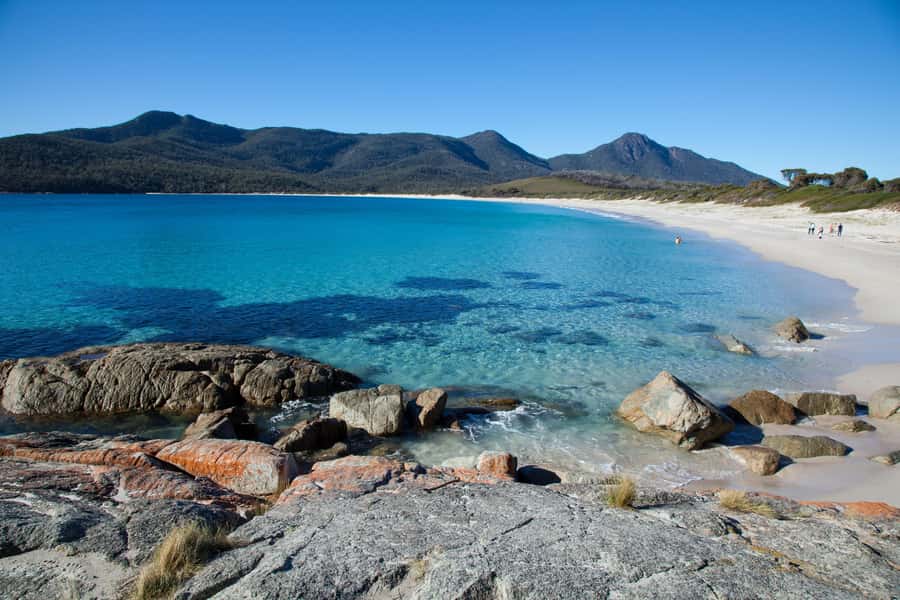
Then you head east for the coastline that people talk about for a reason. You’ll have lunch in St Helens, and after that you’ll walk the Bay of Fires—white sand, coastal views, and that particular East Coast feel where the ocean and the rocks look sculpted.
Your overnight base is Bicheno, a fishing village setting that makes the next morning’s beach feel close and natural. One of the most charming pieces of the plan is that penguins can be seen emerging from the sea. Again, it depends on conditions, but the fact that it’s part of the timing tells you the area is where you want to be for coastal wildlife.
If you’re a photographer, this section is for you. The Bay of Fires walk can be surprisingly photogenic in different light, especially if you’re comfortable stopping often for shots.
A few more Hobart tours and experiences worth a look



Freycinet National Park and Hobart: Wineglass Bay options plus the Hazards view
Day five is the famous East Coast day, and Freycinet National Park is built for variety. You’ll explore beaches, coves, forests, and lookouts—so you’re not stuck doing the same type of terrain the whole day.
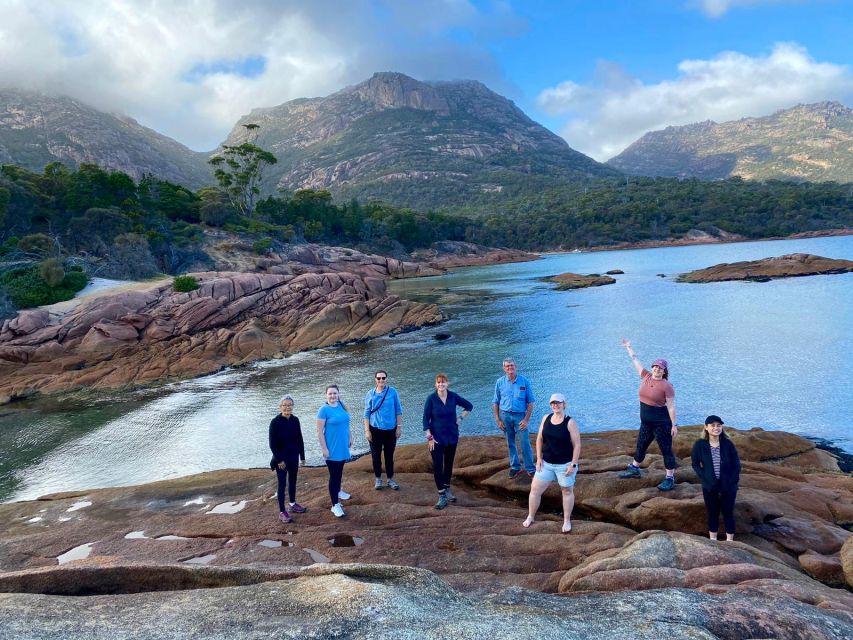
A highlight is Honeymoon Bay with views of the Hazards mountain range. Those pink granite forms are distinctive, and the best part is that you can often see them without needing an ultra-hard workout.
From there you’ll get to choose again. If you want a bigger challenge, you may climb toward Mt Amos. If you’d rather keep it more moderate, there’s an option to walk to a lookout for the curved Wineglass Bay shape, with the beach continuing below. Both options are valuable: the climb gives effort-based payoff, while the lookout option gives you the iconic view without needing to blow up your legs for the final day.
To finish the day, you’ll take in ocean and mountain views from Cape Tourville, then return to Hobart via the Great Eastern Drive. Getting back to Hobart the same day you do Freycinet is smart. It means you’re not rushing around for the last night, and you’re positioned well for the wildlife and history wrap-up.
Bonorong devils, Richmond colonial streets, and kunanyi in Wellington Park
Your final day blends wildlife and scenery with a classic Tasmanian town stop. First up is Bonorong Wildlife Sanctuary, which is Tasmania’s best-known conservation and wildlife sanctuary. This is where you meet a mix of species—quolls, birds, wombats, kangaroos, and Tasmanian devils.
If devils are on your must-see list, this is the big moment. Sanctuary settings are usually the best chance to see them clearly while also learning about their conservation needs.
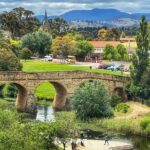
After the wildlife, you’ll enjoy a walk around Richmond, a colonial village with a slower, older feel than the coastal towns. Then the drive returns to Hobart via the Coal River Valley, a scenic route that keeps the last day from feeling like a checklist.
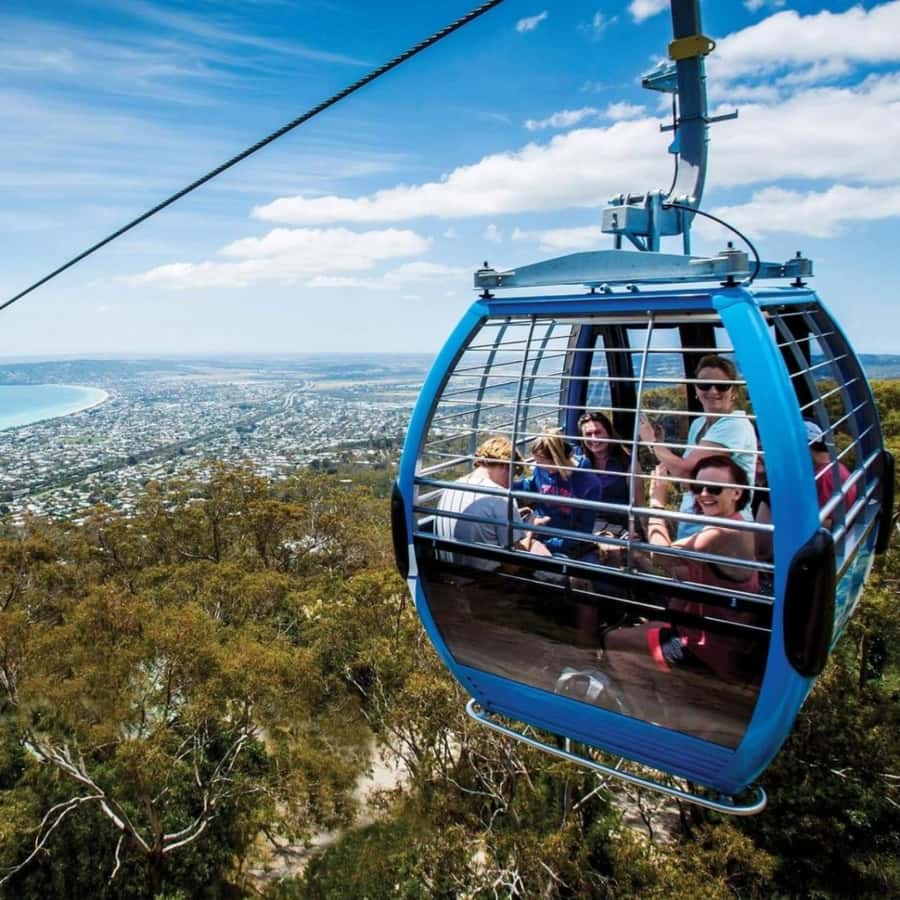
The grand finale is Wellington Park, known locally as “The Mountain” or by its palawa name kunanyi. Your guide leads an experience through features like fern glades, eucalyptus forests, dramatic rock columns, and boulder fields. There are also walking tracks to spectacular lookouts, so you end the trip with one last stretch of active time—if you’ve still got energy.
What the guided walks really feel like day to day
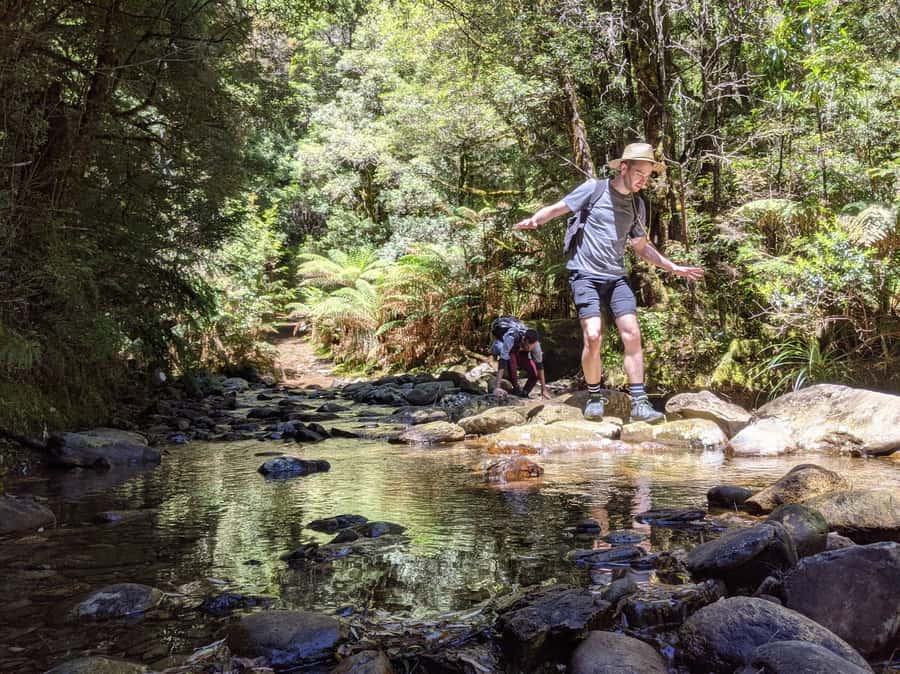
This tour is built around walking, but it’s not “everyone suffer the same trail” style. Most days include short walks, and they’re generally easy to moderate. You’re also given the option to walk without a guide, which can matter if you just want quiet time with views instead of explanations.
Two examples make the difficulty more concrete. Russell Falls is about a 25-minute return walk (around 1.4 km) on an even surface with no steps or steep sections—ideal if you want a gentle start. The Dove Lake circuit is a more serious commitment: 2–3 hours and 6 km, with rougher ground, steps, and some hill sections.
So here’s the practical take: you don’t need to be a hardcore hiker, but you do need to be comfortable on uneven ground, standing and walking for stretches, and adjusting to changing weather. Bring shoes you trust.
Also pack for temperature swings. Warm clothing and a water bottle are listed for a reason. Tasmania can go from cool shade to bright exposure quickly.
Accommodation style: motels vs hostels, and why it matters
You get 5 nights of accommodation across the trip. You can choose hostel or motel options. Motels usually mean private rooms with ensuite facilities, which is a big comfort win after early start mornings.
Hostels are typically same-gender dorm rooms or you can book private twin/double/single options depending on availability. Bathrooms are shared same-gender bathrooms. If you’ve never stayed in Australian hostels, this is normal—but it’s good to know before you pack.
One detail I appreciate: the stay is set up so basic breakfast routines are possible. In at least one case, motels were described as well equipped for making breakfast and heating up water. That kind of small practicality can save you time and energy.
Price and value: what $831 gets you, and what costs extra
At $831 per person for 6 days, the value is mostly in three places: guided access, national park entry, and the logistics of moving you between regions. You’re not paying just for scenery—you’re paying for someone to connect the dots and keep the schedule moving.
Here’s what’s included that most solo travelers end up paying extra for:
- Pick-ups and drop-offs at selected Hobart locations
- Accommodation for 5 nights
- Commentary throughout
- Guided walks (and the option to walk without a guide)
- National park entrance fees
- Bonorong sanctuary entry fee
What’s not included:
- Food and drinks
- The Gordon River cruise option, if you choose to add it
That means you should plan a daily food budget and decide early whether the cruise is worth it for your style. If you love boats and big water views, it may be a good add. If you’d rather keep your spending focused on walks and wildlife, you can skip it and still have a full day.
Also, the bus ride is part of the deal. One guide report called the bus okay but a bit old, which is good to keep in mind if you’re sensitive to comfort on long drives. It won’t ruin the trip, but it’s worth planning around with layers and a phone battery.
Who this tour is best for (and who should skip it)
I think this tour fits you if you want a structured Tasmania hit without renting a car and you’re happy doing short daily walks. It’s especially good if you’re traveling alone or want to meet people, because small-group movement tends to create easy conversation during breaks.
It also works well if you like choosing your effort level. The repeated pattern of walk options makes the trip feel more like a custom day than a rigid hike program.
This is not the right match if you have back problems, mobility impairments, or you’re traveling with children under 8. The trail conditions and the active daily schedule are part of the experience.
If you’re unsure, be honest with yourself: can you comfortably do a couple of hours on rough surfaces with steps? If yes, you’ll probably enjoy this tour a lot more than you’d expect.
Should you book it?
Yes, if you want a guided, efficient route that covers East Coast beaches, West Coast wilderness, alpine Cradle Mountain hikes, and wildlife at Bonorong—and you’re okay with a daily dose of walking.
Book if you value practical guidance and flexibility. When guides like Phil, Keygan, Tim, Brendon, Garreth, and Hayden show up, the trip tends to become more than a bus tour: you get local context, and you can match the day’s walking to your energy.
Skip if you want minimal walking, perfect comfort on long drives, or a fully self-paced schedule. This one is active by design, and that’s the trade.
FAQ
FAQ
How long is the Tasmania Wilderness and Wildlife tour?
It runs for 6 days. Starting times depend on availability.
Is food included in the tour price?
No. Food and drinks are not included.
What’s included for the parks and wildlife?
National park entrance fees are included, and entry to Bonorong Wildlife Sanctuary is included as well.
Is the Gordon River cruise included?
No. The Gordon River cruise is optional and is at your own expense.
How do pickups and drop-offs work in Hobart?
Pick-ups and drop-offs are available at selected Hobart city locations. Pickup is available from centrally located hotels or hostels, but not from Airbnbs and private residences. Pickup time is confirmed once your pickup location is confirmed.
What kind of accommodation will I get?
You get 5 nights of accommodation with options for hostels or motels. Motels have private rooms with ensuite facilities. Hostels offer same-gender dorm rooms, or private twin/double/single rooms, with shared same-gender bathrooms.
What walking level should I expect?
The tour includes short walks every day. Walks are generally easy to moderate, and all walks are optional. Dove Lake Circuit is described as 2–3 hours and about 6 km with rough surfaces and many steps.
Can I skip some guided walks?
Yes. Guided walks are included, with the option to walk without a guide.
How much luggage can I bring?
You can bring up to 20 kg of luggage, stored in a trailer on travel days.
Who isn’t suitable for this tour?
It’s not suitable for children under 8, people with back problems, or people with mobility impairments.