REVIEW · TWEED HEADS
Tweed Heads: Tweed River and Rainforest Cruise with Lunch
Book on GetYourGuide →Operated by Tweed Eco Cruises · Bookable on GetYourGuide
The Tweed River does nature right. You get a relaxed 3-hour cruise plus Captain-led stories, then a proper local grazing board lunch. I especially like the bird-and-rainforest focus at Stotts Island and the way the Captain ties the scenery to Indigenous culture and local history. One thing to plan for: this cruise isn’t a good fit for people with mobility impairments, and the weather is taken as it comes since it runs in rain and shine.
What makes this outing work for a lot of trips is the mix of slow water time and real food. Morning tea arrives as you settle in, and the lunch is served as a platter-style feast with regional items like prawns, cheeses, and quiches. A possible drawback for some budgets: even though the cruise is great value, the onboard licensed bar is extra if you want drinks.
In This Review
- Key Highlights You’ll Care About
- Tweed Heads Jetty to Boat: Easy Start, Real Holiday Pace
- Morning Tea on the River: Local Coffee, Local Produce
- Captain’s Commentary: History Meets Habitat
- Riparian Rainforest and Mangroves: What You’re Actually Seeing
- Stotts Island Bird Spotting: Brahminy Kite and Friends
- Ukerebagh Island Cruise-By: More Habitat, More to Notice
- Lunch Time: A Grazing Board That Actually Looks Like Food
- Views of Mt Warning and the Border Ranges: The Backdrop You’ll Remember
- Getting the Most Out of It (Without Overthinking)
- Who This Cruise Suits Best
- Price and Value: Why $73 Feels Fair for What You Get
- Should You Book This Tweed River and Rainforest Cruise?
- FAQ
- How long is the Tweed River and Rainforest Cruise?
- What’s included in the ticket price?
- Is the cruise only for wildlife, or is there also history and culture?
- Does it run in bad weather?
- What food and drinks are provided?
- Do I need to bring ID?
- Are pets or large bags allowed?
Key Highlights You’ll Care About
- 3 hours on the water, no rush: Plenty of time to scan the riverbanks and not feel herded.
- Stotts Island wildlife spotting: Expect birdlife, including birds of prey like the Brahminy Kite.
- Riparian rainforest and mangrove scenery: You’ll cruise through the kind of habitat that makes the Tweed region famous.
- Morning tea + grazing board lunch: Locally sourced food instead of a sad snack.
- Captain commentary with local context: History, flora and fauna, geology, and Indigenous culture in one story thread.
- Bar for local beers and spirits: Optional add-on if you want something more grown-up with lunch.
Tweed Heads Jetty to Boat: Easy Start, Real Holiday Pace
Your day begins at the top of the jetty in Tweed Heads, meeting the Tweed Eco Cruises staff before you head onboard. This is the type of tour that feels like a day out, not a checklist. You’ll be stepping into a cruise that’s designed to move slowly enough for sighting time and conversation.
Practical tip: bring a passport or ID card, since that’s listed as required. Also keep your load light. Large bags and luggage aren’t allowed, and pets aren’t permitted (assistance dogs are fine). If you’re the type who likes to travel with a small daypack, you’ll be happy.
The timing also matters if you’re crossing from Queensland. The cruise runs on AEST, and you’ll want to double-check your clock if your body thinks it’s in a different time zone.
You can also read our reviews of more boat tours in Tweed Heads
Morning Tea on the River: Local Coffee, Local Produce
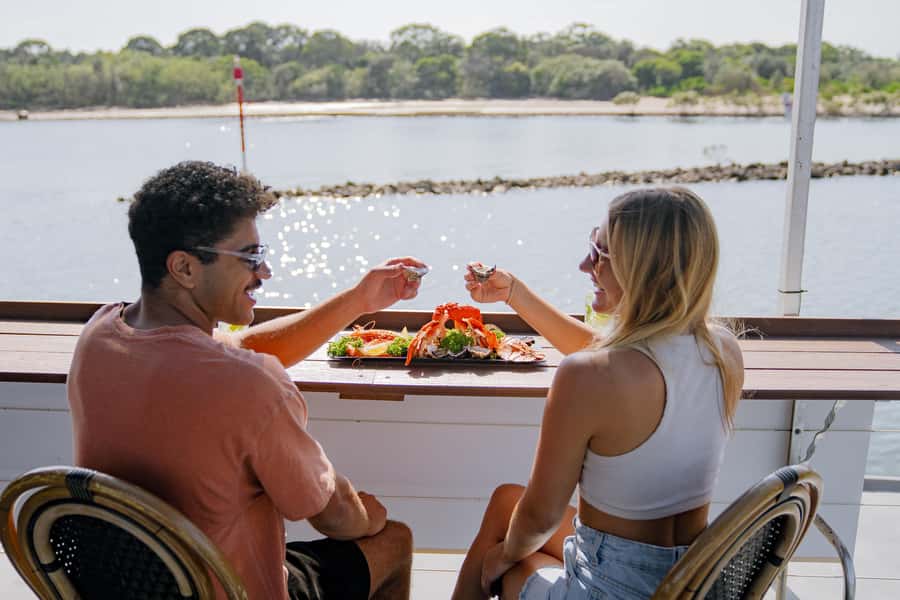
Once you’re aboard, the morning tea comes out early as you settle into the trip. It’s served with locally grown coffee and tea, which sounds simple, but it sets the tone. Instead of grabbing something quick and forgetting it, you start with a calm, caffeinated reset while the river scenery rolls past.
This matters because the cruise isn’t just about seeing things for photos. It’s about slowing down enough to notice birds, tree types, and the shifts in the shoreline. When you have a snack in your hands, you tend to look up more often. And you’ll want to, because the Captain’s commentary is happening while the boat glides.
If you’re sensitive to food needs, take note: at least one recent experience mentioned a gluten-free catering option. Don’t assume it’s automatic for every platter, but it’s a good sign that they can work with dietary requirements when possible.
Captain’s Commentary: History Meets Habitat
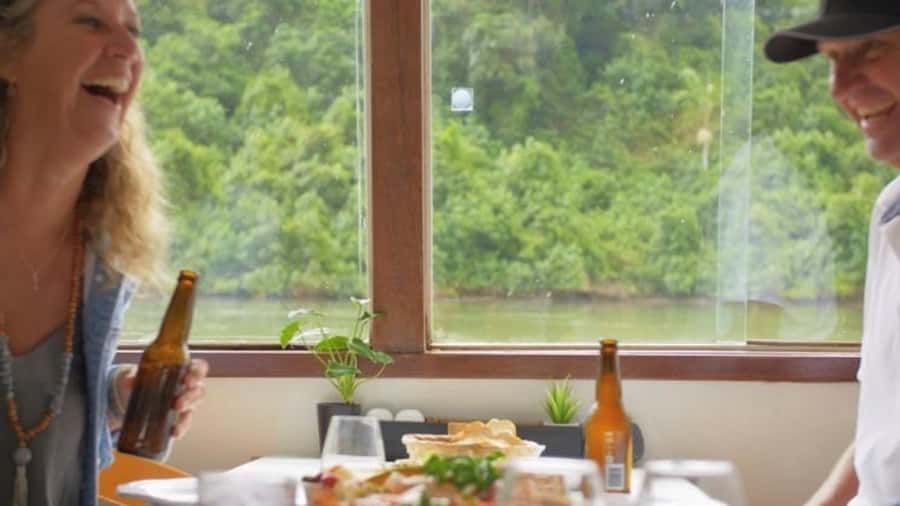
The Captain provides live commentary while cruising up the Tweed River. The focus isn’t random facts. You get a guided mix of local history, flora and fauna, geological formations, and local Indigenous culture. It’s the difference between a tour that talks at you and a tour that helps you read the landscape.
And yes, it’s meant to be entertaining. Recent experiences highlight that the commentary isn’t just informative; it stays paced so you can still enjoy the scenery. That balance is important on a 3-hour cruise. Too much talking and you start counting minutes. Too little and you’re just staring out the window with no context.
If you’ve ever visited a rainforest area and felt like you were guessing at what you were looking at, this is exactly the kind of narrative you’ll appreciate. The Captain gives you the vocabulary—what the trees are doing, why the mangroves matter, and why this area is so biologically productive.
Riparian Rainforest and Mangroves: What You’re Actually Seeing
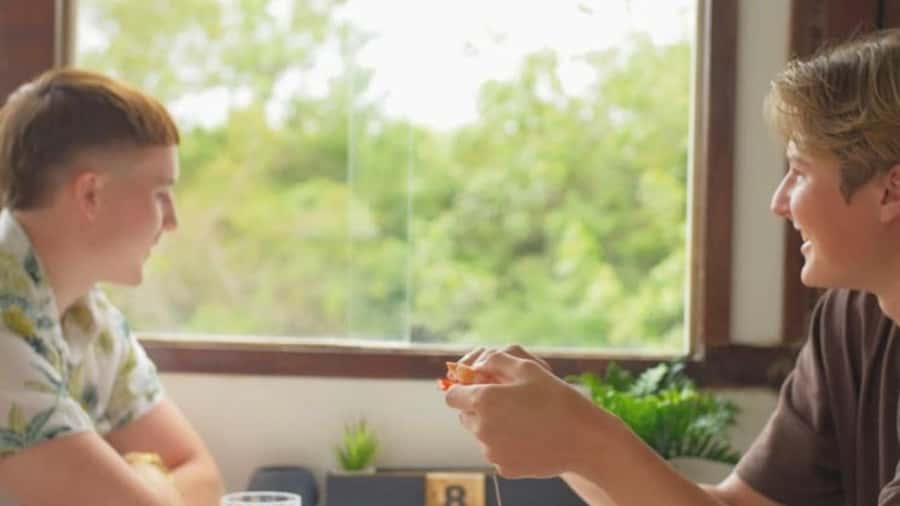
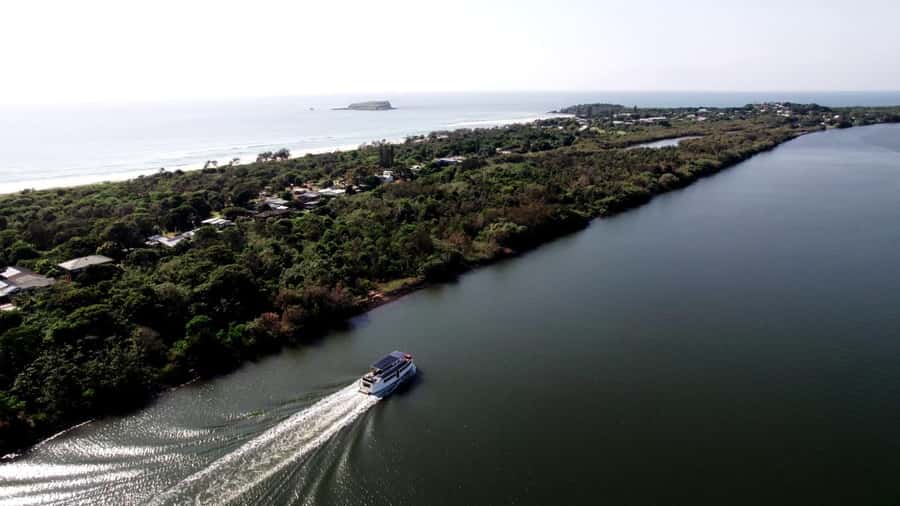
This cruise heads to the Riparian Rainforest, including mangrove forests, and it also stops along the way near Stotts Island and other spots like Ukerebagh Island. If that sounds like a lot of eco-buzz words, here’s the practical payoff: the Tweed’s habitats support different species depending on water conditions, shoreline types, and plant communities.
You’re not just passing generic green. You’re moving through ecosystems that shelter birds and other wildlife, and those sheltering roles are what the Captain points out. Mangroves in particular are the kind of place where the details matter—roots, sheltered channels, and how the waterline changes.
Also, this region is described as the third most biodiverse region in Australia, with over 400 species of trees, birds, and plant life. That statistic is your hint that “rainforest cruise” really means wildlife-rich and species-heavy, not just pretty trees.
Stotts Island Bird Spotting: Brahminy Kite and Friends
The highlight for many people is the stop-and-scan moment around Stotts Island. It’s described as the only low-lying subtropical rainforest in the region, which is exactly the sort of habitat that birds like.
On the water, you can watch for species including the Brahminy Kite and other birds of prey. That’s a big deal because raptors don’t show up randomly. If you’re seeing them, it usually means conditions are right and there’s enough food around.
Here’s the best way to enjoy this part: don’t just stare at the treeline. Look at the edges. Scan above the water too. Birds often work the margins, especially where the shoreline offers perches and hunting routes.
Some experiences also mention dolphins popping up during the ride, plus birds being fed from the boat at times. Those are not guaranteed sightings—nature decides—but if they happen, they turn this from a good cruise into a really memorable one.
A few more Tweed Heads tours and experiences worth a look
Ukerebagh Island Cruise-By: More Habitat, More to Notice
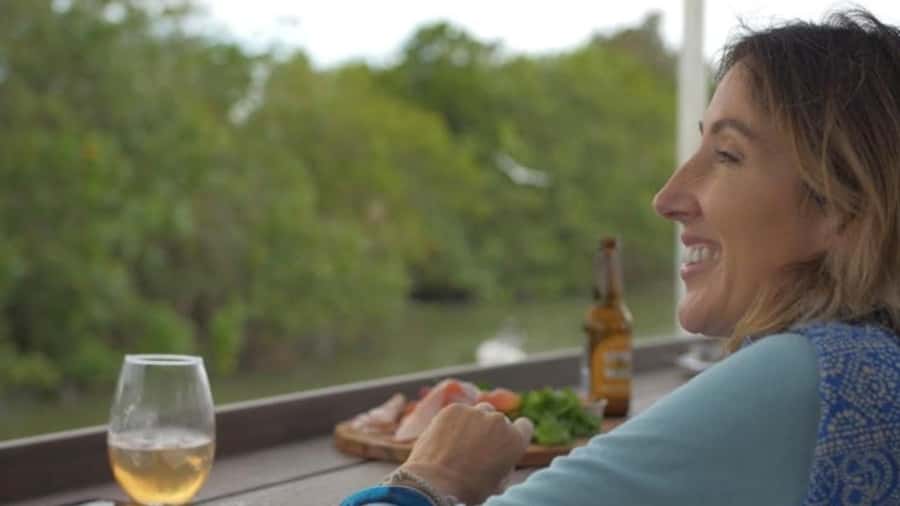
Along the way, you’ll also cruise past Ukerebagh Island. This adds variety without turning the trip into a complicated schedule. You keep that same relaxed boat rhythm, while the Captain points out how the water and vegetation change as you move.
For bird lovers, this matters because different shoreline features can funnel wildlife activity. For first-timers, it helps you understand that the river isn’t uniform; it’s a chain of micro-habitats. Those micro-habitats are why a 3-hour cruise can still feel like more than a quick sightseeing loop.
Lunch Time: A Grazing Board That Actually Looks Like Food
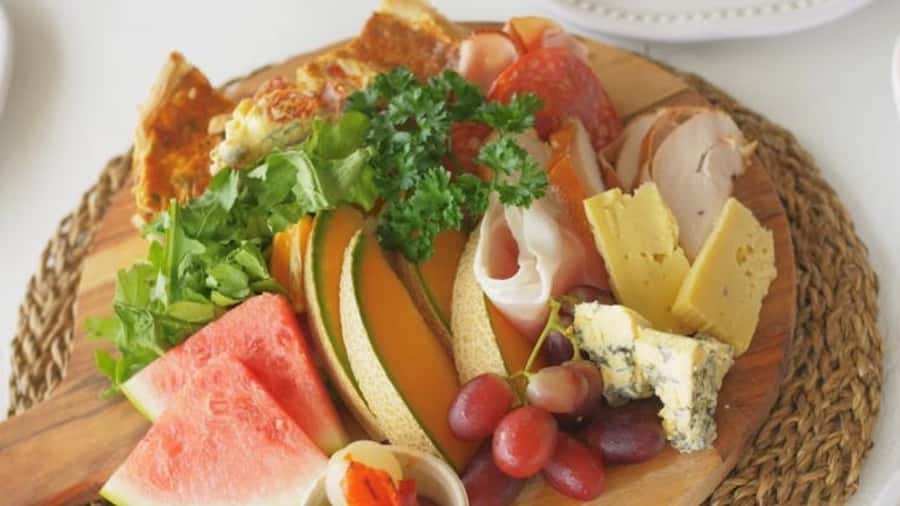
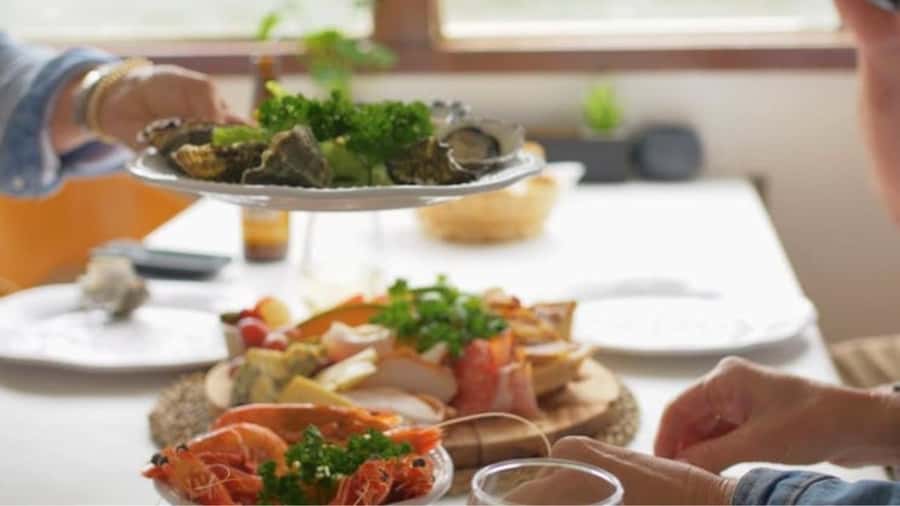
As the cruise heads back, lunch is served: a regional charcuterie-style grazing board with trawler fresh prawns and local delights. This is not the typical bread-and-cheese situation you sometimes get on short tours. Expect items like smoked and cured meats, cheeses, quiches, salad, fruits, and bread.
One reason people rate this part so highly is simple: it feels well considered. The platter is presented in a way that makes lunch feel like a feature, not an afterthought between “sightseeing stops.” And the prawn component is a standout for seafood fans, though if you’re not a fan, you’ve still got plenty of other options on the board.
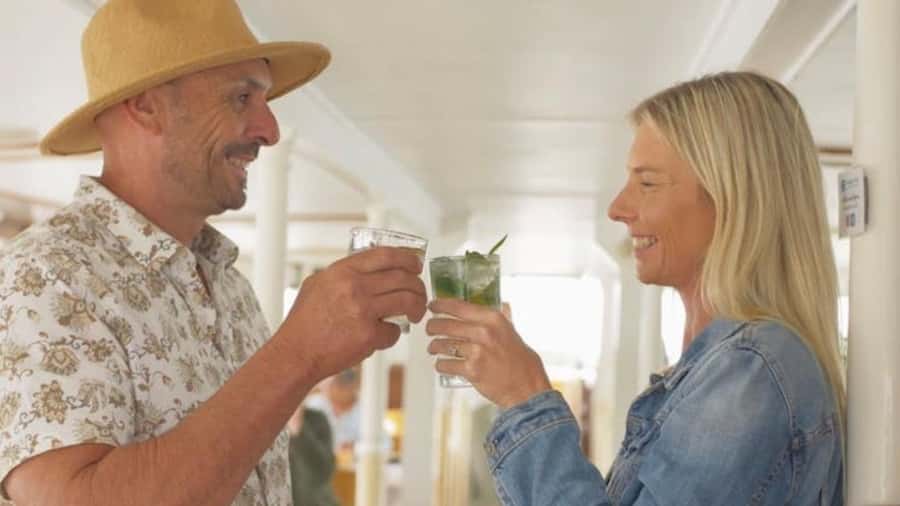
Your onboard licensed bar is open for purchases too. If you want locally brewed beers or spirits, this is where you’d add it. Keep it optional, though. You’re on a boat, so you’ll enjoy the afternoon more if you don’t overdo alcohol with sun, wind, and a bit of movement.
If you’re comparing value: at $73 per person for about three hours, you’re basically paying for (1) the boat ride, (2) live Captain commentary, and (3) morning tea plus a full lunch platter. That’s why it’s a strong deal compared with tours that only offer a snack or a short cruise without the food component.
Views of Mt Warning and the Border Ranges: The Backdrop You’ll Remember
Even if you don’t consider yourself a “views person,” this cruise gives you a scenic payoff. You’ll pass by the Border Ranges and Wollumbin (Mt Warning) as a backdrop. The combination of wide river water and inland range views does a few things at once: it relaxes you, it gives you a sense of place, and it makes the rainforest bits feel connected rather than random.
When you’re on the river, you also notice how light changes over water. That’s part of why the cruise feels easy. You don’t have to hike. You don’t need to navigate. You just look—and eat when it’s time.
Getting the Most Out of It (Without Overthinking)
This is a straightforward tour, so the biggest variable is how you show up for it.
1) Dress for wet and breezy. The cruise runs in rain and shine. If the weather shifts, you’ll still be out there seeing wildlife, so pack accordingly.
2) Bring your attention. The best bird sightings come when you’re watching calmly, not rushing from spot to spot.
3) Arrive with a light bag. No large luggage, and you’ll move faster from meeting point to boarding.
And if you’re coming with family or friends, this is one of those outings that works because it has something for multiple moods: wildlife spotting for the nature crew, history and culture context for the curious, and lunch and bar options for people who just want a good time.
Who This Cruise Suits Best
This cruise is a strong match if you want a nature outing that doesn’t demand hiking shoes or long transit days. It’s ideal for couples, solo travelers who enjoy guided storytelling, and anyone who wants an easy way to experience the Tweed region’s river-and-rainforest mix.
It may not suit people with mobility impairments, since it’s not listed as suitable. If you’re unsure, check your physical comfort level with boarding and time onboard.
It’s also a good pick if you’re the type who likes value. You’re not just paying for “pretty water.” You’re getting morning tea, a full grazing platter lunch, and live narration.
Price and Value: Why $73 Feels Fair for What You Get
At $73 per person for a 3-hour cruise, the value comes from the package. You’re paying for a guided experience with specific stops (like Stotts Island) and included food.
A lot of boat tours charge for the ride and then upsell snacks or treat lunch as an add-on. Here, morning tea is included and lunch is a real platter with prawns, meats, cheese, quiches, and fruit. If you’ll buy drinks onboard anyway, the bar is there—but you’re not forced into it.
If your goal is a low-stress half-day with wildlife chances and a satisfying meal, this is one of the easier price-to-experience matches in the area.
Should You Book This Tweed River and Rainforest Cruise?
If you want an easy, well-fed, guided cruise that teaches you what you’re seeing, I’d book it. The Stotts Island wildlife angle and the Captain’s blend of habitat, history, geology, and Indigenous culture make it more than a sightseeing spin. Add the locally sourced morning tea and grazing board lunch, and you’ve got a trip that feels like it respects your time.
Skip it if you need high mobility accessibility or if you prefer tours that are very structured around one single major attraction. This one works best as a relaxed, scenic nature experience with food and stories in the middle.
FAQ
How long is the Tweed River and Rainforest Cruise?
It lasts 3 hours.
What’s included in the ticket price?
The cruise includes 3-hour sightseeing on the Tweed River, morning tea, a grazing board lunch platter, bird-of-prey spotting, and live Captain commentary. It also includes cruises past Stotts Island and Ukerebagh Island.
Is the cruise only for wildlife, or is there also history and culture?
There is live Captain commentary covering local history, Indigenous culture, flora and fauna, and geological features in addition to wildlife spotting.
Does it run in bad weather?
Yes, it operates in rain and shine.
What food and drinks are provided?
You’ll receive morning tea with locally grown coffee and tea, and you’ll be served a grazing board lunch. There is also a licensed bar onboard for purchasing beverages.
Do I need to bring ID?
Yes. You’ll need to bring a passport or ID card.
Are pets or large bags allowed?
Pets are not allowed (assistance dogs are allowed). Large bags and luggage are also not allowed.
If you want, tell me your travel month and who you’re going with (kids? food preferences? mobility needs?), and I’ll help you decide the best time slot and how to plan your day around it.