REVIEW · WESTERN AUSTRALIA
Western Australia: Swim with Humpback Whales
Book on GetYourGuide →Operated by Coral Bay Ecotours · Bookable on GetYourGuide
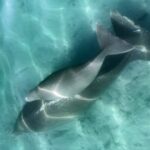
Humpbacks, close enough to swim. What I love most is the chance to combine Ningaloo Reef snorkeling with an open-ocean whale encounter on the same day, so the wildlife keeps coming. I also like the structured, small-group approach: groups of 7 enter the water with two crew guiding from a safe distance, and the interaction is kept on the whales’ terms.
One thing to think about first: whale encounters are never guaranteed, and if conditions or the animals’ situation don’t look safe, you may only watch from the boat. That is part of the program’s animal-care mindset, and it can mean you don’t always get the full swim.
In This Review
- Key highlights to know before you go
- Why Coral Bay and Ningaloo make this whale swim work
- A full day on the water: snorkeling first, whales next, then more reef
- How the whale swim actually works: safety decisions and small groups
- Ningaloo Reef snorkeling: turtles, reef sharks, stingrays, and more
- Meals and the feel-good finish: tea, buffet lunch, champagne and fruit
- Price and value: why $467 can make sense here
- What to bring (and what not to bring) for a smooth day
- Who should book, and who should adjust expectations
- Should you book this humpback and Ningaloo day?
- FAQ
- FAQ
- Where is the meeting point for the tour?
- How long is the experience?
- What time of year does this humpback whale tour run?
- What’s included in the price?
- Do I need to bring snorkeling equipment or a wetsuit?
- What should I bring to feel comfortable on the day?
- Will I definitely swim with humpback whales?
- What animals might I see during the snorkeling and whale parts?
- Are tour photos included?
Key highlights to know before you go
- Ningaloo Reef, not just one snorkel: you snorkel at two different reef sites during the day
- A controlled whale swim setup: groups of 7, with two crew members near the whale path at safe distance
- A full day of on-water comfort: morning and afternoon tea plus a buffet lunch on board
- Marine-life bonus cast: you might spot turtles, reef sharks, stingrays, and more along the way
- Finish with a celebratory touch: champagne and a fruit platter after your final snorkel
- Guides who manage the details: the crew is credited for smooth timing and calm safety talk
Why Coral Bay and Ningaloo make this whale swim work
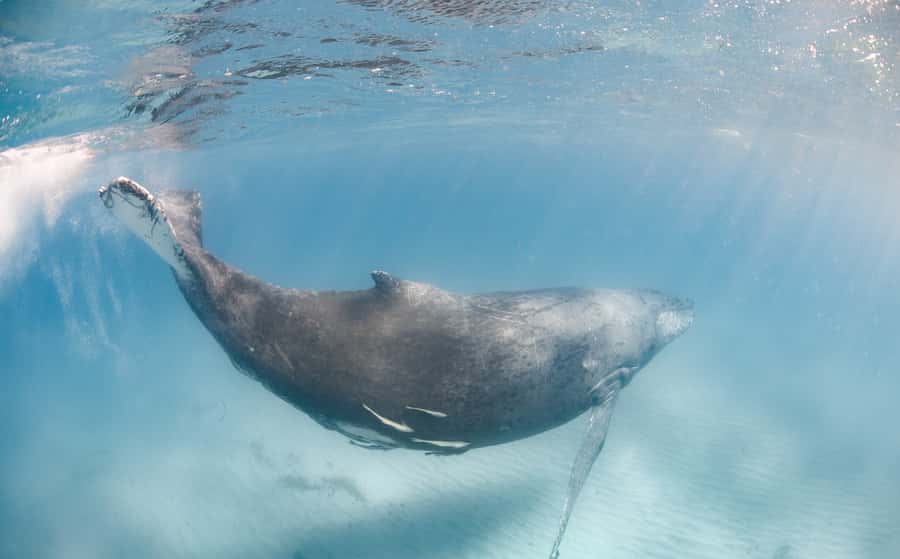
Western Australia’s humpback season runs July through October, when these big mammals travel along the coastline and pass through waters near Coral Bay. This tour is built for that window, pairing the whale route with snorkeling in Ningaloo Reef, a place where the reef edge drops off into the sea in a way that makes marine sightings more realistic than in calmer, more sheltered bays.
You’re not just buying a ticket for a single species. The day is planned so you get reef time, open-ocean time, then reef time again. That matters because the ocean can be unpredictable. Even on a perfect day, animals may show up in different rhythms. This itinerary gives you multiple chances to see wildlife rather than betting the whole day on one moment.
Also, Ningaloo is the kind of underwater setting where you can feel like you’re hovering at the boundary between “reef” and “open ocean.” That boundary shows up in what you might see: reef fish and turtles up close, and the occasional larger creature cruising by farther out. In other words, you’re not stuck in one view for hours.
You can also read our reviews of more whale watching tours in Western Australia

A full day on the water: snorkeling first, whales next, then more reef
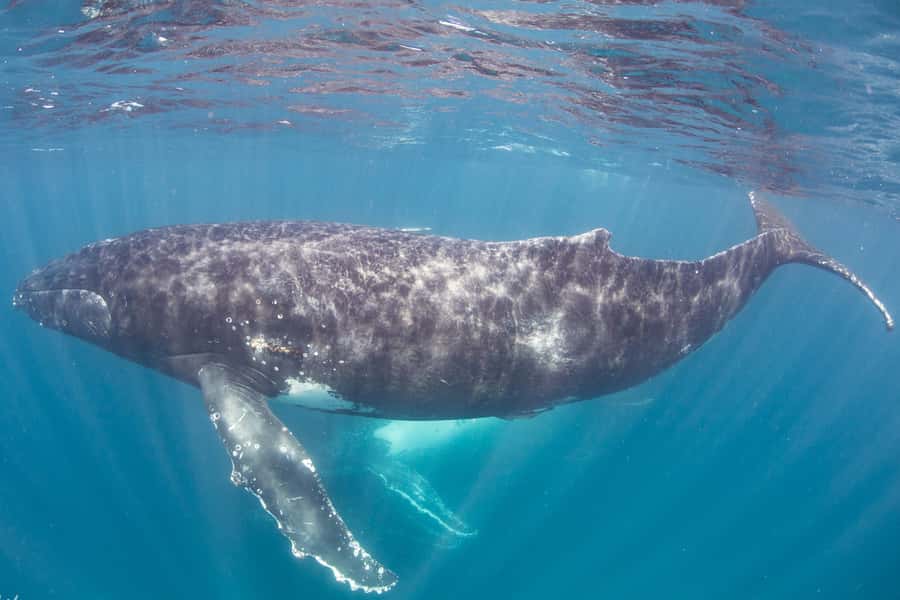
The tour is designed around a simple flow: get you in the water early, shift to the whale route, then return for a second snorkel and a warm, comfortable finish.
You start with reef snorkeling on Ningaloo Reef. The goal is to ease into the day with a guided snorkel experience, using provided equipment and a wetsuit (so you can focus on looking around instead of scrambling for gear). This first reef period is where you might meet turtles, reef sharks, stingrays, and plenty of fish.
Then the boat heads out to the open ocean to observe humpbacks during their migratory route. This is where the day can slow down in a good way. Whale encounters are not timed like a theme-park ride. Instead, you’re watching for signs of their path and behavior, while the crew keeps an eye on conditions and what’s possible safely.
After the whale part, you head back toward the reef. Lunch is served on board, followed by another snorkel. That second snorkel is more than just a bonus. It’s a chance to “reset” after the big-mammal moment, especially if the whales don’t keep you in the water for long.
By the time you return to the jetty, the day closes with a glass of champagne and a fruit platter. It’s a nice ritual after a long ocean day, and it turns the whole thing from wildlife viewing into a full experience.
How the whale swim actually works: safety decisions and small groups
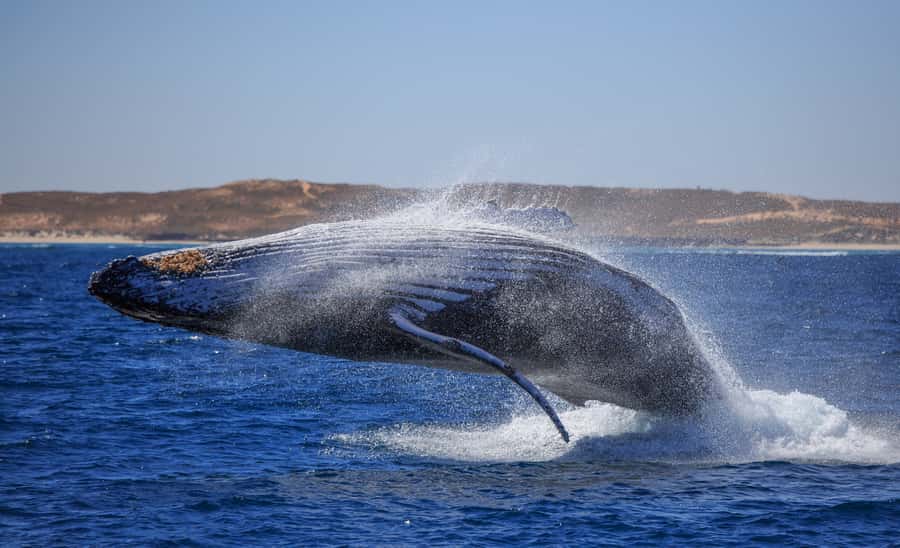
This is the part you really want to understand before you book, because it sets expectations.
If the trained guide decides it’s safe, the group gets split into teams of 7. When it’s time to enter the water, you go in with two crew members at a time. Those crew members position themselves near the whale path at a safe distance.
The key phrase in the program is that each interaction is on the whales’ terms. That means the whales can approach you out of curiosity, or they can simply pass by. Either way, the crew’s job is to keep things controlled and calm, not force an outcome.
One real consideration: if humpbacks are in a situation where swimming could increase risk to the animals, you might be limited to viewing from the boat. This happens because the program prioritizes animal protection, not just human satisfaction. It’s worth remembering so you don’t feel disappointed if you only get the boat-side sightings.
From the crew’s reputation, what seems to matter is communication and reassurance. People talk about guides who check in and keep you feeling okay during the process. Names that come up include Paula and Marina as standout guides, plus Paul as the boat driver. There’s also a photographer named Lau onboard. Even though tour photos aren’t included, having someone documenting can still make the day feel especially well run.
Ningaloo Reef snorkeling: turtles, reef sharks, stingrays, and more
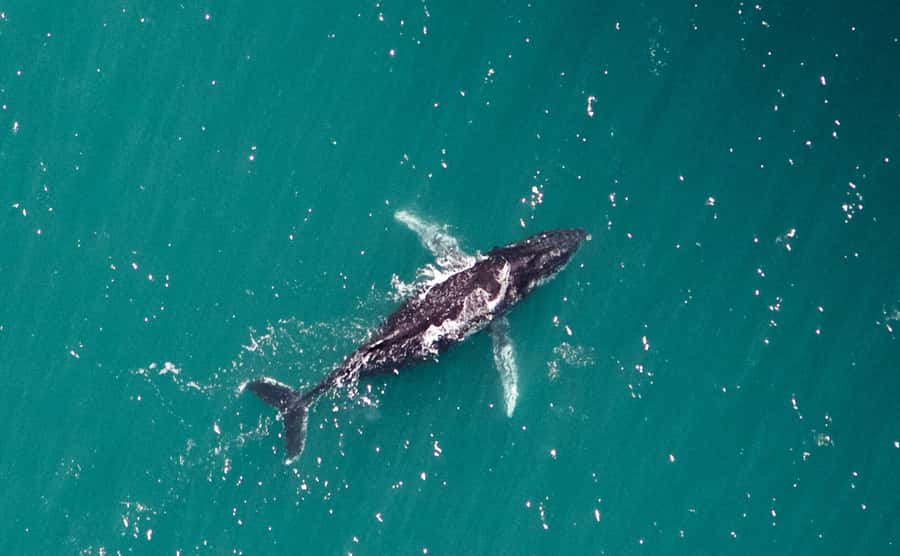
Ningaloo Reef is the big reason this tour feels like more than a whale outing. You’re snorkeling, not just observing from the surface. And you’re doing it twice.
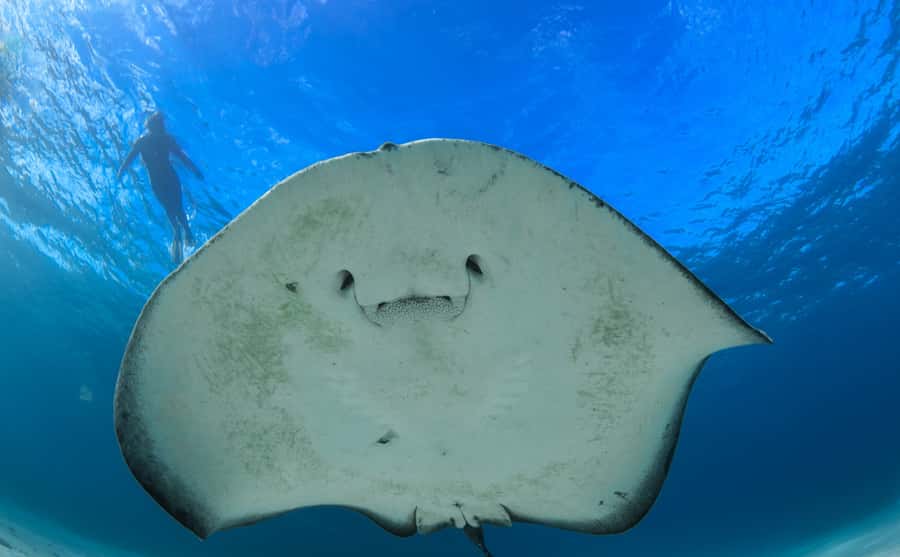
For the first reef snorkel, you might see turtles and reef sharks, as well as stingrays gliding through the shallower areas. Fish life is typically the constant backdrop, so even if you don’t get a “wow” animal at every moment, you usually get plenty to look at.
The second snorkel on the return leg is where the day can change character. Sometimes conditions improve, sometimes animals show up later. Either way, you get another guided look at the reef before you finish up.
A few specific creatures that have shown up for people on this kind of outing include manta rays and even an octopus (spotted underwater, not just in the imagination). You can’t count on any one animal, but the pattern is consistent: Ningaloo delivers a mix of common reef residents and occasional larger visitors.
What helps you enjoy it is the included gear and wetsuit. You don’t waste time bargaining with a rental shop or worrying about whether the fit is right. The provided snorkeling equipment and the wetsuit make a real difference on a long day, especially if water temps feel cooler than you expected.
Meals and the feel-good finish: tea, buffet lunch, champagne and fruit
A whale day can be tiring. You’re in sun and wind, and you might spend long stretches scanning the water. That’s why I appreciate the onboard rhythm: breaks that are built into the itinerary instead of something you have to improvise.
You’re provided morning and afternoon tea, plus a buffet lunch served on board. This is simple but important. It keeps energy up so you can stay focused during whale watching and still enjoy the second snorkel without feeling wrecked.
Then comes the finishing touch: a glass of champagne and a fruit platter after you return. It’s not just a snack. It’s a celebratory end that fits the effort of the day—like closing the chapter on a hard-earned wildlife encounter.
Practical tip: bring water (you’re asked to), plus a jacket or warm layer. Even on a bright day, you can feel cold on the boat after time in the water. The tour notes specifically call out sun protection and warm clothing, which is smart in that part of Australia.


Price and value: why $467 can make sense here
At $467 per person, this is not a budget activity. But for what you get, it can still feel like good value—if your priorities match the experience.
First, you’re paying for a specific time of year and a specific location. Humpbacks move on a seasonal schedule, and this tour is aimed at July through October along the Western Australian coastline. That limits supply and raises operational costs.
Second, the day includes a lot beyond the “main event.” You get snorkeling equipment and a wetsuit, both reef snorkel periods, meals (tea and buffet lunch), and the finishing fruit platter plus champagne. That means the day’s comfort and gear are wrapped into the price rather than tacked on later.
Third, you’re paying for safety and operational control. Whale swims are not casual. The structure—groups of 7, two crew members near the whale path, and guide-led decisions about whether swimming is safe—adds staffing and planning. Good crew behavior also seems to be a recurring theme in people’s feedback, including specific guide names like Paula, Marina, and Paul.
The one cost you should know about: tour photos are not included. Since there’s a photographer onboard (Lau), you may be offered photo packages after, but they won’t be automatic. If you want photos, plan ahead so you’re not surprised later.
What to bring (and what not to bring) for a smooth day
The basics are easy, and you’ll be glad you packed them once you’re on the boat.
Bring:
- Swimwear
- Water
- Sun protection
- A jacket or warm clothing (the tour specifically suggests this)
- Towels (you’ll want them even if you don’t need to buy them)
Not allowed:
- Pets
- Smoking
I also recommend you keep things simple and waterproof what matters. You’ll be in and out of the water and around sea spray, so it’s smart to protect your phone and any electronics.
One more practical point: the tour is subject to minimum numbers and weather. That’s not a warning label to scare you—it’s just how ocean wildlife days work. If conditions are unsafe or unlikely to produce sightings, the operator can’t guarantee the whole program will run exactly as planned.
Who should book, and who should adjust expectations
This tour suits you if:
- You want a rare whale encounter during the humpback migration season
- You’re comfortable snorkeling and want reef time, not just boat time
- You like structured wildlife experiences where the guide makes the safety calls
- You enjoy a full-day outing with food and comfort, not a short, rushed trip
You may want to think twice if:
- Your personal goal is a guaranteed whale swim, not just whale sightings. The guide can decide that swimming isn’t safe, and local conditions or animal behavior can limit what’s possible.
- You need every outcome to be predictable. This day depends on weather, sea conditions, and how the animals behave.
If you can handle the uncertainty and focus on the process, the day is more likely to feel rewarding. The best mindset is: you’re signing up for a professional shot at humpbacks, plus two reef snorkels in Ningaloo.
Should you book this humpback and Ningaloo day?
If you’re choosing between “see whales from a distance” and “have a real chance to swim,” this experience is for you—especially if you value organization and safety. The small-group structure, crew positioning, and guide-led decisions show that the activity isn’t treated like a thrill-only event. It’s treated like a wildlife interaction with rules.
I’d book if your schedule fits the season (July–October) and you’re okay with the fact that nature runs the show. The prize is a day that combines humpback migration with Ningaloo Reef snorkeling, plus the human touches—tea, buffet lunch, and a champagne send-off.
If you can’t tolerate disappointment, consider booking with the understanding that you might end up watching whales from the boat instead of swimming in the water.
FAQ
FAQ
Where is the meeting point for the tour?
The meeting point is 30 Robinson Street, Coral Bay WA 6701, Australia.
How long is the experience?
The duration is listed as 8 hours.
What time of year does this humpback whale tour run?
The humpback whale migration along the Western Australian coastline runs from July to October.
What’s included in the price?
Snorkeling equipment, a wetsuit, morning and afternoon tea, buffet lunch, a fruit platter, and champagne are included.
Do I need to bring snorkeling equipment or a wetsuit?
No. Snorkeling equipment and a wetsuit are provided.
What should I bring to feel comfortable on the day?
Bring swimwear and water. The tour also advises bringing towels, a jacket or warm clothing, sun protection, and a water bottle.
Will I definitely swim with humpback whales?
You can’t have it guaranteed. The tour says the guide may deem it safe for guests to enter the water, but the program cannot guarantee interactions with wildlife.
What animals might I see during the snorkeling and whale parts?
You might encounter turtles, reef sharks, stingrays, and various fish while snorkeling, and humpback whales during the open-ocean part.
Are tour photos included?
No. Tour photos are listed as not included.