REVIEW · CRADLE MOUNTAIN LAKE ST CLAIR NATIONAL PARK
Wildlife Night Spotting at Cradle Mountain
Book on Viator →Operated by McDermott's Coaches · Bookable on Viator
Night wildlife at Cradle Mountain feels like a safari. This 2-hour outing pairs sunset-to-dusk views with a guide’s plan for seeing nocturnal animals in Cradle Mountain–Lake St. Clair National Park.
I like two things most: the small group size (max 15 travelers) and the way the guide keeps you moving between the best low-light spots. I also really appreciate the friendly, all-ages commentary that turns the dark walk and bus stops into something you understand, not just hope for.
One thing to consider: spotting can be tougher in bad weather. If it’s rainy, you may still see animals, but torchlight and wet conditions can make sightings more challenging—so dress for cold and damp.
In This Review
- Key highlights worth planning for
- How the after-dark route works (and why it matters)
- Getting picked up at McDermott’s Coaches (no-stress start)
- Ronny Creek carpark to the Mount Kate Hut area: torches, spotlights, and quiet walking
- Cradle Valley boardwalk (and the Overland Track area): where wombat spotting gets serious
- Waldheim Chalet spotlighting: scanning from the road before heading back
- What you might spot after dark at Cradle Mountain
- Price and value: what $89.66 really buys you
- What to wear (and bring) for a comfortable night
- Who should book this wildlife night spotter tour
- Should you book wildlife night spotting at Cradle Mountain?
- FAQ
- What time does the Cradle Mountain wildlife night spotting tour start?
- How long is the tour?
- Is hotel pickup and drop-off included?
- Are torches provided?
- Is food and drinks included?
- Do I need a national park pass?
- What should I wear for this tour?
- Are there any age-related costs?
- Can I cancel and get a full refund?
- Is the tour operating on Christmas Day?
Key highlights worth planning for
- Small group (max 15) means less crowding at spotting points and more time watching carefully
- Hotel pickup and drop-off makes this easy even if you are not driving after dark
- Ronny Creek timing with torches and spotlights gives you an early push at night-activity areas
- Boardwalk + Overland Track area boosts your odds for seeing wombats and wallabies
- Waldheim Chalet spotlighting from the bus keeps the pace calm while still scanning forest edges
- Tour guides named in past groups (James, Belinda, Rita, Andie) show how personal and story-driven this can feel
How the after-dark route works (and why it matters)
This is not a stop-and-stare gimmick. It’s a guided night run inside Cradle Mountain–Lake St. Clair National Park, paced for wildlife viewing after sunset. You start with an evening transfer from your accommodation, then shift from bus viewing to quiet, controlled walking, and end with spotlight scanning before heading back.
The big idea is simple: animals that spend the day tucked away often become more active at dusk and night. Your guide uses that window and chooses routes that match it—so you are not just wandering around in the dark hoping for the best.
With a start time of 8:30 pm and an overall run of about 2 hours, you get enough time to see a few different micro-areas (carpark-to-walk, boardwalk paths, and road/forest edges). It’s short enough for a cold night, but long enough that sightings can happen in more than one place.
You can also read our reviews of more evening experiences in Cradle Mountain Lake St Clair National Park
Getting picked up at McDermott’s Coaches (no-stress start)
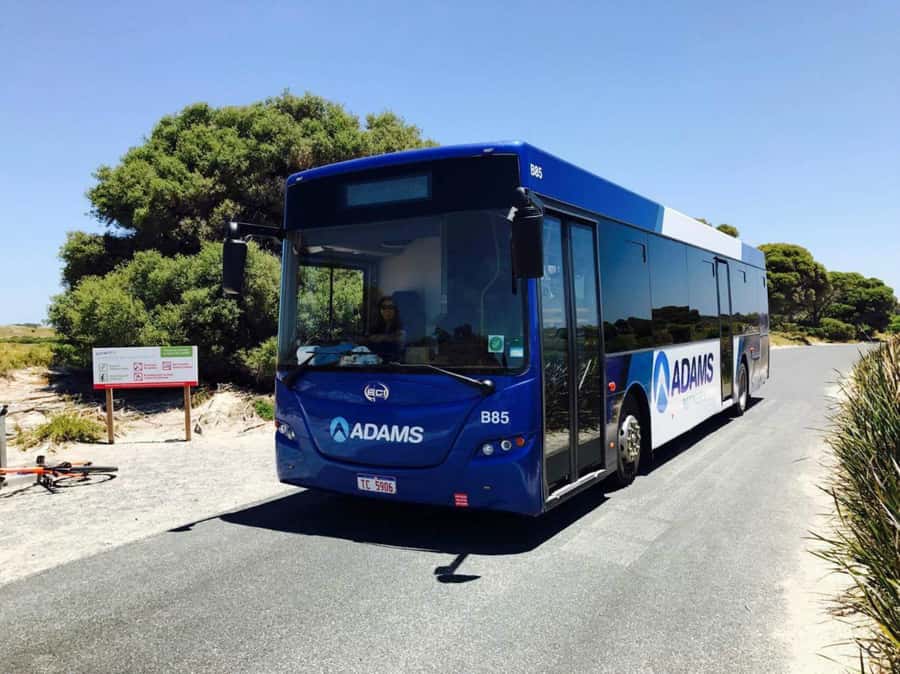
The experience begins with a convenient pickup from your Cradle Mountain accommodation into the national park area. The transfer is brief, but the guide uses it to set context with all-ages friendly commentary—the kind that helps you know what you are looking at when the lights go down.
Why I like this part: it removes friction. Cradle Mountain after dark can feel intimidating if you are thinking about parking, finding trailheads, and then trying to navigate without daylight. With hotel pickup and drop-off built in, you can focus on watching, not driving.
Also, you are starting in the park around dusk conditions, not at midnight. That matters. Animal activity tends to shift through the evening, and your route is built around that rhythm.
Ronny Creek carpark to the Mount Kate Hut area: torches, spotlights, and quiet walking
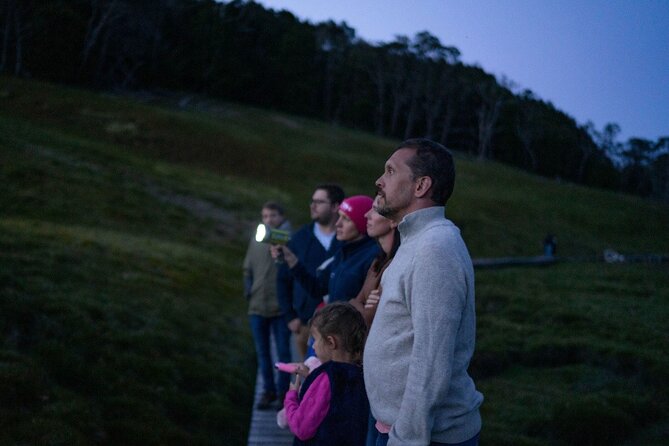
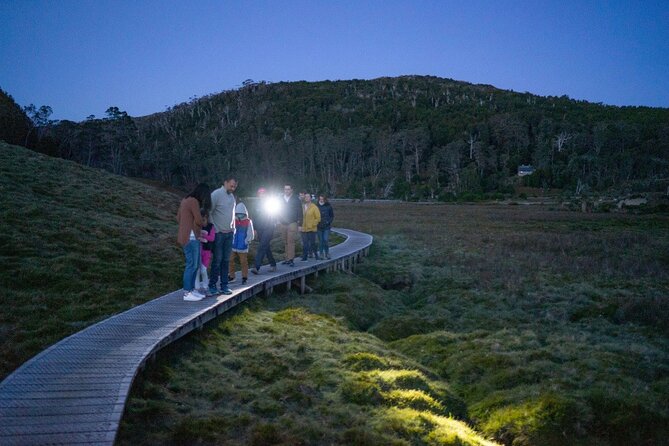
The first true wildlife block starts at Ronny Creek Carpark. This is where you leave the bus and step into the night with hand-held torches and spotlights. The group then walks quietly and slowly into the Mount Kate Hut area to look for animals that are out for nighttime feeding.
This stop is where the tour becomes real. You are not just watching wildlife from windows. You’re on a short, guided walk where you can actually notice movement on the edges—eyes reflecting back, silhouettes pausing, and animals that look hidden until they decide to move.
Practical tip: when the guide says quietly, believe it. Soft voices and slow steps make a difference. Wildlife often reacts to disturbance fast, especially in open, torch-lit areas.
Drawback to plan for: if the weather is wet, your ability to spot can drop. Torchlight bounces off rain and mist, and cold fingers make it harder to hold a camera steadily. Dress for comfort, because you’ll be in the same conditions for the length of the walking stop.
Cradle Valley boardwalk (and the Overland Track area): where wombat spotting gets serious
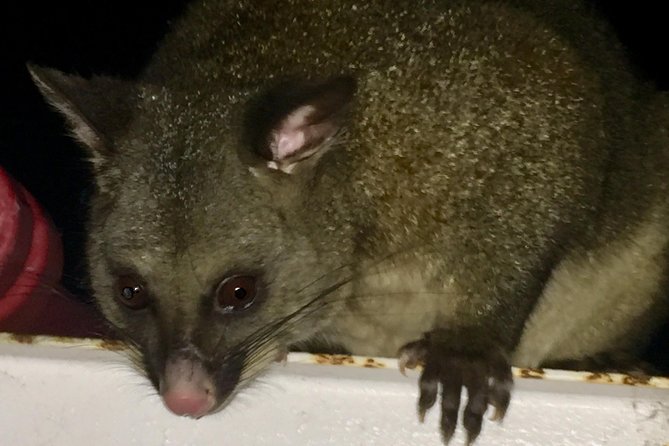
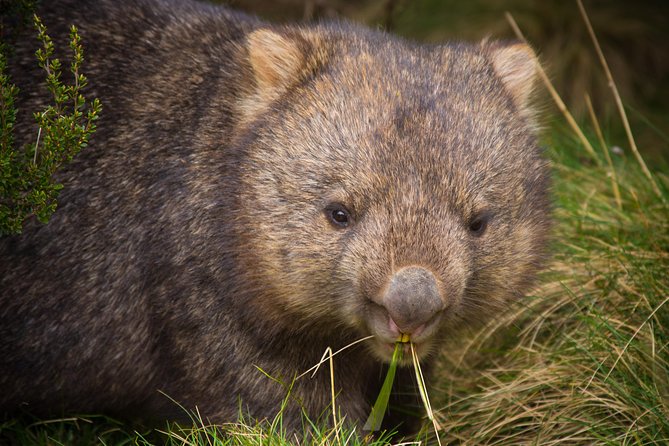
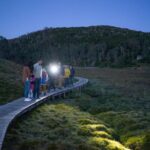
Next, you shift to Cradle Valley Boardwalk—a short stroll that can include the Cradle Valley Walk area and, depending on conditions, the Overland Track. This is a key stop for one reason: wombats are often the star of the show here.
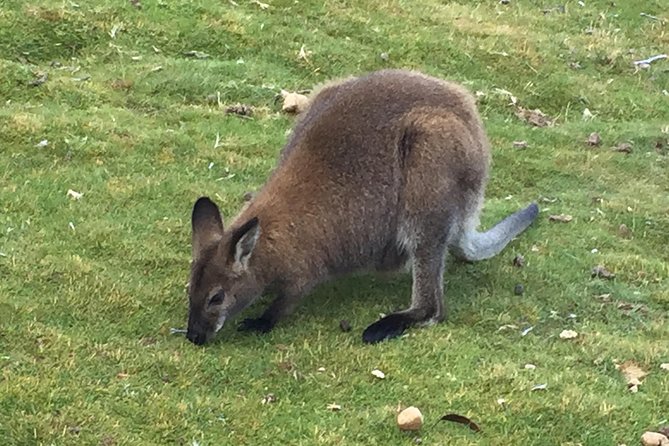
From past experiences with guides and groups, wombats and wallabies tend to be the most consistent sightings, with other nocturnal animals sometimes turning up too. The boardwalk setup helps because you are on a defined route rather than wandering off-trail. That means better sighting angles, plus a smoother experience if you are traveling as a family.
Why this stop is valuable: it’s the most “animal-friendly” mix of predictable movement and controlled viewing. You’re not sprinting. You’re walking slowly, and the guide can pause the group when eyeshine shows up or when an animal is calm enough to watch.
If you want a straightforward wildlife goal, this is the part you care about most. Wombats are big, slow, and very noticeable once you spot them. Wallabies add variety. And occasionally you might see other species, depending on the night.
Waldheim Chalet spotlighting: scanning from the road before heading back
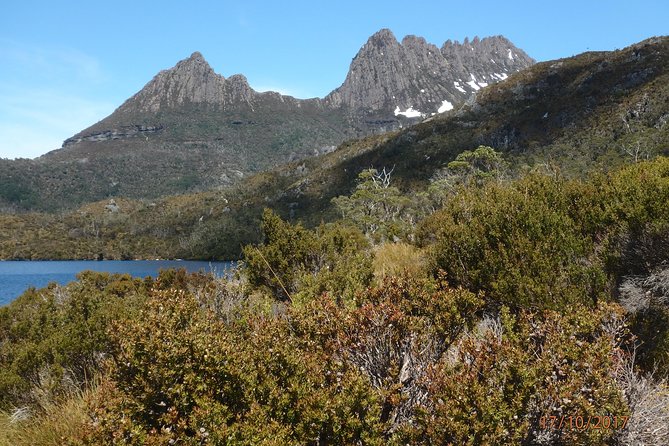
The final spotting phase happens at Waldheim Chalet. Here, you look from the bus, with the guide spotlighting along the road and into the forest. The goal is to catch elusive animals before you head back to your accommodation.
This stop works as a nice end-cap for a cold, dark tour. You get more scanning time without committing to extra walking. And because you’re spotlighting from a vehicle, you can cover more ground quickly while keeping the group together.
One consideration: this is still a wildlife tour, so the “hoping” is part of the plan. Some nights are very active; some nights are quieter. Past groups have reported luck with quolls and other nocturnal animals, but nothing is guaranteed.
Still, the stop is worth it because it adds a different viewing angle—edge-of-forest scanning from the road. That’s not the same as torchlight on a boardwalk.

What you might spot after dark at Cradle Mountain
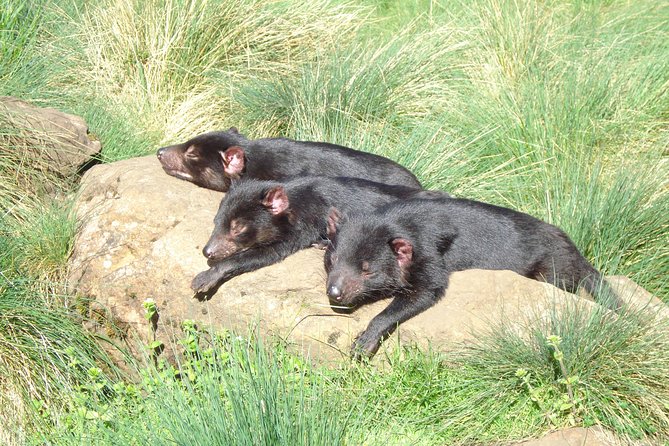
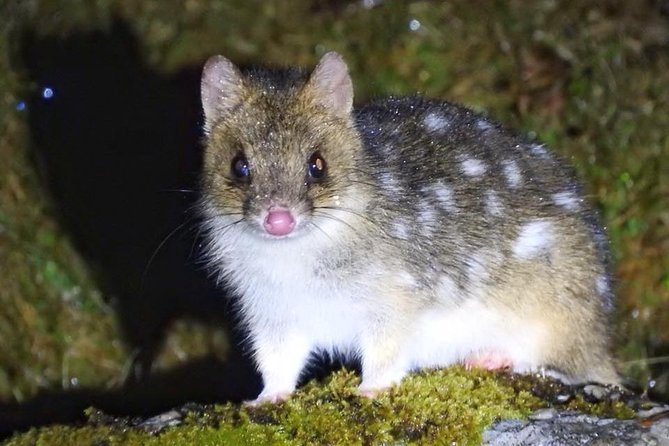
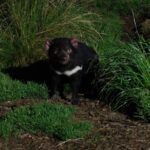
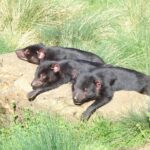
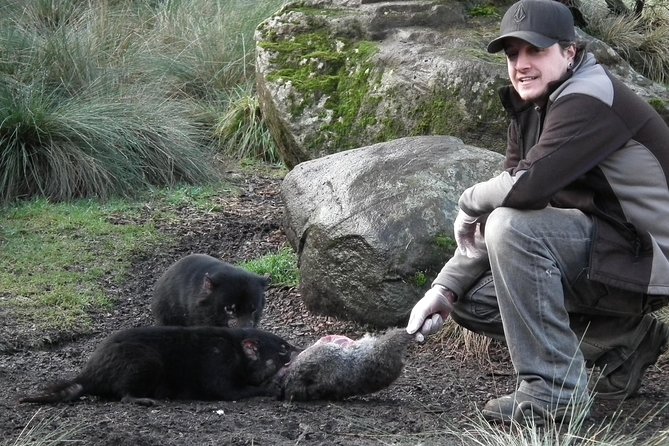
This tour is built around nocturnal wildlife in Cradle Mountain–Lake St. Clair National Park. The experience is advertised with the chance to see animals like wallabies, wombats, possums, and Tasmanian Devil. In real-world runs, groups have often highlighted wombats and wallabies first, then added surprises like quolls, echidna, and pademelons.
A few patterns I’d count on:
- Wombats are typically a top target. They’re visible when they’re active, and the boardwalk/track-style viewing area helps.
- Wallabies often turn up around the same general nocturnal windows.
- Quolls can appear, but they’re harder to spot. When people do see them, it’s usually because the guide finds the right moment and the animal decides to show itself briefly.
- Possums and echidna may show up depending on the night’s conditions.
The best mindset: treat it like controlled wildlife watching, not a wildlife guarantee. When you stop expecting the perfect list and start watching behavior—movement, eyeshine, pauses—that’s when you’ll get the most out of the night.
If you bring a camera, you’ll likely want to photograph in short bursts. In low light, steady hands matter more than fancy gear. Also remember: you’re in a shared group setting, so keep your movement calm and your torch use responsible.
Price and value: what $89.66 really buys you
At $89.66 per person, the price is not “cheap,” so it helps to think about what’s included and what you are paying for.
You are paying for:
- A professional guide with full commentary
- Torches
- Complimentary hotel pickup and drop-off
- A small group cap (max 15 travelers)
- A route designed for night wildlife viewing over about 2 hours
What you’re not paying for:
- Food and drinks
- A national park pass for travelers via Parks Tas (so you should plan for that separately)
- Warm clothing and cold-weather gear (jacks/hats/gloves/scarves are not provided)
So is it good value? For many people, yes—because you’re buying time, local expertise, and reduced hassle. If you try to DIY this alone, you’ll be juggling transport after dark, figuring out where to look, and losing the guide’s real-time spotting experience. The guided route does the heavy lifting.
If you are the type who wants frequent wildlife sightings without much walking or scanning, this tour is still your best bet here because the group size stays small and the stops are structured.
What to wear (and bring) for a comfortable night
Cradle Mountain nights can be cold fast, and this tour leans into outdoors time. The guidance is clear: bring warm clothing like a beanie and gloves, and pack a fleece jacket. Wear comfortable walking shoes.
Because weather can change quickly:
- Wet weather jackets are required
- Wet weather pants are optional
- Dress for rain and cold, even if the forecast seems uncertain
Also:
- Don’t forget your camera
- Service animals are allowed
- Most travelers can participate, but you should be ready for short walking sections in low light
A small, real-world note from the experience: even on buses, not every window may open, so if you want clean photos, plan to shoot quickly when the guide stops scanning. And yes, that means you’ll want to be ready when the moment happens.
Who should book this wildlife night spotter tour
This tour fits best if you:
- Like wildlife and want a guided, structured way to spot it at night
- Want easy logistics with pickup and drop-off
- Are traveling with family (the experience is positioned as all-ages friendly and includes no charge for children under 4)
- Appreciate a small-group setting where you can actually see what the guide sees
It may be less satisfying if:
- You get frustrated when wildlife doesn’t show itself quickly
- You dislike cold and damp weather (you can dress for it, but you can’t escape the reality of night outdoors)
- You expect guarantee-level sightings like a specific animal on command
If your goal is wombat and wallaby watching with a real chance of other nocturnal species, this tour is a smart use of an evening.
Should you book wildlife night spotting at Cradle Mountain?
If you are deciding between staying in your accommodation and using one evening to chase nocturnal wildlife, I’d book it—especially because you get hotel pickup, torches, a small group, and guided stops designed for night viewing. The route is built to give you multiple chances, not just one quick attempt.
Skip it only if cold, rain, and slow scanning sounds like your personal punishment. If you can dress warm, keep your expectations flexible, and enjoy the process of watching behavior in the dark, you’ll likely feel it was worth the $89.66.
One last practical thought: if you can, pick a night when the weather looks best. Even then, wildlife is wildlife. But better conditions usually mean better spotting.
FAQ
What time does the Cradle Mountain wildlife night spotting tour start?
The tour starts at 8:30 pm.
How long is the tour?
The duration is about 2 hours.
Is hotel pickup and drop-off included?
Yes. Complimentary hotel pick-up and drop-off are included.
Are torches provided?
Yes. Torches are included, and you’ll use hand-held torches and spotlights during the walking portion.
Is food and drinks included?
No. Food and drinks are not included.
Do I need a national park pass?
A national park pass for travellers via Parks Tas is not included.
What should I wear for this tour?
Wear comfortable walking shoes and warm clothing. Wet weather jackets are required (wet weather pants are optional). Bring items like a beanie, gloves, and a fleece jacket.
Are there any age-related costs?
Children under 4 have no charge.
Can I cancel and get a full refund?
Yes. You can cancel up to 24 hours in advance for a full refund. If you cancel less than 24 hours before the start time, you won’t receive a refund.
Is the tour operating on Christmas Day?
No. The tour does not operate on Christmas Day.