REVIEW · YALLINGUP
Yallingup: Ngilgi Cave Twilight Didgeridoo Cave Tour
Book on GetYourGuide →Operated by Koomal Dreaming · Bookable on GetYourGuide
Didgeridoo echoes in a silent cave. This after-hours Ngilgi Cave tour takes you inside once the public has gone, with a guided walk, medicinal plants, and Wadandi/Bibbulmum stories as the light fades outside.
I love the access. When you’re underground without the usual daytime crowd, the place feels more personal and you notice more details.
I also love the cultural storytelling. Josh’s didgeridoo performance lands differently inside the cave, and Dave’s answers add real clarity to the dripstone and the Wadandi/Bibbulmum connection to land and seasons. The main drawback: this tour is not suitable for wheelchair users or people with heart problems.
In This Review
- Key things I’d plan for
- After-hours access: why Ngilgi Cave feels different at twilight
- From the main entry: how the evening flows in 90 minutes
- Medicinal plants and Wadandi/Bibbulmum stories you can actually use
- Underground moments: dripstone, lighting rules, and cave comfort
- Josh’s didgeridoo in the cave: why the sound feels physical
- Price and value: is $53 worth it?
- Who this tour suits best (and who should skip it)
- Packing and rules that keep the cave experience smooth
- Should you book this twilight didgeridoo cave tour?
- FAQ
- How long is the Ngilgi Cave twilight didgeridoo tour?
- Where do I meet the guide?
- What should I bring?
- Are photos or videos allowed?
- Does the tour happen during public opening hours?
- Is it suitable for wheelchair users or people with heart problems?
- Can I cancel for a refund?
Key things I’d plan for
- After-hours access to Ngilgi Cave makes the whole experience feel quieter and more intimate
- Medicinal plant stories connect nature you can see with knowledge you can’t guess from the surface
- Wadandi and Bibbulmum cultural interpretation is part of the core experience, not a side note
- Didgeridoo inside the cave changes how the sound travels and how long you remember it
- Cave comfort basics: it’s typically around 19–20°C underground, so bring shoes, not a ski jacket
After-hours access: why Ngilgi Cave feels different at twilight
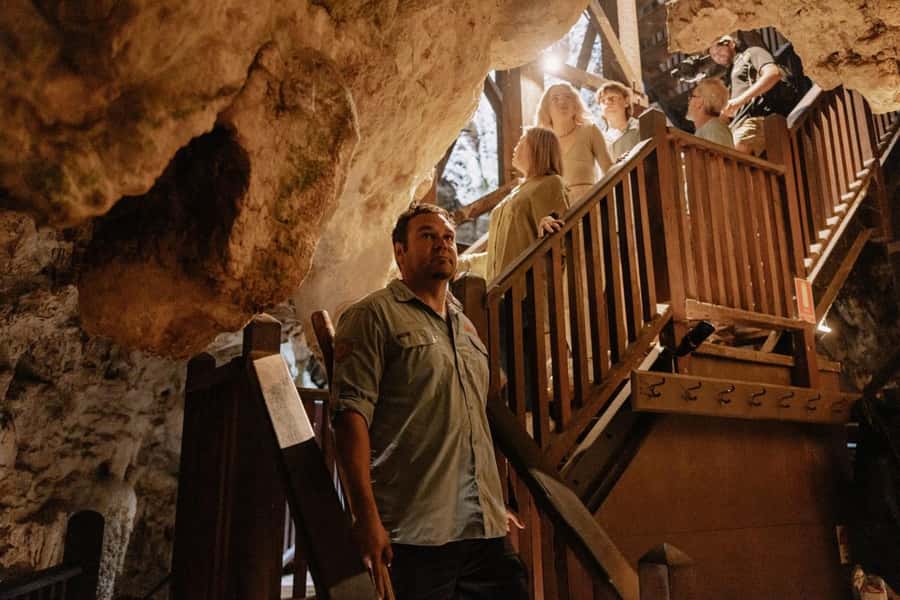
Ngilgi Cave is worth visiting in daylight, sure. But twilight is when it turns into something else. The big reason is simple: you go after the cave closes to the public, so the space feels calmer and the guide can slow things down without fighting the daytime flow.
This is also an eco-focused, fully guided experience that takes you beyond surface viewing. You’re not just walking past formations—you’re learning how to look, what to listen for, and how the cave connects to the people who know the area through stories, seasons, and daily relationship with land.
And because it runs as a 90-minute tour, it hits a sweet spot. Long enough to feel like a real underground outing, short enough that you’re not stuck in a schedule that eats the whole evening.
You can also read our reviews of more tours and experiences in Yallingup.
From the main entry: how the evening flows in 90 minutes
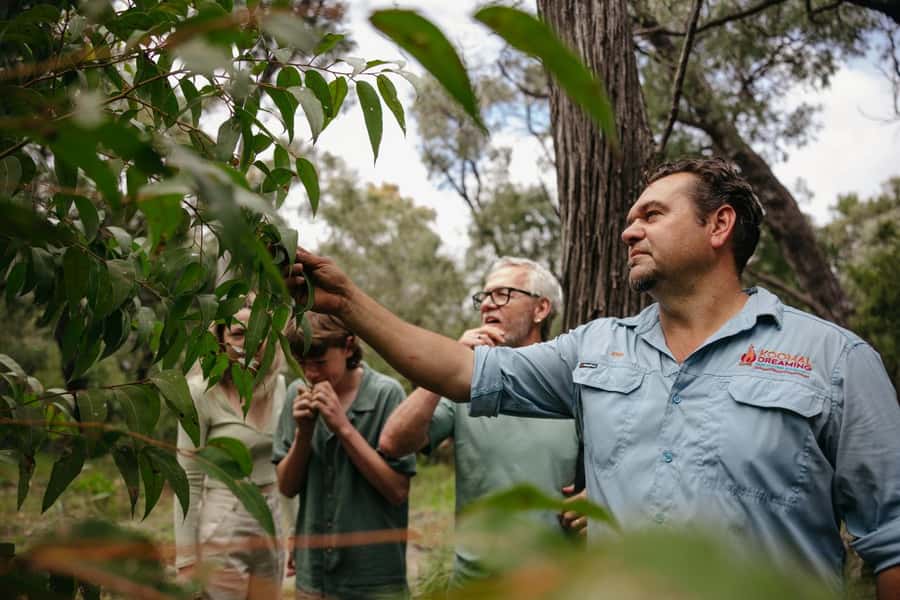
The tour meets at the Ngilgi Cave main entry, then you start with a guided walk before heading deeper. Think of this part as your warm-up: it sets the tone, brings you up to speed on what you’ll see, and points out things that most people miss when they arrive only for the standard cave route.
On the grounds, you may also get a change of perspective. I especially liked the way the guide can shift attention outward toward the coast. In one highlight from the experience, Josh points out the sea and watches for whales passing nearby—you can sometimes spot their blow clearly from the area before you head back under the earth.
Then the tour moves into the cave proper. You’ll spend time in the darker interior at about 40 meters underground (so yes, it feels properly cave-deep), and you’ll get time to look closely while the guide explains what you’re seeing.
If you’re wondering how “active” it feels: you should plan on walking and standing. Comfortable shoes matter here—no bare feet, and no high-heeled shoes.
Medicinal plants and Wadandi/Bibbulmum stories you can actually use
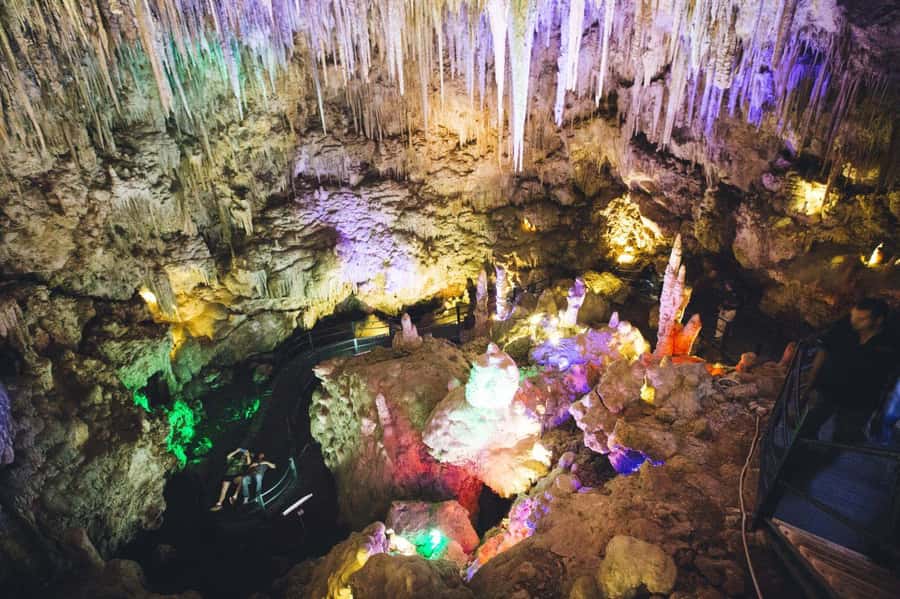
The cave isn’t presented as a bunch of random rocks. The guide connects medicinal plants and local knowledge to a living cultural framework. You’ll hear about plants used for wellbeing and learn how that knowledge fits into how people lived with the land over generations.
A standout theme is seasons. In the stories shared during the walk and inside the cave, the guide explains the idea of six seasons and what that means for living with nature rather than treating it like scenery. It’s not delivered like a lecture you’ll forget. It’s more like hearing a local map of the world—and then watching how the cave environment supports the message.
For me, the most practical part of this section is the way it changes your attention. Instead of thinking, This is a pretty cave, you start noticing patterns: the way water shapes rock, how the cave’s conditions affect life, and why certain plants and times of year matter to the people of the region.
Also, you’re with a live guide who answers questions. That matters, because if something sounds unfamiliar—names of plants, seasonal concepts, or what certain formations represent—you can ask on the spot.
Underground moments: dripstone, lighting rules, and cave comfort
Once you head deeper, the cave’s conditions do a lot for your comfort. Underground temperatures are typically around 19–20°C, so you’re not dealing with freezing damp cold. You still should think practically: you’ll be in enclosed, dark spaces, so wear sturdy footwear and keep your movements steady.
You’ll also notice how the guide times what you see. The tour includes time to observe formations while the guide points out specifics and explains why particular shapes matter. Dave’s part in this is strong—he’s the type who can answer questions about the cave features clearly, including what you’re looking at and how the dripstone behaves over time.
One more real-world thing: there are strict rules about photos and devices. No flash photography, no video recording, no audio recording, and no drones. It sounds picky until you remember why: the cave is dark, and equipment can be disruptive. Your job here is to watch with your eyes and listen with your ears.
For your own comfort, skip bare feet and leave the high heels at the hotel. You’ll feel better and you’ll move safer.
Josh’s didgeridoo in the cave: why the sound feels physical
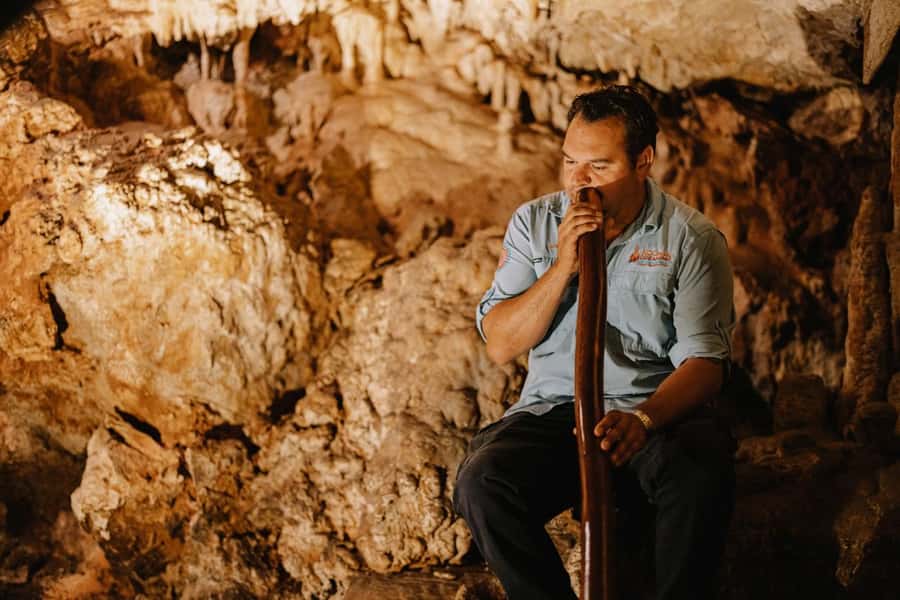
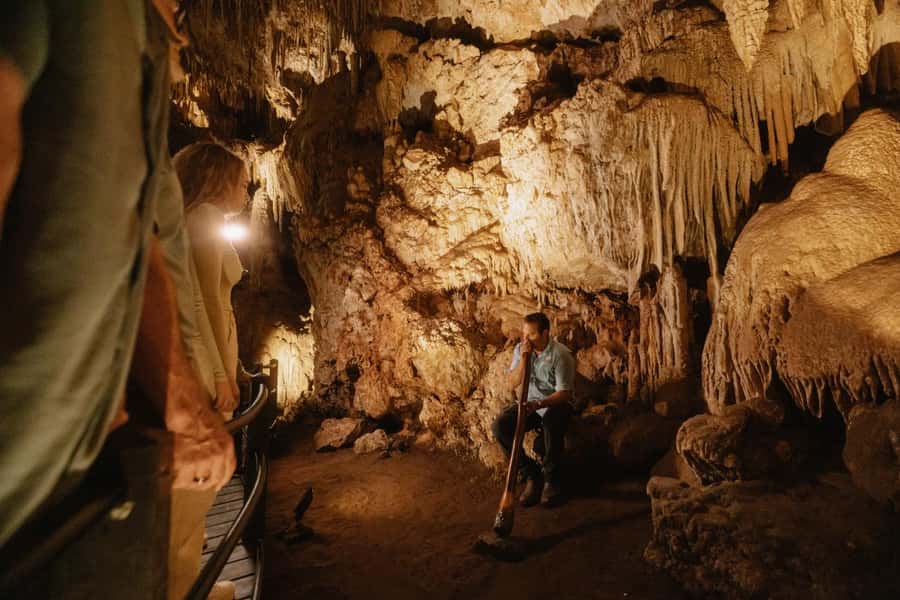
The didgeridoo performance is the tour’s headline moment, and the cave setting is what makes it work. Josh’s playing inside the cavern isn’t just entertainment—it’s a sensory lesson in how sound behaves in stone chambers.
In a cave, low notes carry differently. The resonance isn’t subtle; it feels like the air itself is participating. When you’re underground, your ears pick up the vibration and sustain in a way you just don’t get outdoors.
It also fits the cultural storytelling. The guide’s interpretation of Wadandi and Bibbulmum culture runs alongside the performance, so it doesn’t feel like a separate act. Instead, it ties back to the idea of place: land knowledge, voice, and sound as part of cultural expression.
Practical tip: plan to put your phone away for most of the performance time. With recording restrictions, you’ll get more out of it by fully listening rather than trying to capture it.
Price and value: is $53 worth it?
At $53 per person, this tour sits in a reasonable mid-range band for a 90-minute, fully guided eco experience. The value comes from what’s included: guided cave access after hours, interpretation of Wadandi and Bibbulmum culture, entry linked to the ancient lands experience, and the didgeridoo performance.
Where you might question the price is if you’re expecting a big “attraction-style” production. This isn’t a theme-park show. It’s a smaller, guide-led evening where the reward is context and access, not flashy scale.
What you should factor into your real cost: transport isn’t included. So the $53 is only part of your total planning. If you’re relying on your own car, you’ll want to schedule enough time to get there at the start of the tour and return afterward without stress.
Overall, for me, the math works because you’re getting:
- unique timing (after the public has left)
- cultural interpretation led by locals
- a cave setting that improves the didgeridoo sound
If that’s your kind of experience, $53 doesn’t feel inflated.
Who this tour suits best (and who should skip it)
This is a great choice if you like nature with meaning. If you enjoy guided explanations, cultural context, and hands-off respect for a place, you’ll probably feel satisfied by the end of the 90 minutes.
You’ll also like it if you want something a little different from a standard cave walk. The after-hours access and the didgeridoo inside the cave make it more than just another ticket for stalactites.
It’s not for everyone. The tour is not suitable for wheelchair users and not suitable for people with heart problems. If either of those applies, don’t try to “push through.” Find another way to experience Ngilgi Cave that fits your needs.
Packing and rules that keep the cave experience smooth
This is one of those tours where the rules are there to protect the space and keep the experience fair for everyone.
What to bring:
- comfortable shoes (you’ll be moving around and you can’t go barefoot)
- maybe a light layer for comfort, even though cave temp is around 19–20°C
What not to bring/use:
- high-heeled shoes
- smoking
- drones
- flash photography
- video recording, audio recording
The last two are the ones people often forget. If you want photos, plan to keep it simple and follow the no-flash rule. If you want the didgeridoo moment, plan to experience it live instead of recording everything.
Should you book this twilight didgeridoo cave tour?
If you’re choosing between a daytime cave visit and this after-hours option, I’d lean toward twilight. The combination of quiet underground access, Wadandi and Bibbulmum cultural interpretation, and Josh’s didgeridoo is a strong three-part mix that works for both first-timers and repeat visitors.
Book it if:
- you want a smaller, more guided feel
- you enjoy stories tied to land and seasons
- you like listening experiences as much as sightseeing
Skip it if:
- you need wheelchair access
- you have heart-related concerns (this one isn’t listed as suitable)
- you want lots of flexible self-guided time (this is guided and rule-based)
If you match those points, this tour is the kind of evening you’ll remember as soon as the sound stops.
FAQ
How long is the Ngilgi Cave twilight didgeridoo tour?
The tour lasts 90 minutes.
Where do I meet the guide?
You meet at the Ngilgi Cave main entry.
What should I bring?
Wear comfortable shoes.
Are photos or videos allowed?
Flash photography is not allowed. Video recording and audio recording are also not allowed.
Does the tour happen during public opening hours?
No. The tour takes place after the cave closes to the public.
Is it suitable for wheelchair users or people with heart problems?
No. It is not suitable for wheelchair users and not suitable for people with heart problems.
Can I cancel for a refund?
Yes. You can cancel up to 24 hours in advance for a full refund.