REVIEW · DARWIN
3 Days Kakadu Cultural Rock Art Experience
Book on Viator →Operated by CYAROUND AUSTRALIA TOURS · Bookable on Viator
Kakadu hits you fast with ancient art and big wildlife. In just 3 days, you move through major sites like Ubirr and Burrungkuy, with guided cultural context and time on the water, all built around comfortable bases and a full day rhythm. I especially love how the program pairs First Australian stories with real-world nature encounters, from floodplain fauna to river cruises.
Two things I really liked: first, the way you get focused time at the rock art sites (not a drive-by), including a proper look at Ubirr and the sheltered galleries around Burrungkuy. Second, the wildlife and scenery moments are practical, not just scenery-watching—like croc chances at Fogg Dam and the Yellow Water boat cruise. The one drawback to plan for is effort and timing: there’s hiking, long days, and the whole experience needs good weather.
In This Review
- Key highlights before you go
- Why Kakadu’s rock art needs real time, not speed
- Day 1: Fogg Dam, Ubirr, and the East Alligator River cruise
- Fogg Dam Conservation Reserve: croc country and bird life
- Ubirr: one of Kakadu’s most famous rock art galleries
- Kakadu National Park: Guluyambi Cultural Cruise on the East Alligator River
- Injalak Arts: ethical Indigenous art you can actually buy
- Day 2: Nanguluwurr’s 3.4 km return hike and Burrungkuy’s sheltered galleries
- Nanguluwurr Art Site: the hike to the quieter story
- Burrungkuy (Nourlangie): rock art, shelters, and Bininj life
- Nawurlandja Lookout: billabongs and a bigger sense of place
- Day 3: Yellow Water wildlife cruising plus Warradjan and Marrawuddi culture stops
- Yellow Water boat cruise: 2 hours of crocodiles and birds
- Warradjan Cultural Centre: artefacts and the stories traditional owners want told
- Marrawuddi Arts & Culture: Mirarr ownership and real buying power
- Your money: what $6,885.54 per person really buys
- Guides matter here: what you can expect from CYAROUND AUSTRALIA TOURS
- Practical planning: heat, walking, and how to avoid a grumpy trip
- Ethical art stops: shopping that matches the spirit of the trip
- Who this 3-day Kakadu rock art experience suits best
- Should you book? My take
- FAQ
- FAQ
- What time does the tour start?
- How long is the Kakadu cultural rock art experience?
- Is pickup included?
- What meals are included?
- What kind of physical fitness is required?
- Is the tour private?
- What happens if the weather is poor?
- What is the cancellation window for a refund?
Key highlights before you go
- Ubirr’s rock art: famous x-ray style painting and standout depictions of key food animals
- Nanguluwurr hike: a 3.4 km return bush walk to a quieter rock art site
- Cultural cruises: East Alligator River and Yellow Water with Aboriginal guiding elements
- Crocodile and bird viewing: built into the itinerary at Fogg Dam and on the billabong
- Ethical art stops: places like Injalak Arts plus Warradjan and Marrawuddi for culturally rooted buying
- Private-group feel: it’s only your group, with lunch and breakfast included
Why Kakadu’s rock art needs real time, not speed
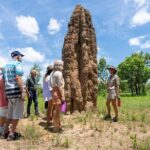
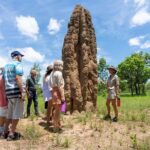
Kakadu is one of those places where rushing feels almost wrong. The rock art sites aren’t meant to be scanned from the corner of your eye. The best part of this 3-day route is that it’s organized to let you slow down where it matters—at the painted shelters—while still keeping the day moving with nature and boat time.
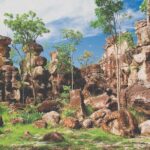
You’re also not only seeing art. You’re seeing the context around it: floodplain habitats at Fogg Dam, lookout points over billabongs, and river and wetland cruising where animals actually show up. When you do that, the stories attached to the land land harder.
Finally, the tour is built as a guided experience with pickup offered and a private setup for your group. That matters in Kakadu because a “see it all” approach can turn into a lot of waiting, a lot of heat, and not enough learning.
A few more Darwin tours and experiences worth a look
Day 1: Fogg Dam, Ubirr, and the East Alligator River cruise
Day 1 is a strong opener because it mixes ecology, then art, then water.
Fogg Dam Conservation Reserve: croc country and bird life
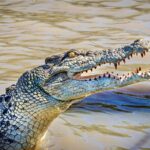
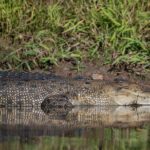
You start at Fogg Dam Conservation Reserve, a place known for monsoon and floodplain habitats. This is where you can look for native and introduced flora and fauna. The practical value here: it’s early-day viewing while conditions are still fresh, and you’re given a good chance to spot crocodiles (or at least see the signs they’ve been around). It’s also a good warm-up for the rest of the trip because you get used to the rhythm of reading the environment.
Tip: bring your eyes for movement. In wetlands, the smallest motion often beats the biggest guess.
Ubirr: one of Kakadu’s most famous rock art galleries
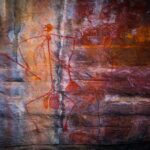
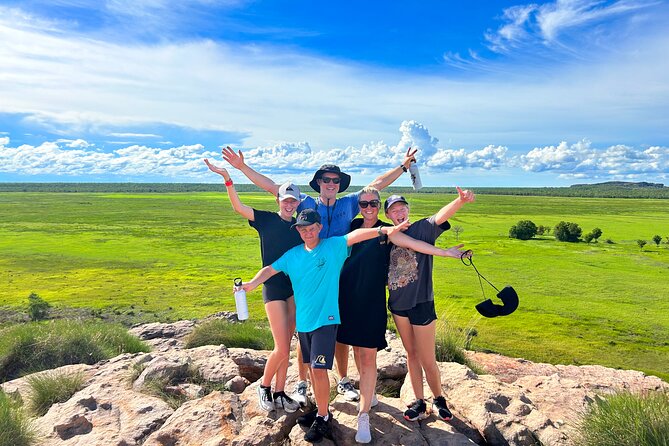
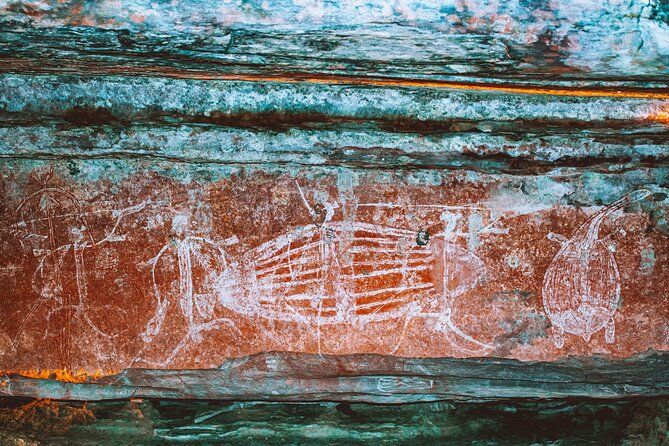
Next up is Ubirr, a highlight rock art site that’s often described as among the best in the world. You’ll spend about 2 hours here, and the point isn’t just the visuals—it’s the interpretation. Expect to see x-ray style painting and depictions tied to important food animals, plus a mention of a rare and special painting.
What makes Ubirr worth the time is that you’re learning how people represented stories and beings on rock surfaces, and how those images connect with the everyday reality of life on the land. If you only stop at one rock art location in Kakadu, Ubirr is the one to prioritize—and this itinerary makes it the priority.
Kakadu National Park: Guluyambi Cultural Cruise on the East Alligator River
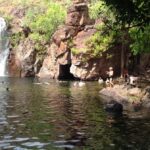
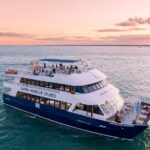
You then head into Kakadu National Park for the Guluyambi Cultural Cruise on the East Alligator River. It’s about 2 hours and includes an Aboriginal guide. The cruise is designed for a leisurely upstream look at pristine wilderness, which is a nice break from walking.
Why this works: after a rock art-focused block of time, the boat gives your body a rest while still keeping you engaged. You’re still in “interpretation mode,” just using the river as your classroom.
Injalak Arts: ethical Indigenous art you can actually buy
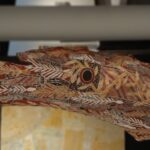
Day 1 ends with Injalak Arts at the Border Store. This isn’t a random shop stop. It’s an ethical place to buy authentic Indigenous art in Kakadu National Park, with options like paintings on bark and paper, weaving, sculpture, and hand-screen printed items.
This is a smart add-on because you get a chance to bring something home without it feeling like a rushed market errand.
Day 2: Nanguluwurr’s 3.4 km return hike and Burrungkuy’s sheltered galleries
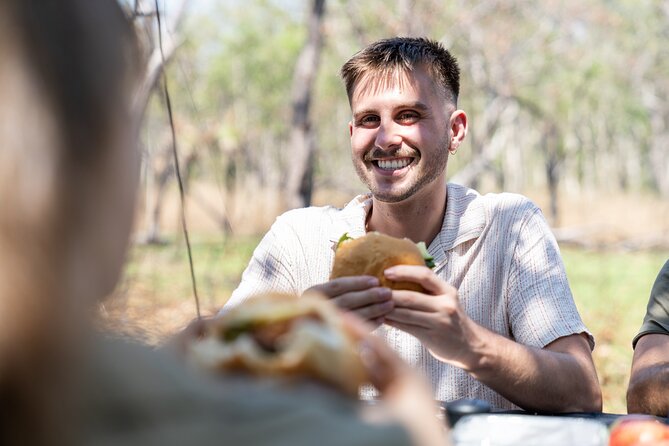
Day 2 is where Kakadu turns into a full-on day of walking, looking up, and learning how shelter shapes art.
Nanguluwurr Art Site: the hike to the quieter story
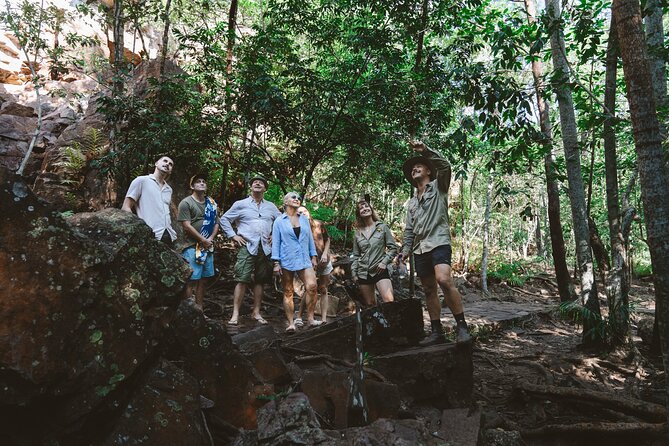
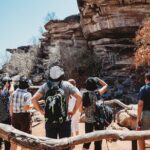
Your first stop on Day 2 is Nanguluwurr Art Site, reached by a 3.4 km return hike through bush. This is the day’s physical commitment, so plan for a moderate effort pace.
The reward is a more hidden-feeling art setting. You’ll see powerful depictions of ancestral spirits and animals, with a sense of the fascination that comes from placing yourself close to the rock surfaces where those stories live.
If you don’t want to feel rushed, wear shoes you trust for uneven ground and keep water handy. This is the kind of walk where small comfort decisions pay off.
Burrungkuy (Nourlangie): rock art, shelters, and Bininj life
Next is Burrungkuy, another major rock art gallery. You’ll spend about 3 hours here, which is exactly what you want for a site like this. The shaded rock shelters help you picture not just what the images look like today, but what living in the shelter environment might have meant.
The description ties the art to what life of the Bininj people may have been like, which gives your viewing a grounded feel. It’s not only “look at cool paintings”—you’re seeing them as communication tied to identity, knowledge, and the land.
Nawurlandja Lookout: billabongs and a bigger sense of place
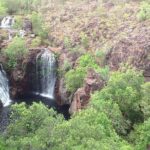
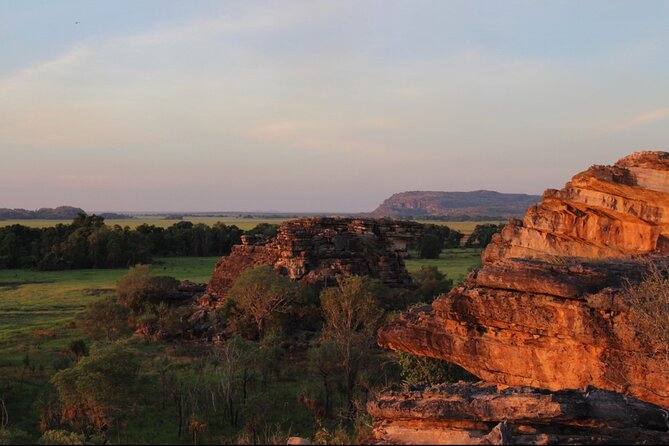
After the art shelters, you shift to Nawurlandja Lookout, where you get world-class views across Anbangbang Billabong toward Burrungkuy (Nourlangie Rock) and the Arnhem Land escarpment. It’s about 1 hour, and it’s the kind of stop that helps you connect the images you just studied to the wider territory.
Even if the rock art is your main reason to go, this lookout is a good “reset.” You’ll feel your brain widen again after hours focused on stone and detail.
Day 3: Yellow Water wildlife cruising plus Warradjan and Marrawuddi culture stops
Day 3 keeps the energy up, but in a different way: wildlife first, then indoor-and-art culture learning.
Yellow Water boat cruise: 2 hours of crocodiles and birds
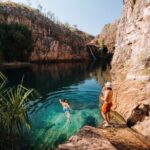
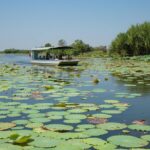
You start with the Yellow Water (Ngurrungurrudjba) boat cruise, a famous 2-hour run on the billabong. This is one of the most practical wildlife setups in Kakadu because you’re on the water where the animals’ routines bring them close enough to notice.
Expect crocodiles sun baking along the banks, plus Northern Territory wildlife and bird life. If you want a wildlife moment that feels tied to the wetlands instead of just “maybe we see something,” this is it.
Tip: bring a light layer even in warm months. Out on the water, it can feel cooler than the land temps.
Warradjan Cultural Centre: artefacts and the stories traditional owners want told
Next is Warradjan Cultural Centre, developed by Aboriginal traditional owners of Kakadu. The key value here is that the displays connect artefacts with stories the traditional owners wish visitors to understand.
This is a good partner to the rock art days. Rock art is one kind of cultural record; a cultural centre adds another layer and helps you keep the meanings anchored.
Marrawuddi Arts & Culture: Mirarr ownership and real buying power
You finish with Marrawuddi Arts & Culture in the heart of Kakadu National Park. It’s owned and run by the Mirarr Traditional Owners through their representative organization, the Gundjeihmi Aboriginal Corporation (GAC).
This is the kind of art stop I like because it’s tied to ownership and purpose, not just sales. You can browse and take home works while knowing the operation is directly connected to the people and culture the tour is honoring.
Your money: what $6,885.54 per person really buys
Let’s talk value, not just cost. $6,885.54 per person is a lot of money for a 3-day trip, so you should judge what’s included and what kind of effort is being done for you.
From what’s built into the experience, you get:
- Guided cultural time at multiple major rock art and cultural stops
- Boat cruises with organized viewing time (East Alligator River and Yellow Water)
- Meals: breakfast (3) and lunch (3) included
- Admission included for several key sites
- Comfortable accommodation across the days
- A private-group setup, with your group only participating
What that adds up to is less “tourist itinerary” and more “a structured cultural route” where the heavy lifting is done—planning, guiding, and timing. If rock art interpretation and guided cultural context are your top reasons for going to Kakadu, this structure can be worth it. If your priority is only wildlife snapshots with minimal walking, then you might decide you want something simpler.
Also note: dinner isn’t included, so you’ll want to budget for evenings on your own.
Guides matter here: what you can expect from CYAROUND AUSTRALIA TOURS
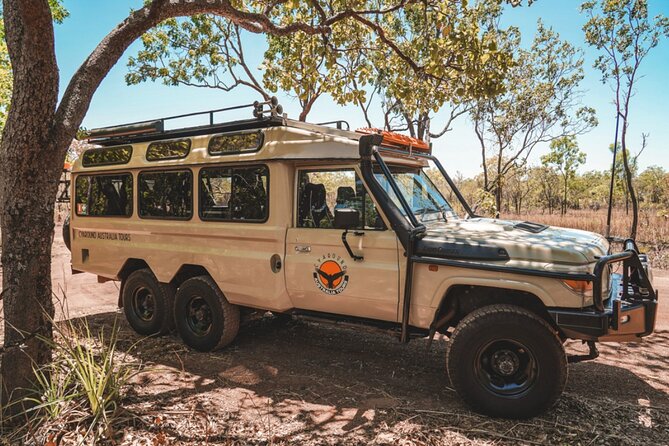
This kind of trip lives or dies on the guide’s ability to explain what you’re seeing. In recent feedback, guides were praised for strong knowledge of Indigenous culture and for explaining the meanings of rock art and the history of Kakadu National Park.
The names that come up include Will (for rock art meaning, Indigenous culture, and Kakadu history) and Jack and Storm (with praise for strong sharing about the land, flora and fauna knowledge, and homemade food on other outings). Even if your exact guide varies, that pattern is a good sign: you’re not just getting directions; you’re getting interpretation and care.
Practical planning: heat, walking, and how to avoid a grumpy trip
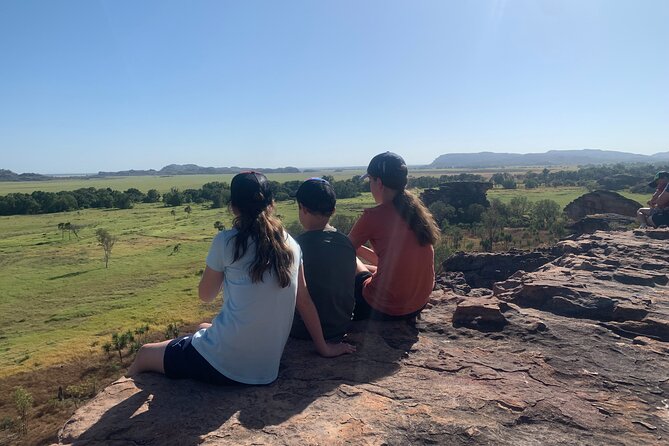
This experience requires moderate physical fitness, mainly because of the hike at Nanguluwurr (3.4 km return) and the general pace of a packed 3-day schedule.
A few real-world ways to set yourself up for comfort:
- Wear sturdy shoes for bush tracks and uneven ground
- Start days ready to move since the meeting start time is 7:00 am
- Bring a hat and water habits you’ll stick to even when you get distracted by birds and birds-in-motion
- Expect long stretches between rests, so treat the boat and lookout stops as your recovery windows
Weather matters here, too. The experience requires good weather, and if it’s canceled due to poor weather, you’ll be offered a different date or a full refund.
One more note: this is a private tour/activity, so your group stays together. That’s great for attention and flow, but it also means the pace and comfort stops are set for your group.
Ethical art stops: shopping that matches the spirit of the trip
In Kakadu, art buying can feel like either a respectful cultural exchange or a rushed transaction. This itinerary leans toward the respectful end.
You’ll visit places designed to connect you with authentic Indigenous art and cultural operations:
- Injalak Arts for ethical purchasing
- Warradjan Cultural Centre for artefact-and-story learning
- Marrawuddi Arts & Culture, run by Mirarr Traditional Owners via Gundjeihmi Aboriginal Corporation (GAC)
If you want something to take home that feels tied to place and people, these stops are the right kind. Just be thoughtful with your questions and your spending. Ask what a piece represents and who it supports.
Who this 3-day Kakadu rock art experience suits best
This is a strong fit if:
- You want guided rock art interpretation at major sites
- You like mixing culture with wildlife viewing
- You’re okay with moderate walking and a full schedule
- You care about buying Indigenous art from ethical, connected organizations
- You prefer a private group feel over a large mixed tour
It might be less ideal if:
- You want a low-effort trip
- You dislike early start times and long days
- You’re hoping dinner is covered (it isn’t)
Should you book? My take
If your main goal is to experience Kakadu through rock art plus real cultural context, this 3-day route makes sense. The time you spend at Ubirr and Burrungkuy, the structured hike to Nanguluwurr, and the boat cruising on the East Alligator River and Yellow Water create a balanced rhythm.
But you’ll want to book for the right reason. This isn’t just a checklist of famous spots. It’s a guided path where the land, the stories, and the wildlife fit together—and where good weather and moderate fitness really matter.
FAQ
FAQ
What time does the tour start?
The meeting start time is 7:00 am.
How long is the Kakadu cultural rock art experience?
It runs for 3 days (approx.).
Is pickup included?
Yes, pickup is offered.
What meals are included?
Breakfast (3) and lunch (3) are included. Dinner at your accommodation is not included.
What kind of physical fitness is required?
You should have moderate physical fitness. There is at least one hike (a 3.4 km return walk to Nanguluwurr).
Is the tour private?
Yes. It’s listed as a private tour/activity, meaning only your group participates.
What happens if the weather is poor?
The experience requires good weather. If it’s canceled due to poor weather, you’ll be offered a different date or a full refund.
What is the cancellation window for a refund?
You can cancel up to 6 days in advance for a full refund. Between 2–6 days before the start time, it’s a 50% refund, and less than 2 days before the start time isn’t refundable.