REVIEW · DARWIN
Explore Delightful Darwin: Self-Guided Audio Tour
Book on Viator →Operated by Citywalksz Ltd · Bookable on Viator
Darwin tells its story on foot. This self-guided audio tour uses audio files and a GPS map to help you explore key landmarks at your own pace. You’ll move through parts of Darwin’s layered past, from Chinese settlement history to the city’s later scars and rebuild.
I love the freedom built into the format: you can pause the guide whenever you want to grab a bite or do some shopping. I also like that the tour doesn’t treat Darwin as one-note tourism. It’s designed to connect everyday places with big themes like redevelopment after major wars and cyclones.
One thing to consider: the audio experience depends on your device and connection setup. In one report, the audio kept cutting out and restarting, and the location timing didn’t work as expected, leading that person to abandon the tour (and the provider issued a refund).
In This Review
- Key highlights before you start
- How the Darwin audio tour really works (download, map, walk)
- Price and value: $15.90 is for the story, not the sightseeing add-ons
- Your route: from Survivors Lookout to Government House
- Stop 1: Chinese Temple and Museum Chung Wah (15 minutes worth of context)
- Stop 2: Mason Gallery and Aboriginal art in the city
- Stop 3: Bicentennial Park’s war memorials (where the city remembers)
- Stop 4: Government House, Darwin’s oldest European building (1871 and beyond)
- What I’d do to avoid audio glitches (based on the one bad experience)
- Timing your walk in tropical Darwin (and why self-guided fits well)
- Who should book this Darwin self-guided audio tour?
- Should you book Delightful Darwin: Self-Guided Audio Tour?
- FAQ
- How much does the Darwin self-guided audio tour cost?
- How long does the tour take?
- What’s included in the price?
- Do I need an audio device?
- Is the tour available in languages other than English?
- What are the tour start and end points?
- Are admission fees included for the stops?
- Is cancellation free?
Key highlights before you start

- Self-paced walking with the ability to pause and resume when you want
- English-only narration, with downloadable audio files and a GPS map
- Four focused stops: Chinese Temple and Museum Chung Wah, Mason Gallery, Bicentennial Park, and Government House
- WWII and cyclone rebuilding themes woven into the route’s background stories
- Short segments (about 15 minutes per stop) that make it easy to fit into a half-day
How the Darwin audio tour really works (download, map, walk)
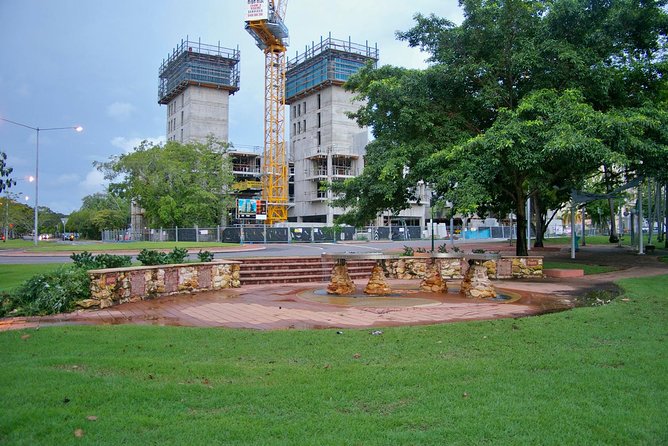
This is a classic “press play, follow the map” experience. You buy a mobile ticket, download the audio files, and get a GPS map that’s meant to help you keep your bearings while you walk. Then you plug in your headphones and go at your own rhythm.
The experience is built for wandering rather than rushing. You’re looking at a total duration of about 2 to 3 hours, which fits well with Darwin’s laid-back outdoor lifestyle. Each of the four stops is planned around short time blocks (about 15 minutes at each), so you can comfortably skim, linger, or move faster depending on your mood that day.
The only real “tech” requirement is the download. The tour instructions tell you to download the audio file and make it ready before you start. That’s not just admin—it’s the difference between a smooth outing and a frustrating one when you’re standing at a landmark with half your day already gone.
You can also read our reviews of more guided tours in Darwin
Price and value: $15.90 is for the story, not the sightseeing add-ons
At $15.90 per person, you’re paying for the audio package: the audio files and GPS map, plus a self-paced structure. You’re not paying for admissions, and you’re not getting an included guide or an audio device.
That matters for value. Several stops involve places that have optional entry, and the tour information is clear that admission fees aren’t included. If you plan to actually go inside, budget a little extra on top of the tour price. If you’re mostly interested in the outdoor areas and the context the audio provides, you can keep costs tight.
You’re also not paying for transport. The tour is designed for walking between nearby city sights. If you’re staying in the Darwin city core, that’s a win. If you’re farther out, you’ll need to factor in how you’ll get to the start.
The upshot: this isn’t a full-day, guided “everything included” tour. It’s a low-cost way to add meaning to a walk—especially if you like history, street-level culture, and a city that has been shaped by both tropical living and big 20th-century events.
Your route: from Survivors Lookout to Government House
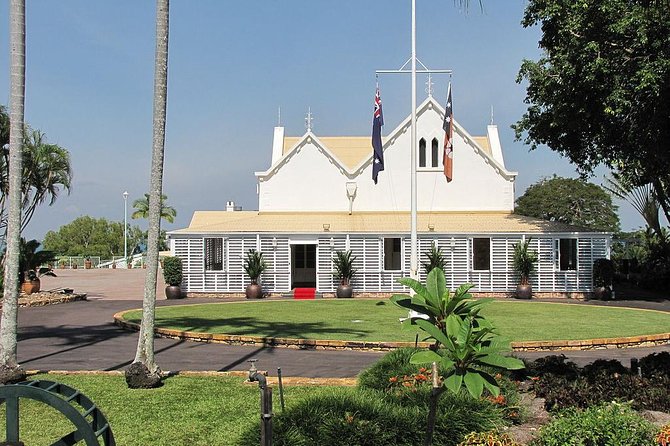
The tour route starts at Survivors Lookout and ends at Government House (29 Esplanade). You’ll see a listed start time of 9:00 am, but because this is self-guided, you’re not locked into a rigid group schedule. You decide your own starting point and ending point according to your plan.
That flexibility is useful in Darwin. You can start when the light is good for photos, or when you feel ready to walk. You can also take breaks without feeling like you’re slowing a group down.
Just keep in mind one practical thing: because this is audio-led, it’s worth tracking where you are in the walk. In the one problematic report I saw, the audio restarted and the timing wasn’t reliably tied to location. Even if that’s an edge case, it’s a good reminder to use the map actively, not passively.
Also note: the walk is positioned for moderate physical fitness. It’s not described as a difficult trek, but you should expect a solid amount of urban walking.
Stop 1: Chinese Temple and Museum Chung Wah (15 minutes worth of context)
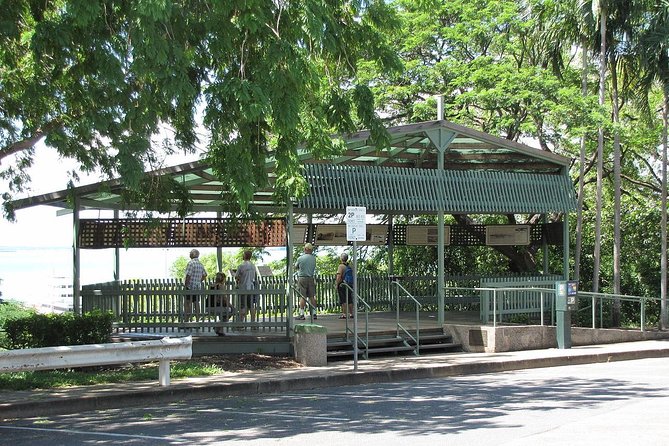
Your first stop is the Chinese Temple and Museum Chung Wah, described as an excellent little museum that explores Chinese settlement in the Top End. This is a strong opener because it gives you an anchor story early on: Darwin didn’t just grow from European administration. It developed through waves of different communities, and Chinese settlement is a major part of that.
Even if you only spend about 15 minutes here, the payoff can be big. You’ll have better context for why you’ll see Asian-influenced food and cultural presence in the city as you continue your walk. The audio guide is designed to connect these places back to the larger narrative of how Darwin became what it is.
Potential drawback: since admission isn’t included, this is one stop where your total cost can rise if you choose to enter the museum. If you’re on a tight budget, skim what you can from outside first, then decide whether the museum visit is worth it for you.
Stop 2: Mason Gallery and Aboriginal art in the city
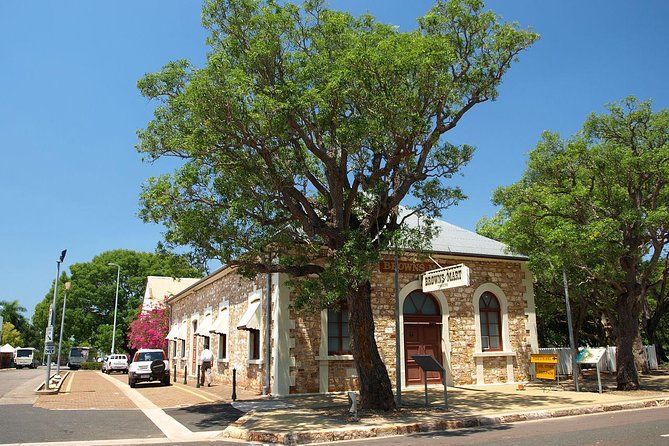
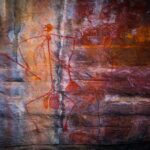
Next up is Mason Gallery, a place that displays quality paintings by Aboriginal artists from neighbouring regions. This stop matters because it broadens the story beyond one historical lane. You get art, not just architecture or memorials—and the audio framing helps you see the gallery as part of Darwin’s living culture, not only its past.
Fifteen minutes is enough to appreciate the fact that art here is local and contemporary, tied to Aboriginal communities across the region. If you take longer, you can slow down and actually absorb the work instead of racing through it.
Watch for the same cost pattern as the first stop: admission is listed as not included. If the gallery has a fee on entry, you’ll want to decide in advance whether you’re treating this as a quick viewing stop or a deeper art break.

Stop 3: Bicentennial Park’s war memorials (where the city remembers)

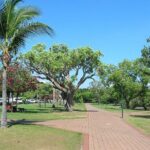
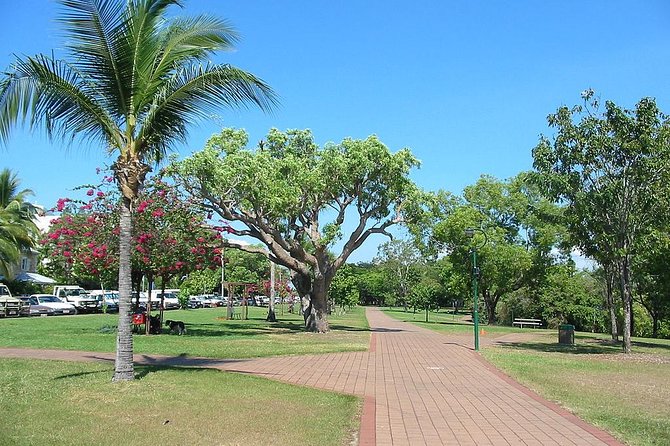
At Bicentennial Park, you’ll find parkland that includes the Cenotaph War Memorial and the Civilian Memorial at the south-western end of the park. This is the emotional turn in the route. It’s also where the audio’s bigger themes—wars and the devastation they brought—start to make more sense in a place you can physically stand in.
This is also where a self-guided format shines. You control your pace. If you want a brief moment, you take it. If you want to sit and read slowly, you can.
One practical consideration: memorial areas can feel open and exposed. If you’re walking at the hottest part of the day, build in shade breaks and water time—even if the tour itself doesn’t spell that out. Darwin weather can be intense, and your enjoyment will depend on how you manage the environment.
Stop 4: Government House, Darwin’s oldest European building (1871 and beyond)
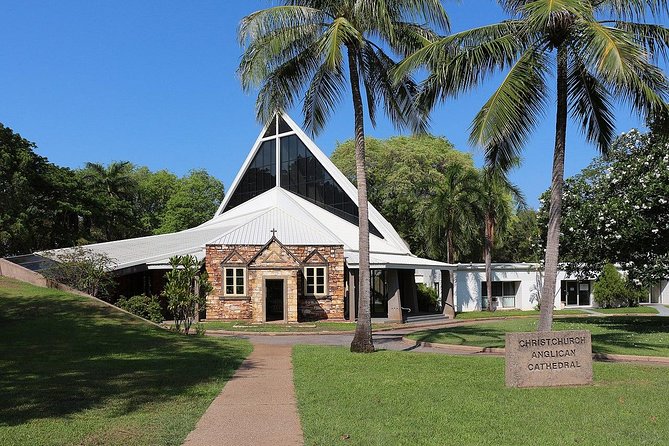
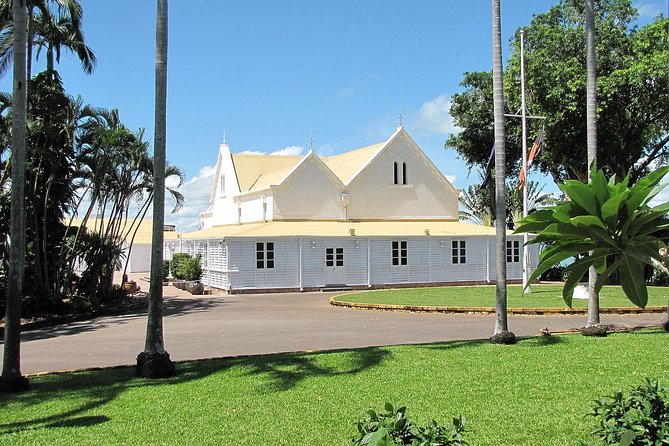
Your final stop is Government House at 29 Esplanade. It’s described as the oldest European building in the Northern Territory, with successive government residents and administrators living there since 1871.
This ending is smart. The earlier stops set you up with cultural context (Chinese settlement) and living creativity (Aboriginal art), then the war memorial stop brings in the hard parts of Darwin’s story. Government House lets you close with the structures of authority and administration that influenced the city’s development.
Again, admissions aren’t included. If you want to go inside and see more, that’s where you’ll spend extra. If you’re mostly interested in the external setting and the audio’s historical framing, you can still get value—especially because the timing for this stop is also about 15 minutes.
What I’d do to avoid audio glitches (based on the one bad experience)
A single unhappy report doesn’t define the whole tour, but it does give you a clue about where things can go wrong. In that case, the audio kept cutting out, and when it lost your place it restarted from the beginning. The user also said it didn’t sense location well enough to play according to where they were.
Here’s how you can reduce your risk:
- Download before you leave and don’t start the walk until it’s ready. The tour instructions explicitly say to prepare the audio file beforehand.
- Keep your phone powered. If your battery is low, audio interruptions are more likely.
- Use the GPS map actively rather than assuming the audio will perfectly time itself to your exact position.
- Know where you are in the sequence (Stop 1 to Stop 4) so a restart doesn’t completely wreck your day.
If tech fails anyway, don’t panic. The provider’s response in that poor experience included a refund. While you shouldn’t count on problems, it’s comforting to know the operator is willing to make it right when the audio doesn’t work.
Timing your walk in tropical Darwin (and why self-guided fits well)
This tour is designed to be handled like a strolling day. It’s short enough to work between other plans, yet substantial enough that you get an arc: cultural roots, creative present, memorial reflection, then administration history.
Because Darwin is tropical and outdoorsy, the biggest “timing factor” is comfort. You’ll likely enjoy this more when you plan around heat and sun. Start in the morning (the listed start time is 9:00 am), take your 15-minute chunks seriously, and use the pause function when you need a breather.
The self-guided nature also helps if you’re the type who likes to pop into a café or browse a shop without feeling guilty. The tour explicitly encourages pausing for food or shopping along the way.
Group size is capped at 50 travelers, but since you’re not walking with a guide, the cap is mostly about the overall operation—not about you being stuck in a giant mob on the street.
Who should book this Darwin self-guided audio tour?
This works best for you if you like:
- History and place stories you can control at your pace
- A walkable city-center outing where you don’t want to schedule every minute
- Culture stops like Chinese Temple and Museum Chung Wah and Mason Gallery
- An experience that’s simple to use once downloaded and on your phone
You might want to skip it if:
- You hate depending on tech during a walk (audio reliability is the main risk highlighted by one bad experience)
- You want a live guide to answer questions on the spot
- You’re looking for “full inclusions” like admissions and an audio device, because those aren’t part of the package
Should you book Delightful Darwin: Self-Guided Audio Tour?
I’d book it if you want a low-cost way to add real meaning to a Darwin walk—and you’re comfortable preparing your phone in advance. The price is fair for what you’re getting: a structured route, downloadable audio files, and a GPS map that supports a self-paced experience.
I’d hesitate only if you’ve had frequent trouble with audio apps or GPS on your device, or if you’re traveling without a plan for tech hiccups. In that one reported case, the audio kept cutting out and restarting, which is exactly the kind of failure that turns a self-guided tour into a frustration.
If you’re the kind of traveler who likes to wander, stop when something catches your eye, and learn in small chunks, this tour fits Darwin’s rhythm well.
FAQ
How much does the Darwin self-guided audio tour cost?
It costs $15.90 per person.
How long does the tour take?
Plan on about 2 to 3 hours.
What’s included in the price?
You get audio files and a GPS map for a self-paced tour.
Do I need an audio device?
Yes. The listing notes that an audio device is not included.
Is the tour available in languages other than English?
No. It’s available only in English.
What are the tour start and end points?
The start is Survivors Lookout, Darwin City NT 0800, and the end is Government House, 29 Esplanade, Darwin City NT 0800.
Are admission fees included for the stops?
No. Admission fees are not included, so some stops may cost extra if you enter them.
Is cancellation free?
Yes. You can cancel for a full refund up to 24 hours before the experience starts.