REVIEW · ALICE SPRINGS
Alice Springs Desert Park General Entry Ticket
Book on Viator →Operated by Alice Springs Desert Park · Bookable on Viator
A desert park with real desert energy. Alice Springs Desert Park lets you watch native Central Australian wildlife in naturalized enclosures while you move at your own pace through three desert environments.
What I like most is how the park layers in learning without turning it into a lecture: you get daily talks plus hands-on interpretive displays that bring the desert’s plants, animals, and people into focus.
Two other standouts hit fast. The Nocturnal House is built for night-active animals, with sightings like carnivorous ghost bats and bilbies, and the bird program includes a free flying birds-of-prey show in an outdoor amphitheater. If you catch a good presenter, it’s even better—guides such as Reuben share Arrernte stories with wit and real desert know-how.
One drawback to keep in mind: this is largely self-guided, so you’ll want to plan your walking time around the daily talks and shows. Also, food and drink aren’t included, and animal encounters beyond the standard visit may cost extra.
In This Review
- Key highlights you’ll feel fast
- Entering Alice Springs Desert Park: map, schedule, and the right flow
- The trail that tracks three desert worlds: woodland, sand, and river
- Birds of prey in motion: the outdoor amphitheater show
- Nocturnal House after hours: ghost bats and bilbies
- Waterhole viewing in the aquarium: fish, turtles, frogs, yabbies
- Arrernte Dreamtime stories and desert survival knowledge
- Facilities that keep your day flexible: café, scooters, gift shop, picnic area
- How long should you stay? A realistic 3 to 8 hour plan
- Price and value: what $16 gets you, and what costs extra
- Who should book this ticket?
- Should you book Alice Springs Desert Park General Entry?
- FAQ
- What does the Alice Springs Desert Park general entry ticket include?
- How long should I plan to spend at the park?
- What kinds of animal viewing can I expect?
- Is food available on-site?
- Are there any extra-cost activities?
- What time does the experience start?
- What is the cancellation policy?
Key highlights you’ll feel fast
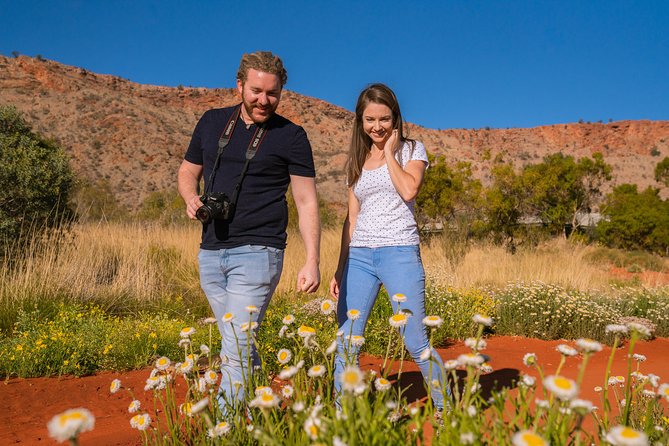
- Three desert environments on one trail: woodland, sand country, and desert river areas
- Nocturnal House for night animals like ghost bats and bilbies
- Birds of prey in flight through a free flying show in the outdoor amphitheater
- Arrernte culture and Dreamtime connections explained through interpretive displays and guide presentations
- Waterhole viewing at the aquarium, with turtles, burrowing frogs, and yabbies
- A useful map plus daily program so you can pace yourself over 3 to 8 hours
Entering Alice Springs Desert Park: map, schedule, and the right flow
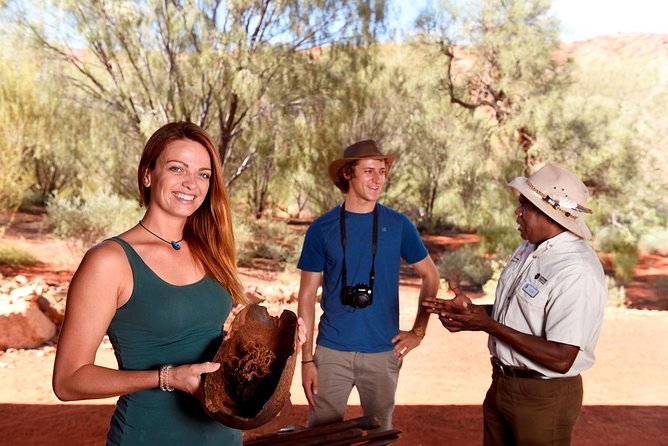
Alice Springs Desert Park works because it’s simple on the outside and smart on the inside. You arrive, get a park map and the daily schedule, and then you move through the habitats at your own speed. That self-guided setup is ideal when you want control—wander a bit, pause for a photo, catch a talk when it lines up with your timing.
The park’s layout also makes it hard to “miss the point.” Instead of one giant enclosure, you walk a trail that threads through the big desert themes in Central Australia. You’ll see different habitats and learn what to look for in each one, rather than treating everything as one flat landscape.
If you’re visiting during a busy morning, the 7:30 am start time matters. Planning around earlier start hours helps you fit in the talks and still have time to slow down with the animals. The park doesn’t mention hotel pickup, so you’ll make your own way and benefit from being near public transport.
A few more Alice Springs tours and experiences worth a look
The trail that tracks three desert worlds: woodland, sand, and river

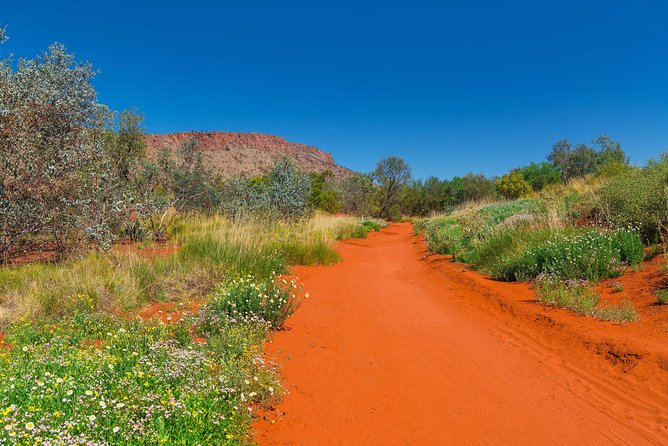
The heart of the visit is the walking route through the park’s re-created desert environments. You’ll go from woodland to sand country to a desert river setting, with interpretive displays along the way. This is a big deal for learning because it shows that desert life isn’t one single “type” of place.
Here’s what makes this structure work for you. In a self-guided visit, it’s easy to lose focus when you’re just scanning enclosures. But when the trail is clearly organized into different environments, you naturally develop a checklist—what plants belong here, what animal behaviors you should look for, and how the habitat differs from the last stop.
The enclosures are designed as naturalized habitats. That means the park is aiming to recreate how animals actually live day to day, not just park them in a clean-lined zoo setting. You can linger along the paths, and the park’s interpretive material helps you notice details instead of rushing past them.
Birds of prey in motion: the outdoor amphitheater show
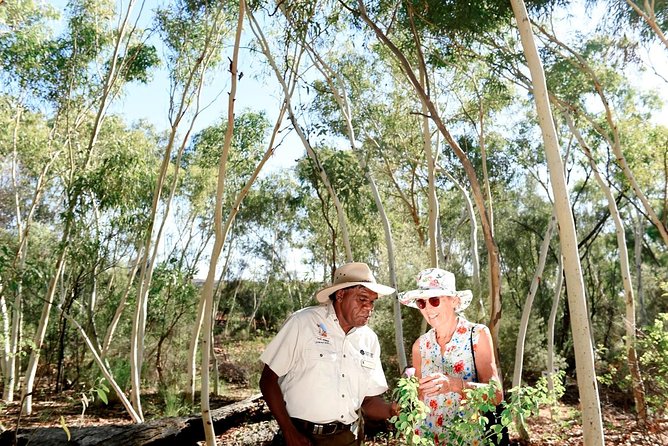
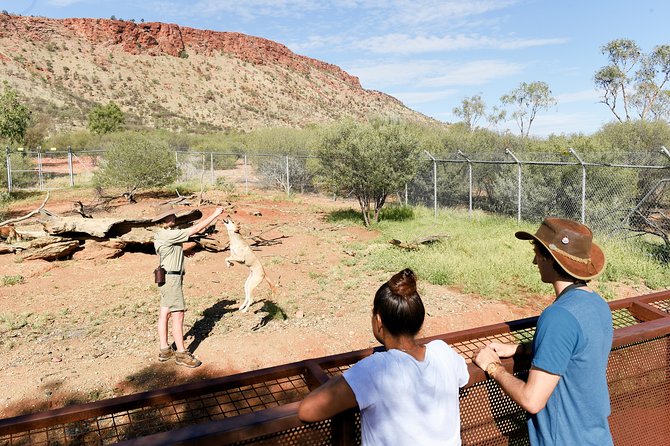
One of the easiest “must-schedule” parts of the day is the birds-of-prey program. The park runs daily talks and shows that let you see raptors in action, not just in a cage. The outdoor amphitheater format also keeps it lively and clear—great if you like watching from a comfortable spot rather than walking while trying to read signage.
A standout element is the free flying bird show. If you want a quick hit of wow-factor early in your visit, this is it. It also pairs well with the rest of the park, because once you’ve learned to look at desert hunting and survival strategies, the habitats feel more connected.
Practical tip: build your timing around the bird show and the daily presentations. Because the rest of the visit is self-guided, this is the part that benefits most from arriving when the park is ready to put on the show.
Nocturnal House after hours: ghost bats and bilbies
If your schedule allows, don’t treat the Nocturnal House as a quick extra. This part of Alice Springs Desert Park is built around night-active animals, and stepping inside shifts the whole mood of the visit. You’re looking for behavior that only makes sense after dark—then you learn what species do when the desert quiets down.
The Nocturnal House is where you can spot animals such as carnivorous ghost bats and bilbies (macrotis). That’s a big reason the park earns such strong ratings: the animals aren’t just present, they’re presented as part of a real cycle—day vs. night, predator vs. prey, and survival strategies you’d never notice from daytime viewing alone.
There are also keeper-style talks here. That matters because it turns a dim room full of animals into a guided reading of what you’re actually seeing. If you like learning through stories and explanations, this is the section that pays back your time the most.
Waterhole viewing in the aquarium: fish, turtles, frogs, yabbies
Deserts don’t look wet to you from a distance, but life still clusters around water. The park’s waterhole display in the aquarium helps you understand that idea in a hands-on way.
You can peek into the waterhole aquarium to observe animals such as fish, turtles, burrowing frogs, and yabbies. The fun part is that this isn’t just “here are some animals.” It’s a clue about how creatures use small, reliable resources in a harsh environment—exactly the kind of connection that makes interpretive displays stick.
This stop also balances the visit. After the walking trail and the bird show, the waterhole area gives you a different kind of viewing—less about speed and flight, more about stillness and small movement. If you like wildlife that isn’t always on the move, you’ll enjoy slowing down here.


Arrernte Dreamtime stories and desert survival knowledge
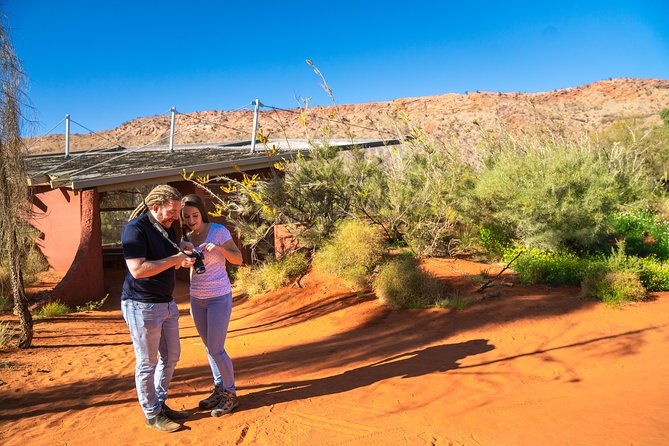
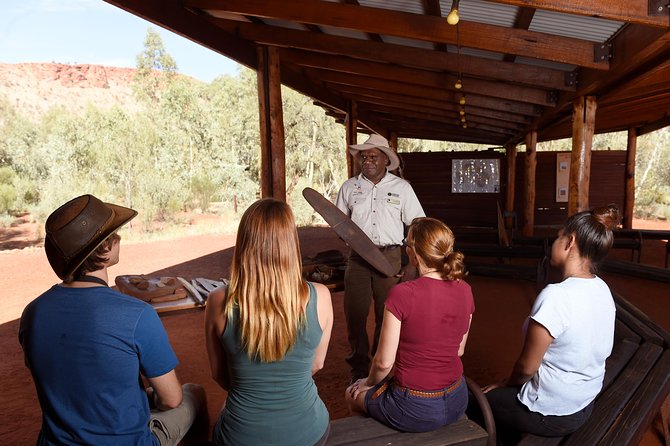
Alice Springs Desert Park is not only about animals. It also explains the Aboriginal presence of central Australia, with a focus on the Arrernte people and their connections to land through Dreamtime stories. Interpretive displays tell these stories, and daily guide presentations bring them to life.
What makes this section valuable is how it’s practical. One guide example stands out: Reuben, who shared stories with both wisdom and wit, and helped explain how people survived with limited surroundings—medicine, food, and tools tied to the desert’s realities. When the message includes daily-use knowledge like that, it stops being abstract history and starts sounding like lived experience.
This is also where the park feels most respectful and grounded. You’re not asked to “guess” the meaning of what you’re seeing. Instead, you get cultural context that explains why the land matters and how people historically read the desert like a map.
Facilities that keep your day flexible: café, scooters, gift shop, picnic area
You’re not stuck with only one option for time breaks. The park has a café, a gift shop, and a picnic/BBQ ground. Food and drinks aren’t included in the ticket price, but having on-site choices means you can still plan a full half-day without needing to leave.
If you don’t want to do all walking, you can also hire electric scooters for an extra fee. I like knowing this upfront because it changes how you plan your pacing. With 3 to 8 hours available, scooters can help you see more if you want to fit in both the daytime highlights and the Nocturnal House.
The gift shop is also part of the day’s convenience. Even if you only browse, it gives you a place to take a breather before heading back into another habitat zone.
How long should you stay? A realistic 3 to 8 hour plan

The visit duration is approximate, listed as 3 to 8 hours. That range exists for a reason: you’re mixing guided moments (daily talks and shows) with open time to explore.
If you have about 3 hours, go for the essentials in a tight loop. Prioritize the bird show and the Nocturnal House, then use the trail highlights and waterhole aquarium as your “between” stops. You won’t see every corner equally, but you’ll hit the biggest thematic beats.
If you can give it 6 to 8 hours, you’ll slow down more. That’s when the trail through woodland, sand, and river really pays off, because you have time to read the interpretive panels and watch animals for behavior, not just presence. It also gives you a better shot at catching multiple presentations without feeling rushed.
Because it’s self-guided, your timing is your superpower. Check the daily program when you arrive, then plan your walk around the fixed parts like the bird show and Nocturnal House keeper talk times.
Price and value: what $16 gets you, and what costs extra
The general entry ticket is $16, which is a pretty direct deal for what you get. Your admission covers entry to the park and includes a guide component within the experience, plus daily interpretive talks and presentations as part of the day. You also have access to the animal viewing areas, the re-created desert habitats, and the on-site interpretive displays.
What’s not included is straightforward: food and drinks aren’t part of the ticket price, and electric scooter hire has its own fee. Animal encounters beyond the standard visit are also listed as an additional cost.
So the value question becomes simple. If you’ll eat on-site anyway and want to move around comfortably, it’s still a reasonable spend for a full wildlife and culture day. If you only want standard viewing and you’re happy walking, you can keep your budget tight.
Who should book this ticket?
This is a great fit if you want wildlife and culture in one day without complicated tours. It’s family-friendly and works for different ages, which matters if you’re traveling with kids or multi-generation group dynamics. The park’s self-guided nature is also helpful if you don’t want your day scheduled down to the minute.
You’ll also like it if you care about the details of desert survival. The focus on night animals (ghost bats, bilbies), day predators (birds of prey), and waterhole species (fish, turtles, burrowing frogs, yabbies) gives you a real “how the system works” feel, not just a checklist of animals.
If you hate walking or want only a short stop with zero scheduling, you may feel stretched by the 3 to 8 hour window. But even then, the park’s scooter option can reduce that issue.
One more note: the experience is set up for small group flow, with a maximum of 1 traveler per session in the provided details, which can make the vibe feel calm and personal.
Should you book Alice Springs Desert Park General Entry?
Book it if you want a day that mixes desert wildlife, cultural storytelling from the Arrernte people, and high-interest viewing like birds of prey and nocturnal animals. At $16 for entry, the price feels fair because you’re not paying for one show—you’re paying for a whole connected experience that you can shape to your own pace.
Pass or plan differently if you only have a very small time window and you’re worried about fitting shows into a self-guided day. In that case, prioritize the Nocturnal House and the bird program first, then build the rest around whatever time you have left.
If you’re building your Alice Springs itinerary, this is the kind of place that makes Central Australia feel real—less like a postcard and more like a functioning ecosystem with people still connected to the land.
FAQ
What does the Alice Springs Desert Park general entry ticket include?
The ticket provides entrance to Alice Springs Desert Park for a self-guided visit. It includes access to the park’s interpretive displays and daily talks, and admission is listed as including a guide.
How long should I plan to spend at the park?
Plan for about 3 to 8 hours, depending on how much you explore and which talks or shows you catch.
What kinds of animal viewing can I expect?
You can observe native wildlife in naturalized enclosures, including night-active animals in the Nocturnal House and birds of prey in an outdoor amphitheater. The waterhole aquarium is also part of the experience.
Is food available on-site?
Yes. There is a café and a picnic/BBQ ground, but food and drinks are not included in the ticket price.
Are there any extra-cost activities?
Yes. Animal encounters are available for an additional fee, and electric scooter hire also costs extra.
What time does the experience start?
The start time listed is 7:30 am.
What is the cancellation policy?
This experience is non-refundable and cannot be changed for any reason.