REVIEW · ALICE SPRINGS
From Alice Springs: Day Trip to Uluru with BBQ Dinner
Book on GetYourGuide →Operated by Emu Run Experience · Bookable on GetYourGuide
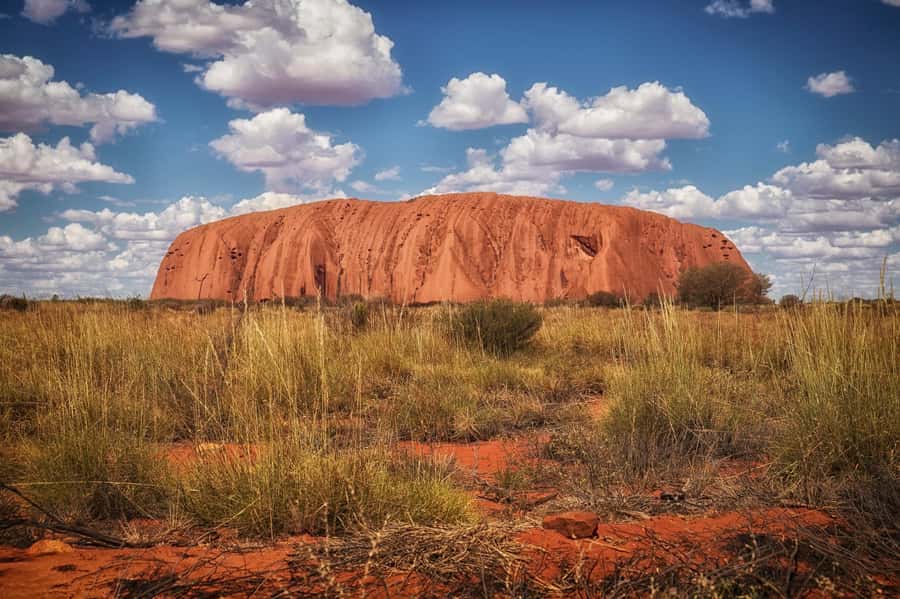
Uluru in one long day is a power move. This full-day trip from Alice Springs pairs Aboriginal cultural experiences with big outback scenery, then lands you at Uluru’s sunset BBQ with sparkling wine. The ride is a haul, but the pacing and the guides (like Matt on the drive and Yad at the rock) keep it focused.
I love the way the tour treats Anangu stories with care, especially on the Mala Walk and at Mutitjulu Waterhole. I also like the practical comfort factor: an air-conditioned coach, built-in breaks, and a well-run evening meal that actually gives you time to watch the light change.
The main drawback is simple: it’s a very long day, with late-night returns possible. If you need an early finish, this one may be more tiring than you expect.
In This Review
- Key highlights worth getting excited about
- The real deal: why this Uluru day trip works
- The drive starts early: pickup coverage and the Erldunda breakfast stop
- Uluru-Kata Tjuta Cultural Centre: context you’ll thank yourself for
- Mala Walk on Uluru’s north-west side: walking without climbing
- Mutitjulu Waterhole and Wanampi: the story that changes how you see Uluru
- Mount Connor Lookout: the wide-view reset
- Sunset BBQ at Uluru: where timing and organization really show
- The return trip: late-night arrival is part of the deal
- Price and value: what $254 covers, and what you still need
- Who this day trip is best for
- Quick booking verdict: should you do it?
- FAQ
- FAQ
- How long is the tour from Alice Springs to Uluru?
- What’s included in the sunset dinner?
- Do I need to pay an Uluru-Kata Tjuta National Park pass?
- Are you allowed to climb Uluru on this tour?
- What stops are included besides Uluru?
- What should I bring with me?
- Where is pickup and drop-off?
- Is the tour suitable for young children?
Key highlights worth getting excited about
- Erldunda Emu Roadhouse stop en route, so you can grab breakfast before the culture and walking starts
- Aboriginal Cultural Centre visit with context for the Pitjantjatjara/Anangu story and locally made souvenirs
- Mala Walk and Mutitjulu Waterhole guided learning on Uluru’s north-west side and the Wanampi ancestral water snake
- Mount Connor Lookout for wide Red Centre views without the stress of self-planning
- Sunset BBQ with sparkling wine timed for the color shift, plus plenty of food and drink for the price
The real deal: why this Uluru day trip works

Uluru looks close on a map, then you remember how huge the outback is. This day trip from Alice Springs leans into that reality. You’re not just checking a photo location—you’re getting a guided interpretation of the place and then finishing with a classic outback sunset meal.
What makes it feel good (and not rushed) is the order. You start with cultural context, move into guided walking around Uluru (without climbing), then end where most people go quiet: sunset over the rock. That arc helps your brain hold onto what you’re seeing instead of treating it like a stop-and-go highlight reel.
And the “comfort” pieces matter. On long drives, it’s the small things—air-conditioning, toilet access, sensible break timing—that keep the day from turning into pure fatigue. Reviews repeatedly mention the coach being comfortable and drivers managing the trip safely and smoothly.
A few more Alice Springs tours and experiences worth a look
The drive starts early: pickup coverage and the Erldunda breakfast stop
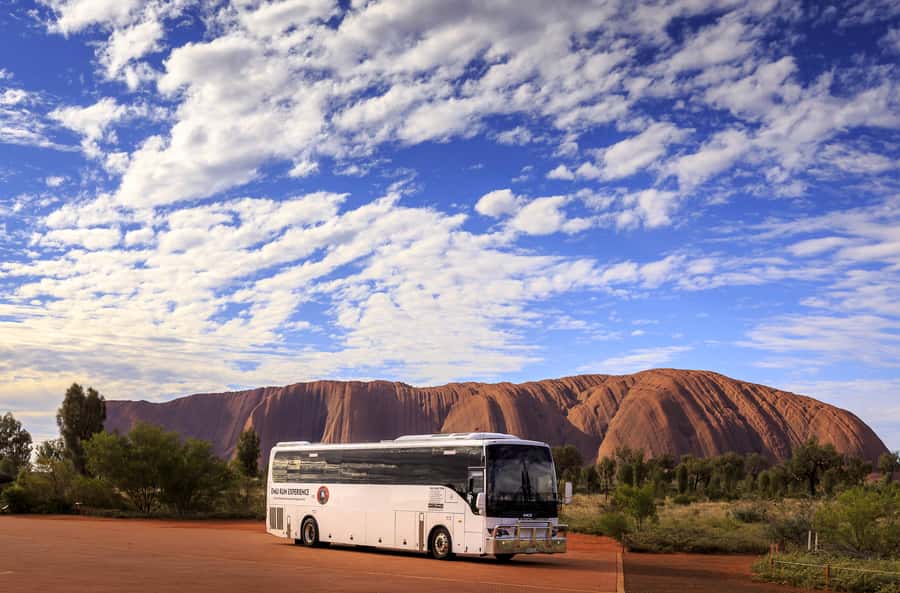
Pickup is offered from a long list of central Alice Springs accommodations, which is a big deal in a small town. You don’t have to coordinate meeting points or taxi plans—you just get on the coach and go.
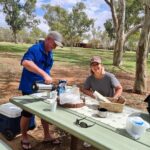
After pickup, the trip heads toward Erldunda (famous for the Emu at the roadhouse area). This is your chance to buy breakfast before the day ramps up. If you’re the type who likes to eat early and settle, this stop helps. If you’re counting on a full sit-down breakfast, you may find it more of a “grab what’s available” situation, so keep your expectations simple.
Practical tip: if you’re sensitive to heat or you get cranky without food, bring water early and keep snacks in your day bag. The tour does include breaks, but your best strategy is to stay ahead of hunger rather than trying to solve it mid-drive.
Uluru-Kata Tjuta Cultural Centre: context you’ll thank yourself for
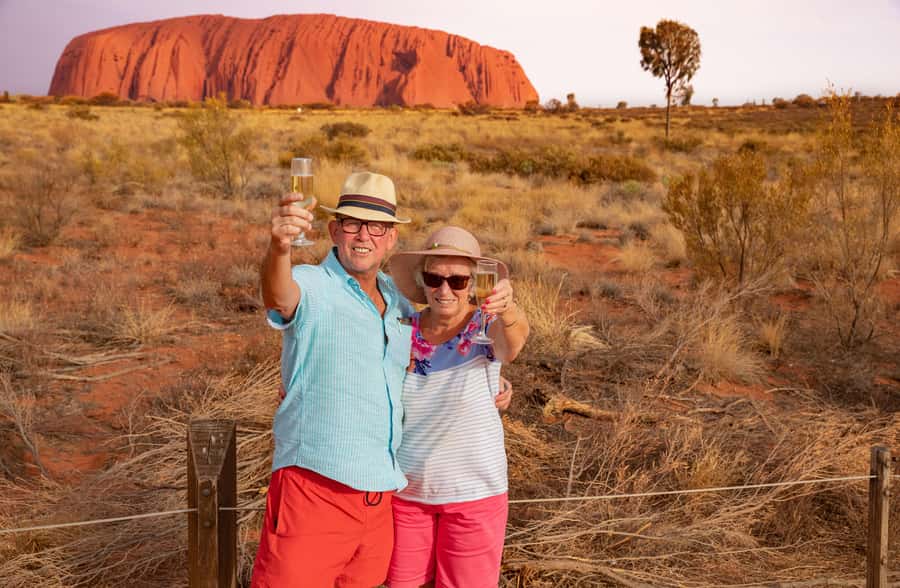
The first major “why you came” stop is the Uluru-Kata Tjuta Cultural Centre. This isn’t just a visitor center. The building is made from 90,000 mud bricks, created with help from local Anangu people, and it sits on land with special meaning to its traditional owners.
You’ll have time to learn about local traditions and the Pitjantjatjara story, plus browse souvenirs. That mix matters. People often arrive at Uluru thinking it’s mainly about the rock. The cultural centre nudges you to think about the living culture that still surrounds it.
One thing I like about this stop: you’re given time to process. Instead of being herded quickly through information, you can ask questions, look around, and absorb at your own pace. It sets up the later walks, so when you get to Uluru’s guided trail areas, you know what you’re looking at and why certain places matter.
Mala Walk on Uluru’s north-west side: walking without climbing
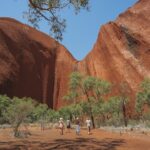
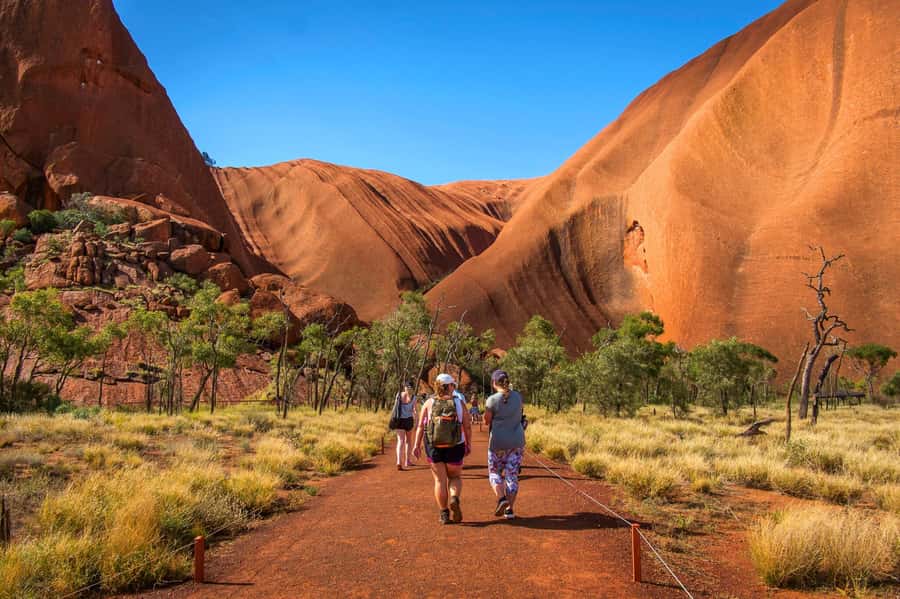
Next comes the base of Uluru and a guided Mala Walk. This is where you get the kind of experience you can’t DIY in five minutes at a viewpoint.
Two key points shape this portion:
1) you follow the north-west side, where you can see examples of Anangu rock art
2) you don’t climb Uluru—tour climbing is no longer permitted due to cultural significance
That restriction can sound like a limitation until you realize what it changes. Without climbing, the experience shifts from “tick the summit” to “learn the land.” The walking route plus stories give you a better chance of understanding the place instead of treating it like a climbing challenge.
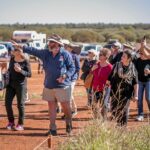
A good guide can make the difference between “I saw rock art” and “I get what it represents.” Here, you’ll hear ancient stories tied to the Anangu People, and you’ll move at a human walking pace.
What to plan for:
- Wear comfortable walking shoes. The outback isn’t hard like mountains, but it is hot and uneven in spots.
- Bring sunscreen and a hat you actually trust in sun. The light can be intense even when you feel like you’re just on a short walk.
Mutitjulu Waterhole and Wanampi: the story that changes how you see Uluru
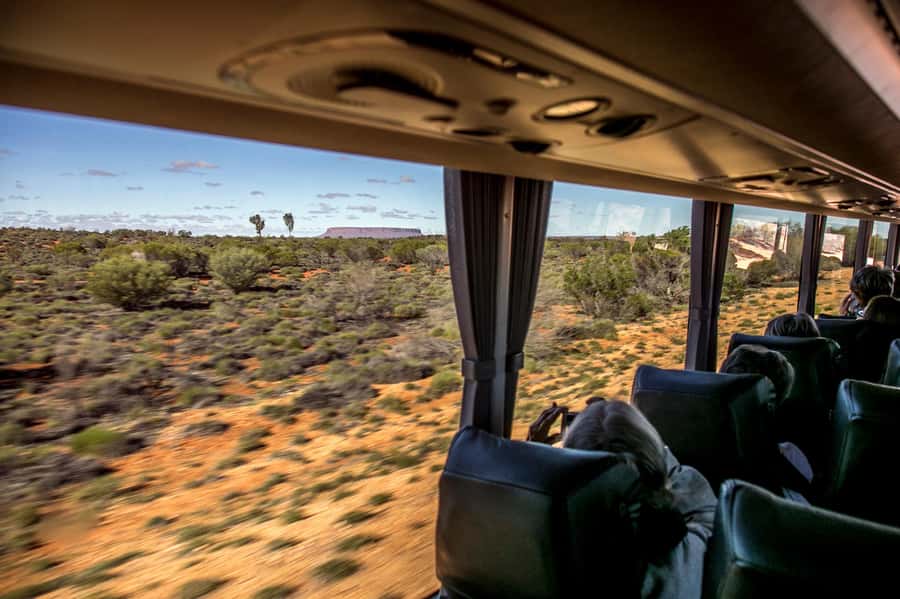
After traveling to the back section of Uluru, the tour includes another guided walk—this time to Mutitjulu Waterhole. This is one of the most meaningful stops because you’re not just looking. You’re hearing.
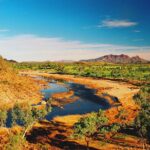
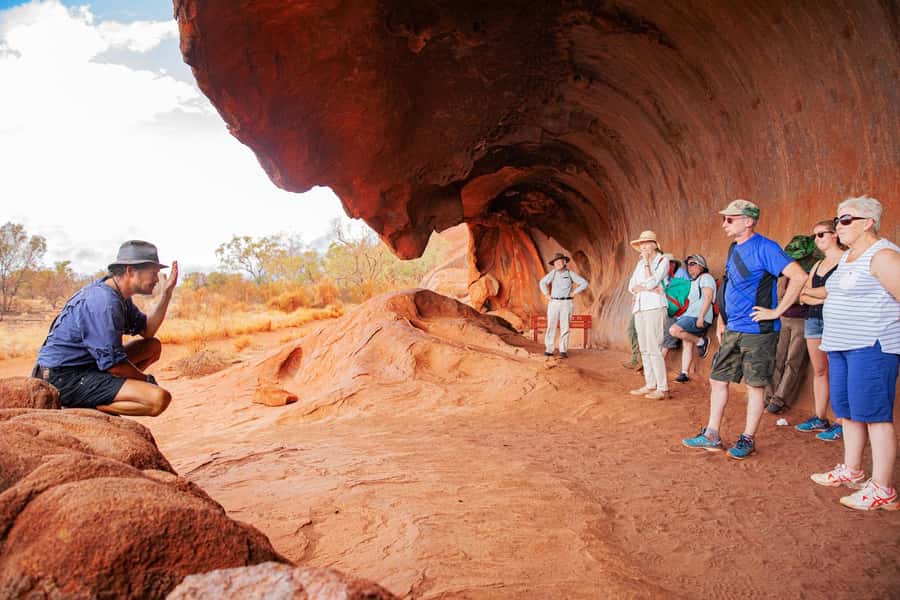
Your guide leads you along a short track to the waterhole, which is associated with an ancestral water snake called Wanampi. You’ll also hear how the Anangu people traditionally used the waterhole for hunting, and you’ll learn why the rock art caves connect to living ancestral presence.
This is the kind of stop where you’ll notice your own listening level changing. Even if you’re not a “culture person,” water and stories tend to do the trick. The waterhole is small, but the meaning is big.
Practical note: because this is a guided walk, you’ll want to stay with the group and not wander off. Let the guide’s pace set your pace.

Mount Connor Lookout: the wide-view reset
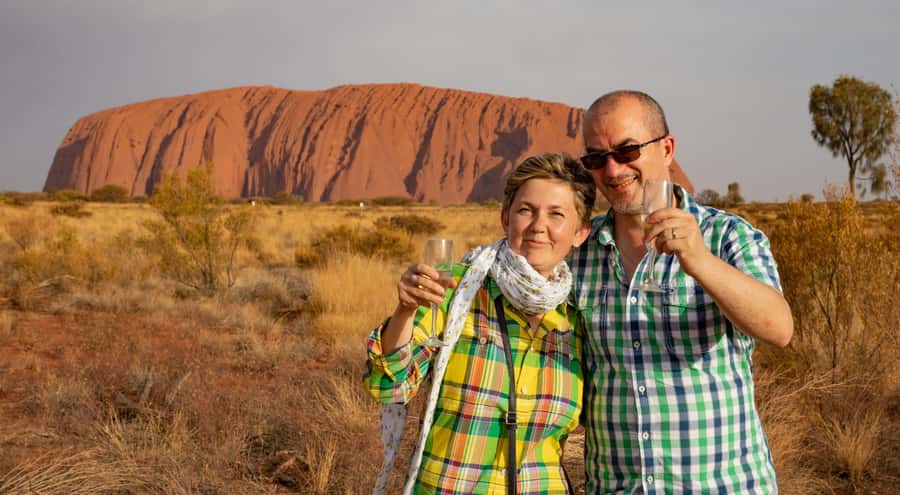
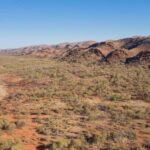
In between the deeper cultural stops and the sunset meal, the tour also includes Mount Connor Lookout. This is one of those “reset” moments. You step back, look out across Red Centre country, and let your eyes reconnect to the scale of the region.
It helps that the day is structured like this: learning moments get spaced with view moments. After you’ve been focused on stories and walking, the lookout gives your brain a place to breathe.
If you love photography, this is also a good time to check your camera settings and get comfortable shooting through different light angles—because later at sunset, the colors can shift fast.
Sunset BBQ at Uluru: where timing and organization really show
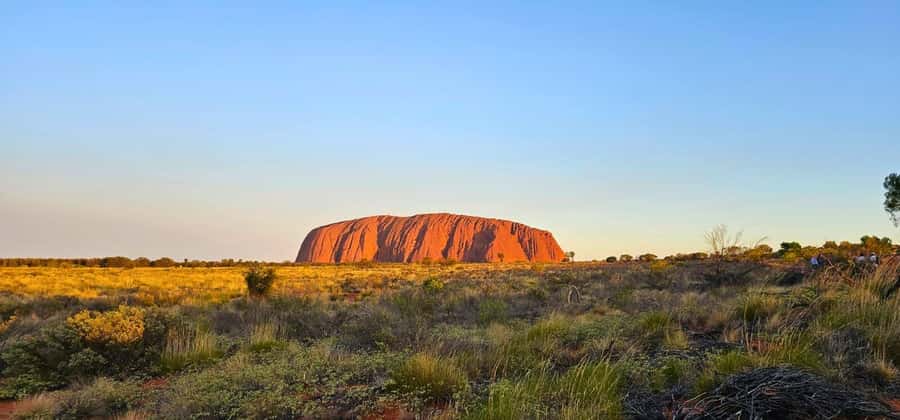
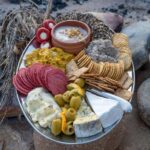
The sunset portion is the headline for a reason. You’ll return to the Uluru coach sunset viewing area for the BBQ dinner, sparkling wine (and beer or wine as part of the evening spread), plus time to watch the sky shift.
This is where the tour’s planning earns its keep. If dinner timing is off, sunset becomes a stressful scramble. Here, the evening is arranged so you can watch the rock change color before you fully settle into the meal.
Food and drink get strong marks. You’re not just getting a token snack. Reviews mention steak, salad and sides, and a format that gives enough time to enjoy sunset properly rather than rushing through. There are also notes about dietary care: vegan, vegetarian, and Muslim-friendly options have been accommodated, with vegetarian dishes prepared separately at the BBQ.
One more detail worth noting: the meal setup gives you an easy place to meet fellow travellers and then watch the light together. It’s a social moment without feeling like a festival.
What to bring into this phase:
- A layer. Even in warm months, the air can cool near evening.
- Your phone/camera fully charged earlier in the day.
- A reusable water bottle for earlier walking stops, so you’re not constantly buying during the day.
And if you’re bothered by insects outdoors, the advice to bring a fly net is worth taking seriously.
The return trip: late-night arrival is part of the deal
After sunset and dinner, the coach heads back to Alice Springs and drops you at your accommodation. This is where you need to be honest with your own energy level.
The drive time is substantial—about five hours each way—and you’re not sprinting between stops. On some days, people report arriving around midnight, and some mention roughly the 1:30am range. That doesn’t mean something is wrong. It just means this is a “leave early, sleep late” kind of outing.
If you can plan for it, do two things:
- Schedule nothing important the next morning.
- Pack essentials for comfort (water, a light layer, and something small to snack on during long stretches).
Also keep in mind that outback heat can stress any vehicle system. Some reviews mention air-conditioning being appreciated on hot days, while a few note minor issues like cooling or USB ports not working. Those sound like exceptions, not the norm, but it’s still smart to bring a portable charger if you rely on your phone.
Price and value: what $254 covers, and what you still need
At $254 per person, the main value isn’t just the BBQ. It’s the package deal: transport, a professional guide, park access where included, and guided walking experiences plus sunset timing.
You’re also paying for convenience. Self-planning an Alice Springs to Uluru trip means vehicle rental costs, long-distance driving fatigue, parking decisions, and scheduling all the cultural components yourself. This tour handles the big moving parts.
What’s included:
- Pickup and drop-off in Alice Springs
- Experienced accredited tour guide
- Air-conditioned vehicle
- BBQ dinner at sunset with sparkling wine
- Entrance fee to Uluṟu-Kata Tjuṯa National Park for tours up to and including 31 March 2026
What’s not included:
- Breakfast and lunch
- From 1 April 2026: the Uluru-Kata Tjuta National Park Pass is not included, and you need to purchase it before your tour (digital copy accepted)
So how do you judge value? For me, the decision comes down to whether you want:
- guided storytelling and structured stops (the “why” behind the rock), and
- a proper sunset BBQ setup timed for the light,
instead of just driving there and hoping you’ll understand what you’re seeing.
Given how many reviews emphasize guide quality, organization, and sunset meal execution, the value angle is strong—especially if this is your only shot at Uluru from Alice Springs.
Who this day trip is best for
This tour fits best if you:
- want a guided cultural experience, not just viewpoints
- can handle a long day and late return
- enjoy walking short-to-moderate distances with a group
- prefer comfort and structure over DIY stress
It’s not a good match if you’re looking for an easy, short outing. The distance from Alice Springs is real, and the schedule is built around getting you to Uluru and back.
It’s also listed as not suitable for children under 2 years.
Quick booking verdict: should you do it?
Yes—if you’re okay with the long day and you want your Uluru experience organized around culture and sunset. This isn’t just a meal and a photo. The guided Mala Walk and Mutitjulu Waterhole stops give meaning to what you’re seeing, and the sunset BBQ setup makes the evening feel intentional rather than thrown together.
I’d skip it if you:
- need an early finish for health or family schedules
- hate long coach rides and are likely to feel miserable without frequent downtime
- want to climb Uluru (this tour follows the no-climb reality)
If you can handle “leave early, return late,” you’ll likely come away with the kind of memory that sticks for years: the rock in changing light, plus stories that actually explain why the land matters.
FAQ
FAQ
How long is the tour from Alice Springs to Uluru?
The tour runs for one day, and it includes a long coach drive to and from Uluru. The schedule includes about five hours of coach time for travel on both directions.
What’s included in the sunset dinner?
Dinner at the Uluru coach sunset viewing area is included, along with sparkling wine. The evening is set up for you to watch the sunset before you settle fully into the meal.
Do I need to pay an Uluru-Kata Tjuta National Park pass?
For tours up to and including 31 March 2026, the national park entrance fee is included. For tours from 1 April 2026, you must purchase the Uluru-Kata Tjuta National Park Pass before your tour and bring a digital copy (accepted).
Are you allowed to climb Uluru on this tour?
No. Tour climbing is no longer permitted due to cultural significance, and the tour includes guided walking routes instead.
What stops are included besides Uluru?
You’ll visit the Uluru-Kata Tjuta Cultural Centre, take part in guided walks including the Mala Walk and the Mutitjulu Waterhole, and include a stop at Mount Connor Lookout.
What should I bring with me?
Bring sunglasses, a hat, camera, hiking shoes, sunscreen, water, comfortable clothes, cash, and a reusable water bottle. A pillow is also suggested.
Where is pickup and drop-off?
Pickup and drop-off are available from central Alice Springs accommodation locations listed by the operator. Drop-off returns you to those same accommodation areas.
Is the tour suitable for young children?
It is not suitable for children under 2 years.