REVIEW · ALICE SPRINGS
Uluru, Kata Tjuta and Kings Canyon Camping Safari from Alice Springs
Book on Viator →Operated by Adventure Tours Australia · Bookable on Viator
Waking up before dawn changes everything. This 3-day camping safari stacks Uluru sunrise and sunset with guided walks at Uluru, Kata Tjuta, and Kings Canyon. You get the big-name rock moments, but also the effort that makes them feel real.
I also like the hands-on feel: glamping-style camping with meals included, plus a camp setup where you’ll likely help with prep and clean-up. The main catch is that this is not hotel comfort, and the heat can be brutal—so plan for hot hikes and basic facilities at night.
In This Review
- Key Things I’d Plan Around
- Red Centre in Three Big Stops: Uluru, Kata Tjuta, and Kings Canyon
- Meeting Point at 5:40am and How the Coach Days Really Feel
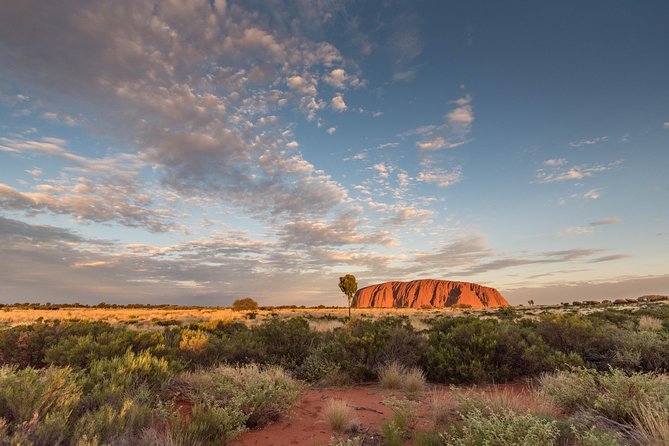
- Uluru at Sunrise and Sunset: Watching the Rock Change Color
- Kata Tjuta Afternoon Domes Walk and What to Look For
- Culture Time at Uluru-Kata Tjuta Cultural Centre and Maruku Arts
- Watarrka National Park Camping Night Inside the Park
- Kings Canyon Rim Walk: The Big 4-Hour Wow
- Meals, Camp Work, and the Reality of Glamping
- Price Value: When $713.66 Makes Sense (and When It Might Not)
- Who This Camping Safari Suits Best
- Should You Book This Tour?
- FAQ
- How long is the Uluru, Kata Tjuta and Kings Canyon camping safari?
- What time does the tour start in Alice Springs?
- What is the group size limit?
- Is pickup included?
- What should my fitness level be for this trip?
- What hikes and major stops are included?
- Are admission tickets included?
- What kind of accommodation is provided?
- Do I need to bring a sleeping bag?
- What is the cancellation refund window?
- Is mobile ticketing used?
Key Things I’d Plan Around
- Sunrise and sunset timing at Uluru for changing color and fewer crowds
- Three guided treks across Uluru, Kata Tjuta, and Watarrka (Kings Canyon)
- Camping inside Watarrka National Park for a true outback night sky feel
- Meals included, but camp work is part of the deal (cooking and clean-up)
- Early starts and real trail time (bring sturdy shoes and water strategy)
Red Centre in Three Big Stops: Uluru, Kata Tjuta, and Kings Canyon
This tour is built around the Red Centre’s three headline acts. Uluru gives you the iconic monolith and the sacred feeling of being close to it at low light. Kata Tjuta (the domes) is more about texture and scale—less “one photo spot,” more “walk until it clicks.”
Then you pivot to Watarrka National Park for Kings Canyon, where the world narrows into a steep gorge. You’re not just looking at the canyon. You’re going into its edges and walking the rim, which is why this part lands for so many people.
The itinerary is also compact in a good way. Three days sounds short, but it’s long enough to do real hiking, not just photo stops.
A few more Alice Springs tours and experiences worth a look
Meeting Point at 5:40am and How the Coach Days Really Feel
You start the first morning at 5:40am at Alice Springs Hotel (11 Leichhardt Terrace). That early departure isn’t random. It’s the only way to catch Uluru in the cool dark-to-red change that people chase.
You’ll also spend meaningful time on the coach between sights. That’s normal for Central Australia distances (Uluru is far from Alice Springs, and the drive eats hours). If you hate being in transit, bring your patience—and something to do on the bus.
Good news: the group size is capped at 23 travelers. It’s big enough to meet people, small enough that the guide can keep things moving.
Uluru at Sunrise and Sunset: Watching the Rock Change Color
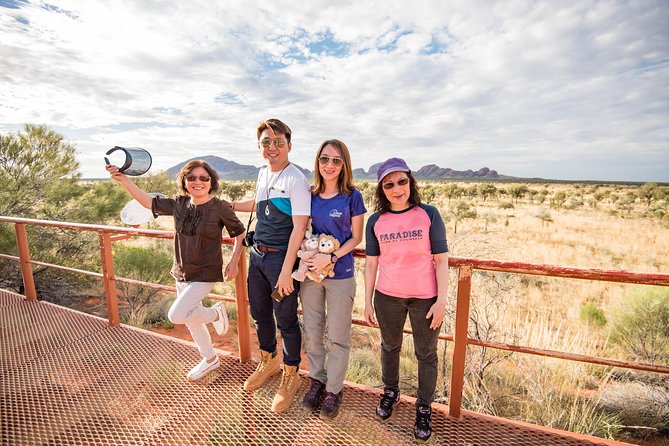
Uluru does two things extremely well: it looks different fast, and it rewards timing.
On the first day, you get a sunset visit with snacks while the rock turns into orange and then deeper tones as light drops. It’s a relaxed way to arrive at Uluru. You’re not starting with a grind. You’re starting with the payoff.
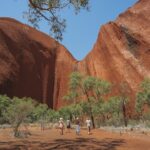
Day two is the star: Uluru sunrise, plus a walk around the base. Expect a longer session here (around 4 hours total for the sunrise day walk). You’ll move at an outback pace, and you’ll get commentary along the way—plus the advantage of being there before the heat ramps up.
Practical tip: sunrise and twilight are cold-to-warm transitions. Bring layers you can ditch.
Kata Tjuta Afternoon Domes Walk and What to Look For
Kata Tjuta is a different vibe from Uluru. Instead of one massive rock, you get 36 domes, and the afternoon hike is your chance to see how the terrain folds into itself.
This stop is around 2 hours, and it’s scheduled later in the day, so you’re not racing dawn. You’re walking with the sun higher and the domes casting stronger shadows. That shadow play is what helps the place make sense quickly.
Also, the admission for this stop is listed as free. That’s one less line item you worry about while you’re thinking about hydration and shoes.
Culture Time at Uluru-Kata Tjuta Cultural Centre and Maruku Arts
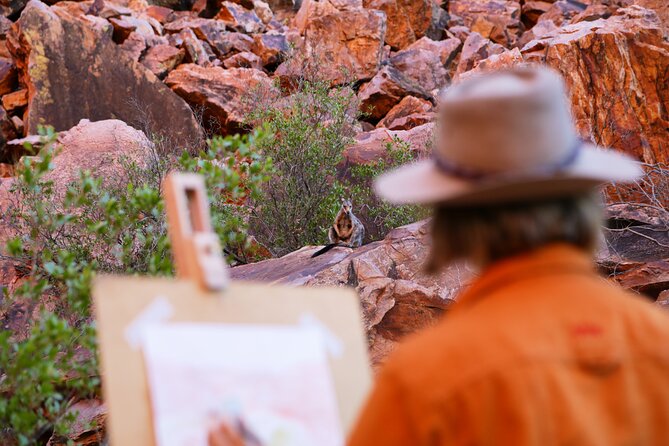
This is not just hiking and photos. You get time for cultural learning connected to the region.
After Uluru sunrise and lunch, there’s a visit to the Uluru-Kata Tjuta Cultural Centre (about 30 minutes). If you like buying art directly, this is one of the few built-in chances. Even if you don’t purchase, it helps you frame what you’re seeing in plain words.
Then comes Maruku Arts: an interpretive cultural walk with an Aboriginal and Torres Strait Islander guide (about 30 minutes). This part matters because it changes how you look at the rock and the rules of place. It’s also short enough that it doesn’t steal your hiking time.

Watarrka National Park Camping Night Inside the Park
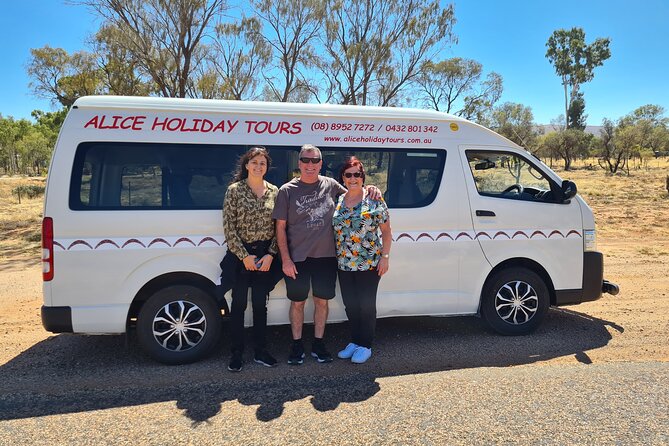
The second day moves you into Watarrka National Park for the night. The tour description calls the campsite exclusive to the group, and it’s a big reason this feels like more than day tours: you sleep in the outback zone instead of commuting back right after hikes.
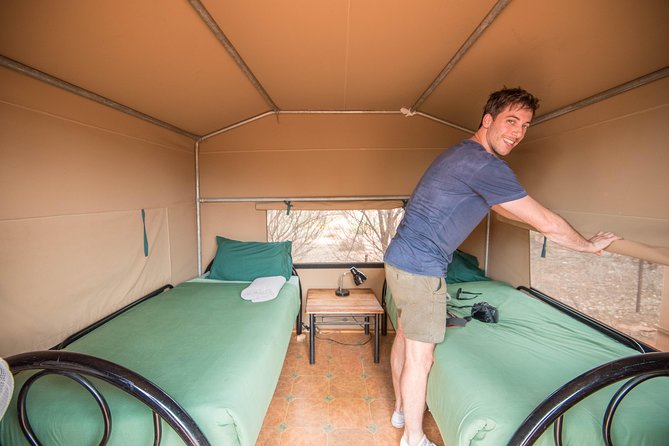
The practical reality: camping conditions can vary by night. Some departures are comfortable in tent cabins with basic comforts. Other feedback points to more limited facilities—like no electricity at one campsite, dim or solar lighting, and fewer conveniences for hot showers and toilet privacy.
So here’s what you should do before you go:
- Pack for flies and insects after dark.
- Expect cold-to-hot swings depending on season.
- Plan for basic camp routines (the sort that run on cooperation).
If you get a clear night, this is also prime sky time. People mention the milky way being spectacular in certain months. Bring a headlamp and take a minute outside before you crawl back in.
Kings Canyon Rim Walk: The Big 4-Hour Wow
Kings Canyon is where the effort turns into a huge reward.
This day’s main activity is the Kings Canyon hike (about 4 hours), focused on the gorge and rim views. It’s a step up in challenge for many people. The route is famous for sheer canyon walls and the way the path alternates between open views and shaded rock edges.
One review note worth your attention: some hikers reported long distances on these trails, including around 10km for Uluru base walking and about 10km up the rim at Kings Canyon. Even if your exact route length varies, treat the hikes as real hiking, not casual strolling.
The payoff is the canyon scenery and the stop at the Garden of Eden area. That contrast—barren outback to a surprising pocket of green—is part of why the rim walk gets recommended again and again.
Meals, Camp Work, and the Reality of Glamping
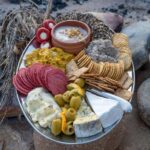
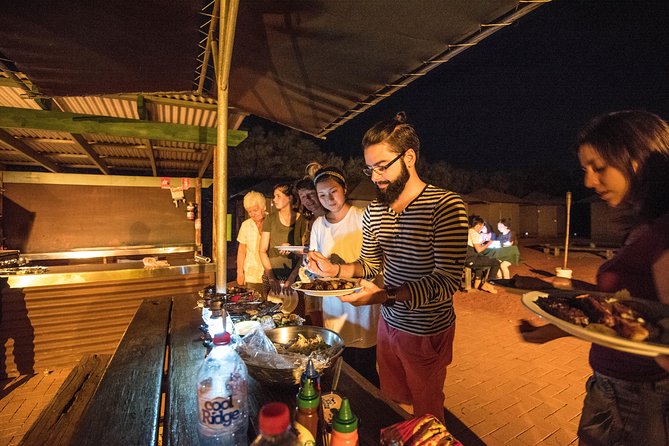
The tour includes meals, and the food is often described as fresh cooked and plentiful. That’s a big deal in the Red Centre, where it’s easy for meals to feel like an afterthought.
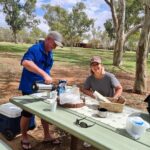
But you should know how camp meals work on this kind of tour. You’ll likely help with prep (cutting, slicing, cooking support) and clean-up. Multiple people mention pitching in as part of the group rhythm.
Accommodation is described as glamping-style, but the definition here is “better than bare swags” more than “luxury.” Some nights have tent cabins with beds and basic comfort. Others are more rough-and-ready, including reports of limited power, limited hot water, and outdoor-style toilet and shower setups with less privacy.
So, if you’re shopping this trip expecting hotel linens and guaranteed warm showers every night, you might feel let down. If you’re coming for stars, guides, and hikes, you’ll probably love the feel.
Price Value: When $713.66 Makes Sense (and When It Might Not)
$713.66 per person is not cheap. The value is in what’s bundled:
- Coach transport from Alice Springs
- Guided hikes across three major sites
- Sunrise and sunset Uluru visits
- Meals included
- Admission coverage for multiple parts of the program
- Camping inside Watarrka National Park
For many people, that bundle is exactly what makes it worth it. You’re paying for logistics you’d otherwise have to arrange yourself in a far-flung region.
Still, price value depends on expectations:
- If you want true comfort camping, basic facilities can sting.
- If you need very precise meal quantities or you’re sensitive to “camp-style” portions, be aware there are mixed comments.
- One negative note also mentions missing items in a specific departure (like cultural walk not taking place as described and a shortage of expected elements). That’s not the whole story, but it’s a reminder to confirm what you’ll get in writing.
My advice: before you board, read your confirmation closely and ask questions early. Bring your own snacks for emergencies and an appetite that can handle camp cooking.
Who This Camping Safari Suits Best
This tour fits people with moderate fitness who can handle early mornings and long walks in hot conditions.
It’s especially well-suited if you:
- Want the Red Centre highlights without planning the whole route yourself
- Like sunrise hikes and aren’t afraid of cold mornings turning warm fast
- Enjoy guided context, not just scenery
- Are okay with sleeping in the outback and participating in camp routines
It may be tougher if you’re older and heat-sensitive. One disappointment centered on extreme temperatures around 41–43°C and needing to quit early—not from lack of hiking ability, but from the heat load and exposure.
If you’re booking for comfort above all, you’ll likely want a more hotel-based option rather than camping.
Should You Book This Tour?
I’d book it if your top goal is a guided, tightly packed Red Centre hit: Uluru sunrise, Uluru sunset, Kata Tjuta domes, and Kings Canyon rim views, all with meals and coach logistics handled. The early starts are real, but they’re also why the magic moments happen.
I’d hesitate if you’re expecting high-end glamping comfort every night. This trip can be basic, especially around lighting, toilet/shower privacy, and power access at camp. If that’s a deal-breaker, look for a higher-comfort accommodation version.
FAQ
How long is the Uluru, Kata Tjuta and Kings Canyon camping safari?
It runs for 3 days (approx.).
What time does the tour start in Alice Springs?
The start time is 5:40am, meeting at Alice Springs Hotel at 11 Leichhardt Terrace.
What is the group size limit?
The tour has a maximum of 23 travelers.
Is pickup included?
Yes, pickup is offered, and the meeting point is near public transportation.
What should my fitness level be for this trip?
The tour asks for a moderate physical fitness level because it includes guided treks.
What hikes and major stops are included?
You’ll visit Uluru (sunrise walk and sunset visit), Kata Tjuta, and Watarrka National Park with the Kings Canyon hike.
Are admission tickets included?
Admission is listed as free for some stops (like Kata Tjuta and the Cultural Centre) and included for others (like Uluru activities, Maruku Arts, and Kings Canyon).
What kind of accommodation is provided?
It’s described as glamping-style camping, with accommodations that can include tent cabins and/or swags depending on what you’re allocated.
Do I need to bring a sleeping bag?
A review note says you need a bag if you are staying out in a swag, but you do not if you’re in a tent. Check your allocation and confirmation details before you go.
What is the cancellation refund window?
You can cancel up to 6 days in advance for a full refund; 2–6 days for a 50% refund; less than 2 days for no refund.
Is mobile ticketing used?
Yes, a mobile ticket is included. Confirmation is received within 48 hours of booking, subject to availability.