REVIEW · IRUKANDJI SHARK RAY ENCOUNTERS
Anna Bay: Irukandji Entry Pass with Reef Shark Encounter
Book on GetYourGuide →Operated by Irukandji Shark & Ray Encounters · Bookable on GetYourGuide
Sharks at arm’s length changes your whole mood. At Irukandji Shark & Ray Encounters in Anna Bay, you get a guided, face-to-face reef shark feeding experience in shallow lagoon water.
I like how it feels hands-on without being chaotic. The whole setup is built around safe, simple instructions, plus a snorkel mask so you can watch the sharks come in from above and below the surface.
What really sold me is the chance to feed 3-metre Tawny Nurse Sharks and get up close with cheeky Whitetip Reef Sharks. I also like that the staff talk you through the animals’ habits and needs while you’re there, so it’s not just spectacle.
One consideration: this is intense up close, and it’s not for kids under 12, so make sure everyone in your group is comfortable being in the lagoon and following safety directions.
In This Review
- Key highlights you’ll actually remember
- Why this Anna Bay shark encounter feels different
- Price and time: what $92 buys in 2 hours
- Getting ready at Irukandji: wetsuit, socks, and the sunscreen confusion
- The lagoon start: stepping in while rays and sharks circle
- The snorkel feeding: watching food get taken off the pole
- The 20-minute reef shark encounter with tawny nurse and whitetips
- How the guide keeps it safe (and makes it educational)
- What it’s like after: rinse, towel, and a sensible souvenir stop
- Who should book this (and who should skip it)
- Should you book the Anna Bay Reef Shark Encounter?
- FAQ
- How long is the Reef Shark Encounter?
- Who is this experience suitable for?
- What animals will you encounter and feed?
- What gear is included?
- Do I need to bring my own wetsuit?
- Is sunscreen allowed?
- Where do I need to be and when?
- How much does it cost and what is included in that price?
- Is there free cancellation and can I pay later?
Key highlights you’ll actually remember
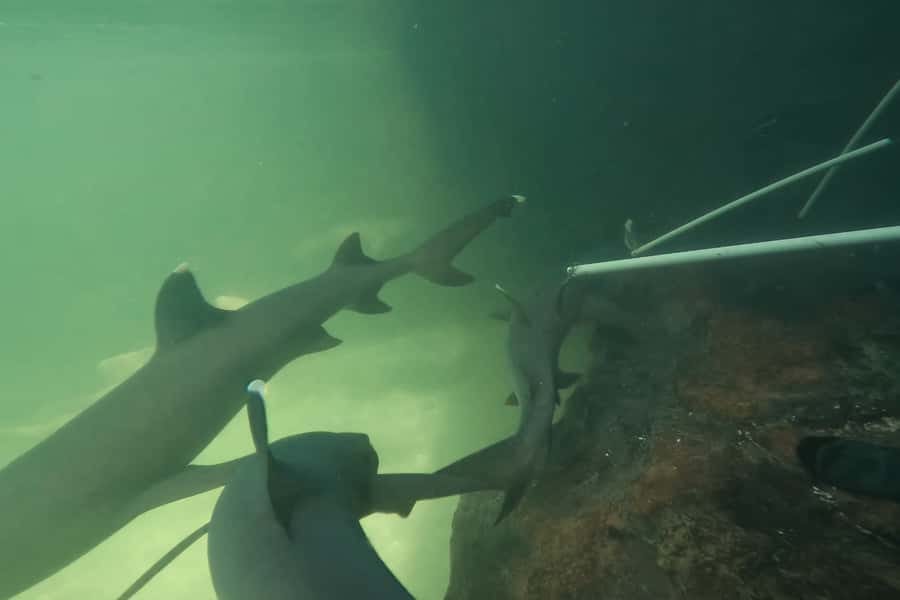
- Snorkel-view feeding: you can watch the sharks approach from the surface and grab food off a pole below
- 3-metre Tawny Nurse Sharks: the main event is feeding big reef sharks in a controlled lagoon setting
- Cheeky Whitetip Reef Sharks: they’re described as fun, interactive companions during the feeding
- A guide-led safety routine: you get wetsuit, socks, and step-by-step instructions before you enter
- About 20 minutes on the reef for feeding: a dedicated chunk of time focused on the reef sharks
- Shower rinse and towel down after: the post-water reset is part of the experience, not an afterthought
Why this Anna Bay shark encounter feels different
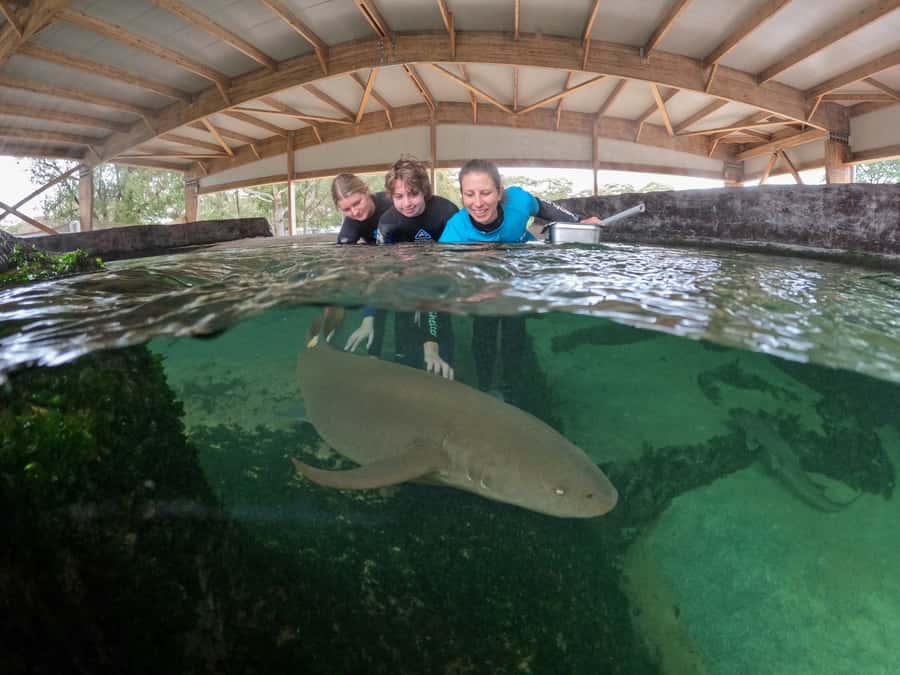
This isn’t a “look from the sidelines” tour. The Reef Shark Encounter is built around you standing at the edge of the reef in a tropical lagoon, then getting into the water with a guide close by. That small shift matters. When you’re actually in the same space as the animals, you stop thinking of sharks as scary shapes and start thinking of them as living creatures with routines.
The snorkel mask is also a big deal. You’re not stuck with one view. From above, you can see the sharks swimming up toward you. Underwater, you can see them come in to take food off the long feeding pole. It’s a rare combo that helps you connect what you see on the surface to what’s happening beneath.
And the way the staff frame it is part of why people walk away feeling different. The experience is educational, with the guide talking through different personalities, habits, and needs as the lagoon activity unfolds.
You can also read our reviews of more tours and experiences in Irukandji Shark Ray Encounters.
Price and time: what $92 buys in 2 hours
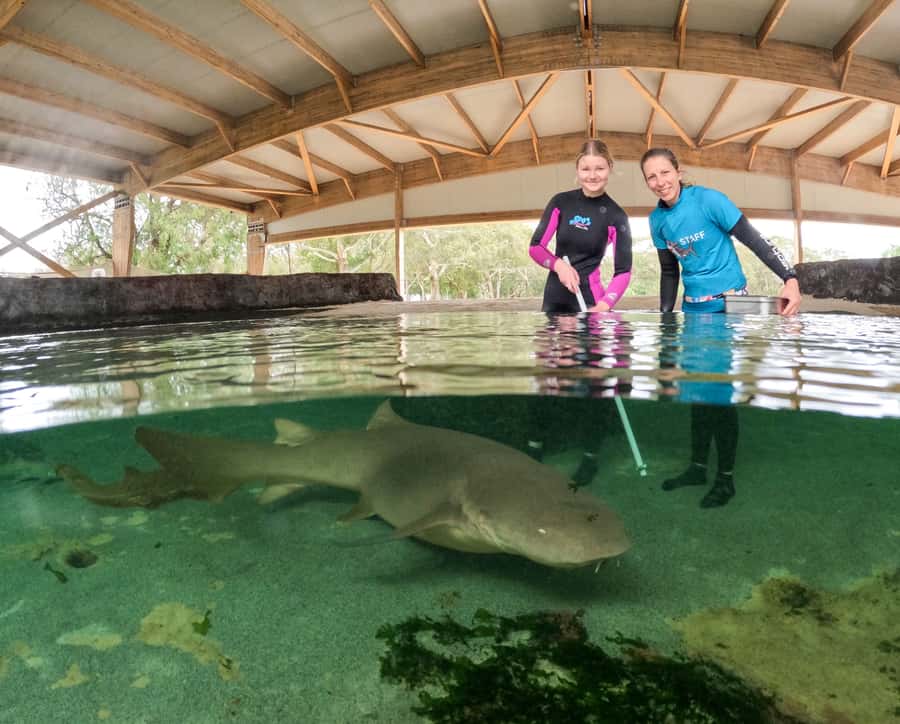
The price is $92 per person for a 2-hour slot. That might sound steep until you add up what’s included and what you’re actually doing.
You’re paying for more than entry. The ticket includes:
- a wetsuit and socks
- snorkel mask access for the interaction
- shark and ray food
- the feeding experience in the lagoon, plus a 20-minute private encounter specifically focused on the reef sharks
So, in value terms, you’re not bringing gear, you’re not buying food, and you’re getting guided time with animals that are otherwise hard to see so closely. The experience also targets a specific age group (12+), which usually means the staff can keep the interaction controlled and calm.
One more point: it’s listed as a private group. That’s a practical benefit. It generally helps the guide manage the experience more tightly and keep safety briefings clear.
Getting ready at Irukandji: wetsuit, socks, and the sunscreen confusion
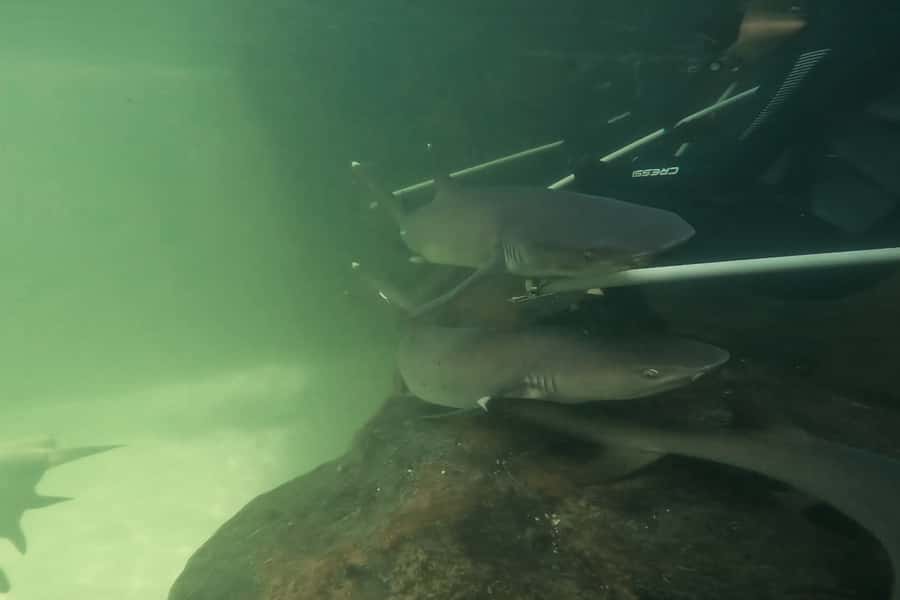
Before you even see a shark, you’ll get the practical stuff sorted. The staff greet you on arrival and guide you through safe interaction and how to enter the lagoon. Then they fit you with a wetsuit and socks. You’re also given snorkel gear so you can view the sharks from above and below the surface.
What to bring, based on the provided info:
- sun hat
- swimwear
- towel
- waterproof camera
- biodegradable sunscreen
Now for the tricky part: sunscreen is listed as not allowed, even though biodegradable sunscreen is listed under what to bring. The most sensible way to handle this is to follow the staff instructions exactly on arrival. If they say no sunscreen on the day, don’t argue. If they allow it outside the water area, apply before you enter and keep it away from the lagoon.
Also note: don’t bring your own wetsuit. The reason given is that a personal wetsuit could harbor marine life from the ocean. The on-site gear is part of the control plan.
The lagoon start: stepping in while rays and sharks circle
You’ll be asked to arrive about 20 minutes before your tawny nurse shark encounter to prepare. That waiting time matters because it gives you space to get fitted, listen to the safety guidance, and get comfortable before the animals arrive close.
When you enter the lagoon, you’ll find yourself surrounded by sharks and rays of different sizes and species. This is not a one-animal-at-a-time situation. You’re in their environment, so the guide helps you understand how to interact calmly while they move around you.
Here’s what I’d watch for if you want the smoothest experience:
- Keep your attention on the guide’s cues for when to move and when to stay still
- Use the snorkel mask when you’re ready, then switch between surface viewing and underwater viewing as you feel comfortable
- Assume the animals will come near when food is involved, and plan to stay composed rather than react with sudden movements
The guide hands out food for the sharks and rays while talking about different personalities and needs. You’ll see how some animals glide close for attention and some hang back. That range is part of the learning. You’re not just seeing “a shark.” You’re seeing how they behave.
One of the strongest themes from the experience is that the animals can feel surprisingly gentle in this setting. In the feedback provided, people consistently highlight friendly rays and the feeling of safety created by the staff. That’s exactly what you want before you go near the bigger reef sharks.
The snorkel feeding: watching food get taken off the pole
The Reef Shark Encounter uses a specialized feeding setup. You’ll take food off a long feeding pole, and the snorkel mask lets you see the action from both angles.
From above the surface, you’ll see sharks swimming up toward you. That’s the moment most people picture. But the underwater view is the real eye-opener. Seeing the movement from below makes it easier to understand how the sharks locate and take the food.
If you’re a nervous snorkeler, don’t force it all at once. Do the surface view first. Get used to the mask and your breathing rhythm. Then, when you’re ready, spend a little time watching underwater to connect the two views. The activity is structured for you to have that chance, not to rush you through it.
The 20-minute reef shark encounter with tawny nurse and whitetips
After the initial shallow-water interaction, it’s time for the reef shark portion. The guide takes you into the lagoon and out on the reef so you can comfortably feed in deeper waters. This is where the schedule shifts from general lagoon feeding to the main target animals.
For 20 minutes, you feed the reef sharks their favourite treats while they swim around you:
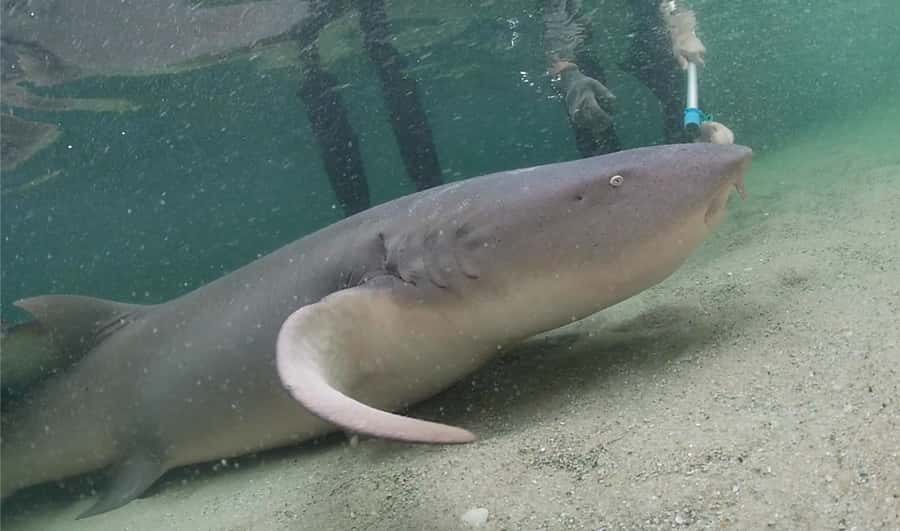
- Tawny Nurse Sharks (3 metres)
- Whitetip Reef Sharks (described as cheeky and interactive)
The “private encounter” wording matters here. You’re not just watching a distant feeding. You’re actively feeding during a dedicated chunk of time, with the guide managing the interaction so it stays controlled.
This is also the part of the experience that can be mentally intense, even if it’s physically safe. Big sharks close to your body can trigger nerves. The best strategy is to treat it like a guided lesson: follow instructions, focus on the feeding pole area, and keep your movements calm. In the feedback provided, people repeatedly praised the staff for making everything feel safe and for adding useful facts along the way.
The outcome is often emotional in a good way. You come away with a more grounded respect for these animals—more “stewardship” mindset than fear.
How the guide keeps it safe (and makes it educational)
The staff do more than hand out gear. They teach you how to interact safely with the animals before you enter the water, and they’re present during the feeding.
What you should expect in the real world:
- You’ll get an explanation of how to enter the lagoon
- You’ll be shown how to use the snorkel mask during the feeding
- You’ll get ongoing guidance while the guide distributes food
- You’ll hear talk about the animals’ personalities, habits, and needs
Those facts aren’t filler. They help you predict what you’re seeing. If you understand how the animals respond to food and attention, you’re less likely to panic. And if you hear that these are gentle, elusive creatures, it shifts your mindset from “danger” to “behavior.”
In the feedback provided, the strongest compliment was consistently about safety and staff knowledge-sharing. People also mentioned that the rays felt friendly and the sharks looked amazing up close. That’s the ideal combo: close-up awe plus clear guidance.
What it’s like after: rinse, towel, and a sensible souvenir stop
Once your encounter ends, you don’t just get dropped off. You can rinse off under a warm shower and towel down before changing. That’s a practical touch that makes a big difference after being in wetsuit gear.
Then you can head to the souvenir shop. The shop is described as offering:
- sustainable gifts
- cute fluffy toys
- snacks, cold drinks, and hot coffee
If you’re thinking about timing, plan for a full reset here. You’ll want to dry off, change, and then you can comfortably browse without rushing.
Who should book this (and who should skip it)
This experience is designed for people who want a hands-on animal encounter, not a distant viewing. It’s also a good fit for families—as long as everyone meets the age requirement.
Best fit:
- Adults and teens looking for a guided, close-up reef shark experience
- People who want snorkeling with a purpose
- Anyone who likes animal learning and wants to understand behavior, not just take photos
Not a fit:
- Children under 12 (not suitable, based on the provided info)
- Anyone who can’t handle being in the water wearing a wetsuit and following instructions
- People who aren’t comfortable with the idea of being surrounded by sharks and rays during feeding
Also, keep your expectations realistic. You’re interacting in a lagoon setting with guide control. That means the experience is about safe proximity and animal education, not an attempt to “touch everything.” If you go in thinking you’ll feel in command the whole time, you may feel anxious. If you go in expecting guidance and animal behavior cues, you’ll get a much better experience.
Should you book the Anna Bay Reef Shark Encounter?
If you’re in Anna Bay and you want the closest thing to a guided shark-feeding lesson, this is a strong choice. The value is in what’s included ($92 for entry, food, wetsuit gear, snorkel viewing, and a 20-minute reef feeding segment), plus the fact that the guide actively manages safety and teaches you while you’re there.
Book it if you want:
- big shark proximity in a controlled setting
- a snorkel + underwater viewing moment
- staff-led education and a calmer, respectful approach to ocean animals
Skip it if:
- you have a strict limit on being in the water with active animals nearby
- you’re traveling with kids who are under 12
- you’re hoping for a purely observational visit with no close interaction
FAQ
How long is the Reef Shark Encounter?
The experience lasts 2 hours, and it includes a 20-minute private encounter focused on the reef sharks.
Who is this experience suitable for?
It is not suitable for children under 12 years old. The Reef Shark Encounter is for guests aged 12+.
What animals will you encounter and feed?
You’ll feed tawny nurse sharks and whitetip reef sharks. The tawny nurse sharks are described as up to 3 metres, and you’ll also be around rays during the lagoon portion.
What gear is included?
You’re provided with a wetsuit and socks, and you’ll use a snorkel mask during the experience. Food and feeding sticks/poles for feeding are also provided.
Do I need to bring my own wetsuit?
No. You should not bring your own wetsuit, since the information provided says it could harbor marine life from the ocean.
Is sunscreen allowed?
Sunscreen is listed as not allowed. Biodegradable sunscreen is listed under what to bring, so follow the staff guidance on what is permitted for your day.
Where do I need to be and when?
You should arrive 20 minutes prior to your tawny nurse shark encounter to prepare.
How much does it cost and what is included in that price?
The price is $92 per person. It includes the entry fee, lagoon feeding and interactions, food for the sharks and rays, the 20-minute reef shark encounter, and wetsuit and socks.
Is there free cancellation and can I pay later?
Yes. Free cancellation is available up to 24 hours in advance for a full refund, and there is an option to reserve now and pay later.