REVIEW · IRUKANDJI SHARK RAY ENCOUNTERS
Anna Bay: Irukandji Entry Pass with Reef Shark Snorkel
Book on GetYourGuide →Operated by Irukandji Shark & Ray Encounters · Bookable on GetYourGuide
Sharks in the water, done safely. This Irukandji experience in Anna Bay lets you snorkel the Tropical Lagoon off the reef with big tawny nurse sharks and cheeky whitetip reef sharks. It’s the kind of outing that turns a scary idea into a hands-on animal encounter, with guides at your elbow and time built in for learning.
Two things I like a lot: you get a proper deep-lagoon snorkel (about 30 minutes) rather than a quick show-through, and you can do hand-feeding in the shallows while a guide talks through shark and ray behavior. One heads-up: the snorkel time is only 30 minutes, so the rest of the 3 hours is education, shallows interaction, and time on the pools.
In This Review
- Key Highlights at a Glance
- Anna Bay Shark Snorkel Value: What Makes This Ticket Worth $85
- The 3-Hour Flow: From Safety Brief to Deep Water Snorkel
- Deep Water Snorkel: Floating Beside 3-Metre Tawny Nurse Sharks
- Shallows Encounter and Hand-Feeding: Rays That Follow the Food
- On-Land Pools, Reach-In Moments, and the Conservation Layer
- Gear, Comfort, and How to Get Better Photos Underwater
- Who This Is Best For (and Who Should Skip)
- Practical Booking Advice: Timing, Group Size, and Expectations
- Should You Book the Anna Bay Irukandji Shark and Ray Entry Pass?
- FAQ
- FAQ
- How long is the Irukandji Anna Bay shark snorkel experience?
- What is the minimum age to enter?
- Do I need to be able to swim?
- What’s included with the ticket?
- What should I bring?
- What language is the tour guide?
Key Highlights at a Glance
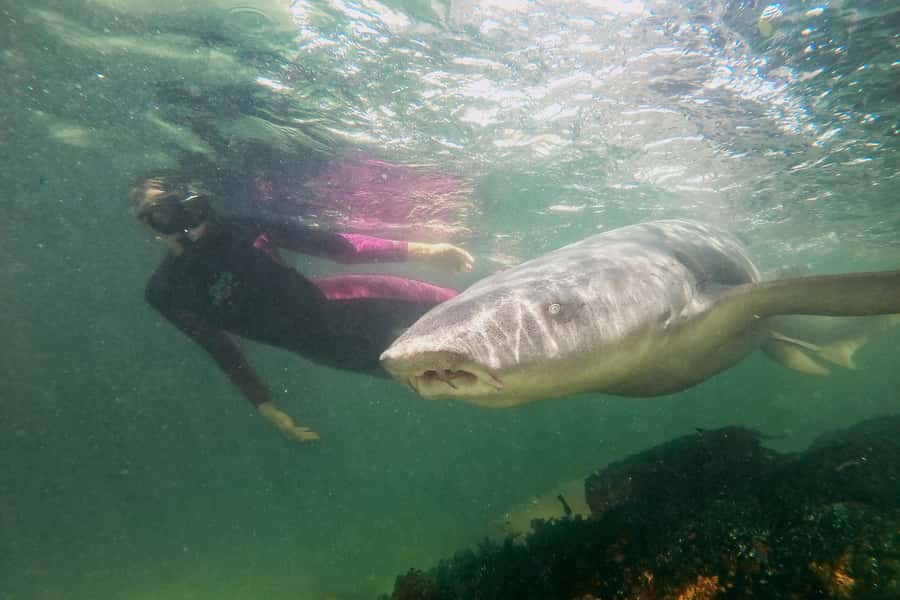
- 3-metre tawny nurse sharks in the deeper sections, with guided float-and-look-down time
- Whitetip reef sharks that feel close but stay part of a controlled program
- Hand-feeding in the shallows, with food provided and a guide explaining habits and needs
- Interactive pools on land where you can reach in and interact with fish in aquatic homes
- Hourly education talks focused on sharks, rays, and marine conservation, led by a live English guide
Anna Bay Shark Snorkel Value: What Makes This Ticket Worth $85
At $85 per person for a 3-hour outing, this isn’t a throwaway “see a fish tank” activity. You’re paying for something more specific: access to a controlled marine setting where you can get in the water with large sharks and then continue the experience on land with pools and talks.
What makes the value feel real is the structure. You’re not just dumped into water and told to swim around. The program includes safety guidance, snorkel gear hire, a wetsuit-and-socks setup for the shallows encounter, and time for education in between the most exciting moments.
Also, this is a small-group setup (limited to 10 people), which matters. In a shark encounter, crowd energy can raise tension fast. A smaller group helps keep the focus on your guide’s instructions and the animals’ routines.
If you’re price-sensitive, aim to get the most out of the full 3 hours. Plan to linger through the pools and the conservation talk, because that’s where the experience becomes more than a bucket-list photo.
You can also read our reviews of more tours and experiences in Irukandji Shark Ray Encounters.
The 3-Hour Flow: From Safety Brief to Deep Water Snorkel
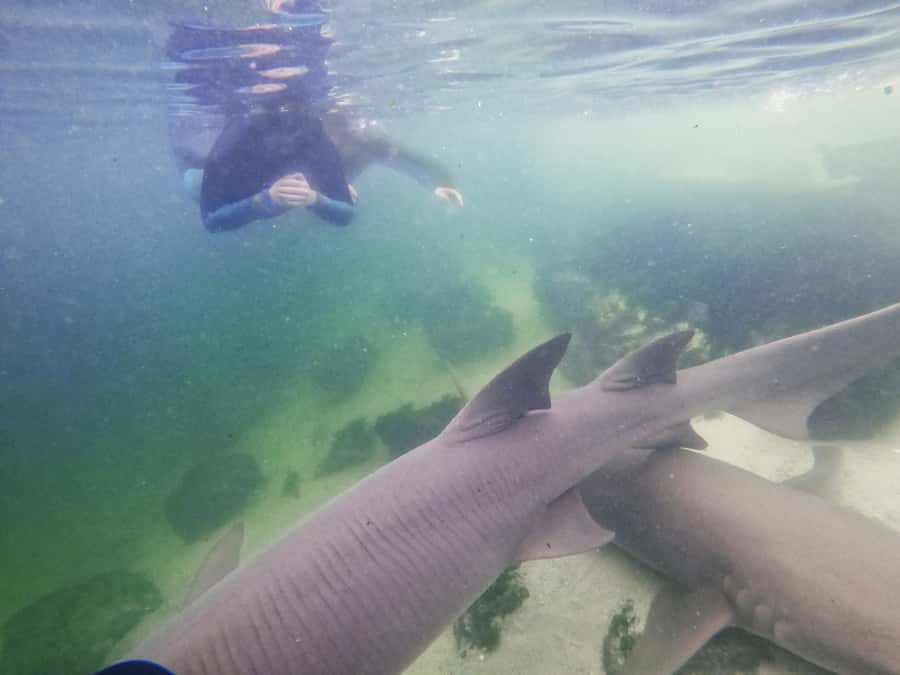
This outing is paced so you build confidence in stages. You start with important safety info from your live English guide, then move through the water activities and educational moments without feeling rushed.
Here’s how the time usually feels:
First, you gear up and get coached on what to do in the water—especially how to float and how to scan what’s below you. The guide doesn’t just want you swimming; they want you looking. That one change—focus over frantic motion—is often what makes the difference between a stressful experience and a memorable one.
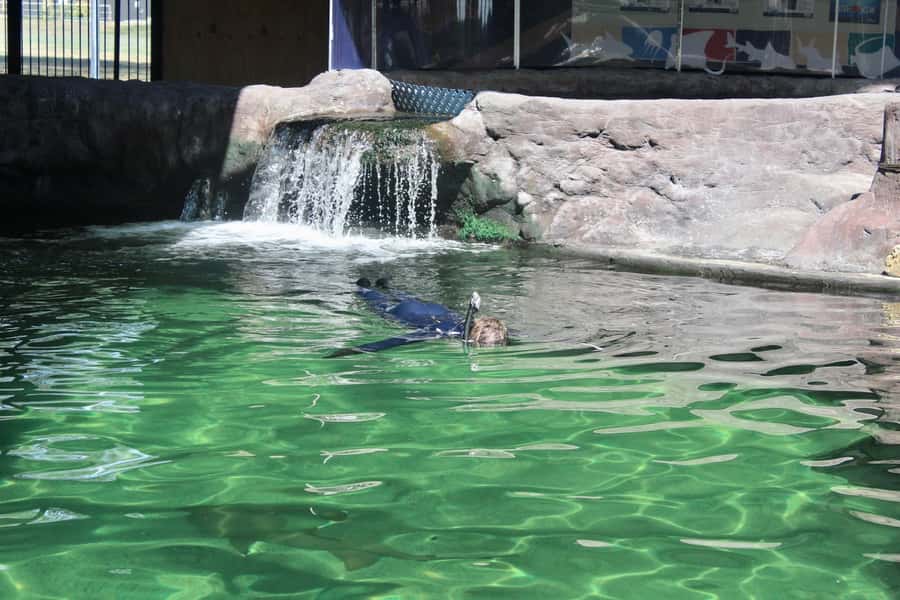
Next comes the star moment: a 30-minute snorkel in the deep lagoon. This is where you’re granted access off the reef into deeper areas of the Tropical Lagoon, with tawny nurse sharks (up to 3 metres) and whitetip reef sharks in the mix. You follow the guide’s movement around the lagoon, rather than wandering off on your own.
After the deep snorkel, you shift to an even closer-feeling part of the encounter in the shallows. This is also where you can participate in feeding and get surrounded by sharks and rays of different sizes and species.
Then, you move back on land for the extra learning and interaction: pools with fish, labels with information, and the chance to reach in and interact with animals in their aquatic homes.
That last part is easy to overlook when you’re excited about sharks. But it’s one of the best “hidden” perks—because it turns the whole day from a single thrill moment into a broader understanding of the animals in the system.
Deep Water Snorkel: Floating Beside 3-Metre Tawny Nurse Sharks
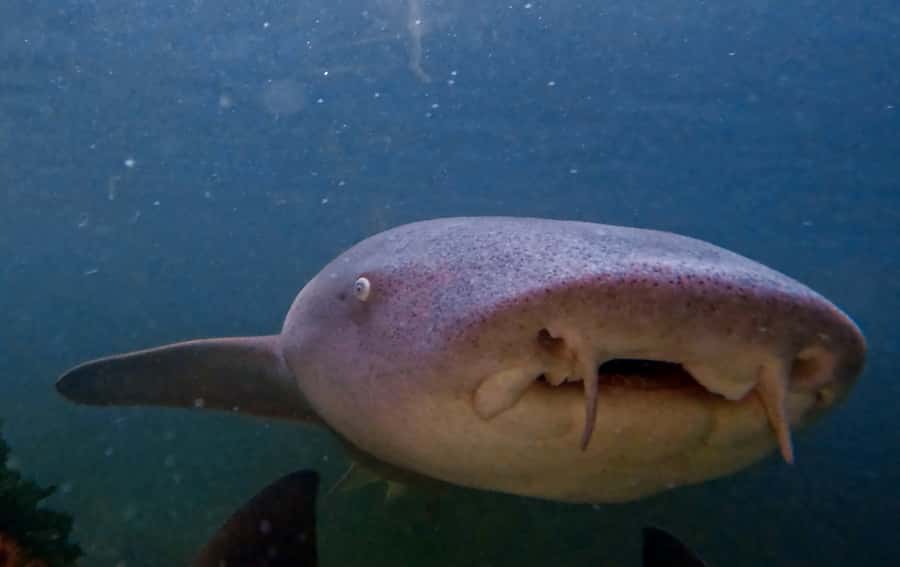
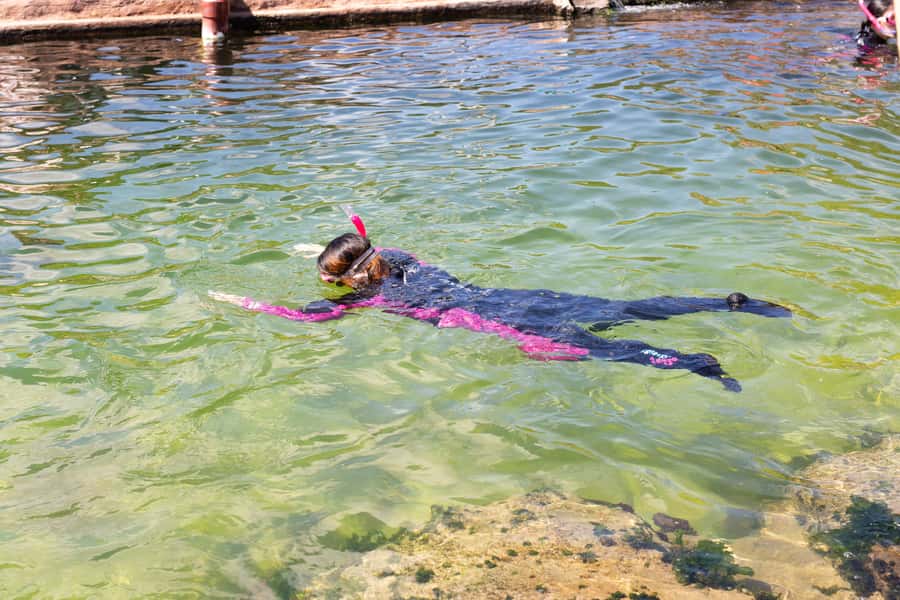
If you’re anxious about sharks, you’re not alone. The program is designed to take the fear edge off with coaching and positioning. Before you enter the deep water, the guide runs through safety and helps you understand how to float at the surface—so you can watch the underwater world calmly instead of fighting for control.
Once you’re in, you’re looking down into the lagoon as sharks glide beneath, around, and next to you. The impressive part here is not just size—it’s how they move. Tawny nurse sharks can look intimidating at first, but in this setup they feel steady and unhurried, like slow-moving giants using the water like their own highway.
You’ll also get chances for hands-on moments, like reaching out to pet the sharks if the guide cues it, and grabbing photos with your underwater camera. (Even if you don’t plan to bring one, you should expect photo opportunities—because the animals come close enough to make images actually worth keeping.)
Important practical note: all snorkelers must be able to swim. If you’re not confident, don’t bank on luck. This is a real swim activity, not a “hover and hope” option.
Shallows Encounter and Hand-Feeding: Rays That Follow the Food
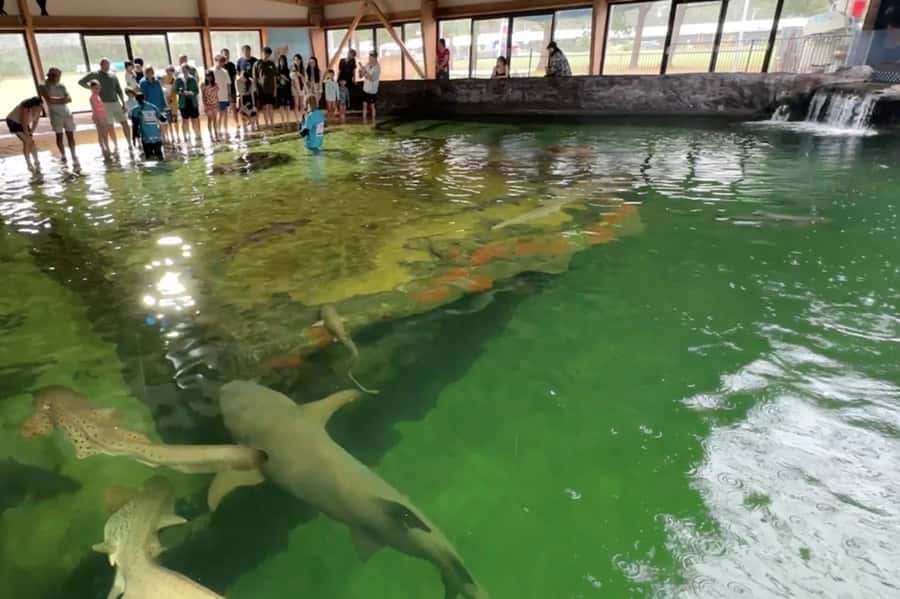
After the deep snorkel, the mood changes slightly. You shift to the shallows encounter, where you can find yourself surrounded by sharks and rays of different sizes and species. This is the part that most strongly feels like hands-on interaction.
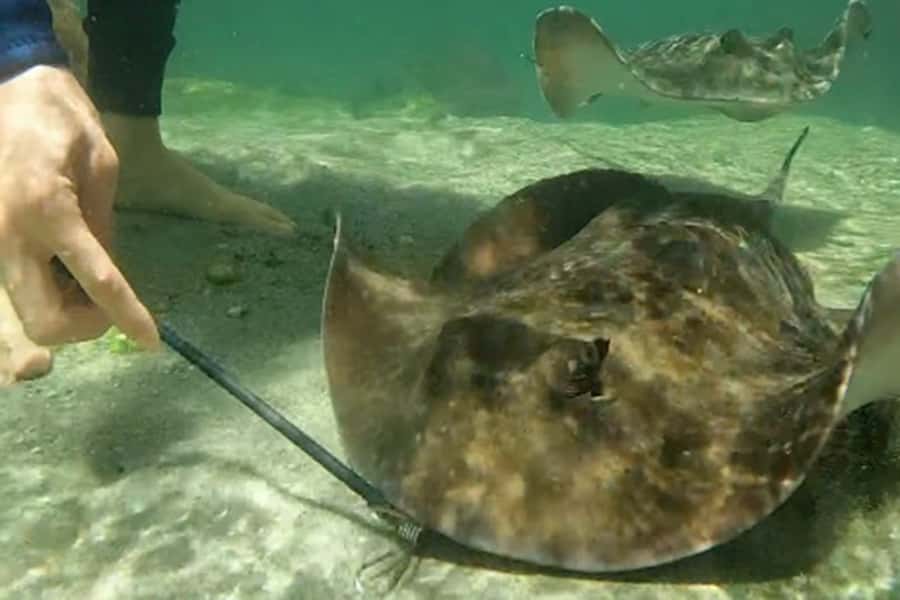
The guide hands out food and talks you through what each animal is like—its habits, needs, and personality. That’s not just trivia. It helps you interpret behavior as normal animal routine, not randomness. When you know what the guide is pointing out, the encounter becomes calmer because you understand what you’re seeing.
Hand-feeding can feel intense at first. The practical trick is to follow the guide’s pace and cues, keep your body steady, and avoid sudden movements. When you do that, feeding turns into a respectful interaction rather than a frantic “everyone reaching at once” moment.
The rays also steal attention here. Some people get tunnel vision on sharks, but the rays can be just as interactive. If you’re hoping for more than “spot a fin,” this is where you get it.
On-Land Pools, Reach-In Moments, and the Conservation Layer
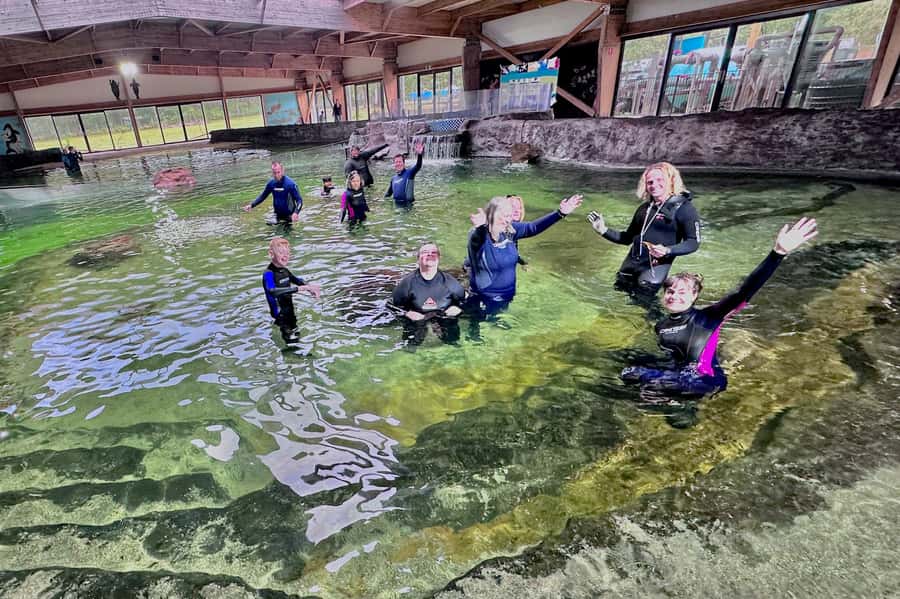
When you’re out of the water, you’re not done. One of my favorite parts is the on-land time in the pools that house different marine species.
You can explore each pool with specific food and information provided at each one. That matters because feeding isn’t just a crowd spectacle—it’s part of how the animals are cared for and how visitors learn to connect behavior to diet and environment.
You can also reach in and interact with animals as they swim around in their aquatic homes. This isn’t just cute. It’s a way to practice the core idea of the day: observe first, act with guidance, and treat these animals as living creatures with needs.
Then there are educational talks hosted by a guide each hour. These focus on sharks, rays, and marine conservation, and they’re meant to dispel myths. The goal is practical too—how you can help protect oceans and marine life beyond the tour experience.
If you’re the type who likes to understand what you’re looking at, you’ll appreciate this. If you only care about the action, it can still be worth your time because it explains why the program’s safe handling and feeding routines are designed the way they are.
Also, there’s a small touch worth noting from the experience vibe: one guide named Greg received special praise for making the whole thing feel even better. It’s a reminder that staff personality matters when you’re handling fear and wonder in the same hour.
Gear, Comfort, and How to Get Better Photos Underwater
You won’t need much to start. You bring swimwear, and the program provides what’s necessary for the encounter moments, including snorkel and mask hire for the deep snorkel.
For the shallows encounter, you’ll get wetsuit, socks, and food for the sharks and rays. That takes a big planning headache off your shoulders. You can show up, follow directions, and focus on the experience rather than DIY equipment.
Comfort tips that pay off:
- Wear swimwear you can move in comfortably. You’ll be floating and moving carefully.
- Bring your own towel if you tend to get cold easily, even though warm showers are available after.
- If you have an underwater camera, charge it fully and keep it ready. The guide-led routes are timed so you can get shots while sharks are close.
One more practical factor: water time can be thrilling and then suddenly long enough to feel chilly. The guided pace helps, but your comfort still matters. If you run cold, plan to towel down quickly after.
Who This Is Best For (and Who Should Skip)
This isn’t a casual “anyone can join” activity. It’s for people 12 years and older, and you must be able to swim.
That age limit makes sense given how much time is spent in the water and how close the animals get during interactions. If you’re traveling with kids, this can be an excellent family-friendly option—just keep the age requirement strict. Younger kids aren’t included.
Best fits:
- Adults and older teens who want a guided way to meet large sharks without doing it recklessly
- Confident swimmers who like structured experiences
- Families who want both education and hands-on animal time
Skip if:
- You’re a non-swimmer or not comfortable in the deep water portion
- You want a long snorkel session. The deep snorkel is about 30 minutes, and the rest of the time is built around shallows interaction, pools, and talks.
Practical Booking Advice: Timing, Group Size, and Expectations
This is a limited small-group experience, capped at 10 participants. That’s a big deal for maintaining calm water conditions and letting the guide keep an eye on everyone.
The total duration is about 3 hours, with the deep lagoon snorkel lasting around 30 minutes. So if your main goal is to snorkel for a long stretch, adjust your expectations. This is more like a guided sequence: safety coaching, one strong deep-water session, then shallows feeding and interactive learning.
If you like flexibility, you can choose reserve-now options and free cancellation up to 24 hours in advance for a full refund. That’s useful if weather or travel timing could affect your day.
Language is English with a live guide, so plan to listen closely during instructions.
Should You Book the Anna Bay Irukandji Shark and Ray Entry Pass?
I think you should book if you want a structured, animal-respectful shark encounter in a small group, and if you’re excited to combine snorkeling with feeding and education. The value at $85 comes from the full package: deep-water access, shallows interaction with food, snorkel gear hire, and extra learning through pools and hourly talks.
You might want to rethink it if you’re expecting a long, free-form snorkel session. You’re getting a guided experience with the most intense water time concentrated into about 30 minutes, then shifting to other interactions on land.
If you’re a capable swimmer and at least 12 years old, this is one of those rare activities that can turn fear into curiosity—in the best way.
FAQ
FAQ
How long is the Irukandji Anna Bay shark snorkel experience?
The experience runs for about 3 hours, including a 30-minute snorkel in the deep lagoon and additional time for shallows interaction, pool viewing, and educational talks.
What is the minimum age to enter?
This activity is available for guests 12 years and older. Children under 12 years are not suitable.
Do I need to be able to swim?
Yes. All snorkelers must be able to swim. Non-swimmers are not suitable for this experience.
What’s included with the ticket?
The entry includes the shark and ray encounters, a shallows encounter with wetsuit, socks, and food, an interactive educational tour, a 30-minute deep lagoon snorkel with snorkel and mask hire, and access to showers.
What should I bring?
You only need to bring swimwear.
What language is the tour guide?
The tour guide provides the experience in English and runs the activity as a live guided tour.