REVIEW · IRUKANDJI SHARK RAY ENCOUNTERS
Anna Bay: Irukandji Entry Pass with Shallows Encounter
Book on GetYourGuide →Operated by Irukandji Shark & Ray Encounters · Bookable on GetYourGuide
Sharks and rays swim inches away. At Irukandji Shark & Ray Encounters in Anna Bay, you don’t just watch marine life through glass—you wade along the edge of natural-style lagoons and interact in the water. I love that the experience is built around hands-on feeding and petting plus short, keeper-led learning moments. It’s also great value at $29 for a full 2 hours of up-close action.
The second thing I really like is the setup: you stay mostly dry on the Entry Pass, yet you still get real contact when rays glide over your feet and sharks circle nearby. One drawback to plan for: if it’s cool out, the shallow-wading approach can feel chilly, and some kids get less interaction time if you don’t choose the deeper wetsuit option.
In This Review
- Key Points Before You Go
- Irukandji in Anna Bay: What This Is Really Like
- Price and Value for the $29 Entry Pass
- How the 2-Hour Timing Works (and When to Arrive)
- Orientation and What You Wear: Your Biggest Comfort Lever
- Entry Pass options: stay shallow, stay mostly dry
- Upgrade mindset: if cold slows you down, wetsuits matter
- Important rules you should plan around
- Lagoon 1: Fingill Lagoon and the Ray-Focused Moments
- Lagoon 2: Tropical Lagoon with Sharks and Different Species
- The Big Shark Talk: When Larger Sharks Join the Shallows
- The Keeper Talks: Useful Learning, But Pace Matters
- After the Water: Shower, Towel, and the Gift Shop Loop
- Who Should Book the Entry Pass (and Who Might Prefer More)
- One more family rule to know
- Practical Tips to Get the Most from Your 2 Hours
- Should You Book the Anna Bay Irukandji Entry Pass?
- FAQ
- How long is the Irukandji Entry Pass experience?
- Can I swim in the lagoon?
- Do I need to be barefoot in the lagoon?
- Are there clothing and sunscreen rules?
- Do children need an adult in the water?
- Is warm shower access included?
Key Points Before You Go
- Two natural lagoons mean different species and different feeding moments, not one repeat loop
- Bare-foot lagoon access (no shoes) keeps it intimate, but you’ll want warm socks or smart footwear options nearby
- Feeding sticks and set food locations help you interact safely without guessing what to do
- Big Shark Talk brings larger sharks into the shallows for a focused, memorable moment
- Hot shower facilities make the “get wet” part much more pleasant afterward
- Kids need an adult in the water and there’s a minimum age rule for unaccompanied minors
Irukandji in Anna Bay: What This Is Really Like
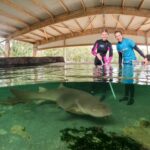
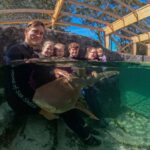
Irukandji Shark & Ray Encounters is in New South Wales, and the whole point is simple: you share the water. This isn’t a “look from afar” aquarium. Your time centers on two deep, natural-style lagoons where rays and sharks glide close as keepers guide you from pool to pool.
The Entry Pass is designed for shallow-water interaction. You’re allowed into the shallows in bare feet, and you’re guided around to different areas where feeding happens. That matters, because it turns a potentially chaotic animal encounter into a structured walk with safety rules and repeatable moments: food comes out, a keeper explains the species, and you interact as they move.
It also fits families well. Even when kids lose interest during longer explanations, the experience keeps pulling you back to contact—watch, feed, pet, move to the next pool.
You can also read our reviews of more tours and experiences in Irukandji Shark Ray Encounters.
Price and Value for the $29 Entry Pass
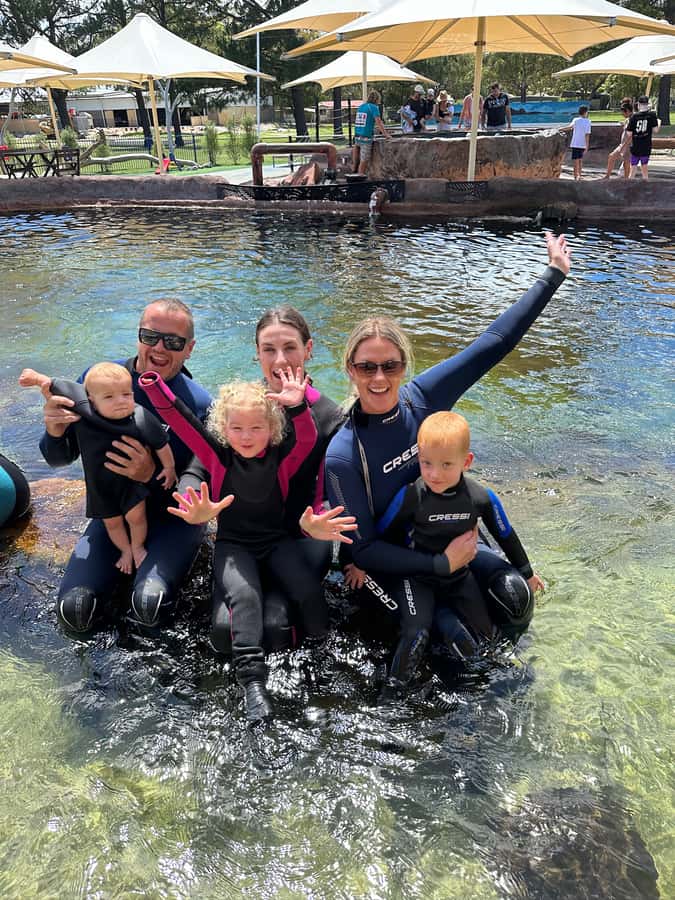
At $29 per person for 2 hours, the value comes from what’s included, not from the ticket price itself. You’re getting:
- Admission to Irukandji as a spectator
- Entry into the lagoon shallows
- Shark and ray food at feeding locations
- Petting/feeding interaction
- Informative animal talks
- Hot shower facilities after
That’s a lot for a single ticket because the “product” isn’t just entry—it’s time in the shallows with keepers. The food and the feeding tools are part of the experience, which means you’re not paying extra to get the main event.
One more thing: this is an area where you can spend the whole day at many aquariums with glass barriers. Here, your money buys frictionless contact—rays over your feet, sharks in the shallows, and guided learning. If that’s your idea of fun, the Entry Pass is a straightforward deal.
How the 2-Hour Timing Works (and When to Arrive)
Tours run all day from 9 AM to 5 PM, and the experience is built around a later arrival point. For the full setup, the guidance is to arrive by 3:30 PM. That suggests the experience flows as a guided session, with enough time for orientation, lagoon access, multiple feeding areas, and rinse-off afterward.
A realistic approach: treat it like a timed activity, not a “drop in whenever” visit. If you show up late, you may miss parts of the session flow that make the encounter feel complete.
Orientation and What You Wear: Your Biggest Comfort Lever
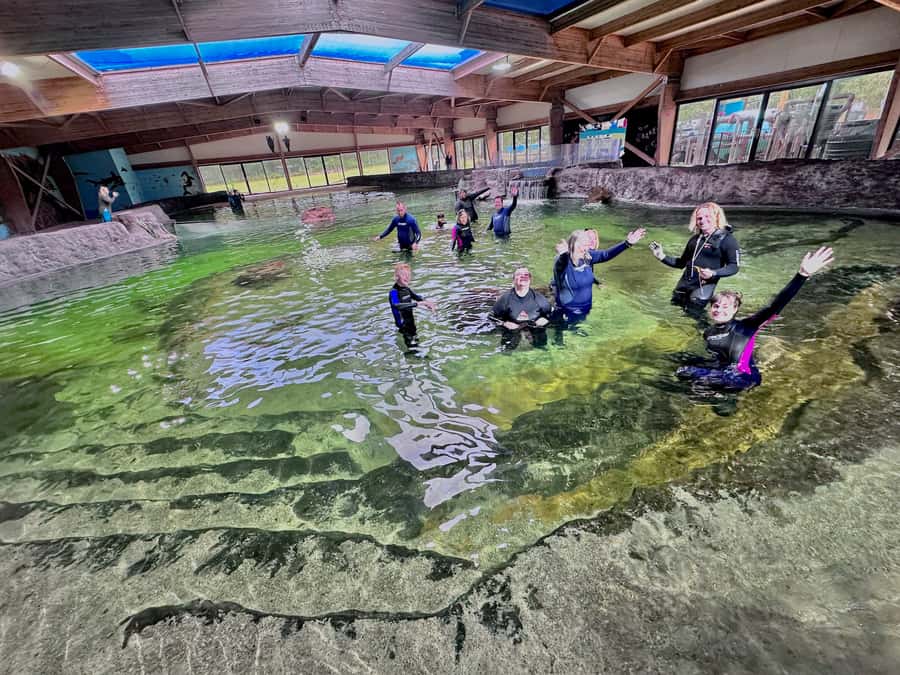
Before you hit the lagoons, staff guide you through how to interact safely and give you the equipment you need. Your biggest decision is what to wear.
Entry Pass options: stay shallow, stay mostly dry
With the Entry Pass, you can:
- Wear your own clothes on top of swimwear, then wade where needed
- Or use the option to cover your toes with provided gear, plus keep souvenir socks
- Walk in barefoot only inside the lagoon itself (no shoes in the water)
The promise is that you’ll stay mostly dry while your feet get wet. That’s true when weather is mild and you stick to the shallow edges keepers direct you toward.
Upgrade mindset: if cold slows you down, wetsuits matter
The experience offers a deeper-water option via a wetsuit upgrade. Why this matters: when the water is cool, people sometimes shorten their interaction time because they start feeling it in their legs and feet. That can reduce contact time—especially for kids who want action and move quickly.
If you tend to run cold, I’d plan for that before you arrive. The Entry Pass is great, but the wetsuit choice can turn a “we watched and touched a bit” session into a more comfortable, longer interaction with the animals.
Important rules you should plan around
- Clothes must be worn on top of swimwear
- Only reef-friendly sunscreen is permitted
- Swimming isn’t allowed; you wade only
- The lagoon can only be entered without shoes
- Keepers are always present with the animals during interaction
None of this is hard, but it does mean you should pack like you’re doing a water activity, not a casual zoo walk.
Lagoon 1: Fingill Lagoon and the Ray-Focused Moments
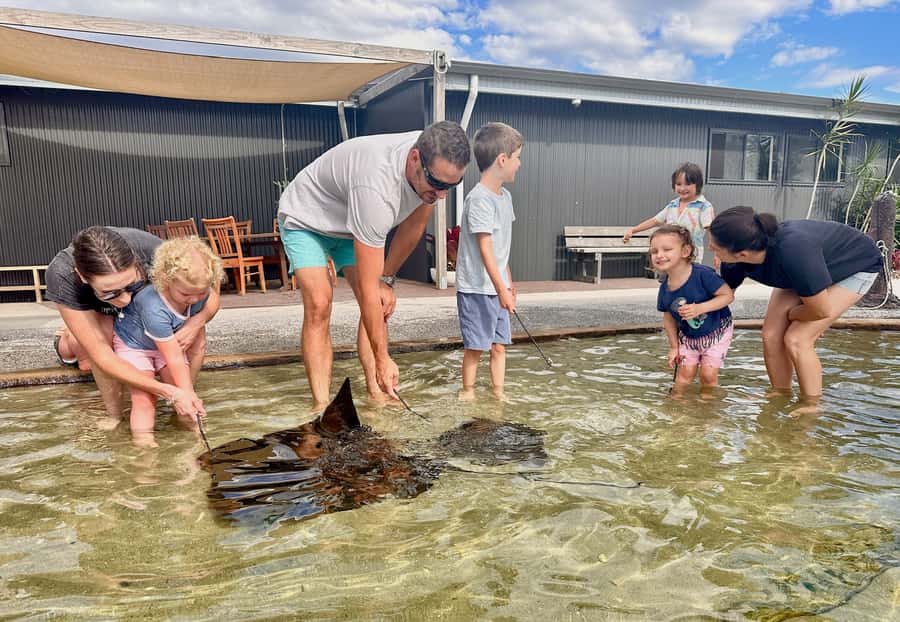
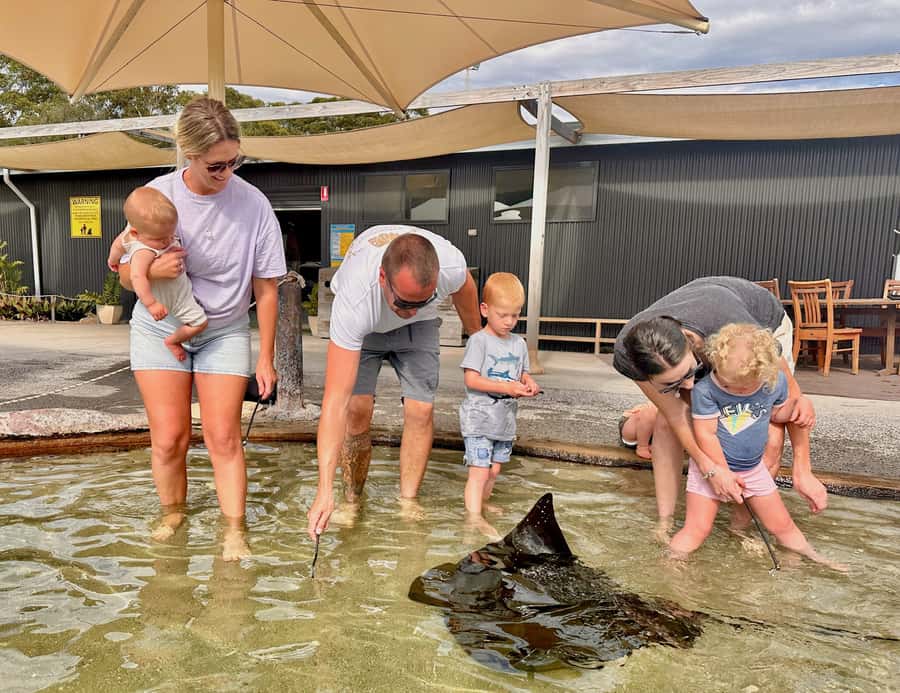
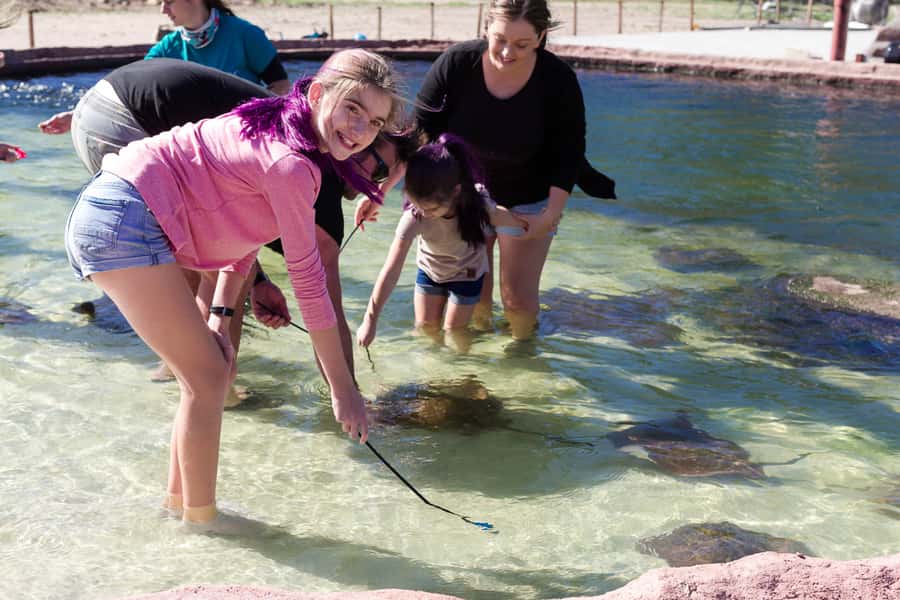
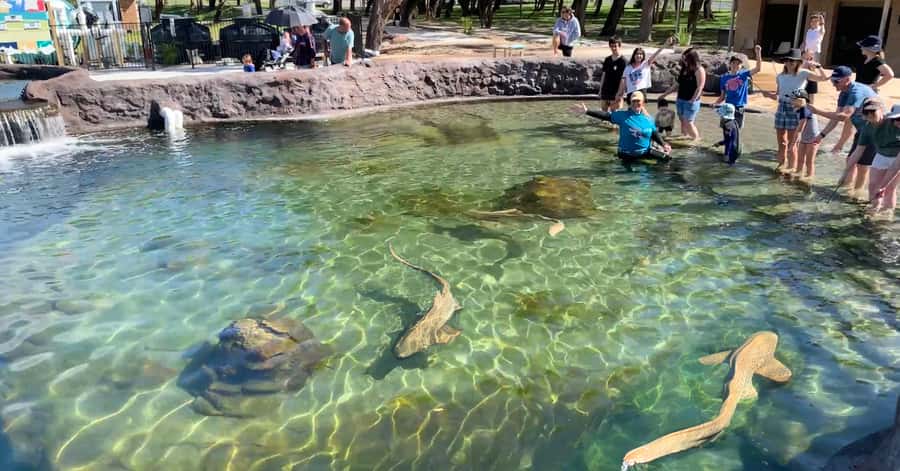
Your first lagoon stop is the Fingill lagoon, where the vibe is rays, rays, rays. This is where you’ll see friendly, curious rays glide over your feet and eagerly grab food offered on feeding sticks.
Here’s what makes this stop work:
- Keepers guide you around to the right pools, so you’re not just standing and hoping
- Feeding is staged at locations, so interaction has a rhythm
- You’re encouraged to reach down and pet, which makes texture and movement part of what you experience
If you’re picturing scary shark-fear stuff, the Fingill lagoon often lands differently. Rays tend to feel gentle and curious in the shallow water. You get to watch how they approach food, how they move around you, and how different their feel is compared to the idea you might have from videos.
Lagoon 2: Tropical Lagoon with Sharks and Different Species
Then you shift to the Tropical lagoon, which includes more rays plus multiple shark species. Species named for this lagoon include:
- Zebra sharks
- Brown-banded bamboo sharks
This is also where the experience starts layering in variety. Instead of only rays moving over your feet, you get a mix of shark types circling within reach during the guided feeding windows.
What I like about this sequence is that it prevents the session from feeling like one repeated scene. You’re not just in one pool watching the same behavior for two hours. You’re moving between areas with different animal “personalities” and different educational focus from keepers.
The Big Shark Talk: When Larger Sharks Join the Shallows
One of the standout moments built into the program is the Big Shark Talk. During it, keepers invite you into the shallows and bring up larger sharks, including:
- Tawny nurse sharks
- Whitetip reef sharks
This is where the encounter turns from hands-on ray play into something bigger and more dramatic. The key detail is that it still happens in the shallows—so you’re not standing behind glass to watch a moment happen. You’re there during the talk, close enough to notice how calm or focused the animals are in the water.
If you’re looking for a “main event” moment to tell friends about later, this is likely it.
The Keeper Talks: Useful Learning, But Pace Matters
You’ll hear educational talks about sharks and rays and marine conservation throughout the session. Each pool includes information tied to the species you’re interacting with, and keepers answer questions as part of the experience.
Here’s the practical advice: don’t rely on the talks being the only exciting part for kids. Some children prefer constant action over longer explanations. So if you’re traveling with a toddler or preschooler, think of the talks as background to the interactions—listen in short bursts, then refocus on feeding and touching.
Also, remember that longer sessions of instruction can slow down movement at the start, especially if you’re waiting for everyone in your group to get set up. The fastest way to keep momentum is to come prepared (swimwear on under clothes, sunscreen ready, and towel plan thought through).
After the Water: Shower, Towel, and the Gift Shop Loop
Once you’ve finished the lagoon shallows, you can rinse under a warm shower and towel down before heading in for a stop around the gift shop.
This matters more than it sounds. A lot of water-activity places leave you damp and uncomfortable afterward. Here, you’re given hot shower facilities as part of the ticket experience, so you can actually head off to your next plan without feeling gross.
The shop itself offers sustainable gifts, soft toys, snacks, and cold drinks. It’s a simple end-cap: you get warm, refuel, and browse.
Who Should Book the Entry Pass (and Who Might Prefer More)
This is a strong fit for:
- Families looking for hands-on learning rather than passive viewing
- Kids who love animals and don’t mind getting their feet wet
- People who want shark and ray interaction in a guided, rules-based setting
It may be less ideal if:
- You hate cold water sessions and will be unhappy in shallow wading (in that case, the deeper option with a wetsuit upgrade might be worth considering)
- Your group has members who feel anxious about being guided into water and offered a feeding stick
- You’re traveling with very young kids who need continuous adult support in the water
One more family rule to know
- Unaccompanied minors aren’t allowed.
- Children under 12 must have an adult in the water at all times.
So if you’re visiting with kids, plan staffing. This isn’t a “drop them at the edge and wait” experience.
Practical Tips to Get the Most from Your 2 Hours
A few smart moves can make the difference between a good session and a great one:
- Arrive ready to change. Clothes over swimwear is required, so don’t waste time once you get there.
- Plan for wet feet. Even on the Entry Pass, you’ll be in shallow water. Bring a towel you actually like.
- Use reef-friendly sunscreen only. If you forgot, you may have to make adjustments on-site.
- If you run cold, consider the wetsuit option. Cold limits how long you’ll want to stay in the water.
- Follow keepers closely. Feeding sticks and pool movement are part of how they keep the animals calm and the experience safe.
- Expect short, frequent animal moments. You’re moving between pools rather than waiting in one spot.
Should You Book the Anna Bay Irukandji Entry Pass?
If you want a family-friendly animal encounter that mixes petting, feeding, and keeper-led learning in the shallows, I think the Irukandji Entry Pass is an easy yes. The price-to-experience ratio is strong because the main event (water interaction) is built into the ticket, and the warm shower afterward makes it practical.
The main reason to hesitate is comfort and timing: it’s a water activity with specific rules (barefoot lagoon entry and wading only). If you know cold will ruin your mood, or if your kids want constant action and get restless during instruction, you’ll likely enjoy it more if you choose the option that keeps you in the water comfortably for the whole session.
FAQ
How long is the Irukandji Entry Pass experience?
The duration is 2 hours. Check availability for your starting time.
Can I swim in the lagoon?
No. Swimming isn’t permitted. Wading in the water is allowed.
Do I need to be barefoot in the lagoon?
Yes. The lagoon can only be entered without shoes, and you interact in bare feet (with an option to cover your toes with provided wear and souvenir socks).
Are there clothing and sunscreen rules?
You must wear clothes on top of swimwear. Only reef-friendly sunscreen is permitted.
Do children need an adult in the water?
Yes. Children under 12 must be accompanied by an adult in the water at all times. Unaccompanied minors are not allowed.
Is warm shower access included?
Yes. Hot shower facilities are included so you can rinse off after the lagoon shallows.