REVIEW · ULURU
Overnight Uluru Adventure
Book on Viator →Operated by Adventure Tours Australia · Bookable on Viator
Two sunsets in one night sounds unreal. This Uluru overnight puts you right on the sacred time track, with a sunset on Day 1 and a sunrise walk on Day 2. I also like that the camp is set up for real comfort, with beds and linen in a permanent tent, plus an Indigenous-guided experience that helps the scenery feel more meaningful than just photos.
What you’ll probably love most is the mix of rock-domes hiking and culture: Kata Tjuta’s domes in the afternoon, then Uluru’s base walk at first light. One possible drawback to plan for is camp comfort limits: you sleep in shared facilities, so you’ll want to go in expecting shared bathrooms and basic logistics, not hotel-style privacy.
In This Review
- Key things to know before you go
- Why staying overnight at Uluru feels different
- Day 1: Kata Tjuta afternoon hike and Uluru sunset snacks
- Kata Tjuta stop: 36 domes in one walk
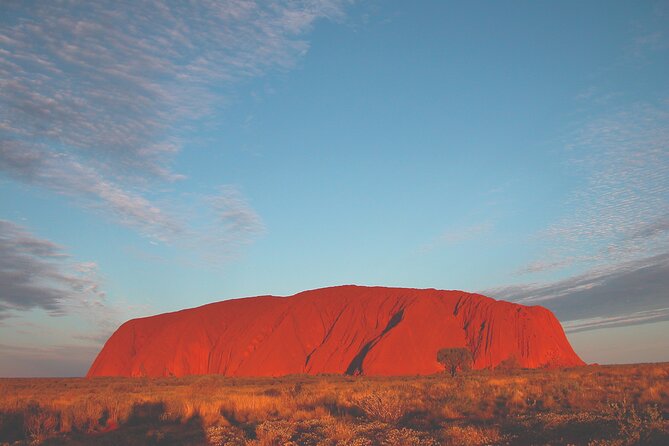
- Uluru sunset: snacks and color-changing rock
- Camp setup: permanent tents, beds, linen, and shared bathrooms
- Day 2: sunrise over Uluru and the base walk that matters
- Uluru sunrise: fresh air and big color
- What to do with that time: pace and comfort
- Uluru-Kata Tjuta Cultural Centre stop after lunch
- Indigenous-guided interpretation and native food
- Price and what $426.76 per person really buys
- Small group touring: why max 24 feels better
- Who should book this Uluru adventure (and who should think twice)
- Quick tips that will make this feel easier
- Should you book this overnight Uluru tour?
- FAQ
- How long is the Overnight Uluru Adventure?
- What time does the tour start, and where does it meet?
- Does the tour offer pickup?
- Is there a mobile ticket?
- Where do you sleep overnight?
- Are bathrooms private or shared?
- Does the tour include both sunrise and sunset at Uluru?
- What fitness level is required?
- How many people are in the group?
- What is the cancellation policy for a full refund?
Key things to know before you go
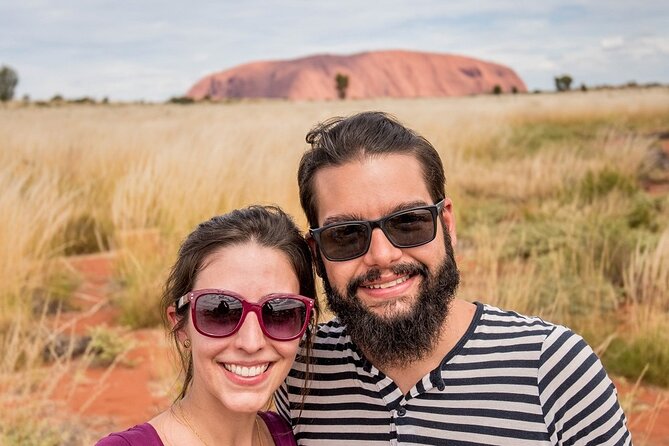
- Sunset snacks plus an early sunrise base walk gives you both of Uluru’s biggest moments
- Kata Tjuta hike in the afternoon lets you see the domes when the light softens
- Indigenous-led interpretation adds context as you walk, not just a lecture in a van
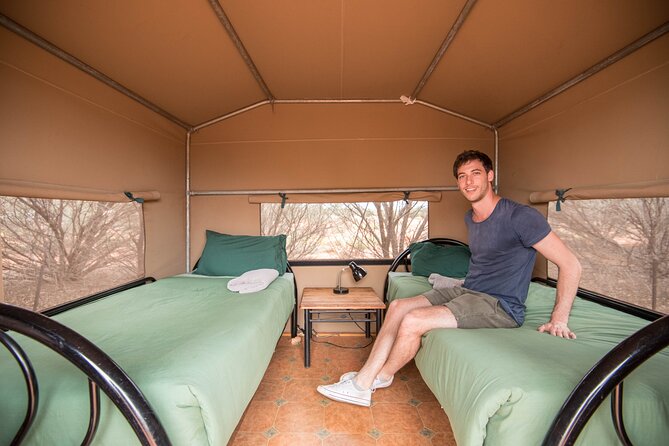
- Permanent-tent camping with beds and linen makes the overnight feel more doable
- Small group size (max 24) helps the day feel organized without being crowded
Why staying overnight at Uluru feels different
Uluru changes by the hour, and staying over is the whole point. Day trips are good, but they often skim the surface. On this schedule, you get time for both sunset and sunrise, when the rock shifts through warm oranges and deeper purples. That glow matters because Uluru isn’t just a view. It’s a living cultural landmark where the timing is part of the meaning.
I also like how the night sky becomes part of the experience. One of the standout moments people talk about is a clear view of the Milky Way and Southern Cross when conditions are right. Even if you’re not a star-nerd, that kind of darkness at the edge of the desert gives you a real sense of place.
Still, the overnight format is a trade. You’re camping, and you’ll wake up early. If you want your comfort first and your sunrise last, this might feel like more effort than reward. But if you can handle early mornings, you’ll likely feel like you got the best parts of Uluru, not just the highlights.
You can also read our reviews of more tours and experiences in Uluru.


Day 1: Kata Tjuta afternoon hike and Uluru sunset snacks
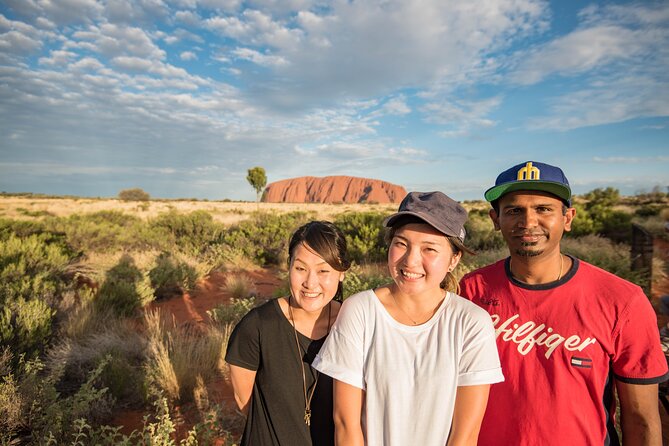
The tour starts at 1:00 pm at Ayers Rock Airport, Yulara NT 0872, and you’ll return to the same meeting point at the end. That afternoon timing is smart. You’re not wasting your first hours in a long, drawn-out wait. You start moving through Uluru-Kata Tjuta National Park right away.
Kata Tjuta stop: 36 domes in one walk
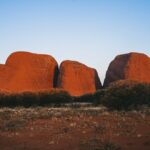
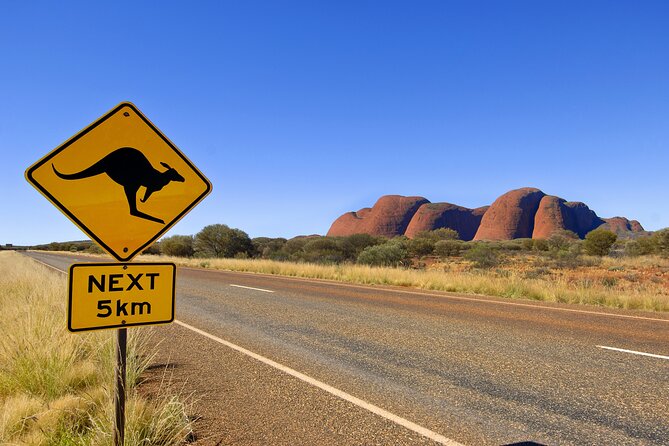
First up is Kata Tjuta, often described as 36 different domes. You’ll get around two hours here with an afternoon hike. The domes matter because they look different from Uluru. Uluru is a single, heavy icon. Kata Tjuta is a whole field of shapes, with valleys and changing shadows that can make the area feel bigger than you expect.
A practical note: this portion is great if you like walking that’s scenic but not overly technical. You don’t need to be an ultrarunner, but you do need to be ready to move. The tour calls for moderate physical fitness, so plan on steady effort rather than a stroll.
Uluru sunset: snacks and color-changing rock
Then the day pivots to Uluru itself. As evening starts, you’ll have tasty snacks while the sun sets over the rock, painting it in dramatic tones. This is one of the simplest moments on the itinerary, but it lands because the timing is exact. Sunset at Uluru doesn’t feel like a generic photo stop when you’ve been in the park for hours already.
Don’t overpack your expectations here. Sunset is beautiful, but it’s also short. The real value is that you’ll be set up to sleep close enough that you’ll see the next day too, without doing another night drive.
Camp setup: permanent tents, beds, linen, and shared bathrooms
Night is where this tour earns its name. You sleep in a permanent tent with beds and linen, which is a big deal in the outback. It means you’re not dealing with floor-level camping or sketchy comfort. At the same time, it’s not a private lodge, and the tour uses shared bathrooms.
So what should you expect emotionally? Think “comfortable camping,” not luxury. You’ll probably appreciate the setup more if you’re the kind of traveler who likes the rhythm of the bush: dinner, stargazing, quiet, then sleep. And yes, heat can be real in summer months. Even if you handle heat fine, the early schedule the next morning can still sneak up on you.
One more bonus: the night sky moment can be magical. When it’s clear, you can get that strong view of stars people mention, including the Southern Cross. If you’re the type who normally rushes through the dark outdoors, slow down here. Bring your eyes up and give it a few minutes.




Day 2: sunrise over Uluru and the base walk that matters
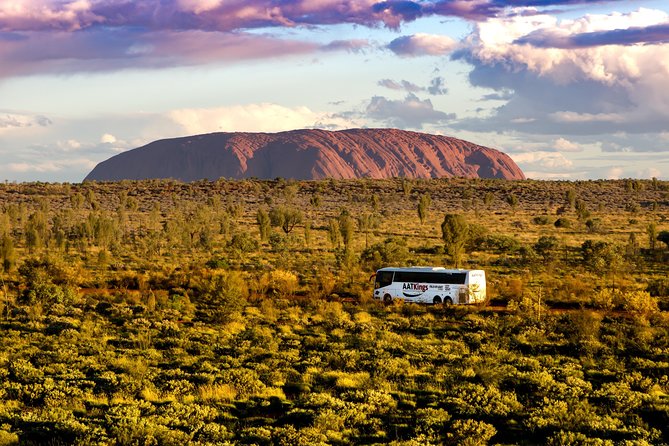
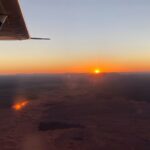
Day 2 starts with an early wake-up. In some seasons, people talk about getting moving around 3:30 am to catch sunrise, and that’s not for the faint-hearted. But here’s the deal: that early start is the difference between seeing Uluru at its most powerful and seeing it at its most ordinary.
Uluru sunrise: fresh air and big color
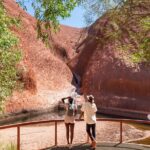
After sunrise, you’ll enjoy about four hours for a walk around Uluru’s base. This is the part that helps you see the rock as a whole, not just a landmark from one angle. At dawn, the light is gentler and the surfaces look different than they do during the day. The walk also gives you time to slow down, notice details, and take in the sacred significance of the site.
It’s also a good match for first-timers because you’re guided through one of the most meaningful ways to experience Uluru: on foot, close to the ground where the scale hits you.
What to do with that time: pace and comfort
Because you’re covering a full base circuit, you’ll want to set expectations for steady walking. The tour says moderate physical fitness is required, which usually means you shouldn’t plan on long stops without moving your body. Wear sturdy footwear and dress in layers. Morning can feel cool; later the day can warm up fast.
After the walk, the day shifts from hiking to culture and downtime.
Uluru-Kata Tjuta Cultural Centre stop after lunch
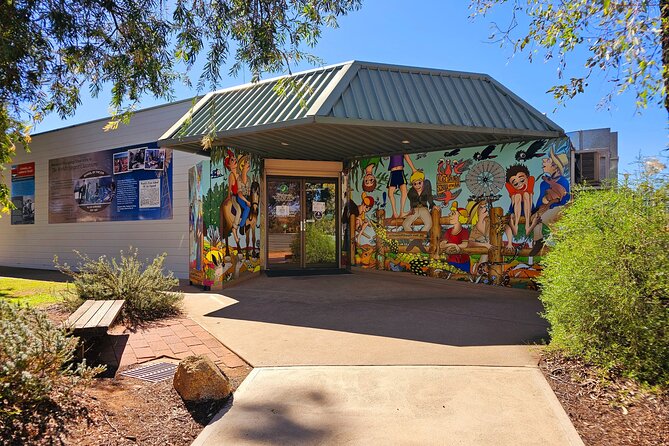
Once you’ve had lunch, you’ll visit the Uluru-Kata Tjuta Cultural Centre for about 30 minutes. This is short by design, so treat it like a quick reset and a chance to take something home that isn’t just a photo.
The big draw here is art. You can purchase art and craft from First Peoples of Australia. Even if you don’t plan to buy anything, it’s worth using the time to look closely. The best part of this stop is that it gives context to what you saw outside—so the sacred place isn’t just scenery.
Practical timing matters. You’ve already walked early and spent time outdoors. Keep your energy for the centre visit light and easy. Think browsing, learning a bit, and then getting ready for the ride back.
Indigenous-guided interpretation and native food
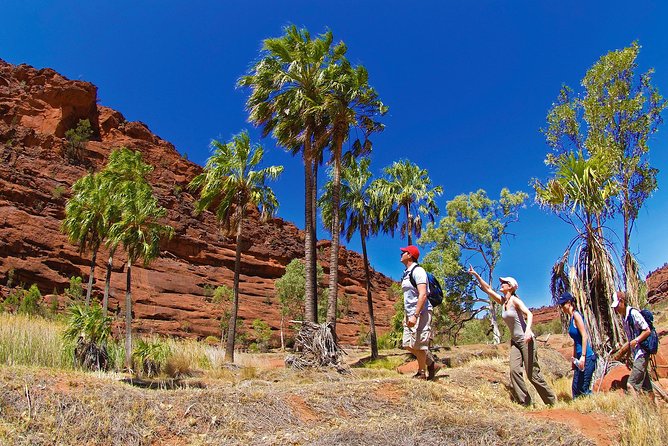
This tour isn’t only about the rocks. You’ll also spend time with an Indigenous guide during an interpretative walk, plus you’ll feast on native food.
That combination is valuable because it links walking with understanding. Without it, you might enjoy the views but still feel like you’re missing the why. With the guide, you get a frame for what you’re seeing and why certain details matter to the Traditional Owners.
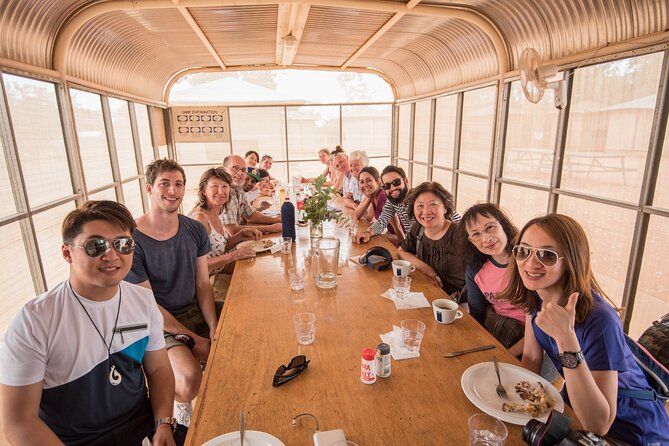
Food also has an outsized role here because it breaks the day into real moments: hike time, sunset time, then a meal that fits the setting. Snacks at sunset keep you comfortable while the colors shift. The native-food dinner gives you a taste of the region’s story through food, not just through landmarks.
One caution from the feedback you’ll hear: not everyone feels the food and drink experience matches the price. That doesn’t mean you’ll be disappointed, but it does mean you should set a realistic expectation: this is camping-based touring with included meals, not fine dining.
Price and what $426.76 per person really buys
At $426.76 per person for a 2-day adventure, this isn’t a budget add-on. The question is value: what’s included, and how much does the overnight format save you?
Here’s what you’re paying for, in plain terms:
- Both sunrise and sunset on Uluru (not just one)
- Two park experiences (Kata Tjuta hike plus Uluru base walking)
- Native food plus snacks
- Overnight camping in a permanent tent with beds and linen
- A guided component with an Indigenous guide
- A small group format with max 24 travelers
- Pickup is offered, and you use a mobile ticket
If you’re the kind of traveler with limited time in the region, the overnight saves you from sorting separate arrangements. Also, doing this with a small, organized group can be the difference between feeling rushed and actually soaking in the timing.
That said, it’s reasonable to compare it to what you could DIY. The downside is that Uluru timing is hard to nail alone, and the guided cultural layer isn’t as easy to replicate. When people feel let down, it’s usually about the overall care level and how the meal experience lands relative to the price.
I’d treat this as a premium-ticket experience for people who want the full timing package: sunrise, sunset, guided interpretation, and a real overnight setup.
Small group touring: why max 24 feels better
The tour has a maximum of 24 travelers. That matters because it keeps the schedule more manageable. You’re more likely to get attention from the guide and less likely to feel like you’re stuck in a crowd during the walking parts.
Group size also affects your comfort during the night. Shared bathrooms and camp routines are easier when the group is controlled. And the pickup timing helps too. People who arrive by air tend to like being collected promptly after arrival rather than waiting around Yulara.
Even so, remember that this is still a shared experience. If you need a very quiet, private style of travel, camping and group flow might feel distracting.
Who should book this Uluru adventure (and who should think twice)
This trip is a great fit if you want:
- Uluru at sunrise and sunset and you don’t want to compromise
- A mix of walking and cultural context, led by an Indigenous guide
- An overnight that’s more comfortable than basic bush camping, with beds and linen
- A guided itinerary if you only have a short window in the area
It’s not ideal if:
- You want maximum privacy or zero shared facilities
- You hate early mornings and can’t handle a very early start
- You’re very sensitive to food quality and service style, since feedback is mixed about the meal experience
One more fit factor: heat. The tour runs in a climate where summer can be intense. Even with a decent camp setup, you should expect conditions to affect how you feel. If you’re traveling in hot months, give yourself a little extra grace during the day and take hydration seriously.
Quick tips that will make this feel easier
You can’t control the desert, but you can control how you show up:
- Bring sturdy shoes for the base walk and the Kata Tjuta hike
- Dress in layers for morning freshness and later warming
- Plan for early wake-ups, and try to adjust sleep timing the night before
- Keep your expectations realistic about camping: comfortable tent sleep, shared bathrooms
- If stargazing matters to you, pack patience. Clear skies are the magic ingredient
Also, guides can make a big difference. People often highlight guides such as Madi, Ty, Tommy, and Troy for making the hikes feel organized and friendly, and for sharing information that helps Uluru and Kata Tjuta land in a bigger way than just sightseeing.
Should you book this overnight Uluru tour?
If your priority is seeing the big Uluru moments in the right order, I think this is a strong choice. The overnight setup plus sunrise and sunset timing is the real value, and the included camping comfort (beds and linen) makes it achievable for a wide range of fitness levels.
I’d book it if you also care about cultural interpretation and want native food as part of the experience, not just a token inclusion. The small group size helps too.
If you’re extremely picky about food service quality or you want a more private lodge-style stay, you may feel like this tour isn’t worth the premium. In that case, consider whether a different Uluru format fits your comfort level better.
FAQ
How long is the Overnight Uluru Adventure?
It runs for about 2 days.
What time does the tour start, and where does it meet?
It starts at 1:00 pm and begins at Ayers Rock Airport, Yulara NT 0872, Australia.
Does the tour offer pickup?
Yes, pickup is offered.
Is there a mobile ticket?
Yes, the experience includes a mobile ticket.
Where do you sleep overnight?
You’ll camp in a permanent tent with beds and linen.
Are bathrooms private or shared?
Bathrooms are shared.
Does the tour include both sunrise and sunset at Uluru?
Yes. You’ll see Uluru at sunset on Day 1 and enjoy an Uluru sunrise walk on Day 2.
What fitness level is required?
You should have a moderate physical fitness level.
How many people are in the group?
The tour has a maximum of 24 travelers.
What is the cancellation policy for a full refund?
You can cancel up to 6 days in advance for a full refund, as long as you cancel at least 6 full days before the experience’s start time.