REVIEW · BRUNSWICK HEADS
Brunswick Heads: Snorkelling in Byron Bay
Book on GetYourGuide →Operated by WILD BYRON · Bookable on GetYourGuide
Turtles and manta rays in arm’s reach. This 3-hour snorkel from Brunswick Heads takes you to Julian Rocks Marine Sanctuary, known locally as Nguthungulli, where warm tropical and cooler temperate waters meet for serious wildlife viewing. Add in the protected, shallow conditions that make this spot ideal for snorkeling, and you get a fast-moving nature experience without the drama.
What I like most is the marine naturalist guide on hand. They help you spot what’s actually swimming nearby, so the whole time feels guided, not just thrown into the water. I also really like that underwater photos and videos are taken and shared daily on social media, which means you can focus on staying relaxed and watching instead of wrestling a phone.
One thing to think about: you must be able to swim 100 meters unassisted. If you can’t, the crew may stop you from participating (and a refund won’t be offered), so this is a great choice only if you feel comfortable in open water.
In This Review
- Key highlights you’ll care about
- Julian Rocks Marine Sanctuary (Nguthungulli): why this snorkel works
- From Brunswick Heads to Apollo 2: getting on the water
- The snorkeling session: how the sanctuary experience feels
- Marine naturalist guide + small-group setup: the difference between seeing and understanding
- What you’re actually bringing (and what the tour handles)
- Price and value: what $91 buys you in the real world
- Who this snorkel suits best (and who should skip it)
- The rules that keep the day smooth (and protect the animals)
- Should you book the WILD BYRON Julian Rocks snorkeling from Brunswick Heads?
- FAQ
- Where is the meeting point for the snorkelling tour?
- How long is the tour, and how long will I snorkel?
- What marine life might I see at Julian Rocks?
- What’s included in the price?
- Do I need to bring a towel or drinking water?
- Can I touch marine life during the tour?
- What are the swimming requirements?
Key highlights you’ll care about
- Julian Rocks Marine Sanctuary (Nguthungulli): protected, shallow snorkel areas with lots of fish life
- Max 12 people: a smaller setup that helps you actually see what the guide points out
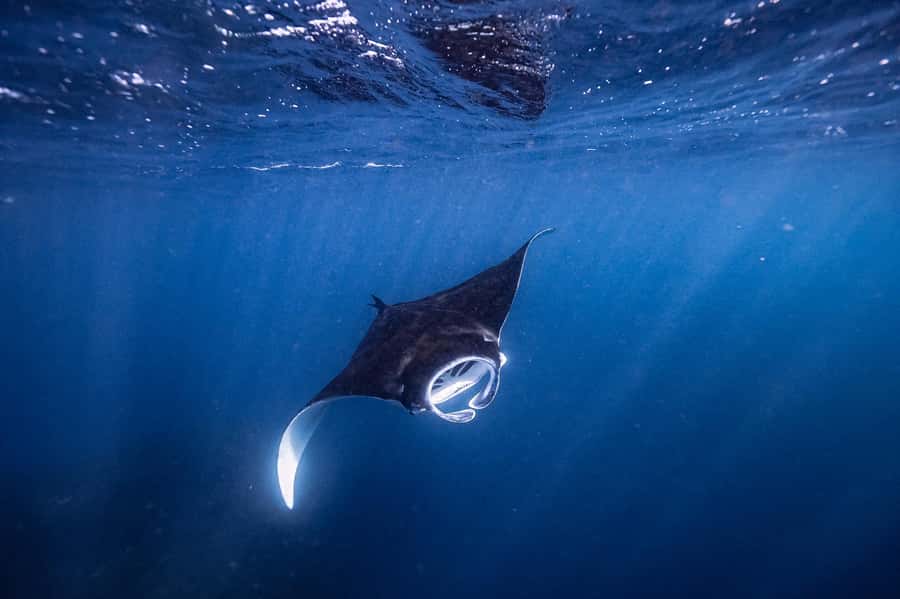
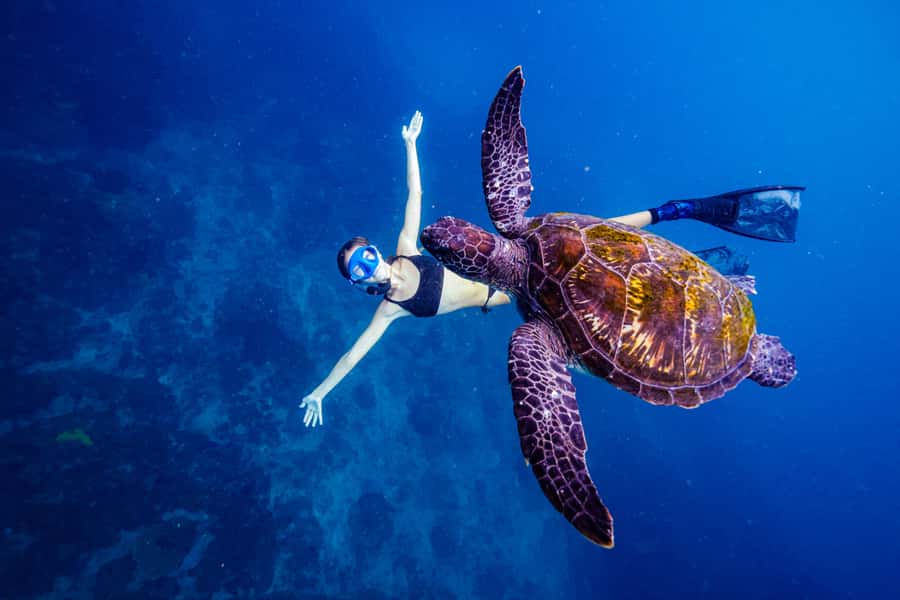
- Wildlife variety: turtles, manta rays, leopard sharks, plus dolphins and even whales when conditions line up
- Eco marine naturalist guidance: real-time spotting so you don’t just float and hope
- Apollo 2 boat ride: a comfortable cruise with a chance to spot marine life en route
- Daily underwater photos/videos shared online: easier memories, less gear stress
Julian Rocks Marine Sanctuary (Nguthungulli): why this snorkel works
If you’ve ever watched a wildlife documentary and wondered how it would feel to be there, Julian Rocks is the kind of place that turns that question into a practical plan. The sanctuary sits off the most easterly point of Australia, and it’s famous for how two water types mix: warm tropical water meets cooler temperate water. That overlap matters, because it draws more animals into the same area and keeps the food chain active.
Locally, the site is known as Nguthungulli, an Arakwal name you’ll hear as part of the context during the experience. That cultural layer isn’t just trivia. It’s a reminder that you’re snorkeling in an area that’s been understood and cared for as a living marine space, not just a tourist stop.
The other reason this snorkel is such good value is the shape of the water. You’re snorkeling in protected, shallow areas, the kind of setup that lets you enjoy the wildlife without needing advanced skills. It’s also described as a place that works for snorkeling and freediving, which usually means the underwater world stays accessible rather than deep and chaotic.
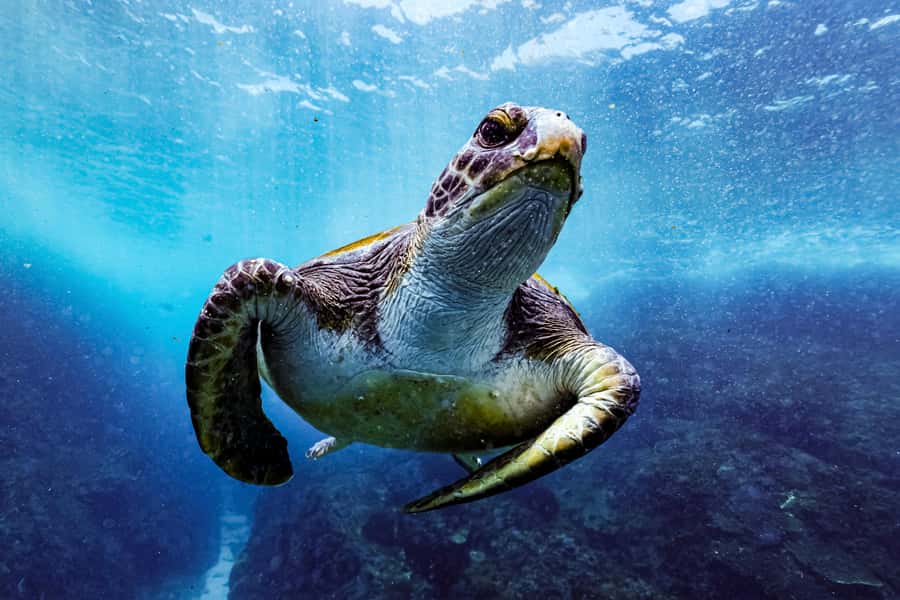
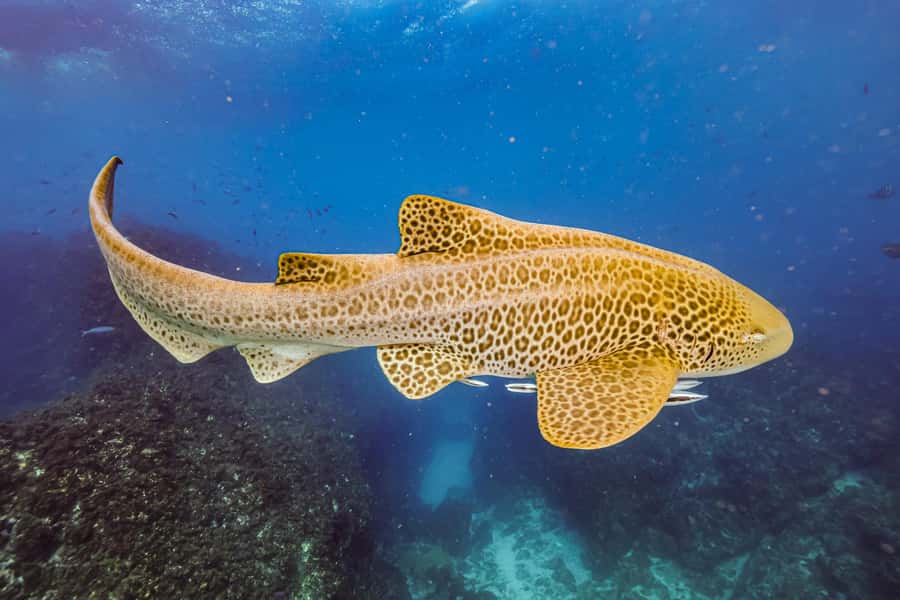
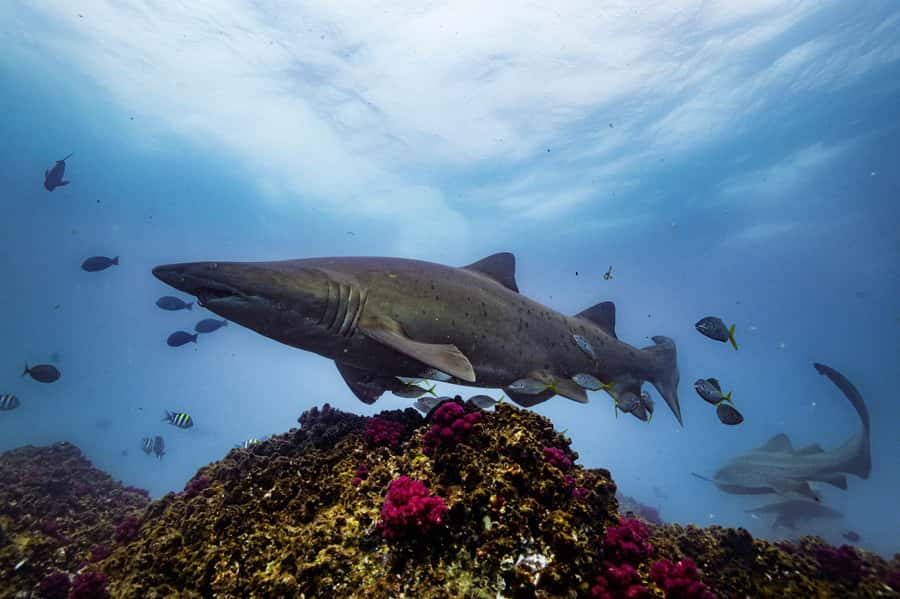
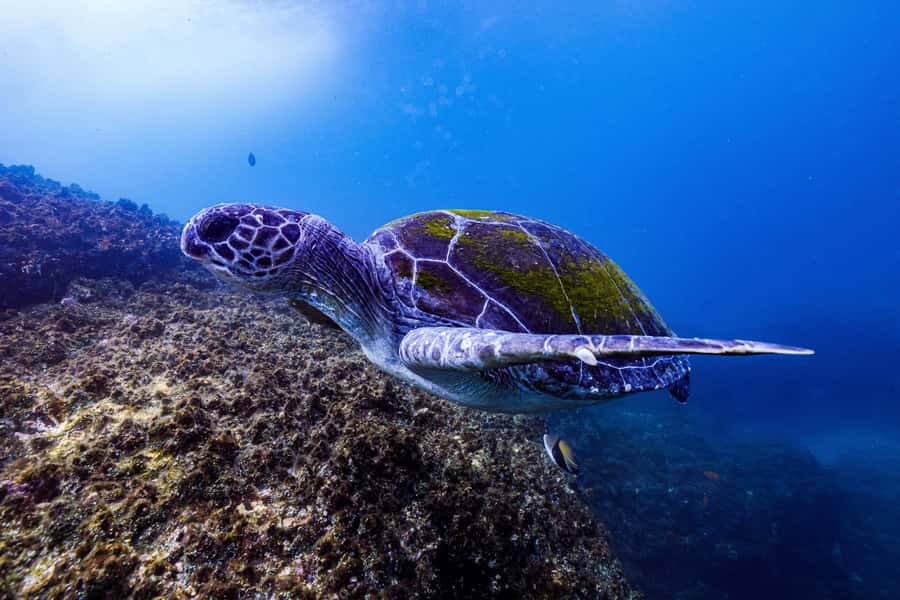
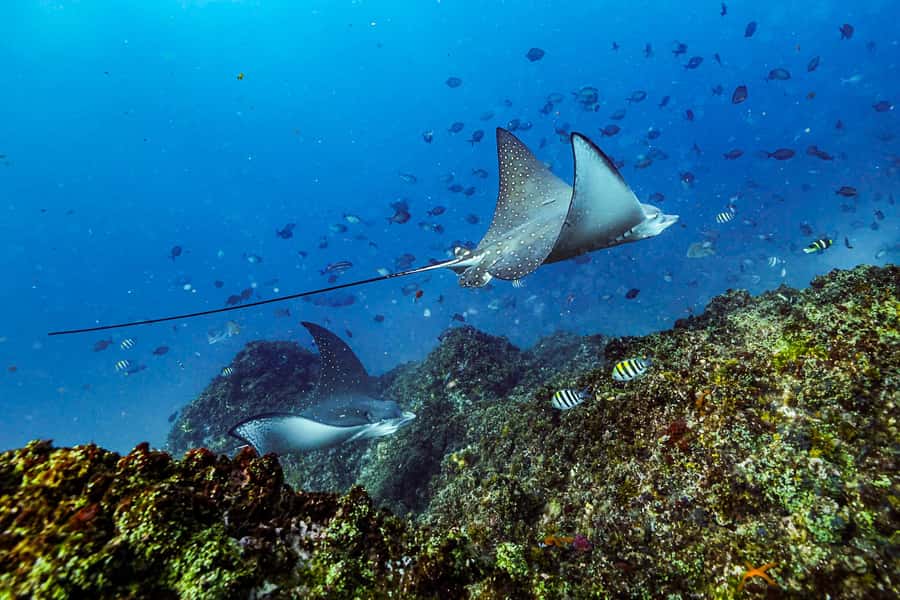
And yes, you’re hoping for the headline animals. This sanctuary is a meeting point for visitors like turtles, manta rays, leopard sharks, and often grey nurse sharks. Add dolphins and whales to the list of regular possibilities, and you start to see why people talk about Julian Rocks as a top reef wildlife site in Australia.
You can also read our reviews of more snorkeling tours in Brunswick Heads
From Brunswick Heads to Apollo 2: getting on the water
You start at the Wild Byron office in Brunswick Heads Boat Harbour. I like that it’s a straightforward coastal base—no long transfers, no mystery pickups. From there, you’ll head out aboard the purpose-built vessel Apollo 2.
The boat ride matters more than it sounds. Even if you’re focused on the snorkeling, the time on the water sets the mood. You’re in a comfortable setup, cruising out along the Byron coastline, and the plan includes a realistic chance to encounter local dolphins and other marine life on the way to the sanctuary. That’s a big deal for two reasons.
First, it helps you warm up to the experience. You get that sense of the marine environment before your first breath in the water. Second, it can turn cloudy or mediocre first moments into a better overall outing. When you’re already seeing movement on the surface, you tend to stay calmer when you gear up for the swim.
The snorkeling session: how the sanctuary experience feels
You’re out for about 3 hours total, with the snorkeling time roughly 2.5 hours. That’s a good length. Long enough to feel like you’re doing more than a quick peek, but not so long that you run out of focus or freeze your brain on what to watch.
Once you’re at the sanctuary, expect the emphasis to be on shallow, safe access and animal spotting. The area is described as having multiple spots to explore, which is exactly what you want in a snorkeling experience. You don’t want everything happening in one narrow patch where one animal passes and you miss it.
Here’s where the guide makes the difference. You’re not just learning about species. You’re being coached on how to look. For example, if you’re trying to spot sharks or manta rays, you need to watch the water column and movement patterns, not just stare at coral and fish icons. A marine naturalist guide helps you track what’s likely to appear and where, based on the environment and what you’ve already seen.
What you might see isn’t guaranteed, but the sanctuary is known for regular visits from:
- Turtles
- Manta rays
- Leopard sharks and grey nurse sharks
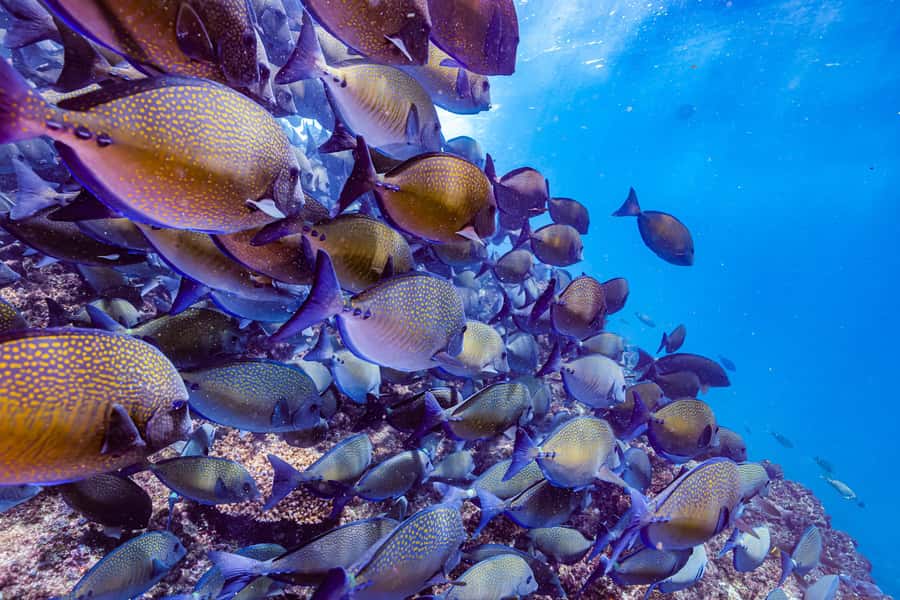
- Lots of fish life throughout the protected shallows
- Dolphins and sometimes whales in the broader region
This is also where the rules help your experience. You’re not allowed to touch marine life. That’s not just for ethics—it reduces chaos in the water. When people aren’t grabbing or poking, you get cleaner viewing conditions and fewer interruptions to animal behavior.
And if you’re the type who gets nervous in open water, you’ll probably appreciate the shallow, protected approach. You can keep your footing and breathing rhythm, and you’re guided toward where to go and what to watch.
Marine naturalist guide + small-group setup: the difference between seeing and understanding
This tour keeps group sizes to a maximum of 12 people. I’m a fan of smaller groups for wildlife snorkeling because your guide can manage flow and attention. It also means you’re less likely to end up in a clump where nobody can see around anyone else.
The real win is the eco marine naturalist guide. In plain terms, they help you turn “I saw something” into “I know what it was and why it was there.” That shows up in how they point out animals underwater and help you focus your eyes for the kind of movement you’re likely to find.
Some of the most positive comments about this experience highlight guides such as Glenn and Taylor for being friendly, attentive, and making people feel safe. That lines up with the way a good guide should work here: you want someone who can manage conditions, spot animals, and guide your snorkeling so you’re not spending half the time adjusting gear or chasing visibility.
Safety is also built into the expectations. You must swim 100 meters unassisted to join, and if at any point you’re judged unable to snorkel safely, crew members can ask you to remain on the vessel. That’s not a technicality. It’s a real boundary designed to keep the group safe in open marine conditions.
Another practical point: the experience isn’t suited to everyone because it has physical demands and water time. If you have medical conditions, you’re expected to discuss eligibility with staff before buying. People prone to seasickness should plan ahead because the tour won’t be cancelled due to seasickness.
What you’re actually bringing (and what the tour handles)
A lot of snorkel experiences either overwhelm you with gear requirements or under-deliver and make you bring too much. This one sits in the middle in a sensible way.
Included:
- Marine naturalist guide
- Reef-safe sunscreen
- Mask and snorkel
- Fins
- Photos/videos shared on social media
Not included:
- Swimmers and towel
- Drinking water
- Underwater camera
So my advice is to pack like this: swimwear underneath your clothes, bring a towel, and bring water. Also bring any personal items you like for sun protection beyond what’s provided, since you’ll be on the coast and on the water.
The reef-safe sunscreen being included is a quiet but valuable touch. You don’t have to guess what’s reef-safe, and you can avoid arriving without the one thing that could change how you enjoy the day.
And the photos/videos piece is genuinely useful. When you know someone is taking underwater shots, you can keep your attention on animals instead of constantly trying to film. You still get your memories, but you don’t have to burn your focus doing tech.
Price and value: what $91 buys you in the real world
At $91 per person for a roughly 3-hour outing, you’re paying for more than a boat ride and snorkel time. You’re paying for three things that raise the value level:
1) A protected, high-wildlife location
Julian Rocks is the star. The water conditions and marine concentration are the main reason this works so well.
2) Guide-led animal spotting
A marine naturalist guide changes the experience from passive to active. You’re more likely to see the right animals and understand what you’re watching.
3) Gear + reef-safe sunscreen + daily underwater media
Included mask/snorkel/fins removes friction. Included sunscreen saves one more purchase. And the daily photo/video sharing helps you remember the trip without hauling an underwater camera.
The biggest “hidden value” here is attention. Small group size and guide focus tend to make the time feel richer, even if you’re not in the water for hours and hours. For most people, a 2.5-hour snorkeling window is the sweet spot: enough time to find animals, without turning it into fatigue.
Who this snorkel suits best (and who should skip it)
This tour fits best if you:
- Can swim 100 meters unassisted
- Enjoy wildlife encounters and want a guided spotting experience
- Want a smaller group format (max 12 people)
- Feel comfortable being in the water for a substantial chunk of the day (about 2.5 hours snorkeling)
It’s not suitable for:
- Children under 5
- Pregnant women
- People with back problems, heart problems, respiratory issues, high blood pressure
- People with recent surgeries
- People with low level of fitness
- People over 70
- People with pre-existing medical conditions unless eligibility is discussed with staff
- Non-swimmers
If you’re a confident swimmer but new to snorkeling, you’ll probably still do well because the guide and shallow conditions are designed for access. But if you’re uncertain about your stamina, you should test that 100-meter requirement honestly before booking.
Also consider seasickness. The tour won’t be cancelled for it, so if you know you get sick on boats, plan medical precautions ahead of time.
The rules that keep the day smooth (and protect the animals)
A good wildlife day has good boundaries. This snorkel has clear ones:
- No touching marine life
- No smoking or vaping
- No alcohol or drugs
- Follow crew instructions at all times
These rules help on both sides of the experience. The animals stay undisturbed, and you stay focused. Less chaos in the water usually means better visibility and better animal behavior.
You’ll also want to follow the practical “know your limits” mindset. With open water conditions, your breathing, comfort, and awareness matter. If you start feeling off, speak up. The tour is set up so the crew can support safe decision-making.
Should you book the WILD BYRON Julian Rocks snorkeling from Brunswick Heads?
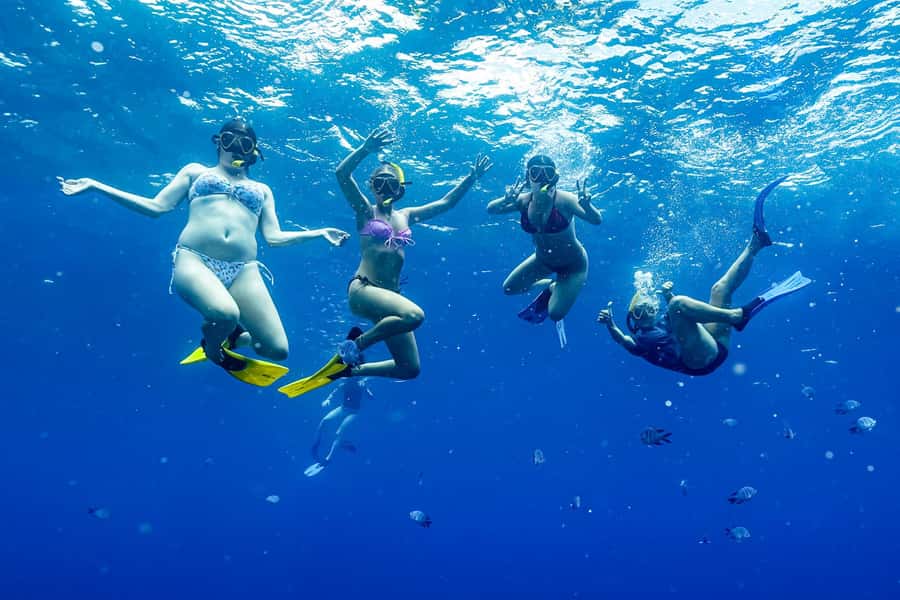
If you want one of Australia’s top reef wildlife snorkel experiences without a complicated plan, I think this is a smart booking. The combination of Julian Rocks Marine Sanctuary, a marine naturalist guide, small group size, and included gear makes it feel well thought out. The daily underwater photos/videos are also a big plus if you like memories but don’t want to spend the whole time trying to film.
I would only pass if the 100-meter swim requirement is a stretch for you, or if any of the listed medical/fitness limits apply. In those cases, you’d be better off choosing a different kind of coastal experience that matches your comfort level.
FAQ
Where is the meeting point for the snorkelling tour?
The Wild Byron office is located in Brunswick Heads Boat Harbour.
How long is the tour, and how long will I snorkel?
The full tour lasts about 3 hours, with snorkeling time listed at around 2.5 hours.
What marine life might I see at Julian Rocks?
The tour description notes turtles, manta rays, leopard sharks, grey nurse sharks, dolphins, and whales as common visitors, plus lots of fish life.
What’s included in the price?
Included items are the marine naturalist guide, reef-safe sunscreen, mask and snorkel, fins, and photos/videos shared on social media.
Do I need to bring a towel or drinking water?
Yes. Swimmers and a towel are not included, and drinking water is also not included. The tour lists bringing swimwear, a towel, and water.
Can I touch marine life during the tour?
No. Touching marine life is not allowed.
What are the swimming requirements?
You must be able to swim 100 meters unassisted to participate. If crew members determine you can’t swim safely during the activity, you may be asked to remain on the vessel, and a refund won’t be offered.