REVIEW · BRUNSWICK HEADS
Byron Bay Whale Watching with Marine Biologist
Book on GetYourGuide →Operated by Blue Seafaris · Bookable on GetYourGuide
A good whale trip comes down to one thing: how close you get. This one is built for humpback encounters, plus you can hear their calls via a hydrophone while a marine biologist explains what you’re seeing.
What I like most is the intimate setup and the real science angle, not just spot-and-say.
I really appreciate the way you get time for photographs and patient spotting, with a compact boat that keeps things personal. I also like that the boat ride is described as fast and stable, and the skipper plus marine biologist team (including Scott in at least one trip) keep the information practical while you’re out there.
One possible drawback: the experience is weather- and sea-conditions dependent, and if you’re sensitive to bumps or you’re prone to seasickness, this style of small fast boat may not be for you. Also, a later departure can mean whales seem a little less active than in peak daylight.
In This Review
- Key things worth knowing before you go
- Brunswick Heads to Byron Bay: what the trip is really like
- The Wardjam and the comfort reality check
- Finding humpbacks: close-up sightings and the hydrophone moment
- What the marine biologist teaches you while you’re on the water
- Bonus wildlife: dolphins, turtles, migratory birds, and more
- Timing tips: what to consider about the time of day
- Duration, pacing, and how the spotting usually feels
- Price and value: why about $91 makes sense (and when it doesn’t)
- What’s included, what’s not, and the small practical stuff
- Who should go, and who should skip this boat trip
- Should you book Blue Seafaris humpback whale watching?
- FAQ
- Where does the tour meet in Brunswick Heads?
- How long is the whale watching tour?
- What boat do you ride on?
- How many guests are on the boat?
- What kind of animals might you see besides humpback whales?
- Is a marine biologist included?
- Is whale song included during the tour?
- What should I bring for the trip?
- Is food or drinks included?
- Who should avoid this tour?
Key things worth knowing before you go
- Small-group boat for close views: about 12 guests, so you’re not fighting for sightlines.
- Hydrophone whale song: you’re not guessing what you’re hearing; the crew sets up the calls in real time.
- Marine biologist commentary on behavior: you learn what humpbacks are likely doing as they migrate.
- Fast, stable rigid inflatable ride: suspension seating helps on choppy days, but you still feel movement.
- Wildlife spotting is part of the game: keep watch for dolphins, turtles, migratory birds, and sometimes other whales.
- Warm clothing matters even in the sun: bring layers; a waterproof poncho is included.
Brunswick Heads to Byron Bay: what the trip is really like
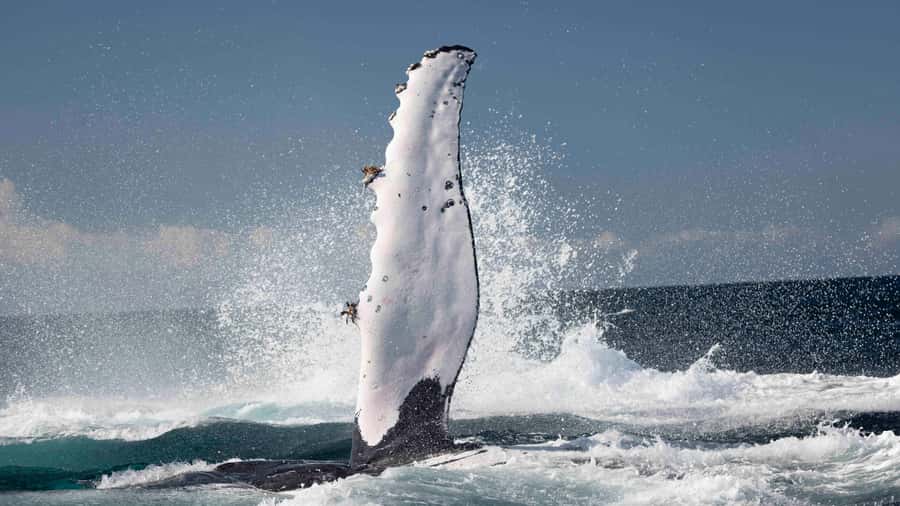
You start in Brunswick Heads and head out along the coast toward Byron Bay. The goal is humpbacks during their migration to warmer waters, and the area is one of the places where you may see whales moving relatively close to shore. That matters, because close whales mean more than a distant silhouette; it can mean you actually understand the shape and behavior you’re watching.
The ride takes you offshore enough to search actively, but not so far that you feel stuck waiting for nothing. With a small boat and a focused purpose, the crew can reposition as needed when they find whales. And because your guide is on board, you don’t just get the moment you see a whale—you get context while you’re still looking.
You’re also not locked into a single animal. The route and scanning approach are set up to help you catch bonus wildlife sightings, like dolphins and turtles, plus migratory birds that sometimes ride the same wind-and-water patterns.
You can also read our reviews of more tours and experiences in Brunswick Heads.


The Wardjam and the comfort reality check
The boat is a Rigid Inflatable Boat, called the Wardjam, and it’s built for speed and stability. That’s a big deal on whale-watching trips because humpback spotting is unpredictable. If the crew can move quickly and keep the ride steady, you usually get more time watching instead of just enduring.
Seating is for just 12 guests. That small capacity is what makes this feel more like a guided experience and less like a cattle-call. It also helps with photography, since people aren’t all standing shoulder-to-shoulder trying to shoot through each other.
Still, you should go in with honest expectations about motion. One review flagged that there wasn’t a lot of adjustability for shorter people, where feet could hang in a way that gets annoying when the waves hit. If you’re short in stature, you might want to plan for that and wear comfortable shoes rather than anything slippery.
And if you’re prone to seasickness, think hard. This trip isn’t marketed as a smooth, slow ferry. It’s a fast boat, with suspension seating meant to help, but you’ll still feel the sea.
Finding humpbacks: close-up sightings and the hydrophone moment
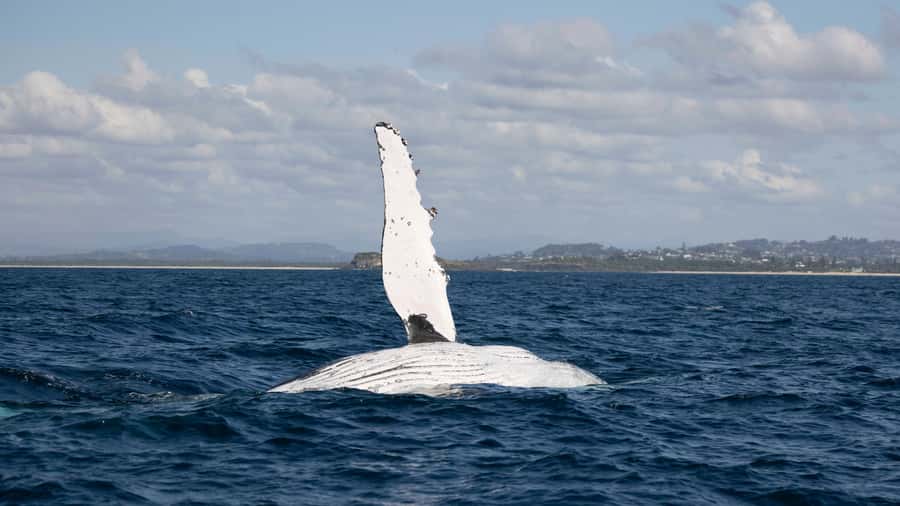
The signature feature here is the hydrophone. When whales are around, you don’t just watch for blow and movement—you can listen to their song-like calls through the onboard hydrophone system. Even if you’ve never heard whale vocalizations before, it makes the whole experience click. You’re turning a visual event into something you can actually track with your senses.
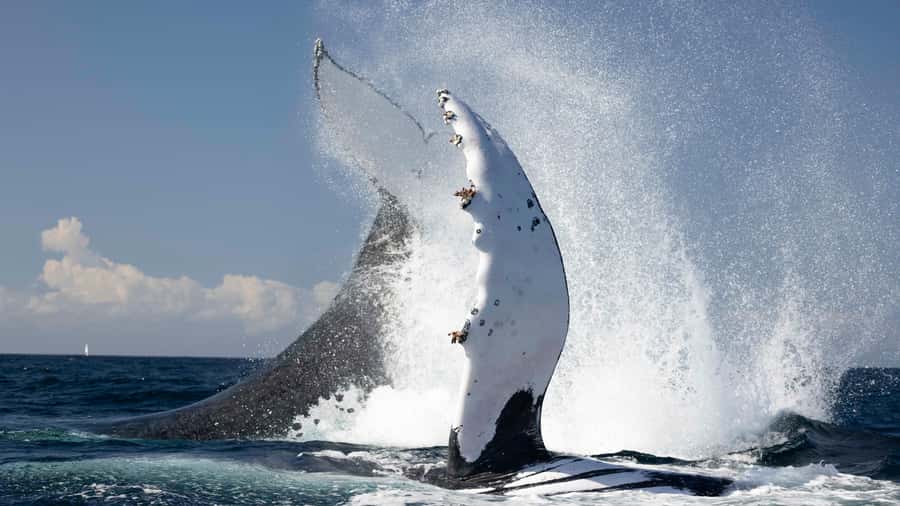
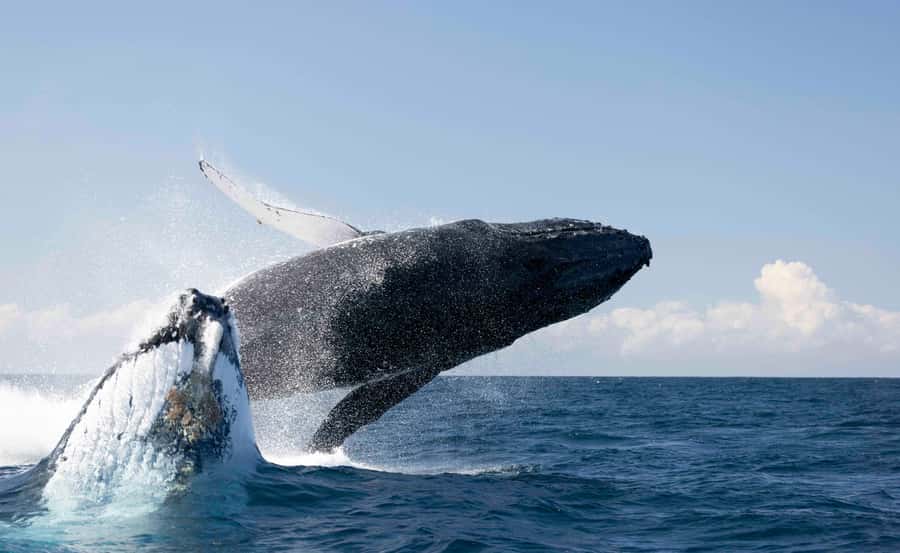
The best sightings can be very close. In the feedback I saw, people described encountering humpbacks within meters of the boat. That’s the kind of distance where the whale’s body language becomes clear: how it lifts, how it angles, how it surfaces, and then where it heads next.
The crew is also focused on humpbacks as migrants. That’s useful because behavior varies. Sometimes you’re watching feeding or milling. Other times it looks more like travel—steady swimming, surfacing in patterns, then moving on. The guide helps you interpret those changes so it doesn’t feel like random luck.
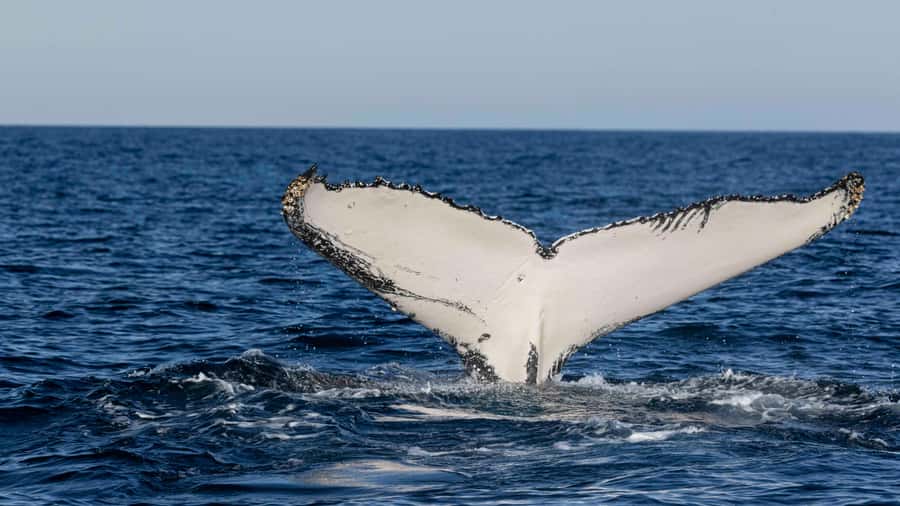
Also, keep an eye on the water surface details. With a small boat, your best chance at seeing something subtle is staying alert between major surfacings—watch for small shifts, quick tail hints, and those moments when the water seems to change texture right before a whale appears.
What the marine biologist teaches you while you’re on the water
This is where the tour earns its price. You’re not only paying for a boat ride; you’re paying for a science guide who can translate what you see into behavior and biology.
You’ll learn about humpback behavior during migration—what they’re doing, what might be influencing where they swim, and what signals you can look for. One review specifically called out Scott and the team for being informative, and another highlighted that the guide took time to explain different breeds/species and what was happening around the boat.
On the water, that kind of explanation works better than a pre-trip lecture. You can see a behavior, then immediately connect it to what the guide just said. It also helps you avoid the common disappointment of whale trips where you spot a brief surfacing and then spend the rest of the ride wondering what you just saw.
And because the hydrophone is part of the experience, the marine biology lesson becomes more than facts. You’ll learn to link the calls with what’s happening in the water, which is pretty rare for casual whale watching.
Bonus wildlife: dolphins, turtles, migratory birds, and more
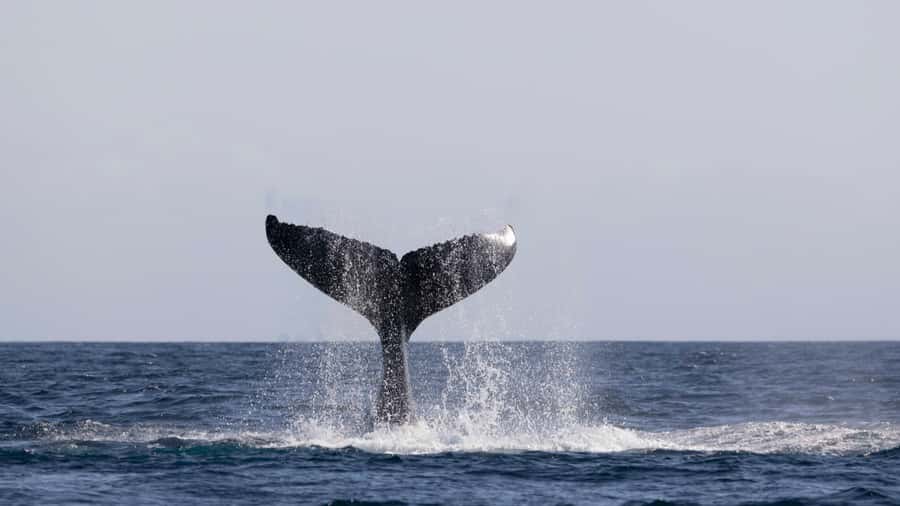
Whales are the main event, but the search pattern can bring surprises. You might see dolphins, turtles, and migratory birds while you cruise between scanning zones.
These bonus sightings matter because they keep the trip lively even if the first whale is a little slow to show. They also make the whole coastal ecosystem feel real, not like a one-animal hunt.
There’s also the possibility of seeing other whales. You shouldn’t plan your expectations around that, but it’s a nice added chance when humpbacks are in the area and the team is actively looking.
Practical tip: when the crew is tracking whale movement, don’t fixate only on the exact spot of the last surfacing. Animals shift. Keep your gaze scanning outward slightly, and watch for quick surface changes in the direction the whale seemed to go.

Timing tips: what to consider about the time of day
Your tour time matters, and you’ll feel it in how active whales seem. In one account, a late-day departure was described as potentially quieter, with whales appearing more settled as the day moves on. That doesn’t mean you won’t see whales—it just means you might see different behavior than a more active daylight period.
If your goal is maximum energy (more surface action, more frequent movement), earlier and mid-day departures can be a better bet. If your priority is a more relaxed vibe and scenic light—some people even referenced a sunset-style experience—that can be worth choosing too. You’ll trade some “action” for atmosphere.
Bottom line: choose the departure time that matches your expectations. If you want photo-friendly, active whale behavior, lean toward earlier daylight. If you want the calm and the romance of sea light, later tours can still deliver.
Duration, pacing, and how the spotting usually feels
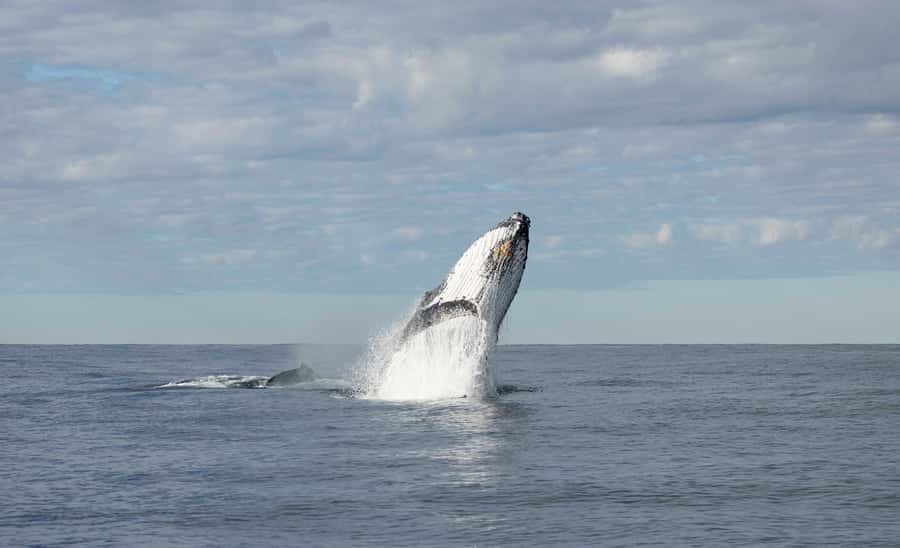
This trip runs about 150 minutes, which feels like the sweet spot for whale watching. It gives time to search, find, and then stay on station long enough for multiple looks and photos, without turning it into a full-day endurance test.
Because the boat carries a small number of guests, the pacing feels efficient. When whales are spotted, everyone isn’t separated by rows and rows of bodies. You tend to get more “look time” for each event.
Also, the tour includes a waterproof poncho, which helps with that annoying situation where you can’t tell if you’ll get spray or a light drizzle. You’ll still want warm clothing, since even mild coastal wind can make you feel cooler once you’re moving.
Price and value: why about $91 makes sense (and when it doesn’t)
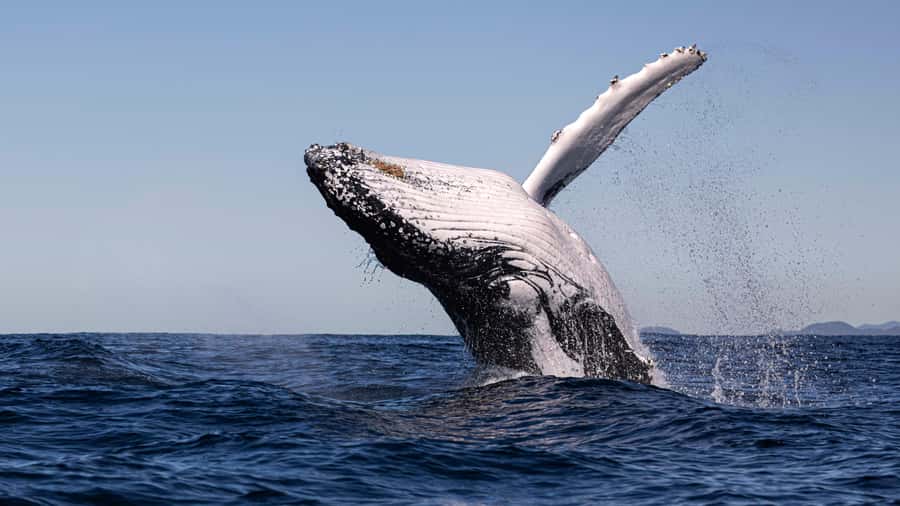
At $91 per person, you’re paying for three things at once: the boat time, the expertise of a marine biologist, and the hydrophone setup for whale song. A plain whale-watching cruise can be cheaper, but it’s usually more “see what we see.” Here, you’re buying guided interpretation.
Is it good value? If you care about understanding humpbacks—not just seeing one—then yes. The science component changes how satisfying the trip feels. It’s also a small-group experience, which you can feel when you’re photographing and when you’re trying to see behavior at close range.
When might it feel pricey? If you’re mainly chasing the cheapest possible dolphin-and-whale sightings and you don’t care about the educational element, a lower-cost option could meet your needs. But if you want the hydrophone and a real guide explaining what you see, this price starts to look fair.
What’s included, what’s not, and the small practical stuff
Included:
- Whale watching boat tour on the Wardjam
- Experienced skipper
- Marine biologist guide
- Waterproof poncho
Not included:
- Food and drinks
That means you should plan snacks or hydration if you usually get hungry. At the same time, you don’t need a full picnic setup; the tour is about 2.5 hours. Just bring what keeps you comfortable and ready to stay focused during long scanning minutes.
What to bring:
- Warm clothing
- Camera
- Sunscreen
- Water
The warm clothing is key. Even if Byron Bay feels sunny on land, once you’re out on the water with wind, you’ll likely appreciate layers.
Who should go, and who should skip this boat trip
This tour has clear suitability limits:
- Not suitable for children under 7
- Not suitable for pregnant women
- Not suitable for people prone to seasickness
- Not suitable for people over 70
That’s not picky. It’s a safety-and-comfort reality for a fast rigid inflatable boat.
So who is it best for?
- Adults and older kids who want a hands-on, close-up whale experience with science context
- People who can handle ocean motion for a short period
- Photo-minded visitors who want time to shoot and clear sightlines in a small group
If you know you’re sensitive to sea conditions, don’t force it. You’ll lose the fun if you spend the trip focused on feeling unwell.
Should you book Blue Seafaris humpback whale watching?
If you want a small-group whale outing with a real marine biologist and the chance to hear whale calls through a hydrophone, this is an easy yes. The close-view potential, plus the guided interpretation, is what turns a good day at sea into a memorable one.
I’d especially recommend it if:
- You care about learning humpback behavior during migration
- You want time to photograph whales from a better vantage
- You like guided tours that explain what you’re seeing while you’re still watching
I’d hesitate if:
- You’re prone to seasickness
- You’re traveling with someone who can’t handle the boat’s motion
- You need long, fully comfortable seating with lots of adjustability (there’s at least one reported comfort issue for shorter guests)
If you’re flexible with timing, you’re also in a better position to respond to changing sea conditions. Weather and tides can affect whether the tour runs, but the overall format is set up to search smart and stay out long enough for real whale time.
FAQ
Where does the tour meet in Brunswick Heads?
Drive into the Brunswick Heads boat harbor and look for the Blue Seafaris flag. Choose one of the available car parks nearby.
How long is the whale watching tour?
The duration is about 150 minutes (roughly 2.5 hours).
What boat do you ride on?
You board the Wardjam, a fast and stable rigid inflatable boat with suspension seating.
How many guests are on the boat?
The boat seats just 12 guests for an intimate, small-group experience.
What kind of animals might you see besides humpback whales?
You may also spot dolphins, turtles, migratory birds, and sometimes other whales.
Is a marine biologist included?
Yes. The tour includes a marine biologist guide who explains whale behavior.
Is whale song included during the tour?
Yes. There is an onboard hydrophone so you can listen to whale calls while you’re out at sea.
What should I bring for the trip?
Bring warm clothing, a camera, sunscreen, and water.
Is food or drinks included?
No. Food and drinks are not included.
Who should avoid this tour?
It’s not suitable for children under 7, pregnant women, people prone to seasickness, or people over 70.