REVIEW · BUNDABERG
Bundaberg: Monsoon Aquatics Coral Farm Guided Tour
Book on GetYourGuide →Operated by Monsoon Aquatics Coral Farm Tours · Bookable on GetYourGuide
Coral farming is not what you expect. At Monsoon Aquatics in Bundaberg, a one-hour guided walk gets you face-to-face with a working coral farm where reef life is grown, then used to help the future of the reef. You’ll also hear how the team manages a huge setup—over 70,000 corals and around 200 marine species.
Two things I really like: first, the tour feels hands-on in the best way—you’re shown how coral is grown on real farm structures, and you get to ask questions as you go. Second, the guide keeps the science clear, and the small, intimate group setup makes it easy for both adults and kids to stay engaged.
One consideration: this isn’t a typical walk-through aquarium. Expect a science-and-cultivation focus (tanks, tiles, and growing systems), so if you’re only after big crowds of fish on coral “show” sets, you might find it a bit more technical than flashy.
In This Review
- Key highlights worth planning for
- Getting there: the Veranda meeting point in Port of Bundaberg
- Inside the farm tanks: seeing how 70,000 corals get grown
- The live coral feeding demo: learning reef life without the water pressure
- Reef restoration in plain language: what “sustainable” looks like here
- The clownfish finish and the onsite treats you can skip until after
- Price and time: does $22 for one hour feel fair?
- Who this tour fits best (and who might want a different plan)
- Booking basics: what you need to bring and what to leave at home
- Should you book the Monsoon Aquatics Coral Farm Guided Tour?
- FAQ
- How long is the Monsoon Aquatics Coral Farm guided tour?
- How much does the tour cost?
- Where do I meet the guide?
- What should I wear or bring?
- Can I bring food or drinks?
- Is the tour wheelchair accessible?
- Do tours run year-round?
Key highlights worth planning for
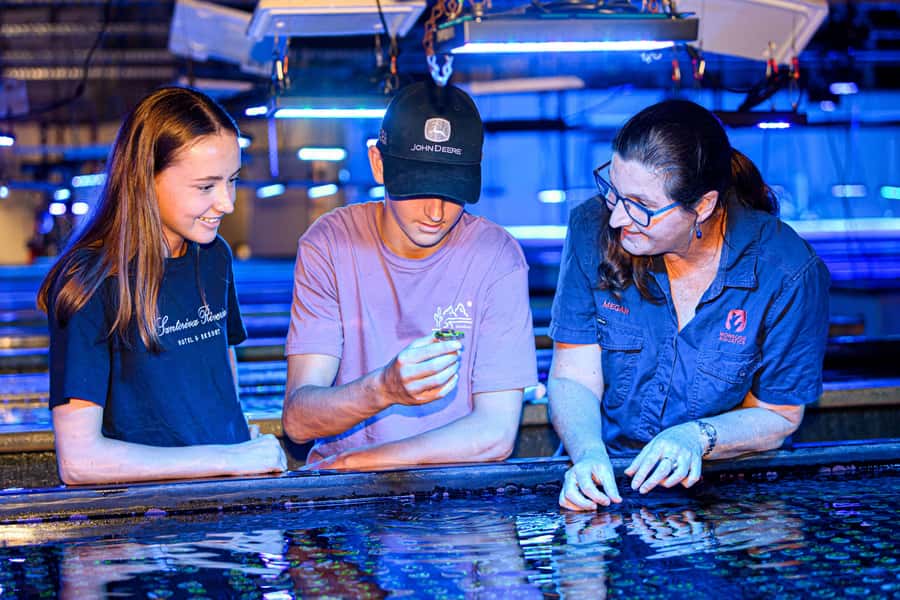
- Behind-the-scenes coral growing in a working farm, not just a display
- Live coral feeding demonstration that turns biology into something you can picture
- Scale matters: 70,000+ corals across the farm
- Reef restoration support through coral reproduction and research
- A calm, small-group pace that leaves room for questions
- Clownfish at the end for an easy, memorable closer
Getting there: the Veranda meeting point in Port of Bundaberg
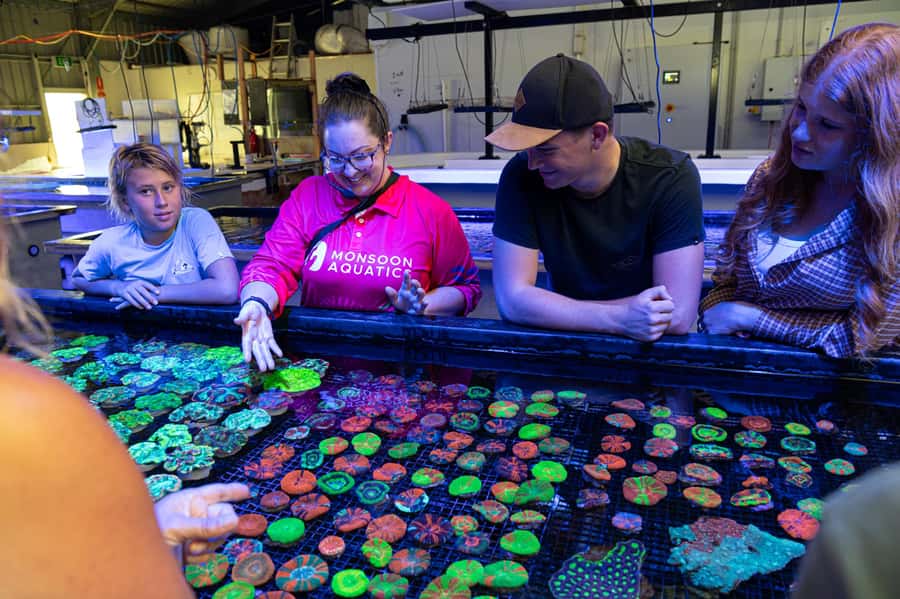
The tour starts at the Veranda at Monsoon Aquatics Coral Farm. It’s in the Port of Bundaberg area on the Burnett River, about 20 minutes from central Bundaberg, which makes it a good add-on even if you’re not staying right in the port zone.
Parking is onsite for cars and RVs, and caravan parking is available outside the gate. One small practical tip: if your car GPS is older, it may send you to the wrong place. Use Apple Maps or Google Maps to get your bearings fast.
The vibe here is relaxed, and the fact that tours run year-round (rain or shine) helps if your Bundaberg weather plan changes. For a one-hour activity, that flexibility matters.
You can also read our reviews of more guided tours in Bundaberg
Inside the farm tanks: seeing how 70,000 corals get grown
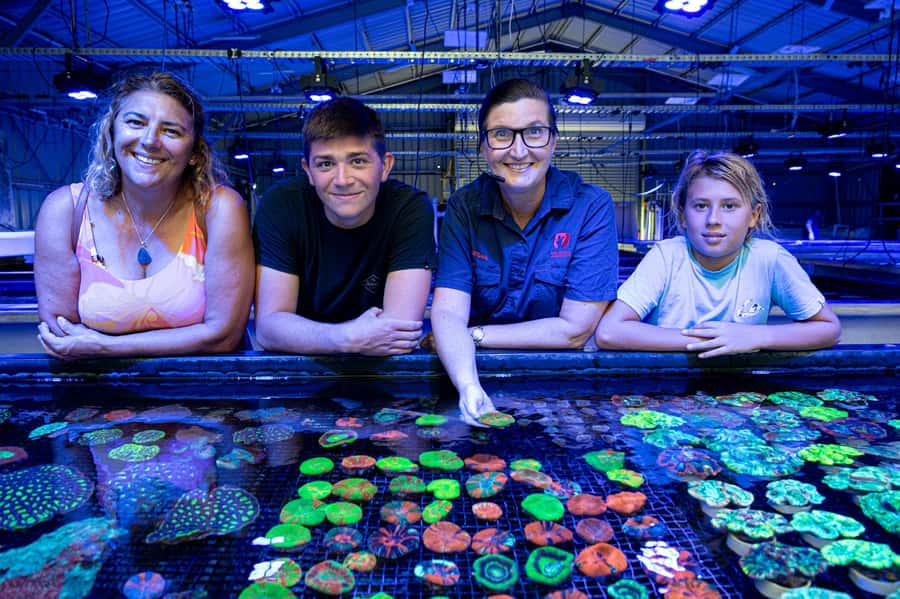
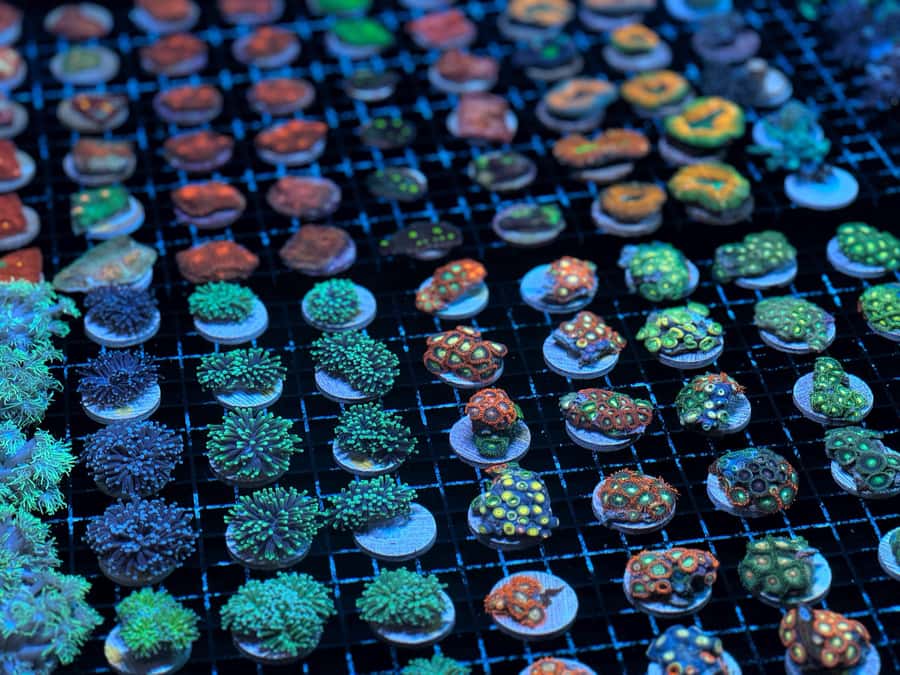
Once you’re in, the tour follows the rhythm of a working facility. You’ll spend time around the coral growing systems—rows of tanks where coral are cultivated so they can be replanted and supported over time.
What makes this part special is that you’re not just looking at coral as an underwater decoration. You’re learning how coral actually functions as a living organism that needs careful handling. The farm grows coral using a structured approach, and the sheer number (over 70,000 corals) helps you understand why coral farming is a “systems” job, not a one-off hobby.
Also, the tour’s design tends to make the topic feel approachable. The guide uses language that’s meant to land with people of different ages, and you’ll see why that matters when you’re standing in front of tanks that look similar at first glance. The learning comes from what you’re told to notice: the way coral is monitored, cared for, and managed as it grows.
If you’re the type of traveler who likes authentic behind-the-scenes work—real operations, real maintenance, real purpose—this portion is the heart of the experience.
The live coral feeding demo: learning reef life without the water pressure
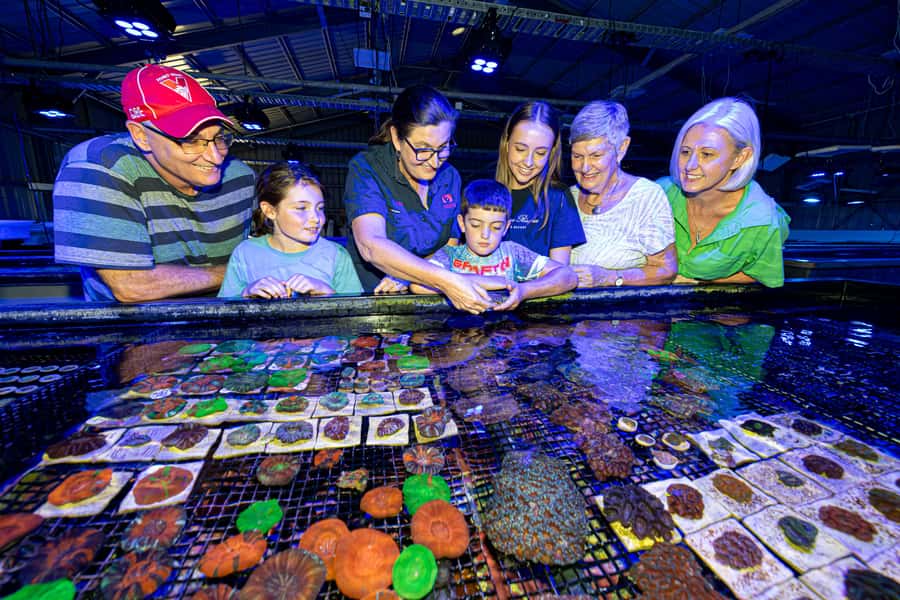
A big “aha” moment is the live demonstration of coral feeding. It’s one of those moments where the tour stops being abstract. You’ll see the process in action and learn what the team does, and why feeding and care are part of how coral reproduction and growth are supported.
This is also where the guide’s enthusiasm really helps. From the way the tour is described, the explanations aren’t delivered like a lecture. The guide stays engaging and answers questions, including questions kids can understand. That’s not a small thing: coral is hard to picture if all you’ve ever seen is reefs from far away.
One note for expectations: the setting is tanks and work areas, not a huge “walk-through glass dome.” The magic still comes through, but it’s more about understanding than photo poses.
Reef restoration in plain language: what “sustainable” looks like here
The tour doesn’t treat coral farming as a feel-good story only. You’ll also get a glimpse into the research and reef restoration work the farm supports, and how coral reproduction plays into that bigger goal.
For me, that’s the most valuable part of the experience. It turns sustainability from a buzzword into something you can connect to a real mechanism: growing coral in a controlled setting, then supporting the future of reefs through reproduction and restoration research.
You’ll leave with a clearer picture of why farms matter. Reefs face serious pressures, so having active work that contributes to rebuilding effort helps explain why this isn’t just conservation theater. It’s practical, ongoing care.
And the best part is the hope factor. You’re not only told what’s wrong with reefs—you’re shown how people are working on rebuilding.
The clownfish finish and the onsite treats you can skip until after
At the end, you’ll check out everyone’s favorite: the clownfish collection. It’s a simple closer, but it works. After an hour of tanks and cultivation systems, having a familiar marine “star” gives your brain an easy landmark to remember.
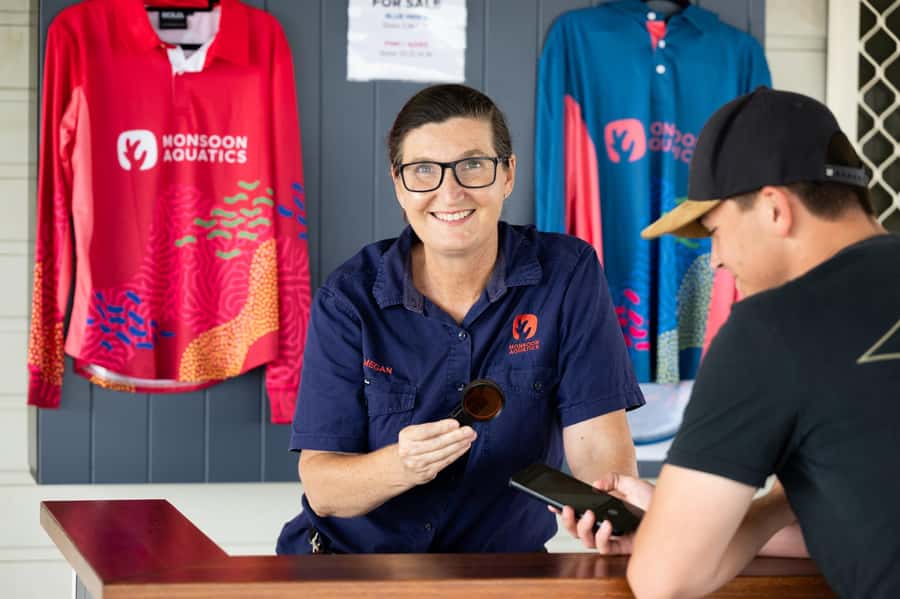
Once the tour wraps, you’re in a good spot to linger a bit longer. There’s an onsite gift shop, and you can also find refreshing Bundaberg Brewed Drinks and local macadamias available on-site. Just remember the one rule during the tour: you can bring water, but food and other drinks aren’t allowed on the tour itself.
If you’re traveling with kids, the clownfish stop is likely what makes the whole hour feel worth it in the memory bank. If you’re traveling solo or as a couple, it’s a nice emotional reset from the science.
A few more Bundaberg tours and experiences worth a look
Price and time: does $22 for one hour feel fair?
At $22 per person for a one-hour guided tour, the value is mainly in two places: education and impact.
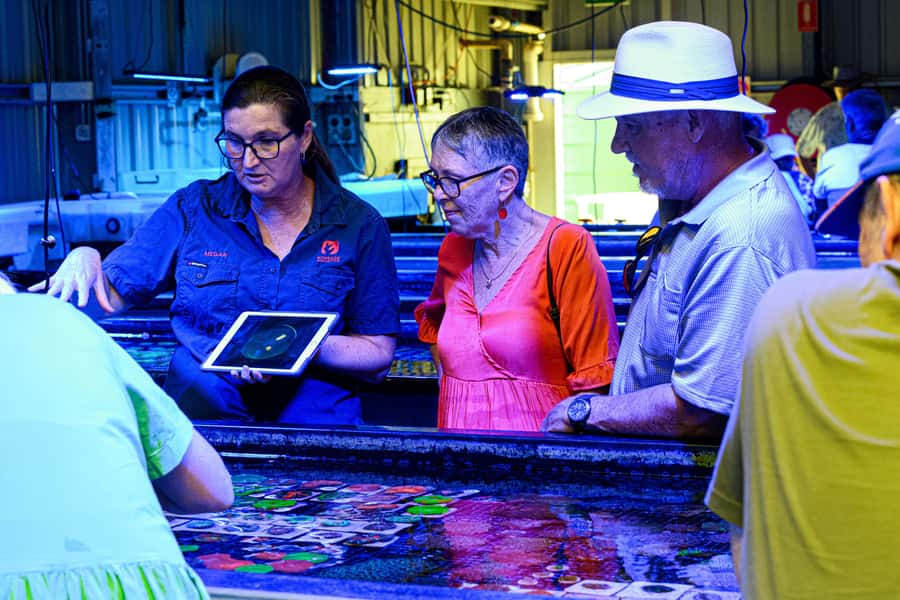
First, you’re paying for expert, English-language interpretation by a live guide, not a self-paced walk. In a coral farm setting, that guidance matters because coral growing systems can look repetitive until someone helps you understand what you’re seeing.
Second, the tour is described as supporting coral reproduction. That puts your ticket dollars into an ecosystem of reef work, not just entertainment.
One more value angle: small, intimate groups mean you get more time per person for questions. For me, that’s often where “cheap” or “expensive” stops mattering. You’re paying for the chance to interact and understand, and that tends to make the hour feel longer in the good way.
Who this tour fits best (and who might want a different plan)
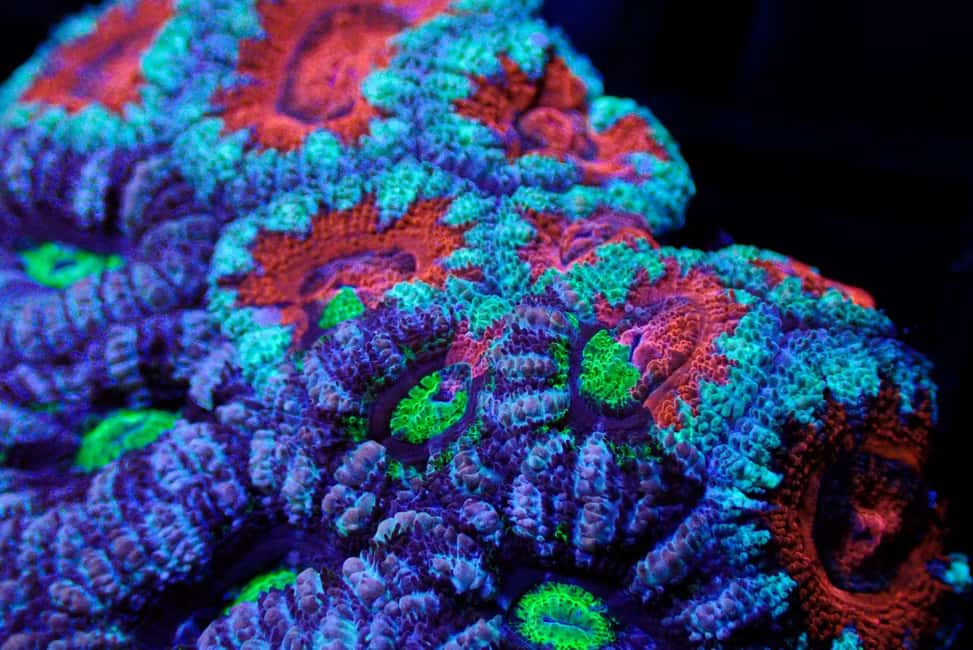
This one is ideal if you love marine life, you’re curious about how reefs can be supported, or you want a family-friendly activity that’s genuinely educational.
It also suits travelers who don’t need maximum spectacle. If you’re the kind of person who likes learning how things work—how coral is grown, how feeding is handled, how restoration research is supported—this tour will click.
One caution: it’s educational-focused and “farm-first,” not aquarium-style. If you’re hoping for lots of free-swimming fish in a showy layout, you may feel the pace is more practical and science-centered. For very young kids, it could be a tougher attention match, even though the guide tries hard to keep things understandable.
If you’re in Bundaberg and want one short, meaningful activity that’s different from the usual beach-and-photo schedule, this is a strong pick.
Booking basics: what you need to bring and what to leave at home
Plan for a closed-toe, non-slip footwear setup. The floors may be slippery, and non-slip shoes are required. Open-toed shoes and bare feet aren’t allowed.
Bring water only. Food and drinks are not allowed during the tour, but you can enjoy onsite drinks and snacks before or after if you’d like.
The tour is wheelchair accessible, and it runs year-round in rain or shine. The guide is English-speaking, and the group format is small and intimate.
If you’re booking close to your travel dates, it helps to keep things flexible. There’s free cancellation up to 24 hours in advance for a full refund, and there’s also a reserve-now option where you can pay later.
Should you book the Monsoon Aquatics Coral Farm Guided Tour?
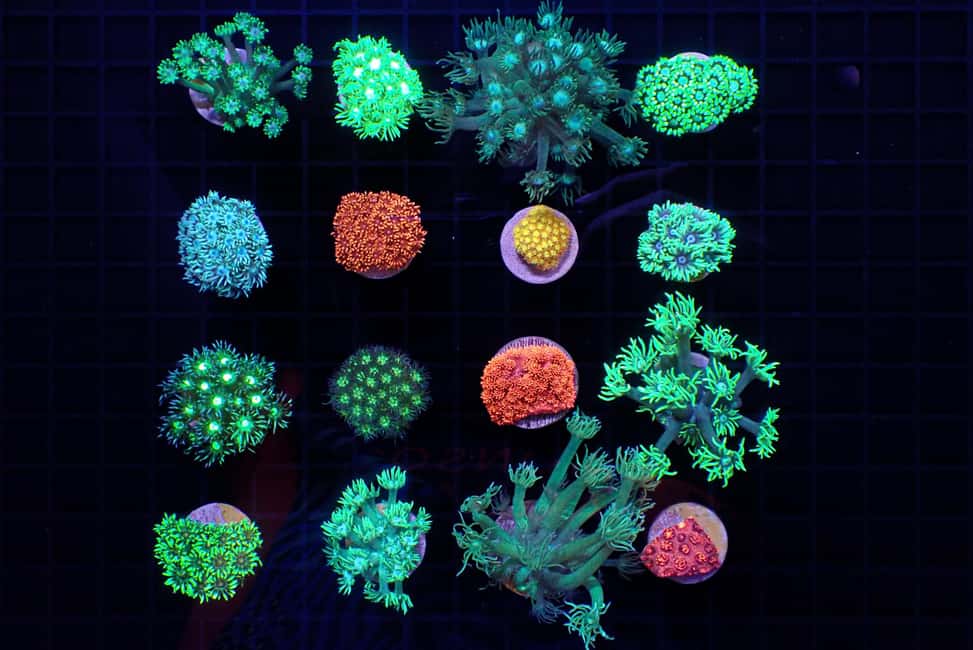
Yes, if you want a calm, one-hour behind-the-scenes experience that explains coral farming in clear terms and ties it to reef restoration work. The combination of the cultivation focus, live feeding demonstration, and the guided ending with clownfish makes it memorable without being overly long.
I’d skip it (or pair it with something more “showy”) if you’re mainly after a traditional aquarium experience. This tour is about how coral is grown and supported—less about big visual spectacle, more about understanding the reef from the ground up.
If you’re choosing just one ticketed activity in Bundaberg that feels purposeful, this is the kind of stop you’ll be glad you made.
FAQ
How long is the Monsoon Aquatics Coral Farm guided tour?
The tour lasts 1 hour.
How much does the tour cost?
The price is $22 per person.
Where do I meet the guide?
Please meet your guide on the Veranda at Monsoon Aquatics Coral Farm.
What should I wear or bring?
Bring closed-toe shoes. Non-slip shoes are required because the floors may be slippery.
Can I bring food or drinks?
Food and drinks are not allowed during the tour. You may only bring water.
Is the tour wheelchair accessible?
Yes, the tour is wheelchair accessible.
Do tours run year-round?
Yes, tours operate year-round, rain or shine.