REVIEW · BUNDABERG
Bundaberg: Splitters Farm Guided Tour
Book on GetYourGuide →Operated by Splitters Farm · Bookable on GetYourGuide
Feeding rescue animals in Bundaberg feels personal fast. At Splitters Farm, I like that you get a guided, paddock-to-paddock visit that mixes animal time with real farm context, plus honey and macadamias straight from the property. The whole experience is built around seeing where rescued animals live day to day, and learning the stories behind them.
I also love the chance to hand-feed 400+ rescued farm animals with your guide right there, explaining what’s what as you go. One thing to plan around: no food is served on the tour, though there’s a barista van and cold drinks available for sale.
In This Review
- Key highlights you will care about
- Splitters Farm Guided Tour in Bundaberg: What You’re Really Paying For
- Check in at the main office: wristband, honey, and macadamias
- Paddock-to-paddock guided tour: farm stories that make the animals make sense
- Hand-feeding 400+ rescue animals: the best way to do it without stress
- What you do beyond animal time: eggs, honey, macadamias, and farm products
- Sustainable farming around creek and bushland: why the setting matters
- Price and logistics: timing, what to wear, and the no-meal reality
- Who this tour suits best (and who should think twice)
- Should you book the Bundaberg Splitters Farm Guided Tour?
- FAQ
- Where do I collect my wristband?
- What food do you get during the tour?
- Is food served on the tour?
- How long is the tour?
- Is the tour wheelchair accessible?
- Does the tour run in bad weather?
Key highlights you will care about
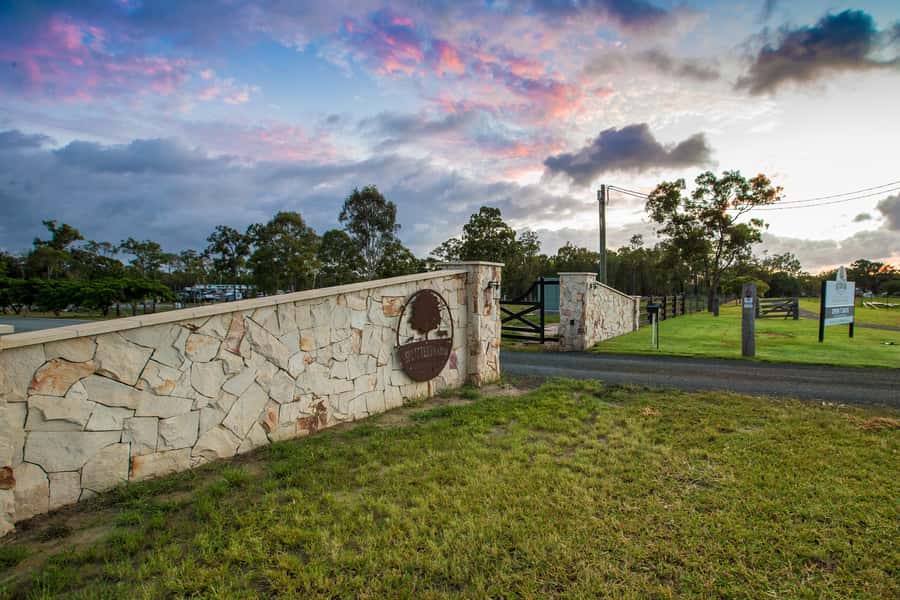
- Hand-feed 400+ rescued farm animals while a guide shares each animal’s background
- Honey and macadamias tasting at check-in time at the main office
- Private, owner-led guided tour, with stories tied to how the farm works
- Egg collecting, if that’s running during your visit, plus plenty of photo moments
- Paddocks and natural creek/bushland surroundings that shape how the farm operates
- Rain or shine touring, so pack for weather and bring your camera
Splitters Farm Guided Tour in Bundaberg: What You’re Really Paying For
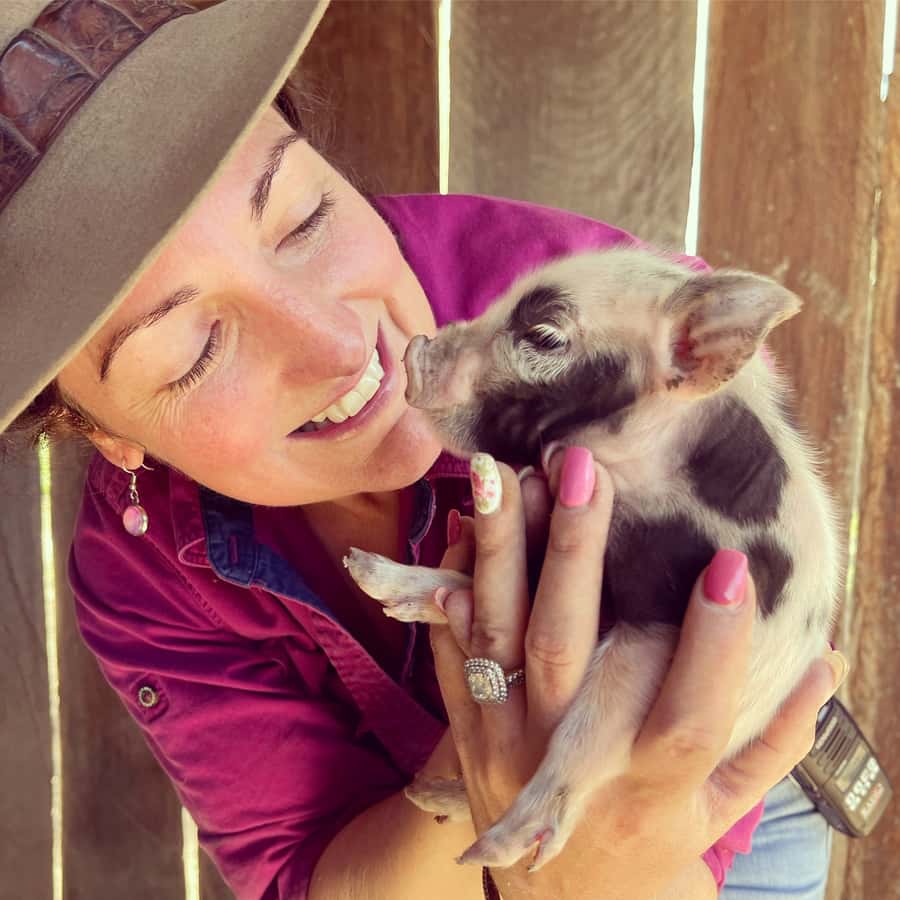
This is a farm visit where your money goes somewhere concrete: to feeding and caring for rescued animals. For $38 per person, you’re not just buying entry to a viewing deck. You’re getting guided access to the paddocks, animal food as part of the experience, and tastings of local produce.
What makes it feel worth it is the mix. You spend time with the animals, but the guide also walks you through how a working farm faces supply and demand pressure, and how farmers handle it with resilience. If you like animal encounters that come with context, this is the kind of tour you remember.
And yes, it’s a photographers dream. Even if you only take your phone, you’ll find lots of natural spots for close-up shots in an outdoor setting.
You can also read our reviews of more guided tours in Bundaberg
Check in at the main office: wristband, honey, and macadamias
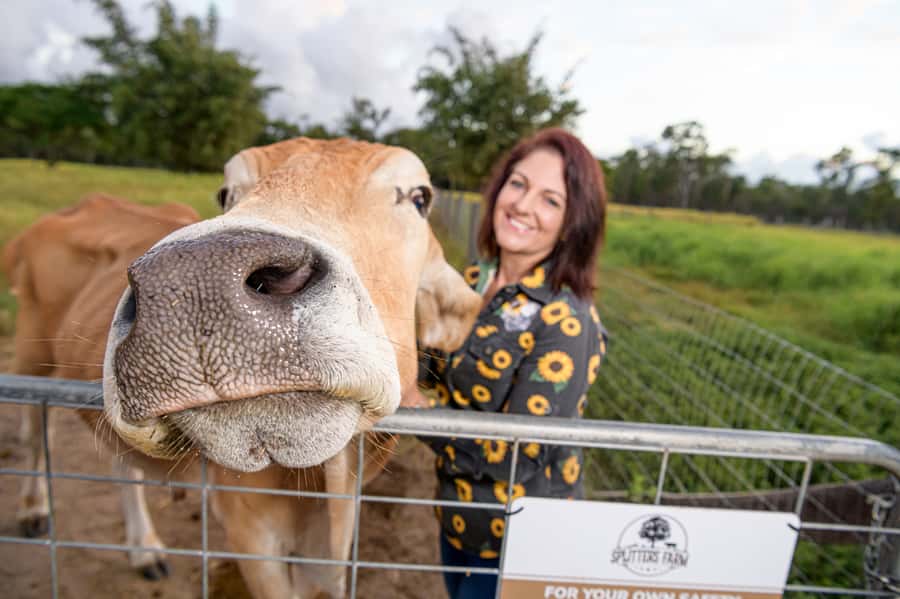
Your day starts at the main site office, where you collect your guided tour wrist band(s). This matters because it gets you into the flow right away, rather than wandering until the tour begins.
Before you head out, you’ll be welcomed with tasting of honey and macadamias from the farm. I like this detail because it’s not an afterthought snack. It sets the tone: you’re there for a working property, not just a big animal yard.
Bring your basics. The tour is rain or shine, so comfortable shoes and a hat are a practical must. If your camera is your thing, bring it charged and ready—this tour moves through open paddocks where light changes fast.
Paddock-to-paddock guided tour: farm stories that make the animals make sense
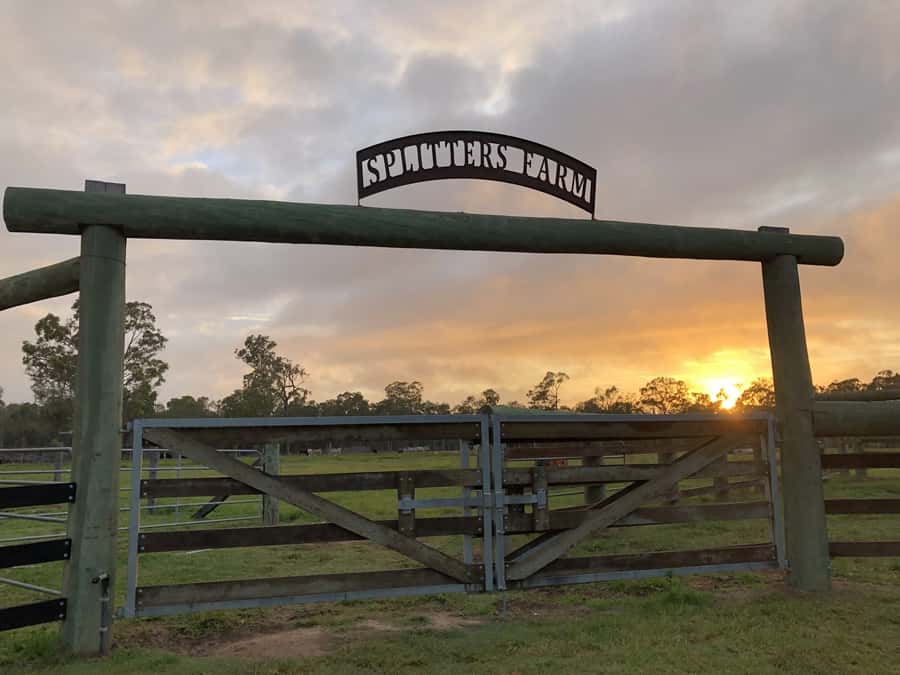
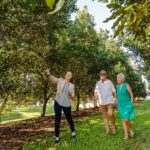
The heart of the experience is the guided walk from paddock to paddock. Your guide shares the farming history of the Bundaberg region and explains the background behind this family-owned and operated cattle farm.
But it’s more than trivia. When you hear why animals ended up at Splitters Farm and what their forever home looks like, the animal interaction becomes meaningful. You’re not just feeding for a photo. You’re learning how care decisions show up in daily routines.
One strong point: the tour is private and is led by one of the farm’s owners. That usually means you get a more personal tone, and you can ask questions as you move. In the reviews, Karla’s guiding and storytelling got special praise, and that lines up with the way this tour is structured: you’re constantly moving, with a reason for each stop.
Hand-feeding 400+ rescue animals: the best way to do it without stress
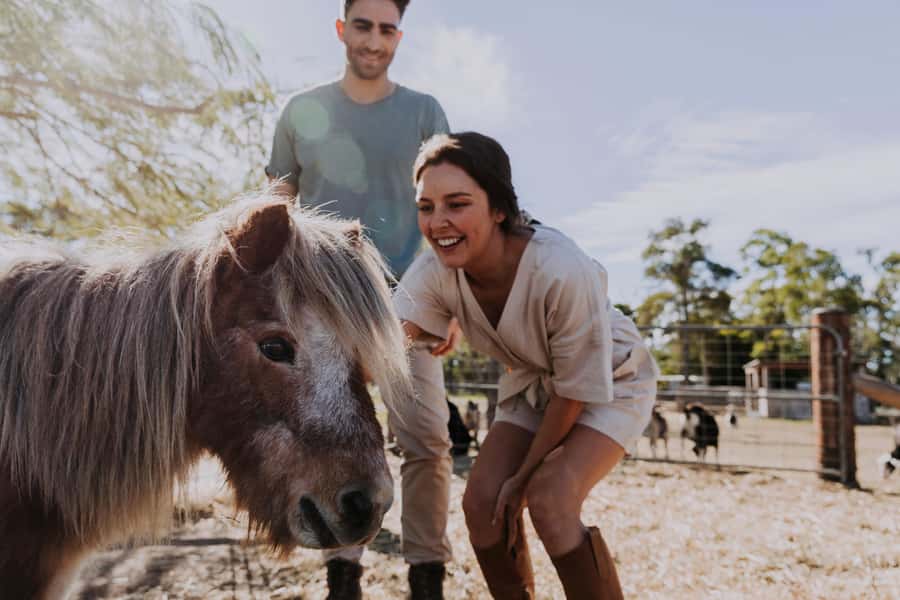
You’ll feed over 400 rescued farm animals during the tour. That number is huge, and it can feel intimidating at first—but the setup is designed to be manageable, because you’re not “on your own” with the animals. Your guide gives you valuable insight as you go and helps you understand what you’re looking at.
Here’s what makes this kind of encounter work well for you:
- You get animal food as part of the experience, so you’re not trying to guess what’s safe.
- The guide shares background stories, so you know what to watch for beyond the obvious cuteness.
- You move gradually paddock to paddock, which helps you keep your footing and stay comfortable.
Also, this is not described as a frantic feeding line. The animals are presented as tame and well cared for, and that matters. When animals are calm and used to human contact, your experience is safer and more relaxed, and your photos come out better too.
Tip from a practical standpoint: wear shoes you don’t mind getting a bit dusty or damp. You’ll be outdoors in creek-adjacent and bushland surroundings, and you’ll be close enough that comfort matters.
What you do beyond animal time: eggs, honey, macadamias, and farm products
The tour includes more than just feeding animals. You’ll taste honey and macadamias from the farm, and you can also collect eggs as part of the experience, where available during the tour.
I like these add-ons because they connect the animal rescue side with the farm production side. Rescue animals and farm products can live together on the same property, and you see that relationship in real life instead of as a marketing concept.
And for your planning: there’s a brochure and map provided. That’s useful because you’re moving through paddocks, and it helps you remember what you saw after you’re done. If you’re the type who likes to compare places later, the map is a handy takeaway.
A few more Bundaberg tours and experiences worth a look
Sustainable farming around creek and bushland: why the setting matters
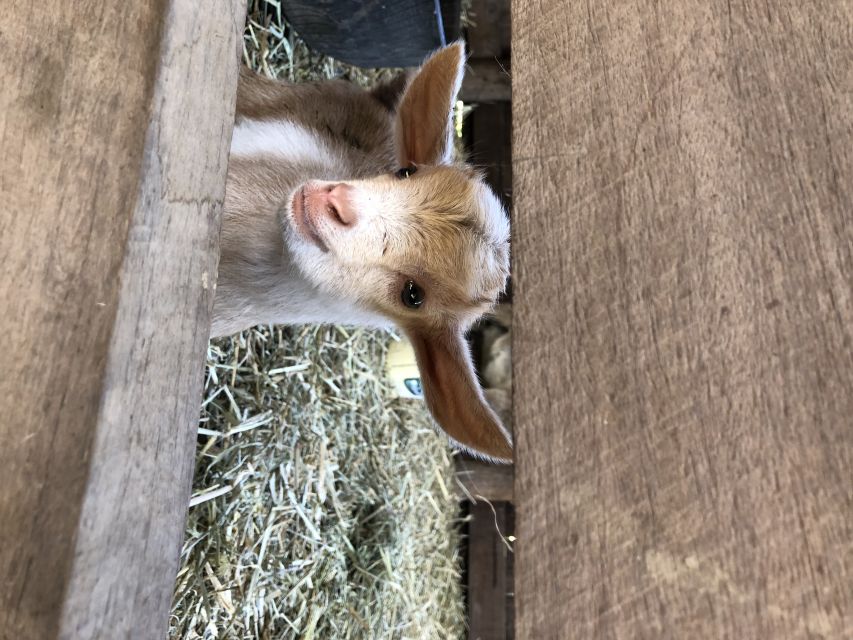
One of the most interesting parts for me is the way the guide frames the farm as sustainable, working in harmony with the natural Australian bushland and creek surrounds. This isn’t just scenery. It’s part of how the farm operates and how farmers think about long-term care.
You’ll learn about the resilience of Australian farmers and the challenges the agricultural industry faces, including supply and demand pressures. Even if you don’t normally care about farm economics, this piece gives you a better “why” behind what you’re seeing.
When you understand the setting—creeks, bushland, natural surrounds—the animals and paddocks feel less like a set and more like a living system. That shift turns the tour from a one-hour animal stop into a perspective change.
Price and logistics: timing, what to wear, and the no-meal reality
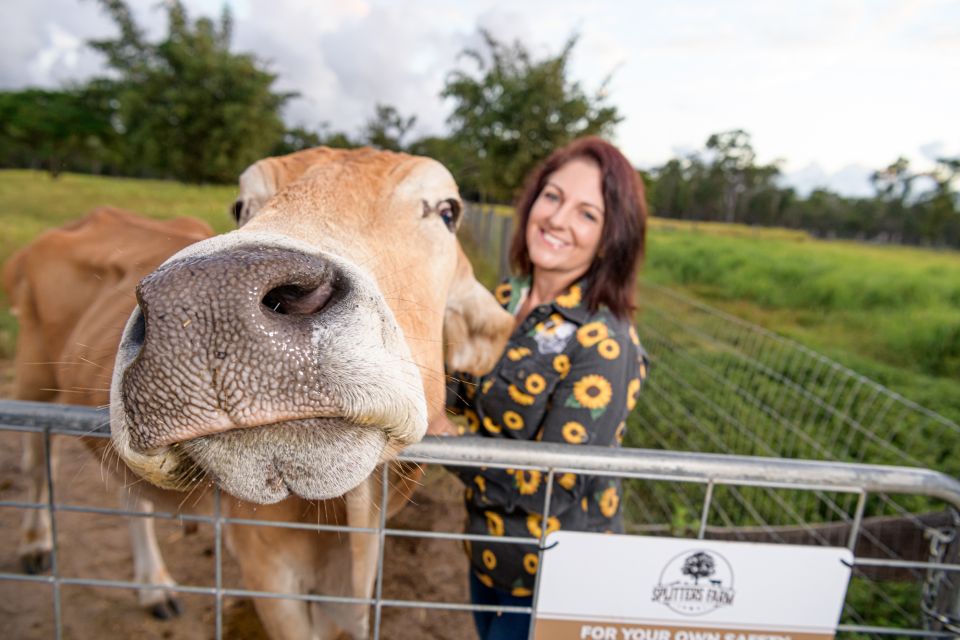
Let’s talk value honestly. At $38, you’re paying for:
- A private guided tour (by the farm’s owner)
- Photo opportunities and on-site experiences
- Food for the rescue animals
- Honey and macadamias tastings
- A farm brochure and map
What you are not getting is a full meal. The tour does not serve food, but there is a barista van on-site and cold drinks available for sale at the main office.
So if you’re the kind of traveler who needs a proper lunch midway, plan to buy something before or after. The tour is designed to keep you moving and outdoors, which often means hunger comes faster than you expect.
Duration is listed as 1 day, and start times depend on availability. Since it runs rain or shine, pack as if it might get wet. Hat, comfortable shoes, camera. Simple.
Who this tour suits best (and who should think twice)
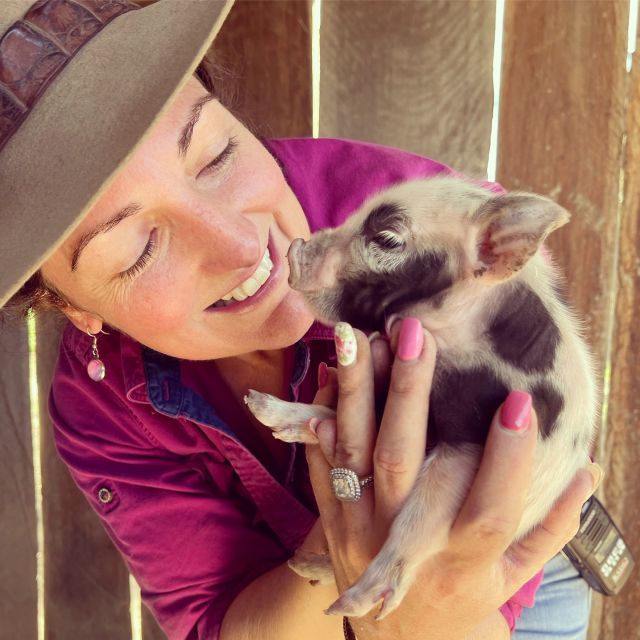
This is a great fit if you want:
- A hands-on animal experience with guidance and stories
- A small-scale, personal feel (private, owner-led)
- A connection between rescue work and a real working farm
- Plenty of outdoor photo opportunities
It may be less ideal if you want a structured indoor attraction with guaranteed seating and food included. Because the tour is rain or shine and the focus is paddocks and outdoors, you’ll get the most out of it if you’re comfortable walking in farm conditions.
It also suits families and casual visitors who want an easy-to-understand plan: show up, grab your wristband, taste farm products, follow the guide, feed the animals, and head home with a map and memories.
Should you book the Bundaberg Splitters Farm Guided Tour?
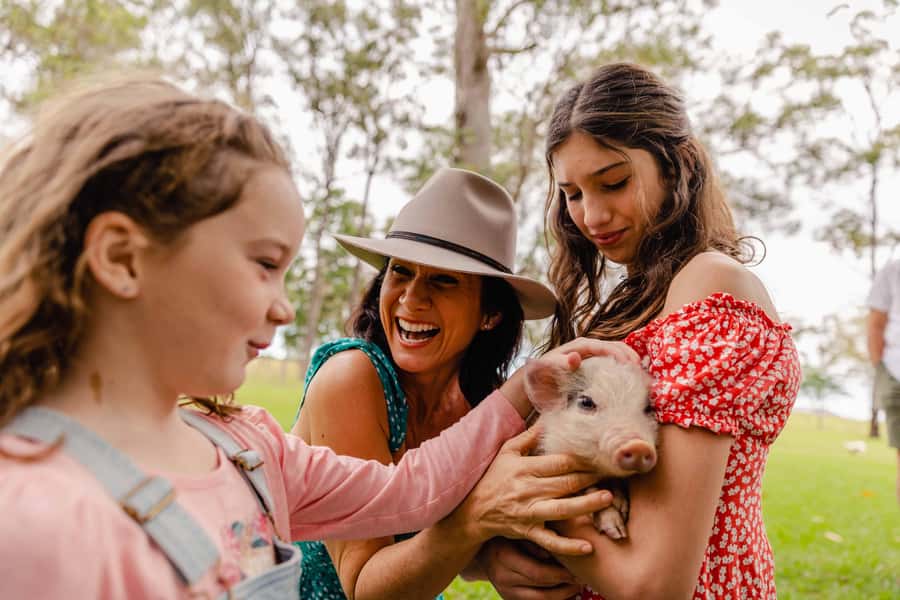
If your idea of a great day in Queensland is close animal contact plus real context, I’d book this. For the price, you’re getting more than a glance at animals: you get a private owner-guided route, food for rescued animals, and local tastings right where they come from. The animal care tone and the emphasis on stories (including praised guidance from Karla) make the experience feel purposeful, not just performative.
Before you go, be realistic about two things: plan for rain or shine, and remember that no food is served on the tour (though drinks and a barista option exist on-site). If you’re good with that, you’re in for a day that’s hands-on, informative, and genuinely memorable.
FAQ
Where do I collect my wristband?
You collect your wristband at the Splitters Farm main office on arrival.
What food do you get during the tour?
You taste honey and macadamias from the farm, and you also receive food to feed the rescue animals.
Is food served on the tour?
No food is served on the tour. A barista van is on-site and cold drinks are available for sale at the main office.
How long is the tour?
The experience is listed as 1 day. Start times depend on availability.
Is the tour wheelchair accessible?
Yes, the tour is wheelchair accessible.
Does the tour run in bad weather?
Yes, the tour takes place rain or shine.