REVIEW · BYRON BAY
Byron Bay Wildlife Safari
Book on Viator →Operated by Vision Walks - Eco Tours · Bookable on Viator
Koalas in the wild, right near Byron. This Byron Bay Wildlife Safari is interesting because it’s built around seeing Australian animals in their own habitats instead of lining them up for photos in a zoo. You ride out in a small 4WD group with an environmental scientist guide, and you’re set up to spot koalas, kangaroos, and flying foxes.
I like how the day combines a locally sourced picnic with real-world wildlife viewing rules: observe, don’t feed or pat. One consideration: extra sightings depend on the conditions, so you’re most certain of the big three (koalas, kangaroos, flying foxes), while other animals show up only if the habitat is behaving that morning.
In This Review
- Key highlights you’ll care about
- Zoo-Style vs. Safari-Style Wildlife Watching in Byron Bay
- The 4WD Day Plan: What Happens From 9:30am to About 7 Hours Later
- Eucalyptus Forest Stop: Koalas, Birds, and the Art of Spotting Stillness
- Rainforest Stop: When You’re Looking for the Right Animal at the Right Moment
- Grassland Stop and Flying Fox Viewing: The Best Time to Watch the Night Shift
- The Lunch Setup: Locally Sourced Picnic Food That Keeps You Moving
- Guides and Group Energy: Environmental Science Meets Real-World Animal Finding
- Price and Value: Is $135.56 Worth It for a 7-Hour Safari?
- Who This Byron Bay Wildlife Safari Suits Best
- Quick Booking Check: Should You Book This Safari?
- FAQ
- How long is the Byron Bay Wildlife Safari?
- What time does the tour start?
- Is pickup and drop-off included?
- What wildlife can you expect to see?
- What habitats do you visit during the safari?
- What’s included in the price and what’s not?
- What if weather is poor?
Key highlights you’ll care about
- Guaranteed big sightings: Expect koalas, kangaroos, and a colony of flying foxes.
- Three habitats, one day: Eucalyptus forest, rainforest, and grassland keep the wildlife variety high.
- Eco-first rules: The goal is to observe without disturbing animals.
- Small-group 4WD: An eight-seater vehicle with an environmental scientist guide means more attention per person.
- Lunch is handled: A locally sourced picnic lunch is included, and drinks are on you.
- Pickup and drop-off in Byron Bay: It saves time and avoids car logistics.
Zoo-Style vs. Safari-Style Wildlife Watching in Byron Bay
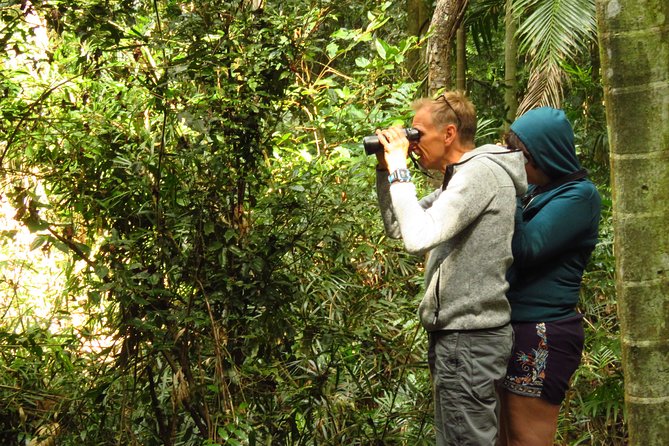
If you’re craving wildlife, but you don’t want the zoo routine, this format makes sense. The core promise is that you’re not just driving to a single viewpoint and hoping. Instead, you’re taken through multiple habitat types near Byron Bay, and your guide helps you read animal behavior in the places they actually live.
The guarantee matters here. You’re set up to see koalas, kangaroos, and flying foxes, which covers three of the most iconic Australian animals. And because the tour is designed around habitat, the day feels more like a guided nature walk with wheels than a checklist tour.
My other big positive is the tone of the experience: it’s built around not disturbing wildlife. That means you’re there to watch and learn, not to interact. If your idea of fun is feeding or patting animals, this won’t fit. If your idea of fun is seeing how wildlife moves when people aren’t chasing it, you’ll likely love the approach.
A few more Byron Bay tours and experiences worth a look
The 4WD Day Plan: What Happens From 9:30am to About 7 Hours Later
The safari runs about seven hours, starting at 9:30am. You’ll get pickup and drop-off from Byron Bay accommodations, so you can focus on the day instead of renting a car or figuring out where to park. The vehicle is air-conditioned and designed for wildlife viewing, using a comfy eight-seater 4WD setup.
This is also a small-group experience, with a maximum of 10 travelers. That matters more than you might think. In a bigger group, you lose time waiting and you miss small details. With a smaller group, your guide can spend more moments repositioning, scanning, and helping you understand what you’re seeing (and why that animal is there).
The tour also uses a mobile ticket, so once you’re set up, you’re not scrambling for paper. And because the start is near public transportation, it’s generally easier to connect if you’re not being picked up in your exact accommodation area.
Eucalyptus Forest Stop: Koalas, Birds, and the Art of Spotting Stillness
Eucalyptus forest is where the day often clicks for most people. Eucalypt habitat is prime koala territory, and the tour is built around helping you find them at the right time and in the right viewing spots. The koalas may be high in the trees and partially camouflaged by leaves, so the guidance is the difference between guessing and actually understanding.
Along with koalas, you may see birds, because eucalyptus forest supports a lot of bird life. The bigger point is that the guide doesn’t just point toward a tree and walk away. The whole day is structured around “look here, watch longer, then look again,” which is how you start seeing subtle movements rather than only obvious moments.
Extra mammals can show up when conditions align, and the tour’s odds improve when the area is active. Depending on conditions, you might also encounter echidna or other small wildlife during the day, but eucalyptus forest is usually where the koala viewing feels most direct.
Rainforest Stop: When You’re Looking for the Right Animal at the Right Moment
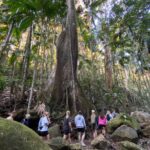
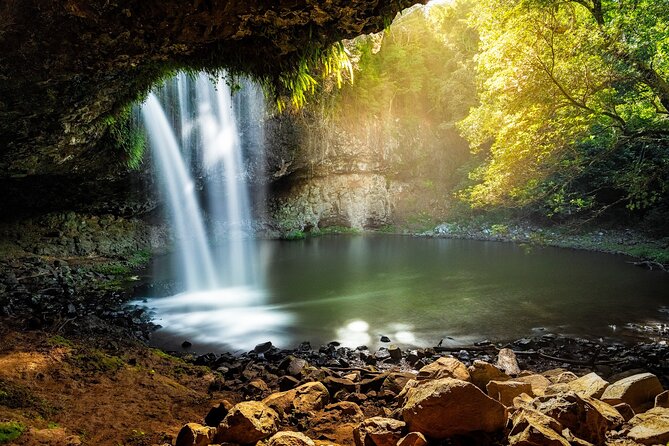
Rainforest habitat adds a different kind of wildlife. It’s not just a change in scenery; it changes the signals you’re watching for—sound, mist, shade, and micro-habitat edges. This is the part of the day that often makes the tour feel more like real ecology than just “driving around until you see something.”
The tour is still aimed at the guaranteed sightings, but rainforest is where you may add variety to your list. If conditions are right, you might spot animals such as tawny frogmouth or water dragons. Even if you don’t catch those species, this stop is valuable because it teaches you how different habitat styles support different wildlife patterns.
Practical tip for this part of the day: keep your eyes up and scan slowly. Rainforest animals often rely on stillness, and quick glances miss the moments when eyes move or bodies shift posture.
Grassland Stop and Flying Fox Viewing: The Best Time to Watch the Night Shift

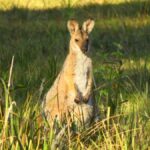
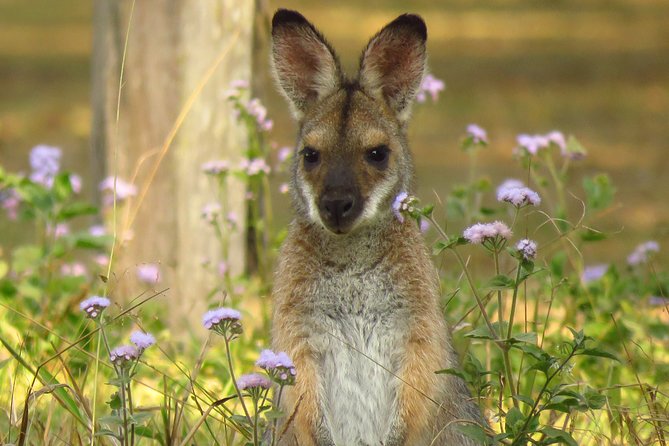
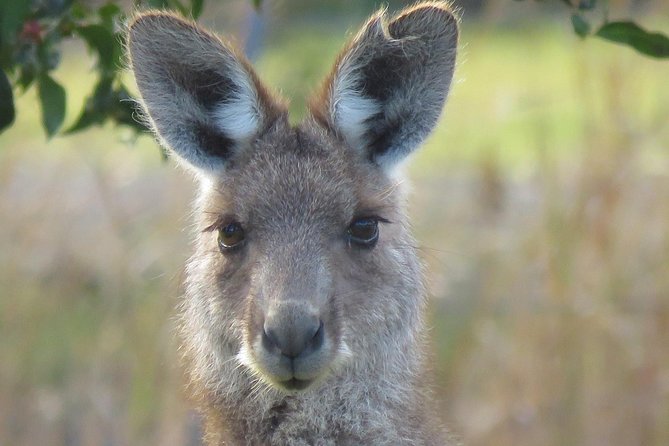
Grassland is where the safari balances out the day with animals that prefer more open areas. You’ll look for kangaroos and wallabies here, and the tour is set up to show you a mob of kangaroos as part of the promise.
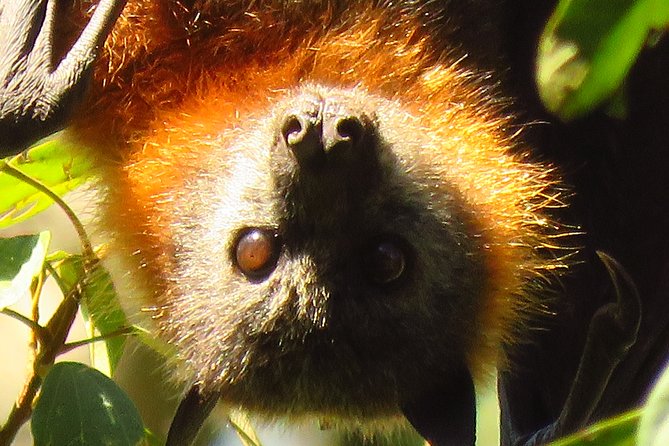
Then there’s the flying fox element. Flying foxes can be tricky in the wild because you’re not looking at a single animal on a leash-friendly platform. You’re watching a whole colony pattern—where they rest, how they hang, and how they react to the environment. That’s why the guide’s timing and habitat knowledge matter. If the conditions are cooperative, you get that colony experience instead of a fleeting glimpse.
The grassland stop also helps explain why the tour is worth doing in one day. If you only visited one habitat, your odds would narrow. By hopping habitats, you multiply your chance of seeing different animals behaving naturally.
A few more Byron Bay tours and experiences worth a look

The Lunch Setup: Locally Sourced Picnic Food That Keeps You Moving
You get a locally sourced picnic lunch, and it’s included. That’s not a tiny detail. On a wildlife safari, you want a meal that keeps you comfortable and on schedule, not something that turns into a long detour.
You should plan for the basics: drinks are not included. If you tend to get thirsty while walking, scanning, and waiting for the right moment, bring what you need or budget to purchase drinks separately. The tour vehicle is air-conditioned, but you’ll still spend time outdoors in multiple habitats.
If you’re picky about food, the good news is that you’re not relying on finding a restaurant at the last minute. The included picnic keeps the day flowing, and it also gives you a natural pause before another habitat session.
Guides and Group Energy: Environmental Science Meets Real-World Animal Finding
One thing that pops from real-world experiences with this safari is the guide style. The tour uses an environmental scientist as your guide, and it shows in how you’re taught to look. It’s not only about where to go; it’s also about understanding what you’re seeing and why animals hang out where they do.
Names like Wendy, Gary, and Tom show up in guide stories because they’re described as enthusiastic and highly prepared. Even more important than enthusiasm is preparedness. You want a guide who thinks ahead with safety and timing, especially when you’re traveling through wildlife habitats.
If you’re into photos, you may also like the fact that some guides share photos taken during the day. That can be helpful when you’re busy tracking movement and can’t always line up your own shots. Still, don’t assume it’s automatic—just know it’s part of the guide culture you might experience.
Price and Value: Is $135.56 Worth It for a 7-Hour Safari?
At $135.56 per person for about seven hours, the value depends on what you compare it to.
Here’s what you’re getting for that money:
- Pickup and drop-off from Byron Bay accommodations
- Air-conditioned 4WD transport with a small group size (max 10)
- An experienced environmental scientist guide
- Locally sourced picnic lunch
- A structured route through multiple habitats designed for wildlife viewing
- A promise of core sightings: koalas, kangaroos, and flying foxes
If you tried to recreate this yourself, you’d be paying for transport, fuel, parking, and probably multiple car stops just to cover different habitats. You’d also lose the guide element that helps you spot animals that blend in or stay still until you’re in the right place.
So is it expensive? It’s not cheap. But it’s priced like a real wildlife experience that includes planning, transport, and food. For many people, that’s exactly what you want when your time in Australia is limited.
Who This Byron Bay Wildlife Safari Suits Best
This safari fits you best if:
- You want to see Australian wildlife in natural habitat, not in a zoo setting.
- You care about eco rules and respectful viewing (observe, don’t disturb).
- You like guided scanning and learning how wildlife behaves where it lives.
- You’re traveling with kids who can handle outdoors time, with the requirement that children must be accompanied by an adult.
It may not fit as well if:
- You’re mainly chasing interactive animal experiences (feeding or patting).
- You need guaranteed sightings of every species mentioned. The tour is certain about the core three, while other animals can be weather/condition dependent.
Quick Booking Check: Should You Book This Safari?
I’d book it if your priority is smart wildlife viewing with habitat variety and you want pickup, food, and a small-group setup. The combination of guaranteed koalas and kangaroos plus flying fox colony viewing is a strong reason to plan your Byron Bay day around this.
Before you book, just line up your expectations: this is wildlife watching. You’re guaranteed the key experiences, but the “maybe you’ll see” animals depend on how the day behaves—light, movement, and overall conditions.
Also, bring the practical basics for a long outdoors day: comfortable shoes, sun protection, and a plan for drinks since they’re not included.
FAQ
How long is the Byron Bay Wildlife Safari?
It runs for about 7 hours.
What time does the tour start?
The start time is 9:30am.
Is pickup and drop-off included?
Yes. Byron Bay accommodation pickup and drop-off are included.
What wildlife can you expect to see?
You are guaranteed to see koalas and kangaroos, and you should see flying foxes. You may also see wallabies, birds, and other mammals such as pademelons depending on conditions.
What habitats do you visit during the safari?
You visit three habitats near Byron Bay: eucalyptus forest, rainforest, and grassland.
What’s included in the price and what’s not?
Included are lunch (a locally sourced picnic lunch), an experienced guide, Byron Bay accommodation pickup and drop-off, and an air-conditioned vehicle. Drinks are not included, and transfers to Byron Bay are not included.
What if weather is poor?
This experience requires good weather. If it’s canceled due to poor weather, you’ll be offered a different date or a full refund.