REVIEW · BYRON BAY
Byron Bay: Full-Day Wildlife Safari
Book on GetYourGuide →Operated by Vision Walks - Eco Tours · Bookable on GetYourGuide
Koalas, in the wild, not a zoo. This full-day Byron Bay Wildlife Safari takes you through three habitats near Byron Bay, so you’re not just watching animals—you’re learning where they live and how to spot them. I especially love the fact that your guide is an environmental scientist, and the day is built around real bush encounters, not staged animal moments. The main trade-off is that it’s a safari, so you’ll do real driving and some walking—and if you’re prone to motion sickness, the roads are something to plan for.
You’ll travel in either a cozy eight-seater hybrid vehicle or a spacious 12-seater bus (depends on group size, max 10). The tour also has a clear eco rule: observe but do not disturb, and it’s not the right choice if you want to feed or pat wildlife. And yes, there’s a locally sourced picnic lunch in the middle of the day to keep you fueled for the next set of wildlife searches.
In This Review
- Key highlights worth getting excited about
- Why This Byron Bay Wildlife Safari Feels Like Real Australia
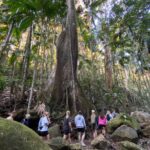
- Three Habitats in One Day: Eucalyptus Forest, Rainforest, and Grassland
- Eucalyptus forest: classic Aussie wildlife territory
- Rainforest: cover, sound, and birdlife
- Grassland: open views and the kangaroo search
- Guaranteed Wildlife Sightings: Koalas, Kangaroos, Flying Foxes, and More
- Flying foxes: learn what you’re seeing
- Extra sightings if conditions are right
- Your Environmental Scientist Guide: What Makes the Difference on the Ground
- How the Picnic Lunch Works in the Middle of the Wild Day
- Getting There in Comfort: 8-Seater Hybrid or 12-Seater Bus
- What to Bring (So You’re Not Rushing or Uncomfortable)
- How the Sightings Feel: Patience Pays, but Wildlife Has Its Limits
- Price and Value: Is $133 Worth a Full Day?
- Who This Tour Suits Best (and Who Should Skip It)
- Should You Book the Byron Bay Wildlife Safari?
- FAQ
- What animals does this tour guarantee seeing?
- How long is the Byron Bay Wildlife Safari?
- Do I need to bring my own water bottle?
- Is there a lunch included?
- What kind of guide will I have?
- Is feeding or patting wildlife allowed?
- What should I wear for the safari?
- Where do pickups happen?
Key highlights worth getting excited about
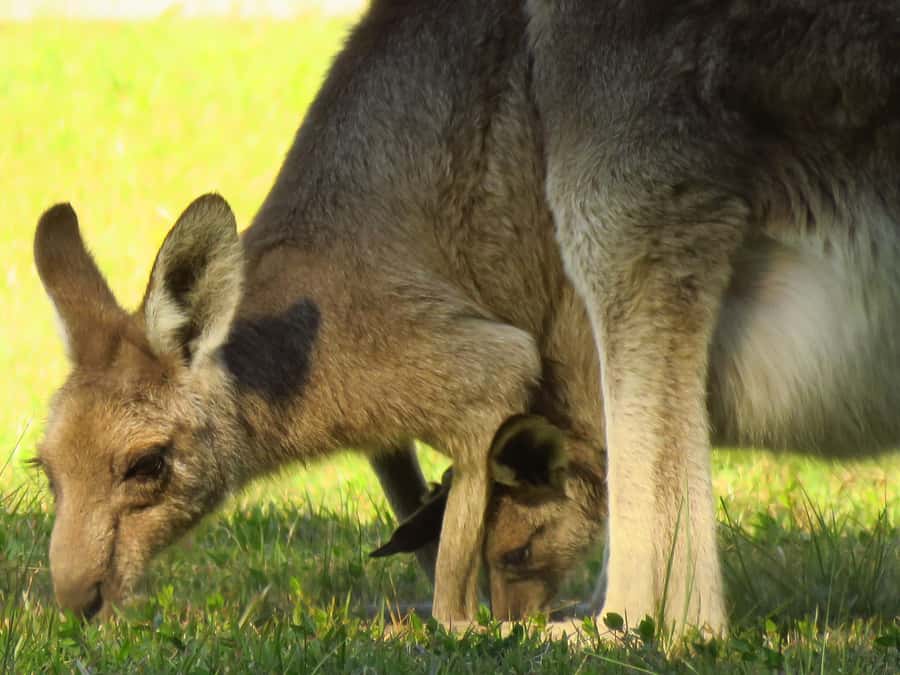
- Guaranteed koalas and a mob of kangaroos (wild sightings, not zoo guarantees)
- A flying fox colony plus lots of birds, with help spotting different species
- Three habitats in one day: eucalyptus forest, rainforest, and grassland
- Environmental scientist guide who can turn sightings into real ecology lessons (with names like Tom, Wendy, and Skye praised in guides)
- Binoculars, photo access, and a sit-down picnic lunch that feels like part of the experience
Why This Byron Bay Wildlife Safari Feels Like Real Australia
If you love Australia but you get twitchy at the idea of animals in cages, this tour hits the sweet spot. The whole point is “in the wild,” across different habitat types. Instead of one single stop with the same animals repeating all day, you move with the ecosystem—bush, rainforest edges, and open grassland—so your chances match what these animals actually need.
I also like that the guiding style is built around observation. The tour asks you to respect distance and behavior. You’re there to see, not to interfere. That matters because the best moments tend to happen when you let wildlife go about its day without extra stress from humans.
Finally, this is a small-group format. With a maximum of 10 people, your guide can actually work the group like a team—helping you line up a sighting, answering questions, and adjusting walking pace when needed. It’s a big difference from those long, loud tours where you’re basically searching alone.
A few more Byron Bay tours and experiences worth a look
Three Habitats in One Day: Eucalyptus Forest, Rainforest, and Grassland
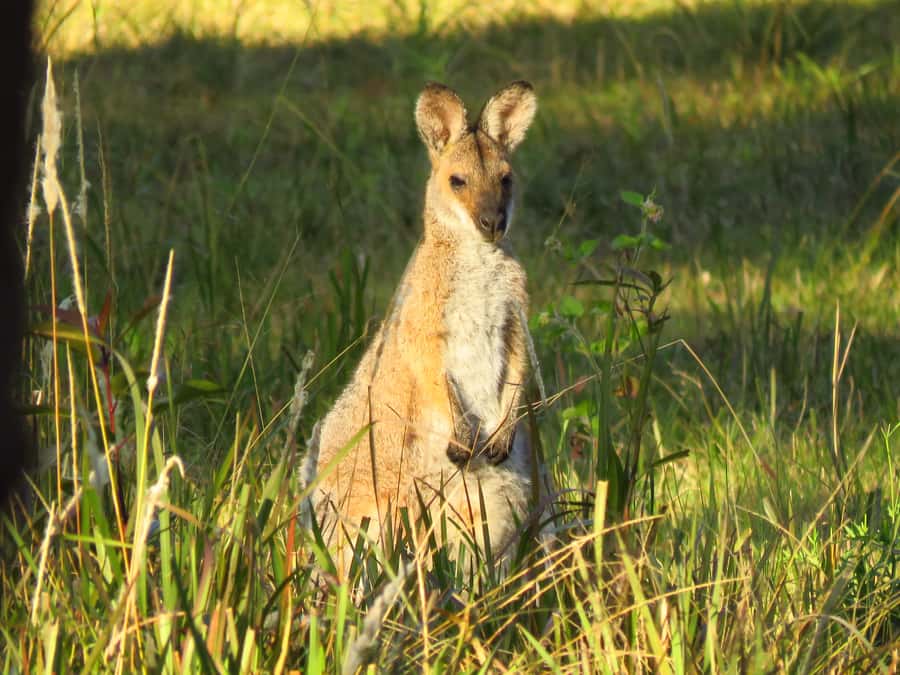
The day is structured around three habitat types near Byron Bay. That’s not just a geography detail—it’s why the safari feels varied.
You start with a 45-minute drive to the first stop. After that, you’ll do shorter drives and some walking between wildlife search areas. The walking is described as fairly easy and adaptable to the group’s abilities, but you’ll still want covered shoes and a bit of stamina. Think of it as gentle nature time with purpose: stop, scan, listen, and learn where the animals tend to show up.
Here’s how the habitats pay off:
Eucalyptus forest: classic Aussie wildlife territory
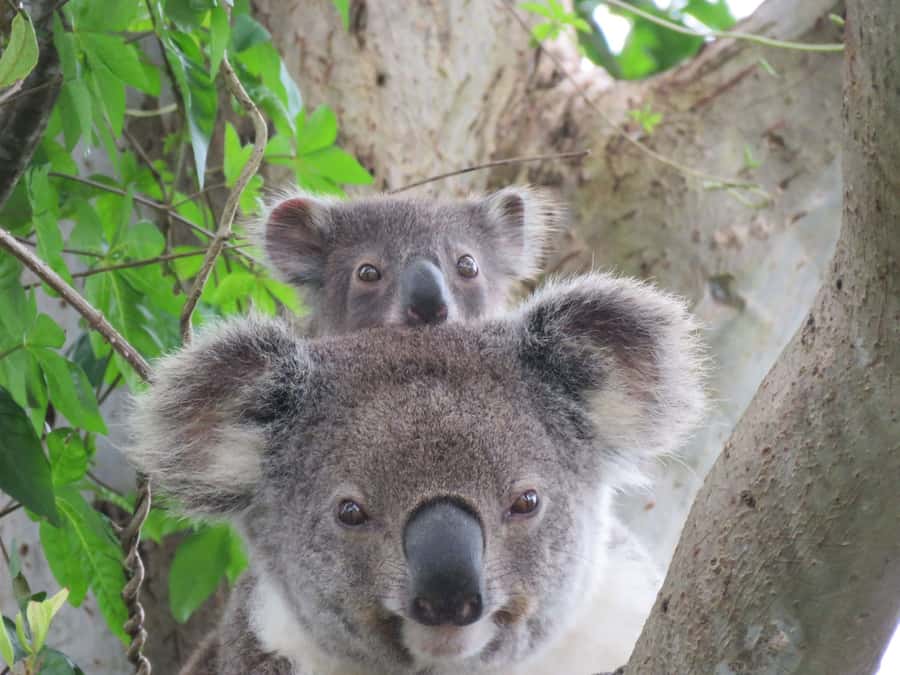
Eucalyptus forest is where you’re most likely to catch the rhythm of koalas—areas with the right tree types, shade, and the kind of quiet wildlife tends to prefer. In this habitat, your guide’s job is part science and part fieldcraft: reading the land, picking spots, and then helping you recognize what you’re actually looking at.
Rainforest: cover, sound, and birdlife
Rainforest areas tend to raise the bird volume and increase “hidden movement” moments. It’s also where you may spot wildlife that likes thicker cover. If you enjoy listening for calls as much as scanning with binoculars, this is the habitat that rewards patience.
Grassland: open views and the kangaroo search
Open grassland is where the safari really shifts gears. You get wider sightlines, more chances for kangaroos to be out and about, and more of that wide-bush feeling. This is also where you’ll learn the difference between kangaroos and wallabies—a small lesson that makes a big visual difference once you’ve got it in your head.
A few more Byron Bay tours and experiences worth a look

Guaranteed Wildlife Sightings: Koalas, Kangaroos, Flying Foxes, and More
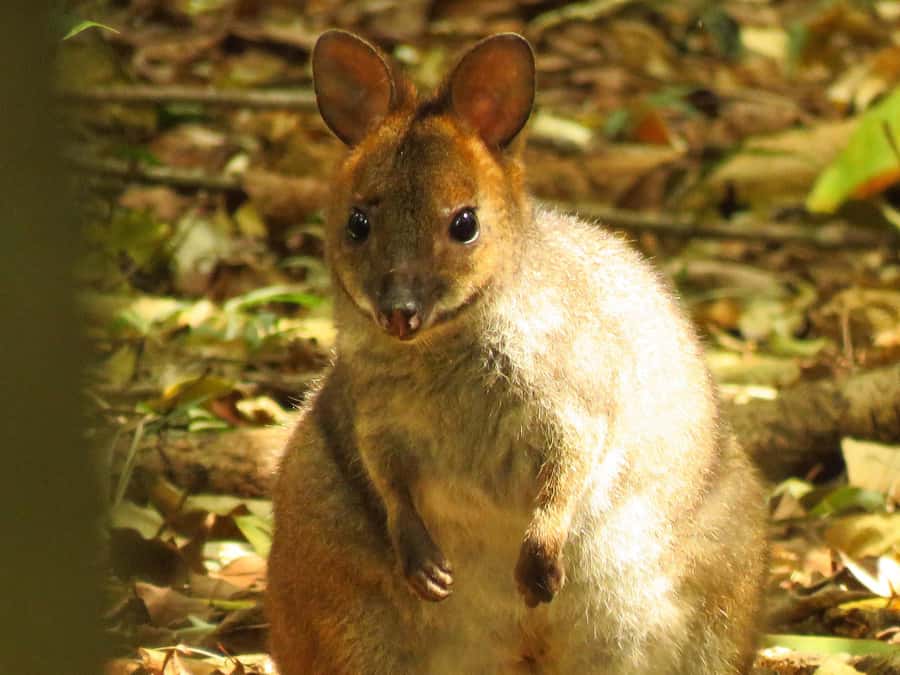
The tour is explicit about what it sets out to deliver. You’ll be guided to see:
- Koalas (guaranteed you’ll see a koala or two)
- Kangaroos (guaranteed a mob)
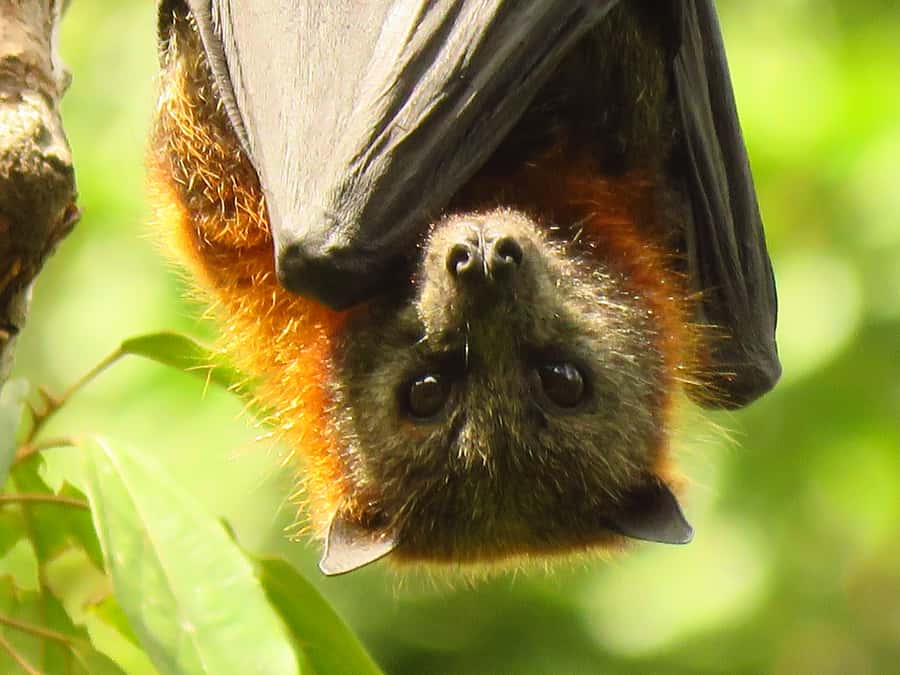
- A whole colony of flying fox
- Many species of birds
That’s the kind of promise most people want when wildlife trips are on a tight schedule. It doesn’t mean you’ll see every animal you can dream up. But it does mean the day is built to hit the core Australian icons—without forcing you into an animal park.
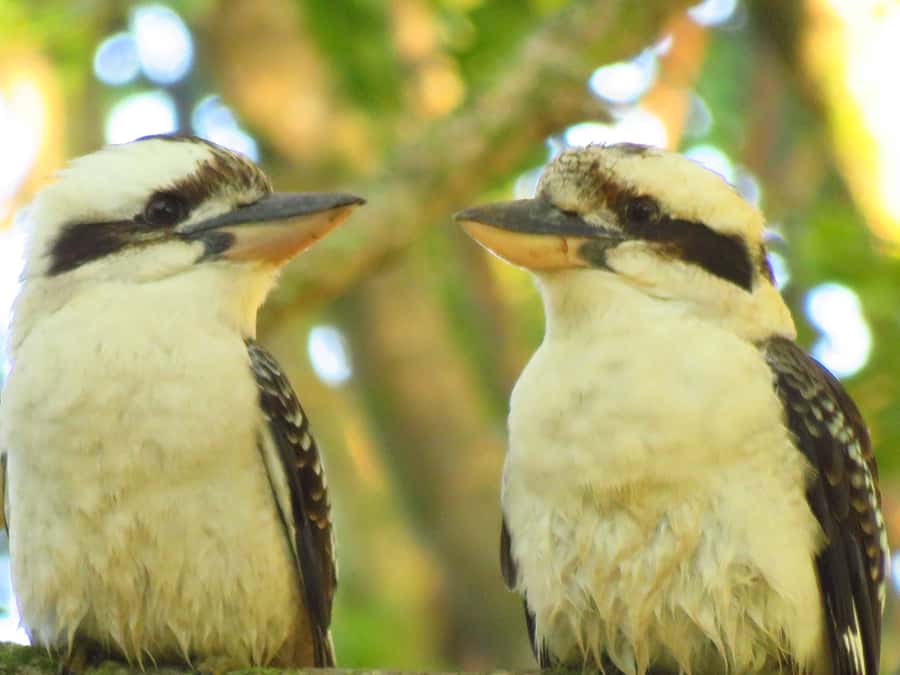
And it’s not only mammals. You’ll spend a lot of time on bird spotting. The tour mentions native hens, ducks and waders; noisy colorful parrots; the iconic kookaburra; magpies and currawong; plus tiny wrens and robins. On a good day, you’ll feel like you’re watching a living map—every call and movement helping you figure out where to look next.
Flying foxes: learn what you’re seeing
One of the cool practical skills is learning to tell grey-headed vs black flying fox. That’s one of those things you can’t always pick up from photos, because color and size can look different in the wild. With the guide’s help and binoculars, it becomes real-world learning.
Extra sightings if conditions are right
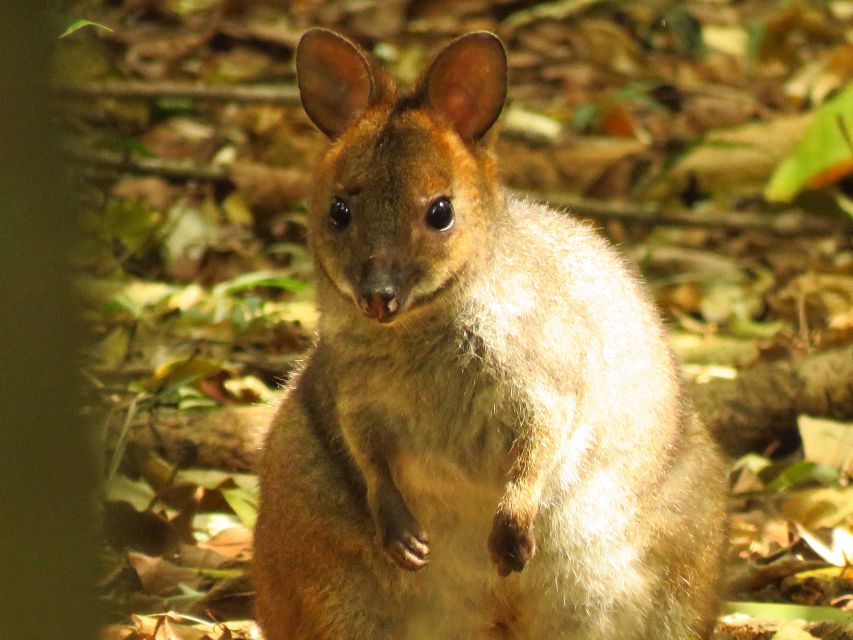
You may also see pademelon, echidna, tawny frogmouth, and water dragons if conditions line up. Reviews also mention some unexpected wildlife like bats and a carpet python. That’s the fun part of going out into the real bush: you never know when something shows itself, as long as you keep looking and stay respectful of distance.
Your Environmental Scientist Guide: What Makes the Difference on the Ground
This is where the tour earns its place. Your guide is an environmental scientist, and that changes the whole vibe from “spot the animal” to “understand why it’s here.”
When I read the guide feedback, a pattern jumps out: guests consistently mention the guide’s enthusiasm and the way they can turn a quick sighting into a real explanation of habitat and behavior. Names that came up in praise include Tom, Wendy, and Skye. Those aren’t just celebrity mentions—they reflect a guide team that’s comfortable talking ecology in a way you can actually use.
You’ll also learn small ID skills that quickly make you a better wildlife spotter:
- Kangaroos vs wallabies
- Grey-headed vs black flying fox
- How to scan effectively, using binoculars without blocking others
The tour’s no-disturb rule reinforces this. If you learn what to watch for and when to back off, you get better sightings and you’re less likely to cause stress. It’s better for animals and it’s better for your photo ops.
How the Picnic Lunch Works in the Middle of the Wild Day
A lot of “wildlife” tours hand you a sad sandwich and call it lunch. This one does better. You stop for a sit-down picnic lunch that’s locally sourced.
It’s also timed to keep you from arriving to lunch already drained. Still, I’d treat it as you would any full-day outing: eat what you can and don’t rely on your stomach to magically keep up. One review specifically suggested eating beforehand if you get hungry early, and that’s just smart planning when pickup and sighting time can run ahead of your hunger schedule.
Dietary requirements aren’t ignored—you’re asked to let the operator know when you book. You’ll also have water refills included, though bottled water isn’t included.
Getting There in Comfort: 8-Seater Hybrid or 12-Seater Bus
This safari runs as a full day, so transport comfort matters. Depending on your group size, you’ll go in either:
- a cozy eight-seater hybrid vehicle, or
- a more spacious 12-seater bus
A highly rated transport score suggests the rides are handled well, but here’s my practical tip: if you’re the type who gets carsick on curvy roads, bring your motion sickness plan. One guest directly mentioned that as advice, and with a safari involving multiple drives and stops, it’s a reasonable precaution.
Also keep in mind you’ll be out in open nature time—so the weather can matter even if you’re not hiking hard.
What to Bring (So You’re Not Rushing or Uncomfortable)
This tour is set up for an easy-to-moderate nature day, but you still need the basics.
Bring:
- a water bottle (refills are provided, but you need your own container)
- closed-toe shoes
- a jacket if the weather looks cool or damp
The tour also requests dark clothing if possible. The goal is simple: don’t draw attention to yourself, so the animals stay focused on their world, not yours. It’s also just a practical way to blend into the bush—plus it makes scanning less distracting for everyone.
How the Sightings Feel: Patience Pays, but Wildlife Has Its Limits
A wildlife safari is never a video-game guarantee of perfect visibility. The tour does provide strong expectations for key animals, but you still need the right mindset.
Here’s what I’d expect in real terms:
- You’ll spend a lot of time looking, not just moving.
- Animals might be visible briefly. Sometimes you’ll see them more clearly after a pause.
- The guide will work hard to put you in the right places, but nature isn’t a schedule.
Some reviews highlight huge numbers of koalas and kangaroos, while at least one guest reported seeing less wildlife than hoped. That’s the reality of going into the wild: conditions can affect how animals move and how easily they’re spotted.
So the best way to make this tour work for you is to come ready to slow down. Listen, scan, follow instructions, and don’t rush past every stop. Your guide wants you watching the right thing at the right time.
Price and Value: Is $133 Worth a Full Day?
At about $133 per person for a 7-hour experience, this isn’t the cheapest thing you can do in Byron Bay. But it has built-in value that helps justify the cost—especially if you’re trying to avoid zoos.
You’re paying for:
- hotel pickup and drop-off (saving time and local transport hassle)
- an environmental scientist guide (specialized expertise)
- binoculars and photo access
- a locally sourced picnic lunch
- water refills
And most importantly, you’re paying for time in three different habitats. That “more chances in more places” approach is usually better value than a one-stop wildlife outing.
If your main goal is koalas, kangaroos, flying foxes, and a wide range of birds—while learning how to spot and identify them without disturbing wildlife—then this price can feel fair.
If you’re the kind of traveler who wants a guaranteed close-up photo moment (even if it means being near animals), then this may not match your expectations. This is about respectful viewing, not interaction.
Who This Tour Suits Best (and Who Should Skip It)
This Byron Bay wildlife safari is a strong fit if:
- you’re anti-zoo and want wild behavior, not enclosures
- you like learning in the field, especially from an environmental scientist
- you want a small group experience (max 10) with real time for questions
- you’re interested in birds, not just mammals
- you can handle a day with driving and gentle walks
It may be the wrong fit if:
- you want to feed or pat animals (the tour doesn’t do that)
- you can’t manage motion sickness on a route with multiple drives and stops
- you need fully guaranteed extra species beyond the core targets
Should You Book the Byron Bay Wildlife Safari?
I’d book it if your ideal day looks like quiet bush moments, good bird spotting, and at least a few big Aussie icons. The strongest reason to choose it is the combination of in-the-wild locations plus an environmental scientist guide plus a structured day through eucalyptus forest, rainforest, and grassland.
If you’re on the fence, here’s my quick decision rule:
- Book if you want real wildlife viewing with respectful rules and guided learning.
- Think twice if you mainly want animal cuddles or you’re very sensitive to car motion.
And if you do book, show up ready to blend in—dark clothing, covered shoes, and a full water plan. Then let the bush do what it does best.
FAQ
What animals does this tour guarantee seeing?
The tour guarantees you’ll see a koala (or two), a mob of kangaroos, a colony of flying fox, and many species of bird.
How long is the Byron Bay Wildlife Safari?
It’s a full-day tour with a duration of about 7 hours.
Do I need to bring my own water bottle?
Yes. Water refills are included, but bottled water is not. Bring a reusable water bottle.
Is there a lunch included?
Yes. You’ll have a locally sourced picnic lunch.
What kind of guide will I have?
You’ll have an environmental scientist guide, and the tour runs in English.
Is feeding or patting wildlife allowed?
No. This is an eco-tour focused on observing without disturbing wildlife, so it’s not for feeding or patting.
What should I wear for the safari?
Wear closed-toe shoes and, if possible, dark clothing to help you blend in. A jacket may be needed depending on the weather.
Where do pickups happen?
Pickup is available from Byron shire or Ballina shire accommodation.