REVIEW · DARWIN
Darwin: Whipray Encounter with Entry to Crocosaurus Cove
Book on GetYourGuide →Operated by Crocosaurus Cove · Bookable on GetYourGuide
2-metre whiprays come to you. In Darwin at Crocosaurus Cove, this 30-minute Freshwater Whipray encounter puts you close to a large, inquisitive animal and lets you hand-feed it with an experienced handler. I love the direct, hands-on style of the session, and I like the small group limit of up to four people, which helps keep the moment personal. One thing to consider: in a recent booking, the encounter didn’t happen due to a mechanical problem with the enclosure.
You also get full-day entry to Crocosaurus Cove, so your ticket works like more than a quick show. After the fish-feeding part, you can keep exploring the cove’s marine animal exhibits at your own pace.
Plan for logistics that matter in the tropics. The handler-led feeding is about 30 minutes, and you’ll want to arrive 20 minutes early at Crocosaurus Cove so you’re ready when the afternoon show runs. Wear simple clothes you don’t mind getting wet, since you should expect splashes.
In This Review
- Key highlights to know before you go
- Whipray feeding in Darwin: what the 30 minutes is really like
- Crocosaurus Cove full-day entry: turning a show into a whole day
- Safety and handler guidance: why the small group matters
- What to bring (and wear) in Darwin’s heat and water
- Price and value: is $43 worth the 2m whipray moment?
- Who should book this whipray encounter (and who should skip it)
- How to plan your day around the meeting point
- Should you book? A practical decision guide
- FAQ
- How long is the Darwin whiray encounter?
- Where does the experience take place?
- What is included with the $43 price?
- Do I get to explore Crocosaurus Cove after the encounter?
- How many people are in the group?
- Is there a live guide, and what language do they speak?
- What should I bring with me?
- Is the encounter suitable for young children?
- What time should I arrive?
- Are food, drinks, or transfers included?
Key highlights to know before you go
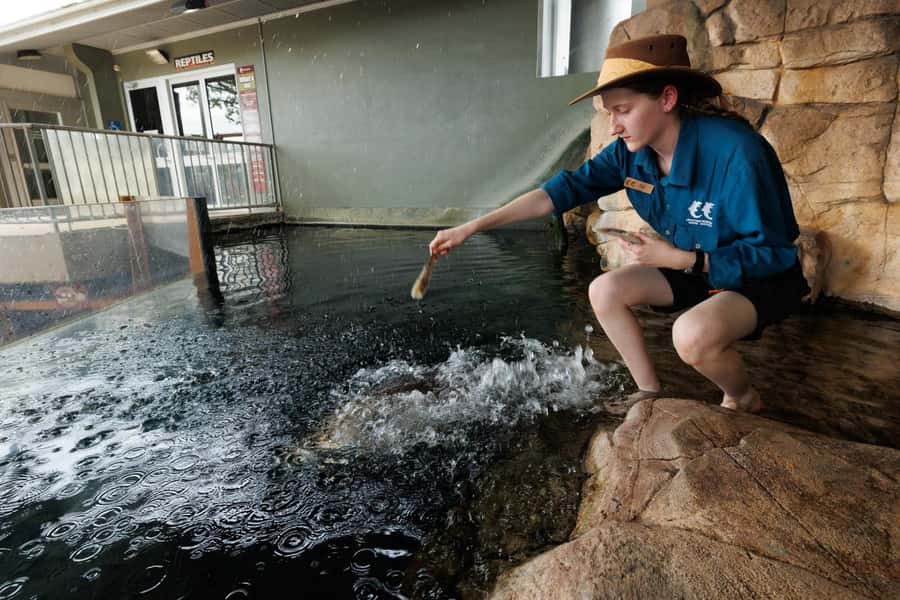
- Hand-feed 2m freshwater whiprays during the afternoon fish feeding show
- Small group size (limited to 4 participants) for a calmer, more personal experience
- Experienced handler guidance focused on safety and how to feed safely
- Full-day entry to Crocosaurus Cove to keep exploring after the encounter
- Expect splashes so you can dress and prepare for water contact
- In Darwin, local species: freshwater whiprays native to the region
Whipray feeding in Darwin: what the 30 minutes is really like
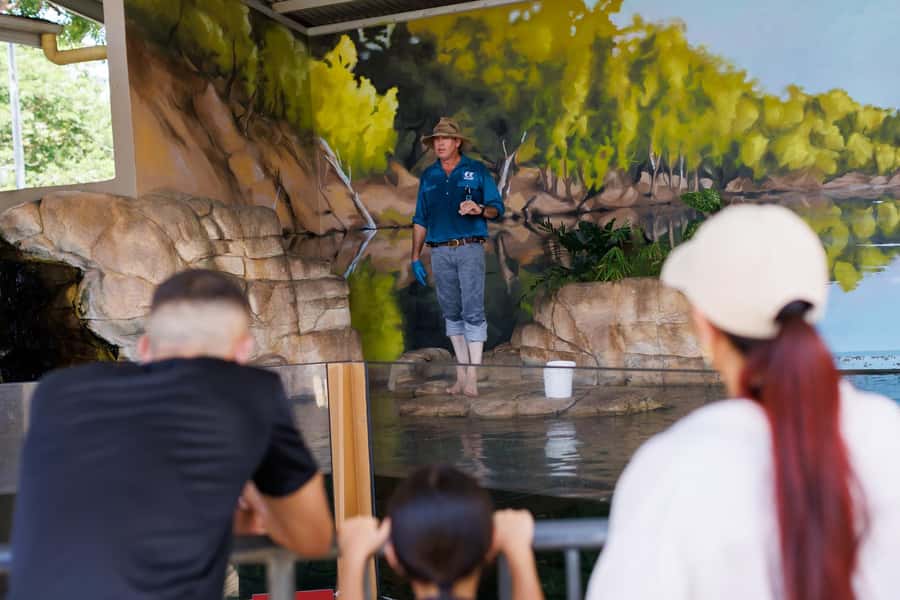
This is a short, focused experience built around one main moment: getting up close with Freshwater Whiprays and hand-feeding a friendly 2-metre animal. The session is tied into an afternoon fish-feeding show, so you’re not just walking past tanks and hoping for the best. Instead, you’re in the right place at the right time, with a handler guiding you through the feeding action.
You’ll be working alongside your handler, who helps you replicate natural behavior—freshwater whiprays are known to move onto riverbanks while chasing small fish. That context helps the encounter make sense once you’re there, because you’re not only reacting to an impressive animal; you’re also learning why it behaves the way it does.
Because the session is hand-fed, it’s practical to treat it like a “stand close, follow instructions, stay steady” activity. The handler’s role is important here. In feedback, the experience is repeatedly described as both safe and personalized, which is exactly what you want when you’re interacting with a large animal.
One more reality check: you should expect to get splashed. That doesn’t mean it’s out of control, but it does mean you should plan your clothing around water contact rather than comfort for “dry photos.”
You can also read our reviews of more tours and experiences in Darwin.


Crocosaurus Cove full-day entry: turning a show into a whole day
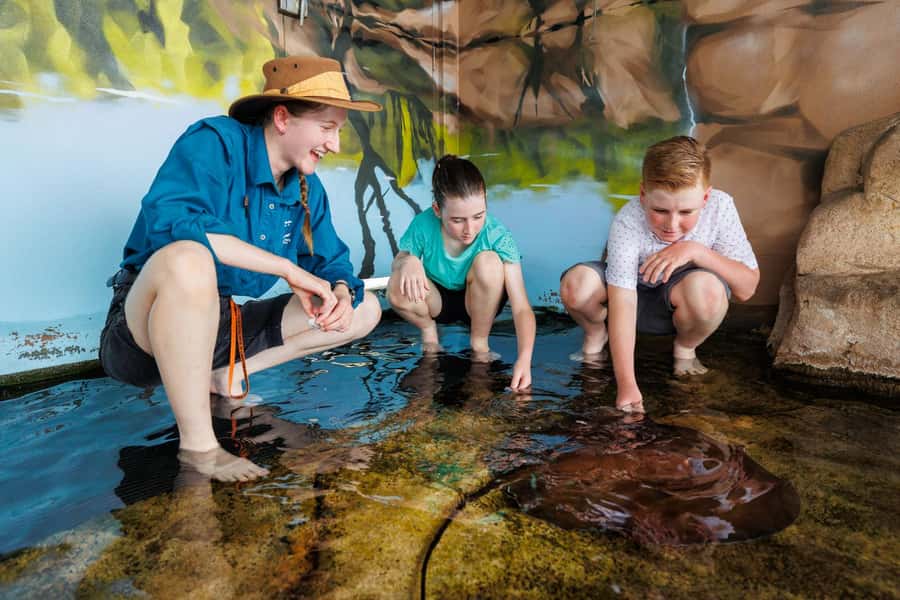
The whiray encounter is only 30 minutes, but your ticket includes full-day entry to Crocosaurus Cove. That’s a big part of the value, because you can spread your visit instead of rushing in and out for the single highlight.
Here’s how I’d use the timing if you want the best balance of excitement and calm:
- Do the encounter as scheduled (it’s built into the afternoon fish-feeding show).
- Afterward, shift gears and explore at your own pace, so you can linger where you’re most interested rather than follow a tight timeline.
This “start with an experience, finish with exploration” format is ideal if you’re traveling with different energy levels in the group. One person can focus on the live feeding moment, while another can enjoy the exhibits after the hands-on portion is done. Even if you’re coming for the encounter, the extra hours help make your admission feel like a real visit, not a quick stop.
Since you can check the local supplier’s website for the showtimes and a full list of activities, you can also shape your day around the schedule. That’s especially helpful if you’re visiting Darwin on a day with other plans.
Safety and handler guidance: why the small group matters
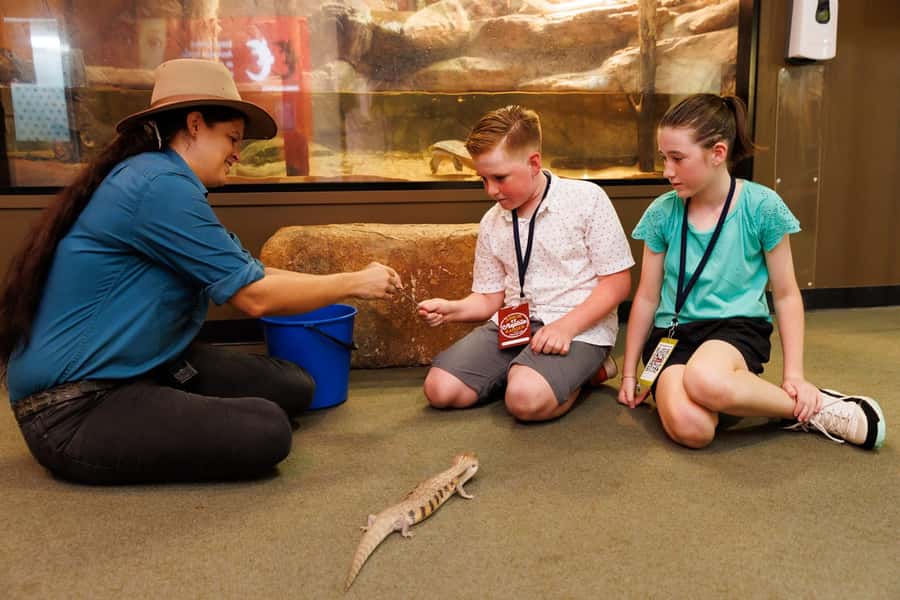
Small group time is where this experience gets more than just “cute photos.” With a limit of up to four participants, the handler can coach you through the feeding moment without rushing five or six people at once. That matters for two reasons: comfort and safety.
First, you’ll get a more personal run-through of what to do and what to avoid. The encounter description makes it clear you’ll be working with an experienced handler, and the feedback supports that the guidance feels both knowledgeable and safe—meaning you’re not just being pointed toward the water and left to figure it out.
Second, the handler can adjust in real time. Hand feeding a large animal is inherently unpredictable. The calm, controlled feel comes from the handler pacing you and keeping things organized.
If you’re the kind of person who hates surprises, you’ll likely appreciate that this is structured around an event with a guide-led approach. You’re not improvising in a tank. You’re participating in a taught interaction.
What to bring (and wear) in Darwin’s heat and water
You only need a couple of specific items listed, but they’re smart choices: flip-flops and shorts. The simple clothing is about practicality—quick drying, minimal fuss, and comfort in warm Northern Territory weather.
You should also expect splashes. So even though you’re wearing flip-flops and shorts, it’s wise to treat it like “water contact is part of the deal.” If you’re planning to keep touring after your encounter, you might want to think about how you’ll feel wearing damp clothes.
Children should be planned for with care:
- Not suitable for children under 10 years.
- Children under 16 must have parental consent to participate.
Also, the tour is English-led, so you won’t have to hunt for translation apps or work around language barriers during the feeding instructions.
Price and value: is $43 worth the 2m whipray moment?
At $43 per person for a 30-minute encounter, the price can look like a lot at first glance—until you factor in what you’re actually buying.
You’re paying for:
- A handler-led, up-close whipray hand-feeding experience (not a passive viewing setup)
- A group size that’s small enough to feel guided rather than chaotic
- Full-day entry to Crocosaurus Cove, which extends the ticket into a longer visit
That mix changes the value equation. If this were only 30 minutes with no additional access, you’d likely feel it was expensive. But full-day entry turns the encounter into an anchor moment, then you get time to continue the day exploring marine animals after the feeding.
It’s also worth noting that the experience is described as an “afternoon fish feeding show” component, which usually means you’re being slotted into a planned program rather than waiting around for a free-for-all. Planned programming is often what you pay for when you want a smoother experience.
My practical advice: if you’re already planning a Crocosaurus Cove visit, this encounter is the part that makes your day feel hands-on. If you’re not sure you want the exhibits, then only you can judge the value—but for animal-lovers who like interactive, guided encounters, it reads as good value for Darwin.


Who should book this whipray encounter (and who should skip it)
This experience is a strong match if you:
- Want a guided, close-up animal interaction rather than just looking from a distance
- Like hands-on experiences with clear instruction
- Appreciate small group formats where you can stay focused on what matters
It’s also a good choice if you’re spending a day at Crocosaurus Cove anyway. The full-day entry means the ticket can support a longer itinerary, not just a single moment.
You should think twice if:
- You’re traveling with children under 10, since it’s not suitable for them.
- You’re bringing a child under 16 who can’t meet the parental consent requirement.
- You can’t handle getting splashed. This isn’t marketed as extreme, but splashes are expected, so dress accordingly.
One last note from a real-world booking: there has been at least one case where the encounter didn’t happen due to a mechanical problem with the enclosure. That’s not something you can predict, but it is a reminder to keep your schedule flexible when you book.
How to plan your day around the meeting point
You’ll meet at Crocosaurus Cove, and you should arrive at least 20 minutes prior to departure. That buffer matters because this is a live, scheduled show setup. Getting there early gives you time to settle in, check where you need to be, and be ready when the handler-led feeding portion begins.
The encounter itself is only 30 minutes, but it sits inside the larger context of the afternoon program. So if you’re building a day itinerary in Darwin, avoid cramming something right before your showtime.
You also won’t need to worry about English interpretation, since there’s a live tour guide in English.
Food and drinks aren’t included, and hotel transfers aren’t included either. So plan meals around your schedule, and arrange your own way to and from Crocosaurus Cove.
Should you book? A practical decision guide
Book this Darwin Freshwater Whipray encounter if you want an up-close, handler-guided interaction with a large local animal and you’re already planning to spend time at Crocosaurus Cove. The small group limit and the full-day entry are the two big reasons the value feels solid, not just because it sounds exciting.
Skip it (or at least reconsider) if your trip timing is extremely tight or you’re traveling with children below the listed age requirements. And if you’re sensitive to getting wet, treat the expected splashes as a deal-breaker risk and plan your clothing accordingly.
If you want one memorable, hands-on highlight in Darwin that still lets you explore the rest of the day, this is a strong pick.
FAQ
How long is the Darwin whiray encounter?
The whiray encounter experience is listed as 30 minutes.
Where does the experience take place?
It takes place at Crocosaurus Cove in Northern Territory, Australia (in Darwin).
What is included with the $43 price?
Your price includes full day entry to Crocosaurus Cove and the whiray encounter as part of the afternoon fish feeding show.
Do I get to explore Crocosaurus Cove after the encounter?
Yes. After your feeding experience, you can continue to explore Crocosaurus Cove at your own pace using your full-day entry.
How many people are in the group?
The group is small, limited to 4 participants.
Is there a live guide, and what language do they speak?
Yes, there is a live tour guide and the language is English.
What should I bring with me?
The information provided says to bring flip-flops and shorts.
Is the encounter suitable for young children?
It is not suitable for children under 10 years. Children under 16 must have parental consent to participate.
What time should I arrive?
You should arrive at Crocosaurus Cove at least 20 minutes before the tour departure.
Are food, drinks, or transfers included?
No. Food and drinks are not included, and hotel transfers are not included.