REVIEW · NOOSA AND SUNSHINE COAST
Fliteboard eFoil Lesson and Experience in Noosa
Book on Viator →Operated by Fliteschool Noosa · Bookable on Viator
Flying quietly above Noosa water feels unreal. This Fliteboard eFoil lesson in Noosa pairs a calm learning setup with a scenic run toward the start of Great Sandy National Park, so you get both skill-building and big views without rushing. It runs about 1.5 hours of guided time on the water, with a small group and serious safety basics.
What I love most is the step-by-step coaching that moves you from kneeling or sitting to standing at your pace. The second big win is the high-quality safety kit included with the lesson, including helmets, lifejackets, and wetsuits for cooler months.
One thing to consider is that the experience depends on good weather, so if conditions are poor they’ll shift your date or offer a refund.
In This Review
- Key things to know before you go
- Fliteboard eFoil in Noosa: the kind of sport that teaches itself fast
- Your 2-hour plan: jetty skills first, then real riding time
- Noosa River stop: learning on calmer water
- Great Sandy National Park start area: more space, more wildlife chances
- Instruction style: personal coaching from people who’ve done this a lot
- Safety and gear: helmets, lifejackets, and wetsuits for comfort
- Price and value: what $161.38 really buys you
- Weight and age rules: double-check before you book
- Where you meet and how the session ends
- Tips to get more flying time (and less frustration)
- Who this experience suits best
- Should you book the Fliteboard eFoil lesson in Noosa?
- FAQ
- FAQ
- How long is the Fliteboard eFoil lesson in Noosa?
- What does the lesson include?
- Where do we ride during the lesson?
- What are the age and weight limits?
- How many people are in the group?
- What happens if the weather is poor?
Key things to know before you go
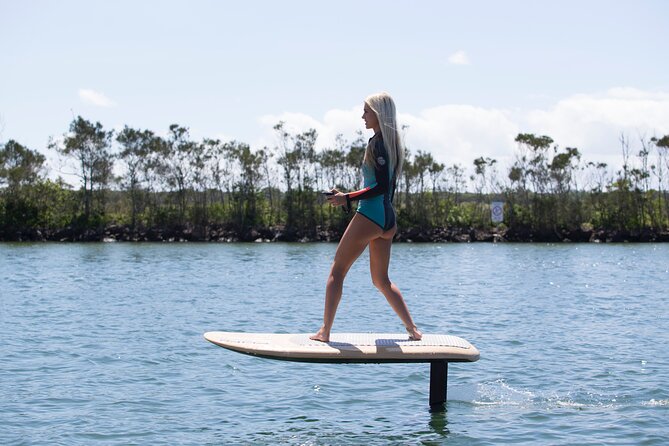
- Small group size (max 3 people) helps you get feedback without feeling rushed
- 15 minutes on the jetty means technique and safety get sorted before you enter the water
- Progression method starts on knees or sitting, then standing, then more controlled riding
- Great Sandy National Park start area gives you space to practice and more nature to watch
- Fliteboards are built for learning, with an emphasis on smooth rides and ease of getting up
- Safety equipment is included, so you’re not scrambling for gear before you start
Fliteboard eFoil in Noosa: the kind of sport that teaches itself fast
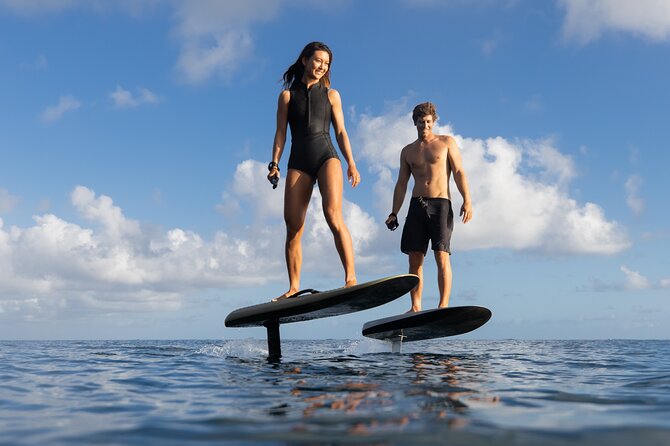
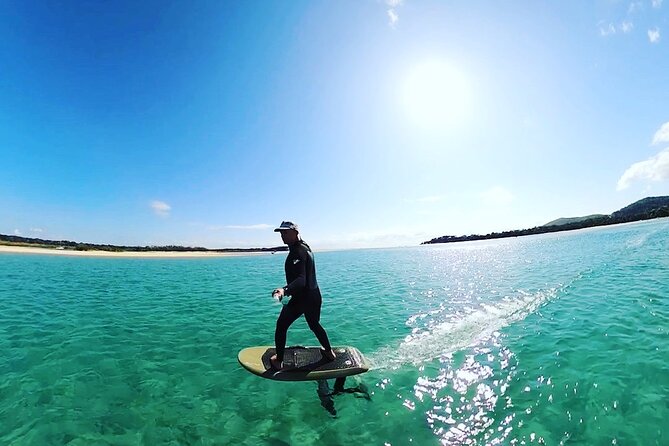
eFoiling is one of those rare activities where your brain goes quiet as soon as the board lifts. One moment you’re trying to find balance; the next moment you’re gliding above the water with a sense of calm that feels almost unfair.
This Noosa session is built around a simple promise: you’ll get instruction early, so you can spend your energy on learning to ride, not guessing. You’re on the Noosa River learning area first, then heading toward a natural spot at the start of Great Sandy National Park where there’s room to keep practicing.
A few more Noosa and Sunshine Coast tours and experiences worth a look
Your 2-hour plan: jetty skills first, then real riding time
The total experience takes about 2 hours from start to finish, with roughly 1.5 hours of that time focused on learning and time on the water.
Here’s the flow you should expect:
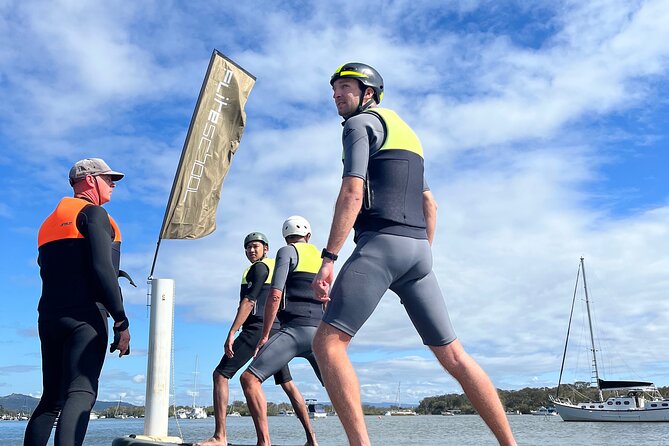
- You start with about 15 minutes of safety and technique tips on the jetty. This is where you learn how to move with the board and how to handle the basics safely.
- Then you head into the water for about 1 hour 15 minutes of guided time.
- The lesson structure focuses on progression, so you don’t get stuck for long at one stage.
The pacing matters. If you go out too early without technique, you burn energy fighting the basics. Here, you get enough coached setup that you can start producing results sooner.
Noosa River stop: learning on calmer water
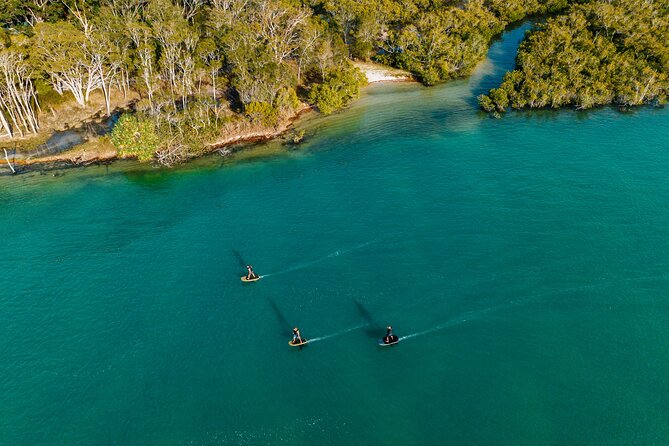
You’ll begin at the Noosa River, in an area designed for learning your new balance system. This is where most people make their first real breakthroughs, because it’s the right mix of accessible water and enough space to try again.
Typically, you start on the eFoil in a low-stress position. Depending on what your instructor decides is best for you, you may begin on your knees or sitting down. That gives you time to feel how the board behaves before you ask it for the harder job—standing and controlling your direction.
From there, you progress to standing once you’re steady enough. The important part is that the coaching isn’t one-size-fits-all. I like how the instruction aims to match your learning curve rather than forcing the fastest possible start.
Great Sandy National Park start area: more space, more wildlife chances
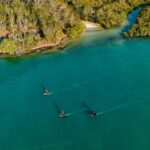
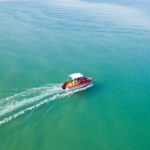
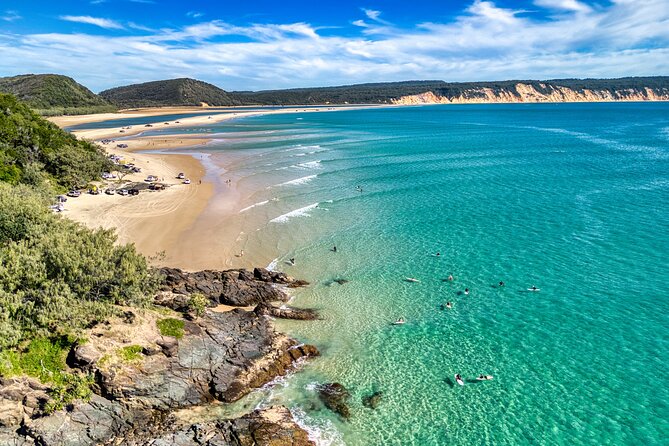
After the initial learning, you head up river to a natural spot near the start of Great Sandy National Park. In practical terms, this means you’re shifting from beginner practice to a setting where you can keep refining control without feeling crowded.
This is also where the scenery does its job. The water and river setting can make the whole ride feel lighter, almost like you’re not working out at all. And you may have a chance to spot wildlife along the way, since you’re moving through a natural stretch of waterways rather than staying in a narrow training pen.
One note: even with plenty of space, early on you’ll be learning a skill that’s partly physical and partly mental. Expect some falls at first. That’s normal, and the key is how quickly you get back into position and try again with minor adjustments.
Instruction style: personal coaching from people who’ve done this a lot
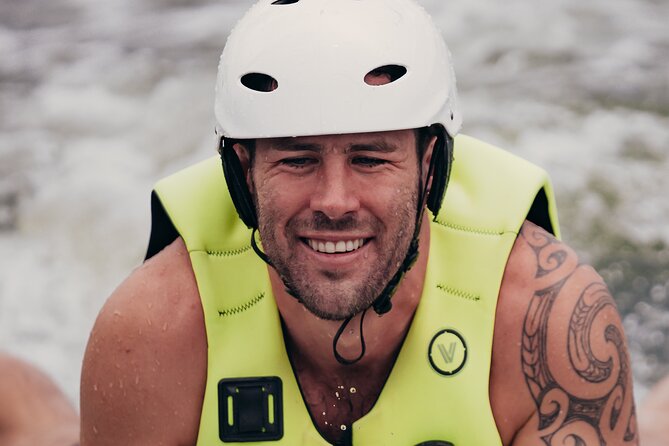
This is where the experience earns its strong reputation. The lesson is taught by experienced instructors, and there’s a clear emphasis on patience and encouraging progress without pressure.
In the past, instructors such as Tyson and Lance have been highlighted for helping riders get up quickly, with clear, easy-to-follow guidance. There’s also been praise for staff like Michael for taking people at their own pace and introducing steps only when the rider is ready.
What you should take from that: you’re not just renting a gadget and hoping for the best. You’re getting coaching that focuses on small changes. That’s why many first-timers can get airborne during the session rather than spending the whole time stuck trying to stand.

Safety and gear: helmets, lifejackets, and wetsuits for comfort
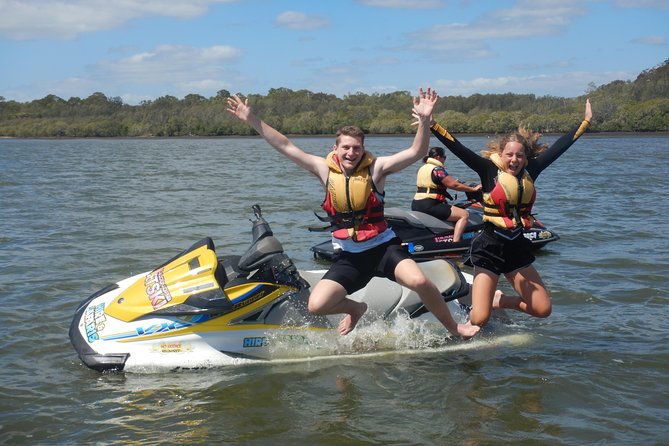
Even if you’re excited, you still want solid safety practices when you’re moving above water. This lesson includes helmets and lifejackets, plus wetsuits in cooler months. Having the right safety basics sorted before you start makes the learning process feel more confident.
Also, the coaching includes safety and technique time on the jetty before you head out. That matters because it helps you understand how to fall and reset without panic.
The balance tip I’d give you before you arrive: treat the lesson like a skills session, not a stunt show. When you focus on the posture and the instructor’s cues, the quiet flying part arrives faster.
Price and value: what $161.38 really buys you
At $161.38 per person, this isn’t the cheapest activity in Noosa. But it’s also not just a quick ride.
You’re paying for:
- A full 1.5-hour instructor-led lesson (with about 15 minutes of jetty coaching included)
- A small group setup with a max of 3 participants, which improves feedback quality
- Included safety equipment and wetsuits when needed
- A learning-focused board setup using Fliteboards, described as among the easiest to learn on with smooth rides
When you add it up, the value comes from the combination of time + coaching + equipment, not just the headline thrill. If you’ve ever tried a hands-on water activity where you spend most of the time waiting or struggling, you’ll appreciate how this is structured to get you moving quickly and staying engaged.
Weight and age rules: double-check before you book
This activity has a few limits. Riders must be older than 15 years and weigh under 110 kg.
If you’re within those limits, you’re in the target zone for learning comfortably. If you’re close to the weight limit, I’d still proceed, but keep your expectations realistic and rely on the instructor’s guidance on what starting position makes the most sense for you.
Where you meet and how the session ends
You meet at 172 Gympie Terrace, Noosaville QLD 4566. The activity ends back at the meeting point, so you’re not dealing with an awkward return plan after you’re done.
It’s also described as near public transportation, which is helpful if you’re staying around Noosa and don’t want to fight parking for a short block of time.
Tips to get more flying time (and less frustration)
You don’t need special training. But a few smart choices can help your body learn faster.
- Wear whatever makes you comfortable during water time. You’ll have wetsuits supplied for cooler months, so plan for that thermal layer.
- Be ready to fall early. Then you’ll stop fearing the first awkward attempts, and you’ll spend more time practicing rather than hesitating.
- Trust the progression. Starting kneeling or sitting is not a downgrade; it’s how you get control without burning out.
- Listen for small adjustments. The biggest improvements usually come from tiny corrections, not big new plans.
If you’ve never done anything like this, that learning curve can feel steep. I like that the lesson approach is built to handle that reality, with enough instruction to make the “I can do this” moment happen within the same session.
Who this experience suits best
This eFoil lesson fits a wide range of people, but it’s especially good for:
- First-timers who want structured coaching, not trial-and-error
- People who enjoy scenery while learning something active
- Visitors who want a high-adrenaline experience without a long multi-day commitment
It can also work for repeat riders, since the lesson includes a tour component and incorporates tweaks to help riders progress. One person even returned after six years and adjusted their approach using a different setup, which helped them improve.
Should you book the Fliteboard eFoil lesson in Noosa?
If you want a short, well-taught way to try eFoiling in a scenic part of Queensland, I think it’s an easy yes. The biggest reason is the teaching style: you’re not left to figure it out on your own, and the structure is built to get you airborne quickly and safely.
Book it if:
- You’re excited by the idea of quiet flight above water
- You like instruction with clear steps and patient feedback
- You want an active “learn and enjoy” experience in Noosa that doesn’t take all day
Skip it or think twice if:
- Weather is a tight constraint for your schedule, since good conditions are required
- You’re outside the age or weight limits
FAQ
FAQ
How long is the Fliteboard eFoil lesson in Noosa?
The full experience is about 1.5 hours of instruction and time to ride, with about 15 minutes of safety and technique on the jetty and about 1 hour 15 minutes on the water. Plan for around 2 hours total.
What does the lesson include?
You’ll get a step-by-step instructor-led lesson, plus safety equipment including a helmet and lifejacket. Wetsuits are also provided for cooler months.
Where do we ride during the lesson?
You’ll start on the Noosa River and then head up river to a natural spot near the start of Great Sandy National Park for more room to practice.
What are the age and weight limits?
Riders must be older than 15 years and under 110 kg.
How many people are in the group?
The maximum group size is 3 travelers.
What happens if the weather is poor?
This experience requires good weather. If it’s canceled due to poor weather, you’ll be offered a different date or a full refund.