REVIEW · MARGARET RIVER
From Augusta: Whale Watching Award Winning Tour
Book on GetYourGuide →Operated by Whale Watch Western Australia · Bookable on GetYourGuide
Watching whales so close feels personal. This 2-hour Augusta cruise is built for humpback whale migration viewing, with live expert commentary that turns a sightseeing trip into real learning, fast. I especially liked the combination of a purpose-built whale watching vessel and the way the crew keep things friendly and easy to follow.
There’s one practical consideration: you can’t bring baby strollers or large bags, and smoking is not allowed. If you’re traveling light, this setup works well. If you aren’t, it’s worth planning ahead so you don’t get stuck at the dock.
In This Review
- Key things I think you’ll care about
- Where Augusta and Flinders Bay fit in the humpback migration
- Boarding at Augusta Boat Harbour: smooth start, tidy setup
- The cruise in sheltered Flinders Bay and what close-to-shore means
- Live onboard whale commentary: faster learning, better spotting
- Beyond humpbacks: dolphins and seabirds add constant motion
- Why responsible whale watching is built into the experience
- The purpose-built vessel and the comfort factor that affects everything
- Pro photos after your cruise: what’s included and why it’s worth it
- Price and value: is $67 a fair deal for a 2-hour cruise?
- Who should book this Augusta humpback cruise
- Tips to make the most of your 2 hours
- Should you book this whale watching tour in Augusta?
- FAQ
- How long is the whale watching tour from Augusta Boat Harbour?
- What’s the main location for the whale watching?
- Is there live commentary during the cruise?
- Are professional photos included?
- Are there any restrictions on what you can bring?
- What is the cancellation policy and can I pay later?
Key things I think you’ll care about
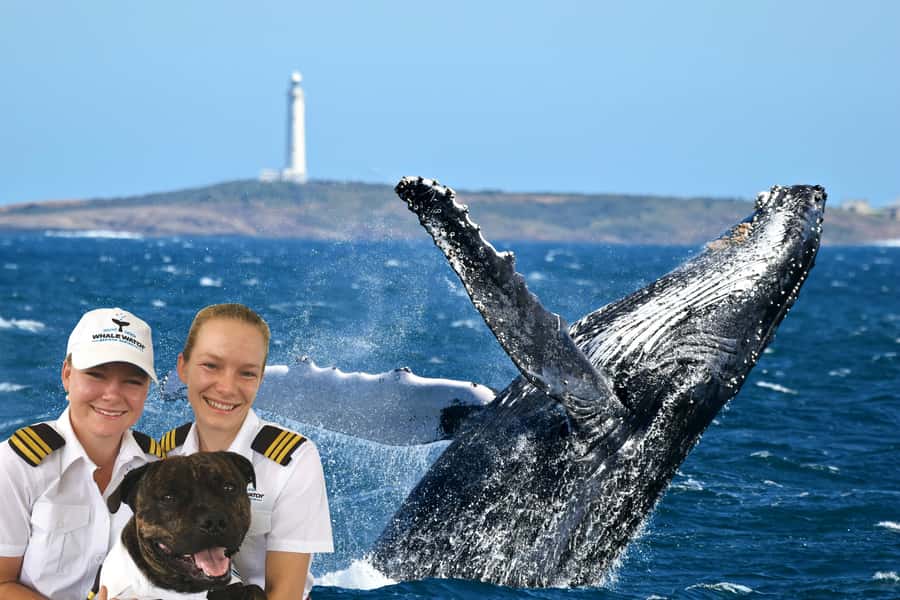
- Expert live commentary that explains what you’re seeing as you see it
- Purpose-built whale watching vessel meant for comfortable viewing
- Flinders Bay’s close-to-shore waters that help whales travel nearer the coastline
- A professional photographer onboard plus downloadable photos after the cruise
- Good odds of more marine life, including dolphins and seabirds, not just whales
Where Augusta and Flinders Bay fit in the humpback migration
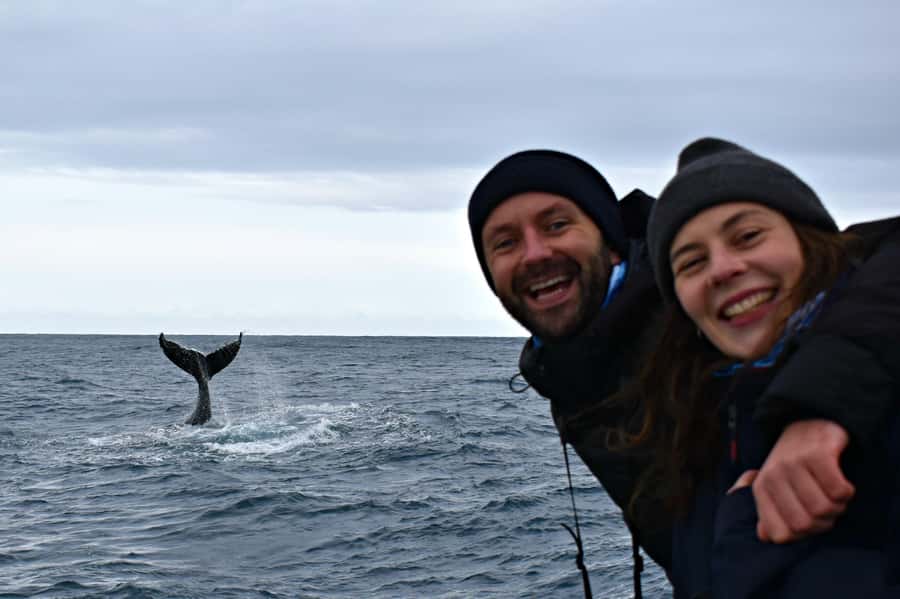
Augusta sits in Australia’s South West, in the zone where the ocean gets serious in winter. From late May to August, humpback whales move through the area on their northern migration, and this is one of the best times to see them. During this season, the region can host over 45,000 humpbacks in Flinders Bay.
Cape Leeuwin matters here, too. It’s the most southwesterly point of Australia, and it’s the geographic hook that helps the whales funnel through waters that are good for watching. You’re not just hoping for a random sighting. You’re in a place where whales naturally pass close enough to make a cruise worthwhile.
There’s also an extra layer of interest in Flinders Bay. It acts as a nursery for the endangered Southern Right Whale, where mothers come close to the coast to raise calves. Even if your main focus is humpbacks, this is part of why the bay feels like a “marine hotspot” instead of a single-species photo stop.
You can also read our reviews of more tours and experiences in Margaret River.



Boarding at Augusta Boat Harbour: smooth start, tidy setup
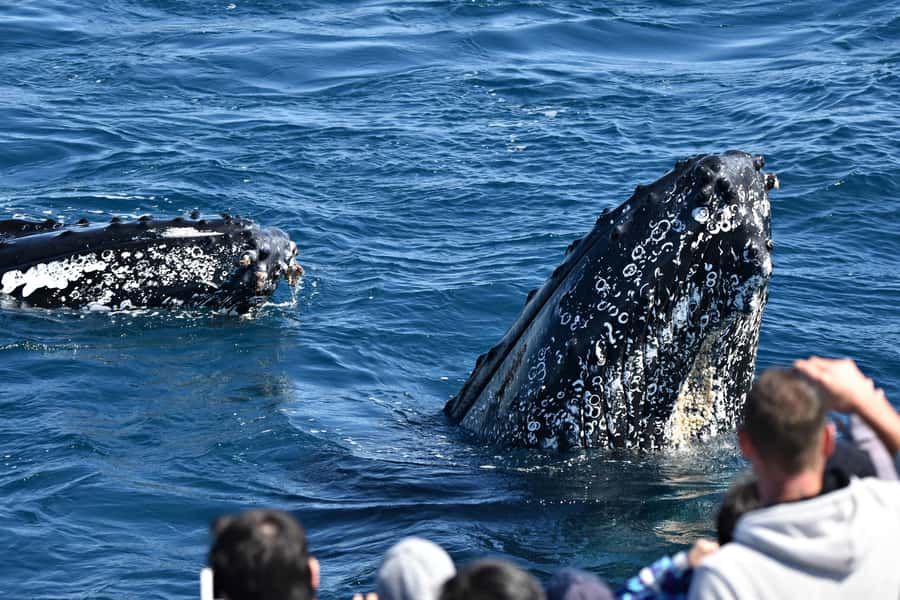
Your meeting point is Augusta Boat Harbour, and the tone starts right away. The vessel experience is a big part of why this cruise feels good. The boat is described as clean and well kept, and the crew comes across as genuinely helpful.
In plain terms: when you’re going out to watch animals, you want two things early. You want a comfortable viewing setup and you want staff who can explain what to look for. The vibe here matches both. People also call out the friendliness of the crew and the way they look after passengers during the trip, especially when questions come up.
This is also a “2-hour” experience, so you don’t have time to wait around for explanations later. You want the first minutes to get you ready for what you’re about to see. This tour is structured for that quick ramp-up.
The cruise in sheltered Flinders Bay and what close-to-shore means
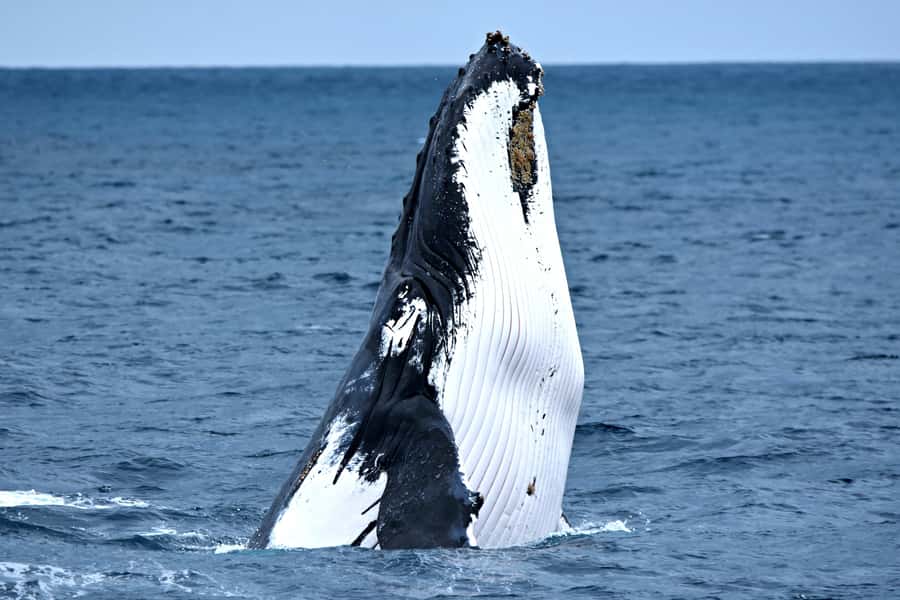
The core viewing grounds are inside Flinders Bay. That matters more than it sounds. The bay is sheltered and protected, so conditions are often better for both comfort and viewing than open ocean stretches.
Just as important: the sighting area supports whales traveling closer to the coastline. When animals stay nearer the shore, your viewing angles and photo opportunities improve. Instead of craning and guessing at distant movement, you can actually track behavior.
I like that the tour is framed around this kind of environment. Flinders Bay isn’t described as wild and unpredictable in a way that makes everyone far away. It’s positioned as a practical place for seeing whales in waters that keep the experience intimate.
And it’s not just whales. The bay often supports other marine life feeding and moving through the same food-rich zone. That means your cruise can stay interesting even when the whales decide to do something a bit slower than you’d like.
Live onboard whale commentary: faster learning, better spotting
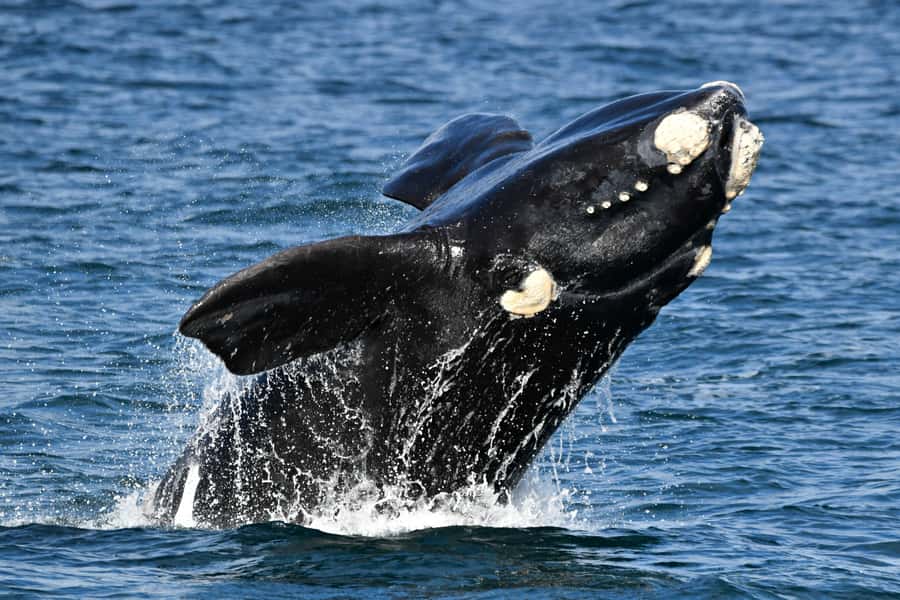
The headline here is the live commentary from a marine mammal expert. For me, that’s the difference between watching something and understanding it.
Humpbacks have a whole set of behaviors that feel obvious only after you know what you’re looking at. With a guide talking you through the life story and the migration journey, the animals stop being just big shapes and turn into a moving story. You learn how these whales use the route, what the seasonal timing means, and why the area is significant.
The tour’s wording is also clear that the goal is to “learn the language of the whales.” In real-world terms, that usually means the guide explains the behavior patterns you might otherwise miss, like where to look for surface activity and how to interpret movement in the water. When the crew points things out while they’re happening, you don’t waste time trying to decode it yourself.
One more practical plus: you’re out there for 2 hours. That’s enough time to get a few good sightings and to absorb what the guide is saying without turning the trip into a long lecture. The commentary is part of the pacing.
Beyond humpbacks: dolphins and seabirds add constant motion
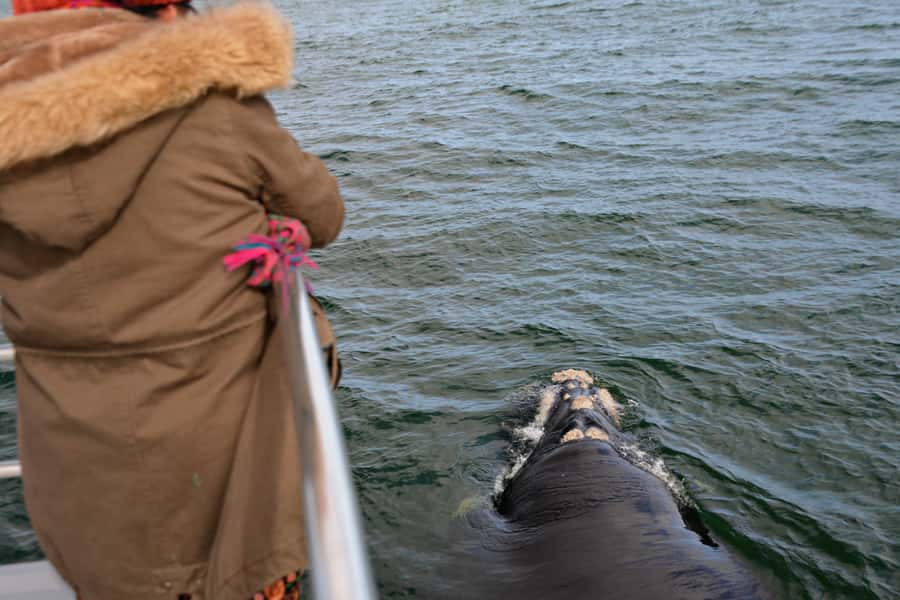
Whale watching is the main event, but Flinders Bay can deliver a lot of supporting characters. Bottlenose dolphins and common dolphins are often spotted feeding in the bay. If the dolphins are active, they can give you something to watch while you’re waiting for a humpback to surface.
Then there are seabirds. You can see albatross, shearwaters, and gannets taking advantage of feeding opportunities. I like having these extras because they keep your eyes busy and your attention from sliding into “just waiting for the whales” mode.
This is also helpful for families or mixed-age groups. Not everyone is going to be locked on one species for the entire 2 hours. When the ecosystem is showing off in multiple ways, the trip stays fun and varied.



Why responsible whale watching is built into the experience
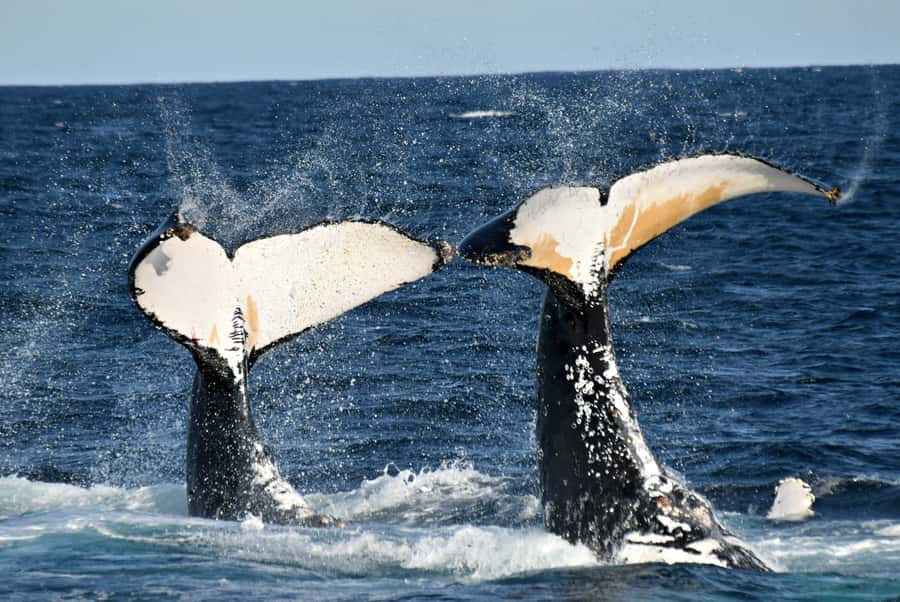
This tour is positioned around conservation through education. That’s not just marketing wording. The real value of a responsible operator is that they teach you how to watch without turning the animals into a roadside attraction.
The emphasis here is on protecting marine mammals and their habitats. That matters because whale watching is always about proximity and behavior. Your presence has an impact, so the best operators focus on respect first: education, awareness, and careful watching rather than reckless chasing.
When a guide frames the trip in conservation terms, you leave with more than photos. You leave with context for what you saw and why the ecosystem needs protection. It makes you a better observer next time, too.
The purpose-built vessel and the comfort factor that affects everything
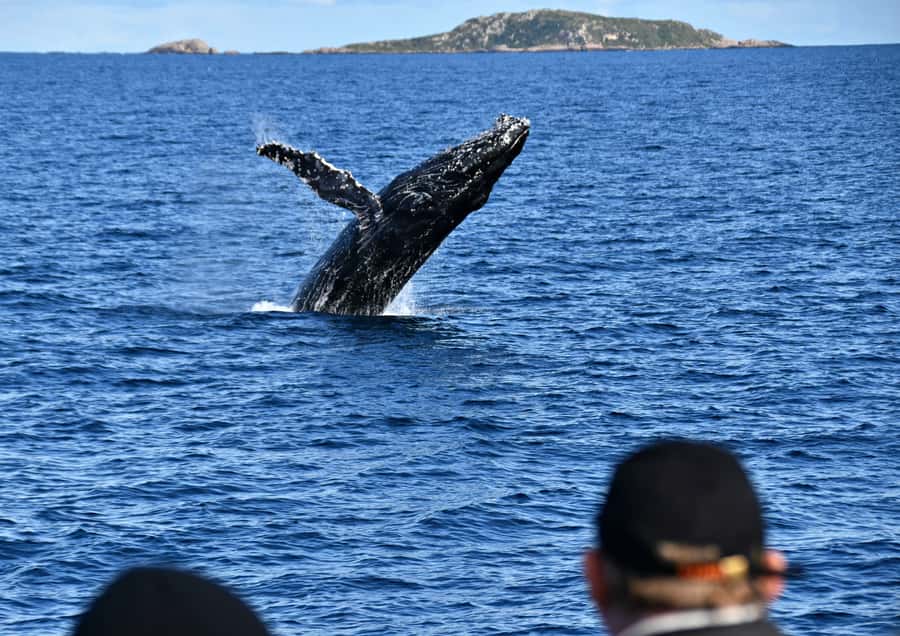
A purpose-built luxury whale watching vessel is part of the pitch, and the reviews back up the vibe. People highlight that the boat is very clean and that the crew are friendly and kind. That combination matters because comfort affects how well you can watch.
If you’re fighting cramped seating, poor sightlines, or a messy deck, your attention goes down. A cleaner, better organized boat helps you focus on the water and on what the guide is calling out.
Also, since this is a whale cruise, things can happen quickly. A well-run crew makes it easier to shift your attention, line up your view, and stay oriented. I like tours where the staff help you find the good angles without making it feel bossy.
Pro photos after your cruise: what’s included and why it’s worth it
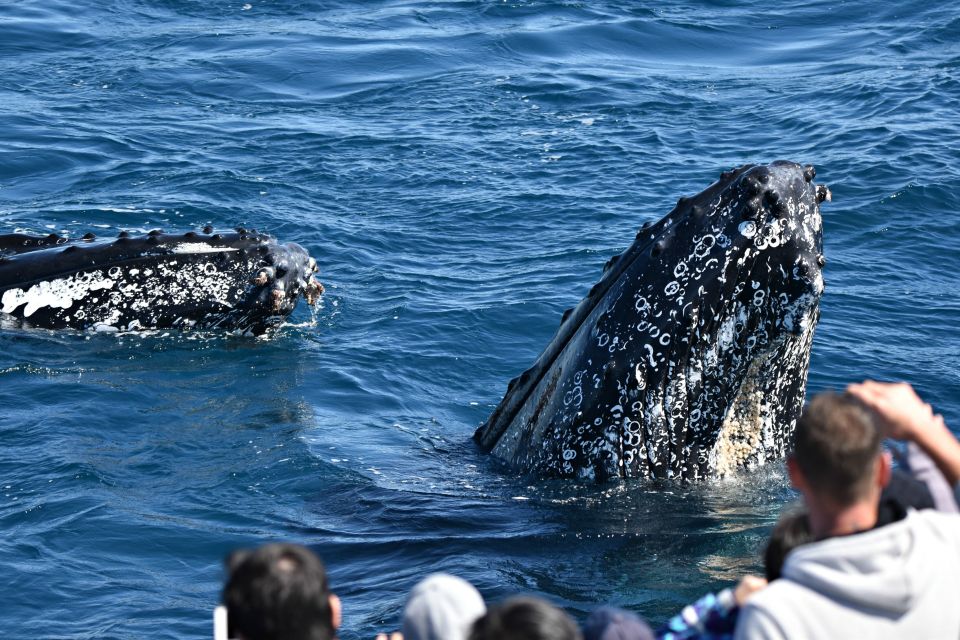
One of the strongest value points is the professional photographer onboard. You don’t have to win a technical photography battle to walk away with good images.
The highlights promise that you can download professionally taken photos after your cruise. That’s a clever way to solve a common problem in whale watching: you’re busy watching, and your camera can be either too slow or too jittery when something pops up near the surface.
Having a pro there changes how you experience the trip. You can look with your eyes first. If something happens, you’re not immediately locked into filming every moment perfectly. The photographer helps cover the “got it” moments, while you enjoy the live scene.
Price and value: is $67 a fair deal for a 2-hour cruise?
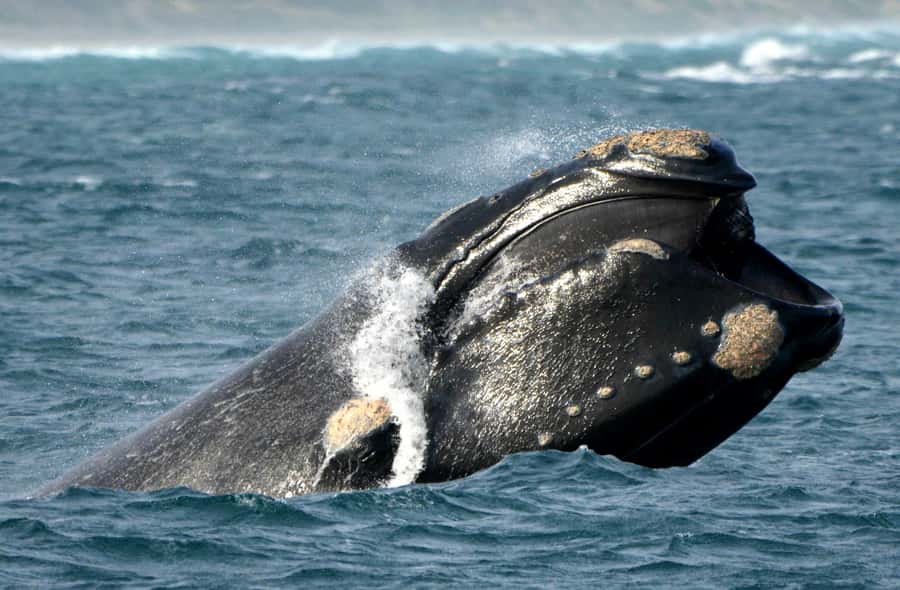
At $67 per person for a 2-hour outing, you’re paying for three specific things: a guided experience, a whale-focused boat, and a professional photo service. Whale watching in peak season can cost more than that, but I also think this price point makes sense for what’s included.
Here’s how I think about it:
- You’re not just paying to sit on a boat. You’re getting live expert commentary during the cruise.
- You’re not just paying for viewing. You’re getting a cleaner, purpose-built setup that’s meant for spotting.
- You’re not just paying for memories. You’re getting downloadable, professionally taken photos afterward.
So the value isn’t only the boat ride. It’s the interpretation and the photo support. If you’re a first-timer, that matters a lot. If you already know whales, it still helps because the guide teaches you what’s relevant in this exact season and bay.
If budget is tight, this is still one of the more straightforward choices because the experience package is clear and tight. Two hours doesn’t drag. You get a focused tour that ends while you’re still excited.
Who should book this Augusta humpback cruise
This tour is a great fit if you want an organized, educational whale watching experience without turning it into a complicated day trip. It suits:
- First-time whale watchers who want help spotting and understanding what they see
- Families and mixed groups who enjoy a steady stream of wildlife activity in a sheltered bay
- Marine life fans who like learning details about migration and local ecosystems
It may be less convenient if you rely on a baby stroller or you travel with large bags, since those are not allowed. And since smoking is not allowed, plan your comfort needs ahead of time.
Tips to make the most of your 2 hours
Because this trip is relatively short, you’ll get more out of it if you show up ready to watch immediately. A few practical moves:
- Dress for changing coastal conditions. Even in Australia’s South West, you can get wind off the water.
- Keep your phone or camera accessible. Quick surface activity doesn’t wait for gear.
- Pay attention to the guide’s pointing. Live commentary works best when you follow it in real time.
- Expect the trip to be wildlife-focused, not sightseeing-heavy. Your “walk around” time is limited, so enjoy the water watching.
Also, remember that this tour includes professional photos afterward. That means you can relax a bit. You don’t have to treat it like a competition to capture everything perfectly.
Should you book this whale watching tour in Augusta?
I’d book it if you want a serious humpback whale migration experience with live interpretation, a clean and comfortable vessel setup, and the added bonus of a professional photographer plus downloadable images.
If your travel goal is simply to ride a boat and hope for something without learning, you might find a different style of tour better. But if you care about understanding what you’re seeing while you’re seeing it, this is a strong choice.
For many visitors, especially first-timers, the value is the combination: close-to-shore Flinders Bay viewing plus expert guidance that helps you watch smarter.
FAQ
How long is the whale watching tour from Augusta Boat Harbour?
The tour lasts 2 hours.
What’s the main location for the whale watching?
The tour focuses on the sighting grounds within Flinders Bay in Western Australia, departing from Augusta Boat Harbour.
Is there live commentary during the cruise?
Yes. You get live commentary in English from a marine mammal expert onboard.
Are professional photos included?
A professional photographer is onboard, and you can download professionally taken photos after your cruise.
Are there any restrictions on what you can bring?
Baby strollers, smoking, and luggage or large bags are not allowed.
What is the cancellation policy and can I pay later?
You can cancel up to 24 hours in advance for a full refund. You can also reserve now and pay later, if that option is available at checkout.